Understanding Your Options for Drug and Alcohol Rehab in Arkansas
Drug and alcohol rehab in Arkansas offers a comprehensive network of treatment options for individuals and families facing addiction. Here’s what you need to know:
Quick Overview:
- 164+ rehab facilities across Arkansas provide detox, residential, and outpatient treatment
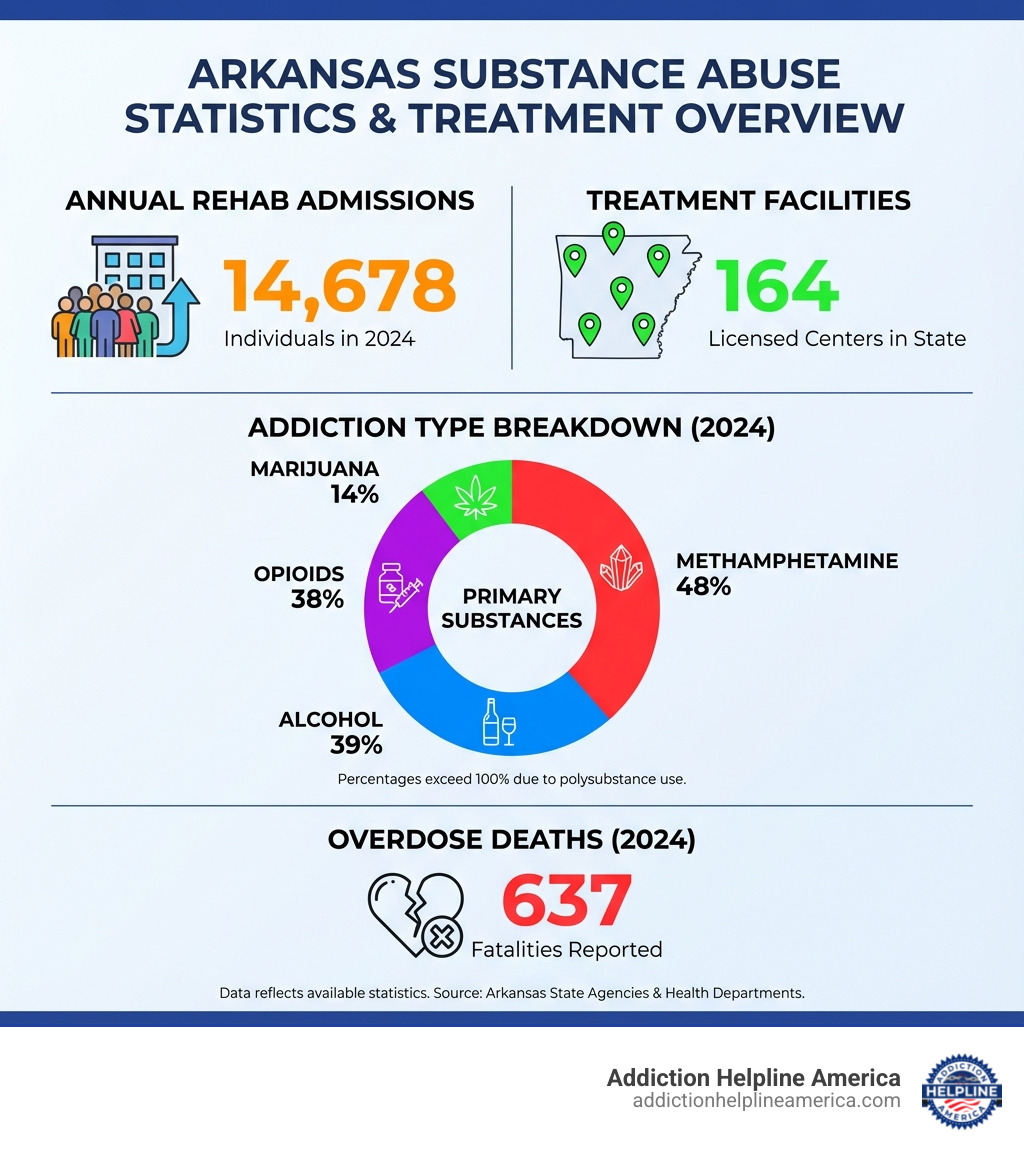
- 14,678 Arkansas residents enter rehabilitation annually, with 4,724 seeking help for alcohol addiction specifically
- Treatment costs average $40,500, with inpatient programs around $53,000 and outpatient averaging $1,600
- Insurance coverage is widely available—most Arkansas plans cover mental health and addiction treatment under the Affordable Care Act
- State-funded programs are accessible through the Arkansas Department of Human Services for those with limited income or no insurance
- Specialized care is available for teens, veterans, dual diagnosis, and LGBTQ+ individuals
Arkansas faces significant substance abuse challenges. Methamphetamine addiction affects 150,000 people, and fentanyl was involved in 51% of overdose deaths in 2024. The state also struggles with alcohol abuse, with binge drinking affecting 17% of adults and alcohol-related fatalities increasing nearly 40% from 2017-2024.
The good news? Recovery is possible, and help is closer than you think. Whether you need immediate detox services, long-term residential care, or flexible outpatient support, Arkansas offers diverse treatment approaches across its 107+ facilities—from the Ozark mountains to Little Rock and everywhere in between.
At Addiction Helpline America, we’ve spent years connecting individuals throughout Arkansas with life-changing drug and alcohol rehab in Arkansas programs that match their unique needs and circumstances. Our team understands the local treatment landscape and can guide you toward the right path for lasting recovery.
Recognizing the Need for Addiction Treatment
It can be incredibly challenging to admit that you or a loved one might need help with addiction. The signs aren’t always obvious, and denial can be a powerful force. However, recognizing these indicators is the crucial first step toward seeking effective drug and alcohol rehab in Arkansas.

Our state, unfortunately, grapples with a significant substance abuse crisis. Methamphetamine addiction, for instance, affects approximately 150,000 people in Arkansas, accounting for 48.5% of drug addiction cases. The opioid crisis is also a grave concern, with fentanyl involved in 51% of overdose deaths in 2024. These alarming statistics underscore the urgent need for individuals to recognize the signs and seek professional help.
Signs that someone may need drug or alcohol addiction treatment can manifest in various ways, touching physical, behavioral, psychological, and social aspects of a person’s life. These can include:
- Physical Signs: Deterioration in appearance, unexplained weight changes, dilated or constricted pupils, frequent illness, tremors, or slurred speech. For example, a person struggling with methamphetamine use might exhibit severe dental problems, known as “meth mouth,” or skin sores from picking.
- Behavioral Changes: Increased secrecy, sudden changes in friends or hobbies, erratic behavior, neglecting responsibilities at work, school, or home, or engaging in risky activities. They might consistently miss important appointments or social gatherings.
- Psychological Symptoms: Increased anxiety, depression, irritability, paranoia, or extreme mood swings. They may seem detached, lose interest in previously enjoyed activities, or experience memory problems.
- Social Withdrawal: Isolating themselves from family and friends, avoiding social situations, or having strained relationships due to their substance use.
- Neglecting Responsibilities: Failing to meet obligations at work, school, or home, leading to job loss, academic failure, or family conflicts.
- Increased Tolerance: Needing more of the substance to achieve the desired effect, indicating a growing physical dependence.
- Failed Attempts to Quit: Expressing a desire to stop using but being unable to do so, despite negative consequences.
If you observe these signs in yourself or a loved one, it’s a clear indication that professional help is needed. The journey to recovery through drug and alcohol rehab in Arkansas begins with this crucial recognition.
Common Signs of Alcohol Addiction
Alcohol addiction is a pervasive issue in Arkansas, with approximately 1.2 million individuals (39.96% of the population aged 12+) reporting alcohol addiction in 2024. The state also sees 17% of adults engaging in binge drinking monthly. Recognizing the signs of alcohol addiction can be life-saving:
- Changes in drinking habits: Drinking more frequently, in larger amounts, or for longer periods than intended.
- Hiding alcohol: Concealing alcohol or drinking secretly to avoid judgment.
- Relationship problems: Frequent arguments with loved ones, often centered around drinking.
- Legal issues like DUIs: Experiencing arrests or legal troubles directly related to alcohol consumption.
- Health decline: Noticeable worsening of physical health, including liver problems, digestive issues, or memory loss.
- Memory loss: Experiencing blackouts or an inability to recall events while drinking.
Common Signs of Drug Addiction
Drug addiction also presents a distinct set of warning signs, which can vary depending on the substance but often share common themes:
- Drastic changes in appearance: Significant weight loss or gain, poor hygiene, or unkempt appearance.
- Financial trouble: Unexplained financial difficulties, borrowing money, or stealing to support a drug habit.
- Secretive behavior: Being evasive about their activities, whereabouts, or who they spend time with.
- Possession of paraphernalia: Finding drug-related items like pipes, needles, or small bags.
- Mood swings: Rapid and unpredictable shifts in mood, from euphoria to severe irritability or depression.
- Changes in social circles: Abandoning old, healthy relationships for new friends who also use drugs.
If these signs resonate with your experience or that of a loved one, please know that we are here to help you steer the next steps toward recovery and finding the right drug and alcohol rehab in Arkansas.
Navigating Drug and Alcohol Rehab in Arkansas
When considering drug and alcohol rehab in Arkansas, understanding the landscape of available treatment options is key. The state boasts over 107 facilities, offering a continuum of care designed to meet diverse needs. This journey often involves several levels of care, from initial detoxification to long-term aftercare. Choosing the right program means finding one that is accredited, evidence-based, and custom to individual requirements.
For a comprehensive overview of local resources, we encourage you to explore our Arkansas Addiction Treatment Guide. When evaluating facilities, look for accreditations from reputable organizations like CARF (Commission on Accreditation of Rehabilitation Facilities) or The Joint Commission. These accreditations signify that a facility meets rigorous standards of quality and patient care.

Types of Addiction Treatment Programs
Arkansas rehab centers provide a range of treatment types, ensuring that individuals can find a program that fits their specific needs and severity of addiction.
- Detoxification (Detox): This is often the first step in the recovery process, involving medically supervised withdrawal from drugs or alcohol. Medical detox ensures safety and comfort during this critical phase, managing potentially dangerous withdrawal symptoms. Clinical detox typically costs $250-$800 per day, while medical detox at private facilities can exceed $1,000 per day.
- Inpatient Treatment: Also known as residential programs, these facilities provide 24/7 care in a structured environment. Patients live at the facility, receiving intensive therapy, counseling, and support. The average cost for inpatient rehab in Arkansas is around $53,000. These programs are ideal for individuals with severe addictions or those who require a complete change of environment to focus on recovery.
- Outpatient Programs (OP): These programs allow individuals to live at home while attending scheduled therapy sessions and groups during the day or evening. They offer flexibility for those who need to maintain work, school, or family responsibilities. The average cost for outpatient rehab in Arkansas is approximately $1,600.
- Intensive Outpatient Programs (IOP): IOPs offer a higher level of care than standard outpatient programs but are less intensive than inpatient. Participants attend several hours of therapy multiple days a week.
- Partial Hospitalization Programs (PHP): PHPs are an even more structured form of outpatient care, often involving daily attendance for several hours, similar to a hospital day program, but without requiring an overnight stay.
For examples of facilities offering these diverse programs, including residential options, you might look into centers like Natural State Recovery Centers, which contribute to the comprehensive network of drug and alcohol rehab in Arkansas.
Common Therapies and Treatment Approaches
Effective drug and alcohol rehab in Arkansas uses evidence-based practices that address the multifaceted nature of addiction. Our goal is to connect you with programs that offer the most effective therapeutic approaches for lasting recovery.
Common therapies and treatment approaches include:
- Cognitive Behavioral Therapy (CBT): Helps individuals identify and change negative thought patterns and behaviors that contribute to substance use.
- Dialectical Behavior Therapy (DBT): Focuses on emotional regulation, distress tolerance, interpersonal effectiveness, and mindfulness, particularly beneficial for those with co-occurring mental health disorders.
- 12-Step Facilitation: Encourages participation in 12-Step programs like Alcoholics Anonymous (AA) or Narcotics Anonymous (NA), emphasizing peer support and spiritual growth.
- Holistic Therapies: Incorporate practices like yoga, meditation, art therapy, and nutrition counseling to promote overall well-being and address the mind, body, and spirit.
- Medication-Assisted Treatment (MAT): Combines FDA-approved medications (such as Suboxone or methadone for opioid addiction) with counseling and behavioral therapies. This approach is highly effective, especially for opioid and alcohol use disorders.
- Dual-Diagnosis Care: Addresses co-occurring mental health disorders alongside substance use disorders, treating both conditions simultaneously for more comprehensive and sustainable recovery. Mental health is a growing problem in Arkansas, with 20% of adults experiencing mental illness each year, making integrated care essential.
Facilities like Ouachita Behavioral Health and Wellness Arkadelphia AR are examples of centers that may offer a range of these therapies to support individuals in their recovery journey.
Benefits of Choosing a Drug and Alcohol Rehab in Arkansas
While the option to travel for treatment exists, choosing drug and alcohol rehab in Arkansas offers distinct advantages that can significantly bolster your recovery journey:
- Local Support Systems: Staying close to home allows for easier access to your existing support network of family and friends, which is invaluable for long-term sobriety. Family involvement in treatment can be a powerful motivator.
- Proximity to Family: Family therapy and visitation are often crucial components of recovery. Being in Arkansas makes it feasible for loved ones to participate and rebuild relationships.
- Serene Natural Environment: Arkansas, “The Natural State,” offers beautiful landscapes, from the Ozark Mountains to its many lakes and rivers. Many rehab centers capitalize on this serene environment, incorporating outdoor activities and nature-based therapies into their programs, which can be incredibly healing.
- State-Specific Resources: Access to Arkansas-specific community resources, support groups, and aftercare programs is seamless. This familiarity can ease the transition back into daily life post-rehab.
- Familiarity with Local Culture: For many, recovering in a familiar cultural context can reduce feelings of isolation and improve comfort during a vulnerable time.
Whether you’re seeking care in urban centers like Little Rock or more rural, tranquil settings, drug and alcohol rehab in Arkansas provides diverse options. For those looking for treatment in the capital city, our resources include information on facilities in Arkansas Little Rock. The best rehab is truly one that meets your individual needs, and sometimes, that means staying close to home.
Paying for Rehab: Costs, Insurance, and State-Funded Options
The cost of drug and alcohol rehab in Arkansas can be a significant concern for many individuals and families. However, financial barriers should never prevent someone from seeking life-saving treatment. There are numerous avenues to make treatment affordable, and we are dedicated to helping you explore every option.
Beyond insurance, many facilities offer payment plans, allowing you to pay for services over time. Sliding scale fees, based on your income and ability to pay, are also common, particularly in non-profit or state-funded programs. Private loans specifically for healthcare or addiction treatment can also be an option. The investment in recovery is an investment in a healthier, more fulfilling future.
Average Costs and Insurance Coverage in Arkansas
Understanding the financial aspect of drug and alcohol rehab in Arkansas is a critical step in accessing care. The average cost of rehab centers in Arkansas is around $40,500. This figure can vary widely depending on the type and duration of the program:
- Inpatient rehab averages about $53,000, reflecting the comprehensive 24/7 care, accommodations, and intensive therapies provided.
- Outpatient rehab is significantly more affordable, averaging around $1,600, due to its less intensive structure and the ability for clients to live at home.
- Detoxification services range from $250-$800 per day for clinical detox, while medical detox at private facilities can exceed $1,000 per day. Opioid addiction treatment is typically 10-20% more expensive, and alcohol addiction treatment can be 15% more than average.
The good news is that insurance coverage can significantly reduce these out-of-pocket costs. Thanks to the Affordable Care Act (ACA), most insurance plans, including those in Arkansas, are required to cover mental health and substance use disorder treatment as essential health benefits. This mandate makes recovery more accessible and affordable than ever before.
Specifically, when it comes to Ambetter insurance, Arkansas residents can expect coverage for medically necessary addiction treatment. This typically includes:
- Detoxification
- Inpatient/residential treatment
- Outpatient treatment
- Therapy and counseling
- Medications for substance use disorders
It’s crucial to verify your specific benefits directly with your Ambetter provider or the admissions team at the rehab center. Prioritizing in-network providers can also help minimize your out-of-pocket expenses. Our team can help you steer this process, verifying your coverage and connecting you with facilities that accept your plan.
State and Public Resources for Drug and Alcohol Rehab in Arkansas
For individuals with limited income or no insurance, state and public resources play a vital role in providing access to drug and alcohol rehab in Arkansas. The Arkansas Department of Human Services (DHS) is instrumental in overseeing these programs.
For more information on the regulatory bodies, including the Office of Alcohol and Drug Abuse Prevention (OADAP) within DHS, you can visit the OADAP Arkansas Licensing Commission. These government-funded rehab programs offer subsidized treatment services to Arkansas residents struggling with addiction.
Eligibility for these programs often depends on several factors:
- Income level: Many programs are designed for low-income individuals or families.
- Lack of insurance: Priority may be given to those who are uninsured or underinsured.
- Residency: Applicants typically need to be residents of Arkansas.
- Specific needs: Some programs target specific populations, such as pregnant women, parents, or individuals with co-occurring mental health disorders.
- Substance use history: The severity and type of substance use disorder can also be a factor.
The Substance Abuse and Mental Health Services Administration (SAMHSA) provides block grants to states, including Arkansas, to fund substance abuse prevention and treatment services. These funds are distributed through state agencies like DHS to various county stakeholders and treatment providers. This ensures that even those without private insurance can find pathways to recovery.
We understand that navigating these options can feel overwhelming. Our team is here to guide you through the process, helping you understand eligibility requirements and connect with appropriate state-funded drug and alcohol rehab in Arkansas programs.
Resources for Co-Occurring Disorders and Special Populations
Addiction rarely travels alone. Many individuals seeking drug and alcohol rehab in Arkansas also struggle with co-occurring mental health disorders, often referred to as a “dual diagnosis.” For instance, 20% of adults in Arkansas experience mental illness each year. Addressing both conditions simultaneously is crucial for effective, long-term recovery.
- Dual Diagnosis Treatment: Integrated treatment for co-occurring mental health and substance use disorders is a cornerstone of comprehensive care. Facilities like Hope Behavioral Healthcare Cherokee Village AR specialize in treating these complex needs, ensuring that both the addiction and underlying mental health issues (such as anxiety, depression, or PTSD) are addressed. This integrated approach is vital because treating only one condition often leads to relapse in the other.
- Teen Addiction Support: Teenagers struggling with addiction face unique developmental challenges. Specialized programs are essential to address their specific needs, incorporating family therapy, academic support, and age-appropriate counseling. Organizations like Alateen in Arkansas provide crucial support for young people affected by someone else’s drinking, helping them prepare for healthy adult lives.
- Veteran Support: Our veterans, who have served our country, often return with trauma and mental health issues that can lead to substance abuse. Dedicated programs for veterans address the unique experiences of military personnel. The Central Arkansas Veterans Healthcare System Mena Outpatient Clinic Mena AR is an example of a resource available to support veterans in their recovery journey.
- LGBTQ+ Inclusive Care: The LGBTQ+ community often faces unique stressors and discrimination that can contribute to higher rates of substance abuse. Finding affirming and inclusive drug and alcohol rehab in Arkansas is vital. These programs provide a safe space where individuals can address their addiction without fear of judgment, fostering a more effective and supportive recovery environment.
We understand that every individual’s journey is unique, and our network includes facilities that offer specialized care for these populations, ensuring everyone finds the support they need.
Frequently Asked Questions about Rehab in Arkansas
Navigating addiction treatment can raise many questions. We’ve compiled some of the most common inquiries to help you better understand drug and alcohol rehab in Arkansas.
What is the role of the Arkansas Department of Human Services (DHS) in addiction treatment?
The Arkansas Department of Human Services (DHS) plays a critical role in regulating and supporting addiction treatment facilities across the state. Specifically, the Division of Aging, Adult, and Behavioral Health Services (DAABHS), which operates under DHS, is the state authority responsible for overseeing and licensing rehab centers and addiction treatment professionals.
DHS ensures that facilities offering drug and alcohol rehab in Arkansas meet specific standards for safety, quality of care, and ethical practices. This oversight involves:
- Licensing facilities: Ensuring that all treatment centers operate legally and meet state requirements.
- Regulating professionals: Setting standards for the qualifications and training of counselors, therapists, and other staff.
- Ensuring quality of care: Monitoring programs to ensure they provide evidence-based treatments and adhere to best practices.
In addition to state regulation, the Substance Abuse and Mental Health Services Administration (SAMHSA), a federal agency, has national responsibilities, including preparing guidelines and running initiatives for safe addiction treatment. While SAMHSA primarily operates at a federal level, its guidelines often influence state-level regulations and funding for drug and alcohol rehab in Arkansas.
For those interested in planning for future mental health treatment, especially individuals with mental illness, a Psychiatric Advance Directive (PAD) can be a valuable tool. You can find more information on this legal tool through resources like the SAMHSA guide on Psychiatric Advance Directives.
What happens after completing a rehab program?
Completing a rehab program is a monumental achievement, but recovery is a lifelong journey. What happens after formal treatment is just as crucial as the treatment itself. This phase is known as aftercare, and it’s designed to support long-term sobriety and prevent relapse.
Effective aftercare planning for drug and alcohol rehab in Arkansas typically includes:
- Relapse prevention strategies: Developing personalized tools and coping mechanisms to handle triggers and cravings.
- Sober living homes or halfway houses: These facilities provide a structured, supportive, and drug-free environment for individuals transitioning from inpatient care back into independent living. They offer a sense of community and accountability.
- Support groups: Participation in mutual-aid groups like Alcoholics Anonymous (AA) and Narcotics Anonymous (NA) is highly recommended. These groups offer peer support, shared experiences, and a sense of belonging, which are vital for maintaining sobriety.
- Continuing care: This might involve ongoing individual therapy, group counseling, or regular check-ins with a treatment professional. It helps individuals continue to process emotions, address underlying issues, and adjust to life in recovery.
The best rehab programs emphasize comprehensive aftercare planning, ensuring that you leave treatment with a clear roadmap for continued success. Our role is to help connect you not only with initial treatment but also with robust aftercare resources in Arkansas.
How do I choose the right rehab center for myself or a loved one?
Choosing the right drug and alcohol rehab in Arkansas is a highly personal decision. With over 107 facilities across the state, finding the perfect fit can feel daunting, but a personalized approach is key to successful recovery. Here’s how we recommend you steer this important choice:
- Assess individual needs: Start by clearly identifying your or your loved one’s specific needs. Consider the primary substance of abuse, the severity of the addiction, and any co-occurring mental health disorders.
- Consider addiction severity: This will help determine the appropriate level of care. Is medical detox necessary? Would an inpatient residential program provide the needed structure, or would an outpatient program offer sufficient support while maintaining daily responsibilities?
- Check for dual diagnosis treatment: If mental health issues are present, ensure the facility offers integrated dual diagnosis treatment. Treating both conditions simultaneously is vital for lasting recovery.
- Verify insurance: Contact your insurance provider (like Ambetter) or the rehab center’s admissions team to understand coverage, deductibles, and out-of-pocket costs. Inquire about state-funded options if insurance is limited.
- Review treatment approaches: Look for centers that use evidence-based therapies (CBT, DBT, MAT) and offer a range of holistic options. Consider if a 12-Step approach, faith-based program, or other specific philosophy aligns with personal values.
- Read reviews and testimonials: While not the sole factor, reading about others’ experiences can offer valuable insights into a center’s environment, staff, and effectiveness.
- Ask about staff credentials: Inquire about the qualifications, licensing, and experience of the clinical team, including doctors, therapists, and support staff.
- Comfort and confidence: The best facility is one where you feel comfortable, respected, and confident in their ability to help you achieve lasting sobriety.
We believe that the best rehab is one that meets your individual needs. Our team specializes in providing personalized guidance, helping you sort through these factors to find the ideal drug and alcohol rehab in Arkansas that aligns with your unique path to recovery.
Take the First Step Towards Recovery Today
The journey to overcome addiction is profound, and we want you to know that recovery is not just a possibility—it’s a reality for thousands of individuals each year in Arkansas. With an average of 14,678 Arkansas natives choosing the path of rehabilitation annually, you are never alone in this fight. Help is readily available, and a healthier, more fulfilling future is within reach.
At Addiction Helpline America, we understand the courage it takes to seek help. Our mission is to ease your burden by providing free, confidential, and personalized guidance to connect you with the right drug and alcohol rehab in Arkansas program from our vast network. We are here to listen, understand your unique situation, and help you take that crucial first step.
Don’t let uncertainty or fear hold you back. Taking action today can change the course of your life. For comprehensive support and to explore your options, please Find help with our Arkansas addiction rehab hotlines guide. Our compassionate team is ready to guide you toward hope and healing.