

Why Finding Drug Rehabs That Allow Pets Matters for Your Recovery
Drug rehabs that allow pets are residential or outpatient addiction treatment facilities that permit clients to bring their beloved animals during recovery. Here’s what you need to know:
Quick Answer: Key Facts About Pet-Friendly Rehabs
- Types of pets allowed: Most facilities accept dogs and cats (often with weight limits around 60 lbs)
- Requirements: Current vaccinations, health records, spay/neuter proof, temperament evaluation
- Costs: Treatment may be covered by insurance, but pet-related fees ($500-$2,000) are typically out-of-pocket
- Service animals: Protected under ADA and generally always permitted
- Emotional support animals (ESAs): Evaluated case-by-case, require documentation from a mental health professional
For many people struggling with addiction, the thought of leaving a beloved pet behind can be a major barrier to seeking treatment. According to a poll from the American Psychiatric Association (APA) and the American Veterinary Medical Association (AVMA), 86% of pet owners report that their animals have a positive effect on their mental health. These aren’t just pets—they’re sources of comfort, routine, and unconditional love during the most difficult times.
The good news is that more treatment centers now recognize the healing power of the human-animal bond. Pet-friendly rehabs allow you to focus on recovery without the added stress and guilt of separation from your furry companion. Research published in journals like Substance Abuse Treatment, Prevention, and Policy has found that animal-assisted therapy improves the therapeutic alliance and can lead to better treatment outcomes.
Whether you have a service dog, an emotional support animal, or simply a beloved pet who’s been by your side through it all, you don’t have to choose between getting help and staying with your animal. Recovery is possible, and your pet can be part of that journey.
At Addiction Helpline America, we’ve helped countless individuals find treatment options that honor their unique needs, including connecting people with drug rehabs that allow pets so families—furry members included—can heal together. Our free and confidential helpline is available 24/7 to guide you toward the right facility for you and your companion.
The Healing Power of Pets in Addiction Recovery
The bond we share with our pets is profound. They offer a unique form of support that can be incredibly beneficial during the challenging journey of addiction recovery. The presence of a pet can transform the recovery environment, making it feel more like home and less like an unfamiliar institution. This sense of familiarity and comfort can be a cornerstone for healing.
Our research consistently shows that pets contribute significantly to mental and emotional well-being, which is critical for successful recovery. Here’s how our furry friends improve outcomes:
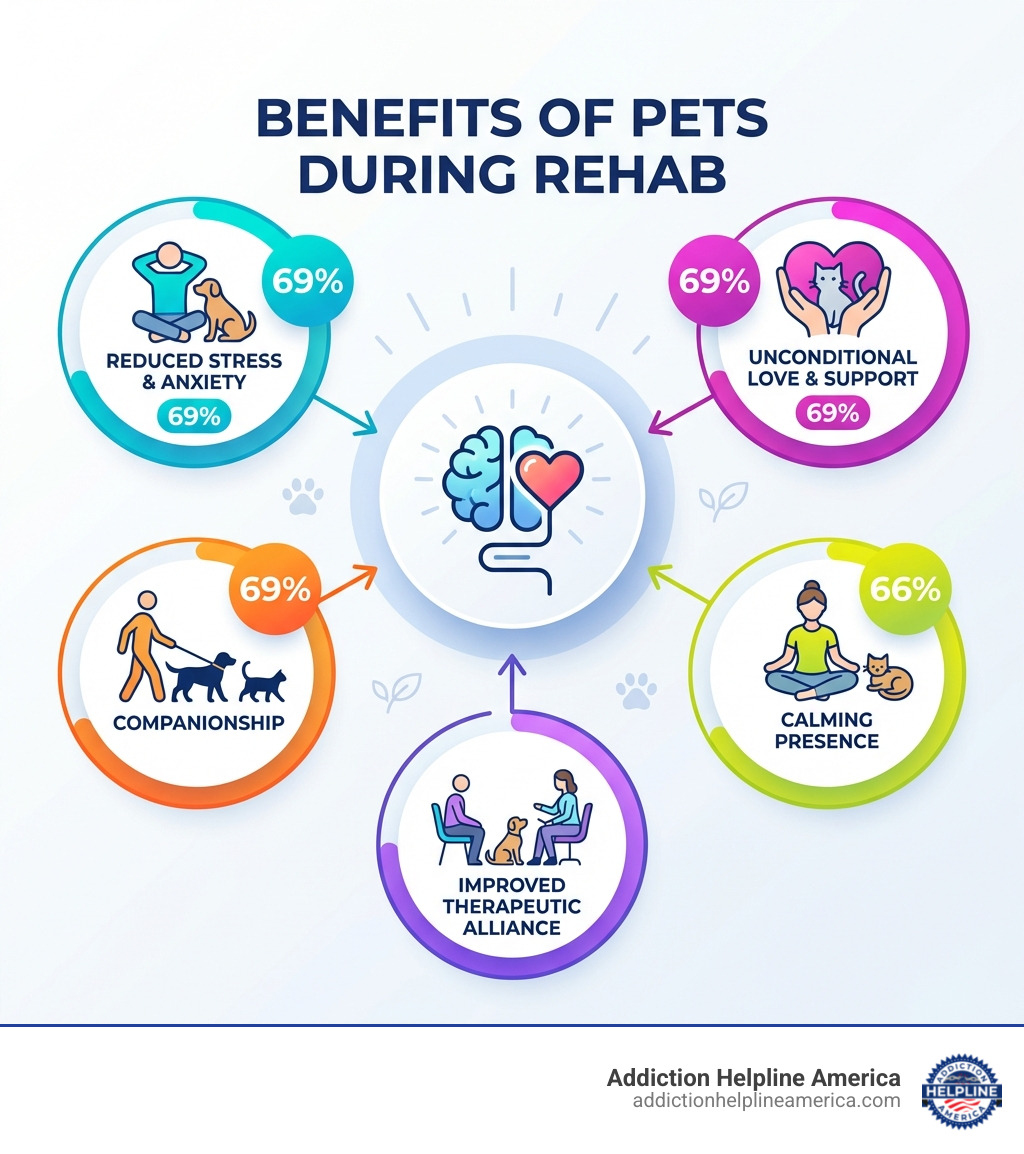
- Reduced Stress and Anxiety: The simple act of petting an animal can lower blood pressure and cortisol (a stress-related hormone) levels, promoting a sense of calm, a benefit highlighted by the National Institutes of Health (NIH). According to a poll by the APA and AVMA, 69% of individuals reported that their pets helped reduce stress and anxiety. This calming presence (reported by 66% of pet owners) is invaluable during detox and early recovery when anxiety levels can be high.
- Unconditional Love and Support: Pets offer a judgment-free zone. When individuals are in recovery, they often grapple with guilt, shame, and self-blame. The unwavering affection from a pet provides a steady source of unconditional love and support, reported by 69% of pet owners in the APA/AVMA survey. This acceptance can help rebuild self-esteem and foster a more positive self-image.
- Companionship to Combat Loneliness: Addiction can be an isolating experience, and the recovery process can sometimes feel lonely. Pets provide constant companionship (a benefit reported by 69% of owners), reducing feelings of isolation and fostering a sense of belonging. As one source noted, a pet is often the one constant source of comfort, routine, and unconditional love. This true friendship (reported by 63%) can be a lifeline for individuals who feel misunderstood or alone.
- Motivation to Stay Engaged in Treatment: Pets can provide a powerful incentive to engage in and complete treatment. The thought of returning to a healthy life with their pet can be a significant motivator. As one compelling insight stated, “Every day you keep using is another day your pet might lose its owner.” This perspective underscores the pet’s dependence and how seeking treatment is a step towards improving the pet’s life as well.
- Responsibility and Routine: Caring for a pet naturally instills a sense of responsibility and routine, which are vital for establishing a stable, sober lifestyle. Daily tasks like feeding, walking, and grooming provide structure. This routine can be a healthy distraction from cravings and negative thoughts, encouraging healthy habits and promoting physical activity. Regular walks, for example, can boost mood-enhancing chemicals like dopamine and improve overall physical health, as highlighted by sources like UC Davis Health and the NIH.
- Improved Therapeutic Alliance: As noted in a review from the UCLA Health People-Animal Connection program, animal-assisted therapy (AAT) has been shown to improve the therapeutic alliance between clients and their therapists. AAT has also been found to improve treatment outcomes for individuals experiencing behavioral concerns, emotional challenges, and health difficulties, making it a valuable component of comprehensive care, according to research on the topic.

The presence of pets can serve as an emotional anchor, helping individuals steer the emotional ups and downs of recovery. They help rebuild trust, provide a sense of normalcy, and offer a unique form of emotional grounding. We believe that integrating pets into the recovery process isn’t just an accommodation; it’s a therapeutic improvement that significantly contributes to healing and long-term sobriety.
Understanding Pet-Friendly Rehab Programs
Finding a treatment center that understands the importance of your pet is a crucial step toward a successful recovery. Let’s explore what makes a rehab “pet-friendly” and what you need to know.
What Is a Pet-Friendly Rehab?
A pet-friendly rehab is a specialized residential or outpatient addiction treatment facility that allows patients to bring their pets with them during their recovery journey. Unlike facilities that might only offer animal-assisted therapy (which we’ll discuss later), pet-friendly rehabs focus on preserving the vital human-animal bond by allowing you to have your own companion by your side.
These programs recognize the therapeutic benefits of pet companionship for emotional support and enhancing the overall treatment experience. Pets are often integrated into daily life and recovery routines, providing comfort, structure, and a sense of normalcy. As a pet-friendly inpatient drug rehab center, such facilities aim to remove a significant barrier to treatment for many individuals, ensuring that you don’t have to choose between your beloved animal and getting the help you need.
The goal is to create an environment where you can focus on your healing without the added stress of worrying about your pet’s well-being. Whether you’re considering an intensive inpatient program or a more flexible outpatient approach, pet-friendly options are becoming more available. To learn more about different treatment structures, you can explore our Outpatient Rehabilitation Services Complete Guide.
What Are the Requirements for Bringing a Pet to Rehab?
Bringing your pet to a drug rehab that allows pets isn’t as simple as just showing up with your furry friend. To ensure a safe and healthy environment for all patients, staff, and animals, facilities have specific guidelines and requirements. While these can vary, common stipulations include:
- Vaccination Records: Your pet must be up-to-date on all required vaccinations (e.g., rabies, distemper). Most facilities will require official documentation from a veterinarian.
- Health Certificate: A recent health certificate from a licensed veterinarian, confirming your pet is in good health and free of contagious diseases, is often mandatory.
- Spay/Neuter Proof: Many programs require pets to be spayed or neutered to prevent unwanted pregnancies and reduce behavioral issues.
- Temperament Evaluation: Your pet’s behavior is critical. Facilities need to ensure animals are well-behaved, non-aggressive, and can comfortably live around other people and potentially other pets. Some rehabs may conduct a temperament evaluation or require a trial period.
- Breed and Size Guidelines: While most drug rehabs that allow pets accommodate dogs and cats, there might be breed restrictions or weight limits (e.g., often around 60 pounds). Small caged pets like hamsters or birds may also be permitted on a case-by-case basis. It’s essential to confirm these specifics directly with the facility.
- Client Responsibilities: As the owner, you’ll be responsible for all aspects of your pet’s care, including feeding, exercise, waste cleanup, and administering any medications. This responsibility can be a positive aspect of recovery, fostering accountability.
- Required Pet Supplies: You’ll need to bring all necessary pet supplies, such as food, bedding, toys, leash, collar or harness, and any medications.
- Liability Waivers: Expect to sign liability waivers related to your pet’s behavior and any potential incidents.
Always contact the admissions team of any prospective pet-friendly rehab to review their detailed pet policy and determine your pet’s eligibility.
Are ESAs and Service Animals Treated Differently in Drug Rehabs That Allow Pets?
Yes, there’s a significant distinction between emotional support animals (ESAs) and service animals, and this difference often impacts how drug rehabs that allow pets handle their admission.
-
Service Animals and ADA Protections: Service animals are dogs (and in some cases, miniature horses) individually trained to perform specific tasks for a person with a disability. These tasks can range from guiding the visually impaired, alerting the deaf, pulling wheelchairs, or detecting oncoming seizures. Under the Americans with Disabilities Act (ADA), service animals are not considered pets; they are recognized as working animals and are generally permitted to accompany their owner everywhere, including healthcare facilities, doctor’s offices, and patient rooms. Rehab facilities are legally required to accommodate service animals.
-
Emotional Support Animals (ESAs) and Facility Policies: Emotional support animals provide companionship and emotional support to individuals diagnosed with a mental health disorder. Unlike service animals, ESAs are not trained to perform specific tasks. While they provide therapeutic benefits, they do not have the same broad public access rights as service animals under the ADA. However, under the Fair Housing Act, residential facilities may be required to make reasonable accommodations for ESAs, even if they have a “no-pet policy,” and cannot charge additional pet fees.
For drug rehabs that allow pets, policies regarding ESAs often vary. Many facilities will welcome ESAs on a case-by-case basis. To be recognized, you will typically need:
- Documentation Requirements: A letter from a licensed mental health professional (such as a psychiatrist, psychologist, or therapist) stating that you have a diagnosed mental health condition that limits major life activities and that the ESA is necessary for your mental health. This letter should be on letterhead and include the professional’s license type, number, and state of issue.
It’s crucial to discuss your ESA’s status and provide the necessary documentation during the admissions process. While drug rehabs that allow pets are generally more open to ESAs than non-pet-friendly ones, their specific internal policies will still apply.

Costs and Insurance Coverage for Pet-Friendly Rehabs
Understanding the financial aspects of attending drug rehabs that allow pets is essential. While the treatment itself may be covered by insurance, the costs associated with bringing your pet typically are not.
- Pet-Related Fees: Pet-friendly rehabilitation centers often charge additional fees for pet accommodation. These can include a pet deposit (refundable or non-refundable) and daily or monthly fees, which can range from a few hundred to several thousand dollars, depending on the facility and the length of your stay. These are generally considered amenities and are usually an out-of-pocket expense.
- Insurance for Addiction Treatment: Many pet-friendly rehabs accept commercial health insurance. Insurance may cover treatment at a pet-friendly rehab if the facility and program are included in your plan. However, coverage varies significantly based on your specific insurance policy, the type of program (inpatient, outpatient), and whether the facility is in-network. It’s always best to contact your insurance provider directly to confirm your benefits.
- Animal-Assisted Therapy (AAT) Costs: If the facility offers AAT, the cost structure can differ. Some inpatient programs may incorporate AAT costs into their overall program fee. For outpatient treatment providers, AAT sessions might be charged separately, with costs varying by provider and program.
- Free Resources and Our Service: While pet-related costs might not be covered, we want to emphasize that Addiction Helpline America provides a free and confidential service to help you steer these options and understand what your insurance might cover for the treatment component. We can assist with insurance verification to clarify your benefits, limitations, and restrictions for various programs, including those that are pet-friendly.
For those interested in comprehensive residential options, including luxury facilities that might be more likely to offer extensive pet amenities, our Luxury Inpatient Rehab Complete Guide provides further information. Additionally, you can find details on specific insurance coverage, such as with Aetna Insurance Rehab Coverage. Always confirm your coverage with both your insurance provider and the rehab facility before committing to treatment.
How to Find Drug Rehabs That Allow Pets
Finding the right drug rehab that allows pets requires a bit of research, but it’s a worthwhile effort to ensure you receive comprehensive care without sacrificing the comfort of your companion. Our network includes diverse treatment centers across the country, making it easier to find a match for your unique needs.
Here’s how we recommend approaching your search:
- Online Search Tips: Start with targeted online searches using keywords like “pet-friendly rehab,” “drug rehabs that allow pets near me,” or “addiction treatment with dogs.” This can yield initial lists of facilities.
- Using Treatment Directories: Use online directories for rehab centers. Many reputable directories allow you to filter by amenities, including “pet-friendly.” This is an efficient way to narrow down options.
- Admissions Process: Once you have a list, the admissions process typically involves several steps:
- Initial Inquiry: Contact the facilities to express your interest and mention your pet.
- Phone Assessment: Most centers will conduct a phone assessment to understand your treatment needs.
- Documentation: Be prepared to provide all necessary personal and pet-related documentation.
- Insurance Verification: Our team at Addiction Helpline America can assist with this crucial step to understand your coverage.
- Admission Date: Once all steps are cleared, an admission date will be set.
- Questions to Ask About Pet Policies: Don’t hesitate to ask detailed questions during your initial inquiries. This is critical to ensure a smooth transition for both you and your pet.
Steps to Find the Right Pet-Friendly Rehab Near You
Finding the perfect fit can seem daunting, but we’re here to guide you. Here are actionable steps to help you locate the ideal drug rehab that allows pets close to your desired location or anywhere in our extensive network:
- Use National Helplines: For immediate assistance and guidance, the National Helpline for Mental Health, Drug, Alcohol Issues – SAMHSA is an excellent resource. You can also reach out to us at Addiction Helpline America for free, confidential, and personalized guidance. We can help you identify facilities that meet your treatment and pet accommodation needs.
- Verify Facility Credentials: When considering any rehab, always prioritize facilities accredited by reputable organizations such as the Joint Commission (JCAHO) or CARF International. This ensures a high standard of care.
- Confirm Pet Policies Directly: Never assume a facility is pet-friendly without direct confirmation. Policies can change, and specific requirements vary. When you call, be sure to ask:
- What types of animals are allowed? (e.g., dogs, cats, small caged pets)
- Are there any size or breed restrictions? (e.g., weight limits around 60 lbs are common)
- What are the specific health and vaccination requirements for my pet?
- Is a temperament evaluation or pet interview required?
- What are the daily responsibilities for pet care, and how are they integrated into my treatment schedule?
- Are there any additional fees for bringing my pet, and are these covered by insurance?
- How are emotional support animals (ESAs) and service animals handled?
- What happens if my pet needs veterinary care during my stay?
- Are there designated pet areas, and how are sanitation standards maintained?
- What is the staff-to-patient ratio, and how does that impact pet supervision?
- Explore Our Network and Local Options: Our network spans nationwide, covering various states and top US cities. For more localized searches, you can use resources like our Drug Rehab Facilities Near Me guide to find options in your area, such as Los Angeles, New Orleans, or facilities in Florida or Ohio. If a suitable pet-friendly program isn’t available locally, don’t be afraid to consider traveling to another state, as many excellent options exist in places like California, Texas, and Florida.
- Consult Healthcare Professionals: Your doctor, therapist, or counselor can provide referrals to facilities they trust and that might align with your specific needs.
Choosing the right rehab is a significant decision, and our How to Choose the Right Rehab guide offers further insights to help you make an informed choice.
What to Expect at Drug Rehabs That Allow Pets
Once you’ve found a suitable drug rehab that allows pets and completed the admissions process, you might wonder what daily life will look like. While each facility has its unique programs and amenities, there are common elements you can expect:
- Designated Pet Areas: Pet-friendly rehabs typically feature specific areas where pets can stay, play, and relieve themselves. This might include dedicated pet rooms, fenced dog runs, or pet-friendly outdoor spaces. Some facilities, particularly those in scenic locations, might offer access to nearby dog-friendly parks or beaches.
- On-Site Walking Paths: Many centers offer on-site walking paths or encourage walks in safe, accessible nearby areas. This not only provides exercise for your pet but also offers a great opportunity for you to engage in physical activity, which is known to boost mood and overall well-being during recovery, as supported by the Centers for Disease Control and Prevention (CDC).
- Pet Care Duties: You will be responsible for your pet’s daily needs. This includes feeding, providing fresh water, daily walks, cleaning up waste, and ensuring their comfort. These responsibilities, far from being a burden, can be a therapeutic part of your recovery, fostering accountability and routine.
- Integration of Pets into Daily Schedule: Depending on the program, your pet might be integrated into your daily schedule in various ways. This could mean having your pet with you during certain therapy sessions, designated “pet time” for play and bonding, or simply having them present in your living quarters. Some facilities offer a “Day in the Life” experience that illustrates how pets are woven into the routine, from morning walks to evening quiet time.
- Comprehensive Treatment: While your pet is a welcome companion, the primary focus remains on your recovery. You’ll participate in evidence-based therapies, individual and group counseling, and other therapeutic activities designed to address your substance use disorder. Our Drug Rehab Programs Complete Guide provides an in-depth look at various treatment modalities.
The goal is to create a nurturing, structured environment where both you and your pet can thrive, allowing you to focus on healing with the continuous emotional support of your beloved companion.
What to Do If You Can’t Bring Your Pet to Rehab
We understand that despite the growing number of drug rehabs that allow pets, it might not always be feasible to bring your companion with you. Perhaps your pet doesn’t meet the facility’s requirements, or the ideal program for your specific treatment needs isn’t pet-friendly. This doesn’t mean you should delay treatment. Your recovery is paramount, and there are excellent options available for your pet’s care while you focus on healing.
Here are some compassionate alternatives for your pet:
- Trusted Friends or Family: The most common and often preferred option is to ask a trusted friend or family member to care for your pet temporarily. This ensures your pet is in a familiar environment with people they know and love, providing peace of mind for you.
- Professional Pet Sitters: For in-home care, a professional pet sitter can maintain your pet’s routine in your own home. Many pet sitters offer regular updates, including photos and videos, which can help you stay connected to your pet during your absence.
- Long-Term Boarding Facilities: High-quality boarding kennels or veterinary hospitals often offer long-term boarding options. These facilities provide structured care, regular feeding, exercise, and often medical supervision, ensuring your pet is safe and well-cared for.
- Animal Rescue Organizations and Foster Care Networks: Some animal rescue organizations and shelters have temporary foster programs specifically designed to help individuals facing crises, including those entering rehab. They can place your pet in a loving foster home until you complete treatment. Contacting local animal welfare groups can provide valuable leads.
Making arrangements for your pet’s care is a loving act that allows you to prioritize your health. Your pet wants you healthy and happy, and getting the treatment you need is the best way to ensure a long, joyful life together.
Don’t Let Your Pet Stop You From Getting Help
For many, the thought of leaving their pet behind can be a significant emotional hurdle, sometimes even becoming an “excuse” to delay much-needed treatment. However, as we’ve explored, you don’t have to choose between your best friend and your future. Drug rehabs that allow pets are a testament to the evolving understanding of comprehensive, compassionate care.
- Recovery is Possible, and Your Pet Wants You Healthy: Your pet relies on you. They thrive when you are well. Delaying treatment not only jeopardizes your health but also affects your pet’s quality of life. As one source powerfully states, “Every day you keep using is another day your pet might lose its owner.” Taking the step into recovery, whether with your pet by your side or with them safely cared for, is the most loving thing you can do for both of you.
- Recap of Benefits of Pet-Friendly Rehabs: Remember the immense advantages: reduced stress and anxiety, unconditional love, vital companionship against loneliness, motivation to stay engaged, and the grounding routine of caretaking. While relapse is a part of the recovery process for many, professional treatment significantly improves the chances of long-term sobriety. According to the National Institute on Drug Abuse (NIDA), relapse rates for substance use disorders are between 40% and 60%, similar to other chronic illnesses like asthma or heart disease. Treatment helps individuals develop the skills to manage their condition and sustain recovery.
- Taking the First Step: The journey to recovery begins with a single step. If the presence of your pet is a crucial part of that step, we encourage you to explore drug rehabs that allow pets. If that’s not an option, know that secure and loving temporary homes can be found for your companion.
- Addiction Helpline America Support: We are here to provide free, confidential, and personalized guidance to help you steer your options. Our vast network includes many drug rehabs that allow pets, and we can help you find the right program that aligns with your specific needs, insurance coverage, and location preferences across the country. Don’t let uncertainty or fear stand in your way. Your pet is waiting for the healthier, happier you.
Reach out to us today. Our compassionate team is available 24/7 to connect you with the resources you need. For immediate help, you can always refer to our Addiction and Rehab Hotlines for support. You don’t have to go it alone.