
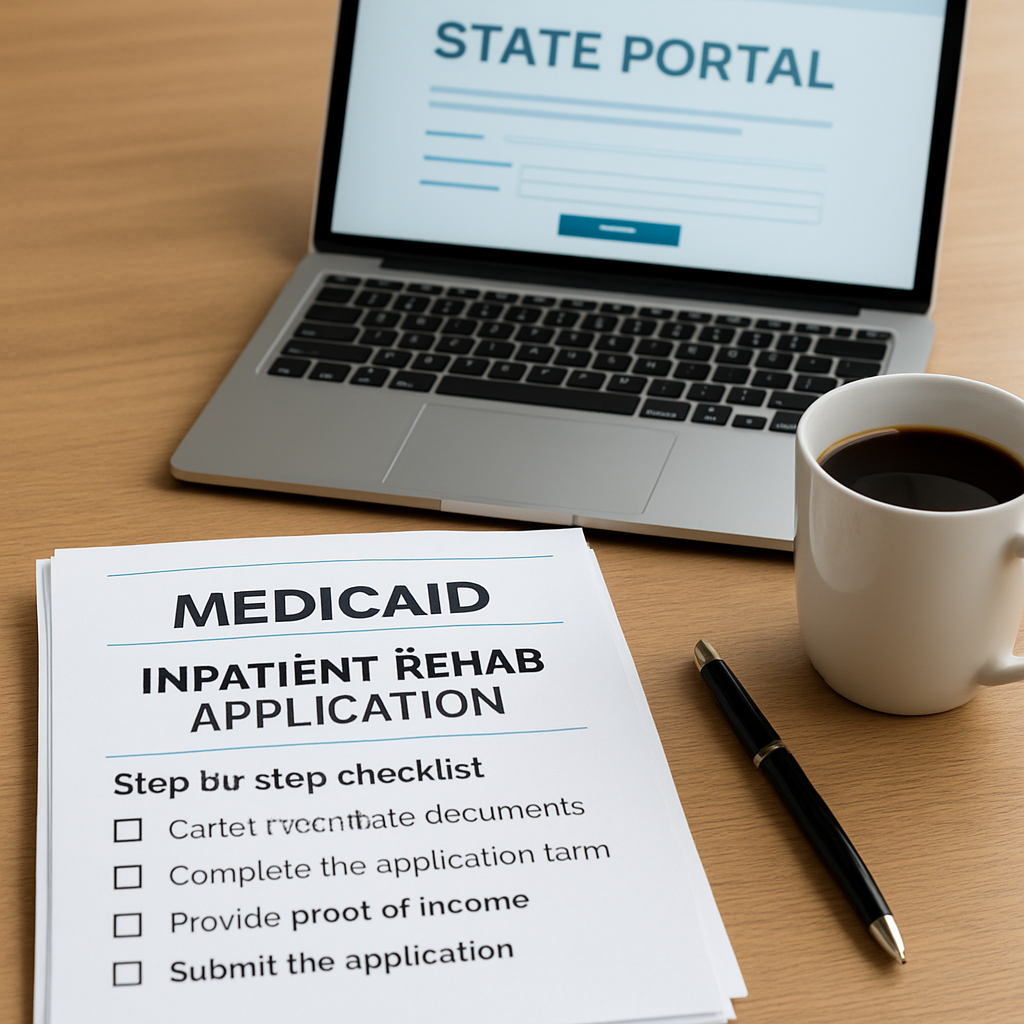
Ever sat at the kitchen table, scrolling through Medicaid paperwork, and thought, “Does Medicaid even cover inpatient rehab?” You’re not alone. That moment of uncertainty hits many families right when they’re desperate to get help.
In reality, Medicaid does cover inpatient rehab in most states, but the specifics can feel like a maze. Some programs pay for full‑room detox, while others only cover a portion of a residential stay. The difference often hinges on the state’s Medicaid plan, the type of diagnosis, and whether the facility is deemed medically necessary.
Take Sarah from Ohio, for example. She was admitted to a 30‑day residential program after a severe alcohol relapse. Her Medicaid plan covered 80% of the cost, leaving a modest co‑pay that she could manage. Meanwhile, John in Texas discovered his plan required a prior authorization and only covered outpatient services, forcing him to look for a different facility.
So, how do you avoid those painful surprises? Here are three concrete steps you can take right now:
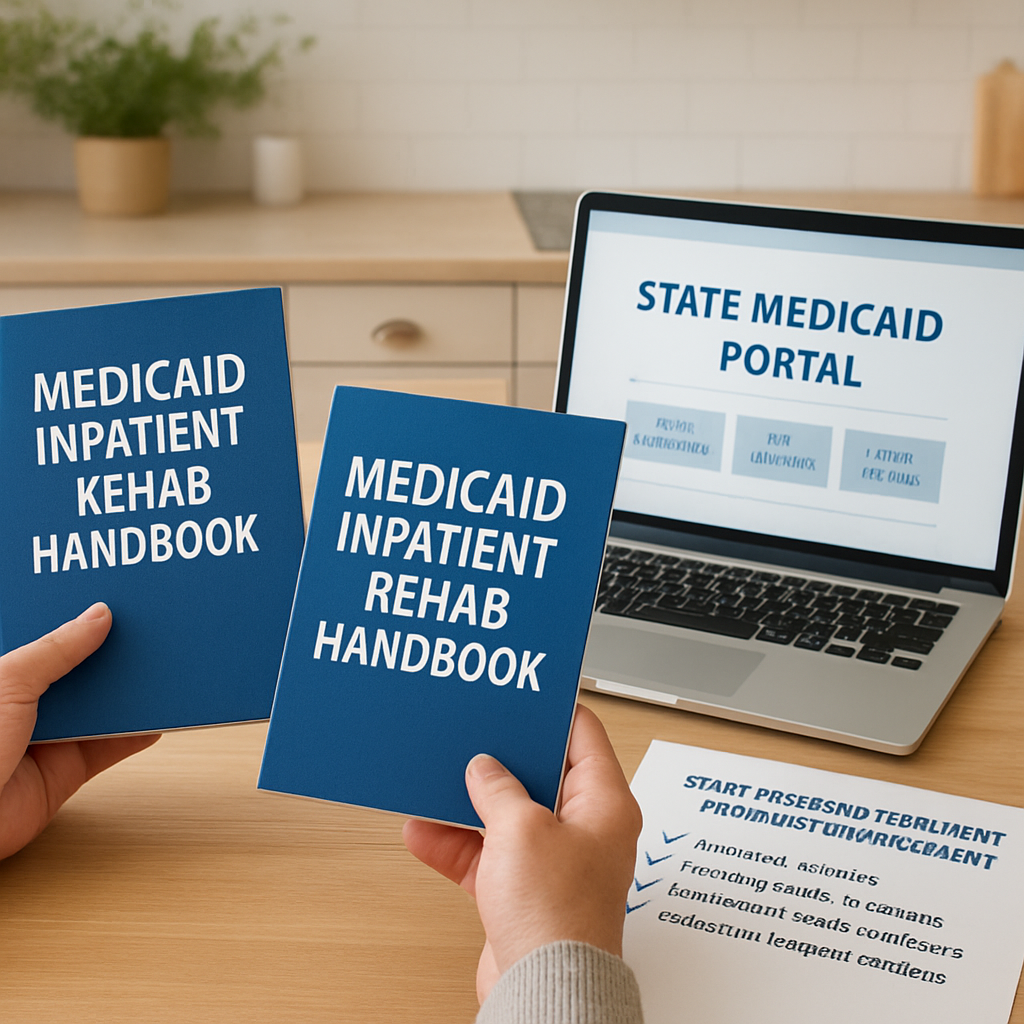
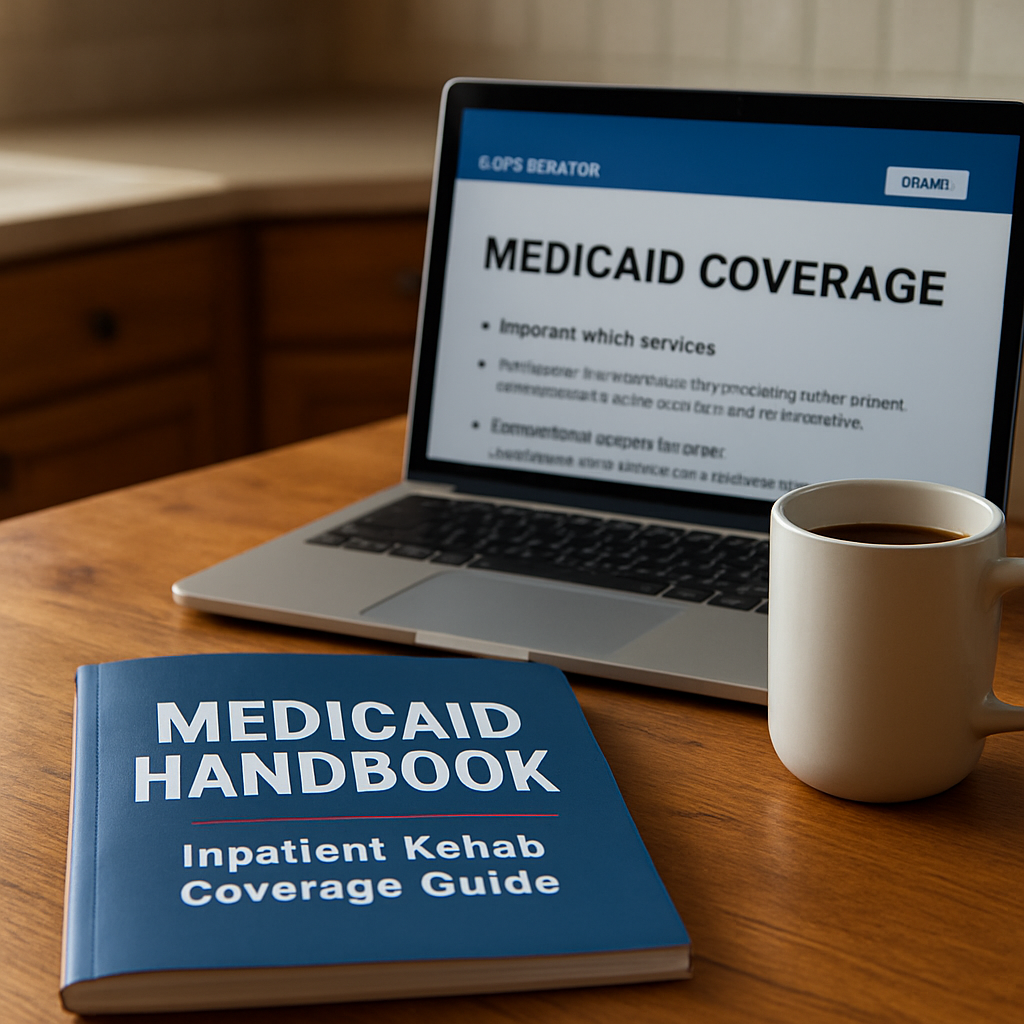
- Check your state’s Medicaid handbook or website for the exact list of covered inpatient services.
- Call the rehab center’s admissions office and ask, “Will my Medicaid plan cover the full inpatient stay, and what out‑of‑pocket costs should I expect?”
- Get a written confirmation from your Medicaid provider before you admit anyone. A simple email or letter can save weeks of hassle.
Our team at Addiction Helpline America often sees families stuck at this crossroads. That’s why we’ve compiled a detailed resource that walks you through eligibility, state variations, and the application process. You can dive deeper into the nuances by reading Does Medicaid Cover Rehab? A Complete Guide To Benefits …. It breaks down the paperwork into bite‑size steps and even offers a printable checklist.
Remember, the goal isn’t just to find a bed—it’s to secure a treatment plan that’s financially sustainable and medically appropriate. By asking the right questions up front, you can turn that confusing Medicaid maze into a clear path toward recovery.
TL;DR
Navigating Medicaid’s inpatient rehab coverage can feel overwhelming, but knowing that most states cover medically necessary stays—and that you can verify eligibility with a quick handbook check—helps you avoid costly surprises. Use our three‑step checklist—review your state’s Medicaid guide, call the treatment center to confirm coverage, and get written confirmation—to secure a smooth, affordable admission.
Understanding Medicaid Inpatient Rehab Coverage
When you first ask yourself, “does Medicaid cover inpatient rehab?” it often feels like you’ve opened a door to a hallway of paperwork you’ve never seen before.
The short answer is yes—most state Medicaid programs will foot the bill for a medically‑necessary stay, but the devil’s in the details: diagnosis, length of stay, and whether the facility is in the state’s provider network.
In our experience at Addiction Helpline America, the biggest surprise families encounter isn’t the denial itself, but the hidden steps that determine eligibility. Think of it like a puzzle: you need the right pieces—your diagnosis code, a signed physician’s recommendation, and a prior‑authorization from the Medicaid office—before the picture comes together.
What “medically necessary” really means
Medicaid defines “medically necessary” as care that a qualified health professional would provide in a hospital setting for an acute condition. That means if your loved one’s substance‑use disorder has led to severe withdrawal, a co‑occurring mental‑health crisis, or a life‑threatening health issue, the state is more likely to approve an inpatient stay.
Conversely, a clean‑cut “detox only” program without a documented medical complication often falls into the outpatient tier, even if the client would benefit from a 30‑day residential setting. That’s why pulling the exact language from your state’s Medicaid handbook makes a world of difference.
Here’s a quick checklist we’ve seen work for dozens of families:
- Confirm the diagnosis code (ICD‑10) matches the condition listed in Medicaid’s covered services.
- Ask the treatment center to submit a prior‑authorization request on your behalf.
- Verify the facility is a Medicaid‑approved provider; you can usually find this on the state’s website.
- Get written confirmation of coverage, including any co‑pay or deductible amount.
If any of those steps slip, you might end up with a surprise bill that could derail the recovery journey before it even begins.
For a deeper dive into state‑by‑state nuances, check out our Does Medicaid Cover Rehab? A Complete Guide, which walks you through the exact forms and phone numbers you’ll need.
Sometimes a quick visual explanation helps more than a paragraph of text. The video below breaks down the prior‑authorization process in under three minutes.
Notice how the speaker stresses the importance of getting a written authorization before signing any admission forms? That’s the safety net that keeps your Medicaid benefits from evaporating mid‑treatment.
Once the inpatient stay is approved, many families wonder what comes next. A solid post‑rehab wellness plan can keep the momentum going, and that’s where holistic partners like XLR8well step in, offering nutrition coaching and health monitoring that complement traditional therapy.
Equally important is a restorative sleep environment. Recovery can be exhausting, and a comfortable mattress can make a night’s rest feel like a small victory. If you’re hunting for a cooler bed that won’t overheat, the Mattress for Hot Sleepers guide offers practical tips you can apply right away.
Bottom line: does Medicaid cover inpatient rehab? Yes, as long as you treat the process like a project—gather the right paperwork, lock in prior‑authorization, and double‑check the provider network. Follow the checklist, keep that written confirmation handy, and you’ll turn a confusing maze into a clear road toward recovery.
Eligibility Criteria for Medicaid Inpatient Rehab
So you’re staring at the Medicaid handbook and wondering, “Do I even qualify for an inpatient stay?” That feeling of doubt is totally normal—most families feel the same way the first time they dig into the fine print.
First off, Medicaid only pays for treatment that’s deemed medically necessary. In practice, that means a doctor has to sign off that you (or your loved one) need intensive, around‑the‑clock care. The doctor’s note isn’t just a formality; it’s the ticket that unlocks the coverage.
Core eligibility pillars
There are three big boxes you have to check before Medicaid says “yes.”
- Diagnosis: You need a recognized substance‑use disorder (SUD) diagnosis, like alcohol dependence or opioid use disorder. The DSM‑5 criteria are the gold standard, and most state Medicaid programs reference them.
- Level of care: The program must be an inpatient rehabilitation facility (IRF) that meets federal certification standards. According to the Centers for Medicare & Medicaid Services, IRFs must be able to provide at least three hours of intensive therapy per day.
- Physician certification: A licensed physician must complete the Medicaid‑specific “Medical Necessity Letter” (sometimes called a prior authorization form). Without that, the claim gets rejected before it even hits the billing desk.
Does that sound like a lot? It can be, but think of it as a checklist you can actually cross off, one step at a time.
State‑by‑state quirks
Every state runs its own Medicaid program, so the exact thresholds shift from Ohio to California. For example, Ohio often covers up to 80% of a 30‑day stay, while California may require an extra step: a “Utilization Review” that proves the stay can’t be handled outpatient.
Here’s a quick snapshot:
- Florida: Requires a minimum 7‑day stay for inpatient coverage.
- New York: Allows coverage for up to 60 days if the patient meets the “intensive rehabilitation” criteria.
- Texas: Prior authorization is mandatory; without it, the stay is treated as non‑covered.
Because these rules change, the smartest move is to pull your state’s Medicaid handbook (often a PDF on the state health department site) and look for the “Inpatient Rehabilitation” section.
Real‑world examples
Take Maya from North Carolina. Her emergency‑room physician filled out the medical necessity form within 24 hours of her overdose. The Medicaid office approved a full 28‑day rehab stay, and Maya only paid a $50 weekly co‑pay. She credits the early paperwork for avoiding any interruption in care.
Contrast that with Luis in California. He assumed his Medicaid covered a two‑week detox, but the plan only approved the first five days. Because his provider didn’t request a utilization review, the remaining nine days became out‑of‑pocket, forcing him to transfer to a community‑based program. The lesson? Always double‑check the authorization requirements.
Actionable checklist
Ready to tackle the eligibility maze? Grab a pen and work through these steps:
- Ask your doctor to complete the Medicaid‑specific Medical Necessity Letter. Make sure it mentions the exact diagnosis code (e.g., F10.20 for alcohol dependence).
- Call the rehab center’s admissions team and say, “Can you confirm that my Medicaid plan will cover the full inpatient stay, and what co‑pay should I expect?” Write down the name and date of the person you speak with.
- Submit the physician’s letter and the center’s admission form to your state Medicaid office. Request written confirmation—email works fine.
- Check the state’s Medicaid handbook for any extra steps, like a utilization review or a minimum‑stay requirement.
- Keep a folder (physical or digital) with all emails, letters, and forms. If a claim is denied, you’ll have everything you need to appeal.
Pro tip: Our Does Insurance Cover Rehab: 2025 Ultimate Guide walks you through the paperwork for both Medicaid and private insurers, so you don’t have to reinvent the wheel.
And while you’re focusing on the medical side, remember that recovery doesn’t end at discharge. Some people find that adjunct wellness tools—like appetite‑regulating supplements—help them manage cravings. If you’re curious, you might explore options like ORYGN’s metabolic wellness products, but always run them by your treatment team first.
Bottom line: Medicaid’s eligibility isn’t a mystery; it’s a series of concrete requirements you can verify one by one. By getting the physician’s note, confirming coverage with the rehab center, and securing written approval from Medicaid, you turn a vague promise into a solid plan—so the only thing you have to focus on is recovery.
Step-by-Step: How to Apply for Medicaid Inpatient Rehab Benefits
Okay, you’ve gotten the doctor’s note, you’ve talked to the rehab center, and now the big question is: how do you actually get Medicaid to pay for that inpatient stay? It can feel like you’re standing in line at the DMV, except the paperwork is way more intimidating.
Here’s the good news: the process breaks down into a handful of concrete actions. Think of it as a checklist you can cross off one by one, instead of a vague “call someone” task.
1. Gather the essential documents
First, make sure you have these pieces in hand:
- The physician’s “Medical Necessity Letter” that spells out the diagnosis and why an inpatient setting is required.
- The rehab center’s admission form, which usually includes the facility’s Medicaid provider number.
- Proof of your Medicaid enrollment – a benefits card or online verification screenshot.
If any of those look fuzzy, give the doctor’s office a quick call and ask them to double‑check the wording. A single missing code can stall the whole claim.
2. Submit the packet to your state Medicaid office
Most states let you upload the documents through an online portal. If you’re not sure where to go, search “[your state] Medicaid provider portal” and you’ll land on the right site. When you log in, look for a section titled “New Service Authorization” or “Inpatient Admission Request.”
Upload the PDF files, then hit submit. Immediately after, request a written acknowledgement – an email works perfectly. That email becomes your proof that the request is in the system.
3. Follow up with a phone call
Don’t just sit on “submitted.” Call the Medicaid help line within two business days. When you get a representative, say, “I just submitted a request for inpatient rehab coverage; can you confirm it’s been received and tell me if any additional info is needed?” Jot down the name of the person you speak with and the date – you’ll need that if you have to appeal later.
Pro tip: keep a simple spreadsheet with columns for “Date,” “Contact,” “Outcome,” and “Next Step.” It sounds nerdy, but it saves you from forgetting a follow‑up.
4. Check for prior‑authorization requirements
Some states, like Texas and Florida, demand a formal prior‑authorization before the first night. If your portal didn’t ask for it, you might need to fill out a separate “Utilization Review” form. The rehab center’s admissions staff usually knows the exact name of the form, so ask them: “Do you have a prior‑auth checklist for my state?”
Missing this step is why many families get hit with unexpected bills.
5. Get the final written approval
When Medicaid reviews your packet, they’ll send a formal approval letter or email. That document should list:
- The covered service dates.
- The percentage of costs Medicaid will pay.
- Any co‑pay amount you’re responsible for.
If the approval says “partial coverage,” you now know exactly how much you’ll owe out‑of‑pocket. If it says “denied,” you have the paperwork ready to file an appeal – and you’ll know exactly why.
6. Share the approval with the rehab center
Forward the approval email or attach the PDF to the center’s intake portal. Ask the admissions coordinator to confirm they’ve received it and that the admission date is still good. A quick “All set on my end?” can prevent a last‑minute surprise.
At this point, you’ve turned a confusing maze into a clear path. You’ve got the doctor’s note, the center’s form, the Medicaid packet, the acknowledgement, the follow‑up call notes, the prior‑auth (if needed), and the final approval – all in one folder.
Need a deeper dive on the overall Medicaid rehab process? Check out our comprehensive guide on Medicaid rehab benefits for state‑by‑state nuances and printable checklists.
And here’s a quick visual recap – the video below walks through each step on screen, so you can follow along while you gather your paperwork.
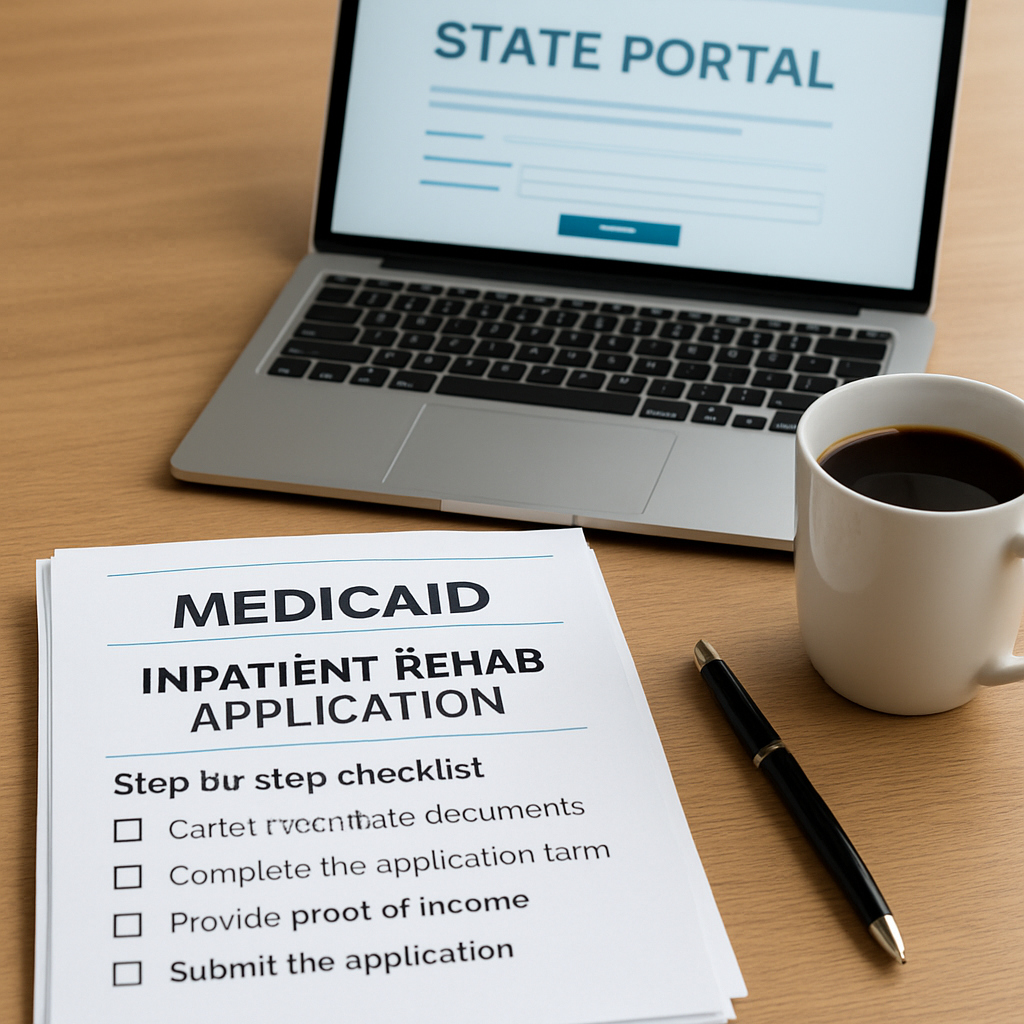
Once you’ve watched the video, take a moment to print out the checklist below. Having a paper copy on your kitchen table can be surprisingly reassuring when you’re juggling phone calls and forms.
Bottom line: the Medicaid application isn’t a mystery; it’s a series of small, doable actions. By staying organized, confirming each step, and keeping records of every conversation, you give yourself (or your loved one) the best shot at a seamless, fully‑covered inpatient rehab experience. You’ve got this.
State-by-State Medicaid Coverage Comparison
Let’s be blunt: “does medicaid cover inpatient rehab” isn’t a single yes-or-no answer. It’s a patchwork of state rules, prior‑auth hoops, and facility agreements.
That’s why a state-by-state comparison matters — not just for facts, but for avoiding surprise bills and treatment gaps.
How states commonly differ
Some states fund full residential stays when a physician documents medical necessity. Others treat detox and short‑term stabilization differently from longer residential programs.
Want specifics? For example, Ohio plans often cover a large portion of a 30‑day residential stay with modest co‑pays, while Texas commonly requires prior authorization and may limit coverage to outpatient unless there’s an acute medical need.
So, what should you ask first?
Ask two things: does your state require a utilization review or prior authorization, and does the rehab facility accept Medicaid providers in that state?
| State | Typical inpatient coverage | Practical notes |
|---|---|---|
| Ohio | Often covers residential stays (example: up to 80% of a 30‑day program) | Confirm co‑pay and get written approval before admission |
| Texas | Prior authorization common; outpatient favored unless acute need | Don’t assume inpatient — call Medicaid and the facility early |
| California | May cover short detox; longer stays often need utilization review | Facilities sometimes cover first days; follow up for extensions |
| North Carolina | Can approve full 28‑day stays after hospital certification | Hospital‑to‑rehab handoffs speed approvals; get the doctor’s note |
That table gives you a decision snapshot. But how do you translate that into action?
Practical steps, state by state
Step 1: Pull your state Medicaid handbook or provider module. Those documents list what inpatient codes and services are covered. For an example of a state provider module, see Indiana’s inpatient hospital services guidance (Indiana inpatient hospital services).
Step 2: Call the rehab admissions team and Medicaid. Ask, “Will Medicaid cover the full inpatient stay, what prior auth is needed, and what co‑pay applies?” Write down the rep’s name and time of call.
Step 3: Get the physician’s medical necessity letter and submit it with the facility’s admission packet. If your state needs a utilization review, make sure the provider starts that immediately.
Need local facility options or a backup plan if a denial comes? Check practical directories that filter by payment type — for example, our guide to local low‑cost and free options can help you find alternatives when Medicaid won’t cover a full inpatient stay: Finding Free Rehab Centers Near Me: A Practical Guide.
Real world note: if authorization is pending, don’t leave admission to verbal promises. Get a written authorization or email from Medicaid showing covered dates; that’s what protects you from surprise bills.
Still unsure which path to take?
Tip: create a one‑page summary for your folder with the Medicaid rep’s name, prior‑auth number, and the facility contact. It’s the best single tool to prevent a billing headache later.
Common Misconceptions and FAQs About Medicaid Rehab Coverage
When you stare at a Medicaid handbook and see a blank page about “inpatient rehab,” you probably wonder if the whole thing is a myth. You’re not alone—lots of families think Medicaid either never pays for a stay or hides costs until the very end.
What’s the reality? Medicaid does cover inpatient rehab in most states, but the rules differ by diagnosis, length of stay, and whether the provider has the right contracts. The devil’s in the details, and that’s why we’ve gathered the most common misconceptions and answered them with concrete steps you can take right now.
Below you’ll find six frequently asked questions, each broken down into actionable advice, plus a quick myth‑busting section to keep you from getting stuck on false assumptions.
Myth: Medicaid never covers full‑room inpatient rehab
It’s easy to assume the program only pays for a few days of detox and then leaves you with a huge bill. In truth, many state Medicaid plans cover a substantial portion of a 28‑ to 30‑day residential program, sometimes up to 80 % of the total cost. The catch is that you need a physician’s medical‑necessity letter and, in some states, a prior‑authorization before the first night.
Tip: ask your doctor to fill out the exact form your state requires and keep a copy for the rehab center. A written confirmation from Medicaid that lists the covered dates can save you from surprise co‑pays.
FAQ 1: Does Medicaid cover inpatient rehab for opioid use disorder?
Yes, most Medicaid programs consider opioid use disorder a qualifying condition for inpatient treatment when a doctor certifies that the patient needs intensive, around‑the‑clock care. The key is the diagnosis code (usually F11.xx) on the medical‑necessity letter. Once that’s in place, the state’s Medicaid will typically authorize a stay ranging from 14 to 30 days, depending on the plan.
Action step: Call your Medicaid caseworker and ask, “What diagnosis codes trigger inpatient coverage for opioid use disorder, and what is the maximum length of stay?” Write down the rep’s name and the date so you have a paper trail.
FAQ 2: What if my rehab center isn’t in Medicaid’s provider network?
If the facility isn’t contracted with Medicaid, the claim will likely be denied, and you’ll be on the hook for the full bill. That’s why it’s crucial to verify network status early. Most state Medicaid websites have searchable provider directories, or you can call the center’s admissions office and ask, “Do you accept my state’s Medicaid plan?”
Action step: Compile a short list of three facilities that are confirmed in‑network, then compare their program lengths and co‑pay structures before you decide.
FAQ 3: Do I need prior authorization for every inpatient stay?
Not every state requires it, but many do—Texas and Florida are big examples. Without prior authorization, the claim is processed as non‑covered and you’ll receive a denial letter. The denial will include a reason code you can use to appeal.
Action step: Before you sign any admission paperwork, ask the rehab center’s admissions coordinator, “Do we need a prior‑auth for my Medicaid plan, and can you help submit it?” If they say yes, get the form filled out and submit it yourself, then follow up with a phone call to confirm receipt.
FAQ 4: How much will I actually pay out‑of‑pocket?
Out‑of‑pocket costs vary widely. Some states cap co‑pays at a flat weekly amount (e.g., $50‑$75), while others apply a percentage of the total cost. Look for the “cost‑share” language in your Medicaid handbook or ask the caseworker for a written estimate. If you get a partial‑coverage approval, the letter will spell out the exact dollar amount you owe.
Action step: Request a written cost‑share estimate from Medicaid before the admission date, and keep that document with the physician’s letter and the facility’s admission packet.
FAQ 5: Can I appeal a denial for inpatient rehab?
Absolutely. Medicaid has a formal appeals process that you can trigger within 30 days of receiving a denial. The denial notice will include a “notice of appeal” form and a deadline. Gather all supporting documents—physician’s letter, prior‑auth proof, and the facility’s admission details—and submit them with a brief cover letter explaining why the stay is medically necessary.
Action step: Draft a simple appeal template now so you can plug in the details quickly if you get a denial. Keep a copy of every email and fax you send; they’re your proof if the appeal escalates.
FAQ 6: Does Medicaid cover any after‑care services once I leave inpatient rehab?
Many Medicaid plans include a continuum of care, covering at least 30 days of outpatient counseling or medication‑assisted treatment after discharge. However, the exact services and duration differ by state. Some states require a separate “continuum of care” authorization, while others bundle it into the original inpatient claim.
Action step: Ask the rehab center’s discharge planner, “What after‑care services are covered by my Medicaid plan, and do I need a new authorization for them?” Get that answer in writing so you can schedule follow‑up appointments without surprise bills.
One real‑world example: Maria in Ohio received a 28‑day residential program after her physician completed the Medicaid‑specific form. She got a written approval that listed a $60 weekly co‑pay and a guaranteed 30‑day outpatient follow‑up. Because she kept every document, when the center tried to bill her for an extra week, Medicaid denied it and the error was corrected without her paying a dime.
Another case: Carlos in Texas thought his Medicaid would cover a two‑week detox. The admissions office didn’t check the prior‑auth requirement, so his claim was denied after day five. He appealed, submitted the missing authorization, and ended up with coverage for the full stay—but it cost him three extra days of rent while the paperwork sorted out.
These stories illustrate why documentation, early verification, and a proactive mindset are your best defenses against unexpected costs.
Bottom line: Medicaid does cover inpatient rehab, but only when you line up the right paperwork, confirm network status, and stay on top of authorizations. Use the checklist above, keep every email, and you’ll turn the maze into a manageable path.
Financial Implications and Alternative Funding Options
When the first bill lands on your kitchen table, the relief you felt a few weeks ago can turn into a knot in your stomach.
What “covered” really means for your wallet
In most states Medicaid will foot the majority of the room‑and‑board, therapy, and medical fees. The catch? You still might see a weekly co‑pay, a cost‑share cap, or a “partial coverage” note that leaves you responsible for the remainder.
For example, an Ohio plan may cover up to 80 % of a 30‑day program, leaving a $60‑per‑week co‑pay. In Texas, a prior‑auth slip could mean only the first five days are covered, and the rest become out‑of‑pocket. Those nuances are why we always tell our callers to get the coverage letter in writing before the first night.
So, does Medicaid cover inpatient rehab? Yes, but the financial picture can be a patchwork of covered services, co‑pays, and possible gaps. The national overview of Medicaid and Medicare coverage for addiction treatment can be found at Addiction Center’s Medicaid and Medicare guide.
Hidden costs to watch out for
Even when the insurer says “yes,” you might still encounter:
- Transportation or mileage reimbursements.
- Prescription medication not bundled in the stay.
- After‑care services like outpatient counseling that fall outside the original authorization.
And if the facility isn’t in the Medicaid network, the entire bill could bounce back to you.
Alternative funding avenues
Luckily, there are several ways to bridge those gaps without draining your savings.
1. Dual eligibility (Medicare + Medicaid) – If the patient is over 65 or disabled, Medicare can pick up portions that Medicaid leaves behind. The two programs together often eliminate most co‑pays.
2. State grant programs – Some states run “Recovery Assistance” grants that specifically target low‑income adults needing inpatient care. A quick call to your state health department can reveal if you qualify.
3. Charitable foundations – Organizations like the Substance Abuse and Mental Health Services Administration (SAMHSA) maintain a list of nonprofits that provide “sliding‑scale” rehab slots. They don’t charge you, they just ask for paperwork.
4. Hospital charity care – If the rehab is attached to a hospital, ask about their charity‑care policy. Many facilities waive co‑pays for patients who meet income thresholds.
5. Crowdfunding and community support – While not a traditional funding source, a well‑crafted story on platforms like GoFundMe can rally friends, family, and even strangers to cover the remaining balance.
Step‑by‑step money‑checklist
- Request a written Medicaid coverage summary that lists the % covered, co‑pay amount, and any cost‑share caps.
- Ask the rehab center for a detailed itemized estimate before admission.
- Compare the two documents; note any discrepancies.
- If a gap shows up, explore dual eligibility, state grants, or charity‑care options.
- Document every phone call—write down the rep’s name, date, and what was promised.
- Keep a folder (digital or paper) with all emails, letters, and receipts. You’ll need it if you have to appeal.
One of the families we’ve spoken with discovered a $2,400 shortfall after a 28‑day stay. By pulling the Medicaid cost‑share letter, calling their state’s “Recovery Assistance” office, and submitting a simple application, they secured a grant that covered 75 % of the remaining balance. The lesson? A little extra paperwork can save a lot of stress.
When to pull the plug on a pricey option
If the out‑of‑pocket estimate exceeds what you can reasonably afford, consider these alternatives:
- Shorter detox programs that are fully covered, followed by Medicaid‑covered outpatient counseling.
- Community health centers that offer “partial‑hospitalization” (PHP) programs at a lower cost.
- Tele‑rehab services, which many Medicaid plans now reimburse at parity with in‑person care.
Remember, the goal isn’t just to get a bed; it’s to keep the financial stress from derailing the recovery journey.
Quick tip
Before you sign any admission paperwork, say out loud, “I want everything in writing, from coverage percentages to my exact co‑pay.” If the answer isn’t a clear written statement, walk away and keep looking.
Bottom line: Medicaid can cover inpatient rehab, but the exact financial impact varies by state, plan, and facility. By demanding written confirmation, exploring dual eligibility, and tapping into state or charitable resources, you can turn a potentially overwhelming bill into a manageable part of the healing process.
Conclusion
We’ve been through the maze of paperwork, phone calls, and state quirks, and the short answer to the big question—does Medicaid cover inpatient rehab?—is yes, as long as you line up the right forms and confirmations.
First, get a medical‑necessity letter from your doctor. Then, double‑check with both the rehab center and your state Medicaid office that the facility is in‑network and that any prior‑authorization or utilization review is completed before the first night. A written approval that spells out coverage percentages, co‑pay amounts, and dates is your safety net.
Second, treat every conversation like a checklist: note the rep’s name, date, and what was promised, and keep every email or letter in a single folder. When gaps appear—whether it’s a surprise co‑pay or a denied day—those records become the ammunition you need for an appeal or for seeking alternative funding.
And remember, you don’t have to go it alone. Platforms like Addiction Helpline America can help you filter Medicaid‑accepting centers, compare state guidelines, and connect you with grant or charity options when you hit a financial snag.
So, what’s the next step? Grab that physician’s note, request written confirmation, and start building your file today. The paperwork may feel tedious, but every signature brings you closer to an uninterrupted, affordable stay—and ultimately, a smoother path to recovery.
FAQ
Does Medicaid actually cover a full inpatient rehab stay, or are there hidden limits?
Yes, Medicaid can cover a full residential program, but the devil’s in the details. Most states require a doctor’s medical‑necessity letter and, in many cases, a prior‑authorization before the first night. Coverage usually ranges from 70 % to 100 % of the total cost, with the remaining amount coming out of your pocket as a co‑pay or cost‑share. The key is to get written confirmation that spells out the exact dates, percentage covered, and any co‑pay amount – that way you won’t be surprised by a bill later.
What diagnosis codes do I need to trigger inpatient coverage for opioid use disorder?
Medicaid follows the DSM‑5 and ICD‑10 coding system. For opioid use disorder, the typical code is F11.xx (where the “xx” specifies severity). Your physician’s medical‑necessity letter should list that exact code, along with a brief note that intensive, around‑the‑clock care is required. Once the code is on the paperwork, the Medicaid reviewer can match it to the state’s coverage criteria and issue an approval. If the code is missing or vague, the claim often gets denied.
How can I tell if a rehab center is in my state’s Medicaid network?
The easiest way is to ask the center directly: “Do you accept my state’s Medicaid plan, and can you provide the provider number?” You can also log into your state Medicaid portal and search the provider directory for the facility’s name. Write down the representative’s name, the date you called, and the confirmation you received. If you get mixed messages, ask for a written email – that’s your safety net if the claim is later rejected.
Do I need a prior‑authorization for every inpatient admission?
Not every state forces a prior‑auth, but many do – Texas, Florida, and Ohio are big examples. Without it, the claim is processed as non‑covered and you’ll get a denial letter with a reason code you can use to appeal. Before you sign any admission paperwork, ask the admissions coordinator, “Is a prior‑auth required for my Medicaid plan, and can you help me submit it?” If they say yes, get the form filled out immediately and follow up with a phone call to confirm receipt.
What out‑of‑pocket costs should I expect, and how can I limit them?
Out‑of‑pocket expenses vary by state. Some programs cap co‑pays at a flat weekly amount (often $50‑$75), while others use a percentage of the total cost. Request a written cost‑share estimate from Medicaid before admission – the letter will list the exact dollar amount you’ll owe. If the estimate looks high, explore dual‑eligibility (Medicare + Medicaid) or state grant programs that can cover the gap. Keep that estimate handy; you’ll need it if you have to negotiate or appeal later.
What’s the appeals process if Medicaid denies my inpatient rehab claim?
First, grab the denial notice – it includes a “notice of appeal” form and a deadline, usually 30 days. Gather every piece of supporting documentation: the physician’s medical‑necessity letter, the prior‑auth proof, the facility’s admission packet, and any emails confirming coverage. Write a brief cover letter explaining why the stay is medically necessary, attach the documents, and send it to the address on the denial notice. Keep copies of everything and track the date you mailed the appeal; you’ll need that if you have to follow up.
After I leave inpatient rehab, does Medicaid continue to cover after‑care services?
Most Medicaid plans include a continuum‑of‑care component, covering at least 30 days of outpatient counseling, medication‑assisted treatment, or sober living support. The exact services and duration differ by state, so ask the discharge planner, “What after‑care services are covered, and do I need a new authorization for them?” Get that answer in writing, then schedule your follow‑up appointments before you leave the facility. That way you avoid any surprise gaps in coverage once you’re home.