

Why Medical Detoxification is the Foundation of Recovery
Detoxification Programs in Los Angeles offer a safe, medically supervised way to begin recovery from drug and alcohol addiction. If you or a loved one is struggling with substance use, here’s what you need to know:
Key Facts About LA Detox Programs:
- Medical Supervision: 24/7 care from doctors and nurses to manage withdrawal safely
- Duration: Typically 3-10 days, depending on the substance and individual needs
- Types Available: Inpatient/residential, hospital-based, luxury, and holistic options
- What’s Treated: Alcohol, opioids, benzodiazepines, stimulants, and prescription drugs
- Insurance: Most programs accept major insurance providers; private pay options available
- Next Steps: Detox leads to inpatient rehab, outpatient treatment, or sober living
Detoxification is the critical first step in breaking free from addiction. It’s the process where your body clears itself of drugs or alcohol under medical supervision. Attempting to detox alone can be dangerous and even life-threatening, especially with substances like alcohol, benzodiazepines, or opioids, as confirmed by the Substance Abuse and Mental Health Services Administration (SAMHSA).
Los Angeles has become one of the nation’s leading centers for addiction treatment, offering a wide range of Detoxification Programs in Los Angeles to meet every need. From hospital-based facilities to luxury residential centers, the city provides access to cutting-edge medical care, experienced professionals, and diverse therapeutic approaches.
The withdrawal process can bring uncomfortable and sometimes severe symptoms—nausea, anxiety, seizures, hallucinations, and intense cravings. That’s why professional detox programs provide:
- Round-the-clock medical monitoring
- Medications to ease withdrawal symptoms
- A safe, supportive environment
- Immediate intervention if complications arise
- Preparation for the next phase of recovery
As addiction psychiatrist Dr. Akikur Mohammad states, “Detox is not treatment. Detox is just getting the substance out of your body. Treatment is learning how to live without it.” Getting sober is just the beginning. Detoxification addresses the physical dependence on substances, but lasting recovery requires addressing the underlying causes of addiction. That’s why detox programs in Los Angeles seamlessly connect clients to comprehensive treatment—therapy, counseling, and ongoing support.
At Addiction Helpline America, we’ve helped thousands of individuals and families steer the journey from crisis to recovery by connecting them with quality Detoxification Programs in Los Angeles that match their unique needs and circumstances. Our free, confidential helpline is available 24/7 to guide you toward the right program and answer your questions about insurance, treatment options, and what to expect.
The Critical First Step: What is Medical Detoxification?
Medical detoxification is a medically supervised process that allows the body to safely and comfortably eliminate addictive substances. It’s an essential first step for many individuals seeking recovery, as it addresses the immediate physical dependence on drugs or alcohol. Without proper medical oversight, withdrawal symptoms can range from uncomfortable to life-threatening. This is particularly true for substances like alcohol, opioids, and benzodiazepines, where sudden cessation can lead to severe complications such as seizures, delirium, or cardiac arrest, as documented by the World Health Organization (WHO).
The importance of medical detoxification cannot be overstated. It provides a structured, supportive environment where trained medical professionals monitor vital signs, administer medications to alleviate discomfort, and intervene in case of emergencies. This 24/7 care ensures physical and psychological stability during a vulnerable period. The goal is not just to get the substance out of the body, but to do so in a way that minimizes suffering and prevents dangerous health outcomes, setting a stable foundation for ongoing treatment. The science behind toxicology and how the body processes and eliminates substances is complex, highlighting the need for expert medical guidance during this phase. You can learn more about this at The science behind toxicology and detoxification.

Common Withdrawal Symptoms and Management
The specific withdrawal symptoms an individual experiences depend heavily on the type of substance used, the duration and frequency of use, and individual physiological factors. However, common symptoms can include:
- Alcohol Withdrawal: According to MedlinePlus, a service of the National Library of Medicine, symptoms can begin as soon as six hours after the last drink, including anxiety, headache, nausea, vomiting, insomnia, sweating, and shaky hands. More severe symptoms, such as hallucinations, can begin 12 to 24 hours after stopping drinking, and seizures can occur within the first two days. Delirium tremens, a severe form of alcohol withdrawal involving vivid hallucinations and delusions, is most likely to be experienced between 48 to 72 hours after the last drink.
- Opioid Withdrawal: Common symptoms include nausea, diarrhea, bone pain, muscle pain, fatigue, restlessness, and heart palpitations. For short-acting opioids, symptoms typically last between 4 to 10 days, while for longer-acting opioids, they can also last up to 10 days.
- Benzodiazepine Withdrawal: This can be particularly severe and protracted. Symptoms often begin 1 to 4 days after the last use and can peak in severity during the first two weeks. As noted in medical literature, withdrawal can be troublesome for months and even years without proper treatment, sometimes involving seizures or psychosis.
- Stimulant Withdrawal: Symptoms often include profound fatigue, depression, anxiety, and intense cravings.
To manage these challenging symptoms, Detoxification Programs in Los Angeles use medication-assisted treatment (MAT). As explained by SAMHSA, medications like Ativan or Valium may be used to reduce the severity of alcohol withdrawal symptoms and prevent seizures. For opioid withdrawal, Suboxone (buprenorphine and naloxone) is commonly used to ease cravings and withdrawal discomfort. Pain management strategies are also employed to ensure patients’ comfort throughout the process.
The Importance of a Safe Environment
A safe and controlled environment is paramount during medical detoxification. This is why many Detoxification Programs in Los Angeles operate within hospital-based settings or residential facilities equipped for acute medical care. As Dr. Sarah Wakeman, an addiction medicine physician, emphasizes, “Unmanaged alcohol withdrawal is one of the few withdrawals that can be fatal. It’s a true medical emergency that requires immediate medical attention and management.”
These facilities ensure that doctors and nurses are available 24/7 to monitor patients, administer medications, and respond immediately to any complications. Some programs even have an onsite emergency department for 24/7 access and admission, offering an unparalleled level of safety. Residential medical detox facilities also provide 24-hour care and medical guidance within a supportive and structured environment. Beyond medical safety, these programs prioritize confidentiality, ensuring that individuals can focus on their recovery without fear of judgment or exposure. To learn more about different levels of care, you can explore our resources on Inpatient Rehab in Los Angeles.
Exploring Detoxification Programs in Los Angeles

Los Angeles is a vibrant hub for addiction treatment, offering a diverse array of Detoxification Programs in Los Angeles designed to cater to individual needs. We understand that each person’s journey to recovery is unique, which is why these programs emphasize personalized care. From the initial assessment, treatment plans are customized to address specific clinical needs, medical history, and the type of substance used.
Common substances treated in these programs, as outlined by the National Institute on Drug Abuse (NIDA), include:
- Alcohol
- Opioids (heroin, fentanyl, prescription painkillers)
- Benzodiazepines (Xanax, Ativan, Klonopin)
- Stimulants (cocaine, methamphetamine)
- Prescription Drugs (various pain medications, sedatives)
- Marijuana
- Synthetic Drugs (K2/Spice, bath salts)
Types of Detox Programs Available
When seeking Detoxification Programs in Los Angeles, you’ll encounter several models, each suited to different levels of need and support as defined by the American Society of Addiction Medicine (ASAM) Criteria:
- Inpatient/Residential Detox: This is the most common and often recommended type, especially for severe addictions. Patients reside at a facility 24/7, receiving constant medical supervision, medication management, and therapeutic support. Many programs in Los Angeles offer this level of care, providing a minimum three-day treatment program, which can extend longer based on individual needs.
- Hospital-Based Programs: Some programs, like the Miracles Detox Program, are hospital-based, offering acute medical detox in a highly secure and medically equipped environment with round-the-clock doctors and nurses. This is ideal for individuals with significant health complications or a history of severe withdrawal.
- Outpatient Detox: For individuals with less severe dependence and a stable home environment, outpatient detox allows them to live at home while attending daily medical appointments and therapy sessions. While less common for initial acute detox due to the risks involved, it can be a stepping stone for some. For more information on flexible options, explore our resources on Outpatient Detox Programs in Los Angeles.
- Medically-Monitored Detox: All reputable detox programs in Los Angeles offer medically monitored detox, meaning healthcare professionals supervise the process and administer medications to ensure safety and comfort. This is crucial for managing potentially dangerous withdrawal symptoms.
- Holistic Detox: While not a standalone detox method, many programs integrate holistic approaches alongside medical care to support overall well-being. This can include therapies like yoga, meditation, and nutritional support, aiming to restore the mind, body, and spirit.
Standard vs. Luxury Detox Programs
The landscape of Detoxification Programs in Los Angeles also includes a spectrum from standard, clinically focused facilities to high-end luxury centers. While both aim to provide safe and effective detoxification, the experience can differ significantly:
| Feature | Standard Detox Programs | Luxury Detox Programs |
|---|---|---|
| Accommodations | Shared rooms, basic amenities | Private, well-appointed suites, resort-style amenities |
| Environment | Clinical, functional | Serene, tranquil, often with oceanfront or natural settings |
| Staff-to-Client Ratio | Varies, may be higher | Lower, allowing for highly personalized attention |
| Privacy & Confidentiality | Standard patient confidentiality | Improved measures, greater discretion |
| Holistic Therapies | May offer some basic options | Broader range (equine therapy, spa services, advanced yoga) |
| Nutrition | Balanced, often cafeteria-style | Gourmet cuisine prepared by executive chefs, custom diets |
| Amenities | Basic common areas, TV | Meditation gardens, fitness facilities, spa services |
| Cost | Generally lower | Significantly higher |
Luxury Detoxification Programs in Los Angeles offer distinct advantages, including a more comfortable and private healing environment, a broader range of complementary therapies, and often a lower staff-to-client ratio, allowing for more individualized care. These programs cater to those who seek an liftd experience, believing that a serene and exclusive setting can significantly impact the recovery journey. For those interested in premium options, we can help you find Luxury Detox Programs in Los Angeles.
Specialized Therapies and Holistic Approaches
Beyond medical stabilization, Detoxification Programs in Los Angeles often integrate a variety of specialized therapies and holistic approaches to support comprehensive healing. These aim to address the root causes of addiction, develop coping mechanisms, and restore overall well-being.
- Evidence-Based Therapies: These are foundational and, as described by NIDA, include:
- Cognitive Behavioral Therapy (CBT): Helps individuals identify and change unhelpful thought patterns and behaviors that contribute to addiction.
- Dialectical Behavioral Therapy (DBT): Teaches skills for emotional regulation, distress tolerance, mindfulness, and interpersonal effectiveness.
- Rational Emotive Behavioral Therapy (REBT): Challenges negative and irrational beliefs to promote healthier emotional and behavioral responses.
- Experiential Therapies: These creative and engaging approaches help clients reconnect with their emotions and past traumas. Examples include:
- Yoga: Combines physical postures, breathing exercises, and meditation to reduce stress, improve self-awareness, and promote emotional healing.
- Art and Music Therapy: Uses creative expression to help process emotions and trauma in a non-verbal way.
- Breathwork: Techniques to control breathing for relaxation and stress reduction.
- Equine-Assisted Therapy: Involves interactions with horses to develop communication skills, build trust, and address emotional issues.
- Holistic Focus: Many programs emphasize a holistic approach, aiming to restore the body, mind, and spirit. This can involve:
- Acupuncture: A traditional Chinese medicine technique that can help reduce stress, alleviate withdrawal symptoms, and balance energy.
- Meditation and Mindfulness: Practices to increase awareness, reduce stress, and improve emotional stability.
- Physical Fitness: Exercise and physical activity are crucial for improving sleep, decreasing stress, increasing self-esteem, and providing a healthy outlet for cravings.
- Nutritional Counseling: Education and guidance on healthy eating to support physical recovery and overall well-being.
These diverse therapies are integrated to provide a comprehensive path to healing, ensuring that individuals receive care that addresses all aspects of their lives. To explore programs that prioritize holistic well-being, visit our page on Holistic Detox Centers in Los Angeles.
Addressing Co-Occurring Mental Health Disorders (Dual Diagnosis)
A significant number of individuals struggling with substance use disorders also have co-occurring mental health disorders, often referred to as a dual diagnosis. This means they experience both an addiction and a mental health condition simultaneously. Common co-occurring disorders, according to the National Institute of Mental Health (NIMH), include:
- Anxiety disorders
- Major depression
- Post-Traumatic Stress Disorder (PTSD)
- Bipolar disorder
- ADHD
- Borderline personality disorder
- Obsessive Compulsive Disorder (OCD)
It’s crucial that Detoxification Programs in Los Angeles are equipped to provide integrated treatment for dual diagnosis. As Dr. Kenneth Minkoff, a leading expert on the topic, explains, “For people with co-occurring disorders, the goal is to develop a single treatment plan that addresses all of their issues and concerns in a coordinated fashion.” Research from NIDA indicates that integrated care leads to significantly better outcomes.
Many programs in Los Angeles offer specialized dual diagnosis treatment, recognizing that these conditions often intertwine and exacerbate each other. They employ a trauma-informed approach, which means considering each patient’s history and background to avoid triggering past traumas, building trust, and empowering clients to feel emotionally safe during their recovery journey. This comprehensive approach ensures that individuals receive the holistic care needed to address all contributing factors to their substance use. To find programs specializing in integrated care, see our resources on Dual Diagnosis Treatment in Los Angeles.
The Detox Journey: What to Expect
Starting on a detox journey can feel daunting, but understanding the process can significantly reduce anxiety. Detoxification Programs in Los Angeles are designed to guide you step-by-step, ensuring a smooth and supportive transition into treatment. We aim to provide clear guidance on what to expect, from pre-admission planning to your first day and beyond.
Before you even arrive, our counselors can provide information about packing essentials, transportation options, and what your first day will entail. This proactive approach helps to reduce anxiety and ensures a seamless entry into the program, allowing you to focus solely on your healing.
Intake, Assessment, and Duration
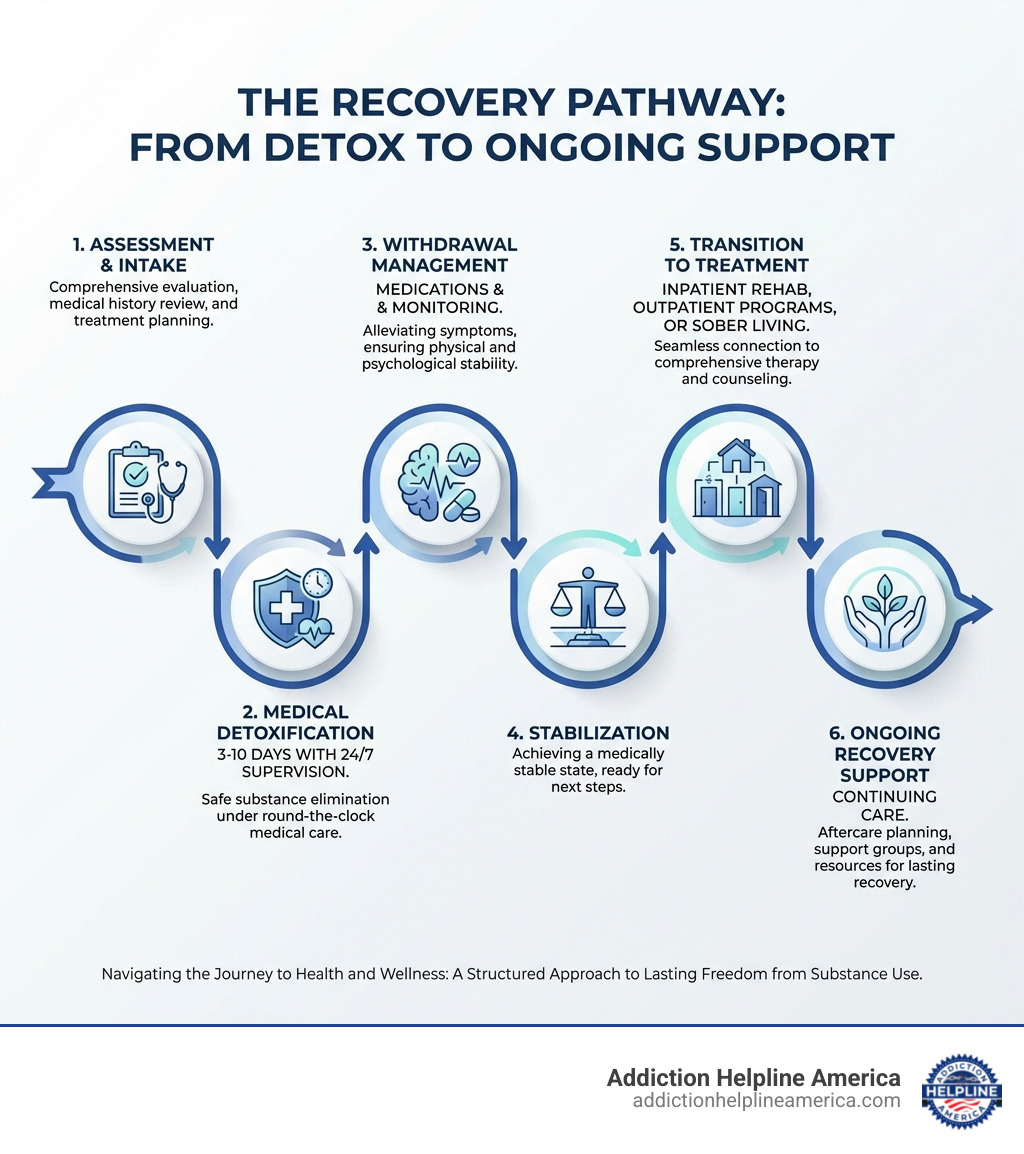
The detox journey typically begins with a thorough intake and assessment process. Upon arrival, medical professionals conduct a comprehensive evaluation of your physical and mental health. This includes reviewing your medical history, substance use patterns, and any co-occurring mental health conditions. This initial assessment is critical for creating a personalized treatment plan custom to your specific needs and potential withdrawal challenges.
The duration of the detoxification process varies. While the average length of detox is generally between 3 and 5 days, it can be longer for individuals with more severe substance use disorders, poly-substance dependence, or certain health conditions. As noted in SAMHSA’s Treatment Improvement Protocol (TIP) 45, the specific timeline is highly individualized. Factors influencing the duration include:
- Type of substance: Withdrawal from alcohol or benzodiazepines often requires a longer, more gradual detox than some opioids.
- Length and frequency of use: Chronic, heavy use typically leads to more severe and prolonged withdrawal.
- Individual health: Overall physical and mental health can impact the detox timeline.
Regardless of the duration, the goal is to safely stabilize you, manage withdrawal symptoms, and prepare you for the next phase of recovery. For a deeper dive into program specifics, explore various Los Angeles Detox Programs.
What Happens After Detoxification?
Completing detoxification is a monumental achievement, but it’s crucial to understand that it’s only the first step in the recovery journey. As we often say, just getting sober is not enough; true recovery involves addressing the underlying causes of addiction and developing sustainable coping mechanisms. According to the National Institute on Drug Abuse (NIDA), “Detoxification alone is rarely sufficient to help addicted individuals achieve long-term abstinence.”
After medical detox, individuals typically transition to a higher level of care to continue their treatment. This seamless transition is vital for long-term sobriety and can include:
- Inpatient/Residential Rehab: Many individuals move directly into an inpatient or residential rehab program, where they live at the facility for an extended period (often 30 to 90 days). This intensive environment allows clients to dig into therapy, uncover underlying issues contributing to their addiction, and develop essential life skills away from external triggers.
- Outpatient Programs (IOP/PHP): For those with stable home environments and strong support systems, Intensive Outpatient Programs (IOP) or Partial Hospitalization Programs (PHP) offer structured therapy and counseling during the day, allowing clients to return home in the evenings. This helps individuals deal with triggers as they arise in everyday life.
- Sober Living Homes: These provide a supportive, drug- and alcohol-free transitional living environment. Sober living homes help bridge the gap between intensive treatment and independent living, offering structure, peer support, and accountability. You can find more information on Sober Living in Los Angeles through our resources.
- Aftercare Planning and Relapse Prevention: A critical component of post-detox treatment is developing a comprehensive aftercare plan. This includes strategies for relapse prevention, continued therapy (individual and group), participation in peer support groups (like 12-Step programs or other community-based groups), and ongoing support to maintain sobriety.
Our team works with you to ensure a smooth transition, helping you find long-term solutions and aftercare that best suit your needs.
Making an Informed Choice: How to Find the Right Program
Choosing the right detoxification program is a critical decision that can significantly impact your recovery journey. With the variety of Detoxification Programs in Los Angeles, research thoroughly and ask the right questions to find a facility that aligns with your specific needs and values. We are here to help you steer this process, providing free and confidential guidance.
What to Look for in Detoxification Programs in Los Angeles
When evaluating potential detox programs, consider the following key factors. As Dr. John F. Kelly of Harvard Medical School advises, “When choosing a treatment center, it’s crucial to ask about their staff’s credentials, their accreditation, and what evidence-based practices they use. Don’t be afraid to be a discerning consumer.”
- Accreditation and Licensing: Ensure the facility holds proper accreditations and state licenses. Look for certifications like The Joint Commission accreditation, which signifies a commitment to high-quality care and safety in addiction and behavioral health services. State Department of Health licenses are also crucial for legal operation. LegitScript certification can indicate compliance with online advertising standards and HIPAA.
- Staff Credentials: Verify that the medical and clinical staff are highly qualified. This includes board-certified physicians, registered nurses, licensed therapists, and certified counselors experienced in addiction treatment. A low staff-to-client ratio often indicates more personalized attention.
- Evidence-Based Practices: The program should use evidence-based therapies (e.g., CBT, DBT) and medically assisted treatment (MAT) where appropriate, as these approaches have proven efficacy in addiction recovery, according to SAMHSA.
- Comprehensive Care: Look for programs that offer a full continuum of care, from detox to residential treatment, outpatient services, and robust aftercare planning. This ensures a seamless transition and continuous support for long-term recovery.
- Specialized Programs: If you have specific needs, such as a co-occurring mental health disorder, a history of trauma, or require a particular demographic focus (e.g., young adults, LGBTQ+), ensure the program offers specialized treatment.
- Environment and Amenities: Consider the setting. While luxury programs offer upscale amenities, all facilities should provide a safe, clean, and supportive environment conducive to healing.
- Aftercare Support: A strong aftercare plan is vital. Inquire about relapse prevention programs, connections to sober living, and ongoing support groups.
We can connect you with Accredited Rehabs in Los Angeles that meet these rigorous standards.
The Cost of Detoxification Programs in Los Angeles and Insurance Options
The cost of Detoxification Programs in Los Angeles can vary significantly based on several factors, including:
- Type of program: Inpatient, residential, or outpatient.
- Length of stay: A minimum three-day program will cost less than a 10-day or longer stay.
- Level of care: Standard versus luxury amenities and services.
- Specific treatments: Specialized therapies or medications.
Fortunately, many detox programs accept insurance, making treatment more accessible. Under the Mental Health Parity and Addiction Equity Act (MHPAEA), most health plans are required to provide coverage for mental health and substance use disorders that is no more restrictive than coverage for medical/surgical care. Most major insurance providers, including PPO and some private healthcare policies, often cover a portion of detoxification and addiction treatment. It’s important to:
- Verify Your Benefits: Our confidential helpline can assist you in verifying your insurance coverage to understand what your plan will cover, including deductibles, co-pays, and out-of-network benefits.
- In-Network vs. Out-of-Network: In-network providers typically have lower out-of-pocket costs. However, many quality programs also accept out-of-network benefits.
- Private Pay Options: For those without insurance or who prefer not to use it, private pay rates are available. Many facilities can discuss financing options or payment plans.
Addiction Helpline America is a free and confidential service dedicated to helping you find the right program and understand your financial options. We can help you explore various Alcohol Detox in Los Angeles programs and clarify payment details.
Conclusion: Your Path to Recovery Starts Now
Taking the first step towards recovery by seeking medical detoxification is a courageous and life-altering decision. Detoxification Programs in Los Angeles offer a guide of hope, providing the essential medical care, therapeutic support, and safe environment needed to steer the challenging initial phase of breaking free from substance dependence. We’ve seen countless individuals transform their lives by choosing this critical first step.
Recovery is a journey, not a destination, and it begins with a stable foundation. With the right support and resources, a substance-free life is not just a dream but an achievable reality. Our mission at Addiction Helpline America is to connect you with the quality Detoxification Programs in Los Angeles that are best suited to your unique needs. We understand the complexities of addiction and the importance of finding the right fit for treatment.
Don’t let uncertainty or fear hold you back. Our free, confidential, and personalized guidance is available 24/7 to help you take that crucial first step. Your path to recovery starts now.
Find the right detoxification program in Los Angeles for you