Understanding Your First Step Toward Recovery
Finding the closest methadone clinic can feel overwhelming, especially when you or a loved one needs help urgently. Fortunately, resources like the SAMHSA directory, state health department websites, and online locators can help you find certified clinics quickly.
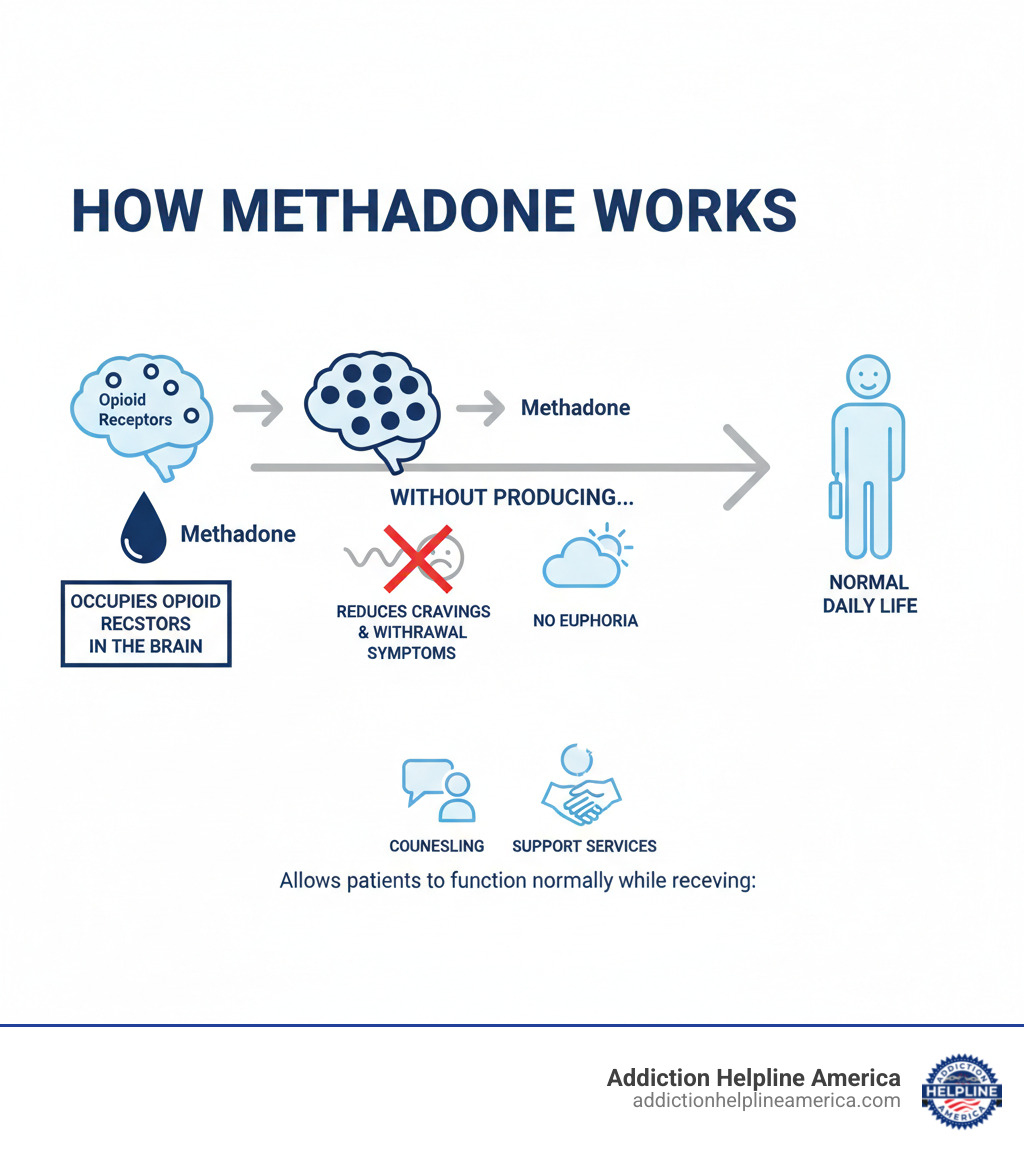
For over 50 years, methadone has been a proven medication-assisted treatment that helps people break free from opioid addiction. It works by reducing withdrawal symptoms and cravings without causing the euphoric high of other opioids, allowing you to function normally while your body heals. Important: Methadone must be dispensed through federally certified Opioid Treatment Programs (OTPs).
Finding the right clinic is crucial, as not all facilities offer the same services or have immediate availability. Understanding what to look for can save precious time. At Addiction Helpline America, we connect individuals to the closest methadone clinic that meets their specific needs. Our addiction specialists provide compassionate, 24/7 guidance to help you steer treatment options right now.
Closest methadone clinic terms at a glance:
- doctors near me that prescribe methadone
- methadone clinics that accept medicaid near me
- suboxone clinic near me
Step 1: How to Find the Closest Methadone Clinic
When you’re ready for recovery, finding the closest methadone clinic shouldn’t add to your stress. You need answers quickly and support that meets your specific needs. Let’s walk through the most effective tools and resources.
Using Online Search Tools
The internet offers several ways to quickly identify and compare methadone clinics in your area.
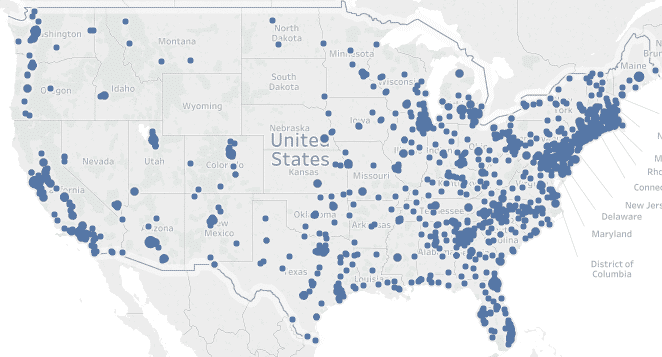
- SAMHSA Opioid Treatment Program Directory: This is your most reliable starting point. SAMHSA maintains a complete list of federally certified Opioid Treatment Programs (OTPs), which are the only facilities legally allowed to dispense methadone. Search by state at samhsa.gov to find legitimate, regulated programs.
- Addiction Helpline America Directory: Our directory lets you search by zip code and filter results by distance (e.g., within 5 or 10 miles). This tool is designed to help you locate the closest methadone clinic without sorting through irrelevant results. Find a drug rehab program near you to get started.
- Google Maps: A simple search for “methadone clinic near me” can instantly show you locations, contact information, hours, and patient reviews.
Checking State and Local Resources
State and local governments provide valuable, localized information. Most state health departments maintain their own directories of opioid treatment programs, often including details on services, eligibility, and state-specific regulations. These public health websites are also great for finding clinics with sliding scale fees or information on financial assistance.
Don’t forget to check county mental health services and local health department directories. These agencies understand the local landscape and can point you toward programs with shorter wait times or specialized services.
Getting a Referral for the Closest Methadone Clinic
A referral from a trusted healthcare professional can streamline the process.
- Your Primary Care Physician: They know your medical history and can recommend trusted local clinics, sometimes making a warm introduction to smooth the intake process.
- Hospital Social Workers: If you’re in a hospital or ER, a social worker can provide referrals, help with insurance, and coordinate your transition to an outpatient clinic.
- Therapists and Counselors: A mental health professional can offer guidance and refer you to programs that align with your recovery goals.
Professional guidance is invaluable. Experts can conduct a confidential assessment, explain what to expect, and advocate on your behalf. At Addiction Helpline America, our team provides this same personalized support 24/7, helping you find a clinic that accepts your insurance and offers the comprehensive care you deserve.
Step 2: What to Look for in a Quality Clinic
Finding the closest methadone clinic is the first step, but ensuring it’s the right clinic is just as important. A quality facility treats you as a whole person, offering compassionate, comprehensive support for your recovery.
Evaluating a Clinic’s Services and Environment
The quality of care can vary, so assess each facility before committing. Look for these key indicators:
- Accreditation and Licensing: Legitimate clinics must be federally certified as Opioid Treatment Programs (OTPs) by SAMHSA and registered with the DEA. Accreditations from bodies like The Joint Commission signify higher standards of quality and safety.
- Qualified Staff: A good clinic has a multidisciplinary team, including doctors, nurses, licensed counselors, and case managers. The staff should treat every patient with dignity and respect.
- Personalized Treatment: Your treatment plan should be custom to you. Effective programs combine methadone with behavioral therapies and counseling rather than using a one-size-fits-all approach.
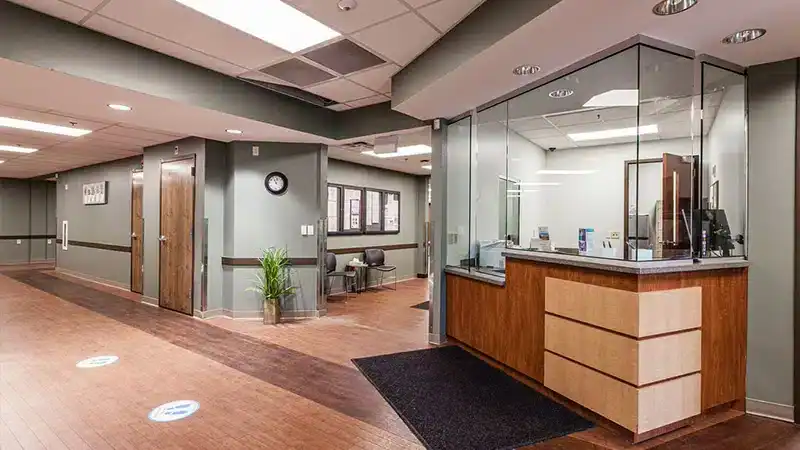
- Clean and Respectful Environment: The clinic should be clean, well-maintained, and professional. Staff should be welcoming, and your confidentiality must be protected.
Comprehensive Support Services
Methadone stabilizes your body, but support services help you rebuild your life. The best clinics offer more than just medication. Look for:
- Counseling and Therapy: This is the backbone of recovery. Quality programs offer individual therapy for personal challenges, group therapy for peer connection, and family therapy to heal relationships. Many use evidence-based methods like Cognitive Behavioral Therapy (CBT) to teach coping skills.
- Integrated Mental Health Services: Since addiction often co-occurs with conditions like depression or anxiety, a clinic that treats both simultaneously offers a better chance at lasting recovery.
- Case Management and Life Skills Support: Case managers can be lifesavers, helping with housing assistance, employment counseling, and legal issues. This practical support removes major barriers to recovery.
- Peer Support: Connecting with others on the same journey provides a powerful sense of community, accountability, and hope.
Research shows that combining medication with counseling and support services produces the best long-term outcomes. When evaluating a clinic, ask these key questions:
- What are your hours, and how often will I need to visit?
- What counseling and therapy services do you offer?
- Do you provide mental health services for co-occurring disorders?
- What happens if I miss a day or need to travel?
- Do you accept my insurance, and what are the payment options?
- What is the intake process and current wait time?
A quality clinic will be happy to answer these questions thoroughly.
Step 3: Preparing for Your Treatment Journey
Once you’ve found a potential closest methadone clinic, knowing what to expect can transform uncertainty into confidence. Here’s a look at the next steps.
Eligibility Requirements for a Methadone Clinic
Clinics follow federal guidelines to ensure safe and effective treatment. These standards are in place to protect you. Generally, you will need:
- A diagnosis of opioid dependence based on medical criteria.
- A one-year history of opioid addiction, as methadone is for chronic dependence.
- To complete a comprehensive medical evaluation, including your drug use history, a physical exam, and a mental health assessment.
- To provide a sample for urinalysis testing at intake and throughout treatment.
- To be 18 years or older (though exceptions exist with parental consent).
- To provide informed consent, showing you understand the treatment, its benefits, and its risks.
What to Expect When You Start
Starting treatment involves a structured process:
- Induction Phase: Your first dose will be a carefully calculated low amount to ease withdrawal without causing sedation. You’ll be monitored closely.
- Stabilization Phase: Over several days or weeks, your dosage is gradually adjusted until cravings and withdrawal symptoms disappear, allowing you to feel and function normally.
- Maintenance Phase: With a stable dose, you can focus on counseling and rebuilding your life. This phase can last for months or years, depending on your needs.
Initially, you’ll visit the clinic daily for your observed dose, a federal safety requirement. As you progress, you may earn take-home privileges. Your team will create an individualized treatment plan that includes medical care, counseling, and other support.
Costs, Side Effects, and Alternatives
Understanding the practical aspects of treatment is key.
- Costs and Insurance: Many options make treatment affordable. Medicaid covers methadone in most states, and most private insurance plans offer coverage. Many clinics also have sliding scale fees based on income. Don’t let cost be a barrier; we can help you verify coverage.
- Common Side Effects: Some people experience manageable side effects like constipation, drowsiness, or dry mouth, which often improve over time. Serious symptoms like breathing difficulties or chest pain are rare but require immediate medical attention. Never combine methadone with alcohol or other sedatives, as an overdose can be fatal.
- Other Treatment Options: Methadone is highly effective, but it’s not the only choice. Buprenorphine (Suboxone) offers more flexibility as it can be prescribed in a doctor’s office. Naltrexone (Vivitrol) is a monthly injection that blocks opioid effects. The best option depends on your history and lifestyle. We can help you explore all choices.
For more details, see this resource: Information on Methadone Maintenance Treatment.
Frequently Asked Questions about Methadone Treatment
It’s normal to have questions when considering treatment at the closest methadone clinic. Here are straight, honest answers to some of the most common concerns.
Is methadone just replacing one addiction with another?
No. Methadone is a medical treatment, not a replacement high. Think of it like insulin for diabetes—it’s a medication used to manage a chronic medical condition. When taken as prescribed, methadone occupies the brain’s opioid receptors to eliminate cravings and prevent withdrawal symptoms without causing a euphoric high. This allows you to feel normal, think clearly, and focus on your recovery.
Treatment is supervised by medical professionals in federally regulated clinics, ensuring your dose is carefully calibrated and safe. Studies show methadone maintenance significantly reduces illicit opioid use and overdose deaths. It’s an evidence-based treatment recognized by the medical community for saving lives.
Can I work and live a normal life while on methadone?
Yes, absolutely. Helping you return to a normal, productive life is a primary goal of treatment. Once stabilized on your dose, you can maintain employment, drive legally, and rebuild relationships. The stability methadone provides allows you to be present for your family, pursue education or hobbies, and live a full life. As you progress in treatment, many clinics offer take-home doses, giving you more flexibility to manage daily responsibilities.
How long does methadone treatment last?
The duration varies for each person. Medical guidelines recommend a minimum of 12 months, as longer treatment leads to better outcomes. For some, treatment may last several years, while others may benefit from lifelong maintenance to manage their chronic condition, similar to taking medication for high blood pressure. This is a sign of successful management, not failure.
The decision on duration is individualized and made with your medical provider. If you decide to discontinue methadone, it must be done through a gradual, medically supervised taper to minimize withdrawal and prevent relapse. The goal is to build a stable life in recovery, however long that takes.
Conclusion: Your Path to Recovery Starts Now

Deciding to find the closest methadone clinic is a courageous first step. You’ve acknowledged the need for help, and that is something to be proud of.
This guide has shown you how to locate clinics, what to look for in a quality program, and what to expect on your treatment journey. Methadone maintenance is a proven, evidence-based treatment that has helped countless people reclaim their lives from opioid addiction. Combined with counseling and support, it provides the stability needed to heal, work, and rebuild relationships.
You don’t have to do this alone. Addiction Helpline America offers free, confidential guidance 24/7 to connect you with a treatment program that fits your needs. Our team understands the urgency and is ready to help you steer your options without delay.
Your recovery journey is unique, but you are not walking it by yourself. A community of professionals, supporters, and our team at Addiction Helpline America is ready to help. Recovery is possible, and your new beginning starts now.
Find a drug rehab program near you
Contact us today. Let’s find the right clinic together and start you on the path to lasting recovery.