Why California Mental Health Residential Programs Offer a Path to Healing
California mental health residential treatment provides intensive, round-the-clock support for individuals facing serious mental health challenges. These programs offer a structured, safe environment where you can step away from daily stressors and focus entirely on healing.
Quick Overview: What You Need to Know
- What it is: 24/7 residential care in a supportive, home-like setting for mental health conditions
- Who it helps: Adults and teens with depression, anxiety, PTSD, bipolar disorder, trauma, and co-occurring substance use disorders
- Where to find it: California has over 100 licensed residential mental health programs, including Social Rehabilitation Programs (SRPs) and Community Treatment Facilities (CTFs)
- What’s included: Individual therapy, group counseling, medication management, life skills training, and holistic activities
- Insurance: Many programs accept PPO plans and can verify your coverage confidentially
- Length of stay: Typically 30-90 days, depending on your needs
When mental health disorders deeply affect your emotional well-being, physical health, and daily functioning, residential treatment can provide the intensive support needed for stabilization and recovery. These programs combine evidence-based therapies like Cognitive Behavioral Therapy (CBT) and Dialectical Behavior Therapy (DBT) with a healing environment designed to nurture your mind, body, and spirit.
Why choose California? The state’s residential programs stand out for their evidence-based approaches, nature-rich settings, and specialized care for diverse populations—from veterans to young adults to professionals. Whether you’re seeking treatment in peaceful San Juan Capistrano, scenic Laguna Beach, or another California community, you’ll find programs that prioritize your unique recovery journey.
At Addiction Helpline America, we’ve guided countless individuals and families through the process of finding the right California mental health residential program for their specific needs. Our free, confidential service connects you with quality treatment options and helps verify your insurance benefits—because taking the first step shouldn’t feel overwhelming.
Need help finding the right program? Call our free, confidential helpline at 844-561-0606 anytime, day or night. Our specialists are here to answer your questions and guide you toward the care you deserve.
Related content about California mental health residential:
What is a Mental Health Residential Setting?
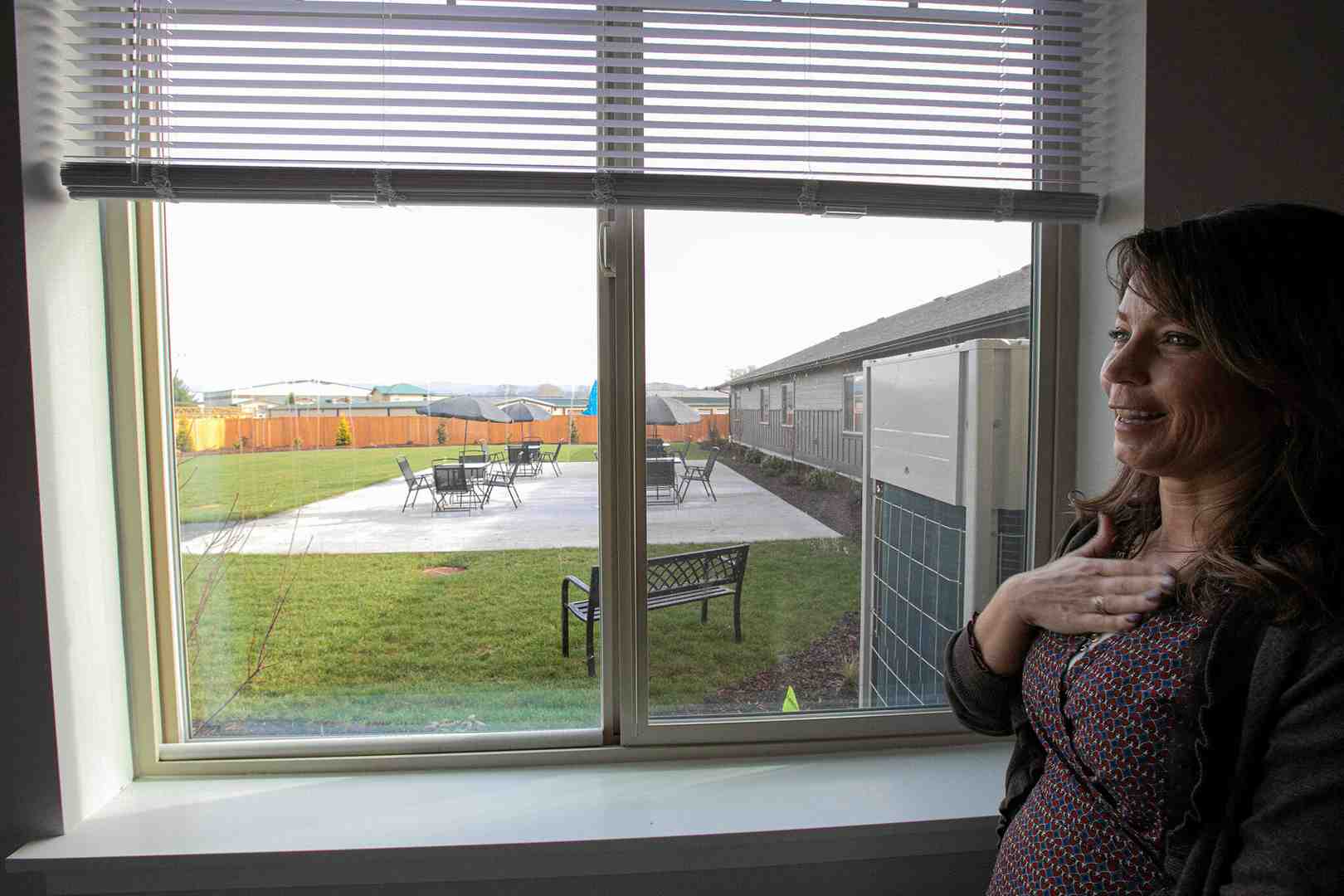
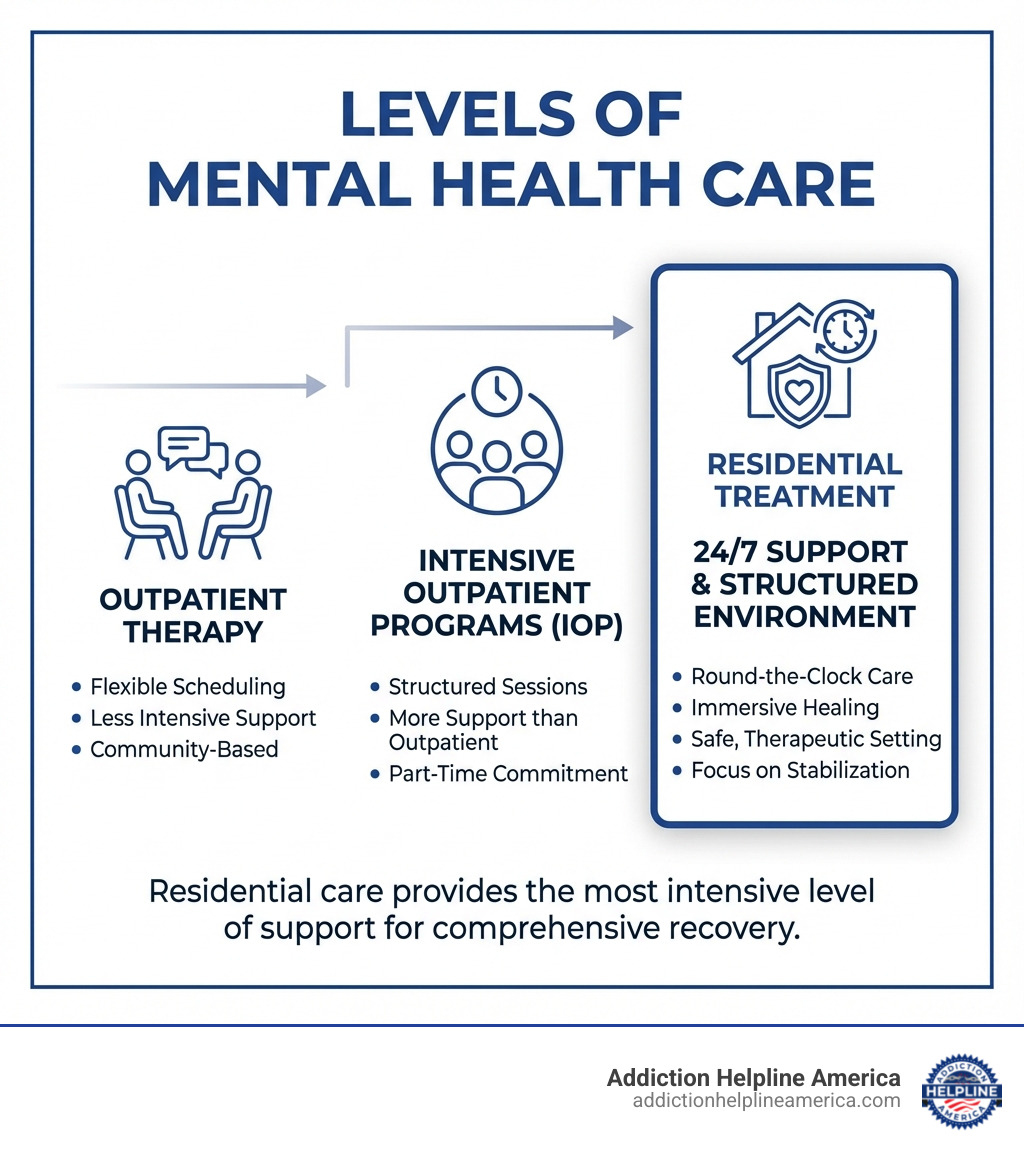
A mental health residential setting is a dedicated facility that provides a safe, structured, and nurturing environment for individuals struggling with significant mental health challenges. It’s a place where you can step away from the everyday stressors and triggers of life to fully immerse yourself in the healing process. Unlike outpatient care, residential treatment offers 24/7 support and supervision, ensuring a consistent focus on your well-being.
These settings are designed to help individuals stabilize emotionally and begin their recovery journey. They offer a sanctuary where the complexities of mental health disorders like depression, anxiety, bipolar disorder, post-traumatic stress disorder (PTSD), and even co-occurring substance use disorders can be addressed comprehensively. Without the right support, conditions such as these can profoundly affect a person’s emotional well-being, physical health, and ability to function in daily life.
Services typically offered in a mental health residential program are multifaceted and custom to individual needs. They often include:
- Individual Therapy: One-on-one sessions with a therapist to explore personal challenges, develop coping mechanisms, and process past traumas.
- Group Therapy: Facilitated sessions where residents share experiences, learn from peers, and build a supportive community.
- Medication Management: Oversight by psychiatrists to ensure proper medication, dosage, and monitoring for effectiveness and side effects.
- Holistic Activities: A range of complementary therapies such as mindfulness, yoga, art and music therapy, and nature-based activities to promote overall well-being.
- Life Skills Training: Practical education on managing daily tasks, improving communication, and developing healthy routines for independent living.
The overarching goal is to provide an intensive level of care that fosters emotional stability and equips individuals with meaningful tools for long-term recovery and happiness.
The Unique Benefits of a California Mental Health Residential Program
Choosing a residential mental health program in California offers a unique blend of therapeutic excellence and an environment conducive to healing. The Golden State is renowned for its diverse landscapes, from tranquil coastlines to peaceful mountains, providing a serene backdrop for recovery.

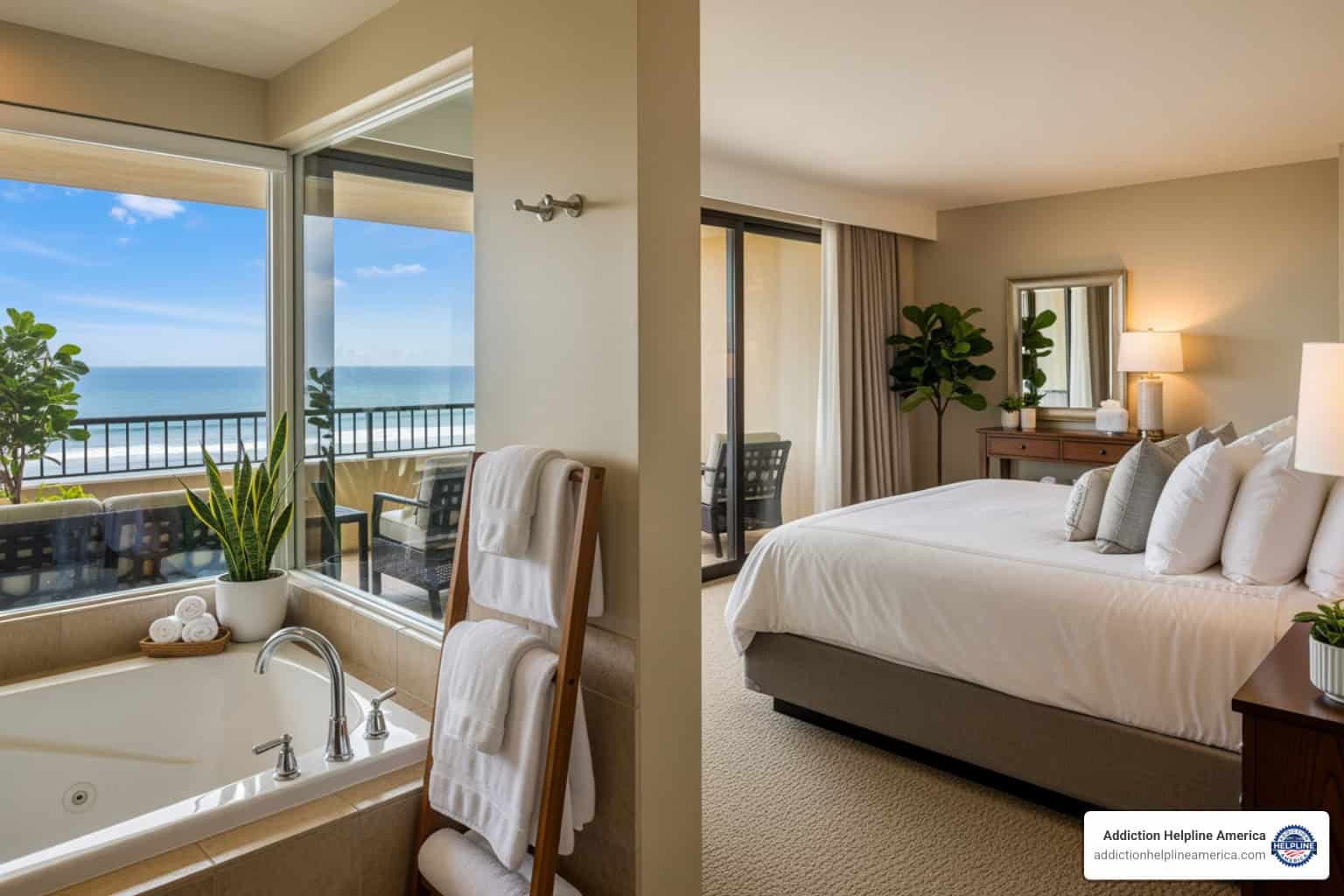
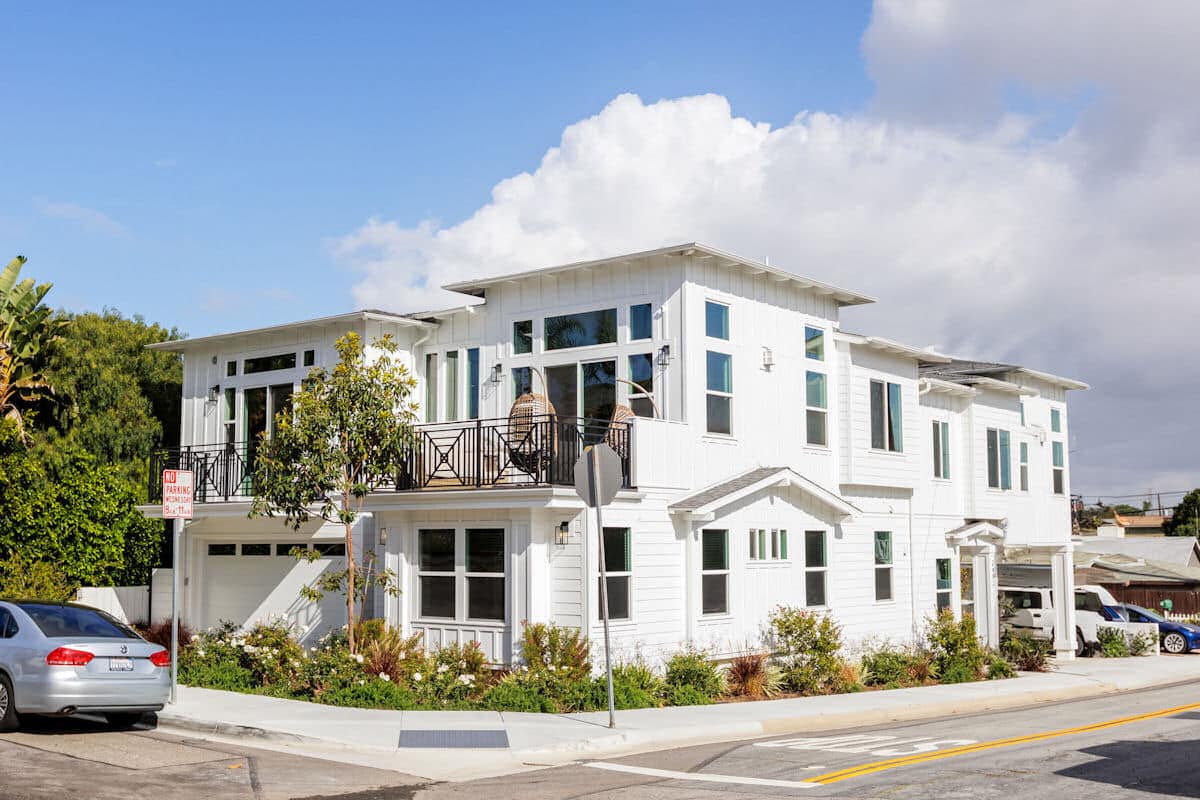
Many California mental health residential facilities leverage the state’s natural beauty to improve the healing process. Imagine waking up to the gentle sounds of the ocean or engaging in mindfulness practices amidst lush gardens. This connection to nature helps ground individuals, encourages reflection, and fosters a sense of peace that is vital for mental and emotional restoration. For instance, programs in areas like San Juan Capistrano are often nestled in naturally beautiful settings, thoughtfully designed for comfort and reflection, providing a peaceful space to heal from the inside out.
Beyond the scenic environment, these programs cultivate a strong, supportive community. Residents often find solace and understanding among peers who are navigating similar challenges. This shared experience, combined with a dedicated clinical team, creates a powerful healing atmosphere.
California is a leader in mental health care, boasting a significant number of licensed facilities. We have hundreds of licensed residential mental health programs, including 130 Mental Health Rehabilitation Centers (MHRCs) and Psychiatric Health Facilities (PHFs), and over 100 each of Short-Term Residential Therapeutic Programs (STRTPs), Social Rehabilitation Programs (SRPs), and Community Treatment Facilities (CTFs). This extensive network means a wider range of specialized options and a higher standard of care. You can find a certified California program that aligns with your specific needs.
What Makes a California Program Stand Out?
California’s residential mental health programs distinguish themselves through several key aspects that contribute to their effectiveness:
- Evidence-Based Practices: The foundation of treatment in these programs lies in therapies backed by scientific research. Cognitive Behavioral Therapy (CBT), which helps individuals identify and change negative thought patterns, and Dialectical Behavior Therapy (DBT), focusing on emotional regulation, mindfulness, and interpersonal effectiveness, are commonly employed. Other evidence-based therapies include Acceptance & Commitment Therapy (ACT), Narrative Therapy, and Solution-Focused Therapy.
- Staff Expertise: A highly experienced and compassionate clinical team is paramount. Many programs emphasize the importance of a strong therapeutic alliance between clients and staff, believing that genuine human connection is a critical component of healing. This team typically includes licensed therapists, psychiatrists, nurses, and support staff, often with specialized training in various mental health conditions.
- Specialized Therapies: Beyond traditional talk therapy, many facilities integrate a range of specialized approaches. These can include:
- Trauma-Informed Therapy: Such as Eye Movement Desensitization and Reprocessing (EMDR) and Brainspotting, which are highly effective for processing traumatic experiences.
- Holistic Approaches: Incorporating elements like yoga, meditation, art and music therapy, and equine therapy to address the mind, body, and spirit.
- Life Skills & Communication Training: Essential for reintegration into daily life, covering everything from vocational training to healthy relationship building.
- Focus on Long-Term Wellness: The goal extends beyond immediate stabilization. Programs are designed to equip individuals with sustainable coping strategies, relapse prevention tools, and the skills needed to maintain emotional stability and happiness long after discharge.
Types of California Mental Health Residential Programs
California offers a diverse landscape of residential mental health programs to cater to various needs and demographics. Understanding these types can help you find the most suitable environment for healing.
- Adult Programs: These facilities serve individuals aged 18 and older, addressing a wide spectrum of mental health disorders, from severe depression and anxiety to personality disorders and psychosis. They aim to help adults develop self-sufficiency and increased independence.
- Teen and Young Adult Programs: Recognizing the unique developmental stages and challenges of younger populations, many programs specialize in adolescents (typically ages 12-17) and young adults (18-26). These programs often incorporate academic support and family involvement.
- Programs for Specific Conditions: Some facilities offer specialized tracks for particular mental health concerns, such as:
- Dual Diagnosis: Designed for individuals struggling with co-occurring mental health disorders and substance use disorders, providing integrated treatment for both conditions.
- Borderline Personality Disorder (BPD): With a strong emphasis on DBT.
- Trauma and PTSD: Utilizing specific trauma-focused therapies.
- Special Populations: Including veterans, LGBTQ+ individuals, and professionals, with custom support to meet their unique needs.
- State Licensing Categories: The California Department of Health Care Services (DHCS) and other state agencies oversee various types of licensed residential mental health programs, each with distinct purposes and regulatory frameworks. These include:
- Mental Health Rehabilitation Centers (MHRCs): These are 24-hour programs offering intensive support and rehabilitative services for individuals aged 18 and older with mental disorders who would otherwise require placement in a state hospital or similar facility. Their goal is to help individuals develop skills for self-sufficiency and increased independence. You can learn more about these centers through the Mental Health Rehabilitation Centers page.
- Psychiatric Health Facilities (PHFs): These facilities provide 24-hour inpatient care for individuals with mental health conditions, offering services like psychiatry, clinical psychology, psychiatric nursing, and rehabilitation. More information is available on the Psychiatric Health Facilities page.
- Social Rehabilitation Programs (SRPs): These programs, governed by Article 3.5. Standards for the Certification of Social Rehabilitation Programs, offer alternatives to acute psychiatric hospitalization, emphasizing community-based, homelike settings with comprehensive services. They aim to help clients acquire interpersonal and independent living skills.
- Community Treatment Facilities (CTFs): Regulated by Chapter 12 Mental Health Program Standards for the Community Treatment Facility, these facilities provide mental health treatment services to children in a sub-acute, secured, and home-like setting, serving as an alternative to state hospital stays.
- Short-Term Residential Therapeutic Programs (STRTPs): These facilities provide intensive, specialized care and supervision for children.
- Special Treatment Programs (STPs): Licensed by the Department of Public Health, these programs provide mental health services within skilled nursing facilities for patients with chronic psychiatric impairment.
You can find a comprehensive list of these facilities on the Certified and Approved Residential Mental Health Programs – California Open Data portal and through the Mental Health Program Certification Section.
These diverse options ensure that individuals can find a program custom to their specific age, diagnosis, and recovery goals.
Your Journey to Healing: From Admission to Independent Living
The journey to healing in a residential mental health program is a profound and transformative experience. It begins with the courageous step of seeking help and continues through a carefully structured process designed to foster lasting change.

Taking the first step can feel daunting, but it’s the most crucial. Our free, confidential service at Addiction Helpline America is designed to make the admissions process as smooth as possible. We help by gathering essential background information, assisting with insurance navigation, and working with you to create a personalized treatment plan that addresses your unique needs. This plan isn’t static; it’s continuously monitored and adjusted to ensure it remains effective throughout your stay.
The role of family in this journey is often vital. Many programs incorporate family involvement through therapy sessions, educational workshops, and designated visiting times. This support helps heal relationships, improve communication skills, and build a stronger support system for your return home.
Crucially, the journey doesn’t end with discharge. Aftercare planning is an integral part of the residential experience, preparing you for a successful transition back to independent living.
How Can I Verify Insurance for Treatment?
Navigating insurance coverage for mental health residential treatment can feel complex, but it doesn’t have to be. Many high-quality programs work with various insurance providers, especially PPO (Preferred Provider Organization) plans, which often cover a significant portion, if not all, of treatment costs after deductibles are met.
We understand that understanding your benefits can be overwhelming. That’s why we offer a free, confidential benefits verification service. Our insurance experts can help you understand your policy, clarify potential out-of-pocket costs, and maximize your insurance benefits. This confidential check typically takes 60 to 90 minutes and provides you with a clear picture of what your insurance will cover.
To get started, simply call our free, confidential helpline at 844-561-0606. We’ll guide you through the process and help you learn how to verify your insurance benefits quickly and efficiently.
How Do Programs Help with Transitioning to Independent Living?
A key objective of California mental health residential programs is to prepare individuals for a successful return to daily life, equipped with the skills and confidence to thrive independently. This transition is carefully managed through a comprehensive approach:
- Step-Down Care: Many facilities offer a continuum of care, meaning individuals can transition from residential treatment to less intensive programs, such as Partial Hospitalization Programs (PHP) or Intensive Outpatient Programs (IOP). This gradual step-down allows for continued support while integrating back into daily routines.
- Life Skills Training: Programs provide practical education and experience in essential life skills, including budgeting, meal preparation, time management, vocational training, and academic support. This hands-on learning helps foster self-sufficiency.
- Relapse Prevention Strategies: A core component of treatment is developing personalized relapse prevention strategies to recognize triggers, cope with cravings or difficult emotions, and prevent relapse. This includes building a toolkit of healthy coping mechanisms.
- Building a Support Network: Residents are encouraged to build and use a strong support system, including family, friends, peer support groups, and community resources. This network provides ongoing encouragement and accountability.
- Fostering Independence: Through individual and group therapy, residents develop self-advocacy skills, learn to set healthy boundaries, and gain confidence in managing their mental health independently. Our Outpatient & Telehealth options can also provide continued support and flexibility during this crucial phase.
The goal is to empower individuals not just to cope, but to lead fulfilling, independent lives.
Finding Residential Care in Other Key US States
While California offers exceptional mental health residential programs, we understand that geographical considerations, family proximity, or specific program needs might lead you to seek care elsewhere. Addiction Helpline America is committed to providing nationwide support, ensuring that recovery is possible wherever you are. Our vast network extends across the United States, connecting individuals to quality addiction and mental health treatment centers that align with their unique circumstances. We can help you find mental health treatment near you, no matter your location.
Mental Health Resources in Alabama
Alabama is home to a variety of mental health residential programs designed to support individuals on their path to recovery. From the busy cities of Birmingham and Montgomery to the more serene settings in Mobile and Tuscaloosa, you can find facilities offering comprehensive care. These programs often provide a mix of evidence-based therapies, psychiatric care, and supportive living environments, catering to diverse needs.
Whether you’re in Jefferson County, Montgomery County, Madison County, Mobile County, or Tuscaloosa County, there are options available. Many facilities prioritize individualized treatment plans, ensuring that each resident receives custom support. For those seeking Alabama mental health residential programs, our specialists can help you steer the options and connect you with the right resources.
Mental Health Resources in Alaska
Alaska, with its vast and inspiring natural landscapes, also offers mental health residential programs that integrate therapeutic interventions with a calming environment. In locations like Anchorage, Fairbanks, Juneau, Sitka, and Kodiak, you can find facilities dedicated to providing intensive mental health support.
These programs often focus on a holistic approach to healing, recognizing the profound impact of environment on well-being. Alaskan residential centers may offer specialized services for adults and adolescents, addressing conditions such as trauma, depression, and anxiety. If you are looking for Alaska mental health residential programs, we can assist you in finding a suitable facility that meets your specific needs and preferences.
Frequently Asked Questions about Residential Mental Health Treatment
We know you have questions, and we’re here to provide clear, empathetic answers. Here are some of the most common inquiries we receive about residential mental health treatment:
What is the typical length of stay in a residential program?
The typical length of stay in a residential mental health program can vary significantly depending on an individual’s specific needs, the severity of their condition, and their progress in treatment. While some programs may have a standard duration, such as 30, 60, or 90 days, many offer more flexible lengths of stay.
Short-term crisis residential programs might last less than 14 or 30 days, focusing on immediate stabilization. Transitional residential programs can have a planned length of stay between 3 to 12 months, with the possibility of extending up to 18 months to help clients acquire interpersonal and independent living skills. Long-term residential programs can also extend up to 18 months, offering intensive support to help individuals avoid long-term institutionalization.
The primary focus, regardless of duration, is to ensure stabilization, build foundational coping skills, and prepare you for a successful transition back to independent living. Your treatment team will continuously assess your progress and work with you to determine the most appropriate length of stay for your optimal recovery.
What is the difference between a psychiatric hospital and a residential facility?
While both psychiatric hospitals and residential facilities provide intensive mental health care, their primary purposes, environments, and levels of care differ significantly:
- Psychiatric Hospital (e.g., Psychiatric Health Facilities – PHFs): These are designed for acute crisis stabilization. Individuals are admitted when they are experiencing a severe mental health crisis that poses an immediate danger to themselves or others, or when they require intense medical supervision for psychiatric symptoms. The environment is typically more clinical, with a strong emphasis on medication management and short-term stabilization. The goal is to manage the immediate crisis and ensure safety, often leading to a shorter stay.
- Residential Facility (e.g., Mental Health Rehabilitation Centers – MHRCs, Social Rehabilitation Programs – SRPs): These facilities focus on longer-term healing, rehabilitation, and skill-building in a less clinical, more home-like environment. They are for individuals who are medically stable but require 24/7 structured support to address complex mental health conditions, develop coping mechanisms, and learn life skills. The emphasis is on therapeutic interventions, community living, and preparing for independence rather than immediate crisis intervention. Stays are generally longer, allowing for deeper therapeutic work and personal growth.
A psychiatric hospital is for crisis intervention, while a residential facility is for comprehensive, sustained rehabilitation and recovery.
Can my family be involved in my treatment?
Absolutely! Family involvement is often considered a critical component of successful mental health treatment in residential settings. Many programs actively encourage and facilitate family participation, recognizing that mental health challenges affect the entire family system.
The ways families can be involved include:
- Family Therapy Sessions: Regularly scheduled sessions with therapists, where family members can communicate, address conflicts, and learn healthier interaction patterns.
- Educational Workshops: Programs often provide workshops for families to better understand mental health conditions, treatment approaches, and how to support their loved one’s recovery.
- Communication Skills Training: Both individuals in treatment and their families can learn improved communication techniques to foster more supportive and understanding relationships.
- Designated Visiting Times: Structured opportunities for family members to visit, spend time together, and reconnect in a therapeutic environment.
Healing relationships and building a strong, supportive family network can significantly contribute to long-term recovery and help ease the transition back home. We believe that when families are empowered with knowledge and tools, they become invaluable allies in the healing process.
Take the First Step Towards a Brighter Future
Taking the first step towards seeking residential mental health treatment is a courageous act, and we want you to know that you are not alone. There is immense hope for a fulfilling life, and recovery is a journey that we are here to support you on every step of the way.
At Addiction Helpline America, we are dedicated to connecting individuals nationwide to the mental health treatment centers that are right for them. Our service is free, confidential, and designed to provide you with personalized guidance. Our compassionate specialists are available 24/7 to answer your questions, ease your concerns, and help you find the ideal program to begin your healing.
Don’t let uncertainty or fear hold you back from the brighter future you deserve. Let us help you steer the options and find the best mental health treatment near you. Your path to wellness starts today.