Why Seeking Help at Boston Detox Centers is the First Step to Recovery
Boston detox centers offer medically supervised care to help you safely withdraw from substances and begin your recovery journey. If you’re looking for a detox center in Boston, here’s what you need to know:
Quick Guide to Boston Detox Centers:
- What they offer: Medical supervision, medication-assisted treatment, 24/7 monitoring, therapy and counseling
- Typical duration: 3-10 days depending on substance and individual needs
- Levels of care: Inpatient detox, residential treatment, partial hospitalization (PHP), intensive outpatient (IOP)
- Substances treated: Alcohol, opioids (heroin, fentanyl), benzodiazepines, cocaine, methamphetamine, prescription drugs
- Average cost: $56,725 for residential stay, $8,386 for outpatient (2016 data)
- Insurance: Most centers accept private insurance, MassHealth, Medicare, and other plans
- Free resources: 311 Hotline, Massachusetts Substance Use Helpline, support groups
Making the decision to seek help takes tremendous courage. You’re not alone in this struggle. In 2022, Boston saw 352 opioid overdose deaths, with fentanyl involved in over 90% of them. The city has responded with more than 140 rehab centers offering comprehensive care.
Detox is not the end—it’s the beginning. Medical detox removes substances from your body safely, but lasting recovery requires addressing the thoughts, traumas, and circumstances that led to addiction. That’s why the best detox centers in Boston integrate medical care with therapy, counseling, and planning for your next steps.
Boston stands as a leader in addiction treatment, offering everything from hospital-based programs to holistic healing centers. You’ll find options for every need: inpatient care with 24/7 monitoring, outpatient programs that let you maintain daily responsibilities, specialized treatment for co-occurring mental health disorders, and supportive aftercare to prevent relapse.
Detoxing alone can be dangerous—even fatal. Withdrawal from alcohol, benzodiazepines, and opioids can cause severe complications without medical supervision. Professional detox centers provide medications to ease symptoms, medical staff to monitor your safety, and emotional support during this difficult transition.
At Addiction Helpline America, we’ve helped thousands of individuals and families steer the path to recovery by connecting them with appropriate Boston detox centers that match their specific needs and circumstances. We understand the Boston treatment landscape and can guide you to accredited facilities with proven track records.
Call 844-561-0606 now for free, confidential help. Our experienced team is available 24/7 to answer your questions, verify your insurance, and help you take the first step toward a new life.
Understanding Medically Supervised Detox: Your Safe Start to Sobriety

When starting on the journey to recovery, the first and most critical step for many is medically supervised detoxification. This process involves safely removing harmful substances from the body under the watchful eye of medical professionals. It’s a crucial phase because dependency on mind-altering substances can lead to withdrawal symptoms ranging from mild discomfort to life-threatening complications when substance use is halted.
Detoxing alone or going “cold turkey” is often dangerous and can have severe, even fatal, results, especially with substances like alcohol or benzodiazepines. Professional medical detox prioritizes your safety and comfort, providing a structured environment where withdrawal symptoms are managed effectively. This approach not only ensures physical well-being but also creates a stable foundation for the subsequent phases of treatment.
Boston detox centers are equipped to handle detoxification from a wide range of substances. In 2017, heroin accounted for nearly 57% of all admissions to drug rehab centers in Boston, followed by alcohol at 29.9%. Other substances commonly detoxed include opioids (like fentanyl, which played a role in over 90% of opioid-related overdose deaths in Boston in 2022), benzodiazepines (such as Xanax, Ativan, and Valium), cocaine, methamphetamine, and various prescription drugs. The need for comprehensive care is evident, given the complex nature of substance use disorders. You can learn more about the challenges of addiction and mental health at The complex nature of substance use disorders.
The Importance of Medical Supervision for Withdrawal
Medical supervision during detox is non-negotiable for several reasons. Firstly, it provides 24/7 monitoring by a team of qualified medical staff, including registered nurses, doctors, physician’s assistants, and behavioral technicians. This constant oversight is vital for detecting and responding to any complications that may arise.
Secondly, medical supervision helps prevent life-threatening complications such as seizures, delirium tremens (a severe form of alcohol withdrawal), or respiratory depression from opioid withdrawal. In a hospital-based program like Boston Medical Center – Brighton, which is Boston’s oldest and the only Level 4 certified, medically monitored inpatient detoxification program in Massachusetts, patients receive around-the-clock monitoring, daily physician visits, and access to all hospital care and services.
Finally, medical professionals can administer medications to alleviate the severe discomfort associated with withdrawal symptoms. This makes the detox process more tolerable and increases the likelihood of successful completion, creating a more stable and humane environment to begin recovery.
What to Expect During the Detox Process
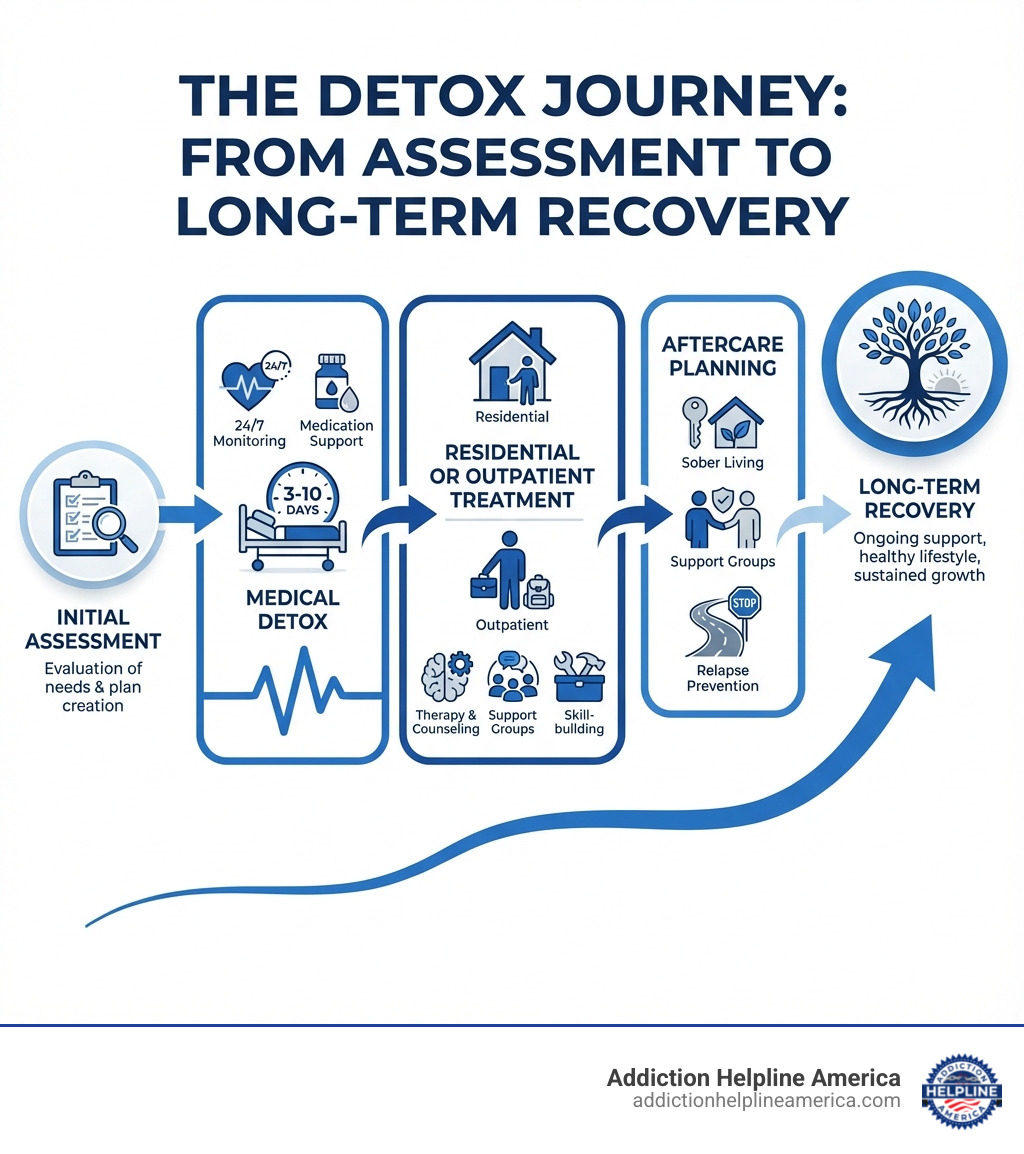
When you enter a Boston detox center, the process typically begins with a comprehensive initial medical and clinical assessment. This evaluation helps the treatment team understand your specific needs, the substances used, the duration and severity of use, and any co-occurring health conditions. Based on this assessment, an individualized treatment plan is developed, custom to your unique circumstances.
A key component of modern detox is Medication-Assisted Treatment (MAT). MAT uses FDA-approved medications, in combination with counseling and behavioral therapies, to provide a “whole-patient” approach to the treatment of substance use disorders. Common medications used include:
- Buprenorphine/naloxone (Suboxone): Used for opioid dependence to reduce cravings and withdrawal symptoms.
- Oral and injectable naltrexone (Vivitrol): Blocks opioid effects and reduces alcohol cravings.
- Disulfiram (Antabuse): Causes unpleasant effects when alcohol is consumed, discouraging drinking.
- Acamprosate (Campral): Helps reduce alcohol cravings.
These medications are crucial for managing cravings and easing withdrawal symptoms, making the detox process safer and more comfortable. Beyond medication, you’ll also receive emotional and psychological support through individual counseling and group therapy sessions. These early therapeutic interventions begin to address the underlying issues of addiction and prepare you for the next steps in your recovery journey.
Navigating the Landscape of Boston Detox Centers

Boston, a city renowned for its world-class medical institutions and academic excellence, also stands as a significant hub for addiction treatment and detox services. This vibrant city and the surrounding Massachusetts area have demonstrated a strong commitment to fighting the opioid crisis, as detailed by Massachusetts’ commitment to fighting the opioid crisis. In 2020, more than 2,000 Massachusetts residents tragically died from an opioid overdose, highlighting the urgent need for accessible and effective treatment. Fortunately, there are more than 140 drug rehab centers in Boston and over 200 within 25 miles, offering a broad spectrum of care.
This extensive network provides a continuum of care, meaning individuals can transition through various levels of treatment as their needs evolve, ensuring sustained support throughout their recovery journey.
Levels of Care Available in Boston
The journey to recovery is unique for everyone, and Boston detox centers offer diverse levels of care to match individual needs:
- Inpatient and Residential Detox (ASAM Level 3.7): This is the highest level of detox care, providing 24/7 medical supervision in a hospital-like setting. Facilities licensed to provide Acute Treatment Services (ASAM 3.7) and Clinical Stabilization Services (ASAM 3.5), like Bedrock Recovery Center, offer medical detox followed by comprehensive residential treatment. This environment is ideal for individuals with severe substance use disorders or those at high risk of complicated withdrawal.
- Partial Hospitalization Programs (PHP): Often referred to as day treatment, PHP offers intensive therapeutic services for several hours a day, multiple days a week, allowing patients to return home or to a sober living environment in the evenings.
- Intensive Outpatient Programs (IOP): Less intensive than PHP, IOP provides structured therapy and counseling sessions while allowing individuals to maintain their work, school, or family responsibilities.
- Standard Outpatient Programs: These are the least intensive, typically involving weekly therapy sessions and support groups, suitable for individuals with strong support systems and a lower risk of relapse.
- Sober Living Homes: After completing a more intensive program, sober living environments offer a structured, supportive, and substance-free setting for individuals to practice their recovery skills while reintegrating into daily life.
To explore the full range of options available, you can Find treatment options in Massachusetts.
Specialized Programs and Amenities
Many Boston detox centers go beyond standard treatment, offering specialized programs and amenities designed to cater to diverse needs and preferences:
- Dual Diagnosis Treatment for Co-Occurring Disorders: A significant number of individuals struggling with substance use disorders also experience co-occurring mental health conditions. In fact, the majority of individuals diagnosed with SUD also have mental health disorders. Boston facilities recognize this and offer integrated treatment approaches to address both conditions simultaneously, optimizing the healing process.
- Programs for Specific Demographics: To ensure a more custom and effective approach, some centers offer programs specifically for men, women, LGBTQ+ individuals, young adults, seniors, or military/veterans, fostering a sense of community and understanding.
- Holistic Therapies: A “whole-body approach” to detox and recovery is increasingly common. This includes a range of complementary therapies such as yoga, meditation, art therapy, music therapy, nutritional counseling, massage, and even chiropractic services, designed to heal the mind, body, and spirit.
- Luxury Amenities: For those seeking a higher level of comfort, some facilities offer luxury amenities like furnished private or semi-private rooms, chef-cooked meals, fitness centers, spa services, movie theaters, and common spaces for relaxation. Some centers even allow cell phones and are support animal friendly, aiming to make the detox process less stressful.
- Family Support Programs: Addiction impacts the entire family. Many centers in Boston provide family therapy sessions, family workshops, and educational programs to help loved ones understand addiction, heal relationships, and build healthy communication skills.
The Treatment Journey: From Admission to Aftercare
Taking the step to seek help is monumental, and understanding the entire treatment journey can bring peace of mind. While detox is a vital first step, it’s crucial to remember that it’s the beginning, not the end, of recovery. The goal is to build a strong foundation for lasting sobriety, addressing not just the physical dependence but also the psychological and emotional factors contributing to addiction.
How to Get Started: The Admissions Process
The admissions process for Boston detox centers is designed to be as smooth and supportive as possible. It typically begins with a confidential phone call to an admissions counselor. At Addiction Helpline America, our team provides free, confidential, personalized guidance. We’ll listen to your story, discuss your symptoms, and help you understand your options.
During this initial contact, a pre-admission assessment will be conducted to gather necessary information about your medical history, substance use, and any co-occurring conditions. We can also assist with insurance verification, helping you understand your coverage and potential out-of-pocket costs. Many centers accept major insurance plans, MassHealth, and Medicare, and we can help you steer these options.
You’ll receive guidance on what to pack for your stay, typically including comfortable attire, personal hygiene items, identification, and any prescribed medications in their original containers. Some facilities also assist with arranging transportation, including airport pickup, to ensure a stress-free arrival. In many cases, same-day admission is possible, allowing you to begin your healing journey without delay.
How Boston Detox Centers Address Co-Occurring Disorders
It’s common for individuals with substance use disorders to also struggle with mental health conditions like depression, anxiety, bipolar disorder, or PTSD. This is known as a dual diagnosis or co-occurring disorder. For instance, the link between mood disorders and substance use is well-documented, and anxiety disorders can precede substance use disorders. Boston detox centers are increasingly adopting an integrated treatment approach, recognizing that treating addiction and mental health simultaneously leads to better long-term outcomes.
This integrated care involves a collaborative team of addiction specialists, mental health professionals, and medical staff. You can expect:
- Individual Therapy: One-on-one sessions with a therapist to explore underlying issues, develop coping mechanisms, and process trauma.
- Group Counseling: Sessions with peers that foster a sense of community, shared experience, and mutual support.
- Psychiatric Support: Access to psychiatrists for medication management of mental health conditions, ensuring stability during and after detox.
By addressing both the substance use and mental health challenges concurrently, Boston detox centers empower individuals to achieve holistic healing and build resilience for sustained recovery.
Life After Detox: The Next Steps in Recovery
Completing detox is a significant achievement, but it’s just the first hurdle. The period immediately following detox is crucial for building a sustainable recovery. Boston detox centers emphasize aftercare planning to ensure a seamless transition and continued support.
Aftercare planning involves developing a personalized strategy for ongoing treatment and support. This may include:
- Step-Down Levels of Care: Transitioning to less intensive programs such as Partial Hospitalization Programs (PHP), Intensive Outpatient Programs (IOP), or standard outpatient therapy.
- Relapse Prevention Strategies: Learning to identify triggers, developing healthy coping skills, and creating a robust plan to steer high-risk situations.
- Building a Sober Support Network: Connecting with support groups like Alcoholics Anonymous (AA) or Narcotics Anonymous (NA), and participating in alumni programs offered by many treatment centers. These networks provide ongoing encouragement and accountability.
- Sober Living Referrals: For those who need a structured environment, referrals to sober living homes can provide a safe space to practice newfound sobriety while gradually reintegrating into society.
The goal is to equip you with the tools, skills, and support system necessary to maintain sobriety and thrive in your new life. To find centers that offer comprehensive aftercare and continued support, you can Explore rehab centers in Boston.
Costs, Insurance, and Finding the Right Fit
Understanding the financial aspects of addiction treatment is a common concern for individuals and families. While the cost of rehab in Boston can seem daunting, it’s important to view it as an investment in your health, well-being, and future.
In 2016, the average cost of a residential stay in Boston was around $56,725 per individual, while outpatient treatment averaged $8,386. These figures can vary significantly based on the facility, the level of care, the duration of the program, and the specific services provided.
Paying for Detox in Boston
Fortunately, numerous options exist to make detox and addiction treatment accessible:
- Using Private Health Insurance: Most major commercial insurance plans are accepted at Boston detox centers. Over 80% of rehab facilities in the Boston area take private health insurance. We can help you verify your benefits for free to understand your coverage.
- MassHealth (Medicaid) and Medicare Coverage: Massachusetts is committed to providing care, and many facilities accept state-funded programs. In the Boston area, 85% of facilities accept Medicaid (MassHealth), and 67% accept Medicare.
- Payment Plans and Financing: If insurance coverage is limited, many centers offer flexible payment plans or work with financing companies to help you manage costs.
- Sliding Scale Fees: Some facilities offer treatment based on a sliding scale, where costs are adjusted according to your income, making care more affordable for those without insurance or with limited financial resources.
At Addiction Helpline America, we are dedicated to helping you steer these options. Call us at 844-561-0606 for a free, confidential consultation, and we can assist with verifying your insurance benefits and exploring payment solutions that fit your situation.
How to Find the Best Boston Detox Centers for Your Needs
Finding the “best” detox center is about finding the right fit for your individual needs. Here are key factors to consider:
- Checking for Accreditation: Look for facilities accredited by reputable organizations such as The Joint Commission or CARF (Commission on Accreditation of Rehabilitation Facilities). These accreditations signify adherence to high standards of care, safety, and ethical practices. Massachusetts facilities are also licensed by the Bureau of Substance Addiction Services (BSAS).
- Asking About Staff-to-Patient Ratios: A lower ratio often indicates more personalized attention and support, which can be crucial during the vulnerable detox phase.
- Inquiring About Treatment Philosophy and Therapies Used: Ensure the center’s approach aligns with your preferences. Look for evidence-based therapies like Cognitive Behavioral Therapy (CBT), Dialectical Behavior Therapy (DBT), Motivational Interviewing (MI), and trauma-informed care.
- Ensuring They Can Meet Your Specific Needs: If you have a dual diagnosis, require specialized programs (e.g., for LGBTQ+ individuals or veterans), or prefer certain holistic therapies, confirm that the center can accommodate these needs.
- Reading Reviews and Testimonials: Hearing about others’ experiences can provide valuable insights into a facility’s environment, staff compassion, and effectiveness.
We understand this can feel overwhelming, but you don’t have to steer it alone. Our team at Addiction Helpline America offers free, confidential guidance to help you compare options and connect with a Boston detox center that’s right for you.
Frequently Asked Questions about Detox in Boston
How long does a typical detox program last?
The duration of a typical detox program varies significantly depending on several factors, including the type of substance used, the severity and length of the addiction, and individual physiological responses. Generally, detox programs can last anywhere from a few days to a couple of weeks, with an average length often falling between 3-10 days. For instance, alcohol detox or benzodiazepine detox might take longer due to the potential for severe withdrawal symptoms. The medical team at the detox center will conduct a thorough assessment and continuously monitor your progress to determine the appropriate and safest length for your program.
What is the role of therapy during detox?
Therapy plays a crucial role even during the detox phase, not just after. While the primary focus of detox is medical stabilization and managing withdrawal symptoms, therapy begins to address the emotional and psychological aspects of addiction. Individual and group therapy sessions provide a safe space to process feelings, understand the underlying causes of substance use, and begin developing coping skills. This early therapeutic intervention offers emotional support, helps integrate the detox experience, and prepares you for the next steps in your ongoing treatment journey, setting the stage for long-term recovery.
How can my family be involved in my recovery?
Family involvement is highly encouraged and often integral to a successful recovery. Addiction affects the entire family system, and healing together can strengthen your support network. Many Boston detox centers offer family therapy sessions, educational programs for loved ones, and workshops designed to help families understand addiction, improve communication, and rebuild trust. These services provide guidance on how to effectively support a loved one in recovery, address any family dynamics that may have contributed to the addiction, and foster a healthier home environment for everyone involved.
Your Path to a New Beginning Starts Today
Recovery is a journey, not a destination, and it’s a journey filled with hope and healing. Boston, with its rich medical resources and compassionate treatment community, offers a wealth of support to help you start on this path. You don’t have to face the challenges of addiction alone.
At Addiction Helpline America, we believe everyone deserves a chance at a healthier, sober life. We are here to guide you, offering free, confidential, and personalized assistance to help you steer your options and find a Boston detox center that perfectly fits your unique needs. Our vast network of accredited facilities ensures you’ll find a program that provides the best possible start to your recovery.
Take the first courageous step towards a new beginning. Call 844-561-0606 for a free, confidential consultation today. Your brighter future awaits.