Blue Cross Blue Shield mental health coverage means your insurance plan helps pay for therapy, psychiatric care, substance use treatment, and other behavioral health services. Most BCBS plans cover both inpatient hospital stays and outpatient visits with licensed therapists, psychologists, and psychiatrists. Your coverage includes services for depression, anxiety, addiction, trauma, and many other mental health conditions.
This guide walks you through exactly what your BCBS plan typically covers and what you can expect to pay. You’ll learn how to find in-network providers who accept your insurance, understand your copays and deductibles, and access telehealth services when you need them. We’ll also explain the differences between plan types and states, so you know what to look for in your specific coverage. Whether you’re seeking help for yourself or a loved one, understanding your benefits makes it easier to get the care you need without unexpected costs.
Why Blue Cross Blue Shield coverage matters
Blue Cross Blue Shield covers one in three Americans, giving you access to the largest mental health provider network in the country. Your ability to get treatment often depends on whether providers accept your insurance, and BCBS contracts with thousands of therapists, psychiatrists, and treatment centers nationwide. When you need help for depression, anxiety, addiction, or other mental health conditions, having blue cross blue shield mental health coverage opens doors that might otherwise stay closed.



The financial protection matters just as much as the access. Without insurance, therapy sessions cost $100 to $250 each, and inpatient treatment can run thousands of dollars per day. Your BCBS plan limits these costs to manageable copays and deductibles, which means you can actually afford to get consistent care. Mental health treatment works best when you stick with it, and coverage removes the financial pressure that forces many people to quit early.
Insurance coverage turns mental health treatment from an impossible expense into an achievable goal.
BCBS companies have also expanded their networks by 55% in recent years, which gives you access to specialized providers for trauma, addiction, and youth mental health. You benefit from shorter wait times and more treatment options.
How to use your BCBS mental health benefits
Your BCBS plan works like any other medical benefit, but you need to understand a few specific steps before booking your first appointment. Start by calling the member services number on the back of your insurance card and asking three questions: what your copay is for therapy visits, whether you need a referral from your primary care doctor, and how many sessions your plan covers per year. Some plans limit you to 20 outpatient visits annually, while others offer unlimited coverage with prior authorization for extended treatment.
Check your coverage details first
You can verify your blue cross blue shield mental health coverage through your online member portal or mobile app. Log in and look for the behavioral health or mental health section under your benefits summary. This shows your specific copay amounts, deductible requirements, and whether you have separate benefits for inpatient versus outpatient care. Download your benefits book as a PDF so you can reference exact coverage details when scheduling appointments or comparing treatment options.
Your benefits book contains the specific rules that determine what you pay out of pocket.
Schedule with in-network providers
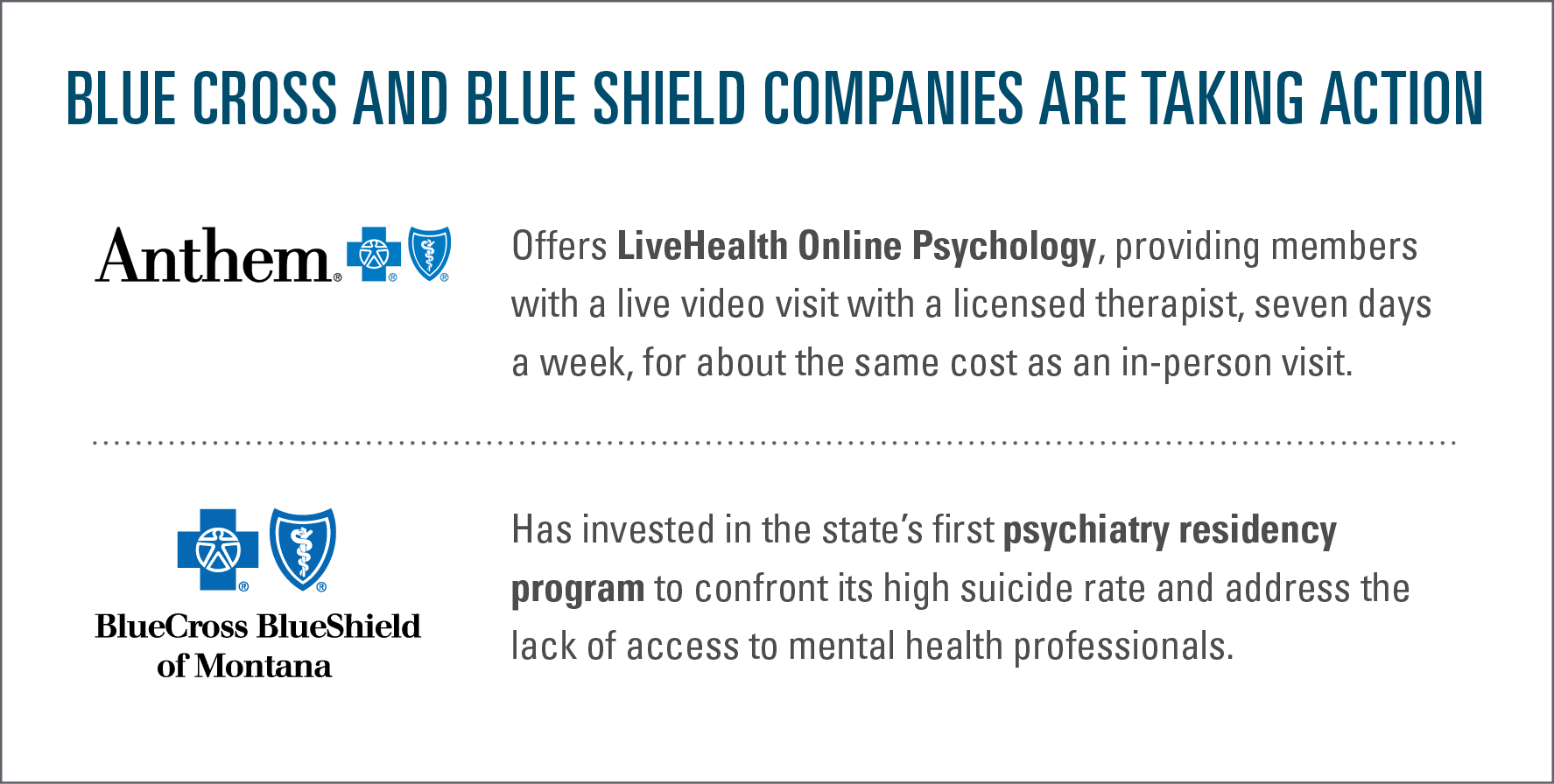
Finding an in-network therapist or psychiatrist ensures you pay the lowest possible copay instead of facing out-of-network rates that can triple your costs. Use the provider search tool on your BCBS website or app to filter by specialty, location, and whether providers currently accept new patients. Call the provider’s office directly to confirm they still participate in your specific BCBS plan, as online directories sometimes lag behind network changes. Many BCBS plans also offer telehealth options through platforms where you can schedule video appointments within 24 to 48 hours.
What Blue Cross Blue Shield usually covers
Blue cross blue shield mental health coverage typically includes outpatient therapy sessions, inpatient hospital stays, and prescription medications for mental health conditions. Your plan covers treatment for depression, anxiety, bipolar disorder, PTSD, OCD, eating disorders, and substance use disorders. Most BCBS plans also pay for psychological testing and diagnostic assessments when your provider determines they’re medically necessary. Coverage extends to both in-person appointments and telehealth video visits with licensed mental health professionals.
Outpatient therapy and counseling
Your BCBS plan covers regular therapy sessions with licensed therapists, psychologists, psychiatrists, and clinical social workers. These professionals treat conditions like anxiety, depression, relationship conflicts, trauma, and grief through weekly or bi-weekly appointments. Plans typically cover individual therapy, group therapy, and family counseling when your provider recommends them. Psychiatrists who prescribe medications for mental health conditions also fall under this coverage, and you can see them for medication management visits that monitor how your treatment is working.
Outpatient therapy gives you consistent support while you live at home and maintain your daily routine.
Inpatient and intensive treatment
BCBS plans cover hospital stays when you need 24-hour mental health care for severe depression, suicidal thoughts, psychosis, or other urgent conditions. This includes psychiatric hospitals and dedicated mental health units within general hospitals. Your coverage also extends to partial hospitalization programs and intensive outpatient programs that provide several hours of treatment per day without requiring an overnight stay. These programs work well when you need more support than weekly therapy but don’t require full hospitalization.
Substance use disorder services
Treatment for alcohol and drug addiction receives the same coverage as other mental health conditions under your BCBS plan. Your benefits include medical detox programs, residential rehab centers, and outpatient substance use counseling. Plans cover both short-term programs and long-term recovery support through ongoing therapy and medication-assisted treatment for opioid or alcohol dependence.
Costs, authorizations and plan differences
Your out-of-pocket costs for blue cross blue shield mental health coverage depend on your specific plan type, deductible status, and whether you see in-network providers. Most BCBS plans charge copays between $10 and $50 per therapy session, though PPO plans typically cost more than HMO plans for the same services. You pay your full deductible amount first if your plan requires it, then copays or coinsurance kick in for the rest of the year. Plans also differ by state because each BCBS company operates independently and negotiates its own provider networks and coverage rules.
Understanding your out-of-pocket costs
Therapy copays usually range from $20 to $40 for standard outpatient visits, while psychiatrist appointments for medication management often cost $30 to $60 per session. Your deductible applies first, which means you pay the full negotiated rate until you hit your deductible amount. After that, you switch to copays or coinsurance for the rest of the plan year. Inpatient mental health stays typically require higher cost-sharing, with daily copays or coinsurance rates that can reach $200 to $500 per day depending on your plan.
Your copay stays the same whether you see a therapist once or twenty times, but your deductible only applies at the start of your plan year.
Prior authorization requirements
Some BCBS plans require prior authorization for inpatient stays, intensive outpatient programs, and extended therapy beyond a certain number of visits. Your provider submits authorization requests to BCBS, who reviews medical necessity before approving coverage. Plans often approve the first 10 to 20 therapy sessions automatically, then require documentation showing continued medical need for additional visits. Authorization typically takes two to five business days, so your provider should request it before your benefits run out.
Plan variations across states
BCBS companies in different states offer distinct plan designs, provider networks, and coverage policies even when they carry the same BCBS name. Your benefits in Massachusetts differ from those in Texas or California because each state has separate insurance regulations and negotiated rates. Check your specific state’s BCBS website for accurate coverage details rather than assuming national information applies to your plan.
Finding treatment for addiction and mental health
Your blue cross blue shield mental health coverage works with thousands of treatment centers nationwide, but finding the right facility requires more than just checking if they accept your insurance. You need to verify that the center treats your specific condition, offers the level of care you need (inpatient, outpatient, or intensive programs), and has current openings for new patients. Call treatment centers directly and ask about their program length, therapeutic approaches, and whether they can verify your BCBS benefits before you arrive. Most facilities can check your coverage within 24 hours by contacting BCBS on your behalf.
Start with specialized directories
Treatment directories help you filter options by location, insurance, and specialty so you don’t waste time contacting facilities that can’t help you. These resources list centers that specifically treat substance use disorders, co-occurring mental health conditions, and dual diagnosis cases. Addiction Helpline America provides a comprehensive directory of verified treatment centers across all 50 states, with detailed information about each facility’s services, insurance partnerships, and available program types. You can search by your state and filter results based on whether centers accept BCBS plans in your area.
Specialized treatment directories save you hours of phone calls by showing you only the facilities that match your specific needs.
Next steps
Understanding your blue cross blue shield mental health coverage gives you the foundation you need to take action. Check your current benefits through your member portal or by calling the number on your insurance card to confirm your copays, deductibles, and authorization requirements before scheduling any appointments. You can also search for in-network providers using your BCBS website’s provider directory to ensure you pay the lowest possible rates for therapy or treatment services.
Treatment centers that accept BCBS can verify your specific coverage and explain your out-of-pocket costs before you commit to any program. If you need help finding addiction or mental health treatment that works with your insurance, verify your BCBS coverage through our secure insurance verification tool. We connect you with facilities that accept your plan and provide the specialized care you need.