Navigating Recovery in the Garden State: An Introduction
Drug addiction treatment centers in New Jersey offer comprehensive care for individuals and families seeking recovery. Here’s a quick guide to finding treatment in the Garden State:
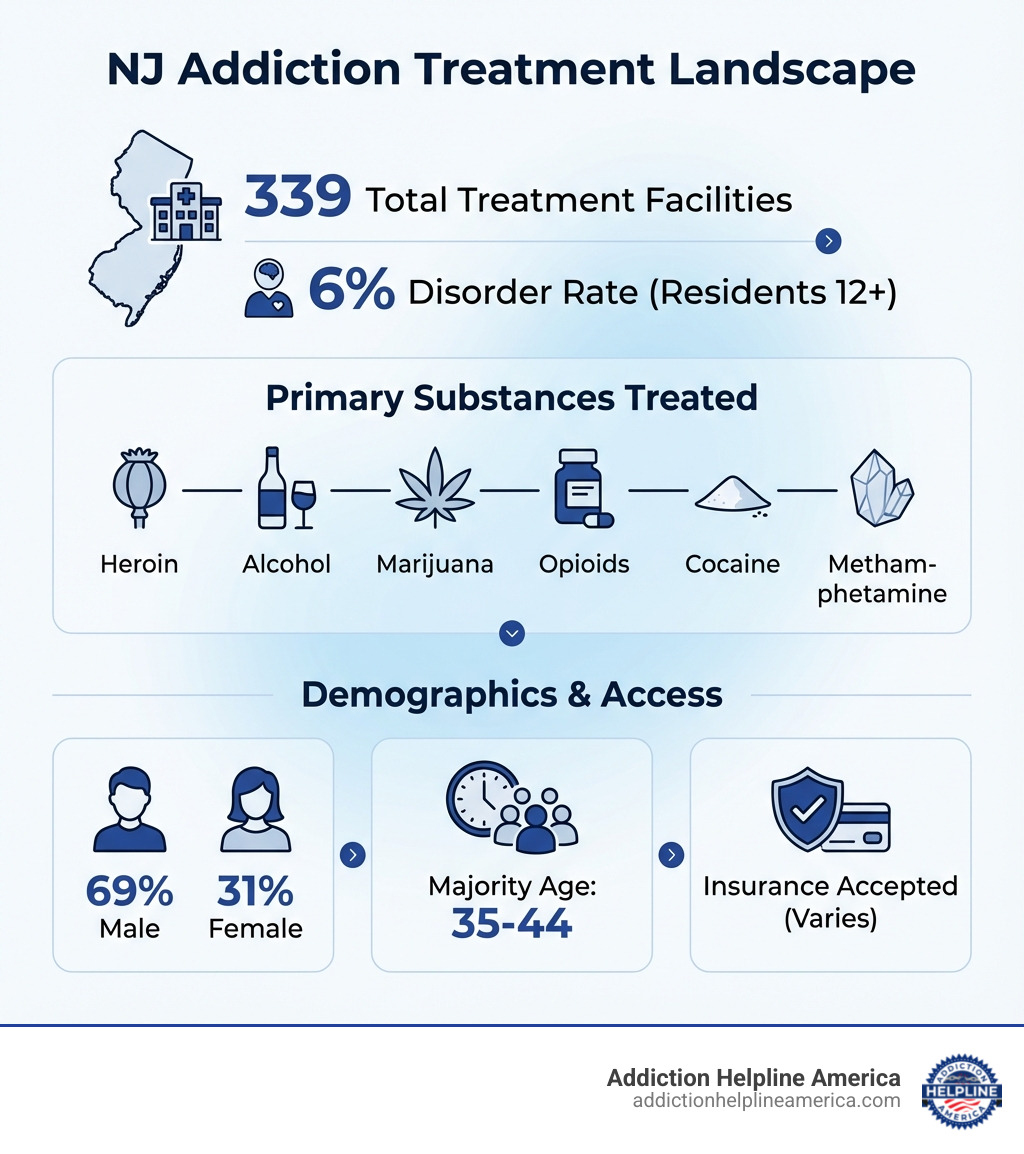
- 339 treatment facilities statewide, with 295 offering outpatient services, 51 providing residential care, and 10 offering 24-hour inpatient hospital care
- Primary substances treated: Heroin, alcohol, marijuana, opioids, cocaine, and methamphetamine
- Insurance acceptance: 263 centers accept private insurance, 230 accept Medicaid, 143 accept Medicare
- Specialized programs available: 227 facilities serve women, 81 serve adolescents, 232 treat co-occurring mental health conditions
- Free/state-funded options: 135 centers accept state-funded health insurance beyond Medicaid
New Jersey faces a significant addiction crisis, with about 6% of residents over age 12 struggling with a substance use disorder and over 3,000 drug overdoses recorded in 2022. The opioid crisis is particularly severe, with overdose death rates among the nation’s highest.
For professionals, the challenge is finding discreet, effective care that understands the pressures of a high-stress career. The fear of professional consequences can delay seeking help, but New Jersey’s treatment landscape includes options designed for professionals who need privacy and flexibility.
Addiction Helpline America specializes in connecting individuals with appropriate drug addiction treatment centers in New Jersey. We understand that the right match is critical for lasting recovery. We provide confidential guidance to help you steer treatment options, verify insurance, and take that crucial first step.
The Landscape of Drug Addiction Treatment Centers in New Jersey
New Jersey offers a wide variety of choices for addiction treatment, with 339 facilities across the state. This network provides a “continuum of care,” meaning the intensity of treatment can be adjusted to match your needs at every stage of recovery.
Types of Addiction Services Available
Drug addiction treatment centers in New Jersey offer a range of services that can be combined to create a comprehensive recovery plan.
- Medically-Monitored Detox: This is often the first step, providing 24/7 medical supervision to safely manage withdrawal symptoms from substances like alcohol, opioids, and benzodiazepines. Many centers focus on providing a safe and comfortable environment during this critical phase.
- Inpatient/Residential Treatment: Patients live at the facility for 30 to 90 days, focusing entirely on recovery without outside triggers. New Jersey has 51 residential facilities that provide a structured environment for building sober routines.
- Partial Hospitalization Programs (PHP): A step down from residential care, PHPs offer intensive daily treatment (e.g., 5-7 hours a day) while allowing you to return home or to a sober living environment at night.
- Intensive Outpatient Programs (IOP): Offering even more flexibility, IOPs typically involve several hours of therapy a few evenings per week. This model is ideal for professionals who need to maintain work or school schedules while in treatment.
- Outpatient Services: As the most flexible option, outpatient care involves scheduled therapy sessions while you live at home. With 295 facilities in NJ offering this service, it’s a common choice for those with strong support systems or as a step-down from more intensive care.
- Medication-Assisted Treatment (MAT): This evidence-based approach combines FDA-approved medications (like Suboxone or Vivitrol) with counseling to reduce cravings and prevent relapse, particularly for opioid and alcohol use disorders. Many centers integrate MAT into their programs.
- Dual Diagnosis Treatment: Addiction often co-occurs with mental health conditions like depression or anxiety. 232 rehabs in New Jersey offer integrated treatment, addressing both issues simultaneously for a more effective and lasting recovery.
- Aftercare Planning: Effective treatment centers begin planning for your life after rehab from day one. This includes developing relapse prevention strategies and connecting you with ongoing support through alumni and continuing care services.
Common Substances Treated in NJ
Treatment centers in New Jersey are equipped to handle the state’s most prevalent substance use issues.
- Alcohol: As one of the most commonly treated substances, alcohol use disorder is addressed across all levels of care. Medically supervised detox is often necessary due to potentially life-threatening withdrawal.
- Opioids: Including heroin, fentanyl, and prescription painkillers, opioids are a primary focus of treatment in NJ due to the state’s high overdose rates. MAT is a key component of effective opioid addiction treatment.
- Marijuana: Marijuana use disorder is commonly treated, particularly among younger populations. Treatment focuses on the psychological aspects of dependence.
- Cocaine and Methamphetamine: Treatment for these powerful stimulants relies heavily on intensive behavioral therapies and counseling to address profound changes in brain chemistry and manage cravings.
- Other Substances: Facilities also treat addiction to benzodiazepines, synthetic drugs, and inhalants, with specialized detox protocols available for a wide range of substances.
How to Find and Vet a Reputable NJ Rehab Center
Finding the right drug addiction treatment centers in New Jersey is simpler when you know what to look for. Vetting a center is like choosing a surgeon—credentials and quality matter.
Start by checking for these key indicators:
- Accreditation and Licensing: Reputable facilities are licensed by the state of New Jersey and accredited by national bodies like The Joint Commission or CARF International. This ensures they meet rigorous standards for safety and patient care.
- Evidence-Based Therapies: Look for programs that use scientifically proven methods such as Cognitive Behavioral Therapy (CBT), Dialectical Behavior Therapy (DBT), and Medication-Assisted Treatment (MAT).
- Staff Qualifications: The clinical team should consist of licensed therapists, certified addiction counselors, and medical professionals specializing in addiction medicine.
- Patient-to-Staff Ratio: A lower ratio generally means more personalized attention and individualized care, which is crucial for effective treatment.
Key Qualities of Elite Drug Addiction Treatment Centers in New Jersey
For professionals, certain features are essential for a successful treatment experience. Elite centers understand these needs and tailor their programs accordingly.
- Discretion and Confidentiality: Top-tier programs prioritize your privacy from the first call to discharge, protecting your professional reputation.
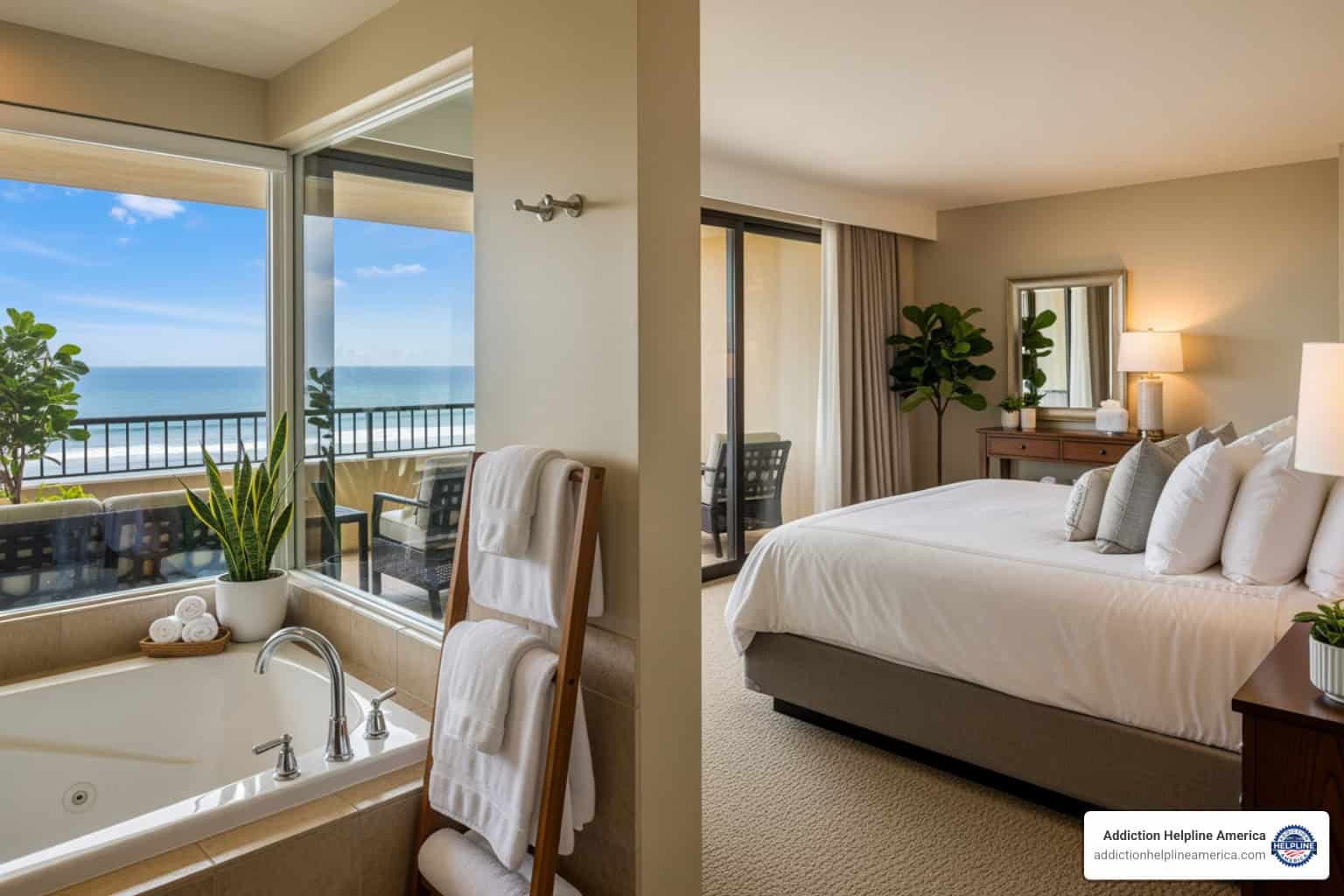
- Private Accommodations: Many executive facilities offer private rooms, creating a more comfortable and less institutional environment conducive to healing.
- Executive-Focused Programs: These programs offer the flexibility to manage essential work responsibilities with structured access to technology, allowing you to focus on recovery without disconnecting completely from your career.
- Individualized Treatment Plans: Effective care is never one-size-fits-all. The best centers create personalized plans based on your specific substance use history, co-occurring conditions, and professional demands.
- Holistic Therapies: Comprehensive care often includes mindfulness, yoga, nutritional counseling, and fitness to promote overall well-being and provide tools for managing stress post-treatment.
Utilizing Trusted Resources
Navigating your options is easier with reliable information.
- State and National Directories: Official state-licensed program search tools and national comparison resources can help you review services, credentials, and insurance acceptance without guesswork.
- Guidance from Addiction Helpline America: We provide free, confidential, personalized guidance to help you find the right program from our vast network of drug addiction treatment centers in New Jersey. Our admissions navigators can help you understand your options and verify insurance benefits, matching you with a facility that truly meets your needs.
Paying for Treatment: Insurance and Financial Options in New Jersey
The cost of treatment is a major concern, but it shouldn’t be a barrier to recovery. Drug addiction treatment centers in New Jersey offer multiple financial pathways to make care accessible.
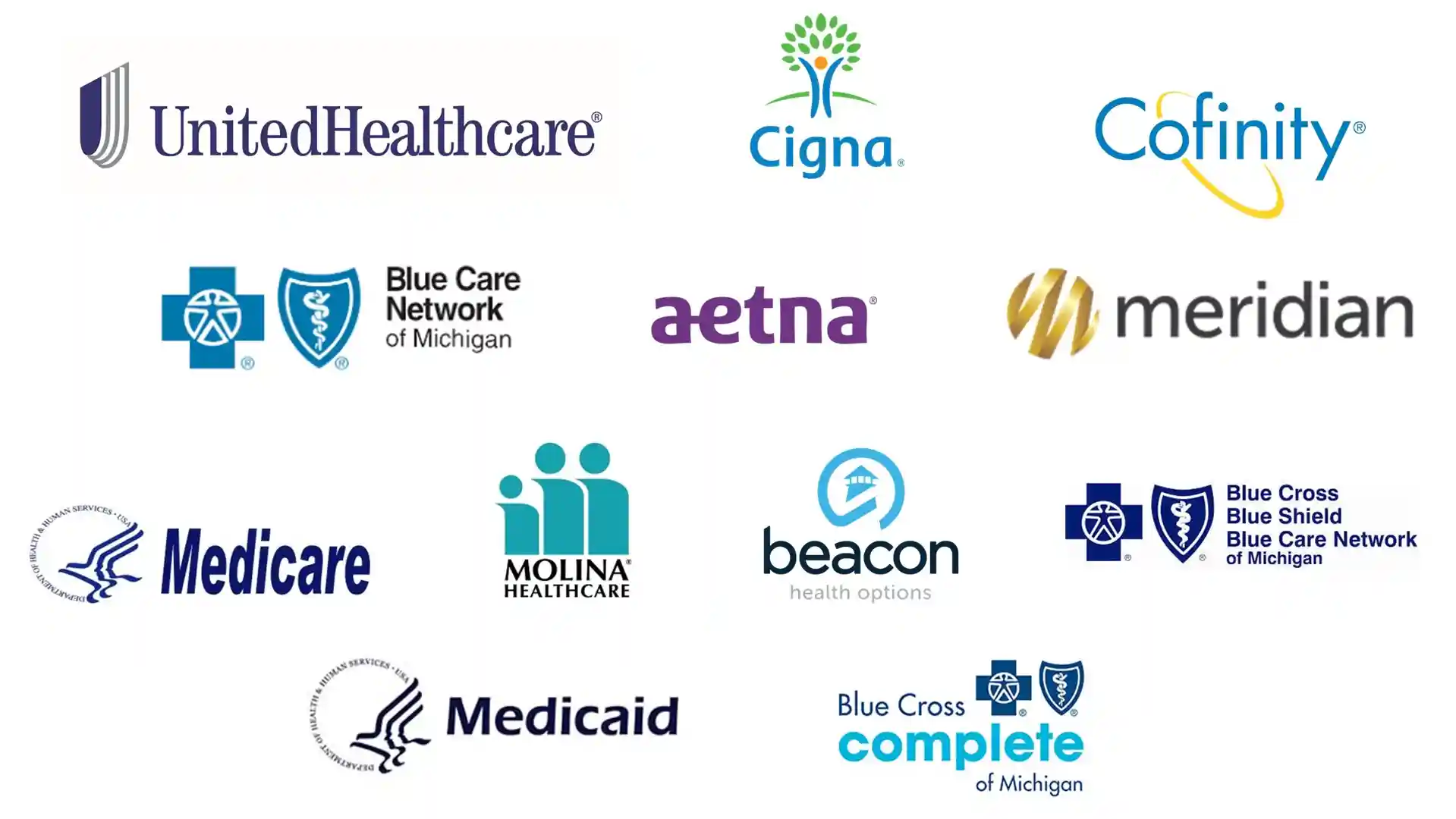
Thanks to federal and state parity laws, insurers are required to cover addiction and mental health treatment similarly to how they cover other medical conditions. This has significantly expanded access to care.
In New Jersey, 263 facilities accept private health insurance, 230 accept Medicaid, and 143 accept Medicare. Additionally, 135 centers accept other state-funded health insurance, creating a broad safety net.
Does Insurance Cover Rehab in New Jersey?
Yes, but coverage details vary. Understanding your policy is key.
- In-Network vs. Out-of-Network: In-network providers have contracts with your insurer, resulting in lower out-of-pocket costs for you. Out-of-network care may be covered, but at a higher personal cost.
- Verifying Your Benefits: Policies differ on what levels of care are covered (e.g., detox, residential, outpatient) and may require prior authorization. This complexity can be frustrating to steer alone.
That’s where we can help. At Addiction Helpline America, we verify your insurance benefits for free. Our team will contact your provider to determine your coverage and connect you with drug addiction treatment centers in New Jersey that maximize your benefits. This confidential service removes the stress and guesswork.
Other financial options include:
- Private Pay: Paying directly is common for those seeking specialized programs with improved privacy and amenities. Costs vary widely based on the facility and level of care.
- Sliding Scale Fees: Some centers adjust their fees based on your income, making treatment more affordable.
- State-Funded Options: New Jersey’s Department of Human Services funds programs that provide free or low-cost treatment for eligible residents. The state can help provide referrals to these options.
Specialized Programs for Professionals and Other Populations
Effective recovery isn’t one-size-fits-all. The best drug addiction treatment centers in New Jersey offer specialized programs custom to the unique needs of different populations, from corporate executives to adolescents.

What to Expect in an Executive Treatment Program
Executive programs are designed for high-achieving individuals who need to balance recovery with professional responsibilities. Key features include:
- Privacy and Discretion: These programs are built on a foundation of confidentiality to protect your professional reputation.
- Flexibility for Work: While treatment is the priority, many programs allow structured time and secure access to technology for essential work communications.
- Peer Support: Group therapy with other professionals creates a unique environment of mutual understanding about the pressures of leadership and high-stakes careers.
- Targeted Stress Management: Therapy focuses on developing coping strategies for professional triggers and stressors, with some programs incorporating executive coaching.
Beyond programs for professionals, New Jersey’s treatment landscape includes specialized care for women (227 facilities), adolescent programs (81 centers), and LGBTQ+ affirming care, ensuring everyone can find a safe and supportive environment. Some programs are custom for first responders and other high-risk professions, while others provide comprehensive services for teens and young adults.
How Families Can Get Involved
Addiction affects the entire family, and their involvement can significantly improve long-term recovery outcomes. Most drug addiction treatment centers in New Jersey encourage family participation in various ways:
- Family Therapy: Facilitated sessions provide a safe space to heal relationships, improve communication, and understand addiction as a family disease.
- Educational Workshops: These programs teach loved ones about the science of addiction and recovery, helping them shift from frustration to informed support.
- Family Support Groups: Groups like Al-Anon and Nar-Anon offer crucial peer support for family members, who need their own space to heal.
- Creating a Supportive Home: Centers provide guidance on how to make the home environment conducive to sobriety after treatment ends.
- Intervention Services: For families struggling to get a loved one to accept help, some centers offer professional intervention support to steer this difficult conversation.
Beyond Rehab: Continuing Care and Support Resources in NJ
Finishing a rehab program is a major milestone, but recovery is a lifelong journey. The support you receive after treatment is crucial for long-term success. New Jersey offers a strong network of continuing care resources to help you maintain sobriety.
Most drug addiction treatment centers in New Jersey provide structured aftercare plans, which may include ongoing therapy, regular check-ins, and alumni events.
Key continuing care options include:
- Sober Living Homes: These residences offer a structured, substance-free environment where you can practice recovery skills with peer support before transitioning to independent living.
- Alumni Groups: Connecting with others who share your experience provides a powerful sense of community and accountability.
- Relapse Prevention Planning: A cornerstone of aftercare, this involves creating a personal plan to identify triggers, outline coping strategies, and know what steps to take if you feel at risk.
Finding Local Support Groups
Peer-led support groups are a vital resource for long-term recovery. They offer free, confidential spaces to share experiences and draw strength from others.
- Alcoholics Anonymous (AA): Find local 12-step meetings for alcoholism through Northern New Jersey AA and Southern New Jersey AA.
- Narcotics Anonymous (NA): For those recovering from drug addiction, NA in New Jersey offers 12-step meetings and events across the state.
- SMART Recovery: This science-based, self-empowering program offers an alternative to 12-step models, focusing on a 4-Point Program to manage addictive behaviors.
New Jersey Addiction Hotlines and Helplines
When you need immediate help, these resources are available 24/7.
- Emergency Services: If you or someone you love is in immediate danger, call 911 or go to the nearest emergency room.
- Addiction Helpline America: Our team is always available to provide free, confidential guidance and connect you with the right treatment resources for your needs.
Take the Confidential First Step Towards Recovery
Recovery starts with a single, confidential decision. For professionals, fears about privacy and career impact can make that first step feel daunting. However, finding the right treatment is crucial, and it is possible to get help while protecting what you’ve worked so hard to build.
Professionals have unique needs, and many drug addiction treatment centers in New Jersey have developed executive-focused programs that offer the discretion and flexibility you require. Whether you need medically supervised detox, residential care, or flexible outpatient services, New Jersey has a wide range of quality options.
At Addiction Helpline America, we specialize in removing the barriers to treatment. Our team provides personalized, confidential guidance at no cost. We will help you understand your options, verify your insurance, and connect you with a treatment center that truly matches your needs. We are here to listen and help you find the right path forward, without judgment or pressure.
You don’t have to steer this alone. Your conversation with us is completely confidential, and there is no obligation.
Your journey to recovery starts now. Let us help you take that first, confidential step.