
Understanding Your Options for Anxiety Relief
Best anxiety medication options include SSRIs (like Zoloft and Lexapro) and SNRIs (like Effexor and Cymbalta) as first-line treatments. For short-term relief, benzodiazepines (like Xanax) work quickly but carry dependence risks, while beta-blockers (like Propranolol) help with performance anxiety. Your doctor will recommend the best option based on your specific needs.
Quick Reference: Common Anxiety Medication Classes
| Medication Type | Examples | Best For | Time to Work |
|---|---|---|---|
| SSRIs | Zoloft, Lexapro, Prozac | Long-term anxiety treatment | 4-6 weeks |
| SNRIs | Effexor, Cymbalta | Chronic anxiety, also helps with pain | 4-6 weeks |
| Benzodiazepines | Xanax, Ativan | Short-term, immediate relief | 20-30 minutes |
| Beta-Blockers | Propranolol | Performance anxiety, stage fright | 20-30 minutes |
| Buspirone | BuSpar | Generalized anxiety | 3-4 weeks |
If overwhelming worry affects your daily life, you’re not alone. Anxiety disorders are the most common psychiatric conditions, affecting over 40 million adults in the U.S. However, finding the right treatment can be a maze. Anxiety isn’t one-size-fits-all, and what works for one person may not help another. Research shows that only about half of patients who respond to treatment achieve full recovery.
Finding support is further complicated because anxiety often co-occurs with other conditions, like depression or substance use disorders. This means your treatment plan must be comprehensive. If you’re dealing with substance use, certain anxiety medications may not be safe, making professional guidance essential.
The good news is that you have more options than ever, from established medications to therapies like Cognitive Behavioral Therapy (CBT). This guide breaks down your options in plain language, explaining how different medications work, what to expect, and potential side effects.
If you’re struggling with anxiety, especially if substance use is involved, seeking professional help is crucial. At Addiction Helpline America, we understand that finding the best anxiety medication requires personalized care. We can connect you with the right resources 24/7. Call us at 844-561-0606 to find a safe, effective treatment path.
First-Line Approaches: The Go-To Options for Chronic Anxiety
When anxiety is a persistent force, first-line treatments are the initial recommendation from health professionals. These strategies are backed by extensive research and aim for safe, effective relief. Professional support is essential, as treatment requires careful consideration of your health profile, including co-occurring conditions like depression or substance use.
Medication-Assisted Treatment for Anxiety
Medications help manage chronic anxiety by rebalancing brain chemistry, targeting neurotransmitters like serotonin and norepinephrine that regulate mood.
The most commonly prescribed medications for anxiety are:
- Selective Serotonin Reuptake Inhibitors (SSRIs): Often the first choice for anxiety and depression, SSRIs like Zoloft (sertraline), Lexapro (escitalopram), and Prozac (fluoxetine) work by increasing the availability of serotonin in the brain.
- Pros: Effective for a wide range of anxiety disorders, have a solid safety profile, and are not considered addictive.
- Cons: Take four to six weeks to work. Initial side effects can include nausea, diarrhea, and sometimes increased jitteriness. Sexual side effects can also occur.
- Serotonin-Norepinephrine Reuptake Inhibitors (SNRIs): Like SSRIs, SNRIs such as Effexor (venlafaxine) and Cymbalta (duloxetine) are first-line treatments. They increase both serotonin and norepinephrine in the brain.
- Pros: Effective for various anxiety disorders and can also help with certain types of chronic pain.
- Cons: Take several weeks to work. Side effects can include nausea, dizziness, and sometimes increased blood pressure. Stopping abruptly can cause withdrawal.
- Buspirone (BuSpar): This non-addictive anti-anxiety medication primarily affects serotonin receptors and is often prescribed for generalized anxiety disorder (GAD).
- Pros: Less addictive and sedating than benzodiazepines. It can help you think more clearly and worry less.
- Cons: Takes three to four weeks to become fully effective. Side effects may include dizziness, drowsiness, and nausea.
- Other Antidepressants: While less common, other classes are sometimes used.
- Tricyclic Antidepressants (TCAs): Older drugs like Amitriptyline are effective but have more significant side effects, so they are reserved for cases where newer options fail.
- Monoamine Oxidase Inhibitors (MAOIs): Powerful medications like Nardil (phenelzine) are a last resort due to strict dietary restrictions and serious drug interactions.
- Atypical Antidepressants: Medications like Wellbutrin (bupropion) can be useful for co-occurring depression but are not typically a standalone treatment for anxiety disorders.
Choosing the best anxiety medication is a nuanced process. If you’re exploring options or your current treatment isn’t working, connect with a specialist. Our team at Addiction Helpline America can help you find a mental health professional. Call us today at 844-561-0606.
Non-Medication Strategies
Therapy is a crucial piece of the puzzle, used alone or with medication for long-term management.
- Cognitive Behavioral Therapy (CBT): Widely considered the most effective psychotherapy for anxiety, CBT helps you identify and challenge negative thought patterns and behaviors.
- Mindfulness-Based Cognitive Therapy (MBCT): Combines CBT with mindfulness practices like meditation to help break cycles of worry.
- Acceptance and Commitment Therapy (ACT): Teaches you to accept difficult feelings rather than fight them and commit to value-driven actions.
- Other Therapies: Psychodynamic psychotherapy explores past experiences, while supportive-expressive therapy focuses on life issues and relationships.

- Pros: Addresses the root causes of anxiety, provides sustainable coping skills, and has no medication-related side effects.
- Cons: Requires significant time, effort, and commitment. Finding the right therapist can also take time.
Short-Term & As-Needed Anxiety Relief
Sometimes, anxiety flares up in specific situations, like during a panic attack or before a big presentation. This is where short-term, as-needed relief comes in. These tools are for managing acute episodes and can also serve as a bridge while you wait for long-term treatments to take full effect.
Supportive Interventions for Immediate Relief
When anxiety strikes suddenly, immediate coping strategies can help you regain control without medication.
- Relaxation Techniques: Simple practices like deep breathing, progressive muscle relaxation (tensing and relaxing muscle groups), and visualization (imagining a calm scene) can calm your nervous system.
- Grounding Strategies: These techniques bring your focus to the present moment. A popular method is the “5-4-3-2-1” exercise: identify 5 things you see, 4 things you touch, 3 things you hear, 2 things you smell, and 1 thing you taste.
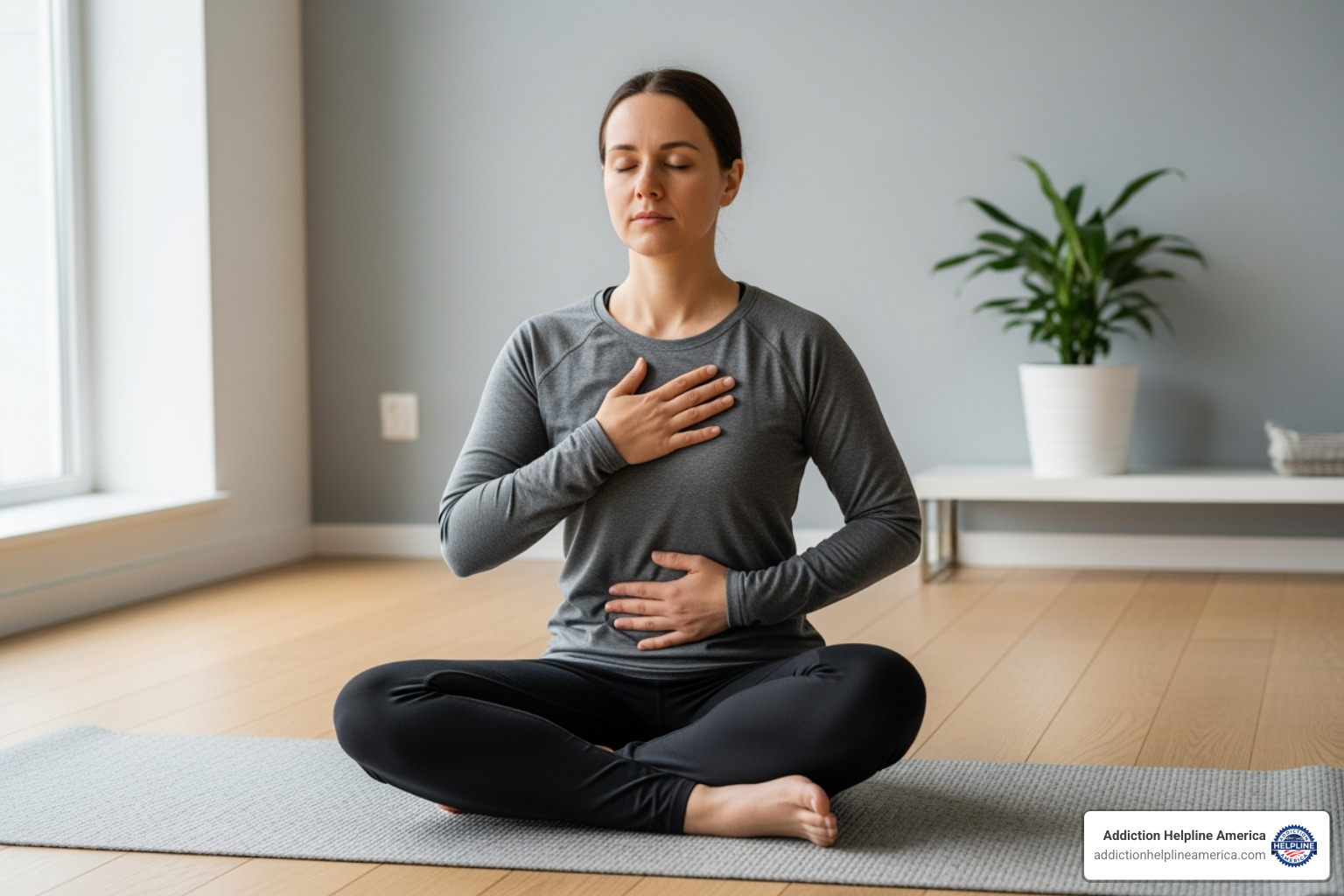
- Pros: These techniques offer rapid relief, can be used anywhere, and have no risk of dependence.
- Cons: They may not address the underlying causes of chronic anxiety and require practice to be most effective.
Medical Supervision for Short-Term Medication Use
For moments when non-drug interventions aren’t enough, certain medications can be prescribed for short-term use under strict medical supervision.
- Benzodiazepines (Benzos): Medications like Xanax (alprazolam) and Ativan (lorazepam) provide immediate relief by calming brain activity.
- Pros: Work very quickly (within 20-30 minutes), making them effective for acute panic attacks.
- Cons: High risk of dependence and tolerance with prolonged use. They are typically used for only one to two weeks. Withdrawal can be severe if stopped abruptly. Caution is especially needed for individuals with substance use disorders. If you have concerns about benzodiazepine use or dependence, call Addiction Helpline America at 844-561-0606. We specialize in care for co-occurring anxiety and substance use.
- Beta-Blockers: Propranolol is popular for managing the physical symptoms of anxiety, like a racing heart and trembling, by blocking the effects of adrenaline.
- Pros: Works quickly (20-30 minutes) and is helpful for performance anxiety (stage fright). It doesn’t cause sedation, allowing you to stay sharp.
- Cons: Can cause low blood pressure or dizziness. Not suitable for people with asthma or diabetes. It only addresses physical symptoms, not the psychological aspects of anxiety.
- Antihistamines: Certain antihistamines, like Vistaril (hydroxyzine), are a non-benzodiazepine option for short-term anxiety relief, such as before surgery.
- Pros: Can be taken as needed and is not a benzodiazepine.
- Cons: Can cause side effects like dry mouth, dizziness, and blurred vision.
Finding the Best Anxiety Support for You
Finding the best anxiety medication and treatment plan is a personal journey that requires a collaborative effort between you and your healthcare provider. The process often involves some trial and error to find what works best for your body and mind.
Key Factors Your Provider Will Consider
A medical professional will weigh several factors to customize your treatment:
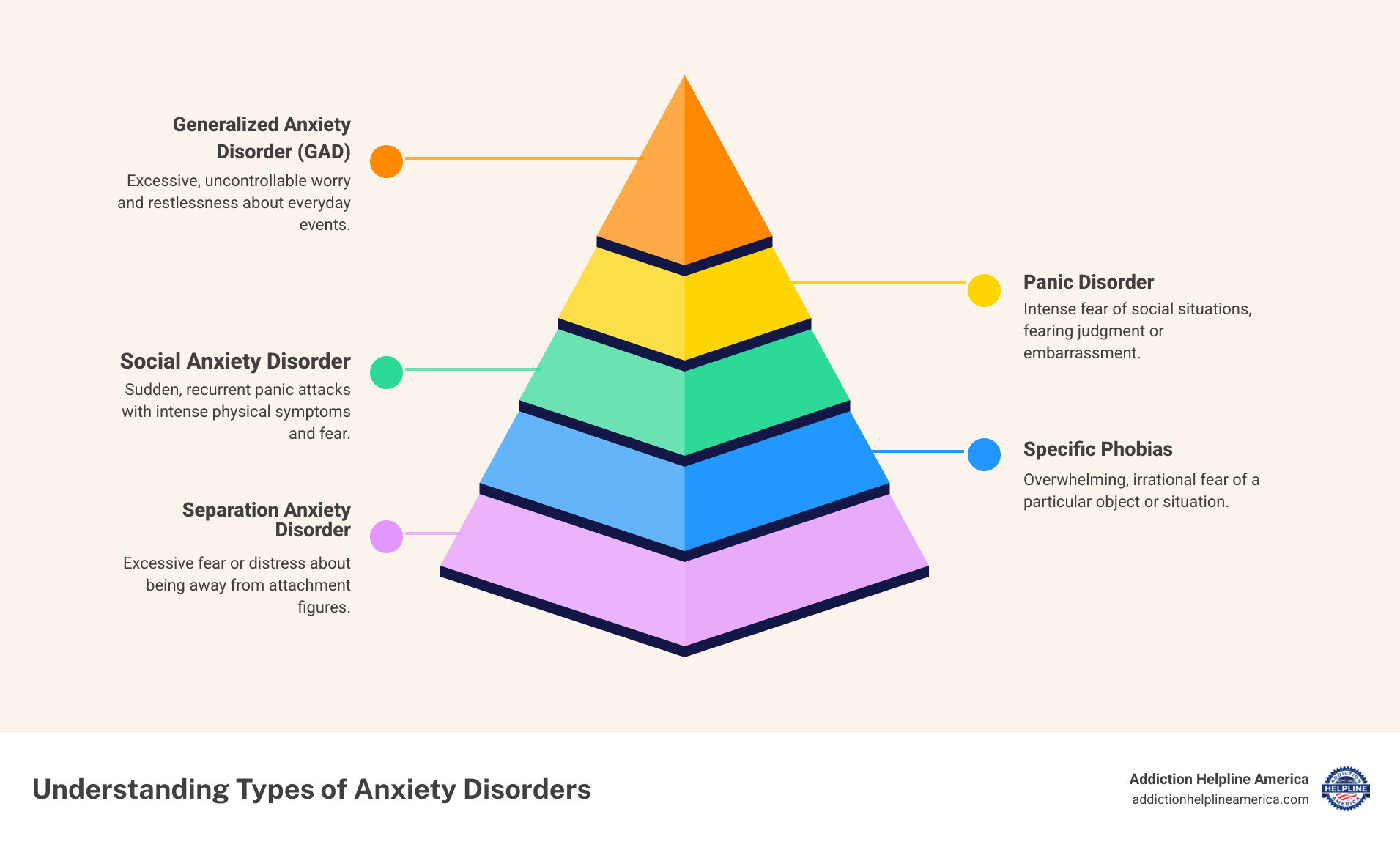
- Specific Anxiety Disorder: GAD, panic disorder, and social anxiety may respond differently to various medications.
- Co-existing Conditions: The presence of depression or a substance use disorder is a critical factor. If you’re managing addiction, your provider must select medications that won’t interfere with recovery. For guidance on dual diagnosis treatment, call Addiction Helpline America at 844-561-0606.
- Medical and Family History: Your health conditions (e.g., heart problems, asthma) and how relatives have responded to certain medications can influence choices.
- Potential Side Effects: Your tolerance for certain side effects will be considered.
- Lifestyle and Preferences: Your daily routine and comfort level with medication versus therapy play a role.
- Affordability: The cost of medication can be a factor in long-term plans.
Navigating Common Side Effects and Risks
Understanding potential side effects helps you manage expectations and communicate with your provider.
| Medication Class | Common Side Effects | Potential Risks/Considerations |
|---|---|---|
| SSRIs & SNRIs | Nausea, vomiting, diarrhea, upset stomach, weight changes, sleep issues (insomnia/drowsiness), fatigue, sexual dysfunction | Initial jitteriness/anxiety, low sodium levels, serotonin syndrome (rare), black box warning for increased suicidality in young adults (rare) |
| Benzodiazepines | Drowsiness, dizziness, impaired coordination, memory problems | High risk of dependence and tolerance with long-term use, severe withdrawal if stopped abruptly, potential for misuse, not for long-term use |
| Buspirone | Dizziness, drowsiness, nausea | Takes 3-4 weeks for full effect, less effective for acute anxiety, generally well-tolerated with less dependence risk than benzos |
| Beta-Blockers | Low blood pressure, dizziness, fatigue, nausea | Not suitable for asthma, diabetes (can mask hypoglycemia), or very low blood pressure; addresses physical symptoms only |
| Atypical Antipsychotics (e.g., Abilify, Seroquel) | Drowsiness, weight gain, muscle stiffness, involuntary movements, dry mouth | Metabolic syndrome, tardive dyskinesia (rare), neuroleptic malignant syndrome (rare but serious) |
| Antiseizure Medicines (e.g., Pregabalin, Gabapentin) | Drowsiness, dizziness, headaches, blurred vision, mood changes | Potential for misuse and dependence (especially pregabalin/gabapentin), withdrawal if stopped abruptly |
How to Find the Best Anxiety Support with Your Provider
Actively participate in finding the right treatment plan:
- Communicate Openly: Be honest about your symptoms, concerns, and side effects.
- Track Symptoms: Keep a journal of your anxiety levels and triggers. This data is invaluable for your doctor.
- Be Patient: Many medications take weeks to work. Give them time.
- Attend Follow-Ups: Regular check-ins allow your provider to monitor progress and adjust your plan.
- Never Stop Medication Abruptly: This can cause severe withdrawal. Always consult your doctor before making changes. If you need help finding a responsive physician, Addiction Helpline America can connect you with appropriate care.
Beyond Medication: Holistic Anxiety Management
Medication can be a powerful tool, but a significant number of people need to explore beyond a single drug to find relief. A holistic approach is often best, combining professional support with other strategies for optimal outcomes.
Other Supportive Options for Anxiety
Beyond traditional treatments, several other options can help manage anxiety.
- Lifestyle Changes: Simple adjustments can have a profound impact.
- Exercise: Regular physical activity is a powerful stress reliever.
- Nutrition: A balanced diet supports brain health.
- Sleep Hygiene: Prioritizing quality sleep is crucial, as sleep deprivation can increase anxiety.
- Substance Avoidance: Limiting alcohol, recreational drugs, tobacco, and caffeine is vital, as they can worsen anxiety.
- Support Groups: Connecting with others who share similar experiences provides community and shared coping strategies. The Anxiety and Depression Association of America (ADAA) is a good resource.
- Emerging Supportive Strategies (under medical supervision):
- Ketamine and Psychedelics: Ketamine is FDA-approved for treatment-resistant depression and shows promise for anxiety. Psychedelics like psilocybin are being studied but are not yet approved for routine use and remain experimental.
- Cannabinoids: Cannabidiol (CBD) is being investigated for anxiety, but evidence is currently low. THC can sometimes induce anxiety, so caution is advised. Always discuss these products with your doctor.
- Natural Remedies: Kava, chamomile, and lavender have been studied for anxiety, but data is often sparse. Kava carries a risk of liver toxicity. Consult your doctor before trying any herbal remedies to avoid potential drug interactions.
The Power of Therapy and Lifestyle Changes
The combination of therapy and lifestyle changes builds resilience and fosters long-term mental wellness.
- Cognitive Behavioral Therapy (CBT): CBT is paramount for restructuring negative thought patterns and developing healthier behaviors.
- Mindfulness and Meditation: These practices cultivate present-moment awareness, reducing worry.
- Exercise, Diet, and Sleep: These three pillars are fundamental. Regular exercise releases endorphins, a balanced diet supports mood, and consistent sleep restores your mind.
- Support Groups: These groups offer a safe space to share experiences and learn from others. We encourage you to seek out support in your community or online.
Frequently Asked Questions about Anxiety Support
Here are answers to some of the most common questions about anxiety treatment.
How long do I have to use anxiety support strategies?
The duration varies. Many people use medication for 6-12 months after symptoms improve to prevent relapse, followed by a slow, supervised taper. Some individuals with chronic anxiety may need long-term treatment. Therapy can also be a long-term resource. Work with your provider to determine the right duration for you.
Can I drink alcohol while using anxiety support strategies?
We strongly advise against it. Alcohol can increase the sedative effects of anxiety medications, leading to dangerous interactions. It can also worsen anxiety and depression symptoms, interfering with the effectiveness of your treatment. If you struggle with alcohol use and anxiety, it’s crucial to address both. Addiction Helpline America specializes in integrated care for co-occurring disorders. Call us for help at 844-561-0606.
What if the first approach I try doesn’t work?
It’s common for the first treatment not to be a perfect fit. Don’t get discouraged. Your provider can adjust the plan by changing the dose, switching to a different medication, or adding a new one (augmentation). Often, the most effective approach is combining medication with psychotherapy like CBT. Finding the best anxiety medication is a process of careful adjustment and collaboration.
Your Path to a Calmer Life
Finding the best anxiety medication and a comprehensive treatment plan is a process. While medications are powerful tools, they are most effective when integrated into a broader strategy that includes therapy, lifestyle adjustments, and strong support systems.
We’ve explored various options, from first-line SSRIs and SNRIs to short-term relief and the critical role of psychotherapy like CBT. The journey to a calmer life is unique to you.
You don’t have to steer this journey alone. If you’re struggling with anxiety, especially with co-occurring substance use, professional help is available. Our team at Addiction Helpline America is here to provide free, confidential guidance to connect you with the right mental health programs from our vast network across the United States.
If you or a loved one are having suicidal thoughts, please reach out to the 988 Suicide & Crisis Lifeline immediately.
Find personalized anxiety treatment options today. We’re here to help you take the first step towards a calmer, more fulfilling life.