Why YouTube Has Become a Lifeline for People Seeking Recovery
Best addiction recovery videos on youtube offer immediate, accessible support for anyone struggling with substance use or supporting a loved one through their journey. These videos provide expert insights, personal stories, and practical tools that can inspire hope and reduce the isolation that often accompanies addiction.
Top Categories of Recovery Videos on YouTube:
- Expert Explanations – Dr. Gabor Maté, Johann Hari, and other specialists explain addiction as a response to trauma and pain
- Personal Recovery Stories – Real people sharing their journeys, including celebrities like Macklemore and Dax Shepard
- TED Talks – Science-backed presentations on the neurobiology of addiction and the power of human connection
- Family Support Resources – Guidance for parents and loved ones navigating a family member’s addiction
- Treatment Information – Medical professionals explaining detox, medication-assisted treatment, and recovery processes
- Recovery Program Content – AA speakers, SMART Recovery tools, and various recovery approaches
These videos can be watched anonymously, at any time, and from anywhere—making them a powerful first step for people who feel overwhelmed or unsure where to turn. As one researcher noted, “The opposite of addiction is not sobriety. The opposite of addiction is human connection.” YouTube bridges that gap by connecting viewers to others who understand their struggle.
At Addiction Helpline America, we’ve guided thousands of individuals and families through the recovery process, and we recognize how best addiction recovery videos on youtube can complement professional treatment by providing hope, education, and connection. We’re here to help you steer both online resources and personalized treatment options that fit your unique situation.
Why YouTube is a Powerful Tool for Addiction Recovery
When you’re struggling with addiction—or watching someone you love go through it—finding the right support can feel overwhelming. Where do you even start? This is where YouTube has quietly become one of the most powerful tools for recovery, and here’s why it matters.
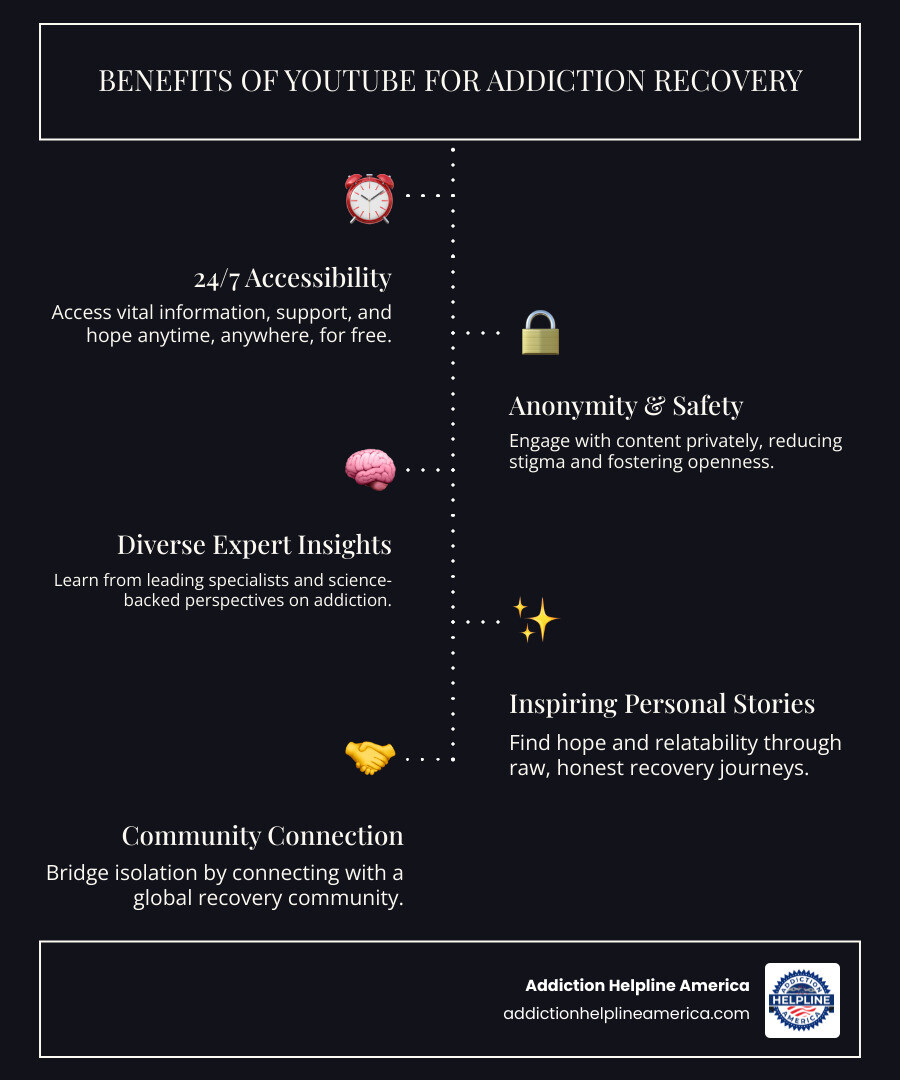
You can access it anytime, anywhere. YouTube is free and available 24/7 to anyone with an internet connection. Whether you’re lying awake at 3 AM feeling hopeless, or you’re sitting in your car trying to gather courage before walking into your first meeting, best addiction recovery videos on youtube are right there. You don’t need an appointment, insurance approval, or even the energy to leave your house. The information, inspiration, and expert guidance are literally at your fingertips.
But there’s something even more important: you can watch completely anonymously. For many people, shame is the heaviest weight they carry. The fear of being judged, of people finding out, of confirming what you already believe about yourself—it keeps so many from reaching out. YouTube removes that barrier. You can explore recovery content in the privacy of your own space, without anyone knowing. You can pause, rewind, and process at your own pace. This quiet, judgment-free space often becomes the first step toward healing.
These videos are also reducing stigma in ways that traditional media never could. When you hear Dr. Gabor Maté explain that “Addiction is not a choice that anybody makes. It’s not a moral failure, it’s not an ethical lapse, it’s not a weakness of character,” something shifts. When you see real people—not actors, but real humans—sharing their stories without filters, it challenges everything society has taught us about addiction. Suddenly, it’s not about being “weak” or “bad.” It’s about being human, about pain, about survival. For a deeper understanding of this perspective, explore our Addiction Complete Guide.
The diverse perspectives available on YouTube mean there’s something for everyone. Medical professionals explain the neuroscience behind cravings. Spiritual teachers offer different paths to healing. People in long-term recovery share what actually worked for them. Parents talk about supporting their children. You can find content that speaks to your specific situation, your specific type of addiction, your specific questions. There’s no one-size-fits-all approach to recovery, and YouTube reflects that reality.
Here’s what we believe is the most powerful aspect: YouTube creates human connection in a world where addiction thrives on isolation. There’s a profound truth in the research that shows “The opposite of addiction is not sobriety. The opposite of addiction is human connection.” When you’re deep in addiction, you feel completely alone. You believe no one could possibly understand. But then you watch a video and someone describes exactly what you’re feeling. You read the comments and see hundreds of people saying “me too.” That moment of recognition—that you’re not uniquely broken, that others have felt this way and survived—can be life-changing.
The vulnerability in storytelling on platforms like YouTube creates something that clinical language often can’t: authentic human connection. When someone looks into a camera and shares their darkest moments, their relapses, their fears, their small victories—it gives you permission to be honest about your own struggle. It shows you that recovery isn’t about being perfect. It’s about being real, about showing up, about trying again. That kind of raw honesty is what helps people believe that maybe, just maybe, recovery is possible for them too.



At Addiction Helpline America, we’ve seen how these videos complement professional treatment. They’re not a replacement for therapy, medical care, or structured programs—but they’re often the spark that helps someone believe recovery is worth pursuing. They’re the midnight lifeline, the gentle reminder that you’re not alone, the bridge to taking that next step.
The Best Addiction Recovery Videos on YouTube: Expert Insights & Science
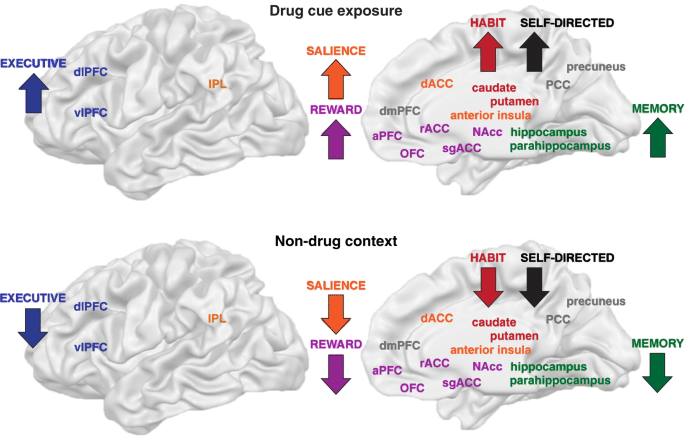
When you’re trying to understand addiction—whether for yourself or someone you love—it helps to hear from people who’ve spent years studying the science and human side of it. The best addiction recovery videos on youtube include talks from leading experts and organizations that break down complex ideas into something we can all grasp. These videos challenge the old, harmful beliefs about addiction and replace them with compassion and real science.
Understanding the Roots of Addiction
One name you’ll see again and again in recovery circles is Dr. Gabor Maté. His videos offer a completely different way of looking at addiction—not as a moral failure or bad choice, but as a response to pain. In his powerful talk “The Power of Addiction and Addiction to Power,” Dr. Maté explains that addiction is fundamentally “a response to human suffering.”
What makes his perspective so important is how he connects addiction to childhood suffering. Many people struggling with substance use, he notes, have been “severely traumatized as children.” They’re not looking to get high for fun—they’re desperately seeking “relief from pain, a sense of peace, a sense of control, a sense of calmness.” When you understand this, the whole conversation shifts from judgment to empathy.
These trauma-informed perspectives help us see that healing addiction means addressing the underlying wounds, not just stopping the substance use. It’s about understanding why someone turned to drugs or alcohol in the first place. For a deeper look at this connection between mental health and addiction, check out our guide on The Power of Addiction and Recovery.
Rethinking Addiction and the Role of Connection
If you’ve watched any recovery content online, you’ve probably come across Johann Hari’s viral talk, “Everything You Know About Addiction Is Wrong.” It’s one of those videos that completely flips your understanding upside down. From both personal experience and years of research, Hari delivers a message that’s stuck with millions of viewers: “The opposite of addiction is not sobriety. The opposite of addiction is human connection.”
This idea is because it shifts our focus from the substance itself to what’s missing in a person’s life. Hari shows how the importance of social support and belonging can actually prevent and heal addiction. When people feel isolated and disconnected, they’re more vulnerable to substance use. When they have meaningful relationships and a supportive community, recovery becomes possible.
His work does an incredible job challenging stigma by showing how our environment and relationships shape addiction. It’s not just about willpower or character—it’s about whether we have people who care about us, whether we feel like we belong, and whether society offers us connection or isolation. This broader view helps us understand addiction’s impact on environment and relationships in both directions. To learn more about how addiction affects every aspect of life, visit our resource on Impact on Life.
The Neuroscience and Treatment of Addiction
For those of us who want to understand what’s actually happening in the brain during addiction, YouTube offers some fantastic educational content from medical professionals. Dr. Anna Lembke from Stanford University has created accessible videos like “Alcohol Addiction: How To Detox & Begin Recovery” that break down complex medical topics.
Dr. Lembke explains the critical difference between alcohol withdrawal and alcohol addiction—two related but distinct issues that require different treatment approaches. She walks viewers through the bio-psycho-social model, which looks at addiction from three angles: biological factors (like genetics and brain chemistry), psychological factors (like trauma and mental health), and social factors (like relationships and environment). Understanding this model helps us see why addiction treatment needs to address the whole person, not just the physical dependence.
Other experts, like neuroscientist Rachel Wurzman, share groundbreaking research about how the brain responds to opioid addiction. She connects the rise in addiction rates to something deeply human—our loss of community and belonging in modern society. Her work reinforces what Johann Hari finded: that connection isn’t just nice to have, it’s neurologically essential for recovery.
These science-focused videos empower us with knowledge. They explain alcohol detox safely, describe medication-assisted treatment options, and help us understand what’s happening in our brains when we struggle with substances. If you’re considering treatment and want to understand the detoxification process better, our guide on Alcohol Addiction: How To Detox & Begin Recovery offers detailed information.
The beauty of these expert videos is that they combine cutting-edge science with genuine compassion. They don’t talk down to viewers or use complicated jargon. Instead, they meet us where we are and help us understand that addiction is a complex health issue—one that deserves treatment, not judgment.
Inspiring Personal Stories & Journeys
There’s something deeply moving about hearing someone speak openly about their darkest moments and how they found their way back to the light. When you watch best addiction recovery videos on youtube, you’re not just viewing content—you’re witnessing raw, unfiltered courage. These personal stories cut through the isolation that addiction creates and remind us of something vital: recovery is real, and you are not alone in this struggle.
Finding Hope in the Best Addiction Recovery Videos on YouTube
The power of personal stories lies in their authenticity. When someone shares their journey through addiction and into recovery, they’re offering something precious—hope and inspiration born from lived experience, not textbook theory.
Take Macklemore, for example. The rapper has been remarkably open about his battle with substance use, discussing how addiction stripped away his joy and damaged his relationships. He talks candidly about the lying, the cheating, the ways addiction twisted him into someone he didn’t recognize. His willingness to share these painful truths helps break down the walls of shame that keep so many people trapped in silence.
Then there’s Dax Shepard, whose honesty about his recovery journey has touched countless viewers. In his video “Rock Bottom Isn’t Always What Makes You Change Your Life,” Shepard discusses his years in AA and, more recently, his relapse. What makes his story so valuable is that he doesn’t present recovery as a perfect, linear path. He shows us that stumbling doesn’t mean failure—it means you’re human. His vulnerability helps others overcome shame and understand that setbacks can be part of a longer journey toward healing.
These stories matter because they show recovery in full color—the struggles, the victories, the messy middle parts that don’t make it into inspirational quotes. When you’re feeling alone or hopeless, hearing someone else describe feelings you thought only you had can be life-changing. For more inspiring narratives from people who’ve walked this path, Watch Recovery Stories & Interviews on our site.
Voices of Experience: Overcoming Addiction
The stories of resilience you’ll find in these videos are nothing short of remarkable. We see people who’ve experienced homelessness, trauma, loss—circumstances that would break many of us—yet they found the strength to rebuild their lives. What makes these stories so powerful is the vulnerability these speakers bring. They don’t sugarcoat the difficult parts or pretend they had it all figured out. They share the fear, the pain, the mistakes, and the slow, sometimes agonizing process of healing.
Understanding that relapse is part of the journey for many people is crucial. Shepard’s openness about his own relapse demonstrates that a setback doesn’t erase years of progress or mean you’re starting from zero. It’s a chapter in the story, not the ending. This perspective can be the difference between someone giving up entirely or finding the courage to try again.
The paths to recovery are as diverse as the people walking them. Russell Brand offers a humorous yet honest take on the 12-Step program in his YouTube videos—his 10-minute interpretation of the 12 Steps brings both laughter and insight to a process that can feel intimidating. Meanwhile, organizations like SMART Recovery showcase different approaches. Speakers like C.C. in “Life Beyond Addiction” demonstrate how alternative recovery tools and philosophies can lead to lasting sobriety.
Whether someone finds their footing through AA, SMART Recovery, faith-based programs, or another path entirely, these personal accounts create a mix of hope. They show that there’s no single “right” way to recover—there’s only finding what works for you and having the courage to keep going. If you or someone you love is considering structured treatment, our Inpatient Behavioral Health Complete Guide can help you understand your options.
At Addiction Helpline America, we’ve seen how these stories plant seeds of possibility in people’s hearts. Sometimes that’s all someone needs—one story that resonates, one person who reminds them that recovery isn’t just possible, it’s happening every single day.
Videos for Families and Supporters
When someone you love struggles with addiction, it can feel like your entire world has been turned upside down. The confusion, fear, and exhaustion that families experience are very real, and thankfully, many of the best addiction recovery videos on youtube are created specifically for you—the parents, siblings, spouses, and friends who are trying to help while also trying to survive.
These videos recognize that addiction’s impact on family extends far beyond the person using substances. It changes dinner conversations, disrupts sleep, creates financial strain, and leaves loved ones wondering what they did wrong (spoiler: usually nothing). What makes these videos so valuable is that they acknowledge this pain while offering practical guidance on providing support in ways that actually help rather than inadvertently enable harmful behaviors.
The Partnership to End Addiction offers a particularly helpful series called “Messages of Hope + Resources All Year Long,” where real parents share their experiences alongside expert advice. These videos cover everything from recognizing the warning signs of substance use in teens to understanding why fentanyl has made today’s drug landscape so dangerous. One video explains how delaying alcohol use in teenagers significantly reduces the risk of developing alcohol use disorder later—information that can help parents feel more confident having those difficult conversations early.
What we’ve learned from working with thousands of families at Addiction Helpline America is that one of the hardest lessons for loved ones is understanding the importance of setting boundaries and practicing self-care for loved ones. It feels counterintuitive. How can you think about yourself when your child or spouse is in crisis? But as the video “Why parents shouldn’t forget about themselves” explains so beautifully, taking care of yourself isn’t selfish—it’s essential. When you’re rested, grounded, and healthy, you become a better problem-solver and a living example of how to cope with stress in healthy ways.
The CDC has also created powerful stigma-reduction PSAs that are worth watching with your family. These short videos emphasize that recovery looks different for everyone and that support from friends and family makes a genuine difference. They remind us that one in 14 Americans experiences a substance use disorder, making this a widespread issue that requires compassion, not judgment.
These resources can help you learn how to Communicate Openly with your loved one in ways that maintain connection without sacrificing your own wellbeing. You don’t have to steer this alone, and watching these videos can be a powerful first step toward understanding both your loved one’s struggle and your own needs during this challenging time.
How to Use YouTube Videos Safely in Your Recovery
While best addiction recovery videos on youtube offer incredible support and insight, it’s important to approach them with intention and care. Think of YouTube as a powerful tool in your recovery toolbox—helpful when used wisely, but one that requires some thoughtfulness to use safely.
The first thing to consider is vetting sources. Not all content is created equal, and unfortunately, research shows that nearly 27.5% of videos on YouTube contain misleading or inaccurate information about addiction. That’s a sobering statistic. Look for videos from reputable organizations like Stanford University or the CDC, recognized experts like Dr. Gabor Maté and Johann Hari, or individuals with credible lived experience who are transparent about their journey. Be cautious of content that promises miracle cures, promotes unproven methods, or sensationalizes addiction for views. When something sounds too good to be true, it usually is. Cross-reference what you’re learning with other trusted sources to ensure you’re getting accurate information.
It’s equally crucial to remember that YouTube videos are a supplement, not a replacement, for professional treatment. We’ve seen how these videos can inspire, educate, and connect people—and that’s wonderful. But they cannot provide the individualized medical care, structured therapy, or supervised detoxification that professional treatment centers offer. At Addiction Helpline America, we often tell the individuals and families we guide that videos are a fantastic addition to your recovery plan, but they’re just one piece of a much larger puzzle. Professional treatment—whether it’s detox, inpatient care, or outpatient therapy—remains essential. Our Find Drug Treatment Complete Guide can help you explore comprehensive treatment options that fit your unique situation.
Here’s something that might surprise you: the very platform offering recovery content can itself become problematic. YouTube addiction is a real concern, falling under the umbrella of internet and technology addiction. The first published diagnostic criteria for this mental health disorder appeared in 1998, recognizing that compulsive internet use can cause genuine harm. YouTube addiction is characterized by spending excessive time on the platform despite negative consequences, using it to escape difficult emotions, and experiencing withdrawal symptoms when not using it. The dopamine releases triggered by constant video consumption can actually cause structural changes in the brain similar to those seen in substance addictions.
Research shows that YouTube’s algorithm drives an estimated 70% of watch time, continuously feeding you similar content and making it easy to fall into a rabbit hole of endless watching. Individuals with problematic internet use have significantly higher rates of suicidal ideation, reminding us that digital compulsions can have serious mental health consequences.
To protect yourself, consider setting time limits using your device settings or YouTube’s built-in “take a break” reminders. Turn off autoplay to prevent that endless scroll from one video to the next. Occasionally clear your watch history to disrupt the algorithm’s hold on your viewing patterns. And if you find yourself compulsively watching videos to the detriment of your daily life, relationships, or well-being, it might be time to talk to a professional about this new challenge.
The goal is to be an informed, intentional viewer. Use YouTube to learn, connect, and find inspiration—but don’t let it become another escape or compulsion. Balance is key. By approaching these resources thoughtfully, you can harness the power of best addiction recovery videos on youtube to support your healing journey without creating new problems along the way.
Frequently Asked Questions about Addiction Recovery Videos
What are the key themes in the best addiction recovery videos on YouTube?
When you watch best addiction recovery videos on youtube, you’ll notice certain themes appearing again and again—and there’s a good reason for that. These are the core truths that experts and people in recovery have finded through research and lived experience.
Perhaps the most important theme is understanding addiction as a response to trauma. Experts like Dr. Gabor Maté have helped shift the conversation away from judgment and toward compassion, explaining that addiction is often how people cope with deep pain, especially trauma from childhood. It’s not about weakness or bad choices—it’s about survival and seeking relief from suffering.
You’ll also hear a lot about human connection. Johann Hari’s famous insight that “the opposite of addiction is human connection” runs through countless videos because it’s so profoundly true. Recovery happens in relationship with others, not in isolation. The videos that resonate most deeply are often those that help us feel less alone.
Many videos also explore the science behind addiction, breaking down how substances affect the brain and why addiction is a medical condition, not a moral failing. This scientific perspective helps challenge outdated beliefs and reduces stigma, making it easier for people to seek help without shame.
The power of personal storytelling and vulnerability is another key theme. When celebrities like Macklemore and Dax Shepard, or everyday people, share their raw, honest journeys—including their struggles, relapses, and triumphs—it creates a powerful sense of hope. These stories show that recovery isn’t perfect, and it doesn’t have to be.
Above all, the best videos convey that recovery is a hopeful, achievable journey. No matter how dark things seem right now, change is possible. That message of hope runs like a thread through all the most impactful content.
Can watching YouTube videos replace professional addiction treatment?
This is an important question, and the answer is a clear no. While best addiction recovery videos on youtube can be incredibly valuable for inspiration, education, and feeling connected to others who understand, they simply cannot replace what professional treatment provides.
Think of it this way: videos are like having a supportive friend who’s been through recovery and can offer encouragement and share what worked for them. But professional treatment is like having a whole team of experts—doctors, therapists, counselors—who can assess your specific situation, address your unique needs, and provide medical care that can literally save your life.
Professional treatment offers things that no video can: medical supervision during detox to keep you safe when withdrawal symptoms hit, individualized therapy that addresses your specific trauma and underlying issues, structured group therapy where you can practice new skills in real-time, and for many people, medication-assisted treatment that significantly improves the chances of long-term recovery. In inpatient settings, you also get a safe environment away from triggers, with 24/7 support.
At Addiction Helpline America, we help people find this kind of comprehensive care across the country—whether you’re in New York, Texas, Washington, or anywhere else. We’ve guided thousands of people to treatment centers that match their specific needs, and we’ve seen how professional care makes all the difference.
So use YouTube videos as part of your recovery toolkit—they’re wonderful companions on the journey. But please don’t try to go it alone with just videos. Professional treatment gives you the foundation and support you need for lasting recovery. To understand all your options, take a look at our guide on Types of Treatment Programs.
How can I find videos for a specific type of addiction?
Finding videos that speak to your specific situation is easier than you might think. YouTube’s search function is powerful, and with the right approach, you can quickly find content that’s relevant to what you’re going through.
Start with specific search terms that name the substance or behavior you’re dealing with. For example, try searching “alcohol addiction recovery stories,” “opioid recovery journey,” “meth addiction recovery,” or “eating disorder recovery tips.” The more specific you are, the better your results will be.
If you’ve heard of a particular expert or organization whose perspective resonates with you, include their name in your search. Looking for “Dr. Gabor Maté addiction” or “SMART Recovery videos” or “Partnership to End Addiction fentanyl” will bring up their specific content. This is especially helpful if you’re looking for a certain approach or philosophy.
You can also search for specific topics within recovery, like “relapse prevention strategies,” “coping with cravings,” “family support for addiction,” or “dual diagnosis recovery.” This helps when you’re working on a particular challenge or want to learn about a specific aspect of the recovery process.
Don’t forget about TED Talks, which offer some of the most insightful presentations on addiction. Just search “TED Talk addiction” to find a wealth of science-backed, compassionate perspectives from researchers and advocates.
One more tip: many reputable organizations and individuals organize their videos into playlists by topic, so once you find a trustworthy source, check out their channel to see if they’ve already categorized their content for you.
As you search, remember to evaluate the credibility of what you’re watching. Look for content from medical professionals, established recovery organizations, or people sharing genuine personal experiences without judgment or unrealistic promises. The right video can offer tremendous insight and hope—you just need to know where to look.
Conclusion
If you’ve made it this far, you’ve taken an important step—one that shows you’re ready to understand addiction differently and to seek support. The journey to recovery is deeply personal, yet profoundly universal. What we’ve finded together is that best addiction recovery videos on youtube offer something truly special: a bridge between isolation and connection, between shame and understanding, between despair and hope.
These videos have given us access to the wisdom of experts like Dr. Gabor Maté, who helps us see addiction not as a character flaw but as a response to pain and trauma. We’ve heard Johann Hari remind us that “the opposite of addiction is human connection”—a truth that challenges everything we thought we knew. We’ve listened to the raw, honest voices of people like Macklemore and Dax Shepard, who’ve shown us that recovery isn’t about perfection; it’s about persistence, vulnerability, and the courage to keep going even after setbacks.
For families navigating the heartache of a loved one’s addiction, YouTube has provided guidance, validation, and practical tools for supporting without enabling. For those in early recovery or still contemplating change, these videos have offered a glimpse of what’s possible—a life beyond addiction that’s not just about abstinence, but about genuine healing and connection.
The accessibility and anonymity of YouTube make it a powerful first step for many. You can watch at 2 a.m. when you can’t sleep, or during a lunch break when you’re trying to figure out how to help your son or daughter. You can learn about the science of addiction, hear stories that mirror your own, and begin to understand that you’re not alone—and you never were.
But here’s what’s equally important: while best addiction recovery videos on youtube can inspire, educate, and comfort, they’re meant to complement professional treatment, not replace it. Think of them as a flashlight on a dark path—they illuminate the way forward, but you still need a guide to walk beside you. That’s where comprehensive, personalized treatment comes in, offering medical supervision, individualized therapy, and the structured support that makes lasting recovery possible.
At Addiction Helpline America, we’ve dedicated ourselves to being that guide. We understand that every person’s journey is unique, which is why we offer free, confidential, and personalized guidance to connect you or your loved ones with the right recovery program from our extensive network of treatment centers across the country. Whether you’re in busy cities or quiet rural towns—from California to Florida, from Texas to New York—we’re here to help you find the professional support you need.
Recovery is possible. It’s not always easy, and it’s rarely a straight line, but it’s absolutely, undeniably possible. The journey starts with a single step—maybe that step was watching your first recovery video, or maybe it’s reaching out today for personalized help.
You don’t have to steer this path alone. Let us help you take that crucial next step toward healing, connection, and a life that feels worth living again.
Find an addiction recovery support group today