
Taking the First Brave Step Towards Healing
Atlanta drug rehab centers offer comprehensive treatment options for individuals struggling with substance use disorders. Here’s what you need to know to find the right help:
Quick Guide to Atlanta Drug Rehab:
- Medical Detox – 24/7 supervised withdrawal management (3-10 days)
- Inpatient/Residential – Structured, immersive treatment with round-the-clock care (30-90 days)
- Partial Hospitalization (PHP) – Intensive daytime programming (30 hours/week)
- Intensive Outpatient (IOP) – Flexible treatment schedule (9-15 hours/week)
- Outpatient – Ongoing aftercare support (3 hours/week)
- Dual Diagnosis Treatment – Addresses co-occurring mental health conditions
- Insurance Coverage – Most private insurance plans cover treatment; free and state-funded options available
If you’re reading this, you’ve taken the bravest step—acknowledging that something needs to change. That moment of recognition takes incredible courage, whether you’re searching for yourself or a loved one.
You are not alone. In 2022, about 48.7 million Americans aged 12 or older had a substance use disorder. While that number is large, it also means millions are finding their way to recovery every day.
Atlanta offers a robust network of treatment centers, from medical detox to long-term residential and flexible outpatient programs. Facilities like MARR Addiction Treatment Centers, The Recovery Village Atlanta, and Inner Voyage Recovery Center provide evidence-based, trauma-informed, and personalized care for addiction and co-occurring mental health conditions. Recovery is a unique journey for everyone—but it is possible, and help is available now.
At Addiction Helpline America, we’ve guided thousands of individuals and families through this exact journey, connecting them with appropriate treatment resources including Atlanta drug rehab centers that match their unique needs and circumstances. Our team understands the local treatment landscape and can help you steer your options with compassion and expertise.
Call our free, confidential helpline at 844-561-0606 anytime, day or night, to speak with a caring specialist who can help you take the next step.
Related content about Atlanta drug rehab:
Recognizing the Signs: When Is It Time for Drug Rehab?
Recognizing the need for Atlanta drug rehab is the crucial first step. Addiction is a complex disease with indicators that affect a person’s health, well-being, and daily life. According to the National Institute on Drug Abuse (NIDA), addiction is defined by compulsive drug seeking and use despite harmful consequences.
Common signs of addiction that indicate a need for professional help include:
- Changes in Behavior: Noticeable shifts in personality, mood swings, increased secrecy, or risky behaviors. Withdrawing from family, friends, and hobbies.
- Neglecting Responsibilities: Failing to meet obligations at work, school, or home, such as frequent absences or poor performance.
- Developing Tolerance: Needing larger amounts of a substance to achieve the same effect.
- Withdrawal Symptoms: Experiencing unpleasant physical and psychological symptoms (nausea, anxiety, tremors) when trying to stop or reduce use.
- Relationship Problems: Frequent conflicts with loved ones or isolation due to substance use.
- Financial Strain: Unexplained financial difficulties, borrowing money, or spending excessively on substances.
- Loss of Control: Being unable to limit substance use, even when intending to.
- Failed Attempts to Quit: Repeated, unsuccessful efforts to cut down or stop using.
If you observe these signs in yourself or a loved one, it’s a strong signal that a professional intervention is needed. Early intervention significantly improves outcomes.
If you’re unsure, call our confidential helpline at 844-561-0606 for a free assessment with a caring specialist.
Navigating Your Options: Types of Drug Rehab Programs in Atlanta

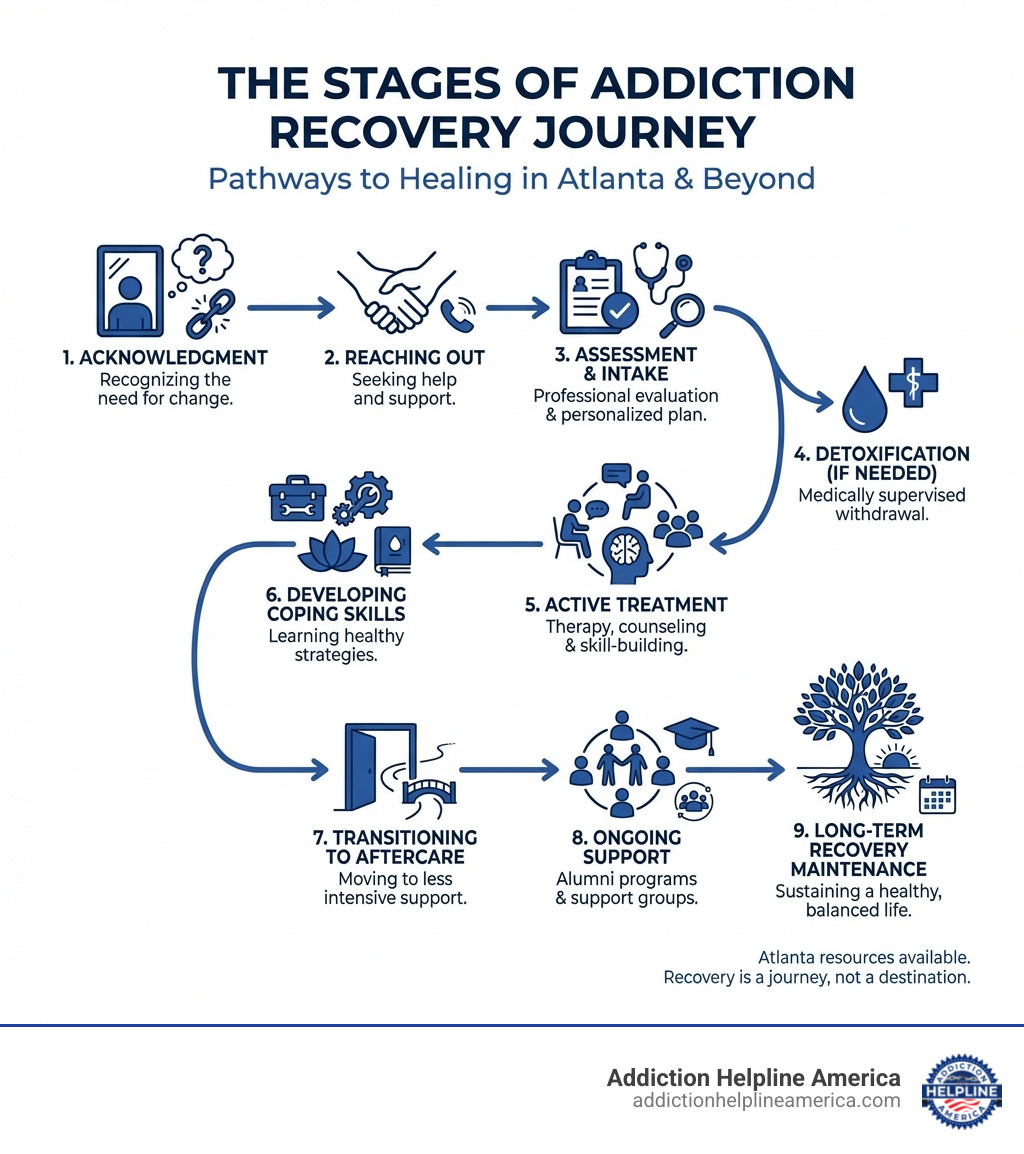
When considering Atlanta drug rehab, it’s important to understand the diverse range of programs available. Treatment often involves a “continuum of care,” where individuals move through different levels of support as they progress. This stepped-down approach ensures treatment is individualized to provide the right level of support at each stage.
Atlanta has many reputable centers offering a full spectrum of care. Whether someone needs intensive medical supervision or a flexible program, there’s an option to fit their needs. Many facilities, such as Inner Voyage Recovery Center and The Recovery Village Atlanta, offer multiple levels of care.
Our team can help you find a treatment program that fits your needs in Atlanta.
Medical Detoxification
For many, medical detoxification is the first step. This process safely manages withdrawal symptoms under 24/7 medical supervision to ensure patient safety and comfort. Centers like Peachtree Detox in Atlanta offer medically-managed detox for substances like alcohol, cocaine, and benzodiazepines. The stay typically lasts 3 to 10 days, depending on individual needs, preparing the person for the next phase of treatment.
Inpatient and Residential Treatment
After detox, many enter inpatient or residential treatment. These programs provide a highly structured, 24/7 supportive environment where patients live at the facility, away from triggers. A typical stay is 30 to 90 days, though it can be longer. Patients engage in intensive therapy, learn coping skills, and build a foundation for sobriety. Atlanta facilities like MARR Addiction Treatment Centers and The Recovery Village Atlanta offer immersive programs that foster healing and peer support in residential settings.
Outpatient Programs (PHP, IOP, and General Outpatient)
Outpatient programs offer flexible yet structured support for those who don’t need 24/7 supervision or are stepping down from inpatient care. They allow individuals to live at home while attending therapy. Many Atlanta drug rehab centers, like The Summit Wellness Group and Inner Voyage Recovery Center, offer PHP, IOP, and general outpatient options, including virtual programs for greater accessibility. This tiered approach helps individuals reintegrate into daily life while staying connected to their recovery.
| Program Type | Hours Per Week | Structure | Ideal Candidate |
|---|---|---|---|
| Partial Hospitalization Program (PHP) | 25-30 hours | Highly structured, often 5 days a week for several hours per day. | Individuals needing intensive support but not 24/7 supervision; stepping down from inpatient care. |
| Intensive Outpatient Program (IOP) | 9-15 hours | Structured therapy sessions, typically 3-5 days a week for a few hours per day. | Individuals with stable living situations who need significant support but can balance treatment with work, school, or family. |
| General Outpatient Program (OP) | 1-8 hours | Less intensive, typically 1-2 sessions per week. | Individuals transitioning from IOP or PHP, or those with milder substance use disorders needing ongoing support and relapse prevention. |
Aftercare and Ongoing Support
Recovery is an ongoing journey. Aftercare and ongoing support are vital for relapse prevention and long-term sobriety, helping individuals apply learned skills to real-world situations. Key components of aftercare in Atlanta drug rehab include:
- Sober Living Homes: A structured, substance-free environment for those transitioning from residential care. Sober Living America is a prominent option in Atlanta.
- Alumni Programs: Treatment centers like MARR and Empowered Recovery Center offer alumni networks for continued peer support.
- Support Groups: Groups like Alcoholics Anonymous (AA), Narcotics Anonymous (NA), and SMART Recovery offer ongoing peer support. You can find more about support groups for recovery.
Effective aftercare planning prepares individuals for life after treatment. We can help you explore aftercare resources that fit your unique needs.
The Critical Role of Dual Diagnosis Treatment

For many seeking Atlanta drug rehab, addiction co-exists with mental health disorders like anxiety, depression, or PTSD. This is known as a “dual diagnosis.” The conditions are deeply intertwined: mental health issues can lead to self-medication with substances, and substance use can worsen mental health, creating a vicious cycle.
According to the National Institute of Mental Health (NIMH), about half of people with substance use disorders also have a co-occurring mental health disorder. Treating only one condition often leads to relapse in the other. Therefore, integrated treatment, which addresses both disorders simultaneously, is critical for long-term success. This holistic approach treats the whole person.
Many Atlanta drug rehab centers, including The Recovery Village Atlanta, Peachtree Recovery Solutions, and Empowered Recovery Center, offer specialized dual diagnosis programs. This integrated care provides comprehensive coping skills and therapeutic strategies, significantly improving the chances of sustained recovery.
Choosing the Right Atlanta Drug Rehab for Your Journey
Choosing the right Atlanta drug rehab is a personal decision that impacts your recovery. As a major metropolitan area, Atlanta has a robust and diverse network of treatment facilities, offering a wide array of options for personalized care.
Finding the right fit can feel overwhelming, but we are here to help guide you. Call 844-561-0606 to discuss your options with our caring specialists.
Key Factors to Consider When Choosing a Center
When evaluating Atlanta drug rehab centers, consider these key factors:
- Accreditation and Licensing: Ensure the facility is licensed by Georgia and accredited by organizations like the Joint Commission or CARF. These certifications, held by centers like MARR and The Recovery Village Atlanta, indicate high standards of care.
- Staff Qualifications: Inquire about the credentials of the medical and clinical staff. Quality centers like Peachtree Detox have licensed, expert teams.
- Evidence-Based Therapies: Look for programs using proven methods like Cognitive Behavioral Therapy (CBT) and Dialectical Behavior Therapy (DBT).
- Location and Environment: Decide if a tranquil setting or an urban one is better for you. The environment plays a key role in recovery.
- Amenities: While secondary, amenities like fitness centers or recreational activities can contribute to comfort and well-being.
Understanding the Cost of an Atlanta Drug Rehab
The cost of Atlanta drug rehab varies, but don’t let it be a barrier. Numerous payment options exist:
- Insurance Coverage: Most private insurance plans cover addiction treatment, as it’s an essential health benefit under the Affordable Care Act (ACA). Prominent Atlanta rehabs accept major insurance. We can help you verify your benefits.
- Private Pay Options: Self-pay is an option, and some facilities offer payment plans.
- Sliding Scale Fees: Some centers adjust costs based on income.
- State-Funded and Free Programs: Georgia has state-funded options, and organizations like The Salvation Army Adult Rehabilitation Center in Atlanta offer free programs.
Our free service can connect you with facilities that fit your financial situation.
What Makes an Atlanta Drug Rehab Program Successful?
Success in Atlanta drug rehab is more than just abstinence; it includes improved quality of life and personal growth. While specific success rates are hard to compare, key indicators of a quality program include:
- Comprehensive Care: Treating the whole person and any co-occurring disorders.
- Personalized Treatment Plans: Custom approaches that adapt to individual needs.
- Strong Aftercare and Support: Robust aftercare planning and alumni networks reduce relapse risk.
- Positive Patient Testimonials: Client experiences offer valuable insight into a program’s environment.
A successful program also views relapse not as a failure, but as a part of the journey, and equips individuals with tools to steer challenges.
Specialized Treatment Options Available
Atlanta’s diverse rehab landscape offers specialized treatment options to meet unique needs:
- Gender-Specific Programs: Facilities like MARR Addiction Treatment Centers offer separate programs for men and women. Other examples include Revelare Recovery for Women and Mary Hall Freedom Village.
- Age-Specific Treatment: Programs for adolescents (e.g., Newport Academy Atlanta) or young adults (e.g., Empowered Recovery Center) address age-specific needs.
- LGBTQ+ Affirming Care: Some centers provide a safe and inclusive environment for the LGBTQ+ community.
- Programs for Professionals: These programs offer discreet treatment and support for career reintegration.
- Faith-Based Tracks: Programs like The Salvation Army Adult Rehabilitation Center and Atlanta Mission offer a Christ-centered approach.
- Holistic Therapies: Many centers, including Empowered Recovery Center and Peachtree Detox, incorporate holistic therapies to nurture the mind, body, and spirit.
How Families Can Support a Loved One in Recovery
Addiction impacts not just the individual but their entire family system. Supporting a loved one seeking Atlanta drug rehab is a crucial, yet often challenging, endeavor. Families play a vital role in encouraging treatment and fostering a supportive environment for recovery.
Here are ways families can provide effective support:
- The Role of Family Therapy: Many Atlanta drug rehab centers, including Empowered Recovery Center and The Recovery Village Atlanta, integrate family therapy into their programs. This therapy helps repair broken relationships, improves communication skills, and teaches conflict resolution strategies. Research consistently shows that involving families can significantly improve rehab outcomes.
- Setting Healthy Boundaries: While support is essential, enabling behavior can be detrimental. Learning to set clear, firm boundaries is critical. This might involve refusing to provide financial assistance for substance use, not covering up for their actions, or insisting on consequences for continued use.
- Education about Addiction as a Disease: Understanding addiction as a disease, rather than a moral failing, can shift perspectives and foster empathy. Learning about the recovery process helps families manage expectations and respond constructively to challenges.
- Communication Skills: Effective communication is key. Learning to express concerns without judgment, listening actively, and validating feelings can strengthen family bonds and encourage openness.
- Avoiding Enabling: Enabling can take many forms, from making excuses for a loved one to rescuing them from consequences. Families need to learn to allow their loved ones to experience the natural consequences of their actions, which can be a powerful motivator for change.
- Finding Support for Yourself: Supporting a loved one in recovery can be emotionally taxing. It’s vital for family members to seek their own support. Groups like Al-Anon and Nar-Anon offer a safe space for families to share experiences, gain insight, and learn coping strategies. We also offer family support resources to help you through this journey.
By actively participating in their loved one’s recovery process and seeking support for themselves, families can become powerful allies in the journey to lasting sobriety.
Frequently Asked Questions about Addiction Treatment in Atlanta
We understand you likely have many questions when considering Atlanta drug rehab. Here are answers to some of the most common inquiries:
How long does a typical rehab program last?
The length of a rehab program is individualized based on addiction severity, substance type, and co-occurring disorders.
- Detox: Typically 3 to 10 days.
- Inpatient/Residential: Usually 30, 60, or 90 days, but can be longer.
- Outpatient (PHP, IOP, OP): Can last from several weeks to many months, with varying time commitments per week.
The most effective treatment length is determined by clinical need and progress.
Can I lose my job for attending rehab?
Federal laws like the Family and Medical Leave Act (FMLA) and the Americans with Disabilities Act (ADA) offer job protection for those seeking treatment for a substance use disorder. FMLA may allow for up to 12 weeks of unpaid, job-protected leave. The ADA classifies addiction as a disability, providing further protection. These laws generally do not protect substance use at work. It’s wise to understand your rights and your company’s policies. Rehab centers prioritize confidentiality, and focusing on your health is the best long-term decision for your career.
How do I start the process of getting help?
Starting the process is simpler than you might think. We are here to guide you.
- Reach Out: Call our free, confidential helpline at 844-561-0606, available 24/7.
- Confidential Assessment: A specialist will assess your situation to understand your needs.
- Insurance Verification: We will help verify your insurance benefits to see what’s covered.
- Admissions Process: We can help facilitate a smooth admissions process into a suitable Atlanta drug rehab center.
You don’t have to do this alone. Let us help you find the right rehab for you.
Your Path to a New Beginning Starts Today
The journey to recovery from a substance use disorder is a profound testament to human resilience. While the path can be challenging, we want you to know that recovery is not only possible but also a source of immense hope and healing. You are not alone in this fight, and there are countless individuals and resources ready to support you every step of the way.
Atlanta drug rehab centers offer a wide range of compassionate, evidence-based programs designed to meet diverse needs, from the initial stages of detox to long-term aftercare.
Whether you’re seeking help for yourself or a loved one, the vibrant recovery community and comprehensive treatment options in Atlanta provide a strong foundation for a new beginning.
Taking the next step, making that first call, is an act of incredible courage. It’s the moment you choose hope over despair, health over illness, and a future filled with possibility.
Addiction Helpline America is here to empower you on this journey. Our team is available 24/7 to provide free, confidential guidance, connect you with appropriate Atlanta drug rehab centers, and answer any questions you may have. We understand the complexities of addiction and the importance of finding the right personalized care.
Don’t wait another moment to reclaim your life. Call 844-561-0606 now to speak with a caring specialist. Your path to a new beginning starts today.