Understanding Ativan Withdrawal: What You Need to Know Right Now
Ativan withdrawal symptoms occur when someone who has been taking lorazepam (Ativan) stops or reduces their dose, especially after prolonged use. These symptoms happen because the brain and body have adapted to the drug’s presence and must readjust to functioning without it.
Common Ativan Withdrawal Symptoms:
- Physical: Headaches, sweating, tremors, nausea, vomiting, muscle pain, increased heart rate, high blood pressure
- Psychological: Anxiety, panic attacks, insomnia, irritability, confusion, mood swings, depression
- Severe (Medical Emergency): Seizures, hallucinations, delirium, psychotic reactions, suicidal thoughts
Timeline: Symptoms typically begin within 24-48 hours after the last dose, peak around days 4-10, and the acute phase usually lasts 10-14 days. Some people experience protracted withdrawal (PAWS) lasting months or even years.
Critical Warning: Ativan withdrawal can be dangerous and potentially fatal due to the risk of seizures. Never quit cold turkey. Medical supervision is essential for safe withdrawal.
Ativan (lorazepam) is a benzodiazepine medication prescribed for anxiety, insomnia, and seizures. While effective for short-term use, the brain adapts to its presence within weeks. When you stop taking it suddenly, your central nervous system essentially goes into overdrive, triggering withdrawal symptoms that range from uncomfortable to life-threatening.
The severity of withdrawal depends on several factors: how long you’ve taken Ativan, your dosage, your age and overall health, and whether you quit abruptly or taper gradually. Approximately 10-35% of individuals who detox from Ativan experience rebound effects, and 20-30% may experience grand mal seizures during withdrawal.
If you or a loved one is experiencing Ativan withdrawal symptoms, don’t wait. Call Addiction Helpline America at 844-561-0606 right now for immediate, confidential guidance. We’re available 24/7 to help you find safe, medically supervised treatment.
At Addiction Helpline America, we’ve helped thousands of individuals safely steer Ativan withdrawal symptoms through compassionate, expert care. Our team connects you with experienced professionals who understand the complexities of benzodiazepine dependence and can guide you toward evidence-based treatment options custom to your unique situation.

Know your ativan withdrawal symptoms terms:
What is Ativan and Why Does Withdrawal Happen?
Ativan, the brand name for lorazepam, is a powerful prescription medication belonging to the benzodiazepine drug class. Benzodiazepines are central nervous system depressants, meaning they slow down brain activity. They achieve this by enhancing the effects of a natural brain chemical called gamma-aminobutyric acid (GABA). GABA is an inhibitory neurotransmitter, and by boosting its activity, Ativan produces a calming effect, reducing nerve cell excitability.
Doctors primarily prescribe Ativan for a variety of conditions, including:
- Anxiety disorders: It helps alleviate severe anxiety and panic attacks.
- Insomnia: Its sedative properties can aid in sleep.
- Seizure disorders: It can be used to control certain types of seizures.
- Muscle spasms: It acts as a muscle relaxant.
- Agitation: It can help calm agitated individuals, often in acute settings.
- Alcohol withdrawal: It is frequently used to manage the severe symptoms of alcohol withdrawal syndrome.
The United States Drug Enforcement Administration (DEA) classifies Ativan as a Schedule IV drug, which means it has a moderate potential for abuse and the development of physical dependence. This potential for dependence is precisely why Ativan withdrawal symptoms can occur.
Physical dependence on Ativan develops when the brain and body adapt to the constant presence of the drug. Over time, your system begins to rely on Ativan to function “normally.” When the medication is reduced or stopped, your brain, which has been accustomed to the improved GABA activity, suddenly faces a deficit. This abrupt change causes a rebound hyperexcitability, leading to a cascade of uncomfortable and potentially dangerous withdrawal symptoms. Physical dependence is different from addiction, though they often co-occur. Dependence is a physiological adaptation, while addiction involves compulsive drug-seeking behavior despite negative consequences.
Several factors can influence the severity and duration of Ativan withdrawal symptoms:
- Dosage: Higher daily doses generally lead to more severe withdrawal.
- Duration of use: The longer you’ve taken Ativan, even at therapeutic doses, the stronger the dependence and the more challenging withdrawal can be. Physical dependence can develop in as little as a week.
- Abrupt cessation: Stopping “cold turkey” significantly increases the risk of severe and dangerous symptoms.
- Individual physiology: Factors like your age, general health, metabolism, and liver function can affect how your body processes and eliminates the drug.
- Co-occurring conditions: Mental health conditions like anxiety or depression, or the use of other substances, can complicate and intensify the withdrawal experience.
Understanding why withdrawal happens is the first step toward approaching it safely and effectively. If you’re concerned about developing a dependence or are struggling with Ativan use, we’re here to help. Call Addiction Helpline America at 844-561-0606 for immediate, confidential guidance. You can also learn more about the causes of addiction and how we can support you.
The Top 10 Ativan Withdrawal Symptoms to Watch For
When someone stops taking Ativan, their body and mind react to the absence of the drug they’ve become accustomed to. This reaction manifests as Ativan withdrawal symptoms, which can range from mild discomfort to severe, life-threatening conditions. It’s not just about the physical sensations; the psychological impact can be profound. These symptoms often include “rebound” effects, where the original conditions Ativan was prescribed for, like anxiety or insomnia, return with even greater intensity.
The severity of these symptoms can vary greatly from person to person, influenced by factors like dosage, duration of use, and individual health. It’s crucial to be aware of what to look for, not just for your own safety but for the safety of loved ones.
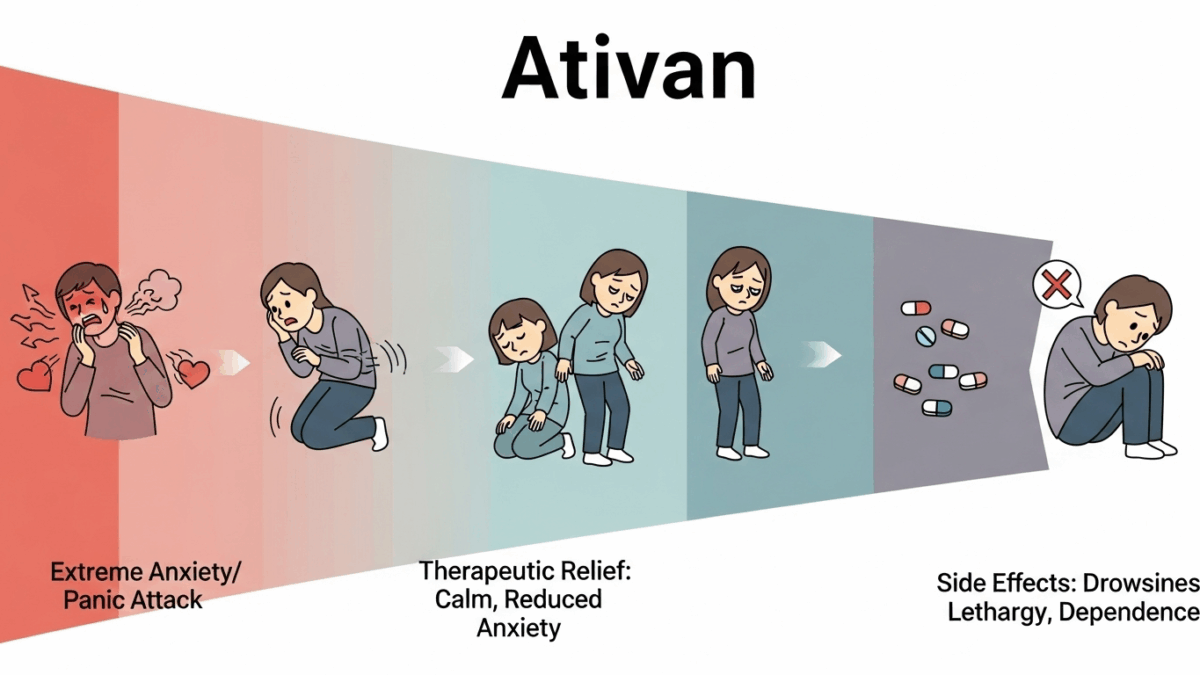
If you’re experiencing any of these symptoms or are concerned about Ativan withdrawal symptoms, please call us for immediate guidance at 844-561-0606. Our compassionate team at Addiction Helpline America is ready to help you steer this challenging time.
Common Physical Ativan Withdrawal Symptoms
The body’s protest against the absence of Ativan can manifest in a variety of physical ways. These symptoms are often uncomfortable and can be quite distressing:
- Headaches: Persistent and often severe headaches are a very common complaint during withdrawal.
- Excessive Sweating: Your body may try to expel toxins and regulate temperature, leading to heavy sweating, even when at rest.
- Tremors: Involuntary shaking, particularly of the hands, is a classic sign of benzodiazepine withdrawal.
- Nausea and Vomiting: Many individuals experience stomach upset, including nausea, dry wretching, and vomiting.
- Muscle Pain and Stiffness: Generalized body aches, muscle cramps, and a feeling of stiffness are common as the nervous system readjusts.
- Increased Heart Rate (Tachycardia): Your heart may race, leading to palpitations and a feeling of your heart pounding.
- High Blood Pressure: Blood pressure can become liftd, contributing to feelings of anxiety and physical discomfort.
- Abdominal Cramps: Digestive issues often include painful cramping in the abdomen.
- Weight Loss: Nausea, vomiting, and decreased appetite can lead to unintended weight loss during acute withdrawal.
- Difficulty Concentrating: While often psychological, the physical discomfort and brain fog can severely impair focus.
Common Psychological Ativan Withdrawal Symptoms
The mind can be just as affected, if not more so, than the body during Ativan withdrawal. These psychological symptoms can be incredibly intense and debilitating:
- Anxiety and Panic Attacks: Often, the original anxiety that led to Ativan use returns with a vengeance, sometimes escalating into full-blown panic attacks that can feel like a heart attack.
- Irritability and Agitation: Small frustrations can feel overwhelming, leading to extreme irritability, restlessness, and agitation.
- Insomnia and Sleep Disturbances: Despite feeling exhausted, individuals often struggle to fall asleep or stay asleep, experiencing nightmares or fragmented sleep.
- Confusion and Disorientation: A sense of brain fog, confusion, and difficulty understanding surroundings can occur.
- Difficulty Concentrating: Beyond the physical aspects, mental clarity can be severely impaired, making even simple tasks challenging.
- Mood Swings: Rapid and unpredictable shifts in mood are common, ranging from intense sadness to sudden bursts of anger.
- Depression: Feelings of hopelessness, sadness, and a loss of interest in activities can deepen into clinical depression.
- General Malaise and Lack of Motivation: A pervasive feeling of being unwell, coupled with a complete lack of drive or energy, can make daily life incredibly difficult.
If you are experiencing co-occurring depression or anxiety during withdrawal, know that help is available. Find help for co-occurring depression and anxiety.
Severe and Dangerous Symptoms
While many Ativan withdrawal symptoms are uncomfortable, some are outright dangerous and constitute a medical emergency. These severe reactions underscore the critical importance of medical supervision during detox:
- Hallucinations: Seeing, hearing, or feeling things that aren’t there can be terrifying and disorienting.
- Delirium: A state of severe confusion, reduced awareness of surroundings, and disorganized thinking.
- Psychotic Reactions: In rare cases, individuals may experience a complete break from reality, including delusions and severe paranoia.
- Grand Mal Seizures: This is one of the most severe and life-threatening risks of abrupt Ativan cessation. Seizures can occur even in individuals who have taken therapeutic doses for short periods. According to the DSM-5, between 20% and 30% of people withdrawing from sedatives like Ativan may experience a grand mal seizure.
- Suicidal Thoughts or Actions: The intense psychological distress, depression, and hopelessness during withdrawal can tragically lead to suicidal ideation.
These severe symptoms are a clear signal that immediate medical intervention is required. Attempting to manage these at home is extremely risky. Emergency Detox Services are critical for managing severe withdrawal and ensuring safety. If you or someone you know is experiencing any of these severe symptoms, call 911 immediately or seek emergency medical care.
The Ativan Withdrawal Timeline: What to Expect
Understanding the typical timeline for Ativan withdrawal symptoms can help you prepare for the challenges ahead and reinforce the need for professional medical support. Ativan has a relatively short half-life, typically around 10-20 hours, which means its effects wear off relatively quickly compared to some other benzodiazepines. This short half-life contributes to a rapid onset of withdrawal symptoms.
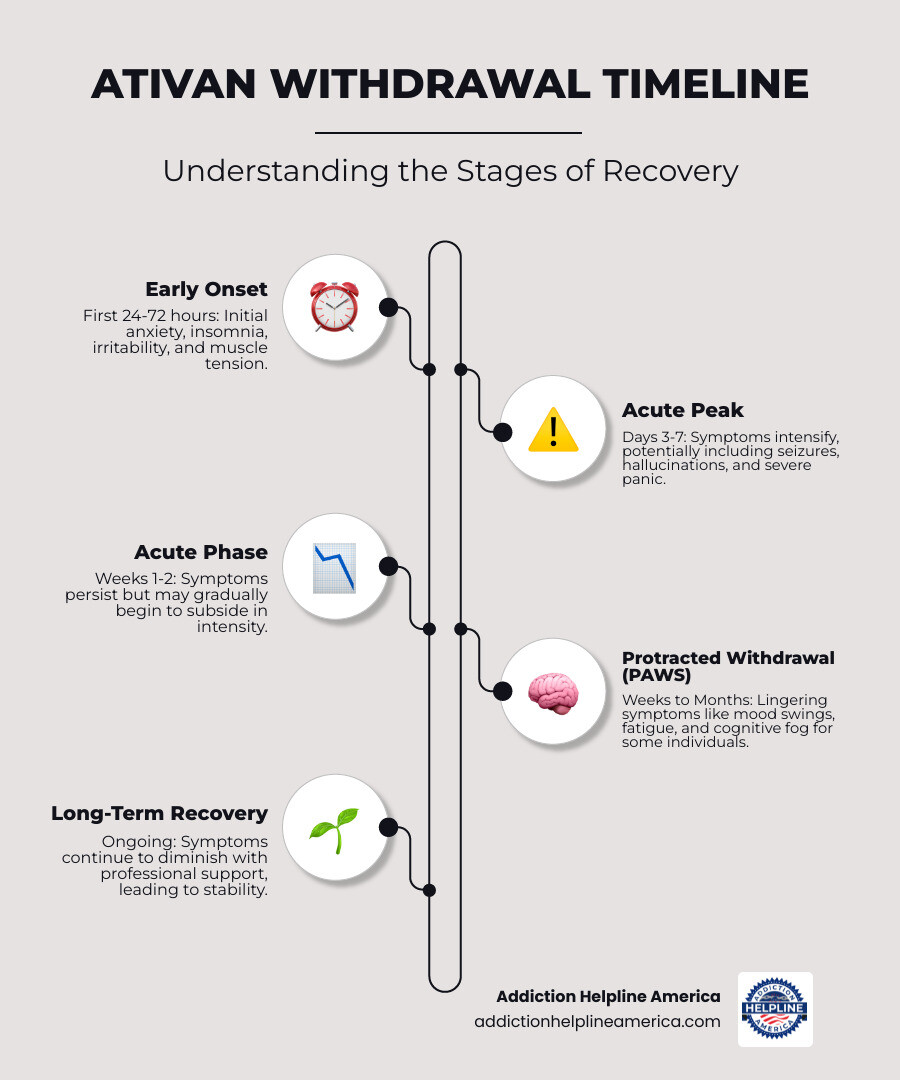
While individual experiences can vary widely, a general pattern of onset, peak, and resolution of symptoms is often observed.
Acute Withdrawal Phase (First 2 Weeks)
This is the most intense period of withdrawal, characterized by the most pronounced physical and psychological symptoms.
- Days 1-3: The first Ativan withdrawal symptoms usually begin within 24-48 hours after the last dose. For some, symptoms can emerge as soon as 6-8 hours. During this initial phase, individuals often experience the return of their original anxiety symptoms (rebound anxiety) with increased intensity, along with insomnia, sweating, heart palpitations, and tremors. These early symptoms can be a clear indicator that your body has become dependent on Ativan.
- Days 4-10: This period typically marks the peak intensity of Ativan withdrawal symptoms. All symptoms, both physical and psychological, can become significantly more severe. This is also the time of highest risk for dangerous complications like grand mal seizures, severe agitation, and hallucinations. Acute withdrawal phase symptoms may include headache, sweating, tremors, difficulty concentrating, confusion, increased blood pressure, heart palpitations, rapid heart rate, nausea, abdominal cramps, vomiting, weight loss, irritability, feelings of anxiety, mood swings, and even panic attacks.
- Days 10-14: For many individuals, symptoms generally begin to lessen and become more manageable after the first week to ten days. While still present, their intensity often decreases, and some physical discomfort may start to subside. However, psychological symptoms like anxiety and insomnia can linger.
Ativan withdrawal usually occurs in two stages: an acute stage and a prolonged stage. Learn more about these stages.
Protracted Withdrawal (PAWS)
For some individuals, Ativan withdrawal symptoms don’t simply disappear after the acute phase. They may enter a period known as Protracted Withdrawal Syndrome (PAWS), where lingering symptoms persist for an extended duration.
- Lingering Symptoms: PAWS can involve a range of persistent symptoms, including anxiety, depression, insomnia, trouble concentrating, general malaise, lack of motivation, mood swings, and even cravings. These symptoms can occur in unpredictable “waves,” meaning they may improve for a period only to return with intensity.
- Duration: While acute withdrawal typically lasts 10-14 days, PAWS can last for months to years, especially after long-term Ativan use. Certain individuals may continue to experience mood swings, depression, general malaise, and lack of motivation for months to years following discontinuation of Ativan. Some sources refer to this as a post-acute withdrawal syndrome (PAWS). You can find more information on PAWS here.
- Impact: PAWS can be incredibly challenging, leading to frustration, relapse, and a significant impact on quality of life. It’s more common among those withdrawing from substances like benzodiazepines, alcohol, or opioids. Managing PAWS often requires ongoing support and therapeutic interventions.
If you’re facing the possibility of long-term withdrawal challenges, we can help you find comprehensive support. Call our 24/7 helpline at 844-561-0606 to connect with a specialist who can guide you through your options. You can also explore long-term rehab options for lasting recovery that address both acute and protracted withdrawal.
Safe Management and Treatment for Ativan Withdrawal Symptoms
The dangers of abruptly stopping Ativan cannot be overstated. Quitting “cold turkey” can lead to severe and life-threatening Ativan withdrawal symptoms, including grand mal seizures. This is why medical supervision is not just recommended, but essential for a safe and successful withdrawal process. Without professional guidance, the risks of complications, including death, are significantly higher.
A safe path to recovery from Ativan dependence always begins with a medically supervised detox. This ensures your safety and comfort while your body begins to heal.
Tapering Schedules for Ativan Cessation
The cornerstone of safe Ativan withdrawal is a gradual dose reduction, commonly known as a tapering schedule. Instead of abruptly stopping the medication, a doctor will slowly decrease your dosage over weeks or even months. This allows your brain and body to gradually adjust to less Ativan, minimizing the shock and reducing the severity of withdrawal symptoms.
- How it Works: A typical tapering plan might involve reducing the dose by 5-25% every one to four weeks. For example, someone taking 4mg of Ativan daily might reduce their dose to 3mg in week 2, 2mg in week 3, 1mg in week 4, and then cease completely in week 5. However, individuals experiencing more severe symptoms may require a much slower taper, extending over many weeks or months.
- Benefits: Gradual tapering helps prevent the most dangerous withdrawal complications, such as seizures, and makes the overall process more manageable and less distressing.
- Replacement Benzodiazepines: Sometimes, healthcare providers may switch a person from Ativan to a longer-acting benzodiazepine, such as chlordiazepoxide (Librium), diazepam (Valium), or oxazepam, which can be easier to taper due to their slower elimination from the body.
It’s vital to emphasize that you should never attempt to create or follow a tapering schedule on your own. This process requires careful medical oversight to monitor your symptoms and adjust the plan as needed. A 2006 meta-analysis indicated that a tapering approach is the most effective method for addressing benzodiazepine withdrawal. Don’t attempt to taper alone, call 844-561-0606 for professional help and guidance in finding a safe, medically supervised detox program.
Medications and Therapies for Symptom Relief
While there isn’t one specific medication solely dedicated to treating benzodiazepine withdrawal, physicians can use various medications to help manage specific Ativan withdrawal symptoms, making the detox process more comfortable and safer.
-
Symptom-Specific Medications:
- Anticonvulsants: Medications like carbamazepine or gabapentin may be prescribed to help prevent seizures, especially during the acute withdrawal phase.
- Antidepressants: For individuals experiencing severe depression or anxiety during withdrawal, certain antidepressants like Paxil (paroxetine) have some research evidence to indicate they can help ease some of the withdrawal symptoms.
- Sleep Aids: Insomnia is a common and persistent withdrawal symptom. Melatonin, a hormone that induces sleep, has research to indicate that it can be useful in addressing insomnia in individuals withdrawing from Ativan and other benzodiazepines. Other non-benzodiazepine sleep medications may also be used cautiously.
- Anxiety Medications: Non-benzodiazepine anxiolytics may be used to manage anxiety without the risk of dependence.
- Beta-blockers: These can help manage physical symptoms of anxiety like rapid heart rate and tremors.
- Antipsychotics: In cases of severe agitation, hallucinations, or psychotic reactions, antipsychotic medications may be temporarily used.
-
Therapeutic Support: Beyond medication, psychological therapies play a crucial role. Cognitive Behavioral Therapy (CBT) is particularly effective in helping individuals develop healthy coping mechanisms, manage anxiety, and address underlying issues that may have contributed to Ativan use.
Medically Assisted Detox programs offer the safest environment for managing Ativan withdrawal symptoms. These programs provide 24/7 medical supervision, allowing healthcare professionals to monitor vital signs, administer medications, and intervene immediately if any dangerous symptoms arise. Learn about Medically Assisted Detox programs and how they can support your journey to recovery.
Comprehensive Addiction Treatment
Successfully navigating the acute phase of Ativan withdrawal symptoms through medical detox is a critical first step, but it is not a cure for addiction or dependence. Detox merely addresses the physical dependence. For lasting recovery, a comprehensive treatment plan is essential.
- Beyond Detox: After medical stabilization, individuals typically transition into a structured treatment program. This can be either:
- Inpatient Programs: These provide a residential setting with 24/7 support, therapy, and a structured environment, ideal for those with severe dependence, co-occurring mental health issues, or a history of relapse.
- Outpatient Programs: These allow individuals to live at home while attending therapy sessions and group meetings, suitable for those with strong support systems and less severe dependence.
- Behavioral Therapies: Various therapies, including individual counseling, group therapy, and Cognitive Behavioral Therapy (CBT) or Dialectical Behavior Therapy (DBT), help individuals explore the root causes of their Ativan use, develop coping skills, and learn strategies to prevent relapse.
- Support Groups: Participation in peer-led support groups like Alcoholics Anonymous (AA) or Narcotics Anonymous (NA), or specialized benzodiazepine recovery groups, provides a sense of community, shared experience, and ongoing encouragement.
- Physician Oversight: Throughout the entire treatment process, ongoing physician oversight is crucial to manage any lingering physical or psychological symptoms and ensure overall well-being.
At Addiction Helpline America, we understand that finding the right treatment path can feel overwhelming. That’s why we’re here to provide free, confidential, and personalized guidance to connect you with the best programs nationwide. Find the right addiction treatment program for you – our extensive network includes facilities across Alabama, Alaska, Arizona, Arkansas, California, Colorado, Connecticut, Delaware, Florida, Georgia, Hawaii, Idaho, Illinois, Indiana, Iowa, Kansas, Kentucky, Louisiana, Maine, Maryland, Massachusetts, Michigan, Minnesota, Mississippi, Missouri, Montana, Nebraska, Nevada, New Hampshire, New Jersey, New Mexico, New York, North Carolina, North Dakota, Ohio, Oklahoma, Oregon, Pennsylvania, Rhode Island, South Carolina, South Dakota, Tennessee, Texas, Utah, Vermont, Virginia, Washington, West Virginia, Wisconsin, and Wyoming.
Frequently Asked Questions about Ativan Withdrawal
We understand you have many questions about Ativan withdrawal symptoms and the recovery process. Here are some of the most common inquiries we receive:
How long does Ativan withdrawal last?
The duration of Ativan withdrawal symptoms can vary significantly from person to person. The acute withdrawal phase typically lasts for 10-14 days after the last dose, with symptoms being most intense during the first week. However, some individuals may experience Post-Acute Withdrawal Syndrome (PAWS), where lingering psychological and physical symptoms can persist for months or even years. The overall duration is influenced by factors such as the dosage and length of time Ativan was used, individual metabolism, general health, and whether the withdrawal was abrupt or medically supervised through a tapering schedule.
What is the most common Ativan withdrawal symptom?
Given that Ativan is primarily prescribed to treat anxiety disorders, it’s not surprising that rebound anxiety is one of the most common and often distressing Ativan withdrawal symptoms. When the medication is stopped, the brain’s natural anxiety-regulating mechanisms, which have been suppressed by Ativan, can go into overdrive. This causes the original anxiety symptoms to return with increased intensity, often accompanied by panic attacks, irritability, and restlessness. Insomnia is another exceptionally common symptom, often linked to this heightened anxiety.
Can you die from Ativan withdrawal?
Yes, unfortunately, Ativan withdrawal can be fatal in rare but serious cases. The primary and most dangerous risk comes from the potential for grand mal seizures. These seizures can occur when the central nervous system, accustomed to the calming effects of Ativan, becomes severely overstimulated upon the drug’s sudden absence. Individuals with a history of seizures, those on high doses, or those who have been using Ativan for a prolonged period are at higher risk, but seizures have been reported even in individuals taking therapeutic doses for short periods. Other severe complications like delirium, psychotic reactions, and severe dehydration can also be life-threatening. This is precisely why medically supervised detox, which includes a controlled tapering schedule and monitoring for complications, is absolutely crucial for anyone withdrawing from Ativan.
Your Path to a Safe Recovery Starts Here
Experiencing Ativan withdrawal symptoms can be one of the most challenging and frightening experiences an individual can face. The physical discomfort, intense psychological distress, and the potential for severe, life-threatening complications like seizures underscore the critical importance of professional medical support. We cannot stress enough: never attempt to quit Ativan alone or “cold turkey.”
The good news is that recovery is not only possible but achievable with the right help. At Addiction Helpline America, we are dedicated to connecting individuals like you with the safe, effective, and compassionate care you need to steer Ativan withdrawal and begin a lasting journey of recovery. Our network includes top-tier treatment centers across the entire United States, ensuring that no matter where you are, we can help you find a program that fits your unique needs.
If you or a loved one needs help overcoming Ativan dependence, Addiction Helpline America is here for you. Our confidential helpline is available 24/7 to provide immediate guidance and help you find a safe and effective treatment program near you. Your health, safety, and future are our priority. Start your recovery journey today – a life free from dependence is within reach.