
Understanding the Challenges of Stopping Ambien
Ambien withdrawal symptoms can be far more challenging than many people expect when they decide to stop using this popular sleep medication. If you’re searching for information right now, here’s what you need to know immediately:
Common Ambien Withdrawal Symptoms:
- Physical symptoms: Nausea, vomiting, tremors, sweating, headaches, rapid heartbeat, muscle aches
- Psychological symptoms: Severe anxiety, panic attacks, depression, intense cravings, confusion, hallucinations
- Sleep-related symptoms: Rebound insomnia (worse than original insomnia), vivid nightmares, early morning awakening
- Timeline: Symptoms typically begin within 6-8 hours, peak within 1-5 days, and subside after 1-2 weeks (though some effects can linger for months)
- Serious risks: Seizures and delirium can occur with abrupt cessation, especially after long-term or high-dose use
The most important thing to know: Never stop Ambien abruptly without medical supervision. Withdrawal can be dangerous and potentially life-threatening.
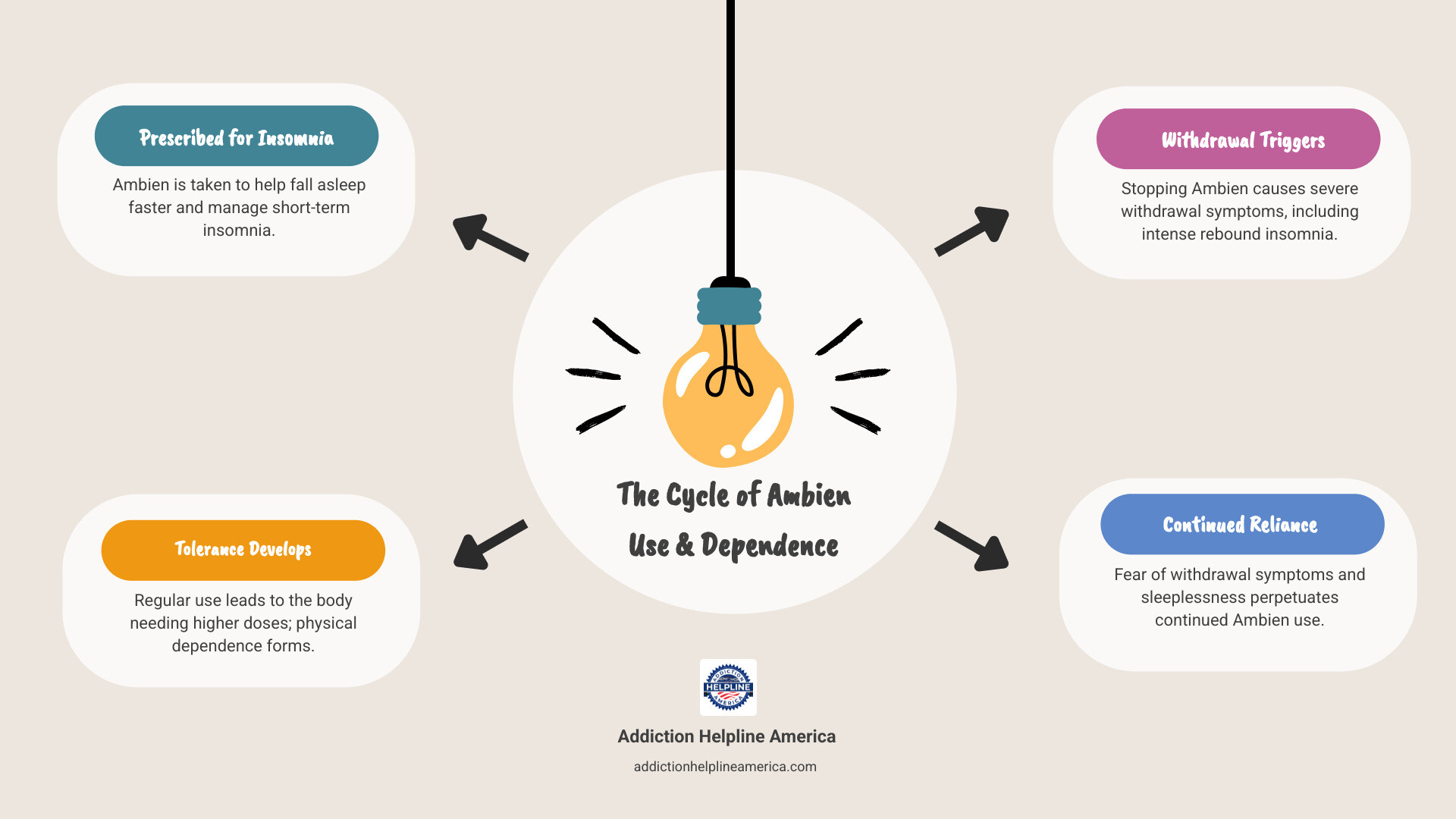
Ambien (zolpidem) was originally developed as a safer alternative to benzodiazepines for treating insomnia. It works by enhancing GABA, a neurotransmitter that calms brain activity and promotes sleep. However, what many people don’t realize is that regular use—even as prescribed—can lead to physical dependence within just two weeks of nightly use.
When your brain becomes accustomed to Ambien’s presence, it adjusts its natural chemistry to compensate. Suddenly removing the drug creates a state of imbalance, triggering withdrawal symptoms that range from uncomfortable to severe. The manufacturer estimates that only 1% of people taking Ambien as prescribed will struggle with dependence and withdrawal, but case reports and clinical experience suggest the risk may be higher, especially with prolonged use or higher doses.
The fear of not being able to sleep without Ambien keeps many people trapped in a cycle of use. This fear is understandable—rebound insomnia is one of the most distressing withdrawal symptoms, often making sleep problems temporarily worse than they were before starting the medication. Some people also experience complex sleep behaviors like sleep-driving or sleep-eating, which have contributed to at least 20 FDA-documented deaths.
Certain groups face heightened risks. While Ambien is most commonly prescribed to older adults with insomnia, teens and young adults are more likely to abuse it for its euphoric effects. Women between 45 and 54 have the highest rates of Ambien overdose. Anyone with a history of substance abuse faces increased addiction risk.
The good news is that Ambien withdrawal, while challenging, is manageable with proper medical support. A gradual tapering schedule under physician supervision can minimize symptoms and help you safely transition off the medication. Professional detox programs provide 24/7 monitoring and medications to manage severe symptoms like anxiety, nausea, and sleep disturbances.
If you or a loved one is struggling with Ambien dependence, help is available right now. Call Addiction Helpline America at 844-561-0606 for immediate, confidential support. Our trained specialists are available 24/7 to connect you with safe detox programs and treatment options.
At Addiction Helpline America, we’ve helped thousands of individuals and families steer the complexities of substance dependence, including Ambien withdrawal symptoms, through compassionate guidance and connections to evidence-based treatment programs. Our team understands that seeking help is the first step toward reclaiming your life and achieving restful sleep without medication dependence.
Understanding Ambien: Use, Dependence, and Risks
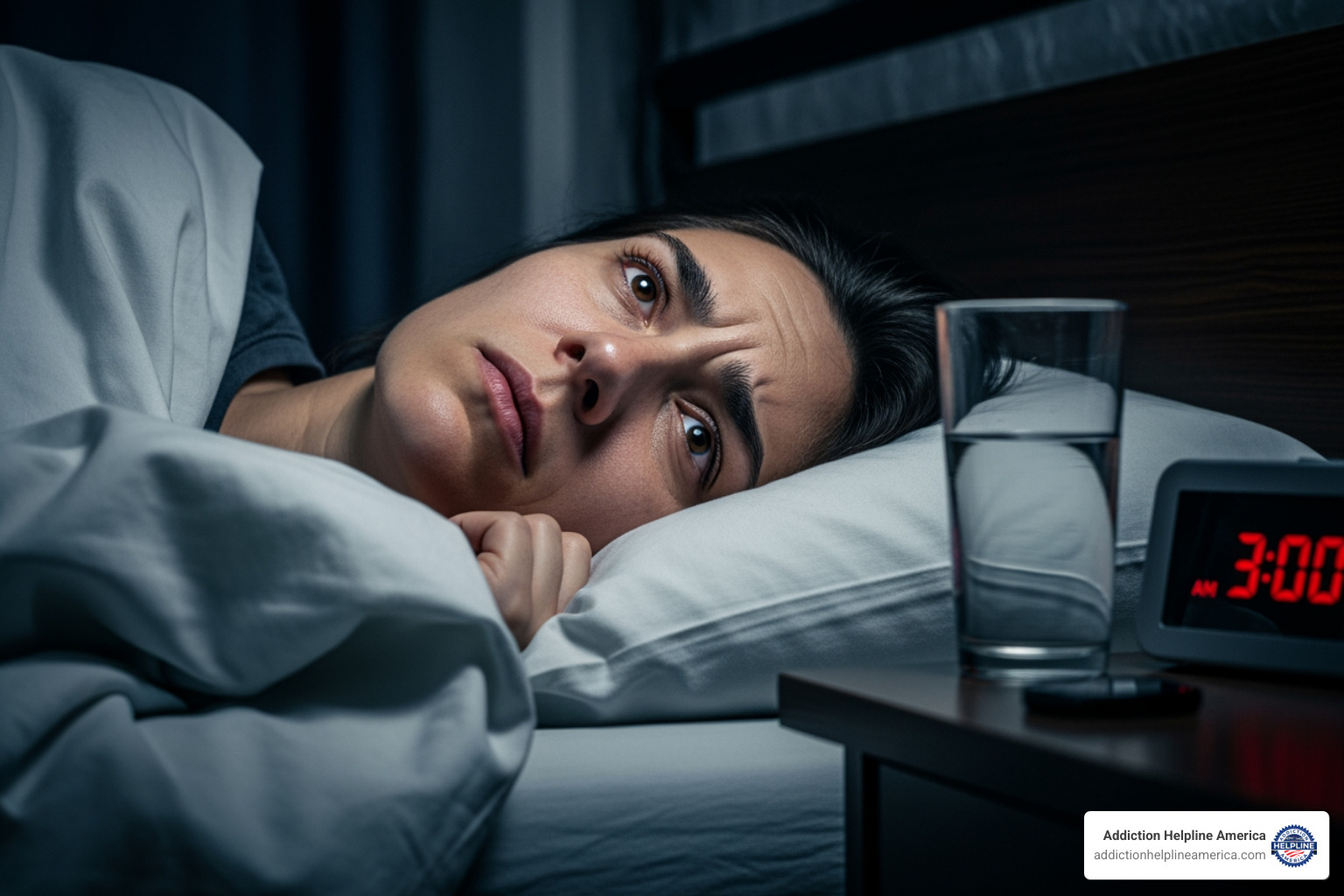
Ambien, known generically as zolpidem, is a prescription sleep medication belonging to a class of drugs called sedative-hypnotics. It is specifically designed to help people fall asleep faster and stay asleep longer, making it a common choice for those struggling with short-term insomnia. The active ingredient, zolpidem, works by enhancing the activity of GABA (gamma-aminobutyric acid), a neurotransmitter that naturally calms brain activity and promotes sleepiness. You can learn more about how Ambien helps you fall asleep faster and its mechanism of action.
Ambien is available in both immediate-release and extended-release formulations. Most people take it just before bedtime on an empty stomach for optimal effectiveness. It typically begins working within 15 to 30 minutes and has a relatively short half-life of about 2.5 hours. While effective for short-term use, the potential for dependence and addiction grows with prolonged use.
The manufacturer claims that only 1% of those who take the drug as prescribed will struggle with dependence and withdrawal symptoms. However, this statistic doesn’t account for the many people who may misuse the drug, where the risk of experiencing Ambien withdrawal symptoms is significantly higher.
One of the most concerning aspects of Ambien use is the risk of complex sleep behaviors. These are activities, normally associated with wakefulness, that occur when someone is asleep or in a sleep-like state after taking Ambien. Examples include sleepwalking, sleep-driving, sleep-eating, and even making phone calls or having sex, often with no memory of the event afterward. The FDA has identified at least 20 deaths resulting from cases of complex sleep behaviors associated with Ambien. These serious risks led to FDA warnings on Z-drugs to inform the public about the potential dangers.
Who is most at risk for struggling with Ambien addiction and withdrawal? While Ambien is commonly prescribed to older adults for sleeplessness, abuse and addiction are more prevalent among teens and young adults. This age group might abuse Ambien to get high, experiencing effects similar to alcohol. Individuals with a history of substance abuse are also at a higher risk of developing dependence. Chronic use of Ambien, even if prescribed, often leads to increased tolerance, meaning higher dosages are needed to achieve the same effect, further increasing the risk of dependence and severe withdrawal.
Common Side Effects vs. Signs of Addiction
It’s important to distinguish between the common side effects of Ambien and the signs that might indicate a developing dependence or addiction.
Common side effects of Ambien can include:
- Drowsiness or feeling “drugged”
- Dizziness
- Diarrhea
- Headaches
- Memory impairment
- Nausea
- Dry mouth
- Lightheadedness
- Unsteadiness
These side effects can occur even when taking the medication as prescribed. However, if you or a loved one begins to experience certain behaviors, it might signal a more serious problem like dependence or addiction.
Dependence vs. Addiction:
Physical dependence means your body has adapted to the medication and will experience withdrawal symptoms if you stop using it. Addiction, on the other hand, is a chronic disease characterized by drug-seeking behavior, compulsive use despite harmful consequences, and changes in brain chemistry. Ambien can create both physical dependence and psychological addiction.
Signs of Ambien addiction or misuse include:
- Developing tolerance, requiring higher doses to achieve the desired effect.
- Experiencing intense cravings for the drug.
- “Doctor shopping” (visiting multiple doctors to obtain more prescriptions).
- Buying Ambien illegally or using it without a prescription.
- Taking Ambien differently than prescribed (e.g., crushing pills, taking more than recommended).
- Combining Ambien with other substances like alcohol.
- Driving or engaging in other risky behaviors while under the influence.
- Unsuccessful attempts to cut down or stop using Ambien.
- Continuing to use Ambien despite negative consequences on your health, relationships, or work.
- Experiencing Ambien withdrawal symptoms when trying to stop or reduce use.
If you recognize any of these signs in yourself or a loved one, it’s a strong indicator that professional help is needed.
The Dangers of Stopping Ambien Cold Turkey
Stopping Ambien abruptly, especially after prolonged use or high dosages, carries significant risks and can be potentially dangerous. The body becomes accustomed to the drug’s presence, and suddenly removing it can trigger a severe rebound effect in the central nervous system.
The risks of stopping Ambien cold turkey include:
- Severe rebound insomnia: Your sleep problems can become significantly worse than they were before you started taking Ambien.
- Intense psychological distress: This can include severe anxiety, panic attacks, extreme irritability, and even psychosis.
- Physical symptoms: These can range from nausea, vomiting, and tremors to more severe reactions.
- Seizures: This is one of the most dangerous risks. Abrupt discontinuation of zolpidem, particularly after high-dose use, has been linked to withdrawal seizures.
- Delirium: A state of acute confusion, disorientation, agitation, and sometimes hallucinations, can occur. Case reports highlight instances of acute delirium resulting from abrupt withdrawal from chronic high-dose zolpidem use.
These severe Ambien withdrawal symptoms underscore why medical supervision is absolutely critical when discontinuing this medication. Attempting to detox from Ambien alone can be life-threatening. If you’re considering stopping Ambien, it’s crucial to seek professional help. Call Addiction Helpline America at 844-561-0606 for guidance and to connect with medically supervised detox programs. We are here to ensure your safety and comfort throughout the withdrawal process.
A Comprehensive Guide to Ambien Withdrawal Symptoms

When you stop taking Ambien, your body reacts to the sudden absence of the drug it has grown accustomed to. This reaction is what we call Ambien withdrawal symptoms. Because Ambien works by enhancing GABA, a natural calming agent in the brain, chronic use can lead your brain to produce less of its own GABA. When Ambien is suddenly removed, the brain’s activity can rebound, leading to an overactive state that manifests as a range of uncomfortable and sometimes dangerous symptoms.
Several factors can influence the severity and duration of Ambien withdrawal symptoms:
- Dosage: Higher daily doses generally lead to more severe withdrawal.
- Duration of use: The longer you’ve been taking Ambien, the more intense and prolonged withdrawal symptoms tend to be. Chronic use often results in increased tolerance, meaning withdrawal symptoms can be more pronounced when the drug is stopped.
- Individual physiology: Each person’s body processes medications differently, affecting how they experience withdrawal. Metabolism, overall health, and genetic factors play a role.
- Co-occurring disorders: Individuals with underlying mental health conditions like anxiety or depression, or other substance use disorders, may experience more complex and severe withdrawal.
- Abrupt cessation: Stopping cold turkey almost always results in more severe and potentially dangerous symptoms compared to a medically supervised taper.
Understanding these factors can help us prepare for and manage the withdrawal process effectively. For more information on safely navigating this process, you can explore More info about Ambien Detox services.
Physical Ambien Withdrawal Symptoms
The physical Ambien withdrawal symptoms can be quite distressing and mimic those of other sedative-hypnotic withdrawals. These symptoms are your body’s way of reacting to the sudden shift in brain chemistry.
Common physical symptoms include:
- Nausea and vomiting: Often accompanied by stomach cramps and abdominal discomfort.
- Muscle aches and pains: Generalized body aches, muscle stiffness, and sometimes restless legs.
- Tremors or shaking: Involuntary muscle contractions, particularly in the hands.
- Sweating: Excessive perspiration, even in cool environments.
- Headaches: Ranging from mild to severe.
- Increased heart rate and heart palpitations: A feeling of your heart pounding or racing.
- Fatigue: Despite sleep disturbances, individuals often feel profoundly tired.
- Lightheadedness or dizziness: A sensation of spinning or feeling faint.
- Restlessness: An inability to sit still or relax.
- Flu-like symptoms: General malaise, body aches, and sometimes a low-grade fever.
These physical symptoms can be uncomfortable, but they are often a sign that your body is beginning to re-regulate itself. Medical supervision during detox can help manage these symptoms and ensure your safety.
Psychological Ambien Withdrawal Symptoms
Beyond the physical discomfort, Ambien withdrawal symptoms can also have a profound psychological impact. These mental and emotional symptoms are often the most challenging aspects of withdrawal, as they can significantly affect mood, perception, and cognitive function.
Common psychological symptoms include:
- Anxiety: Often severe and generalized, leading to feelings of apprehension and unease.
- Panic attacks: Sudden, intense episodes of fear that can include physical symptoms like shortness of breath and chest pain.
- Irritability and agitation: A heightened sense of frustration and nervousness.
- Depression: Feelings of sadness, hopelessness, and a lack of interest in previously enjoyed activities.
- Mood swings: Rapid and unpredictable shifts in emotional state.
- Confusion and disorientation: Difficulty thinking clearly, remembering things, or knowing where you are.
- Difficulty concentrating: Problems focusing attention or completing tasks.
- Intense cravings: A strong urge or desire to take Ambien.
- Vivid nightmares and disturbing dreams: Sleep, when it occurs, can be plagued by unsettling dreams.
- Hallucinations: Seeing, hearing, or feeling things that aren’t there. This can range from mild perceptual disturbances to full-blown visual or auditory hallucinations.
- Uncontrolled crying: Episodes of crying that seem to come on suddenly and without apparent cause.
- Nervousness and hypervigilance: A state of being constantly on edge and overly alert.
These psychological symptoms can be overwhelming, which is why a supportive and medically supervised environment is crucial for successful Ambien withdrawal.
The Ambien Withdrawal Timeline
Understanding the typical timeline for Ambien withdrawal symptoms can help set expectations and highlight the importance of medical support. This timeline is a general guide, and individual experiences can vary based on factors like dosage, duration of use, and personal health.
-
Hours 6-24: Initial Symptoms Begin
- Due to Ambien’s short half-life (around 2.5 hours), initial withdrawal symptoms can begin as soon as 6 to 8 hours after the last dose. You might start to feel a rebound effect, including increased anxiety, restlessness, and a return of insomnia, often worse than before. Other mild physical discomforts may also appear.
-
Days 1-5: Symptoms Peak
- This is typically the most intense phase of withdrawal. Symptoms usually peak within 1 to 5 days. You may experience significant physical discomfort, including nausea, vomiting, sweating, tremors, and muscle aches. Psychological symptoms such as severe anxiety, panic attacks, irritability, and mood swings can be pronounced. This is also when the risk of more serious complications like seizures and delirium is highest, especially if Ambien was stopped abruptly.
-
Weeks 1-2: Acute Symptoms Begin to Subside
- After the peak, acute symptoms generally start to lessen in intensity. Most physical symptoms tend to subside within approximately 1 to 2 weeks. While sleep may still be disrupted, the severe rebound insomnia often begins to improve. Psychological symptoms like anxiety and depression may still be present but often become more manageable.
-
Post-Acute Withdrawal Syndrome (PAWS): Lingering Symptoms
- For some individuals, certain Ambien withdrawal symptoms can linger for several weeks or even months after the acute phase. This is known as Post-Acute Withdrawal Syndrome (PAWS). Common PAWS symptoms from Ambien withdrawal include persistent anxiety, depression, mood disturbances, difficulty concentrating, and protracted sleep disturbances. While less intense than acute withdrawal, PAWS can be frustrating and requires ongoing coping strategies and support.
The journey through Ambien withdrawal can be challenging, but with the right support, it’s a journey that leads to lasting recovery and improved well-being.
Safely Managing Ambien Cessation and Recovery
Stopping Ambien safely is a critical step towards reclaiming your sleep and overall health. The importance of a well-structured plan and professional medical supervision cannot be overstated. Given the potential severity of Ambien withdrawal symptoms, attempting to stop on your own, especially after prolonged or high-dose use, is strongly discouraged.
The safest and most effective way to stop taking Ambien is through a gradual tapering process under the guidance of a healthcare professional. This approach minimizes the intensity of withdrawal symptoms and significantly reduces the risk of dangerous complications like seizures or delirium. Medical supervision ensures that your progress is monitored, symptoms are managed, and adjustments can be made to your tapering schedule as needed.
We understand that facing withdrawal can be daunting. That’s why we at Addiction Helpline America emphasize that you don’t have to go through this alone. Finding a detox program is the first step to a safe recovery. Call our 24/7 helpline at 844-561-0606 to connect with specialists who can guide you to appropriate medical detox facilities. For a better understanding of what to expect during the process, you can also explore What Should I Expect During the Detox Process?.
Medical Detox and Tapering Schedules
Medical detox is a structured program where individuals undergo withdrawal from a substance in a safe, medically supervised environment. For Ambien withdrawal, this typically involves 24/7 monitoring by medical professionals who can manage symptoms, prevent complications, and provide emotional support.
The core of safe Ambien cessation is a tapering schedule. This involves gradually reducing your Ambien dosage over a period of time, rather than stopping all at once. A common approach might involve reducing the Ambien dose by 25% every 1 to 2 weeks. The exact schedule will depend on your individual usage history, the severity of your dependence, and how your body responds.
In some cases, a healthcare provider might switch you to a longer-acting benzodiazepine, such as Valium (diazepam) or Ativan (lorazepam), for a smoother taper. These medications have a longer half-life, which can help stabilize the central nervous system and reduce the intensity of withdrawal symptoms. Once the patient is stabilized on the benzodiazepine, it can then be gradually tapered off. This strategy is particularly effective in preventing severe complications like seizures and delirium.
The benefits of medical detox and a custom tapering schedule include:
- Reduced severity of withdrawal symptoms: A gradual reduction allows your brain to slowly adjust, minimizing the shock of sudden cessation.
- Prevention of dangerous complications: Medical staff are on hand to intervene immediately if severe symptoms like seizures or delirium occur.
- Comfort and support: A professional setting provides a supportive environment where your discomfort can be managed with appropriate medications and care.
- Higher success rates: Individuals are more likely to complete withdrawal successfully when they have medical supervision.
If you’re ready to take this crucial step, our team at Addiction Helpline America can help you find a Detoxification Near Me in your state.
Medications and Therapies Used in Recovery
During Ambien withdrawal and the subsequent recovery phase, a variety of medications and therapeutic approaches can be used to manage symptoms and address underlying issues.
Medications to manage Ambien withdrawal symptoms:
| Medication Type | Examples | Purpose |
|---|---|---|
| Benzodiazepines | Lorazepam (Ativan), Diazepam (Valium) | Used for short-term management of acute anxiety, agitation, and to prevent seizures during the initial withdrawal phase, or as a bridge for tapering. |
| Antidepressants | Sertraline (Zoloft), Escitalopram (Lexapro) | Selective Serotonin Reuptake Inhibitors (SSRIs) can help manage anxiety and depression that may emerge or worsen during withdrawal, or as part of long-term recovery. |
| Non-benzodiazepine sleep aids | Trazodone, Ramelteon (Rozerem) | Can be used cautiously to help manage persistent insomnia after Ambien cessation, as they have different mechanisms of action and lower abuse potential. |
| Gabapentin | May be prescribed to help reduce anxiety and improve sleep disturbances during withdrawal. | |
| Beta-blockers | Propranolol | Can help manage physical symptoms of anxiety, such as rapid heart rate and tremors. |
| Melatonin | A natural hormone that regulates sleep-wake cycles; can be used as a supplement to help re-establish natural sleep patterns. |
Therapies for recovery:
- Cognitive-Behavioral Therapy for Insomnia (CBT-I): This is often considered the gold standard non-pharmacological treatment for chronic insomnia. CBT-I helps individuals identify and change negative thought patterns and behaviors that interfere with sleep. It provides strategies for improving sleep hygiene and managing sleep anxiety.
- Individual Counseling: Offers a safe space to explore the psychological aspects of Ambien dependence, address any co-occurring mental health issues, develop coping mechanisms, and build resilience.
- Group Therapy: Provides a supportive community where individuals can share experiences, gain insights from peers, and learn from others’ recovery journeys. This can be particularly helpful for reducing feelings of isolation.
These medications and therapies work together to not only alleviate Ambien withdrawal symptoms but also to address the underlying causes of insomnia and dependence, paving the way for sustainable recovery.
Life After Ambien: Non-Pharmacological Strategies for Insomnia
Once you’ve safely steerd the withdrawal process, learning to manage insomnia without medication is key to long-term success. Non-pharmacological strategies, often referred to as good “sleep hygiene,” are essential tools for achieving natural, restful sleep.
Here are effective strategies to incorporate into your daily routine:
- Consistent Sleep Schedule: Go to bed and wake up at the same time every day, even on weekends. This helps regulate your body’s natural sleep-wake cycle (circadian rhythm).
- Create a Relaxing Bedtime Routine: Establish a calming ritual before bed, such as a warm bath, reading a book (not on a screen), listening to soothing music, or gentle stretching.
- Limit Caffeine and Alcohol: Avoid caffeine in the late afternoon and evening, and limit alcohol consumption, especially close to bedtime. While alcohol might initially make you feel sleepy, it disrupts sleep quality later in the night.
- Regular Exercise: Engage in physical activity most days of the week, but avoid vigorous exercise too close to bedtime.
- Stress-Reduction Techniques: Practice mindfulness, meditation, deep breathing exercises, or yoga to calm your mind before sleep.
- Optimize Your Sleep Environment: Ensure your bedroom is dark, quiet, and cool. Block out light, use earplugs if necessary, and keep the temperature comfortable.
- Avoid Naps: If you struggle with nighttime sleep, avoid napping during the day, or keep naps short and early in the afternoon.
- Limit Screen Time Before Bed: The blue light emitted from phones, tablets, and computers can interfere with melatonin production, a hormone essential for sleep.
- Don’t Lie Awake: If you can’t fall asleep after about 20 minutes, get out of bed and do a quiet, relaxing activity until you feel sleepy again.
Adopting these habits can significantly improve your natural sleep patterns and help you maintain sobriety from Ambien.
Frequently Asked Questions about Ambien Withdrawal
We often hear many questions about Ambien and its withdrawal process. Here are some of the most common ones we address:
What is rebound insomnia?
Rebound insomnia is a common and often distressing phenomenon that occurs when you stop taking a medication used to treat insomnia, like Ambien. It refers to the temporary worsening of sleep problems—often becoming more severe than your original insomnia—after discontinuing the drug. Your brain, having become accustomed to the drug’s calming effects, overcompensates for its absence, leading to increased brain activity that makes it harder to fall asleep and stay asleep. While incredibly frustrating, rebound insomnia typically improves within one to two weeks as your brain re-establishes its natural sleep mechanisms. This is a key reason why medical supervision during Ambien cessation is so important.
How long do Ambien withdrawal symptoms last?
The duration of Ambien withdrawal symptoms can vary significantly based on factors like the dosage you were taking, how long you took it, and your individual physiology.
- Acute Phase: The most intense symptoms typically begin within 6-8 hours of your last dose, peak within 1-5 days, and then generally subside after approximately 1-2 weeks. During this phase, you’ll experience the majority of physical and psychological symptoms.
- Post-Acute Withdrawal Syndrome (PAWS): For some individuals, certain psychological symptoms and sleep issues, such as persistent anxiety, depression, mood swings, and sleep disturbances, can linger for several weeks or even months. This extended period is known as PAWS. While less severe than acute withdrawal, PAWS can be challenging and requires continued coping strategies and support.
The overall timeline is highly individual, but with proper medical support and a gradual tapering plan, the most severe symptoms can be significantly mitigated.
Can you die from Ambien withdrawal?
While rare, severe complications from abrupt Ambien withdrawal, such as seizures or delirium, can indeed be life-threatening. Seizures can lead to falls, injuries, or other medical emergencies. Delirium, a state of severe confusion and disorientation, can impair judgment and lead to dangerous accidents or self-harm. These risks are why stopping Ambien “cold turkey” is strongly discouraged by medical professionals. Medically supervised detox is essential to manage these potential dangers, providing 24/7 monitoring and interventions to ensure your safety and comfort throughout the withdrawal process. Our team at Addiction Helpline America is here to help you find safe, medically supervised detox programs.
Find Help for Ambien Addiction Today
The path to overcoming Ambien dependence begins with a safe, medically supervised withdrawal. It is not a journey you should take alone. Professional treatment provides the support, tools, and medical oversight needed for lasting recovery and managing insomnia without medication. We understand the challenges you face, from the fear of Ambien withdrawal symptoms to the anxiety of sleepless nights.
Addiction Helpline America connects you with treatment centers across the country, including all the states we serve like California, Florida, Texas, New York, Pennsylvania, Illinois, and many more. Our vast network of accredited facilities can create a personalized plan for you, whether you need inpatient medical detox, outpatient therapy, or long-term aftercare support. We are committed to helping you find the right recovery program that addresses your unique needs.
Don’t wait to reclaim your health and achieve restful, natural sleep. Call our free, confidential helpline 24/7 at 844-561-0606 to speak with a specialist. We are here to guide you through every step of the process, from understanding your options to connecting you with the best treatment available. You can also explore addiction treatment programs with our complete guide for more information on the various paths to recovery. Your journey to a life free from Ambien dependence starts with a single, courageous call to us.