Why Finding the Right Alcohol Treatment Center Matters
Alcohol treatment centers are specialized facilities providing medical and therapeutic care for individuals with alcohol use disorder (AUD). If you’re searching for help, here’s what you need to know.
Quick Guide to Alcohol Treatment Centers:
- Types Available: Detox, inpatient/residential, partial hospitalization (PHP), intensive outpatient (IOP), standard outpatient, and virtual/telehealth.
- What to Look For: State licensing, accreditation (Joint Commission, CARF), evidence-based practices, and dual diagnosis capabilities.
- Cost Options: Private insurance, Medicaid, state-funded programs, sliding scale fees, and non-profit options.
The numbers tell a sobering story: in 2023, 29.5 million people had an alcohol use disorder. Despite the prevalence, finding quality care can feel overwhelming in a crisis. The challenge isn’t a lack of options, but knowing which programs are legitimate, evidence-based, and right for you.
Not all treatment centers are created equal. Some are accredited and staffed by qualified professionals, while others make promises without the credentials to deliver lasting recovery. This is where informed decision-making is critical. Research shows that evidence-based treatment significantly improves outcomes, yet many don’t know what standards to expect.
At Addiction Helpline America, we connect individuals and families with quality alcohol treatment centers that match their unique needs. Our team of addiction specialists understands the urgency of seeking help and is here to guide you through every step.
Alcohol treatment centers terms explained:
- how much do alcohol treatment centers cost
- is there free alcohol addiction treatment centers
- support for alcoholics
Understanding the Different Types of Alcohol Treatment Programs
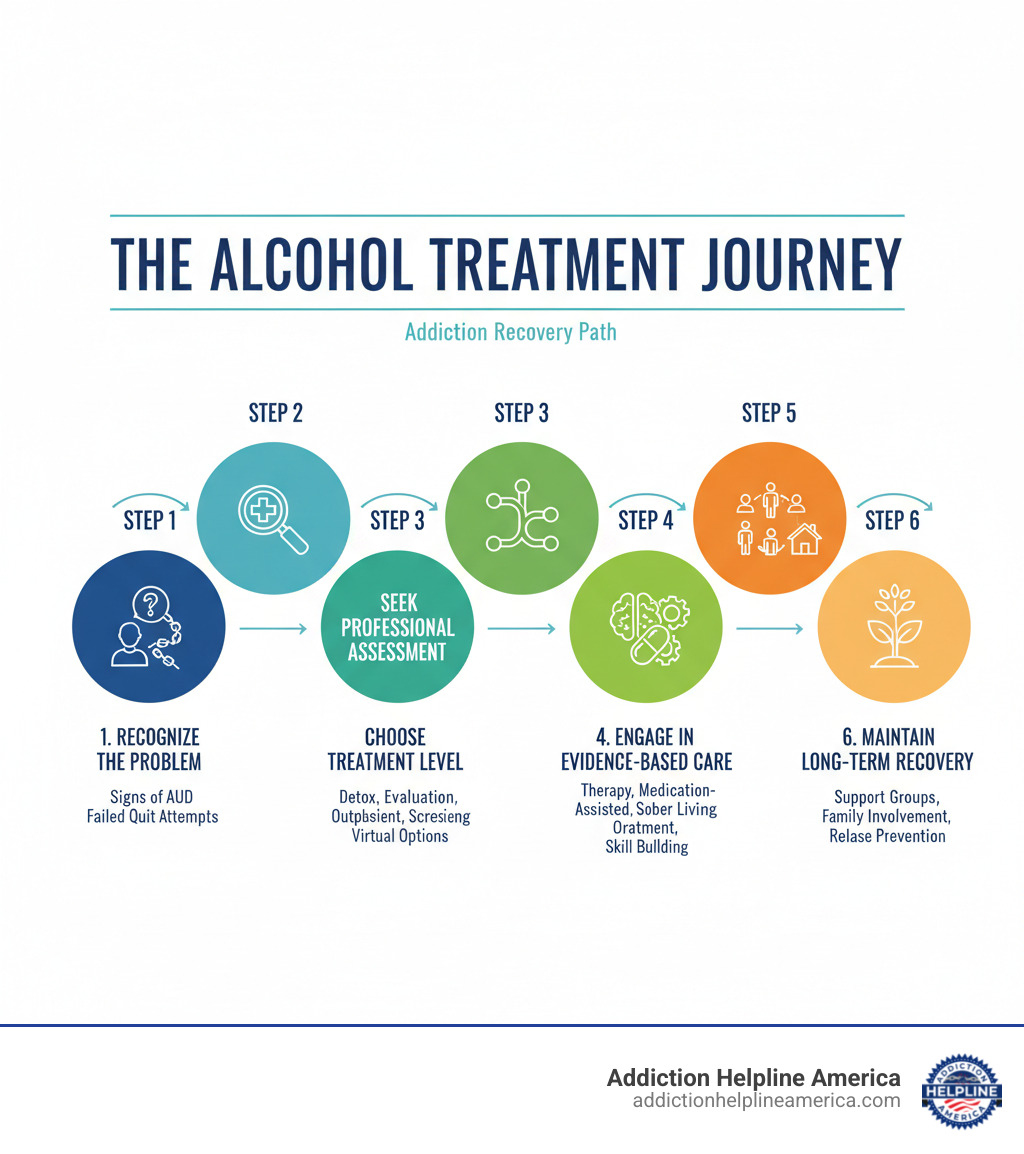
When you look into alcohol treatment centers, you’ll find that recovery isn’t a straight line. Different people need different levels of support, which is why quality centers offer a “continuum of care.” You might start with intensive support and gradually transition to more independent care as you build skills.

Let’s walk through the different program types, from most intensive to most flexible.
Medical detoxification is often the first step, especially after prolonged heavy drinking. Alcohol withdrawal can be dangerous, with symptoms like seizures or delirium tremens that can be life-threatening without medical supervision. In a detox program, healthcare professionals monitor you 24/7, managing withdrawal symptoms with medication to ensure your safety and comfort. Our Alcohol Withdrawal Symptoms Complete Guide offers more detail.
After detox, inpatient or residential treatment provides a structured, live-in environment away from daily triggers. As our Inpatient Drug Rehab Programs Guide explains, you’ll receive intensive therapy while living at the facility, typically for 30 to 90 days. This immersive setting allows you to focus entirely on recovery.
Partial Hospitalization Programs (PHPs), or “day treatment,” involve spending several hours a day at the facility for intensive therapy and medical monitoring, but you return home or to a sober living arrangement at night. This allows you to apply new skills in a real-world setting.
Intensive Outpatient Programs (IOPs) offer more flexibility, with treatment for a few hours, several days a week. IOPs are suitable for those with stable housing and work or family duties. The focus is on relapse prevention and reintegration into daily life.
Standard outpatient programs are the least intensive, usually involving weekly therapy or group meetings. This option works for those with mild AUD and a strong support system, or as a “step-down” after more intensive care. Our Alcohol Addiction Complete Guide shows how these levels work together.
Telehealth and virtual options are the newest addition. Many alcohol treatment centers now offer virtual programs accessible from your computer or smartphone. This is a valuable option if you live in a rural area, have transportation issues, or need to fit treatment around caregiving or work. Learn more in our guide on professional help including telehealth services.
A professional assessment is crucial to determine the right program for you. Factors like the severity of your AUD, co-occurring conditions, and home environment all play a role. You don’t have to figure this out alone; a qualified professional can evaluate your situation and recommend the best starting point.
Key Qualities of the Best Alcohol Treatment Centers
Knowing what separates excellent alcohol treatment centers from the rest is key. After years of connecting people with quality care, we’ve identified features that predict better outcomes. This section breaks down what to look for.
1. Official Licensing and Accreditation
Think of licensing and accreditation as a facility’s report card for safety, quality, and ethics.
State licensing is the non-negotiable minimum. It means the facility meets basic health, safety, and operational standards. For example, in Wisconsin, programs must comply with Wis. Admin. Code ch. DHS 75. A facility without a state license shouldn’t be considered.
The best alcohol treatment centers go further, pursuing accreditation from recognized healthcare organizations like The Joint Commission or CARF (Commission on Accreditation of Rehabilitation Facilities). These independent bodies conduct thorough evaluations of patient safety, treatment effectiveness, and staff qualifications. Accreditation signals a commitment to high standards and continuous improvement.
For virtual options, LegitScript certification verifies that digital providers are legitimate and compliant. Regulatory oversight isn’t red tape; it’s your protection, ensuring you receive ethical, safe, and effective care.
2. Commitment to Evidence-Based Practices
The best alcohol treatment centers build their programs around evidence-based practices—therapies backed by scientific research. We know this approach dramatically improves outcomes.
Cognitive Behavioral Therapy (CBT) is a gold standard. It helps you identify and change the thought patterns and behaviors that fuel alcohol use, equipping you with healthier coping mechanisms.
Dialectical Behavior Therapy (DBT) is particularly helpful for those with intense emotions. DBT teaches practical skills in mindfulness, emotional regulation, distress tolerance, and interpersonal effectiveness.
Medication-Assisted Treatment (MAT) is a major breakthrough in AUD care. FDA-approved medications like naltrexone, acamprosate, or disulfiram can be used with therapy to reduce cravings and prevent relapse. Quality centers accept MAT as an effective tool.
Most importantly, top facilities use individualized treatment planning. They conduct thorough assessments to understand your specific needs, history, and goals, then design a custom plan for you—not a one-size-fits-all program. Our guide What is Drug Rehab Like? explains how this personalized approach leads to real recovery.
3. Integrated Treatment for Co-Occurring Disorders
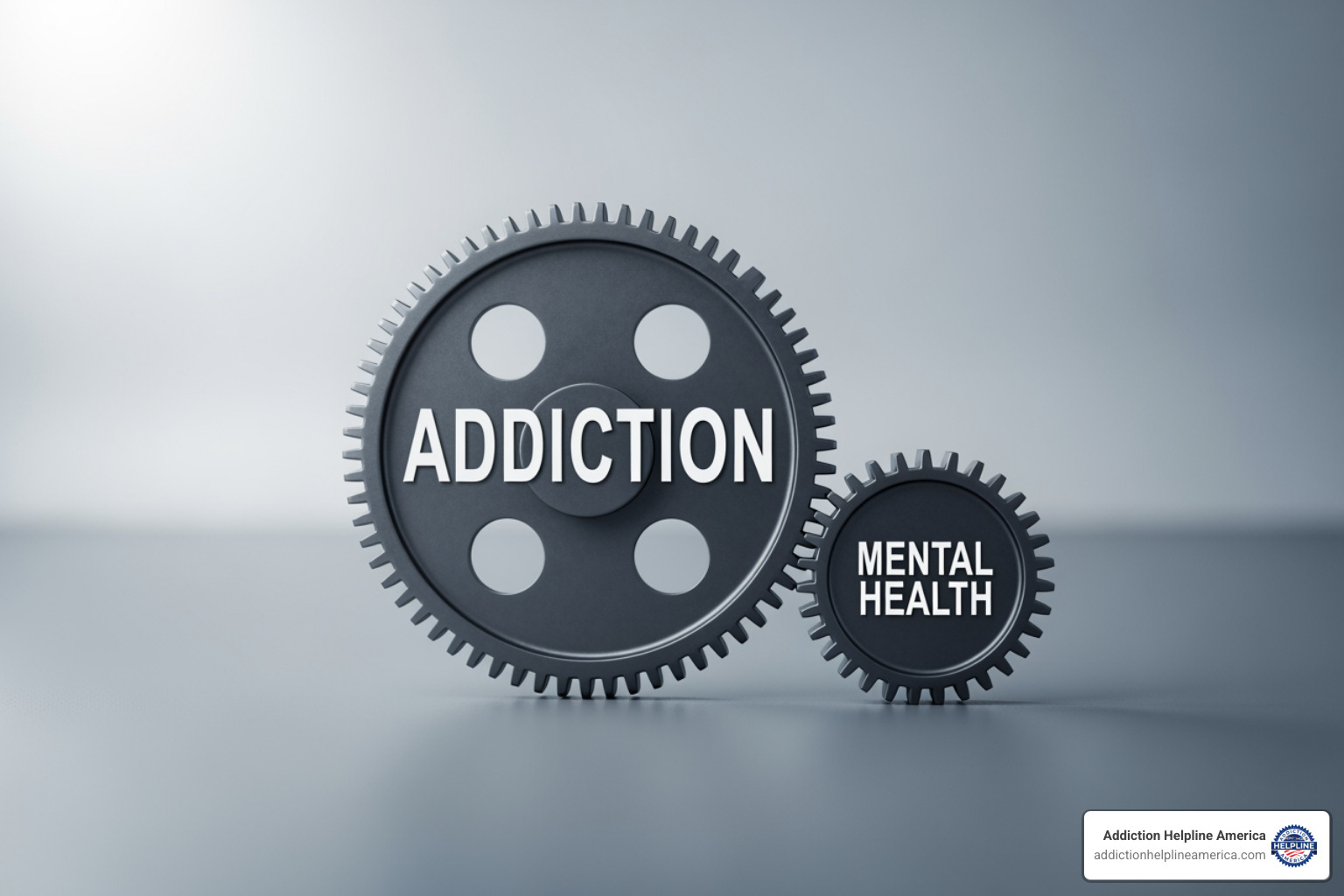
Alcohol use disorder rarely exists in isolation. According to SAMHSA, about half of people with a substance use disorder also have a serious mental illness like depression, anxiety, or PTSD. This is called a dual diagnosis or co-occurring disorders.
Treating only the alcohol use while ignoring depression, or vice versa, rarely works. The issues are interconnected. Exceptional alcohol treatment centers provide integrated treatment, addressing both the AUD and any mental health conditions simultaneously with a coordinated team.
This means treating underlying conditions and digging into the root causes of the addiction. Trauma-informed care is also vital, as many people with AUD have experienced significant trauma. This approach creates a safe environment and helps heal past wounds that may drive substance use.
For anyone with both addiction and mental health challenges, finding a Treatment Options: Dual Diagnosis Treatment Facility is essential. Integrated care treats the whole person, making recovery not just possible, but sustainable.
Navigating the Practical Side of Rehab
Choosing a treatment center involves practical considerations like payment and post-program support. These logistics are just as important as the therapy itself.
Understanding Costs and Payment Options for Alcohol Treatment Centers
The cost of treatment can feel daunting, but it should never be a barrier to getting help. Alcohol treatment centers vary in price, but many options are available.
Insurance verification is the best place to start. Most reputable centers work with private health insurance, and many facilities we partner with are covered by most plans. We can help you verify your policy’s coverage for alcohol treatment.
If you don’t have insurance, private pay options are available, often with payment plans or financing to make treatment more manageable.
For those who qualify, Medicaid and state-funded programs provide access to quality care. Many states have programs for people who meet certain income requirements. Our guide on Rehab Centers That Accept Medicaid can point you in the right direction.
Free or low-cost options are also available through various non-profit and community organizations. For more information, check out our Free AddictionSupport Complete Guide. The most expensive option isn’t always the best. What matters is finding an accessible program that fits your needs.
The Importance of Aftercare and Family Support

Completing a program is a huge accomplishment, but recovery is a lifelong journey. The best alcohol treatment centers emphasize aftercare planning and ongoing support.
Before you leave, you’ll create a personal relapse prevention plan. This plan helps you identify triggers, develop coping strategies, and establish a reliable support network.
Many centers offer alumni programs to keep you connected to a supportive community, providing encouragement and a sense of belonging.
Sober living arrangements offer a middle ground between residential treatment and returning home. They provide a supportive, substance-free environment where you can practice new skills with peers in recovery.
Family therapy and support are also crucial. Addiction impacts the entire family, and quality centers offer therapy and educational programs for loved ones. Family involvement heals relationships and creates a stable environment for recovery.
Ongoing support is what helps people stay sober long-term. Our guide on Aftercare and Relapse Prevention details how to make these components work for you.
Taking the First Step Towards Recovery
The moment you realize alcohol has taken control can feel overwhelming. But here’s the truth: recognizing the problem is the hardest part, and you’ve already started. That awareness is the foundation for everything else. We’ve walked with thousands of people at this crossroads; the fear and uncertainty are normal, and you can move through them.
Signs It’s Time to Seek Help from Alcohol Treatment Centers
Sometimes the signs are obvious, like a DUI or a health crisis. Other times, they’re quieter.
- Changes in behavior: You may become more irritable, secretive, or withdrawn. Friends and family may notice mood swings or a personality shift.
- Erosion of responsibility: Work performance slips, bills pile up, and promises to family are broken. Reliability starts to crumble.
- Physical distress signals: Chronic alcohol use takes a physical toll, causing liver problems, digestive issues, or frequent illness. If stopping causes shaking, sweating, or anxiety, that’s physical dependence. Our Alcohol Withdrawal Symptoms Complete Guide explains why medical supervision is critical.
- Failed attempts to quit: You’ve tried to cut back or stop, but you always end up back where you started. You need more alcohol to get the same effect and keep drinking despite the negative consequences. That isn’t a moral failing; it’s addiction, and it’s what alcohol treatment centers are designed to address.
If this sounds familiar, our Self-Test can offer clarity on what level of care might be right for you.
How to Access Treatment and Helplines

Once you decide to get help, the next question is, “What do I do now?” Accessing treatment is more straightforward than you might think, and people are ready to help right now.
The first step is a simple phone call. Our team at Addiction Helpline America offers completely free and confidential guidance through our addiction and rehab hotlines. We are not here to judge you. We’re here to listen, understand your situation, and connect you with the right alcohol treatment centers from our nationwide network. There is no cost and no obligation—just real help when you need it most.
Many facilities also offer virtual assessments, allowing you to speak with a treatment professional from home. These consultations help determine the best type of care for your situation, making the first step less intimidating.
Family members and loved ones can also reach out on behalf of someone they’re worried about. You can gather information and offer non-judgmental support. Knowing someone cares enough to make a call can make all the difference. The hardest part is making that first call. After that, our team will guide you the rest of the way.
Frequently Asked Questions about Alcohol Treatment
When considering alcohol treatment centers, questions naturally arise. Here are answers to some of the most common ones.
What is the difference between inpatient and outpatient rehab?
The main difference is where you stay during treatment.
Inpatient or residential rehab means you live at the facility 24/7, receiving constant care in a structured, trigger-free environment. It’s best for those with severe AUD, co-occurring mental health conditions, or an unstable home life.
Outpatient rehab allows you to live at home while attending scheduled therapy sessions. It offers more flexibility, making it suitable for people with milder AUD, strong home support, or work and family duties.
The right choice depends on your specific needs, the severity of your alcohol use, and your support system.
How long does alcohol rehab last?
There is no single answer, as treatment length is based on individual needs and progress.
Common program lengths are 30, 60, or 90 days. Longer programs give more time to address underlying issues and build lasting habits. Some individuals benefit from long-term residential programs that can last six months or more, which are helpful for those with long-standing addiction or multiple relapses.
Completing a program is just the beginning. Many people continue with outpatient therapy and aftercare for months or years. Recovery is an ongoing journey.
Is my treatment confidential?
Yes, absolutely. Your privacy is legally protected.
Reputable alcohol treatment centers are bound by HIPAA (the Health Insurance Portability and Accountability Act), federal laws that strictly protect your medical information. The center cannot share any details about your care without your written permission.
An even stricter federal regulation, 42 CFR Part 2, provides extra confidentiality for substance use treatment records. This means your employer, family, or anyone else cannot access your information without your explicit consent.
When you call helplines like ours at Addiction Helpline America, those conversations are also confidential. You can speak freely, knowing your privacy is our priority.
Conclusion
Your journey to finding the right alcohol treatment center is deeply personal, and we understand it often comes with worry, uncertainty, and countless questions. But here’s what we’ve learned from helping thousands of individuals and families: with the right information and compassionate support, this challenging path can lead to genuine healing and a life beyond alcohol’s grip.
Throughout this guide, we’ve walked through the landscape of treatment options together—from intensive residential programs that provide round-the-clock care to flexible telehealth services that meet you where you are. We’ve examined what truly separates exceptional alcohol treatment centers from the rest: official licensing and accreditation that demonstrates accountability, evidence-based practices grounded in decades of research, and integrated care that addresses both addiction and mental health as the interconnected challenges they are.
We’ve also tackled the practical realities—understanding costs, exploring payment options from insurance to state-funded programs, and recognizing that recovery doesn’t end when treatment does. The aftercare support and family involvement we discussed aren’t just nice additions; they’re often what makes the difference between temporary sobriety and lasting change.
Perhaps most importantly, we’ve helped you recognize the signs that it’s time to seek help and shown you that accessing support is simpler than you might think. These signs aren’t judgments—they’re invitations to start healing.
At Addiction Helpline America, we’ve built our entire mission around one belief: no one should face this alone. Our team of specialists understands the urgency you feel and the confusion that comes with sorting through treatment options. We’re here to listen without judgment, answer your questions honestly, and connect you with a program that truly fits your unique situation and needs.
Recovery is possible. It happens every single day, for people from all walks of life. Your story can be one of them.
Find the right program for your needs today