
Finding Your Path: An Introduction to Alcohol Detox in Texas
Finding effective alcohol detox in Texas is a critical first step toward recovery. If you or a loved one needs immediate help, consider these key pathways:
- Contact a local Outreach, Screening, Assessment, Referral (OSAR) provider: These state-funded services can guide you to appropriate treatment options in Texas.
- Reach out to a private medical detox facility: Many centers offer rapid admission and comprehensive, medically supervised care.
- Inquire about state-funded programs: These are available for eligible Texas residents who meet specific financial and residency criteria.
- Call a national or state-specific helpline: They can connect you to vital resources and facilities that fit your needs.
Substance use disorders affect millions. In 2022, of the 54.6 million Americans needing substance use treatment, only 13.1 million received it. This gap highlights the urgent need for accessible care.
For those with alcohol use disorder, medically supervised detox is the safest first step. It manages severe withdrawal symptoms, which can be dangerous or fatal without professional oversight. This guide explains the alcohol detox options available across the Lone Star State.
As Addiction Helpline America, we understand the complexities of alcohol detox in Texas. Our mission is to provide compassionate, confidential support and guidance, connecting individuals and families with vital resources and effective treatment options across the state.
Related content about alcohol detox in Texas:
- alcoholism treatment centers
- how much do alcohol treatment centers cost
- san antonio alcohol treatment centers
Understanding Alcohol Detox and Its Importance
When someone stops drinking after prolonged, heavy use, their body enters a period of adjustment. Alcohol detox in Texas—also known as withdrawal management—is the medically supervised process of safely removing alcohol from the body while managing the resulting physical and psychological symptoms. It is the essential foundation for lasting recovery.
Quitting alcohol “cold turkey” without medical supervision can be dangerous and even life-threatening. When a person develops a physical dependence, their central nervous system adapts to the presence of alcohol. When it’s suddenly removed, the body can go into overdrive, triggering a cascade of symptoms ranging from uncomfortable to critical.
This isn’t about willpower; it’s about medical necessity. Severe alcohol withdrawal can lead to seizures, dangerous spikes in blood pressure, hallucinations, and in serious cases, death. That’s why professional, medically supervised detox is often a requirement for safe recovery. In Texas, access to safe alcohol detox in Texas facilities saves lives and opens the door to lasting recovery.

Managing Withdrawal During Alcohol Detox in Texas
Alcohol withdrawal syndrome (AWS) occurs when someone who has been drinking heavily suddenly reduces or stops their intake. In the early stages, symptoms can include tremors, anxiety, nausea, headaches, and sweating. Sleep becomes difficult, and heart rate and blood pressure often climb. For some, the situation can escalate dramatically.
The most severe form of withdrawal is delirium tremens (DTs). This life-threatening condition typically emerges 48 to 72 hours after the last drink and involves profound confusion, high fever, severe hallucinations, and cardiovascular instability. Without immediate medical intervention, DTs can be fatal. This is why 24/7 medical monitoring during alcohol detox in Texas is crucial.
Medical professionals manage these symptoms through medication-assisted treatment (MAT). Benzodiazepines are commonly used to calm the nervous system and prevent seizures. Other medications for nausea and blood pressure, along with hydration support, are provided as needed. The goal is to make detox as safe and comfortable as possible while preparing you for the next phase of recovery.
The Typical Detox Timeline
The length of detox varies but typically lasts between 3 and 10 days. Your experience will depend on factors like your drinking history, physical health, and any co-occurring conditions.
- Stage 1 (6-12 hours): Early symptoms like anxiety, headaches, nausea, and tremors may appear as your body adjusts to the absence of alcohol.
- Stage 2 (12-48 hours): Symptoms often intensify. Heart rate, blood pressure, and body temperature may rise. The risk of seizures is highest during this stage, making medical supervision critical.
- Stage 3 (48-72+ hours): This is often the peak of withdrawal, where the most severe symptoms, including hallucinations and delirium tremens (DTs), are most likely. Symptoms usually begin to improve after 72 hours, though milder effects can linger.
A longer history of heavy drinking typically means a more intense detox. Quality alcohol detox in Texas facilities provide an individualized approach, tailoring care to your specific needs.
Navigating the Options for Alcohol Detox in Texas
Finding the right alcohol detox in Texas is a major step. Texas offers a wide range of care options, or a “continuum of care,” with different levels of support to fit various needs.
From 24/7 care to flexible outpatient choices, the best setting depends on the severity of your alcohol dependence, your health, and your life situation. Our goal is to help you understand these choices so you can make an informed decision.

Medically-Supervised Inpatient Detox
For moderate to severe alcohol dependence, medically-supervised inpatient detox is the safest and most effective start. These residential centers are a safe haven, offering 24/7 medical care and monitoring to manage withdrawal symptoms safely and comfortably. In this structured, supportive environment, you are free from daily stresses and triggers.
Inpatient detox centers provide:
- Constant Medical Supervision: Doctors and nurses are on-site day and night to administer medications, monitor vital signs, and handle any issues.
- A Structured Environment: A calm, predictable routine helps you stabilize and begin the emotional work of recovery.
- High Level of Support: You’ll have access to counselors, therapists, and peer support to prepare you for the next steps in your journey.
This level of care is ideal for anyone at high risk for severe withdrawal, those with co-occurring mental health conditions, or individuals who have been unsuccessful with other detox attempts. To learn more about finding the right fit, explore our resources on Detox Programs Near Me.
Outpatient Detox Programs
If your alcohol dependence is mild to moderate and you have a low risk of severe withdrawal, outpatient detox programs offer a flexible approach. You can live at home while attending regular medical check-ins at a clinic.
Key benefits of outpatient detox include:
- Flexibility: You can maintain daily responsibilities like work or family commitments.
- Regular Medical Monitoring: Scheduled visits ensure medical professionals can monitor your progress and adjust your treatment.
- Cost-Effectiveness: Outpatient programs are often more affordable than inpatient stays.
However, outpatient detox requires a strong support system and a safe, trigger-free home environment. Texas Health and Human Services refers to these as “ambulatory” withdrawal management services.
Specialized Detox Programs
Recovery isn’t a “one-size-fits-all” journey. Many alcohol detox in Texas facilities offer specialized programs to meet unique challenges and provide targeted support for a more effective recovery experience.
You might find specialized programs for:
- Veterans: Many facilities and VA centers in Texas offer services for veterans, often integrating mental health treatment for conditions like PTSD.
- Pregnant Women: State-funded programs often prioritize pregnant women to protect both mother and baby. Some facilities also offer special behavioral health treatment for mothers.
- LGBTQ+ Affirming Care: Some centers create affirming environments and therapies for LGBTQ+ individuals, providing a safe space for detox and recovery.
- Executive Detox/Impaired Professionals: These programs are for professionals who need discretion and specialized support to maintain their careers while getting treatment.
- Specialized Support for Mothers: Beyond programs for pregnant women, some offer dedicated support for mothers, addressing the unique challenges of balancing recovery with parenting.
These specialized options ensure you receive care that is not just medically sound, but also respectful of your personal circumstances. For more information on these custom detox options, take a look at our guide on Detox Programs in Texas.
Paying for Detox: Costs, Insurance, and Accessible Options
The cost of alcohol detox in Texas is a common concern, but it’s an investment in your health and future. Thankfully, many options are available to make treatment accessible.
The exact cost varies depending on the type of facility, level of care, length of stay, and amenities. This table provides a general comparison:
| Type of Program | Average Cost (Texas)* | Key Features |
|---|---|---|
| Medically Supervised Inpatient | $10,000 – $60,000+ | 24/7 medical care, structured environment, residential stay, high staff-to-patient ratio, advanced therapies, amenities. Ideal for severe AUD or co-occurring disorders. |
| Outpatient Detox | $1,000 – $5,000+ | Live at home, regular clinic visits, medical check-ins, medication management. Suitable for mild to moderate AUD with strong home support. |
| State-Funded/Low-Cost | Free to Low Cost | Basic medical supervision, counseling, referrals. Eligibility based on income, residency, lack of insurance. May have waiting lists. Crucial for those with financial barriers. |
| Luxury/Executive Inpatient | $30,000 – $100,000+ | High-end amenities, private rooms, gourmet meals, specialized therapies (e.g., equine, spa services), greater privacy. |
| Note: These are estimates and actual costs can vary significantly. The average cost of addiction treatment in Texas is about $56,623, which is slightly lower than the national average. This figure often includes more than just detox, encompassing full rehabilitation programs. |
Using Insurance, Medicaid, and Medicare
Insurance is a powerful tool for making treatment affordable. Thanks to the Affordable Care Act (ACA) and Mental Health Parity laws, most health insurance plans cover substance use disorder treatment, including detox, at the same level as other medical care.
We recommend letting the detox facility’s admissions team help you. They are experts at verifying your coverage and can explain your plan’s details, including deductibles, co-pays, and out-of-pocket maximums. Choosing an in-network provider usually means lower costs, but even out-of-network facilities may be partially covered. Over 60% of Texas rehabs accept private insurance, so you have plenty of options.
For eligible Texans, Medicaid and Medicare can significantly reduce or eliminate the cost of alcohol detox in Texas. More than half of Texas rehab facilities accept Medicaid, and many accept Medicare. Eligibility depends on factors like income, age, or disability status. To dive deeper into understanding these costs, check out our Alcohol Rehab Cost Complete Guide.
Accessible and Low-Cost Detox Options in Texas
If you lack private insurance or have limited financial resources, help is still available. Texas offers crucial low-cost detox options through state-funded programs, which are a lifeline for many.
To qualify for state-funded alcohol detox in Texas, you’ll typically need to show Texas residency, provide income verification to demonstrate financial need, and show that you lack insurance or are underinsured. These programs are designed for individuals who cannot afford private treatment.
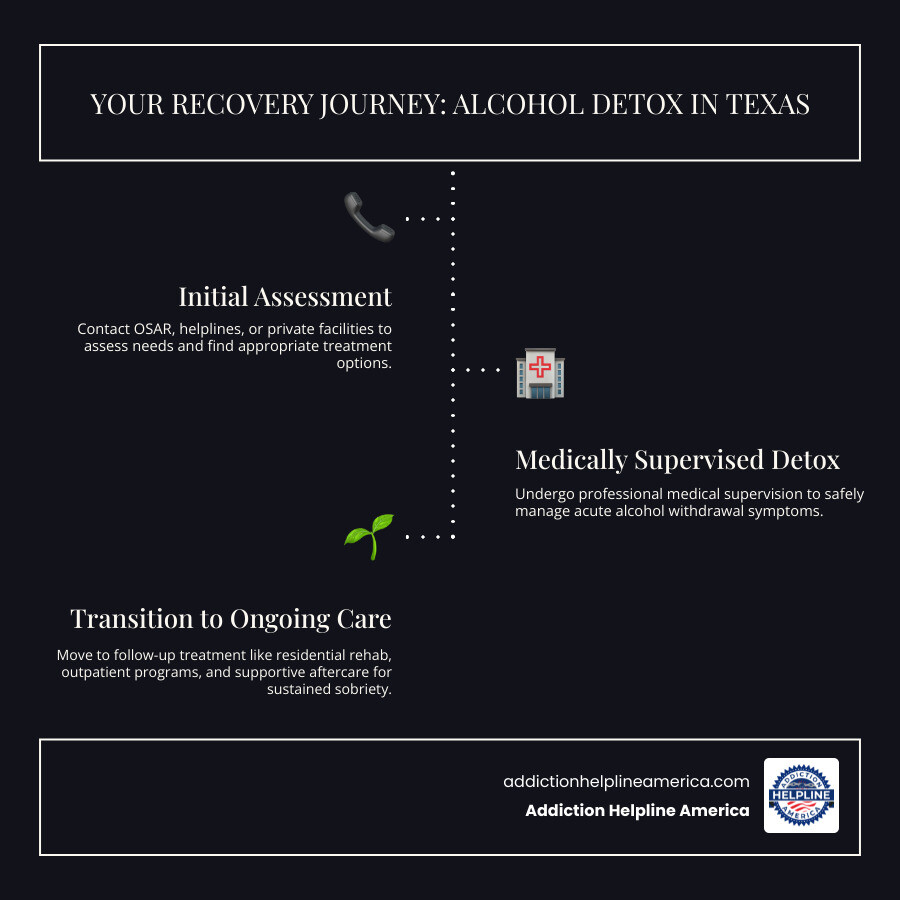
A fantastic resource for finding these options is the Outreach, Screening, Assessment, and Referral (OSAR) service. OSAR providers are state-designated contacts who can assess your needs and connect you with appropriate state-funded programs. They offer free, confidential screenings and referrals to get you started.
Beyond state-funded programs, some facilities offer sliding-scale fees based on income or provide free treatment through grants. These options may have waiting lists, so reaching out as soon as possible is a good idea. To find accessible programs and OSAR providers in your area, use this helpful resource: Find Accessible Substance Use Programs in Texas.
How to Choose the Right Treatment Center
Choosing the right alcohol detox in Texas facility is a deeply personal and important decision. With many options available, it’s easy to feel overwhelmed. Knowing what questions to ask and what factors to prioritize will help you find a place where you feel safe, supported, and confident in the care you’ll receive.
What to Look for in an Alcohol Detox in Texas
When searching for a detox center, use these points as a checklist to find a high-quality program that fits your needs.
First, check for Accreditation. This is a seal of approval from trusted organizations like The Joint Commission or CARF (Commission on Accreditation of Rehabilitation Facilities). Accreditation means a center meets high standards for patient care and safety. For example, a top-tier facility may hold The Joint Commission’s Gold Seal of Approval.
Next, ensure the facility has proper Licensing. This means the State of Texas has authorized it to offer detox and addiction treatment, ensuring it meets all state regulations for safety and operation.
Then, consider the Staff Credentials. You want a skilled and compassionate team. Ask about the doctors, nurses, and therapists, looking for professionals who specialize in addiction. Look for facilities with a medical team on-site 24/7.
It’s also important that they use Evidence-Based Practices. This means their treatments are proven to work through scientific research. Ask about the therapies they use, such as medication-assisted treatment (MAT), cognitive-behavioral therapy (CBT), and individual or group counseling.
Finally, look for Individualized Treatment Plans. Your journey is unique, and your recovery plan should be too. A good detox center will get to know you, understand your history, and create a plan just for you, allowing you to detox at your own pace.
Finding Local Texas Detox Centers
For many, a detox center’s location can make a big difference. Being close to a support system of family and friends can be incredibly helpful. Texas is a large state with excellent options, especially around its major cities.
You’ll find a high number of quality alcohol detox in Texas facilities in places like:
- Austin: This vibrant city offers many different detox and rehab options.
- Dallas: As a major hub, Dallas and the surrounding DFW area have a wide variety of treatment choices.
- Houston: Known for its large medical centers, Houston is home to numerous facilities providing medically managed detox services.
- San Antonio: This historic city also provides many choices for alcohol detox and recovery.
While big cities offer many choices, smaller towns across Texas also have reputable centers. We have resources to help you explore different locations. You can find more information about Texas treatment options and even specific Detox Centers in Austin TX. Consider what location feels right for your recovery journey—whether that means staying close to home or finding a new environment to focus on healing.
Life After Detox: The Next Steps in Recovery
Completing alcohol detox in Texas is a courageous achievement that marks the beginning of a new chapter. It’s a milestone to celebrate, but it’s important to understand that detox only addresses the physical dependence on alcohol. Lasting recovery involves building a solid foundation for sobriety and developing skills to steer life’s challenges without alcohol.
Think of detox as opening the door to recovery. The next step is walking through that door and learning to thrive.
Transitioning to Further Treatment
The transition from detox to ongoing treatment is where the deeper work of recovery begins. While your body is clear of alcohol, the psychological and behavioral patterns that contributed to the disorder still need attention. Continuing care after detox is essential for long-term success.
Texas offers a full spectrum of treatment options. Inpatient or residential rehab programs provide a safe, structured environment where you can focus entirely on healing, typically for 30 to 60 days. These immersive programs surround you with support, free from the triggers of daily life.
As you progress, Partial Hospitalization Programs (PHP) offer intensive daytime treatment while allowing you to return home in the evenings. For those balancing work or family, Intensive Outpatient Programs (IOP) provide several hours of therapy each week on a flexible schedule. Some facilities may even offer a complimentary visit to their outpatient programs following detox, demonstrating how they plan for your continued success from day one.
Your detox team will work with you to create a personalized aftercare plan, connecting you to the right level of care. To explore the full range of treatment options, visit our Alcohol Rehab Centers Guide.
Building a Sober Support System
Recovery doesn’t happen in isolation. A strong support system is one of the most powerful predictors of long-term sobriety. After detox, you’ll build new habits and relationships that reinforce your commitment to an alcohol-free life.
Aftercare planning creates your roadmap for the future, including therapy, support groups, and relapse prevention techniques. Individual therapy provides a confidential space to work through underlying issues like trauma or anxiety.
Support groups like Alcoholics Anonymous (AA) or SMART Recovery offer a powerful connection with others who understand your journey. These meetings provide accountability, shared wisdom, and a reminder that you are not alone. Many facilities incorporate these groups into their programs.
For some, sober living homes serve as an important bridge between intensive treatment and independent living. These structured, substance-free residences provide a supportive community where you can practice new skills while reintegrating into everyday life.
Building your support network is an ongoing process. Each healthy connection strengthens your foundation. For more information about supportive living environments, explore our guide to Sober Living in Texas.
Seeking help after alcohol detox in Texas is a commitment to your future. At Addiction Helpline America, we’re here to help you steer every step of this journey.
Frequently Asked Questions about Alcohol Detox in Texas
It’s natural to have questions when considering alcohol detox in Texas. We’re here to provide clear answers to some of the most common inquiries.
How much does alcohol detox in Texas cost?
The cost of alcohol detox in Texas varies based on the program type, length of stay, and services offered. Inpatient programs can range from $10,000 to $60,000+, while outpatient is typically $1,000 to $5,000. However, insurance—including private plans, Medicaid, and Medicare—can significantly lower your out-of-pocket expenses. State-funded and low-cost options are also available for eligible residents.
Can I detox from alcohol at home?
Attempting to detox from alcohol at home is extremely dangerous and not recommended, especially for moderate to severe dependence. Sudden alcohol cessation can cause severe withdrawal symptoms, including seizures and delirium tremens (DTs), which can be fatal without medical care.
Professional medical supervision is essential. Doctors and nurses monitor your vital signs and administer medications to manage symptoms and prevent serious complications. Your safety is paramount, so always consult a healthcare professional to determine the safest detox setting for your situation.
What should I bring to a detox facility?
When preparing for alcohol detox in Texas, pack light and smart. Most facilities have specific guidelines, but here is a general list of what to bring and what to leave at home.
Essential Items to Bring:
- Comfortable Clothing: Loose-fitting clothes, pajamas, and comfortable shoes. Layers are a good idea.
- Identification and Documents: Your driver’s license or ID, insurance card, and any relevant medical records.
- List of Medications: A detailed list of all current prescription and over-the-counter medications, including dosages. The facility’s medical staff will manage these for you.
- Personal Hygiene Items: Basic, alcohol-free toiletries like shampoo, soap, and a toothbrush.
- Reading Materials: Books or a journal can be a healthy distraction.
- Small Amount of Cash: A small amount for a vending machine may be useful, but check with the facility.
Items to Leave at Home:
- Alcohol or Illicit Substances: This includes any products containing alcohol.
- Weapons or Sharp Objects: These are strictly prohibited for safety.
- Valuables: Leave expensive jewelry or large amounts of cash at home.
- Unapproved Electronics: Many facilities restrict cell phones or laptops to help you focus on recovery. Check their policy beforehand.
- Food or Beverages: All meals and refreshments will be provided.
Always check with your chosen detox facility for their specific packing list to ensure you arrive prepared and ready to focus on healing.
Your Path to Recovery Starts Today
Taking that first step toward a new beginning can feel like climbing a mountain, especially when it comes to finding effective alcohol detox in Texas. We understand it’s a huge decision, and we hope this guide has helped clear some of the fog. You’ve learned why medical detox is so crucial, explored the different types of programs available, and finded how to steer the financial side of treatment. We’ve also talked about what makes a quality treatment center stand out.
Detox isn’t the finish line; it’s the powerful launchpad. It safely clears your body, managing those tough withdrawal symptoms, and sets the stage for everything that comes next. It truly lays the essential groundwork for a lasting recovery, built on continued treatment and a strong, supportive community.
At Addiction Helpline America, we truly believe that hope for recovery is always within reach for everyone. Our purpose is to be your trusted guide, offering free, confidential, and truly personalized support. We’re here to connect you or your loved one with just the right recovery program from our extensive network of trusted treatment centers right here in Texas and across the nation.
Don’t let fear or uncertainty keep you from the healthier, happier life you deserve. You’ve taken the time to read this, which shows you’re ready. Now, take that brave first step.
Find the right recovery program for you