
Taking the First Step Towards a New Life
Addiction rehab is professional treatment designed to help individuals stop compulsive substance use and rebuild their lives through a combination of medical care, therapy, and support services. Here’s what you need to know:
Quick Guide to Addiction Rehab:
- What it treats: Alcohol, opioids, stimulants, prescription drugs, and other substance dependencies
- Main types: Inpatient (residential 24/7 care) and Outpatient (treatment while living at home)
- Core services: Medical detox, individual therapy, group counseling, family support, aftercare planning
- Duration: Ranges from 30 days to 90+ days; longer treatment improves outcomes
- Cost options: Insurance coverage, Medicaid, sliding scale fees, state-funded programs, and free resources
If you or someone you love is struggling with addiction, you’ve already taken the most courageous step by seeking information. Addiction is a treatable chronic disorder, not a moral failing. Like diabetes or heart disease, it requires ongoing management—but recovery is absolutely possible.
The journey to recovery can feel overwhelming. You might be wondering where to start, what type of treatment is right, or how to afford help. This guide will walk you through the landscape of addiction rehab options, from understanding different program types to choosing the right center for your unique needs.
Professional treatment works. Research shows that people who complete addiction rehab programs significantly reduce their substance use, improve their relationships, and regain control of their lives. Every dollar invested in treatment returns $4 to $7 in reduced crime and healthcare costs—but more importantly, treatment restores hope and rebuilds futures.
At Addiction Helpline America, we’ve dedicated our work to connecting individuals and families with the resources they need to overcome addiction. Our team of addiction specialists and recovery advocates provides free, confidential guidance 24/7 to help you steer addiction rehab options and find the right path forward.
Understanding the Landscape of Addiction Rehab Programs

When we talk about addiction rehab, we’re referring to a broad spectrum of services and approaches designed to help individuals overcome substance use disorders. Just as every person is unique, so too is their path to recovery. There’s no one-size-fits-all solution, and understanding the diverse landscape of available programs is crucial for finding the right fit. Research from the National Institute on Drug Abuse (NIDA) consistently shows that effective treatment matches the setting, interventions, and services to an individual’s particular problems and needs.
Inpatient vs. Outpatient: Finding the Right Level of Care
One of the first distinctions you’ll encounter is between inpatient and outpatient addiction rehab programs. These represent different levels of care, each suited to varying degrees of addiction severity, support needs, and personal circumstances.
Inpatient (Residential) Treatment:
This option provides 24/7 care in a structured, supportive environment. For those with severe addiction, co-occurring mental health disorders, or a history of relapse, inpatient rehab offers the highest level of supervision and support. Patients live at the facility, allowing them to focus entirely on their recovery, free from external triggers and distractions. This intensive setting often includes round-the-clock medical supervision, which is particularly vital during the initial detoxification phase. Programs can range from 30 days to 90 days or even longer, with research indicating that most individuals benefit from at least three months of treatment to significantly reduce or stop drug use. You can learn more about this intensive option by visiting our guide on Inpatient Drug Rehab Centers Near Me. For those considering a shorter, focused stay, our information on 30 Days Rehab might be helpful.
Outpatient Programs:
Outpatient addiction rehab allows individuals to receive treatment services while continuing to live at home and manage their daily responsibilities, such as work, school, or family care. This flexibility is a significant benefit for many. Outpatient programs vary in intensity:
- Partial Hospitalization Programs (PHP): Often referred to as “day treatment,” PHPs are a step down from residential care. They typically involve about six hours of programming per day, five days a week. Clients attend therapy and educational sessions during the day and return home or to a sober living residence in the evenings.
- Intensive Outpatient Programs (IOP): IOPs offer a more flexible schedule, usually around nine hours of treatment per week, spread over three days. This allows individuals to maintain a significant portion of their daily routine while still receiving substantial support and therapy.
- Standard Outpatient Programs: These are the least intensive, requiring only a few hours of treatment per week. They are often suitable for individuals with milder addictions, those transitioning from more intensive programs, or those needing ongoing support to maintain sobriety.
For individuals with a strong support system at home and a substance-free living environment, outpatient programs can be highly effective.
Specialized Programs for Unique Needs
The journey to recovery is deeply personal, and many individuals benefit from programs custom to their specific circumstances.
- Co-occurring Disorders (Dual Diagnosis): It’s common for individuals struggling with addiction to also have co-occurring mental health disorders, such as anxiety, depression, bipolar disorder, or PTSD. In fact, as many as 6 in 10 people with a substance use disorder also suffer from another mental illness. Integrated treatment, where both conditions are addressed simultaneously, is generally the most effective approach. Our guide on Mental Health Costa Mesa Guide provides further insight into facilities that address mental health alongside substance use.
- Gender-Specific Rehab: These programs cater to the unique biological, social, and environmental factors that can influence addiction and recovery in men and women. For example, women often have higher rates of trauma and PTSD, and may face different challenges related to financial independence, pregnancy, and childcare. Gender-specific programs create a safe space to address these issues.
- Adolescent Treatment: Adolescents have distinct needs due to their immature neurocognitive and psychosocial development. Treatment programs for young people must be custom to their specific developmental stage, often involving family members, and integrating school and peer systems. Behavioral therapies like Cognitive Behavioral Therapy (CBT) and contingency management are particularly beneficial for this age group.
- Specific Substance Programs: While core treatment principles apply broadly, programs often specialize in particular substances. For example:
- Alcohol Rehab: Given that alcohol is one of the most commonly abused substances, many programs offer specialized detoxification and therapy for alcohol dependence.
- Opioid Treatment Programs (OTPs): For addictions to prescription pain relievers, heroin, or fentanyl, medication-assisted treatment (MAT) is often the first line of defense, usually combined with behavioral therapy. Medications like methadone, buprenorphine, and naltrexone are safe and effective for treating opioid addiction, reducing cravings and preventing relapse. SAMHSA provides an Opioid Treatment Program Directory to help locate specialized facilities.
- Other Drug-Specific Programs: Whether it’s cocaine, methamphetamine, or prescription drugs, specialized programs exist to address the unique withdrawal symptoms, psychological impacts, and relapse triggers associated with various substances. Our resources on Heroin Addiction Treatment: Complete Guide highlight the specific considerations for opioid recovery.
Core Services Offered in Rehab Centers
Regardless of the program type or specialization, most reputable addiction rehab centers offer a comprehensive suite of services designed to support holistic healing:
- Medical Care: This includes initial physical health assessments, ongoing medical monitoring, and medication management, particularly crucial during detoxification and for co-occurring physical health issues.
- Psychiatric Evaluation and Treatment: For individuals with co-occurring mental health disorders, a psychiatrist can provide diagnosis, medication management, and integrated treatment plans.
- Individual Therapy: This allows clients to work one-on-one with a therapist to explore the root causes of their addiction, develop personal coping strategies, and address underlying psychological issues.
- Group Counseling: A cornerstone of most rehab programs, group therapy provides a safe space for participants to share experiences, build peer support, and reduce feelings of isolation and shame.
- Family Therapy: Addiction impacts the entire family system. Family therapy educates loved ones about addiction, helps rebuild trust, improves communication, and establishes healthy boundaries, ensuring that loved ones are part of the recovery process.
- Holistic Approaches: Many centers integrate complementary therapies to support overall well-being. These can include yoga, meditation, art therapy, music therapy, and equine-assisted therapy, which harness creativity and mindfulness as outlets for expression and stress reduction.
- Nutritional Planning: Healthy, balanced meals are often provided, and clients may receive education on nutrition to support physical healing and overall well-being during and after treatment.
- Life Skills Education: Recovery involves more than just abstaining from substances. Centers often teach practical life skills, such as stress management, financial literacy, communication skills, and vocational training, to prepare individuals for a productive life in recovery.
The Journey to Recovery: What Happens Inside a Rehab Center?

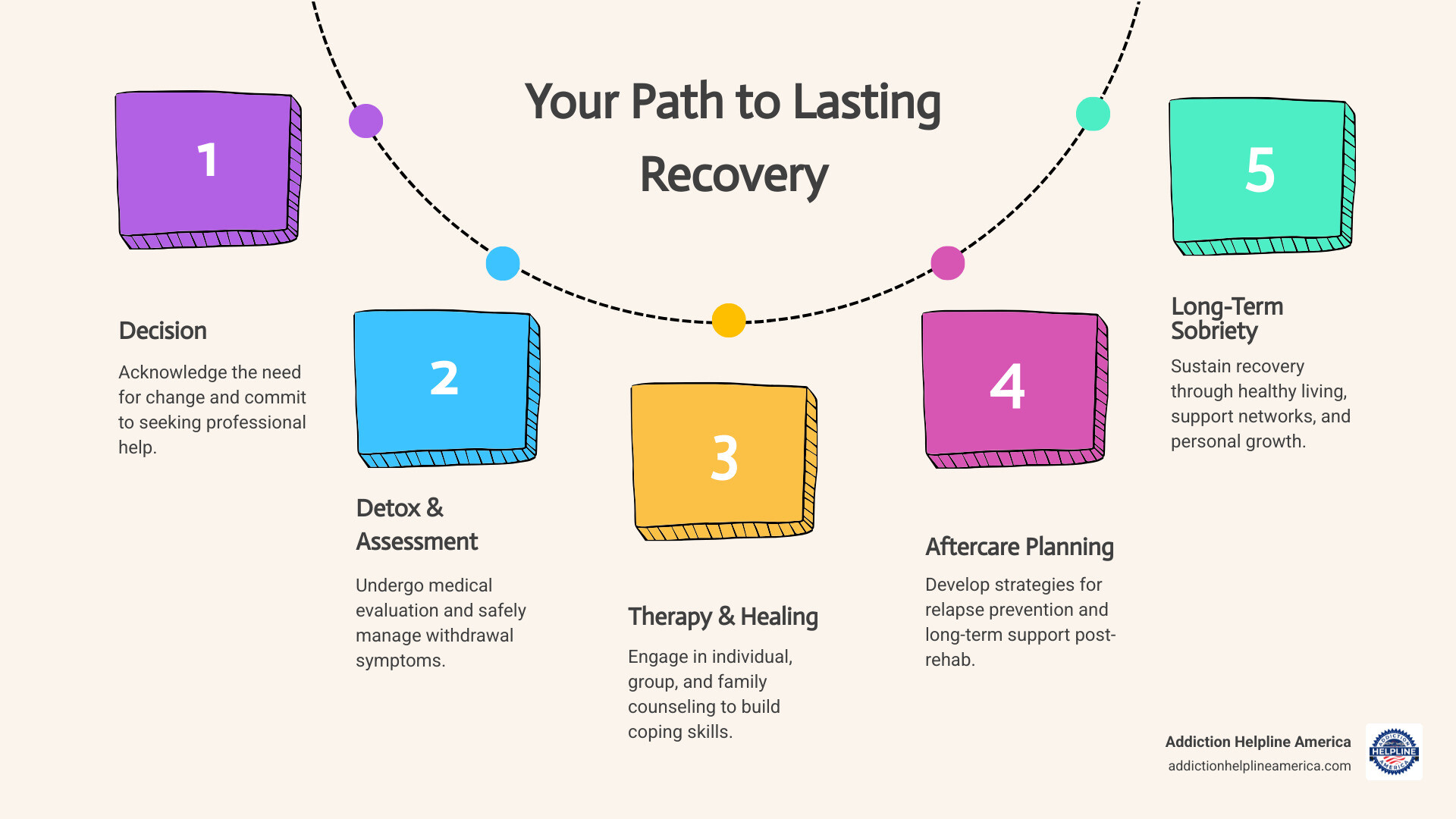
Deciding to enter addiction rehab is the first courageous step. Once you’re there, what can you expect? The journey through a rehab center is a structured path designed to guide you from active addiction to a healthier, more fulfilling life. It’s about healing, learning, and building a strong foundation for a future free from substance dependence. The Mayo Clinic emphasizes that while there’s no cure for drug addiction, effective treatment and ongoing support can help you overcome it and stay drug-free.
The First Steps: Assessment and Medically-Supervised Detox
The process typically begins with a comprehensive evaluation. This initial assessment allows the medical and clinical team to understand your unique situation, including your history of substance use, physical health, and any co-occurring mental health conditions. This thorough evaluation is crucial for developing a personalized treatment plan that addresses all your needs.
For many, the very first phase of recovery is detoxification. Detoxification, or “detox,” is the process of safely managing withdrawal symptoms as your body rids itself of substances. This can be an intense and sometimes dangerous process, which is why medically-supervised detox is highly recommended. During medical detox, healthcare professionals monitor your vital signs, administer medications to alleviate withdrawal symptoms, and ensure your comfort and safety. Common withdrawal symptoms can include nausea, vomiting, headaches, fatigue, insomnia, and irritability. Our guides on Drug Withdrawal Symptoms and Alcohol Withdrawal Symptoms: Complete Guide offer more detailed information. This initial phase is best undertaken in a specialized facility, as highlighted in our Inpatient Detox Facilities Near Me Guide. Detox alone is not sufficient for long-term recovery; it’s merely the first step, preparing you for deeper therapeutic work.
The Heart of Healing: Therapy’s Role in Addiction Rehab
Once detox is complete, or sometimes even concurrently, the focus shifts to therapy. This is where the true healing and behavioral change begin. Behavioral therapies are central to effective addiction rehab and help individuals modify their attitudes and behaviors related to drug use, increase healthy life skills, and persist with other forms of treatment.
- Individual Therapy: Here, you’ll work one-on-one with a licensed therapist to explore the underlying causes of your addiction, such as trauma, stress, or mental health issues. Therapists use various evidence-based approaches, including:
- Cognitive-Behavioral Therapy (CBT): This therapy helps you identify and change negative thought patterns and behaviors that contribute to substance use. It teaches coping mechanisms for cravings and strategies to avoid triggers.
- Dialectical Behavior Therapy (DBT): Often used for individuals with co-occurring mental health conditions, DBT focuses on teaching skills in mindfulness, emotional regulation, distress tolerance, and interpersonal effectiveness.
- Group Counseling: This vital component of rehab provides a supportive community where you can share experiences, receive feedback, and practice new coping skills with peers who understand your struggles. Group therapy helps reduce feelings of shame and isolation, fostering a sense of belonging. For more on the benefits of this approach, see our Group Therapy: Pasadena Complete Guide.
- Family Involvement: Recognizing that addiction impacts the entire family, many programs incorporate family therapy sessions. These sessions help loved ones understand addiction, improve communication, and heal strained relationships. Support for family members is crucial, and we also offer resources like How Can I Find Support for My Family Member Who Is Struggling with Addiction?.
Building a Foundation for the Future: The Importance of Aftercare
Completing an addiction rehab program is a monumental achievement, but it’s not the end of the journey. Addiction is a chronic disorder, and continued involvement in recovery significantly improves long-term outcomes. This is where aftercare planning comes in.
An effective aftercare plan is developed before you leave the treatment center and includes strategies for relapse prevention, identifying triggers, and building a strong support network. Our guide on creating a Sobriety Plan can be a valuable resource. Key components of aftercare often include:
- Sober Living Homes: These provide a structured, drug- and alcohol-free living environment that offers peer support and accountability, helping individuals gradually transition back into everyday life.
- Alumni Programs: Many rehab centers offer alumni programs that help former clients stay connected, providing ongoing support and opportunities for mentorship.
- Ongoing Support Groups: Self-help groups like Alcoholics Anonymous (AA), Narcotics Anonymous (NA), or SMART Recovery offer community-level social support, helping people achieve and maintain abstinence. These groups can complement professional treatment and help reduce shame and isolation.
- Continued Therapy: Regular individual or group therapy sessions can continue post-rehab to address new challenges, reinforce coping skills, and provide ongoing emotional support.
Research shows that newer treatments are specifically designed to help with relapse prevention, and continued involvement in recovery significantly improves long-term outcomes. For more details on maintaining sobriety after treatment, explore our Treatment Options: Post-Rehab Drug Rehab Aftercare.
Making the Right Choice: How to Find the Best Program for Your Needs
Choosing the right addiction rehab center is a crucial step towards lasting recovery. With so many options available across the country – from busy cities like New York City, Los Angeles, and Chicago, to more serene settings in states like Florida, Arizona, or California – it can feel overwhelming. But you don’t have to steer this alone. Our goal at Addiction Helpline America is to provide you with the information and support needed to make an informed decision. As NIDA’s “Principles of Drug Addiction Treatment: A Research-Based Guide” emphasizes, matching treatment settings, interventions, and services to an individual’s particular problems and needs is paramount.
Key Factors to Consider When Choosing a Center
When evaluating potential addiction rehab centers, we encourage you to consider several critical factors to ensure the program aligns with your needs or those of your loved one:
- Accreditation: Look for centers accredited by reputable organizations such as the Commission on Accreditation of Rehabilitation Facilities (CARF) or The Joint Commission. These accreditations signify that the facility meets rigorous standards for quality and excellence in recovery programs.
- Staff Qualifications: Ensure the treatment team comprises highly qualified professionals, including licensed therapists, medical doctors, psychiatrists, and addiction counselors, all in good standing with their respective state regulatory bodies.
- Treatment Philosophy: Does the center use evidence-based practices? These are methods backed by scientific research, such as CBT, DBT, and medication-assisted treatment (MAT) for opioid and alcohol addiction. Be wary of programs that promise quick fixes or rely solely on unproven methods.
- Location and Environment: While we connect individuals to centers across many states, including Alabama, Alaska, Arizona, California, Florida, Illinois, Massachusetts, Michigan, New York, and Texas, consider whether a local program (allowing easier family involvement) or a program further from home (offering a fresh start away from triggers) is more suitable. The environment of the facility itself can also play a role in comfort and healing.
- Program Duration: Research consistently shows that longer treatment durations lead to better outcomes. While 30-day programs can be a starting point, programs lasting 90 days or longer significantly improve the chances of sustained recovery. Discuss the recommended length of stay based on the individual’s needs.
Navigating the Costs of Addiction Rehab
We understand that the cost of addiction rehab can be a significant concern for many families. However, view treatment as an investment in a healthier future. The good news is that numerous options exist to make treatment accessible.
- Insurance Verification: Many private health insurance plans offer coverage for substance use disorder treatment. Our team at Addiction Helpline America can help you verify your insurance benefits to understand what your policy covers.
- Private Pay Options: For those without insurance or who prefer not to use it, many centers offer private pay options.
- Financial Assistance and Sliding Scale Fees: Some facilities provide financial assistance programs, scholarships, or sliding scale fees based on income, making treatment more affordable.
- Medicaid and State-Funded Programs: For individuals with limited financial resources, Medicaid is a critical resource that covers addiction treatment services. Additionally, many states offer publicly funded programs or grants to help residents access care. Our Medicaid Rehab Centers: The Ultimate Guide and Free Addiction Recovery Programs Guide provide comprehensive information on these options.
Addiction Helpline America is a free and confidential service, and we can help you explore these financial avenues to find a program that fits your budget.
Questions to Ask a Potential Rehab Center
When you’re ready to speak with a addiction rehab center, having a list of questions prepared can help you gather the necessary information and ensure you’re making the best choice. Here are some essential questions we recommend asking:
- “What is your primary treatment approach, and is it evidence-based?”
- “What types of individual, group, and family therapy do you offer?”
- “What are the credentials and experience of your clinical staff?”
- “Do you treat co-occurring mental health disorders, and how is that integrated into the treatment plan?”
- “What does your detoxification process entail, and is it medically supervised?”
- “What is the typical duration of your programs, and what are the expected outcomes?”
- “What does your aftercare program include to support long-term sobriety?”
- “What are the costs associated with your program, and what payment options or financial assistance do you offer?”
- “What is your policy on family involvement during treatment?”
- “How do you handle relapse prevention and what resources are available if a relapse occurs?”
Asking these questions will give you a clear picture of what a center offers and help you determine if it’s the right environment for recovery.
Your Path to Recovery Starts Now
Taking control of your life from the grip of addiction is a powerful and courageous decision. We want you to know that recovery is a journey, not a destination, and you are absolutely not alone on this path. Millions of Americans have successfully steerd addiction rehab and rebuilt fulfilling lives, and you can too.
At Addiction Helpline America, we are here to walk alongside you. Our mission is to provide free, confidential, and personalized guidance to connect you with the right recovery program from our vast network of trusted treatment centers across the United States. Whether you’re in California, New York, Texas, Florida, or any of the states we serve, we can help you find local resources and support.
Don’t let the complexities of finding help deter you. We are available 24/7 to answer your questions, ease your concerns, and guide you toward the best addiction rehab options for your unique situation.
Your path to recovery starts with a single step. Make that step today.
Call our free and confidential helpline at 844-561-0606 now.
You can also explore more about finding the right support by visiting our comprehensive guide to Find the right recovery program for you or a loved one today, or learn more about immediate assistance through our Substance Abuse Hotline: Complete Guide. We are here for you.