
Finding Hope and Healing in the Bay State
Addiction recovery Massachusetts offers a comprehensive ecosystem of care to help individuals reclaim their lives from substance use disorders. Whether seeking help for yourself or a loved one, Massachusetts provides one of the nation’s most robust support systems.
Quick Guide to Massachusetts Addiction Recovery:
- 24/7 Helplines: Massachusetts Substance Use Helpline at (800) 327-5050 provides free, confidential support
- Treatment Levels: Detox, inpatient/residential, partial hospitalization (PHP), intensive outpatient (IOP), and standard outpatient programs
- State Oversight: Bureau of Substance Addiction Services (BSAS) licenses and monitors all programs
- Specialized Care: Programs for youth, co-occurring disorders, pregnant individuals, and specific populations
- Payment Options: Insurance coverage (required by law), Medicaid, Medicare, sliding scale fees, and state-funded programs
- Evidence-Based Approaches: CBT, DBT, Medication-Assisted Treatment (MAT), plus holistic therapies
Massachusetts has faced high rates of opioid overdose deaths in recent years, a pattern also described in national data from the Centers for Disease Control and Prevention. Yet there is genuine hope. Substance use disorder is a recognized medical condition—not a moral failing—and treatment works. Recovery is possible.
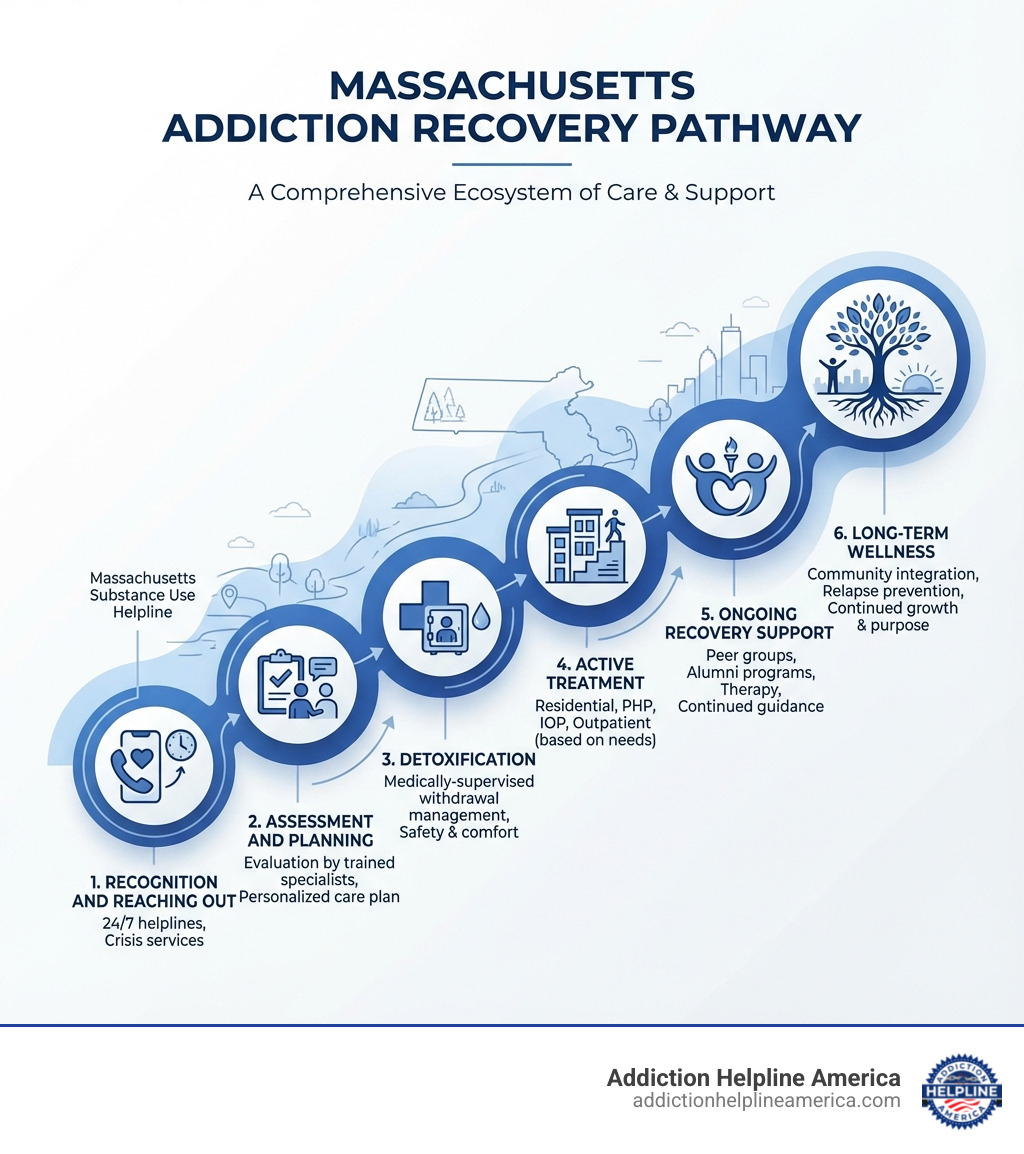
The Commonwealth has built a system spanning the entire recovery journey. From recognizing the need for help through detox, treatment, and long-term recovery support, Massachusetts offers resources at every step. The state provides crisis intervention services available 24/7 in every town, specialized programs for different age groups and needs, and ongoing support through peer recovery networks.
At Addiction Helpline America, we have guided countless individuals and families through addiction recovery Massachusetts resources, connecting them with appropriate care based on their unique circumstances. Our trained specialists understand the treatment landscape and can help you sort through options, verify insurance, and take that crucial first step—all through a free, confidential service at 844-561-0606.
Recognizing the Signs: When to Seek Help for Addiction
Recognizing the signs and symptoms of addiction is the critical first step toward seeking help and beginning a journey of addiction recovery Massachusetts. Addiction is a complex disease, and its manifestations can be both physical and behavioral, affecting individuals and their loved ones deeply.
Physical signs of addiction can include changes like constipation, constricted pupils, depression, or needle marks. Individuals might exhibit a reduced sense of pain, a runny nose, slurred speech, or unexplained weight loss. Beyond these, signs of withdrawal are a clear indicator of physical dependence. For instance, alcohol withdrawal symptoms can range from cold sweats and hallucinations to high blood pressure, irregular pulse, seizures, and tremors. Opiate withdrawal can present as rising blood pressure, cold sweats, body aches, insomnia, vomiting, and diarrhea—often described as a severe flu. These withdrawal symptoms necessitate medical supervision, often in an inpatient detoxification facility, as they can be severe and even fatal.
Behavioral and psychological symptoms are equally telling. You might notice an altered appearance, poor hygiene, a significant loss of interest in previously enjoyed activities, unmet obligations, or increased lying about substance use. Individuals may regularly get drunk or use drugs, avoid friends and family, or constantly talk or think about using. A belief that one needs substances to have fun, taking excessive risks under the influence, and diminishing work or school performance are also red flags. Emotionally, individuals might experience increased depression, hopelessness, or even thoughts of self-harm or suicide.
The impact of addiction extends to social and financial consequences. Legal troubles, financial instability, and strained relationships are common. If you or a loved one has ever felt they should reduce their drinking or drug use, been bothered by criticism of their use, felt shame or guilt, or needed substances first thing in the morning, these are self-assessment questions that can indicate a need for professional help. According to the Diagnostic and Statistical Manual of Mental Disorders (DSM-5) criteria, if you experience two or more of these signs, it is time to consider reaching out. You can learn more about how clinicians diagnose substance use disorders from trusted summaries such as the National Institute on Drug Abuse overview of SUDs.
Early intervention makes a difference. Research from the Addiction Recovery Management Service (ARMS) at Massachusetts General Hospital indicates that adolescents who enter treatment earlier are more likely to achieve long-term sobriety than those who enter as adults. The sooner professional help is sought, the more effective treatment tends to be. If you or someone you know is struggling, calling a hotline is a safe first step to gather information and resources.
If you are concerned about a young person in your life, you can also read helpful information on factors contributing to teen drug use. And if you are ready to talk with someone now, Addiction Helpline America offers free, confidential support at 844-561-0606.
Navigating the Continuum of Care for Addiction Recovery in Massachusetts
Massachusetts has developed a comprehensive “continuum of care” for addiction recovery, ensuring individuals can access appropriate treatment and support at every stage. This layered approach recognizes that recovery is not one-size-fits-all and that needs change over time.
The Bureau of Substance Addiction Services (BSAS) oversees the statewide system of prevention, intervention, treatment, and recovery support services. This includes licensing substance use disorder treatment programs and counselors, funding and monitoring services, providing access to treatment for the uninsured, and developing policies and tracking treatment trends across the state.
Specialists at Addiction Helpline America are well-versed in these resources and can help you sort through the options available for addiction recovery Massachusetts. We offer free, confidential, personalized guidance to connect you with the right recovery program. For a practical overview of available services, visit our page on Treatment and Recovery Services with Addiction Helpline America or call 844-561-0606.
The First Step: Detoxification and Stabilization
Detoxification is frequently the critical first step in addiction recovery Massachusetts. It provides a safe, medically supervised environment for managing acute withdrawal symptoms when stopping drug or alcohol use.
Massachusetts offers several levels of detox services:
- Acute Treatment Services (ATS) / Detoxification/Withdrawal Management: 24-hour care for adults (18+) experiencing withdrawal symptoms. While medically monitored, they are for individuals who do not require hospitalization.
- Hospital-Based Acute Treatment Services (HBATS) / Level 4 Detoxification: For those at high risk of severe withdrawal symptoms or with co-occurring medical complications, offering 24-hour care in a hospital setting.
Medically supervised detox is essential for managing withdrawal symptoms and preparing individuals for further treatment. After stabilization, many people move directly into the next level of care to maintain recovery momentum.
To learn more about your options, explore detox and stabilization options in Massachusetts, or speak with a specialist at 844-561-0606.
Immersive Healing: Residential and Inpatient Programs
Following detoxification, many individuals benefit from immersive residential or inpatient treatment programs offering a structured environment away from daily triggers.
In Massachusetts, these programs include:
- Clinical Stabilization Services (CSS): Intensive, 24-hour substance use disorder treatment for adults (18+). CSS includes nursing support, case management, education, counseling, and aftercare planning. Youth Stabilization Services (YSS) offer similar intensive treatment for adolescents and young adults up to age 21.
- Residential Rehabilitation Services (RRS) ASAM Level 3.1: Structured residential support in a home-like setting, focusing on case management and aftercare planning. Co-Occurring Improved Residential Rehabilitation Services (COE-RRS) are designed for individuals with both substance use disorder and moderate to severe mental health conditions.
These programs provide a safe space for intensive therapy, fostering an environment where individuals can develop coping skills and begin rebuilding their lives.
To explore these structured healing environments, visit our page on residential treatment programs in Massachusetts or call 844-561-0606.
Flexible Support: Outpatient Treatment Options
For individuals who do not require 24-hour supervision or who are transitioning from more intensive programs, Massachusetts offers flexible outpatient treatment options:
- Partial Hospitalization Programs (PHP) / Day Treatment: Bridge between inpatient and outpatient care, offering structured treatment several hours a day while allowing individuals to reside at home.
- Intensive Outpatient Programs (IOP): More rigorous than traditional outpatient programs, typically requiring multiple sessions per week including group therapy, individual counseling, and medication management.
- Standard Outpatient Programs (OP): Less intensive support, often consisting of weekly therapy sessions, suitable for those with stable home environments.
- Medication-Assisted Treatment (MAT) in Outpatient Settings: Combining behavioral therapy with FDA-approved medications through Opioid Treatment Programs (OTP) or Office-Based Addiction Programs (OBAT).
To find a program that fits your needs, explore outpatient treatment centers in Massachusetts or call 844-561-0606.
Specialized Programs for Unique Needs
Recognizing that recovery is deeply personal, addiction recovery Massachusetts includes specialized programs for various populations:
- Co-occurring Disorders (Dual Diagnosis): Integrated treatment addressing both substance use and mental health conditions simultaneously.
- Youth and Young Adult Services: Programs like ARMS at Massachusetts General Hospital focus on teenagers and young adults under 26.
- Gender-Specific Programs: Men’s and women’s programs addressing gender-specific issues.
- Services for Pregnant and Parenting Individuals: BSAS provides specific resources protecting both parent and child.
- Family Counseling and Support: Many programs integrate family therapy and support groups.
To find programs catering to specific needs, visit specialized programs in Massachusetts or speak with an Addiction Helpline America specialist at 844-561-0606.
Evidence-Based and Holistic: Pillars of Modern Treatment
The landscape of addiction recovery Massachusetts is built upon two powerful pillars: evidence-based practices and holistic approaches. This combination helps ensure that individuals receive care that is both scientifically supported and nurturing for their entire being—mind, body, and spirit.

Evidence-Based Practices in Massachusetts Addiction Recovery
Evidence-based practices are treatment modalities that have been rigorously studied and shown to be effective through scientific research. Massachusetts treatment centers widely adopt these methods to provide impactful care.
Key evidence-based practices include:
- Cognitive Behavioral Therapy (CBT): Helps individuals identify and change negative thought patterns and behaviors that contribute to substance use.
- Dialectical Behavior Therapy (DBT): Often used for individuals with co-occurring mental health disorders, focusing on mindfulness, interpersonal effectiveness, emotion regulation, and distress tolerance.
- Medication-Assisted Treatment (MAT): Combines behavioral therapy with FDA-approved medications (such as methadone, buprenorphine, or naltrexone) to manage withdrawal symptoms, reduce cravings, and support relapse prevention. An overview of these medications can be found through the Substance Abuse and Mental Health Services Administration.
- Motivational Interviewing (MI): A client-centered approach that helps individuals explore and resolve ambivalence about treatment and change, strengthening internal motivation.
- Integrated Group Therapy: Particularly effective for co-occurring disorders, teaching essential recovery behaviors and relapse prevention skills relevant to both mental health and substance use conditions.
- SMART Recovery: An evidence-informed approach that emphasizes self-empowerment and provides tools and techniques for overcoming addictive behaviors and leading a balanced life.
These practices are crucial for building resilience and supporting recovery. To dig deeper into these methods, you can explore our resources on Building resilience and facilitating recovery or speak with our team at 844-561-0606 about which approaches might fit your situation.
Holistic Approaches for Mind-Body Wellness
While evidence-based therapies address the clinical aspects of addiction, holistic approaches nurture the whole person, promoting overall well-being and supporting sustainable recovery. Massachusetts centers often integrate these complementary therapies to offer more complete care.
Holistic approaches you might find include:
- Yoga and Mindfulness: Practices that cultivate self-awareness, reduce stress, and improve emotional regulation.
- Art and Music Therapy: Creative outlets that offer non-verbal ways to express emotions, process trauma, and build self-esteem.
- Fitness and Nutrition: Movement and nutrition support physical health, which in turn supports emotional stability and clearer thinking.
- Adventure Therapy and Outdoor Activities: Connecting with nature through hiking, walking, or outdoor reflection can be profoundly grounding and help restore a sense of purpose.
- Sober Active Communities: Organizations that promote active, sober lifestyles, fostering a sense of community and belonging through fitness and social engagement.
These holistic elements complement traditional therapies, helping individuals develop healthy coping mechanisms and find new sources of meaning and joy in recovery. To learn more about how these therapies can support a balanced life, explore holistic recovery options in Massachusetts or call 844-561-0606 to talk through your options.
Accessing and Paying for Addiction Treatment
Navigating the financial aspects of addiction recovery Massachusetts can feel daunting, but there are multiple options to make treatment more accessible. Understanding insurance coverage and available financial aid is a key step in finding care that fits your situation.

Understanding Insurance and Your Rights
Massachusetts residents have important protections when it comes to insurance coverage for addiction treatment:
- Verifying Your Coverage: Start by contacting your insurance provider or speaking with the admissions team at a treatment center. Many centers offer help with insurance verification. Our team at Addiction Helpline America can also explain your benefits and connect you with centers that accept your plan.
- Mental Health Parity and Addiction Equity Act (MHPAEA): This federal law requires most health insurance plans to provide mental health and substance use disorder benefits at parity with medical and surgical benefits. In other words, co-pays, deductibles, and treatment limitations for addiction should be no more restrictive than for other medical conditions.
- Affordable Care Act (ACA): The ACA strengthened these protections by requiring most health plans to cover mental health and substance use disorder services as essential health benefits. You can read a plain-language summary of parity protections from the U.S. Department of Labor.
- In-Network vs. Out-of-Network: In-network providers typically result in lower out-of-pocket costs, but sometimes the right fit may be out-of-network. Understanding these differences can help you plan financially.
Thanks to these laws, many levels of care—including IOP and outpatient services—are often covered, at least in part, by insurance plans. Government- and military-funded plans like Medicaid, Medicare, and Tricare also offer coverage, and many programs in Massachusetts accept these plans.
To find treatment centers that work with your insurance, visit our page on Massachusetts rehab centers that accept your insurance or call 844-561-0606 for one-on-one help reviewing your options.
Financial Aid and Support Options
Even with insurance, out-of-pocket costs can be a concern. Fortunately, Massachusetts and federal programs offer a variety of financial aid and support options:
- Addiction Helpline America Guidance: Our free and confidential service can help you explore payment options and connect you with centers that align with your financial situation.
- Sliding Scale Fees: Many treatment providers offer sliding scale fees, adjusting costs based on an individual’s income and ability to pay.
- Grants and Scholarships: State-funded programs and federal block grant funding (often via SAMHSA) can provide financial assistance for treatment. In some cases, local nonprofits or foundations also offer limited treatment scholarships.
- Flexible Payment Plans: Treatment centers may offer individualized payment arrangements to help spread costs over time.
- Self-Pay Options: Some programs operate on a self-pay basis, which can offer additional privacy or specialized services. While fees can be substantial at some facilities, other programs are more modestly priced.
- Access to Recovery (ATR): This state-funded program in Massachusetts supports individuals in early recovery (3 months to 2 years post–substance use disorder). ATR provides care coordination, job training, and supportive services to help participants reach personalized recovery goals and address employment barriers.
Cost should not be the reason you delay getting help. Many people are surprised to learn that they have more coverage and options than they expected. To talk through your financial questions and explore next steps, reach out to Addiction Helpline America at 844-561-0606 or visit find substance use treatment and recovery services.
Support for the Whole Family: Healing Together
Addiction is often described as a family disease because its impact reverberates through the lives of everyone connected to the individual who is struggling. The importance of family support in addiction recovery Massachusetts cannot be overstated, as a supportive home environment can significantly contribute to an individual’s success.
Addiction can lead to arguments, relationship issues, financial strain, and legal problems, creating a painful environment that affects all family members. Loved ones may feel anger, fear, confusion, or guilt. Healing together—rather than in isolation—is a crucial component of comprehensive recovery.
Family therapy programs, peer-led support networks, and support groups are vital resources for families and loved ones. These services provide education, coping strategies, and a safe space to share experiences and find solidarity. Learning effective communication strategies and how to set healthy boundaries are essential skills for families navigating the complexities of addiction.
Resources for Families and Loved Ones in Massachusetts Addiction Recovery
Massachusetts offers a wealth of resources dedicated to supporting families:
- Al-Anon/Alateen: Programs that provide strength and hope for friends and families of problem drinkers, offering a 12-step framework for personal recovery.
- Nar-Anon: A 12-step program specifically for families and friends of people struggling with drug addiction, offering support and understanding.
- Allies in Recovery (AIR): An online learning platform designed for families with a loved one struggling with drugs or alcohol, providing guidance and strategies.
- Learn to Cope: A peer-led support network based in Massachusetts, offering invaluable resources and support for families dealing with addiction and recovery.
- Family Programs at Treatment Centers: Many facilities offer dedicated family programs and weekly support groups. Some hospital-based and outpatient programs provide parent coaching, education groups, and peer support for caregivers, recognizing that family members need help even if their loved one is not yet ready for treatment.
These resources empower families to heal, set healthy boundaries, and become constructive supports in their loved one’s recovery journey. If you are a family member or friend looking for direction, Addiction Helpline America can help you understand options for both your loved one and yourself. Call us at 844-561-0606 or explore family support resources in Massachusetts.
Frequently Asked Questions about Addiction Recovery in Massachusetts
How do I find the right treatment center in Massachusetts?
Finding the right treatment center for addiction recovery Massachusetts involves careful consideration of several factors. You might find it helpful to:
- Consider the Level of Care: Determine if you need detox, inpatient/residential, a Partial Hospitalization Program (PHP), an Intensive Outpatient Program (IOP), or standard outpatient services.
- Check Accreditations: Look for centers accredited by reputable organizations like The Joint Commission, CARF, or recognized by state agencies, which can signal adherence to high standards of care.
- Verify Insurance: Contact the center or your insurance provider to understand coverage. Our team at Addiction Helpline America can assist with this process.
- Read Reviews and Testimonials: Patient experiences can offer insights into a center’s environment and approach.
- Talk to a Specialist: Speaking with someone who understands the treatment landscape can save time and reduce stress.
For a list of options and filters to help you search, explore Massachusetts rehab centers or call Addiction Helpline America at 844-561-0606 for free, confidential guidance.
What is Addiction Helpline America?
Addiction Helpline America is a free and confidential resource dedicated to connecting individuals nationwide to addiction and mental health treatment centers. Operating in the healthcare and referral space, our unique offering is personalized guidance to help you find a recovery program that fits your clinical needs, location, and budget.
Our trained specialists understand the complexities of addiction and the treatment landscape. We listen to your story, help you sort through options, verify insurance, and support you in taking the first step toward recovery. You can learn more or request help at Do you or someone you know need help? or by calling 844-561-0606.
What happens after I complete a treatment program?
Completing a treatment program is a significant milestone, but it is just the beginning of lifelong addiction recovery Massachusetts. Aftercare planning is crucial for sustaining sobriety and building a fulfilling life.
Key aftercare and ongoing support options include:
- Aftercare Planning: Most quality treatment programs include aftercare planning to ensure a smoother transition back into daily life.
- Sober Living Homes: These residences provide a safe, structured, and drug-free environment for individuals transitioning from more intensive treatment, helping them practice recovery skills in a real-world setting.
- Alumni Programs: Many treatment centers offer alumni programs that foster a community of support through meetings, events, and ongoing check-ins.
- Peer Support Groups: Organizations like Alcoholics Anonymous (AA), Narcotics Anonymous (NA), and SMART Recovery provide invaluable peer support in Massachusetts communities.
- Ongoing Therapy: Continuing individual or group therapy can help address underlying issues, reinforce coping skills, and reduce relapse risk.
- Supportive Services: Programs such as Access to Recovery (ATR) in Massachusetts offer care coordination, job training, and other supports that help people stabilize and move toward independence.
These ongoing supports are vital for long-term recovery, providing continued guidance, community, and accountability. To explore aftercare options or talk through your next step after treatment, visit explore aftercare and ongoing support in Massachusetts or call Addiction Helpline America at 844-561-0606.
Your Path to Recovery Starts Today
The journey of addiction recovery Massachusetts is a testament to resilience, courage, and the power of dedicated support. Recovery is not just possible; it is a reality for thousands of individuals across the Commonwealth. If you are reading this and wondering whether change is possible for you or someone you love, the answer is yes.
You do not have to do this alone. From detox to long-term aftercare, Massachusetts offers a comprehensive ecosystem of services, and you have access to compassionate guidance as you sort through your options.
At Addiction Helpline America, we are committed to being your partner in this process. Our free, confidential service provides personalized guidance, connecting you with the right treatment and recovery resources custom to your unique needs, location, and financial situation.
Call us today at 844-561-0606 for a free, confidential consultation. You can also start exploring programs right now by visiting Find a Massachusetts Rehab Center near you.
Your path to recovery can start with a single phone call. Reaching out for help is a brave step—and you do not have to take it alone.