
Why Finding the Right Schizophrenia Treatment Program Matters
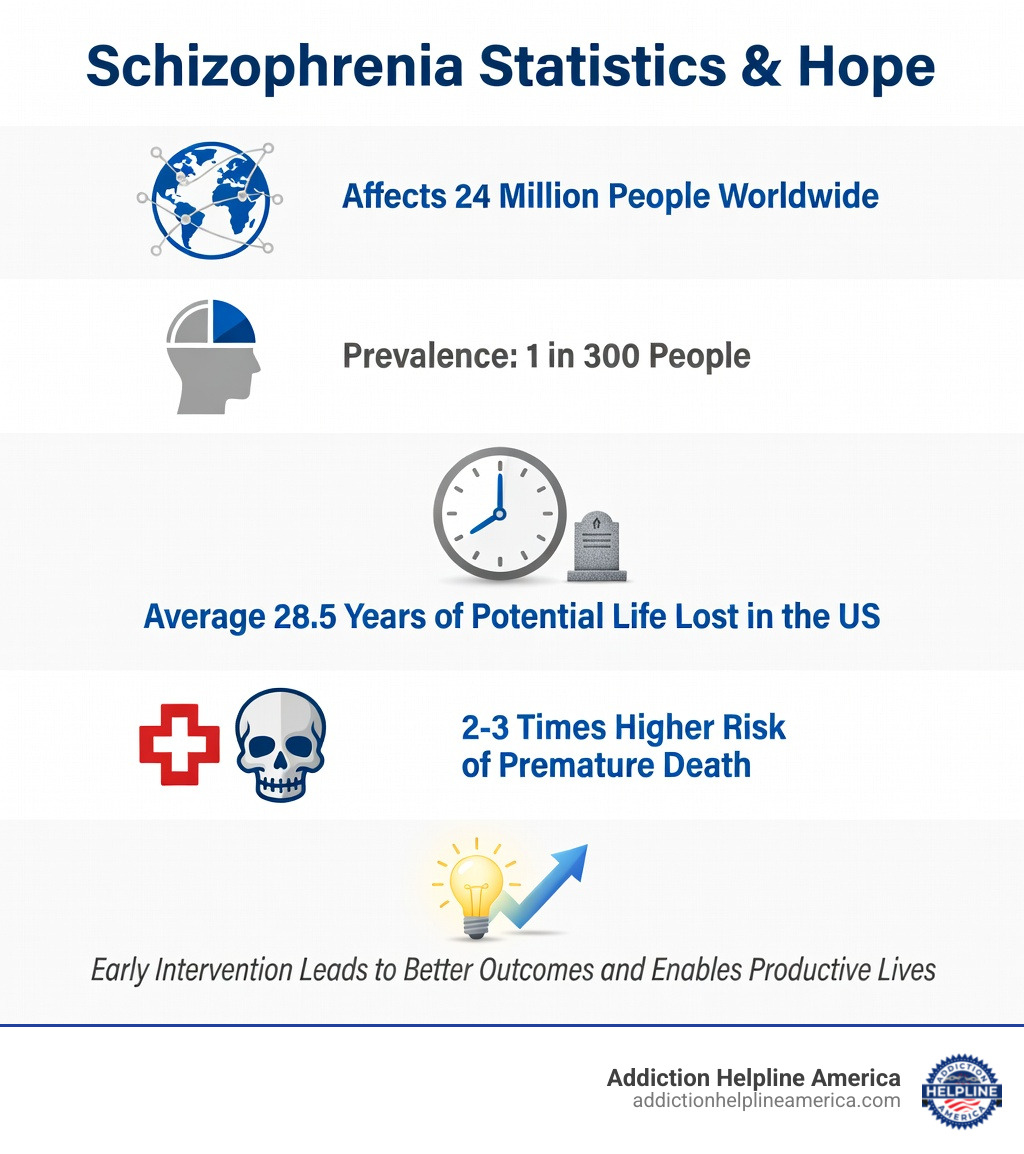
Schizophrenia treatment programs offer comprehensive care for one of the most misunderstood mental health conditions affecting approximately 24 million people worldwide (about 1 in 300 people). If you or a loved one is experiencing symptoms like hallucinations, delusions, or difficulty thinking clearly, specialized treatment programs combine medication management, therapy, and support services to help manage symptoms and improve quality of life. For an overview of treatment approaches and what to expect, see the NIMH schizophrenia resource.
Key types of schizophrenia treatment programs include:
- Residential treatment – 24/7 structured care with intensive support
- Inpatient stabilization – Short-term hospital care for acute episodes
- Partial Hospitalization Programs (PHP) – Day treatment while living at home
- Intensive Outpatient Programs (IOP) – Flexible therapy several times per week
- Standard outpatient care – Ongoing medication management and therapy sessions
Schizophrenia typically emerges in late teens to early 30s. Without proper treatment, the condition can lead to cognitive and functional decline, social isolation, and increased risk of premature death. The NIMH notes that people with schizophrenia have a higher risk of premature mortality compared with the general population, underscoring why early, ongoing care matters.
Research shows that combining antipsychotic medications with evidence-based therapies like Cognitive Behavioral Therapy produces the best outcomes. The most effective programs also include family support, skills training, and help with daily activities, addressing not just symptoms but the whole person.
At Addiction Helpline America, we provide a 24/7 confidential helpline at 1-800-662-HELP (4357) to help individuals and families navigate the process of finding appropriate schizophrenia treatment programs. Our free service can help you understand levels of care, coordinate an assessment, and identify options that fit your needs, including support for co-occurring substance use disorders.
Relevant articles related to Schizophrenia treatment programs:
Understanding Schizophrenia: Symptoms, Causes, and Diagnosis
Schizophrenia is a chronic and severe mental disorder that affects how a person thinks, feels, and behaves. People with schizophrenia may seem like they have lost touch with reality, which can be distressing for them and their families. To find the right schizophrenia treatment programs, we must first understand the clinical picture of the disorder.
Recognizing the Symptoms
Symptoms of schizophrenia are generally categorized into three groups: positive, negative, and cognitive.
- Positive Symptoms: These are “added” behaviors not seen in healthy people. They include hallucinations (hearing voices or seeing things that aren’t there) and delusions (strong beliefs that are not true, such as believing one has special powers or is being watched).
- Negative Symptoms: These refer to “missing” qualities. Examples include emotional flatness (a monotone voice or lack of facial expression), social withdrawal, and a loss of motivation to begin or sustain activities.
- Cognitive Symptoms: These involve problems with attention, memory, and executive functioning. Many individuals experience a cognitive decline or a loss of IQ points if the condition remains untreated, as psychosis can negatively affect brain structure.
Causes and Risk Factors
While the exact cause is unknown, researchers believe a combination of factors contributes to the development of schizophrenia:
- Genetics: Having a first-degree relative with the disorder increases the risk by about 10%.
- Neurotransmitter Imbalances: Problems with certain brain chemicals, including dopamine, serotonin, and glutamate, play a role.
- Environmental Triggers: Exposure to viruses, malnutrition before birth, or highly stressful life events can trigger the onset in those already biologically vulnerable.
How is it Diagnosed?
There is no single “schizophrenia test.” Instead, doctors use a comprehensive approach to rule out other conditions like bipolar disorder or substance-induced psychosis. This process typically includes:
- Physical Exams: To rule out medical issues that could cause similar symptoms.
- Tests and Screenings: Including blood work and neuroimaging (like MRIs) to check for brain structure differences.
- Mental Health Evaluations: A psychiatrist or psychologist will observe the person’s appearance and demeanor and ask about thoughts, hallucinations, and potential for violence or suicide.
Early warning signs, such as a drop in grades, social isolation, or unusual irritability, often precede the first “break.” Seeking NIMH-backed early intervention as soon as these signs appear can drastically improve long-term outcomes.
Core Components of Schizophrenia Treatment Programs
Effective schizophrenia treatment programs are rarely one-size-fits-all. Because the disorder affects every aspect of life—from basic hygiene to complex social interactions—the treatment must be multidisciplinary.

Medication Management
Medication is the cornerstone of schizophrenia treatment. Antipsychotic medications help control symptoms by affecting the brain neurotransmitter dopamine.
- First-generation Antipsychotics: Older medications that effectively manage positive symptoms but may cause movement-related side effects.
- Second-generation Antipsychotics: Newer medications generally preferred because they pose a lower risk of serious movement-related side effects.
- Long-acting Injectables (LAIs): For those who struggle to remember daily pills, LAIs are administered every 2 to 4 weeks by a healthcare professional, significantly improving adherence.
Psychosocial Interventions
Once psychosis is stabilized, psychosocial treatments are vital. These include:
- Cognitive Behavioral Therapy (CBT): Helps patients test the reality of their thoughts and manage “voices.”
- Family Therapy: Provides education and support to families, reducing “expressed emotion” which can trigger relapses.
- Social Skills Training: Focuses on improving communication and social interactions.
- Vocational Support: Helps individuals find and keep jobs, which is crucial for self-esteem and independence.
Holistic and Integrative Therapies
Many modern programs incorporate holistic elements to treat the “whole person.” Art therapy, yoga, and music therapy can provide creative outlets and reduce stress, which is a major trigger for symptom flare-ups. According to the SAMHSA Evidence-Based Practice Resource Center, combining these psychosocial supports with medication is the gold standard of care.
How to Evaluate Schizophrenia Treatment Programs
When searching for a facility, we recommend looking for these markers of quality:
- Accreditation: Look for the Joint Commission or CARF seals.
- Multidisciplinary Teams: Ensure the staff includes psychiatrists, psychologists, social workers, and peer support specialists.
- Personalized Care Plans: Avoid “cookie-cutter” programs; treatment should be tailored to the individual’s specific symptoms and goals.
- Staff-to-Patient Ratio: High-quality care requires individualized attention.
Levels of Care: From Residential to Outpatient Support
The level of care required depends on the severity of the symptoms and the individual’s ability to function safely in the community.
| Level of Care | Intensity | Best For |
|---|---|---|
| Inpatient Stabilization | Highest (Hospital) | Acute crisis, danger to self/others, initial diagnosis |
| Residential Treatment | High (24/7 Support) | Long-term stabilization, learning ADLs, post-hospitalization |
| Partial Hospitalization (PHP) | Moderate (Daytime) | Transitioning from residential, intensive daily therapy |
| Intensive Outpatient (IOP) | Low to Moderate | Maintaining stability while living at home or in sober living |
| Standard Outpatient | Lowest | Long-term maintenance, monthly med checks, weekly therapy |
Residential and Inpatient Care
Inpatient stabilization is often the first step during an acute psychotic break. It provides a secure environment for 24/7 medical supervision and rapid medication adjustment. Once stable, many transition to residential treatment, which offers a “home-like” setting where they can relearn activities of daily living (ADLs) like personal hygiene and meal preparation. You can find More info about inpatient mental health services on our specialized guide.
Community-Based Support
For those living at home, Community Mental Health Teams (CMHT) and Crisis Resolution Teams provide essential support. These teams help prevent hospitalizations by managing crises in the home and ensuring the individual remains connected to their treatment plan.
Specialized Approaches: Early Intervention and Dual Diagnosis
One of the most exciting developments in mental health is the focus on early intervention for first-episode psychosis. Research shows that the longer psychosis goes untreated, the more damage it does to the brain.
First-Episode Psychosis and ESMI
Early Serious Mental Illness (ESMI) programs target young adults (usually ages 15-25) experiencing their first symptoms. These programs use a “coordinated specialty care” model that includes psychotherapy, medication, family support, and employment/education assistance. Research on first-episode psychosis indicates that these individuals are much more likely to return to school or work compared to those who receive standard care.
Dual Diagnosis Treatment
It is very common for individuals with schizophrenia to struggle with substance use. This is often an attempt to “self-medicate” the distressing voices or the “negative” symptoms like depression. Integrated dual diagnosis programs treat both the schizophrenia and the addiction simultaneously, as treating one without the other often leads to relapse in both.
Overcoming Anosognosia
Anosognosia is a condition where a person is unaware they have a mental illness. This is a physiological symptom of brain dysfunction, not just “denial.” Specialized programs use motivational interviewing and peer support specialists—people who have lived experience with schizophrenia—to build trust and encourage treatment adherence.
Long-Term Success in Schizophrenia Treatment Programs
Recovery in schizophrenia is not about a “cure,” but about management and quality of life. Long-term success involves:
- Aftercare Planning: Ensuring a smooth transition between levels of care.
- Relapse Prevention: Learning to identify “prodromal” symptoms (early warning signs) before a full episode occurs.
- Social Cognition Training: Using computer-based programs to improve memory and the ability to read social cues.
Frequently Asked Questions about Schizophrenia Treatment
What are the potential effects of untreated schizophrenia?
Leaving schizophrenia untreated is dangerous. It can lead to significant cognitive decline and worsening functioning over time. Beyond brain health, untreated psychosis often results in social isolation, homelessness, and a higher risk of substance use. Tragically, individuals with untreated schizophrenia have a higher risk of suicide and a higher risk of premature death due to a mix of factors, including co-occurring health conditions and barriers to consistent care. For more background on risks and the importance of ongoing treatment, see the NIMH schizophrenia resource.
Does insurance cover schizophrenia treatment?
Yes, most major insurance providers – including Aetna, Blue Cross Blue Shield, and Cigna – cover schizophrenia treatment under mental health parity requirements. Medicare and Medicaid also provide coverage for many inpatient and outpatient services, though benefits vary by plan and state.
If you want help understanding costs (deductibles, copays, prior authorization) and what level of care your plan supports, Addiction Helpline America offers a free and confidential 24/7 service at 1-800-662-HELP (4357) to help you explore options.
How can I find a schizophrenia treatment program near me?
Finding help does not have to be a solo journey. You can use the SAMHSA treatment locator or reach out to NAMI for local referrals. You can also check your insurance provider directory and request a professional assessment.
For personalized guidance, call Addiction Helpline America 24/7 at 1-800-662-HELP (4357). We can help you compare levels of care, confirm program features (like dual diagnosis support), and identify next steps.
Conclusion
Managing schizophrenia is a long-term journey, but it is a journey no one has to take alone. With the right schizophrenia treatment programs, recovery goals that once seemed out of reach – like holding a job, finishing school, or rebuilding relationships – can become achievable.
At Addiction Helpline America, we are dedicated to reducing stigma and helping people connect with appropriate mental health and dual diagnosis care. Whether you are looking for an intensive residential program, outpatient support, or help coordinating next steps after a crisis, we offer 24/7 confidential support at 1-800-662-HELP (4357) to help you find the right path.
Call our 24/7 helpline at 1-800-662-HELP (4357) to take the next step toward support and stability.