
Finding Help Starts Here: Your Guide to Local Detox Centers
Detox center near me is one of the most important searches you can make when facing substance use challenges. Here’s what you need to know right now:
Quick Answer: How to Find a Detox Center Near You
- Call a free helpline – Get immediate, confidential guidance 24/7
- Verify the facility is licensed – Check your state’s health department database
- Confirm insurance coverage – Most detox centers accept major insurance plans
- Ask about medical supervision – Ensure 24/7 medical monitoring is available
- Check accreditation – Look for Joint Commission or state certification
Making the decision to seek help for substance use takes tremendous courage. According to the Substance Abuse and Mental Health Services Administration (SAMHSA), an estimated 48.7 million people in the U.S. had a substance use disorder in 2022. You are not alone, and help is available right now.
Detoxification is the critical first step on the path to lasting recovery. It’s the medically supervised process of safely removing harmful substances from your body while managing withdrawal symptoms. Without proper medical care, withdrawal can be uncomfortable—and in some cases, dangerous or even life-threatening.
The good news? Professional detox centers provide the medical expertise, compassionate care, and safe environment you need to begin your recovery journey. This approach is critical because addiction is a complex medical condition. As the American Society of Addiction Medicine (ASAM) states, addiction is a “treatable, chronic medical disease involving complex interactions among brain circuits, genetics, the environment, and an individual’s life experiences.” These facilities offer 24/7 monitoring, medication-assisted treatment when appropriate, and a supportive atmosphere designed to help you succeed.
Recovery is possible. Thousands of people just like you have taken this first step and gone on to build healthy, fulfilling lives in sobriety. The path forward starts with finding the right detox center and getting the professional support you deserve.
At Addiction Helpline America, we specialize in connecting individuals and families to local detox centers and recovery resources across the United States. Our free, confidential helpline has helped countless people steer their search for a detox center near me and take that crucial first step toward healing.
Key terms for detox center near me:
Understanding Detox Centers and When to Seek Help
When you search for a detox center near me, you’re looking for a specialized facility designed to help individuals safely withdraw from addictive substances. A detox center is much more than just a place to stop using; it’s a medically supervised environment where your physical and mental well-being are the top priorities during the challenging withdrawal period.
These centers provide a safe space away from the triggers and temptations of daily life, allowing you to focus entirely on your initial recovery. The journey to recovery is deeply personal, but it almost always begins with this essential first step: cleansing the body of harmful substances under professional care.
Beyond the physical aspects, detox centers also offer crucial psychological support services. This can include initial counseling and therapy sessions to help you begin to understand the roots of your addiction and develop healthier coping mechanisms. This early psychological support is vital for preparing you for the next stages of your recovery journey.
Recognizing the need for professional help is a powerful moment. It means acknowledging that you or a loved one is struggling and deserves a chance at a healthier life. If you’re reading this, you’ve already taken an important step.

What Services Do Detox Centers Offer?
Detox centers are equipped to handle the complex and often uncomfortable process of withdrawal. To ensure your safety and comfort, they typically provide a comprehensive range of services, including:
- 24/7 Medical Monitoring: Continuous oversight by medical professionals is essential. This ensures that any severe withdrawal symptoms or complications are immediately addressed. Your vital signs are closely monitored, and adjustments to your care plan can be made as needed.
- Withdrawal Symptom Management: Medications are often used to alleviate the discomfort and dangers associated with withdrawal. These can significantly reduce cravings and make the detox process more tolerable.
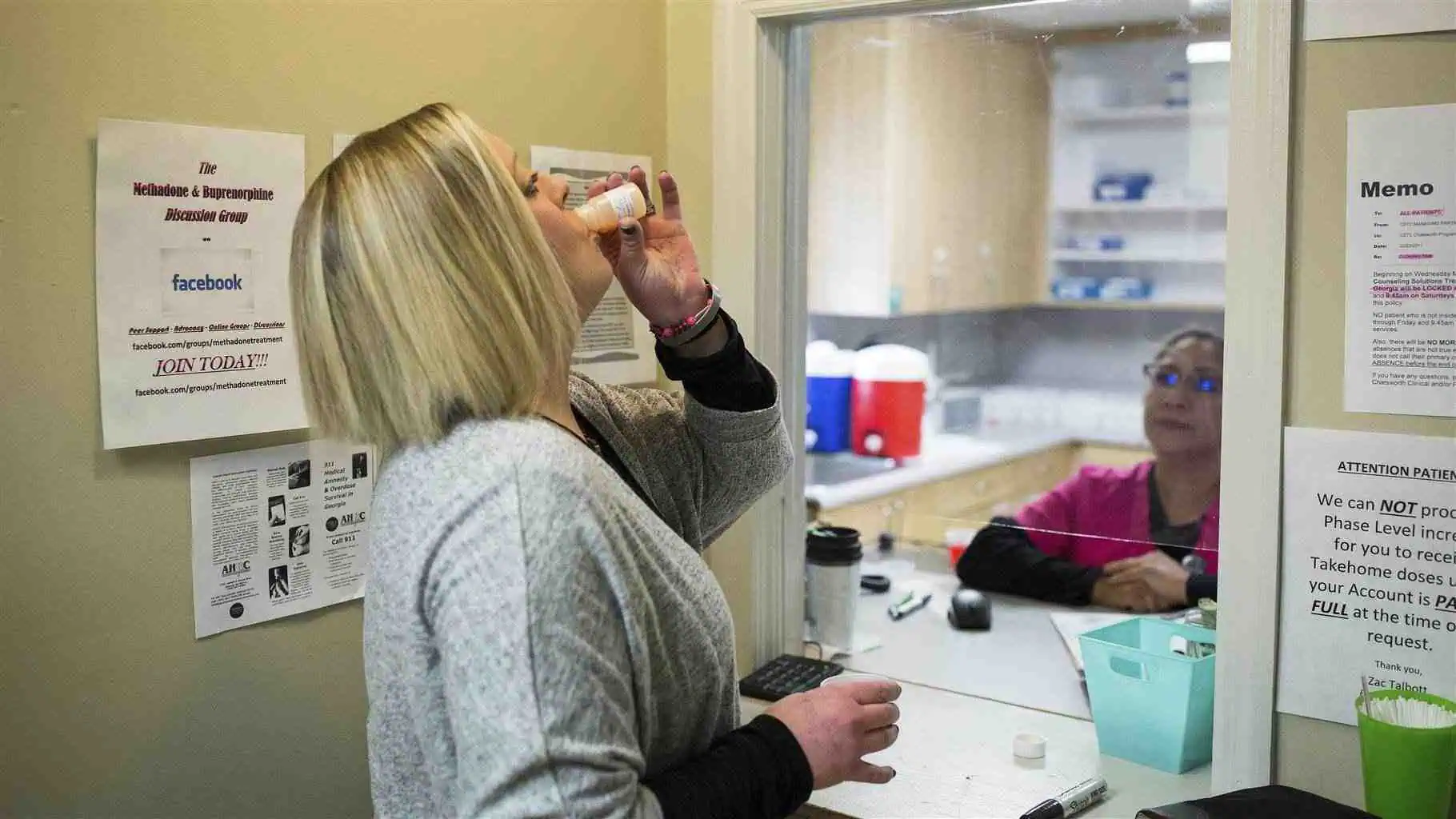
- Medication-Assisted Treatment (MAT): For certain substance use disorders, particularly opioid and alcohol dependence, specific FDA-approved medications like Methadone, Suboxone (Buprenorphine and Naloxone), or Vivitrol (Naltrexone) may be administered. These medications are combined with counseling to help reduce cravings, manage withdrawal symptoms, and block the effects of the substance, paving the way for a more stable recovery. For more information on how we tailor treatment, explore our page on customized treatment plans.
- Nutritional Support: A healthy diet is crucial for healing the body during detox. Centers often provide nutritious meals to help restore physical health and support the recovery process.
- Initial Counseling and Therapy: Even during detox, mental and emotional support is key. Many centers offer individual and group therapy sessions to help you process your experiences, begin to identify triggers, and prepare for the deeper therapeutic work that follows detox.
Key Signs You or a Loved One Needs a Detox Center
It can be difficult to admit that a problem exists, but recognizing the signs that professional help is needed is the first step toward healing. The following indicators, based on diagnostic criteria from the American Psychiatric Association, suggest it may be time to seek a detox center near me:
- Increased Tolerance: Needing larger amounts of a substance to achieve the same effect is a clear sign of growing dependence.
- Experiencing Withdrawal Symptoms: When use is stopped or reduced, physical and psychological symptoms like nausea, tremors, anxiety, or seizures indicate the body has become dependent. As confirmed by the U.S. National Library of Medicine, withdrawal can be dangerous and even life-threatening, especially with substances like alcohol and benzodiazepines.
- Failed Attempts to Quit: Repeated, unsuccessful efforts to stop or cut back on substance use on your own.
- Neglecting Responsibilities: Failing to meet obligations at work, school, or home due to substance use.
- Continued Use Despite Negative Consequences: Persisting in substance use even when it causes significant problems in relationships, health, finances, or legal standing.
- Preoccupation with the Substance: Spending a significant amount of time obtaining, using, or recovering from the effects of the substance.
According to the National Institute on Drug Abuse (NIDA), substance addiction is a chronic disease characterized by compulsive drug seeking and use despite harmful consequences. If these signs are present, seeking professional help is a critical step. As addiction medicine specialist Dr. Sarah Wakeman told Harvard Health Publishing, many people believe withdrawal is a “rite of passage that you have to suffer through, but we have a lot of good medications and other supportive things we can do to make people much more comfortable.” A professional detox center provides this essential medical support. You can learn more about common behaviors of drug addiction and recognizing signs of alcohol poisoning on our site.
The Detoxification Process: What to Expect
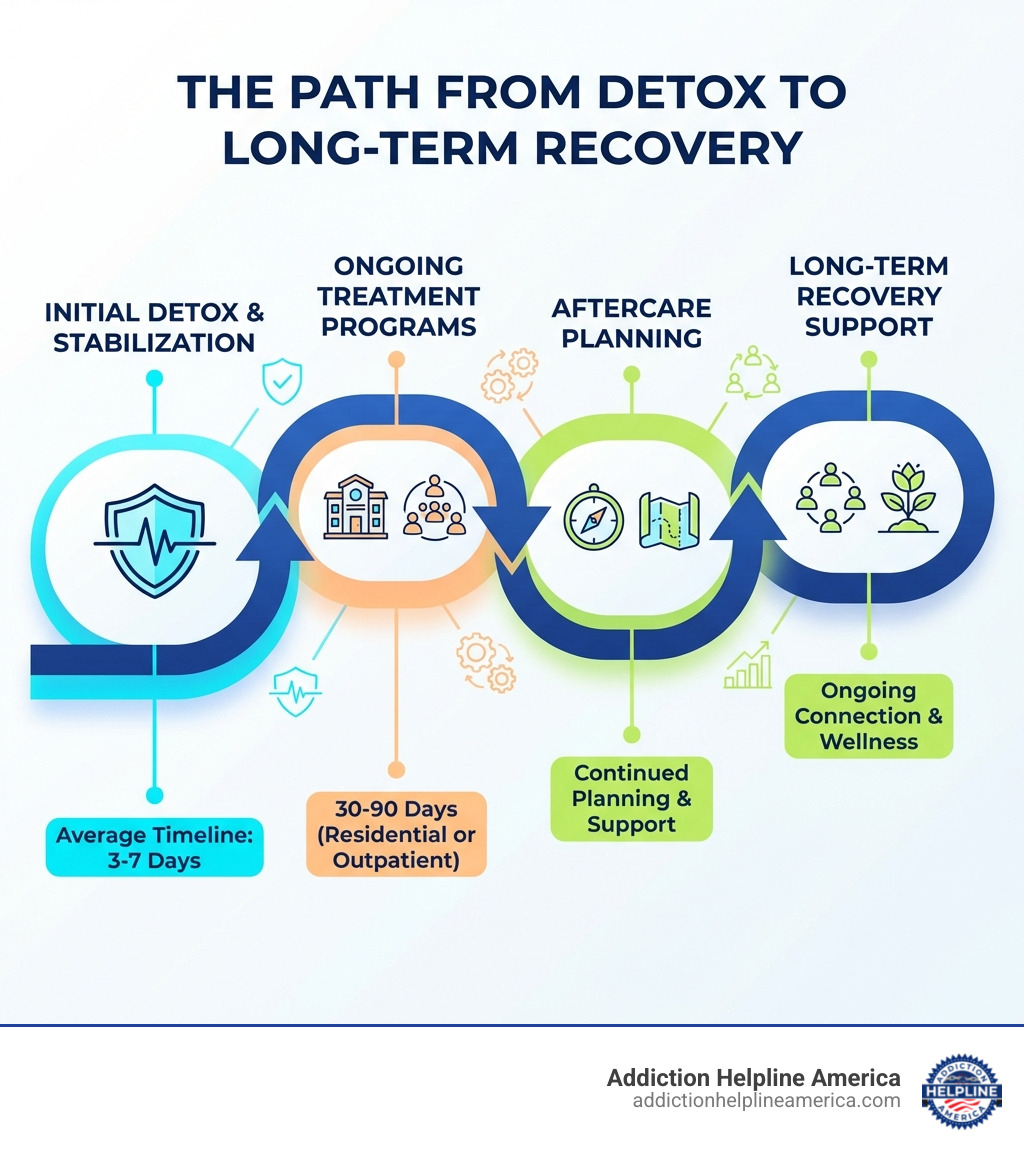
The detoxification process is a structured journey designed to guide you safely through withdrawal. While it varies depending on the individual and the substance, it generally involves three main phases:
- Evaluation Phase: Upon arrival at a detox center, a comprehensive assessment is conducted. This includes a physical exam, medical history review, and drug screening. This helps the medical team understand your specific needs, the substances involved, and any co-occurring medical or mental health conditions.
- Stabilization Phase: This is the core of the detox process, where you are medically supported through withdrawal. Medications are administered to manage symptoms, reduce discomfort, and prevent dangerous complications. The goal is to stabilize your physical and psychological state.
- Preparing for Ongoing Treatment: As your body becomes free of substances, the focus shifts to preparing for the next steps in recovery. This involves counseling, education, and developing an aftercare plan, as detox alone is rarely sufficient for lasting sobriety.
According to SAMHSA’s guidelines for clinicians, the acute detox phase typically lasts an average of five to seven days, though it can range from three to ten days based on individual medical needs. Factors affecting the duration include the type of substance, the length and amount of use, and your overall physical health.

Substances Treated and Typical Detox Timelines
Detox centers are equipped to treat a wide range of substance dependencies. The specific withdrawal experience and timeline can vary greatly depending on the substance:
- Alcohol: Alcohol withdrawal can be one of the most dangerous, potentially leading to seizures or delirium tremens, a severe condition that can cause hallucinations and cardiovascular collapse. For this reason, MedlinePlus stresses that medically supervised detox is critical. Withdrawal symptoms typically begin within hours of the last drink and can last for several days. Learn more about alcohol and other addictive drugs.
- Opioids and Opiates (e.g., Heroin, Prescription Painkillers): Opioid withdrawal is uncomfortable but rarely life-threatening. Symptoms like muscle aches, nausea, vomiting, and diarrhea can be severe. Medically assisted treatment (MAT) is highly effective in managing these symptoms. The acute phase can last 5-7 days, with some symptoms lingering longer. According to the CDC, over 80,000 overdose deaths in 2022 involved opioids, making safe detox more crucial than ever. For specific information, see how long heroin detox takes.
- Benzodiazepines (e.g., Xanax, Valium): As noted by the National Institute on Drug Abuse (NIDA), withdrawal from benzodiazepines can be very dangerous and prolonged, often requiring a slow, medically supervised tapering schedule to prevent seizures and other severe neurological effects. This detox process can take weeks or even months in some cases. Understand more about Benzodiazepines.
- Stimulants (e.g., Cocaine, Methamphetamine): While stimulant withdrawal is not typically life-threatening, it can involve intense depression, fatigue, and cravings. Medical supervision helps manage these psychological symptoms and prevents potential self-harm. The acute phase usually lasts a few days to a week.
We also have information on state-specific drug detox info if you’re looking for resources in a particular region.
The Critical Benefits of Medically Supervised Detox
Attempting to detox on your own can be risky and even deadly. The benefits of undergoing detox in a professional medical setting are well-documented by addiction treatment experts, including in SAMHSA’s Treatment Improvement Protocol (TIP) 45. Medically supervised detox offers invaluable benefits that significantly increase the chances of a safe and successful start to recovery:
- Safety from Dangerous Withdrawal: Medical professionals can intervene immediately if life-threatening complications arise, such as seizures or cardiovascular issues. They ensure your body remains stable throughout the process.
- Medical Stability: With 24/7 medical oversight, staff can manage co-existing medical or emotional disorders, ensuring that all aspects of your health are addressed simultaneously.
- 24/7 Professional Care: You are never alone. A team of doctors, nurses, and support staff are always on hand to provide care, comfort, and reassurance.
- Reduced Risk of Immediate Relapse: The severe discomfort of unmanaged withdrawal often leads individuals to relapse simply to alleviate symptoms. Medical support makes the process more bearable, reducing the likelihood of returning to substance use.
- Increased Comfort: Medications and a supportive environment work together to minimize physical pain and psychological distress, allowing you to focus on healing rather than suffering.
- A Supportive Start to Recovery: Completing detox in a professional setting provides a strong foundation. You emerge with a healthier body and a clearer mind, ready to engage in the next phases of treatment.
How to Find a Reputable Detox Center Near Me
Finding a reputable detox center near me is crucial for ensuring effective and safe care. With so many options available, knowing what to look for can make all the difference.
- Importance of Accreditation: Look for centers that are accredited by recognized organizations like The Joint Commission. Accreditation signifies that a facility meets rigorous standards for quality and safety.
- Verifying Licenses: Ensure the center is licensed and/or certified by your state’s Department of Health Care Services. This confirms they operate legally and adhere to state regulations. For example, in California, facilities are licensed and/or certified by the State Department of Health Care Services.
- Asking for Referrals: Your doctor, therapist, or a trusted community organization can provide valuable referrals to reputable centers they know and trust.
- Using Confidential Helplines: Services like Addiction Helpline America offer free, confidential guidance to help you steer your options and connect with appropriate resources. We have a vast network of facilities and can help you find a detox center near me that meets your specific needs.
Steps to Locate a Quality Detox Center Near Me
When you’re ready to take action, here are practical steps to help you locate a quality detox center:
- Using Online Directories: Websites specializing in addiction treatment can list facilities by location and services.
- Checking State Licensing Databases: Most state health departments have online databases where you can verify a facility’s licensure and check for any past violations. This is a critical step for due diligence.
- Reading Reviews and Testimonials: While personal experiences can be subjective, reading reviews can offer insights into the center’s environment, staff, and overall effectiveness. Look for patterns in feedback.
- Contacting a Helpline for Guidance: Our helpline is available 24/7 to provide personalized assistance. We understand the urgency and can help you quickly identify options that align with your needs and location. Let us help you find local drug rehab options.
Understanding Costs and Insurance for a Detox Center Near Me
Concerns about cost should never prevent someone from seeking life-saving treatment. Thanks to the Mental Health Parity and Addiction Equity Act (MHPAEA), most health plans are required to cover mental health and substance use disorder treatment with the same level of benefits as medical and surgical care. The good news is that many options exist to make detox services accessible:
- Verifying Your Insurance Coverage: Most reputable detox centers accept a wide range of insurance plans, including private insurance, Medicare, Medicaid, and military insurance. It’s essential to contact the facility directly or use a service like ours to verify your specific benefits. We can help you understand your coverage, including details like your guide to UMR rehab coverage.
- Private Pay Options: If insurance coverage is limited or unavailable, many centers offer private pay options.
- State-Funded Programs: Some states offer programs or financial aid, such as grants or scholarships, to help cover treatment costs for eligible individuals.
- Sliding Scale Fees: Certain facilities offer services on a sliding scale, adjusting fees based on your income and ability to pay.
Addiction Helpline America is a free and confidential service. We can help you explore all available financial avenues, including information on free addiction treatment, to ensure you get the care you need.
Life After Detox: The Next Steps in Recovery
Detoxification is a crucial first step, but as the National Institute on Drug Abuse (NIDA) emphasizes, it is just the beginning of a lifelong journey of recovery. Effective treatment must address the individual’s drug use and any associated medical, psychological, social, vocational, and legal problems.
- Continuing Care Planning: Before discharge from detox, a comprehensive aftercare plan is developed. This plan outlines the next steps in your treatment journey, ensuring a smooth transition to ongoing care.
- Importance of a Smooth Transition: Moving from the structured environment of detox to the next phase of treatment needs to be seamless. A well-planned transition minimizes the risk of relapse and keeps you engaged in your recovery.
- Building a Foundation for Sobriety: The work done in detox clears your body, but continued therapy and support build the mental and emotional foundation needed for lasting sobriety. This often involves self-findy and learning new coping mechanisms. To learn more about the entire process, explore our complete guide to addiction recovery.
Transitioning to Further Treatment
After detox, you’ll transition to a higher level of care custom to your individual needs. This may include:
- Inpatient rehab near me: Residential programs offer 24/7 structured support, therapy, and medical care in a live-in setting. They are ideal for individuals who need intensive support and a break from their environment.
- Intensive Outpatient Programs (IOP) and Partial Hospitalization Programs (PHP): These programs offer a high level of clinical care without requiring overnight stays. IOPs typically involve several hours of therapy a few days a week, while PHPs offer more intensive, day-long treatment.
- Alcohol treatment centers: Specific programs focusing on alcohol dependence offer specialized therapies and support.
- Sober Living Homes: These residences provide a supportive, drug and alcohol-free environment for individuals transitioning from more intensive treatment back into independent living.
- Addressing Co-Occurring Disorders: Many individuals struggling with addiction also have co-occurring mental health disorders (dual diagnosis) like anxiety, depression, or PTSD. According to SAMHSA, integrated treatment that addresses both conditions simultaneously is essential for long-term recovery. We offer resources on dual diagnosis treatment.
How Family Members Can Support a Loved One
Addiction is a family disease, and the support of loved ones can significantly impact an individual’s recovery. Research supported by NIDA shows that family involvement is often a key component of successful treatment outcomes.
- Educating Themselves on Addiction: Understanding addiction as a disease, rather than a moral failing, helps family members provide empathetic and effective support.
- Participating in Family Therapy: Many centers offer family therapy sessions to help mend relationships, improve communication, and address the dynamics that may have contributed to the addiction.
- Setting Healthy Boundaries: Establishing clear and consistent boundaries is crucial for both the individual in recovery and their family members. This protects everyone’s well-being.
- Offering Encouragement and Support: Your unwavering belief in your loved one’s ability to recover can be a powerful motivator. Celebrate small victories and provide encouragement during challenges.
We provide extensive resources for families of addicts and a pre-rehab intervention guide to help you support your loved one through this critical time.
Conclusion
Making the decision to search for a detox center near me is often the bravest and most important step an individual can take toward reclaiming their life from addiction. We’ve explored how detox centers provide a medically supervised, safe, and supportive environment for managing withdrawal symptoms and laying the groundwork for lasting recovery.
Recovery is not a destination but a journey, and it’s one that is entirely achievable with the right support and resources. From the initial evaluation and stabilization during detox to transitioning into comprehensive ongoing treatment and aftercare, every step is designed to empower you for a healthier, substance-free future.
At Addiction Helpline America, we believe that taking that first step is the most important one. We are here to guide you, offering free, confidential guidance and connecting you to reputable detox centers and treatment programs across the United States. You don’t have to steer this alone.
If you or a loved one needs help, please don’t hesitate. Call our 24/7 helpline today. Let us help you find a detox center near you today and begin your journey to recovery.