
Understanding Executive Rehab: A Solution for High-Achieving Professionals
Executive rehab is a specialized addiction treatment program designed for high-level professionals, CEOs, business owners, physicians, lawyers, and other executives who need comprehensive care while maintaining their career responsibilities and privacy. Unlike traditional rehab, executive programs offer luxury accommodations, flexible work access, and custom therapies that address the unique stressors of leadership roles.
Key features of executive rehab include:
- Privacy and Discretion: Secluded locations, private rooms, and strict confidentiality protocols protect your professional reputation
- Work Integration: Access to Wi-Fi, private workspaces, conference rooms, and flexible scheduling to manage critical business matters
- Luxury Amenities: Gourmet dining, fitness centers, spa services, and comfortable accommodations that match professional standards
- Specialized Treatment: Evidence-based therapies addressing executive stressors like burnout, perfectionism, and high-pressure decision-making
- Professional Peer Groups: Treatment alongside other high-achievers who understand your unique challenges
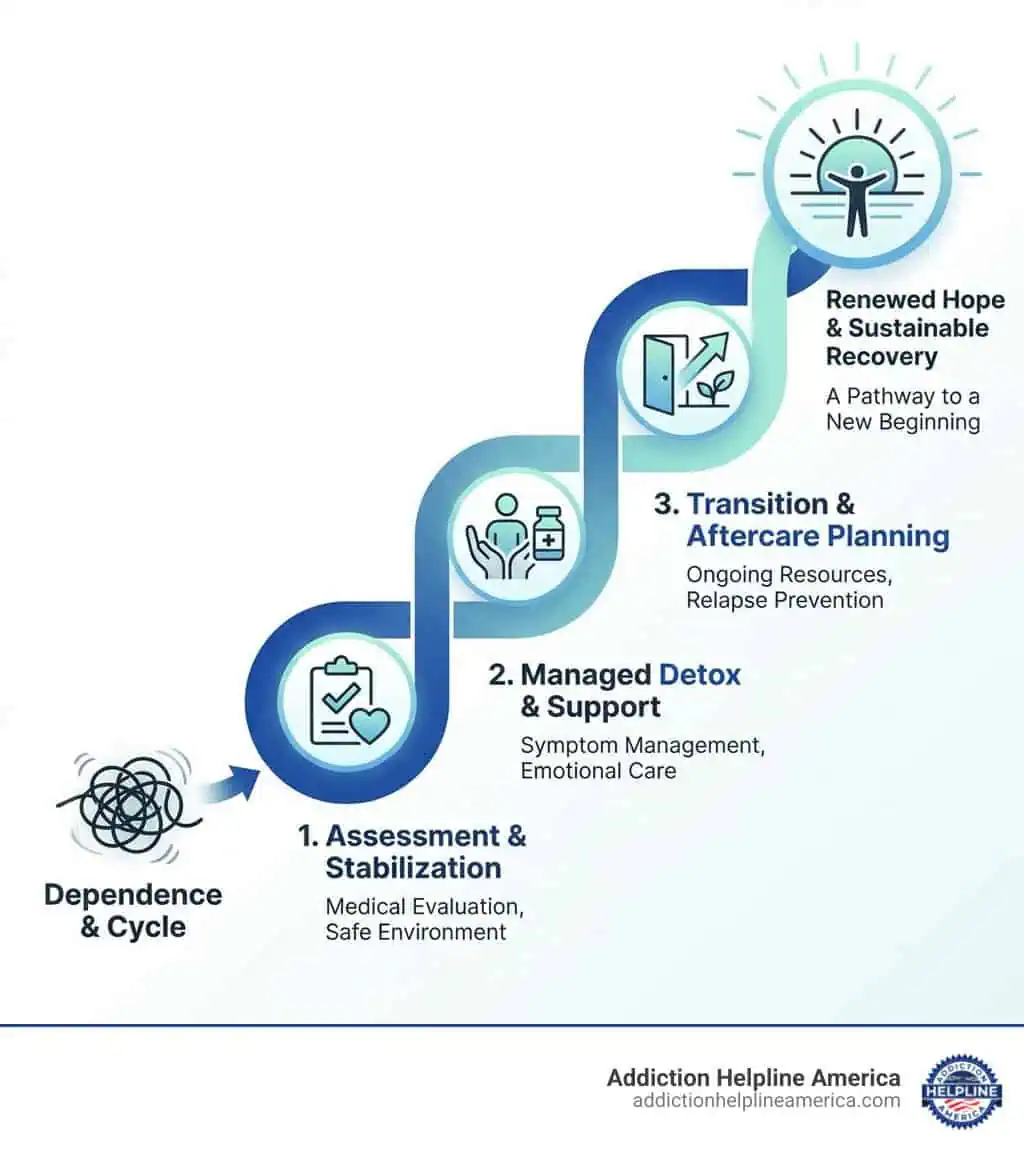
- Comprehensive Care: Medical detox, residential treatment, outpatient programs, and aftercare planning
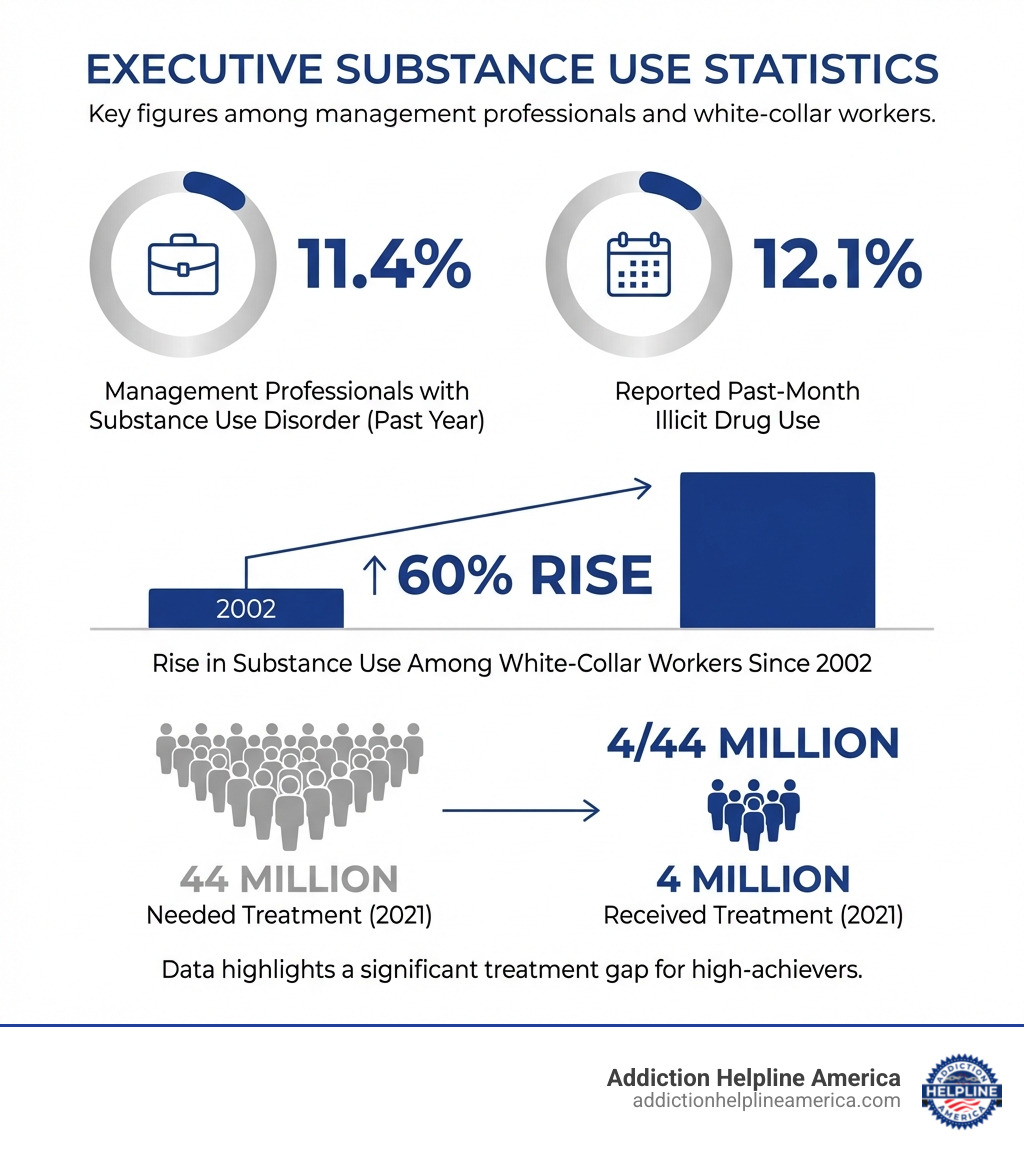
The reality behind the executive facade: According to the Substance Abuse and Mental Health Services Administration (SAMHSA), around 11.4% of individuals in management positions struggled with a substance use disorder in the past year. Despite these numbers, a significant treatment gap exists. Of the over 46 million people who needed substance use treatment in 2021, fewer than 10% received any form of care.
High-achievers face intense pressure that can lead to substance abuse as a coping mechanism, a link supported by research into work-related stress and substance use. The same drive that fuels professional success can also contribute to addiction when stress, anxiety, and the constant demand to perform become overwhelming. As Dr. Alena Sciancalepore, a clinical psychologist specializing in executive mental health, states, “The very traits that propel executives to the top—resilience, a high tolerance for stress, and a relentless drive—can also mask a developing substance use disorder. They become adept at functioning at a high level, making it harder for them and those around them to recognize the problem until it reaches a crisis point.”
Addiction Helpline America has connected thousands of executives and professionals with specialized treatment programs that honor their unique needs. Our team of expert care coordinators provides world-class clinical guidance for substance use disorders and co-occurring mental health conditions. We understand the distinct challenges executives face and offer confidential, personalized support to help you find a program that fits your professional life and recovery goals.
Executive rehab terms at a glance:
What is Executive Rehab and How Does It Differ?
Executive rehab is a specialized addiction treatment program custom for individuals in high-level professional roles. It’s designed to provide comprehensive care that addresses not only the substance use disorder but also the unique challenges, responsibilities, and lifestyle of executives. The goal is to facilitate healing and long-term recovery without completely disengaging from critical professional duties.
Unlike traditional rehab, which often follows a more standardized approach, executive rehab focuses on personalized treatment within an environment that mirrors the comfort and discretion executives are accustomed to. This specialized care ensures that the treatment program aligns with the individual’s specific needs, including their professional demands. More info about Addiction Treatment
Here’s how executive rehab typically differs from traditional rehab programs:
| Feature | Executive Rehab | Traditional Rehab |
|---|---|---|
| Privacy | High priority, secluded locations, private rooms, strict confidentiality | Varies, often semi-private rooms, less emphasis on extreme discretion |
| Amenities | Luxury accommodations, gourmet meals, fitness centers, spa services, business centers | Standard accommodations, cafeteria-style meals, basic facilities |
| Work Flexibility | Designed to accommodate work, Wi-Fi, private workspaces, flexible schedules | Limited or no work access; focus is solely on treatment |
| Peer Group | Other high-achieving professionals facing similar challenges | Diverse group from various backgrounds |
| Cost | Significantly higher (e.g., $30,000 – $100,000+ per month) | More affordable, wider range of pricing |
Traditional rehab settings might not be suitable for executives due to crowded conditions, limited staff, or a lack of amenities that support their professional needs. The peer group in traditional rehab is often diverse, which while beneficial for some, might not resonate with the specific experiences of high-level professionals. Executive rehab, conversely, offers a peer group of like-minded individuals who understand the unique pressures of their roles, fostering a deeper sense of connection and shared understanding in recovery.
Why Professionals Need Specialized Programs
Executives and professionals face unique stressors that increase their risk of substance abuse. The constant pressure to maintain a certain public image, perform at high levels, and manage demanding schedules can lead to overwhelm and burnout. Rehab programs designed for executives address these unique stressors.
The stigma associated with addiction can be particularly pronounced for high-profile individuals. Many fear that seeking help will damage their reputation, career, or leadership standing. “The stigma is a powerful deterrent,” explains Dr. Marcus Thorne, a sociologist specializing in corporate culture. “In many executive circles, seeking help for addiction is still perceived as a failure of character rather than a medical issue. Specialized programs that guarantee absolute discretion are critical in overcoming this barrier, allowing leaders to get care without risking their professional identity.” US Citizens Drug Addiction Facts
Furthermore, some corporate cultures may normalize drinking or even illicit drug use, making it harder for executives to recognize and address a developing problem. High-achievers often grapple with co-occurring mental health conditions like anxiety, depression, and burnout, which can fuel substance use. Integrated treatment for these dual diagnoses is crucial for lasting recovery. Mental Health Clinic Complete Guide
The Unique Challenges Faced by Executives

The executive life is often characterized by chronic stress, long hours, and immense responsibility. Research shows that people in management have some of the highest rates of alcohol use compared to other professions. This isn’t just about workload; it’s about the psychological burden.
- Perfectionism and Imposter Syndrome: Many executives struggle with a relentless drive for perfection and a secret fear of being exposed as inadequate. These traits, while driving success, can also lead to unhealthy coping mechanisms, including substance use, to manage internal pressure and anxiety, as noted in discussions on executive mental health.
- Isolation and Difficulty Showing Vulnerability: High-level positions can be isolating. Executives may feel they cannot show vulnerability or admit struggles, as it might be perceived as a weakness. This lack of emotional outlet can exacerbate mental health issues and addiction. Why People Become Addicted to Drugs
- Neurological Factors: The same neurological mechanisms that drive goal achievement and success in high-achievers can also predispose them to substance use. According to research published in Harvard Medical School’s health blog, the brain’s reward system, powered by dopamine, is central to both motivation and addiction, meaning the drive for success and the craving for a substance can stem from the same neural pathways.
Key Features of an Executive Rehab Program

Executive rehab programs are designed to create an environment where high-achievers can heal and recover without feeling completely disconnected from their professional lives. These facilities combine cutting-edge addiction treatment with luxurious amenities and a high degree of personalization. What to Expect in Rehab
- Luxury Amenities: These programs offer private rooms, often with en-suite bathrooms and high-end furnishings, to ensure maximum comfort and personal space. Gourmet meals prepared by professional chefs cater to individual dietary needs and preferences. State-of-the-art fitness centers, spa services, and wellness amenities (like yoga studios or massage therapy) are common, promoting physical well-being as a crucial part of recovery.
- Personalized Care: A high staff-to-client ratio ensures individual attention and custom treatment plans. This allows for a deeper exploration of personal triggers, underlying issues, and specific career-related stressors.
- Holistic Approach: Beyond traditional therapy, executive rehabs often incorporate holistic therapies such as mindfulness, meditation, art therapy, and adventure therapy. These approaches help executives develop new coping skills, reduce stress, and find healthier ways to engage with their emotions and environment.
Balancing Treatment with Work Responsibilities
One of the primary concerns for executives considering rehab is how to manage their professional duties. Executive rehab programs are uniquely structured to address this.
- Business Amenities: Facilities often provide quiet, dedicated workspaces equipped with high-speed Wi-Fi, computers, and private conference rooms. This allows executives to stay connected, attend virtual meetings, and handle urgent business matters.
- Flexible Scheduling: Treatment schedules are designed with some flexibility, allowing time for professional responsibilities without compromising the intensity or effectiveness of therapy. This approach ensures that clients can prioritize their recovery while maintaining a degree of professional engagement.
- Remote Work Integration: With the rise of remote work, many executive rehabs have integrated protocols that make it easier for professionals to continue working virtually. This can make the transition less noticeable to colleagues and helps alleviate the fear of job loss or career disruption. For those who may not require full residential care, What is IOP? (Intensive Outpatient Programs) can also offer a structured yet flexible treatment option.
Addressing Privacy and Confidentiality
For high-profile individuals, discretion is paramount. Executive rehab centers go to great lengths to ensure utmost privacy and confidentiality.
- Legal Protections: In the U.S., patient medical information is protected by federal laws. The Health Insurance Portability and Accountability Act (HIPAA) protects your medical information, ensuring that rehabs cannot share your health information without your consent. Furthermore, 42 CFR Part 2 provides even more stringent privacy protections specifically for substance use disorder treatment information, preventing treatment providers from disclosing any information that suggests you’ve dealt with addiction.
- Facility Design: Many executive rehabs are located in secluded areas or offer single-client programs to minimize exposure. Private rooms are standard, and staff are trained to uphold strict confidentiality protocols.
- Protecting Reputation and Career: By offering these layers of privacy, executive rehab aims to remove a significant barrier to treatment, allowing professionals to seek help without fear of damaging their hard-earned reputation or career. In most cases, rehab attendance does not go on your record, unless legal issues are involved.
Therapies and Treatment Plans in Executive Rehab
The core of any effective rehab program lies in its therapeutic approaches. Executive rehab programs use a blend of evidence-based therapies custom to the specific needs of high-achievers.
- Individual Therapy: One-on-one sessions with licensed, experienced clinicians who understand corporate culture and pressures are crucial. These sessions dig into underlying issues such as impostor syndrome, perfectionism, anxiety, and the difficulty many executives have with vulnerability.
- Group Therapy with Peers: While some executives may initially resist group settings, therapy with a peer group of other professionals can be incredibly beneficial. Sharing experiences with others who understand the unique demands of their world fosters a sense of community and reduces feelings of isolation.
- CBT/DBT: Cognitive Behavioral Therapy (CBT) and Dialectical Behavior Therapy (DBT) are fundamental therapies that help individuals identify and change negative thought patterns and behaviors. More info about Cognitive Behavioral Therapy
- Dual Diagnosis Treatment: Many executives struggling with addiction also have co-occurring mental health conditions like anxiety, depression, burnout, or ADHD. Integrated treatment, addressing both the substance use disorder and the mental health condition simultaneously, leads to significantly better outcomes, a finding consistently supported by the National Institute on Drug Abuse (NIDA). Dr. Evelyn Reed, an addiction psychiatrist, emphasizes the need for this tailored approach: “You can’t just treat the addiction; you have to treat the executive. That means using therapies like CBT to address the perfectionism and high-pressure thinking, while also providing tools for burnout prevention. It’s about re-engineering their coping toolkit to be as sophisticated as their business acumen.”
- Stress Management and Burnout Prevention: Specialized training in stress management techniques, mindfulness, and meditation is often included. This equips executives with practical tools to steer high-pressure situations without turning to substances.
- Leadership Coaching and Emotion Regulation: Programs may incorporate elements of leadership coaching, helping executives to develop authentic leadership styles, set boundaries, and delegate effectively. Emotion regulation strategies are taught to manage intense emotions in high-stakes business situations healthily.
- Family Therapy: Addiction impacts the entire family system. Family Therapy in Addiction Recovery helps to heal relationships and build a supportive home environment, which is vital for long-term recovery.
- Relapse Prevention and Aftercare: A comprehensive aftercare plan is developed, including strategies for workplace re-entry, identifying triggers (such as business travel or client entertainment), ongoing coaching, and access to alumni networks. This ensures continued support as executives transition back to their professional lives.
Common Therapies Offered in Executive Rehab:
- Individual Therapy
- Group Therapy with Peers
- Cognitive Behavioral Therapy (CBT)
- Dialectical Behavior Therapy (DBT)
- Holistic Therapies (Yoga, Mindfulness, Meditation)
- Relapse Prevention
- Family Therapy
- Stress Management and Burnout Prevention
Investing in Recovery: Cost, Benefits, and Finding a Program
Choosing an executive rehab program is a significant investment, but it’s an investment in your health, career, and overall well-being. The cost of addiction, in terms of damaged business reputation, lost productivity, strained relationships, and personal health decline, far outweighs the cost of treatment.
Longer residential rehab stays correlate to better outcomes, emphasizing that dedicating sufficient time to recovery is crucial for sustainable sobriety. For executives, this means finding a program that not only addresses their immediate addiction but also equips them with tools for long-term resilience in their demanding careers. As financial wellness expert and author David Bach notes, “Investing in your health is the most important investment you’ll ever make.” For an executive, this is doubly true, as their personal well-being is directly tied to the health of their organization.
The benefits extend far beyond sobriety, leading to improved decision-making, better relationships, improved mental clarity, and a renewed sense of purpose—all essential for continued professional success.
What is the Typical Cost of Executive Rehab?
The cost of executive rehab can vary significantly, with high-end programs typically ranging from $30,000 to over $100,000 per month, as reported by news outlets like The New York Times. This higher price point reflects the specialized care, luxury amenities, high staff-to-client ratios, and custom programming designed to meet the unique needs of professionals.
Factors influencing cost include:
- Location: Programs in high-demand or exclusive areas may be more expensive.
- Duration: Longer programs naturally incur higher costs.
- Amenities: The level of luxury, such as private suites, gourmet dining, and extensive wellness facilities, impacts pricing.
- Level of Care: The intensity of medical supervision, therapy, and specialized treatments.
Insurance Coverage: While executive rehab is more expensive, many insurance plans may cover at least some of the cost. It’s crucial to verify your insurance benefits directly with the facility or through a service like ours.
Private Pay Options: For those seeking maximum confidentiality or whose insurance coverage is limited, private pay arrangements, Health Savings Accounts (HSAs), and Flexible Spending Accounts (FSAs) are often available. Some facilities may also offer payment plans. More info about How Much Does Rehab Cost?
We understand that cost is a concern, and while executive rehab represents a significant investment, there are also options for Affordable Inpatient Rehab that can provide quality care.
How to Find the Right Executive Rehab Program
Finding the right executive rehab program requires careful consideration of your specific needs, the nature of your addiction, and your professional circumstances.
- Assessing Specific Needs: Start by identifying what’s most important to you: utmost privacy, the ability to work remotely, specific therapeutic modalities, or a particular type of environment.
- Questions to Ask Admissions: When speaking with admissions teams, inquire about:
- Their policies on work integration (Wi-Fi, private workspaces).
- The staff-to-client ratio and the credentials of their clinicians.
- How they ensure confidentiality and privacy.
- Their approach to co-occurring mental health disorders.
- The types of therapies offered, especially those custom to executive stressors.
- Their aftercare and return-to-work planning.
- Verifying Accreditation and Staff Credentials: Look for facilities that are accredited by reputable organizations like CARF or The Joint Commission. These accreditations signify that the program meets high standards for quality and effectiveness. Ensure that the clinical staff are licensed and experienced in treating high-level professionals. Best Drug Alcohol Treatment Centers 2025
- Treatment Philosophy: Understand the program’s overall approach. Does it align with your values and beliefs? Some programs may emphasize 12-Step approaches, while others are more non-12-Step or holistic.
Our extensive network includes specialized executive rehab facilities across the nation. We can help you Explore Executive Rehab Options that meet your unique requirements.
Take the First Step Towards a New Future
Choosing an executive rehab program is a courageous step towards reclaiming control of your life and securing your future. It’s an investment that pays dividends not only in personal well-being but also in the sustained success of your career. By addressing addiction and co-occurring mental health issues in a custom, discreet, and supportive environment, you empower yourself to return to your professional and personal life stronger and more resilient.
We understand the complexities and sensitivities involved for executives seeking help. Our mission at Addiction Helpline America is to provide free, confidential, and personalized guidance to help you find the right recovery program. We connect individuals nationwide to addiction and mental health treatment centers, offering you a vast network of options.
Don’t let the fear of stigma or career disruption prevent you from seeking the help you deserve. Our team of compassionate and knowledgeable care coordinators is available 24/7 to listen, understand your unique situation, and match you with a program that respects your privacy and professional commitments.
Find the right luxury drug rehab program for your needs today. Your story isn’t over; a brighter future awaits you.