
Your Guide to Getting Help in Texas
Rehab centers Texas offer hope and healing for thousands of people struggling with addiction every year. Whether you’re seeking help for yourself or a loved one, understanding your options is the first step toward recovery.
Quick Facts About Rehab Centers in Texas:
According to the 2022 National Survey of Substance Abuse Treatment Services (N-SSATS), Texas has a robust network of care:
- 553 total substance use treatment facilities across the state
- 478 facilities offering outpatient programs for flexible treatment
- 141 facilities offering residential (non-hospital) programs for immersive care
- 47 facilities offering hospital inpatient services for medical-level care
- Cost varies widely: While some sources estimate an average cost, the actual price depends heavily on the level of care, duration, and amenities. Costs can range from state-funded programs to private luxury facilities.
- Over 63% accept private insurance
- Over 91% accept cash or self-payment
- Over 58% accept Medicaid
- 211 facilities offer sliding scale fees
- 201 facilities offer some form of payment assistance
Texas has treatment centers in every major city—Dallas, Houston, Austin, San Antonio, and beyond. You’ll find programs for all addiction types, co-occurring mental health conditions, and specialized care for veterans, women, men, and LGBTQ+ individuals.
At Addiction Helpline America, we’ve helped countless individuals and families steer the Texas addiction treatment landscape to find the right care for their unique needs—and our confidential guidance is completely free, available 24/7. We understand that choosing a rehab center in Texas can feel overwhelming, which is why we’re here to walk you through every step of the process of paying for rehab.
Understanding Addiction Treatment Levels of Care in Texas
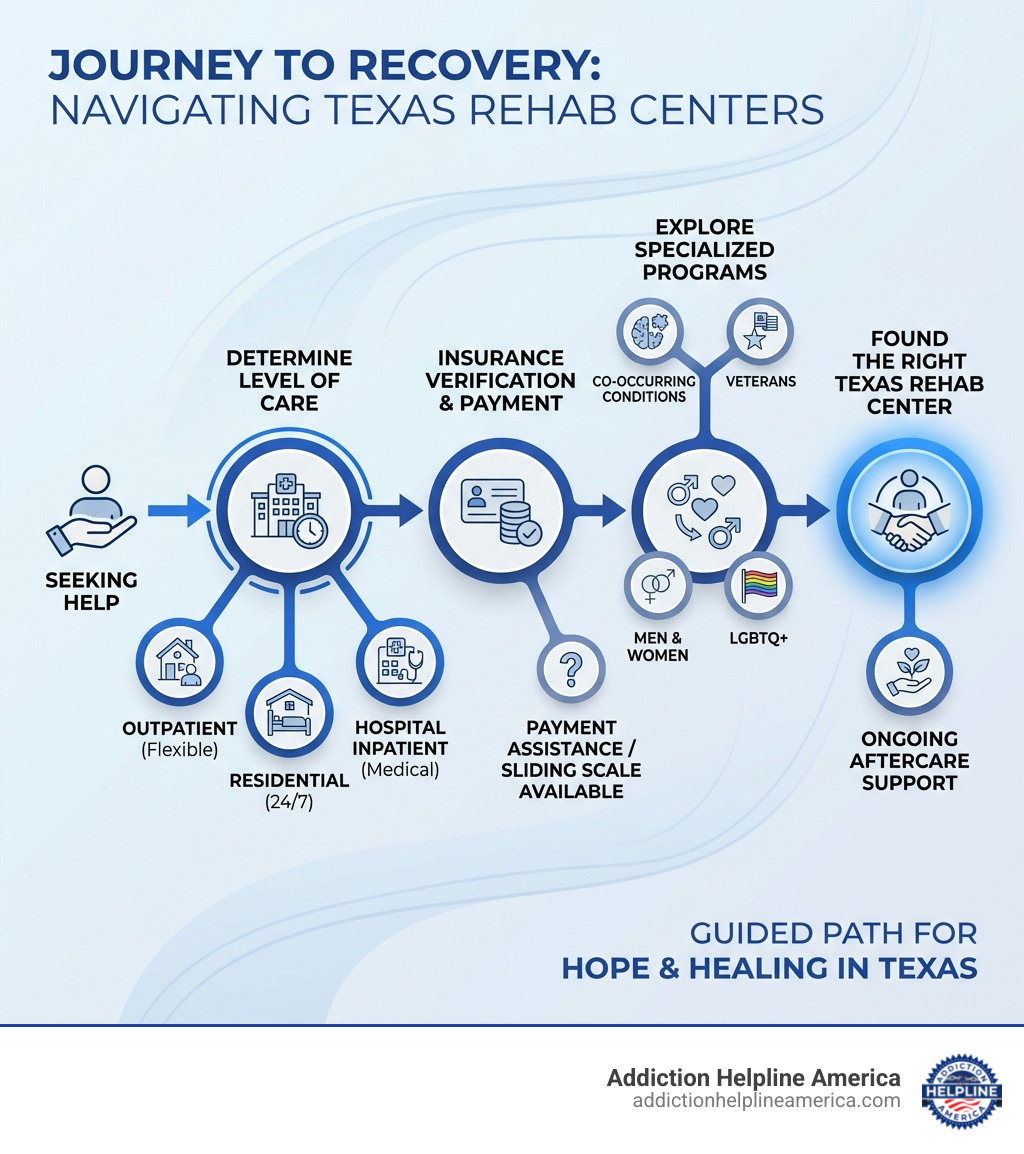
The journey to recovery is deeply personal, and the first step is often understanding the different types of care available. Texas offers a broad spectrum of addiction treatment options, designed to meet varying needs and severities of substance use disorders. With 553 rehab programs throughout Texas, we can help you find the right fit for you or your loved one.
The “continuum of care” refers to the various stages of treatment, from intensive medical supervision to less structured outpatient support, as defined by organizations like the American Society of Addiction Medicine (ASAM). It’s crucial to find a program that matches an individual’s specific situation, as treatment for drug addiction is not “boot camp” but a partnership toward healing.
| Treatment Type | Description | Ideal For |
|---|---|---|
| Medical Detox | Medically supervised withdrawal from substances, ensuring safety and comfort while managing potentially severe withdrawal symptoms. | Individuals with physical dependence on drugs or alcohol, where withdrawal could be dangerous or extremely uncomfortable without medical oversight. |
| Inpatient/Residential | 24/7 structured care in a facility, providing an immersive environment away from triggers. Includes therapy, counseling, and medical support. | Those with severe addiction, co-occurring mental health conditions, or who need a complete break from their current environment to focus on recovery. |
| Partial Hospitalization (PHP) | Highly structured outpatient program, often 5-7 days a week, several hours a day. Patients return home or to sober living at night. | Individuals transitioning from inpatient care, or those needing intensive support but with a stable home environment. |
| Intensive Outpatient (IOP) | Fewer hours per week than PHP, allowing more flexibility for work, school, or family. Includes group and individual therapy. | People who have completed higher levels of care, or those with moderate addiction who can maintain daily responsibilities. |
| Standard Outpatient | Least intensive level of care, typically 1-2 sessions per week. Focuses on maintaining sobriety and developing coping skills. | Individuals with mild substance use disorders, or those in long-term recovery needing ongoing support. |

Medical Detox and Withdrawal Management
For many, the first and most critical step in overcoming addiction is medical detoxification, often referred to as withdrawal management. This process involves safely and comfortably withdrawing from drugs or alcohol under the supervision of medical professionals. It’s vital because withdrawal symptoms can range from uncomfortable to life-threatening, depending on the substance and the individual’s dependency, according to the National Institute on Drug Abuse (NIDA).
A medically supervised detox ensures that patients receive appropriate medication to alleviate symptoms, as well as constant monitoring to address any complications. This safe foundation allows individuals to stabilize physically before engaging in the deeper psychological work of recovery. Facilities like the Andrews Center Behavioral Healthcare Canton TX understand the importance of this initial phase.
Inpatient and Residential Treatment
Inpatient and residential treatment programs offer an immersive, 24/7 structured environment where individuals can focus entirely on their recovery, free from external triggers and daily stressors. These programs provide a safe haven and complete medical attention, helping to launch the healing process. Texas boasts a significant number of these facilities, with 141 residential rehab (non-hospital) programs and 47 hospital inpatient facilities, per SAMHSA’s 2022 data.
During an inpatient stay, patients receive intensive individual and group therapy, addiction education, and often participate in holistic activities designed to address their physical, mental, and spiritual well-being. The typical program length for inpatient rehab varies, often lasting between 30-90 days. The National Institute on Drug Abuse (NIDA) advises that for most patients, a treatment duration of at least 90 days is needed to stop or reduce drug use. For those seeking comprehensive residential care, places like Great Oaks Recovery Center Egypt TX provide dedicated support.
Outpatient Treatment Programs
Outpatient treatment programs offer a flexible approach to recovery, allowing individuals to live at home and continue with work, school, or family responsibilities while receiving care. Texas has a robust network of these programs, with 478 facilities offering outpatient treatment. This option is ideal for those with a strong support system, a less severe addiction, or as a step-down from more intensive inpatient care.
Outpatient programs come in various forms:
- Partial Hospitalization Programs (PHPs): These are highly structured, offering several hours of treatment per day, typically 5-7 days a week. Patients attend sessions during the day and return home or to a sober living environment in the evenings.
- Intensive Outpatient Programs (IOPs): Less time-intensive than PHPs, IOPs typically involve 9-12 hours of therapy per week, spread across 3-5 days. They focus on developing coping skills and addressing underlying issues.
- Standard Outpatient Programs: These are the least intensive, usually involving 1-2 sessions per week. They are often used for long-term recovery maintenance and relapse prevention.
Each level offers evidence-based therapies, counseling, and support, helping individuals build a strong foundation for lasting sobriety. For example, Austin Drug and Alcohol Abuse Program ADAAP Austin TX offers valuable outpatient services.
How to Choose the Best Rehab Centers in Texas
Finding the “best” rehab center isn’t about finding the most luxurious or expensive one; it’s about finding the best fit for an individual’s unique needs. As Dr. Nora Volkow, director of the National Institute on Drug Abuse (NIDA), has emphasized, “No single treatment is right for everyone. The best treatment addresses a person’s multiple needs, not just his or her drug use.” We believe that a personalized approach is key to successful recovery.
We recommend seeking an independent assessment from a clinician experienced in substance use problems who is not affiliated with a specific treatment center. This independent perspective can help determine the most appropriate level of care and types of programs without bias.

What to Look for in Rehab Centers in Texas
When evaluating rehab centers Texas, several factors should guide your decision-making process:
- Accreditation and Licensing: Ensure the facility is licensed by the state of Texas and holds reputable accreditations such as The Joint Commission (JCAHO) or the Commission on Accreditation of Rehabilitation Facilities (CARF). These signify a commitment to high standards of care and quality.
- Staff Credentials: Look for programs with qualified, licensed professionals, including doctors, nurses, therapists, and counselors specializing in addiction and mental health.
- Evidence-Based Therapies: A quality rehab center will use therapies proven to be effective. NIDA highlights several approaches, such as Cognitive Behavioral Therapy (CBT), Dialectical Behavior Therapy (DBT), Motivational Interviewing, and family therapy.
- Personalized Treatment Plans: Addiction affects everyone differently. The best programs offer individualized treatment plans custom to the specific needs, history, and goals of each patient.
- Program Expectations and Rules: Understand the daily schedule, rules, and responsibilities within the program. A clear structure is often beneficial for recovery.
- Family Involvement: Addiction impacts the entire family. Programs that offer family therapy, workshops, or education can be incredibly beneficial for healing and building a supportive home environment.
- Patient Rights and Responsibilities: A transparent facility will provide clear documentation of patient rights and responsibilities.
- Environment and Amenities: While not the primary factor, a comfortable and supportive environment can improve the recovery experience. Many centers emphasize the therapeutic benefits of a natural or serene setting.
Specialized Programs at Rehab Centers in Texas
Many rehab centers Texas offer specialized programs designed to address unique needs or co-occurring conditions, ensuring a more targeted and effective treatment approach. These programs recognize that addiction rarely exists in isolation.
- Dual Diagnosis Treatment: This is crucial for individuals with co-occurring mental health issues (like depression, anxiety, PTSD) alongside their addiction. Integrated treatment means addressing both conditions simultaneously, as they often fuel each other. NIDA confirms that treating both illnesses together is critical for success. TTBH Tropical Texas Behavioral Health Substance Use Disorder Services Edinburg TX is an example of a center addressing behavioral healthcare.
- Veterans Programs: Recognizing the unique challenges faced by service members, some facilities offer specialized programs for veterans and first responders, often focusing on trauma-informed care and reintegration.
- Gender-Specific Treatment: Women and men often experience addiction differently and may benefit from gender-specific environments where they can feel safer and more open to discussing sensitive issues. For instance, Bay Area Recovery Center Womens Facility Dickinson TX provides a supportive space for women.
- LGBTQ+ Programs: These programs provide a safe and affirming environment for LGBTQ+ individuals, addressing specific challenges they may face related to identity, discrimination, and mental health.
- Trauma-Informed Care: According to 2022 SAMHSA data, over 74% of Texas rehab centers provide counseling for trauma, recognizing its significant role in substance use disorders. This approach ensures that treatment is delivered in a way that avoids re-traumatization and promotes healing.
The Cost of Rehab in Texas and How to Pay for It
Understanding the financial aspect of addiction treatment is a common concern for individuals and families. The cost of rehab varies widely based on the type of program, duration of stay, location, and amenities. For example, research published by JAMA shows that costs for a 30-day program can range from a few thousand dollars for outpatient care to over $20,000 for residential treatment.
However, the good news is that numerous payment options and financial assistance programs are available to make treatment accessible. We are committed to helping you steer these options, and our guidance is always free and confidential.
Does Insurance Cover Addiction Treatment in Texas?
Yes, insurance typically covers addiction treatment in Texas, often significantly reducing out-of-pocket costs. The extent of coverage depends on your specific insurance policy, the treatment center, and the medical necessity of the care.
A key piece of legislation, The Mental Health Parity and Addiction Equity Act (MHPAEA), mandates that health insurance providers must cover mental health and substance use disorder treatment similarly to how they cover medical and surgical benefits. This means that if your plan covers hospital stays for a physical illness, it should also cover residential treatment for addiction.
Based on 2022 SAMHSA data for Texas:
- Private Insurance: Over 63% of alcohol and drug treatment facilities in Texas accept private insurance. We can help you verify your benefits and understand what your plan covers. Facilities like The Right Step Euless TX work with various insurance providers.
- Medicaid: Over 58% of alcohol and drug treatment facilities in Texas accept Medicaid, making it a vital resource for many individuals.
- Medicare and Tricare: These government-funded programs also offer coverage for addiction treatment, though specific benefits can vary.
It’s crucial to contact your insurance provider or allow us to assist you in verifying your benefits to understand your coverage fully.
Other Payment and Financial Assistance Options
Even if you don’t have insurance or your insurance doesn’t cover the full cost, there are still many ways to pay for addiction treatment in Texas. The 2022 N-SSATS report shows that many Texas facilities offer financial help:
- Cash and Self-Payment: Over 91% of alcohol and drug treatment facilities in Texas accept cash and self-payment. This can be an option for those who prefer not to use insurance or have the financial means.
- Sliding Scale Fees: 211 programs in Texas offer sliding scale fees, meaning the cost of treatment is adjusted based on an individual’s income and ability to pay. This ensures that treatment remains accessible to those with lower incomes.
- Payment Assistance: 201 programs in Texas offer payment assistance, which can include grants, scholarships, or other forms of financial aid that do not require repayment.
- Employer Assistance Programs (EAPs): Many employers offer EAPs that can provide confidential counseling and referrals to addiction treatment services, sometimes even covering a portion of the costs.
- Financing Plans: Some treatment centers offer in-house financing or work with third-party lenders to provide payment plans, allowing individuals to pay for treatment in installments. The Family Abuse Center Waco TX is one such example of an organization focused on support.
The Texas Advantage: Benefits of Seeking Treatment in the Lone Star State
Texas offers unique advantages for individuals seeking addiction treatment, making it a compelling choice for recovery. The Lone Star State’s diverse landscape, economic affordability, and consistent climate contribute to a supportive and effective healing environment.
- Diverse Environments: From the busy metropolitan areas of Dallas, Houston, and Austin to the tranquil Hill Country or coastal regions, Texas provides a variety of settings. This means you can choose a rehab center that aligns with your preference for urban convenience or serene, natural seclusion. Many facilities capitalize on Texas’s beautiful natural surroundings to aid in recovery.
- Recreational Opportunities: The vastness of Texas means ample opportunities for outdoor activities and recreation, which can be integrated into holistic treatment plans. Activities like equine therapy, hiking, or simply enjoying nature can significantly contribute to mental and physical well-being during recovery.
- Economic Affordability: Compared to some other states, the cost of living and, often, the cost of treatment in Texas can be more affordable, making long-term care more sustainable for many families.
- Consistent Climate: Texas generally enjoys a warm climate, which can be beneficial for outdoor therapies and maintaining a positive outlook throughout the treatment process.
- Proximity to Loved Ones: For many in the southern U.S., choosing a rehab centers Texas allows them to remain closer to their support network of family and friends, which is often a crucial component of successful long-term recovery.
Treating Mental Health Alongside Addiction
One of the most significant benefits of modern addiction treatment in Texas is the increasing focus on integrated care, particularly for individuals with co-occurring mental health issues. It’s widely understood that addiction often goes hand-in-hand with conditions like depression, anxiety, PTSD, or bipolar disorder. Addressing both simultaneously is essential for lasting recovery.
- Integrated Treatment: Many Texas rehab centers specialize in dual diagnosis, meaning they treat both the substance use disorder and any co-occurring mental health conditions at the same time. According to the National Institute on Drug Abuse (NIDA), this integrated approach is more effective than treating each disorder separately.
- Holistic Approach: Beyond clinical therapy, many Texas facilities accept a holistic approach, caring for the “whole person”—body, mind, and spirit. This can include nutritional guidance, physical activity, mindfulness practices, and spiritual counseling, all designed to foster overall wellness.
- Trauma-Informed Care: Given the strong link between trauma and addiction, many programs in Texas offer trauma-informed care. This approach, as outlined by SAMHSA’s Trauma and Justice Strategic Initiative, recognizes the widespread impact of trauma and integrates this knowledge into all aspects of treatment to create a safe and healing environment. TTBH Tropical Texas Behavioral Healthcare Substance Use Disorder Services Edinburg TX exemplifies a center that understands the complexities of behavioral health challenges.
Life After Rehab: Aftercare and Sober Living in Texas
Completing a residential or intensive outpatient program is a monumental achievement, but it’s just the beginning of a lifelong journey. Life after rehab, supported by robust aftercare programs and sober living arrangements, is critical for sustained recovery. As the National Institute on Drug Abuse (NIDA) states, recovery is a long-term process and frequently requires multiple episodes of treatment.
- Relapse Prevention: Aftercare programs provide tools and strategies to manage triggers, cravings, and high-risk situations that can lead to relapse. This continued support is vital as individuals transition back into their daily lives.
- Sober Living Homes: These transitional residences offer a structured, substance-free environment that bridges the gap between inpatient treatment and independent living. They provide accountability, peer support, and help individuals practice newly learned coping skills in a real-world setting. Unlimited Visions Aftercare Houston TX is an example of an organization dedicated to supporting individuals post-treatment.
- Support Groups: Participation in 12-Step programs like Alcoholics Anonymous (AA) or Narcotics Anonymous (NA), or other peer support groups like SMART Recovery, offers ongoing community, shared experience, and accountability.
- Ongoing Therapy: Continuing individual and/or group therapy sessions after formal treatment helps individuals process new challenges, reinforce recovery principles, and address any emerging issues.
- Case Management: Some programs offer case management services to help individuals steer various life aspects, including employment, education, and housing, ensuring a smoother transition and stable foundation for recovery.
We understand the importance of linkage to community providers for long-term medication management and continued support. Long-term recovery is a marathon, not a sprint, and Texas offers many resources to support individuals every step of the way.
Finding Local Treatment Centers Across Texas
With a state as vast as Texas, finding a rehab centers Texas near you or your loved one can feel like a daunting task. However, addiction treatment facilities are widely distributed, with significant concentrations in major metropolitan areas and specialized centers in more serene, rural settings.
We work with a vast network of reputable treatment centers across Texas, offering a wide range of services. Whether you’re looking for an inpatient facility in a busy city or an outpatient program closer to home, we can help you pinpoint the best options.
Here are some of the areas in Texas where you can find dedicated rehab centers:
- Statewide Search: You can begin a broader search for Rehab Centers Texas through our network.
- Lubbock: For those in West Texas, there are specialized Drug Rehab Centers in Lubbock Texas.
- Spring: If you’re near Houston, consider options in Texas Spring.
- Austin: The state capital offers various services, including those like Austin Recovery Austin TX.
- Houston: A major hub for treatment, you can find centers like Unlimited Visions Aftercare Houston TX.
- Dallas/Fort Worth: The Metroplex has numerous options, including Abode Treatment Fort Worth TX.
- San Antonio: For those in South Central Texas, many resources are available. Our team can help you find a suitable program in the area.
- Round Rock: North of Austin, you can explore treatment options in Texas Round Rock.
No matter where you are in Texas, our free and confidential helpline is available 24/7 to connect you with the right resources. We can help you steer the options, verify insurance, and provide personalized guidance to ensure you find the support you need close to home or in a setting that best suits your recovery journey.
Conclusion
The journey to recovery from addiction is a testament to strength, courage, and hope. As we’ve explored, rehab centers Texas offer a comprehensive and diverse landscape of treatment options, designed to meet every individual’s unique needs. From medically supervised detox and intensive inpatient programs to flexible outpatient care and vital aftercare support, Texas has the resources to guide you or your loved one towards a healthier future.
We’ve seen that factors like accreditation, staff credentials, evidence-based therapies, and specialized programs for co-occurring disorders or specific demographics are crucial in selecting the best fit. Furthermore, while the cost of treatment can seem daunting, numerous payment options—including insurance coverage mandated by the Mental Health Parity and Addiction Equity Act, Medicaid, sliding scale fees, and payment assistance—make recovery accessible.
Choosing Texas for treatment offers additional benefits, including diverse environments, recreational opportunities, and proximity to loved ones, all contributing to a supportive healing process. The right time to seek help is now. You don’t have to steer this complex process alone.
At Addiction Helpline America, we are dedicated to providing free, confidential, and personalized guidance to help you find the right recovery program. Your path to a brighter future, free from the grip of addiction, starts now.
Find a Texas rehab center today and let us help you take that crucial first step. Confidential help is available 24/7.