
Why Seeking Heroin Rehab Is the Most Important Decision You Can Make
Heroin rehab is a life-saving program combining medical detox, medication-assisted treatment (MAT), and behavioral therapy to help people overcome heroin addiction. If you or a loved one is struggling, understanding your options is the first step toward recovery.
Quick Guide to Heroin Rehab Options:
- Medical Detox – Safely manage withdrawal under professional supervision (3-10 days)
- Inpatient/Residential Treatment – Live in a facility with 24/7 care (30-90+ days)
- Outpatient Programs – Attend therapy while living at home (PHP, IOP, or standard)
- Medication-Assisted Treatment (MAT) – Use FDA-approved medications to reduce cravings
- Behavioral Therapy – Address underlying causes with CBT and other proven methods
- Aftercare & Support – Continue recovery with support groups and ongoing counseling
Heroin is one of the most addictive substances. According to the 2022 National Survey on Drug Use and Health (NSDUH), approximately 1 million people aged 12 or older used heroin in the past year, and 900,000 had a heroin use disorder. This powerful opioid hijacks brain chemistry, creating intense physical dependence that makes quitting alone extremely difficult and dangerous.
But here’s the hopeful truth: heroin addiction is treatable. Research from the National Institute on Drug Abuse (NIDA) confirms that combining medication with behavioral therapy is highly effective. According to NIDA, staying in treatment for an adequate period, often at least 90 days, is critical for success, with longer durations yielding better outcomes. Treatment works, and thousands reclaim their lives every year.
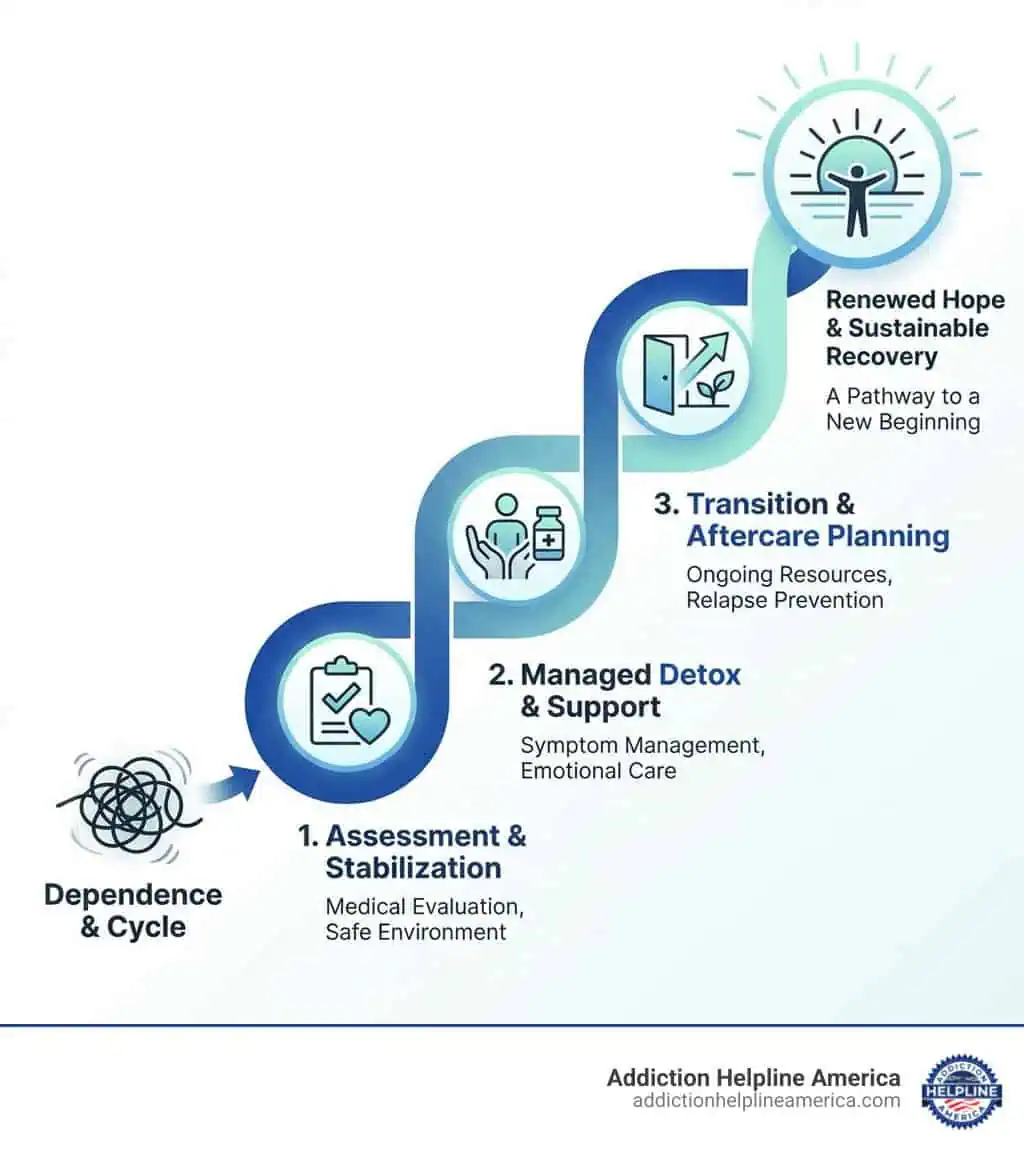
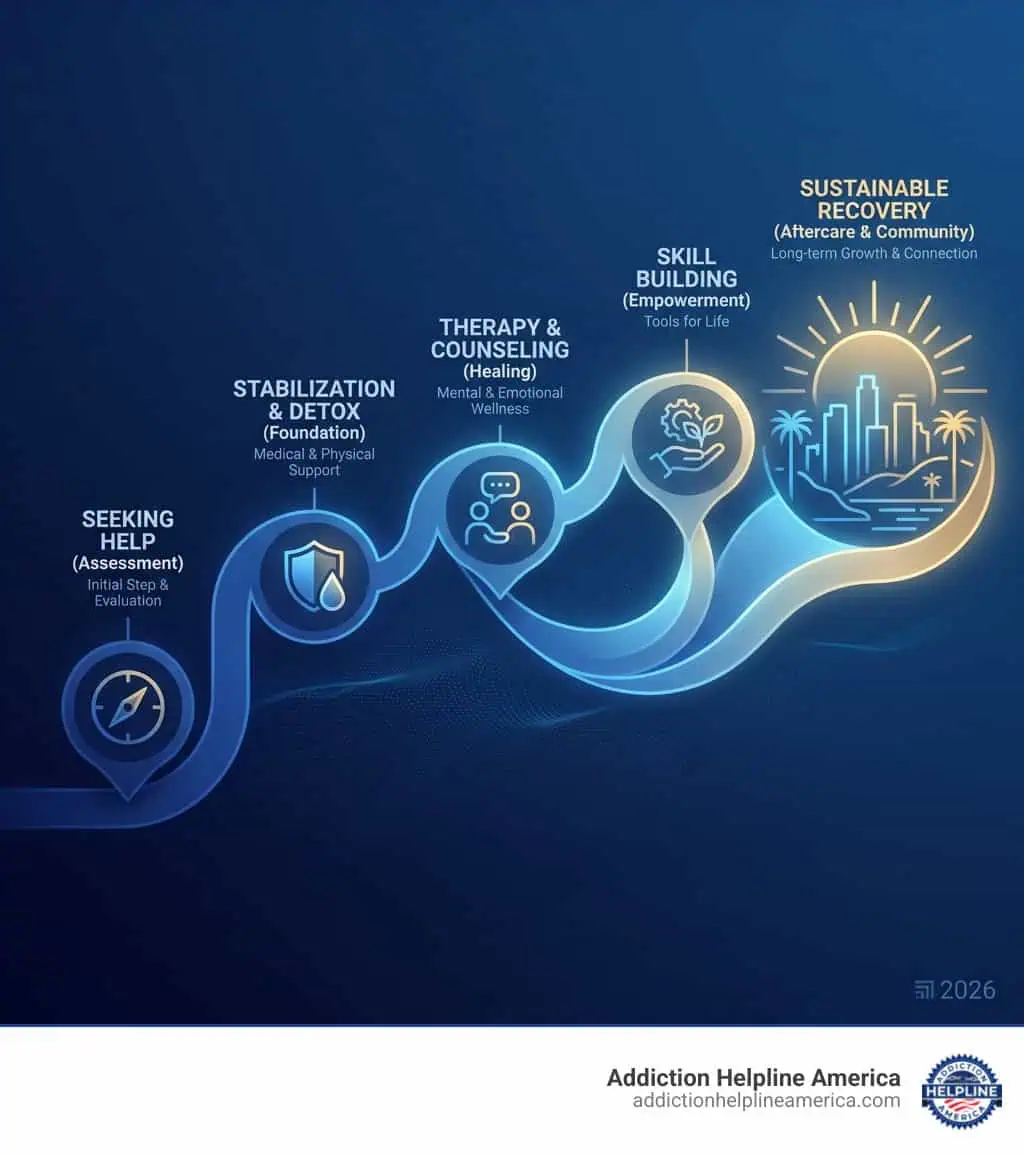
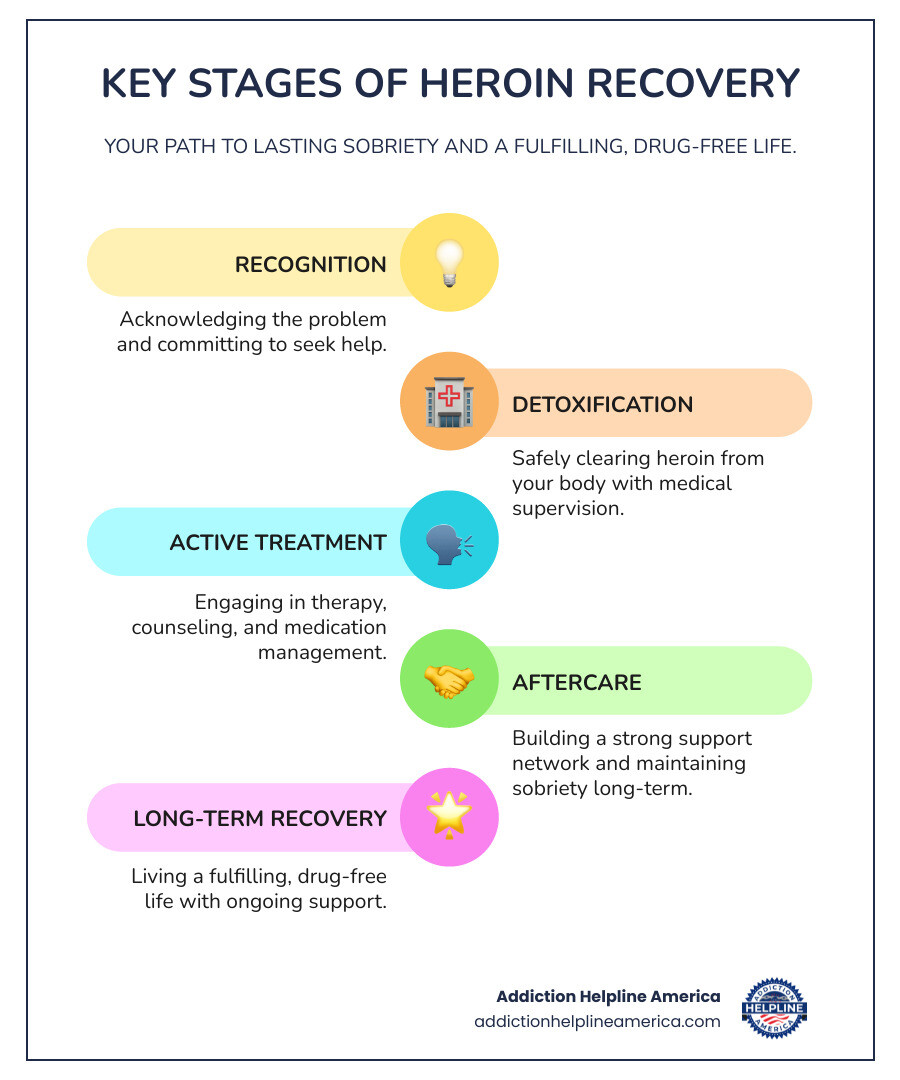
The journey from addiction to recovery involves several key stages:
- Recognition – Acknowledging the problem and deciding to seek help
- Detoxification – Safely clearing heroin from your body under medical supervision
- Active Treatment – Participating in therapy, counseling, and medication management
- Aftercare – Building a support network and maintaining sobriety long-term
- Recovery – Living a fulfilling, drug-free life with ongoing support
At Addiction Helpline America, we’ve guided countless individuals through every stage of heroin recovery, connecting them with evidence-based heroin rehab programs that match their needs. Our addiction specialists are available 24/7 to provide free, confidential support and help you take that crucial first step.
Understanding Heroin Addiction and Its Impact
Heroin addiction is a complex brain disease causing a compulsive need to use the drug despite harmful consequences. This powerful opioid changes brain chemistry, leading to physical dependence where the body needs it to function. Without it, severe withdrawal occurs. “Heroin is a devastating drug that quickly creates physical dependence, making the fear of withdrawal a powerful barrier to seeking help,” states Dr. Sarah Wakeman, an addiction medicine specialist at Mass General Brigham. This cycle makes addiction dangerous and hard to overcome without professional help.

Signs and Symptoms of Heroin Use Disorder
Recognizing the signs of heroin addiction, also known as opioid use disorder (OUD), is crucial for getting help. These signs can be behavioral, physical, and psychological.
Common signs and symptoms include:
- Behavioral Changes:
- Lying about drug use or whereabouts
- Increased secrecy or isolation
- Neglecting personal hygiene
- Poor work/school performance or job loss
- Financial problems, including stealing
- Hiding needle marks with long sleeves
- Physical Symptoms:
- Constricted, “pinpoint” pupils
- Weight loss or poor appetite
- Frequent drowsiness or “nodding off”
- Runny nose and watery eyes
- Bruises, scabs, or track marks
- Slurred speech or slowed movement
- Psychological Signs:
- Intense heroin cravings
- Mood swings, irritability, or anxiety
- Depression, hopelessness, or suicidal thoughts
- Poor concentration and judgment
- Paranoia or confusion
- Losing interest in hobbies
You can learn more about recognizing the various signs and symptoms of substance use.
The Dangers: Short and Long-Term Effects of Heroin
Heroin is an extremely dangerous substance with significant physical and mental health risks, including fatal overdose. Effects can be immediate and severe or develop with chronic use.
Short-term effects occur within seconds to minutes of use:
- Intense euphoria: A sudden rush of pleasure.
- Drowsiness and mental clouding: A “nodding” state.
- Heavy limbs: A feeling of profound relaxation.
- Dry mouth, nausea, and vomiting.
- Slowed breathing and heart rate: This is dangerous and can lead to overdose.
- Skin flushing and severe itching.
Long-term effects of chronic heroin use can be devastating:
- Collapsed veins from repeated injections.
- Infections: Bacterial infections, abscesses, and diseases like HIV and hepatitis from shared needles.
- Liver and kidney disease.
- Mental health disorders: Worsening depression and anxiety.
- Brain changes: Affecting decision-making and stress responses.
- Hormonal imbalances.
- Tolerance and dependence: Requiring higher doses and experiencing severe withdrawal without the drug.
The most severe risk is a fatal overdose, as heroin depresses the central nervous system and can stop breathing. Eliminating reliance on heroin is paramount for well-being. You can find more information on overdose death rates from NIDA.
What to Expect from Heroin Withdrawal
Heroin withdrawal happens when a dependent person stops or reduces their use. While rarely life-threatening, it is a highly uncomfortable process as the body re-regulates itself without the opioid.
According to MedlinePlus, a service of the U.S. National Library of Medicine, the typical withdrawal timeline is as follows:
- Onset: Symptoms begin within 6-12 hours after the last use.
- Peak: Symptoms intensify and peak within 48-72 hours.
- Duration: Acute withdrawal usually lasts for about five days, though some symptoms can linger for weeks or months.
Common heroin withdrawal symptoms include:
- Severe muscle and bone pain
- Nausea and vomiting
- Diarrhea
- Intense heroin cravings
- Restlessness and agitation
- Insomnia
- Cold flashes with goosebumps (“cold turkey”)
- Profuse sweating
- Anxiety and depression
- Fatigue and weakness
While heroin detox is rarely life-threatening, severe discomfort can cause complications like dehydration and increases relapse risk. This makes professional medical supervision crucial. If you or a loved one needs help, we can help you find a detox facility near you.
The First Step: Medically Supervised Detox and MAT
Detoxification is the first, most challenging step in overcoming heroin addiction. Due to intense withdrawal symptoms, medically supervised detox is essential for safety and comfort. It lays the foundation for long-term recovery by safely clearing the drug from the body and managing withdrawal.

The Importance of Medically Assisted Detox
Medically assisted detox involves a team of healthcare professionals overseeing the withdrawal process to provide proper medical care and medications to alleviate symptoms.
- Safety: Prevents dangerous health complications from severe withdrawal, such as dehydration.
- Comfort: Makes the withdrawal process as manageable as possible, reducing pain.
- Reducing Relapse Risk: Managing severe cravings and discomfort helps individuals complete this critical first step.
Though heroin withdrawal is rarely life-threatening, the severe discomfort can be dangerous if unsupervised. A professional detox program provides essential medical and emotional support. Detox is the first step, not a cure, but a precursor to comprehensive heroin rehab. Learn more in our guide on detoxification.
Medications for Heroin Addiction Treatment (MAT)
Medication-Assisted Treatment (MAT) is an evidence-based approach combining FDA-approved medications with therapy. NIDA reports this integrated approach is most effective for many, as MAT increases treatment retention and decreases drug use, disease transmission, and criminal activity.
The Substance Abuse and Mental Health Services Administration (SAMHSA) recognizes several FDA-approved medications for treating opioid use disorder. Here are the primary medications used in MAT for heroin addiction:
- Methadone:
- How it works: A long-acting opioid agonist that activates opioid receptors in a controlled way to prevent withdrawal and cravings without the “high.”
- Benefits: Highly effective in stabilizing individuals, allowing them to engage in therapy.
- Risks: Can be abused if not taken as prescribed; requires daily dosing at approved clinics.
- Buprenorphine (e.g., Subutex):
- How it works: A partial opioid agonist that activates opioid receptors with a less intense response than full agonists. It reduces cravings and withdrawal.
- Benefits: Can be prescribed in office-based settings, making it more accessible. Long-acting formulations are also available.
- Risks: Potential for misuse, though less severe than full agonists.
- Naltrexone (e.g., Vivitrol):
- How it works: An opioid antagonist that blocks opioid receptors, preventing heroin’s euphoric effects. It is non-addictive.
- Benefits: Eliminates the rewarding effects of heroin. The injectable form (Vivitrol) improves compliance.
- Risks: Must be opioid-free for 7-10 days before starting to avoid precipitated withdrawal.
- Suboxone (Buprenorphine/Naloxone):
- How it works: Combines buprenorphine (reduces cravings) with naloxone (deters misuse). If injected, naloxone induces withdrawal.
- Benefits: Offers the advantages of buprenorphine with an added safety mechanism against injection misuse.
- Risks: Can still be misused if taken incorrectly.
These medications help restore normalcy to brain function, facilitating better engagement in therapy. For a deeper understanding, refer to NIDA’s research on treatments for heroin use disorder. If you need help accessing these treatments, we can help you find Methadone Clinics that Accept Medicaid and other MAT providers.
Comprehensive Heroin Rehab Programs for Lasting Recovery
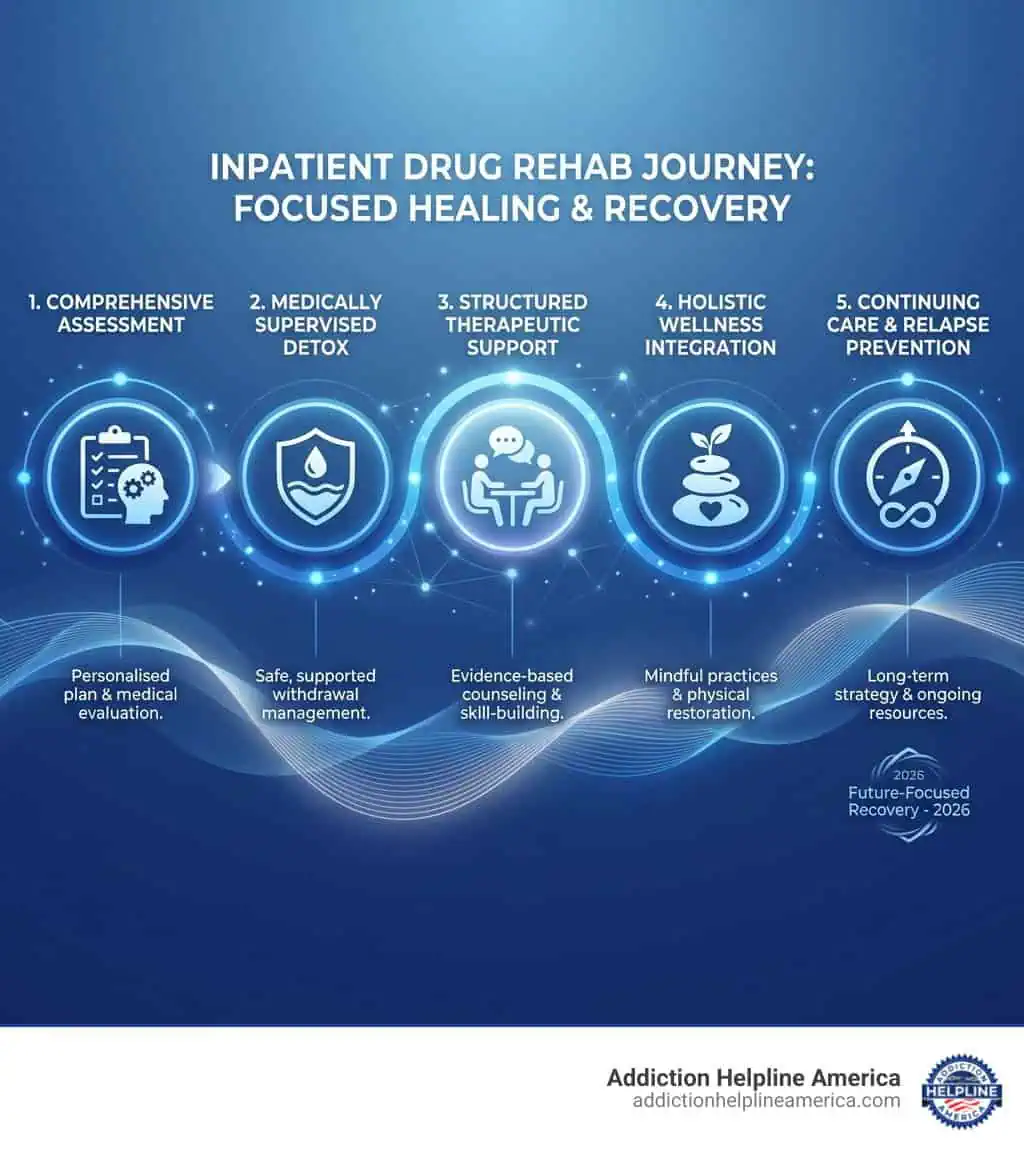
After detox, the real journey of heroin rehab begins. This phase addresses the underlying psychological, emotional, and social factors of addiction. Comprehensive programs integrate medication, therapy, and support into an individualized plan for lasting recovery. We connect people to programs that combine these elements to help them achieve sobriety. You can explore addiction recovery programs through our network.
The Role of Behavioral Therapy in a heroin rehab setting
Behavioral therapy is a cornerstone of heroin rehab. It helps individuals understand the reasons for their substance use, develop healthy coping skills, and change problematic thoughts and behaviors. These therapies are crucial for preventing relapse and addressing co-occurring mental health issues.
Common evidence-based behavioral therapies, as outlined by NIDA, include:
- Cognitive Behavioral Therapy (CBT): Helps identify and change negative thoughts and behaviors linked to drug use, teaching coping skills for triggers and high-risk situations.
- Contingency Management (CM): Uses positive reinforcement (e.g., vouchers) for desired behaviors like negative drug tests to motivate sobriety by rewarding progress.
- Motivational Improvement Therapy (MET): Helps individuals resolve ambivalence about treatment. It guides clients to find their own motivation for change, strengthening their commitment to recovery.
- Family Therapy: Involves family to improve communication, address dynamics contributing to substance use, and build a supportive home environment.
These therapies can be delivered in individual, group, or family settings. Our comprehensive Substance Abuse Counseling Guide offers more insights into these interventions.
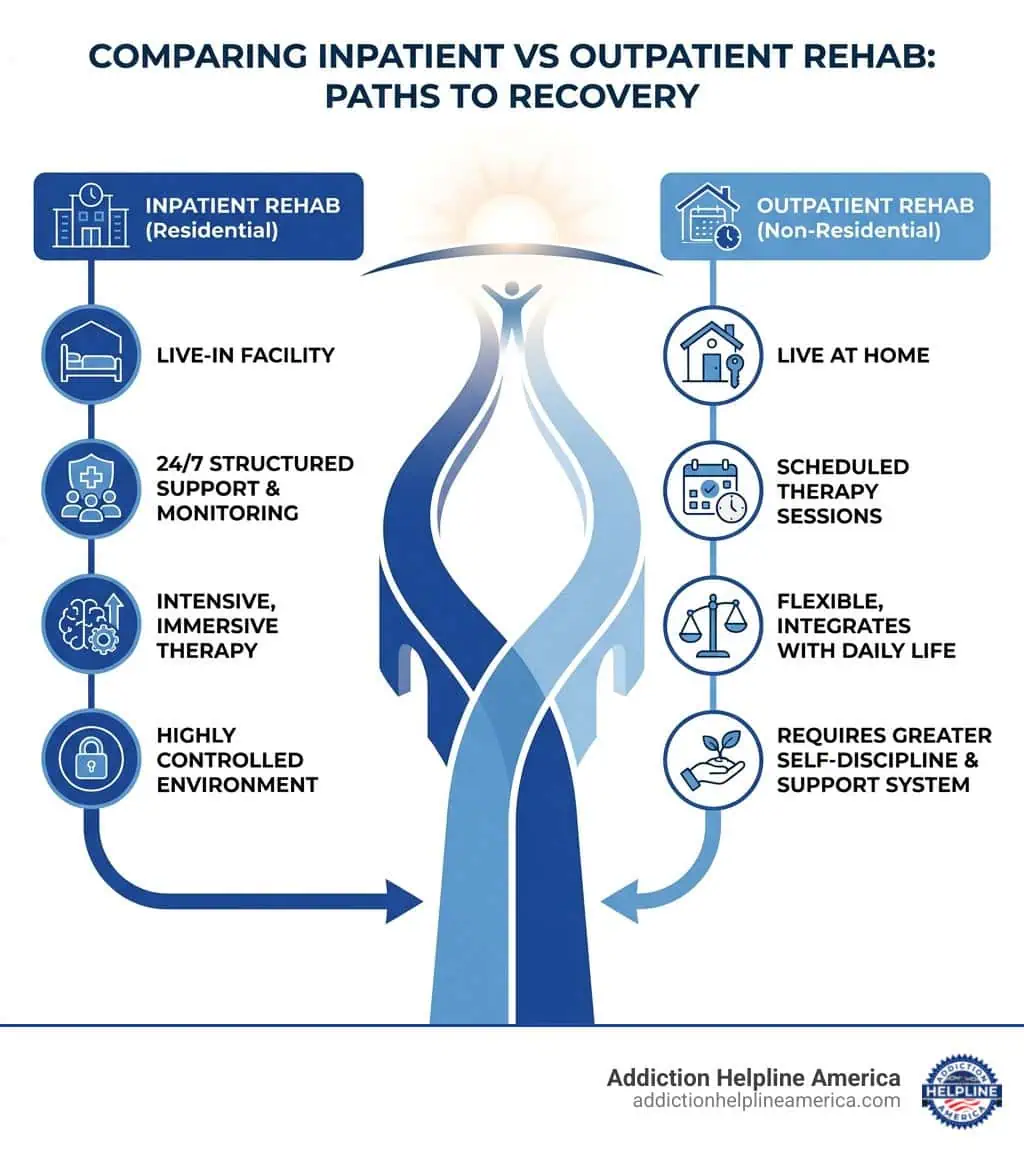
Inpatient vs. Outpatient: Choosing the Right Level of Care
Choosing the right level of care for heroin rehab is a critical decision based on an individual’s needs, addiction severity, and life circumstances. We connect individuals with both inpatient and outpatient options.
| Feature | Inpatient Heroin Rehab | Outpatient Heroin Rehab |
|---|---|---|
| Environment | Residential facility, 24/7 supervised | Live at home, attend sessions at a facility |
| Intensity | High-level care, highly structured schedule | Variable, from intensive to standard weekly sessions |
| Support | Constant medical, psychological, and peer support | Regular therapy and group sessions, self-directed support |
| Triggers | Removed from external triggers and negative influences | Must steer daily triggers while in treatment |
| Flexibility | Limited, full commitment to treatment | High, allows for work, school, and family responsibilities |
| Cost | Generally higher | Generally lower |
| Time Commitment | Requires taking time away from daily life | Integrates into daily life |
Inpatient Heroin Rehab
- Benefits: Provides a safe, structured, substance-free environment away from triggers. It offers 24/7 support, intensive therapy, and a strong peer community, ideal for severe addiction, co-occurring disorders, or unstable home environments.
- Drawbacks: Can be more expensive and requires a significant time commitment away from work or school.
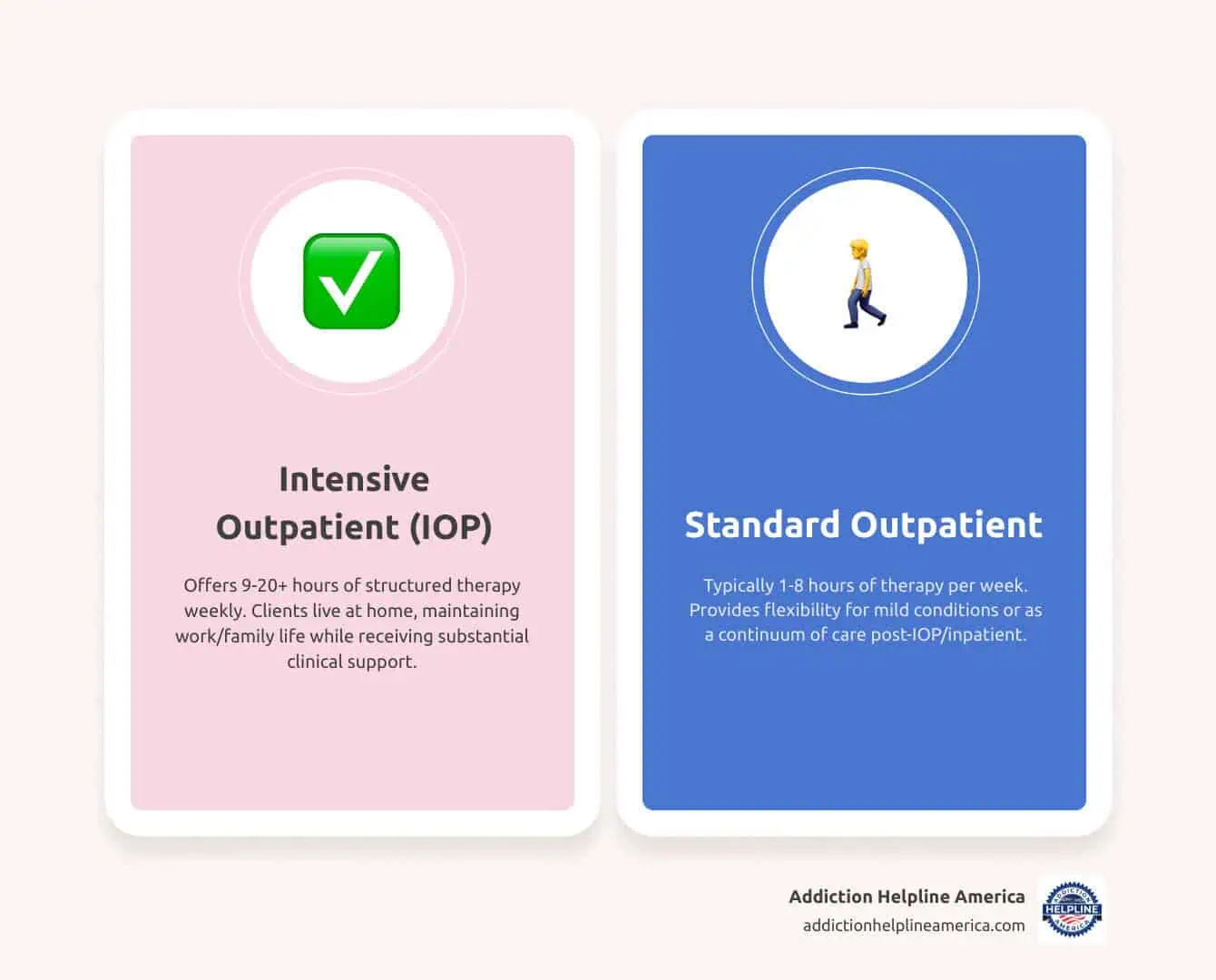
Outpatient Levels of Care
Outpatient heroin rehab allows individuals to live at home while attending treatment. It offers flexibility for those with milder addictions, strong support, or who have completed inpatient care.
- Partial Hospitalization Programs (PHP): The most intensive outpatient care, often 5 days a week for several hours a day. It provides a structured day program with therapy and medical monitoring.
- Intensive Outpatient Programs (IOP): Less intensive than PHP, typically requiring 3-4 days a week for a few hours each day. It focuses on relapse prevention and coping skills.
- Standard Outpatient: The least intensive level, usually involving one to two counseling sessions per week for ongoing support.
Whether you’re exploring inpatient treatment or seeking a guide to outpatient rehab, we can help you understand which option is best.
How Long Does a heroin rehab program last?
The duration of a heroin rehab program is not one-size-fits-all but is crucial for success. The ideal length depends on individual needs, addiction severity, and any co-occurring disorders.
Typical program lengths include:
- 30-Day Programs: Provide an initial period of intensive treatment, focusing on stabilization and foundational recovery skills.
- 60-Day Programs: Offer more time to address underlying issues and solidify coping mechanisms.
- 90-Day Programs: Considered highly effective, providing ample time for behavioral changes to take root.
- Longer Stays (6 months or more): According to the National Institute on Drug Abuse (NIDA), remaining in treatment for an adequate period is critical. Research indicates that for most patients, a threshold of at least 3 months is needed to significantly reduce or stop their drug use and that the best outcomes are for those who remain in treatment longer.
Factors influencing treatment duration include addiction severity, co-occurring disorders, relapse history, and an individual’s support system. The goal is to provide enough time to develop the tools needed for a drug-free life. Explore our guides on 30-day inpatient rehab programs and our ultimate 90-day inpatient rehab guide.
Navigating Life After Rehab and Finding Support
Completing a heroin rehab program is a huge achievement, but it’s just the start of a lifelong recovery journey. Sustaining sobriety requires ongoing commitment, a strong support system, and effective strategies for life’s challenges.
Building a Strong Foundation with Aftercare and Support
Aftercare planning is a critical part of a successful heroin rehab program. It involves creating a personalized strategy for continued support post-treatment, reinforcing skills learned in rehab and providing a safety net.
Key elements of aftercare include:
- Sober Living Homes: Provide a structured, substance-free environment to help individuals reintegrate into society.
- Continued Therapy: Regular individual or group therapy helps address new challenges and strengthen coping skills.
- Support Groups: Peer-led groups offer connection and shared experiences. Options include:
A strong support system is vital. As noted by addiction experts, longer engagement in recovery activities improves long-term outcomes. These connections provide accountability, understanding, and belonging, which are crucial for sobriety. Learn more about the importance of support systems in recovery.
Preventing Relapse and Sustaining Sobriety
Relapse is a common part of recovery for many with substance use disorders. A proactive relapse prevention plan, incorporating strategies recommended by organizations like SAMHSA, is crucial for long-term sobriety.
Key strategies for preventing relapse include:
- Trigger Identification: Recognizing people, places, and emotions that might trigger cravings.
- Developing Coping Strategies: Implementing healthy ways to manage stress and cravings, such as exercise or hobbies.
- Creating a Healthy Routine: Establishing a structured daily life with consistent sleep, nutrition, and purposeful activities.
- Building a Strong Support Network: Engaging with sober friends, family, and support groups.
- Continuous Self-Care: Prioritizing physical and mental health through stress management and personal growth.
If a relapse occurs, it’s not a failure but a signal to strengthen one’s recovery plan. Seek immediate help, reconnect with your support system, and re-engage with treatment. Our relapse prevention tips offer more guidance. Successful recovery means living a fulfilling, purposeful life free from addiction, adapting to challenges with healthy coping skills.
Resources for Families and Loved Ones
Heroin addiction profoundly impacts families, who often experience guilt, anger, fear, and codependency. It’s crucial for them to understand addiction and find their own support.
Resources for families include:
- Family Therapy: Many heroin rehab programs offer family therapy to improve communication and establish healthy boundaries.
- Support Groups for Families: Groups like Al-Anon or Nar-Anon provide a safe space for family members to share experiences and receive emotional support.
- Education and Guidance: Learning about addiction as a disease helps families support their loved one’s recovery without enabling harmful behaviors.
Supporting a loved one is challenging, and we offer guidance on how to help someone who is struggling with addiction while also caring for yourself.
Finding and Paying for Your Heroin Rehab Journey
Deciding to seek heroin rehab is courageous. Navigating the process of finding a facility and understanding costs can be overwhelming. We are here to simplify this journey with free, confidential, and personalized guidance.
Specialized Treatment Programs
Effective heroin rehab often requires custom programs for an individual’s unique needs, especially for those with co-occurring conditions or specific demographic factors.
- Co-occurring Mental Health Disorders (Dual Diagnosis): Many people with heroin addiction also have co-occurring mental health conditions like depression or PTSD. Dual diagnosis treatment addresses both simultaneously, which is crucial as the conditions can worsen each other. For support, explore our rehabs for depression guide.
- Pregnant Women: Treating heroin addiction in pregnant women requires specialized care to ensure the health of both mother and baby. MAT is often approved to help mitigate neonatal abstinence syndrome (NAS) in newborns, a condition that can occur when a baby is exposed to opioids before birth, as described by the Centers for Disease Control and Prevention (CDC).
- Adolescents: Teenagers have unique developmental needs that require specialized programs focusing on age-appropriate therapies, family involvement, and educational support. Our guide to drug rehab centers for minors can help.
When choosing a heroin rehab center, ask about their experience with these specialized needs to ensure the most effective care.
Understanding the Costs and Insurance Coverage for Rehab
Heroin rehab costs vary by program, duration, and location. Don’t let financial concerns deter you from seeking help. Recovery is an investment in your future, and many options are available.
- Insurance Coverage: Under the Affordable Care Act (ACA), mental health and substance use disorder services are essential health benefits, meaning most health insurance plans must provide coverage for services like heroin rehab. We can help you confidentially verify your benefits.
- Medicaid: This government-funded program for eligible low-income individuals often covers a significant portion of heroin rehab expenses. We can assist you in finding drug rehab centers that accept Medicaid.
- Private Insurance: Many private insurance plans offer substantial coverage for addiction treatment. We can help you steer your policy details.
- Other Options: For those without insurance, options may include payment plans, sliding scale fees, scholarships, or state-funded programs.
Addiction Helpline America is a free, confidential service that helps you find the right recovery program. We connect you with resources and guide you through your financial options. For immediate help, you can also contact SAMHSA’s National Helpline.
Conclusion
The journey through heroin addiction is challenging, but recovery is achievable. Every year, thousands reclaim their lives, proving a new, fulfilling life free from addiction is within reach.
The path to recovery starts with medical detox, followed by comprehensive heroin rehab integrating MAT and behavioral therapies. From inpatient to outpatient care and aftercare, a custom approach addresses each person’s unique needs. We’ve seen how the right treatment and support lead to lasting sobriety.
Taking the first step to get help is the most critical decision. At Addiction Helpline America, we provide free, confidential, personalized guidance to find the right program from our nationwide network. We understand addiction and are here to offer the support and resources you need to start this life-changing journey.
Don’t wait another day. Reclaim your life. Take the first step. Call 1.888.227.3898 now to speak with an addiction specialist and explore treatment options custom to your needs.