Understanding Your Path to Recovery: The Power of Inpatient Treatment
Inpatient Drug Rehab Benefits offer a comprehensive, medically supervised approach to overcoming addiction that can transform lives. If you or a loved one is struggling with substance abuse, understanding these benefits is the first step toward lasting recovery.
Key Benefits of Inpatient Drug Rehab:
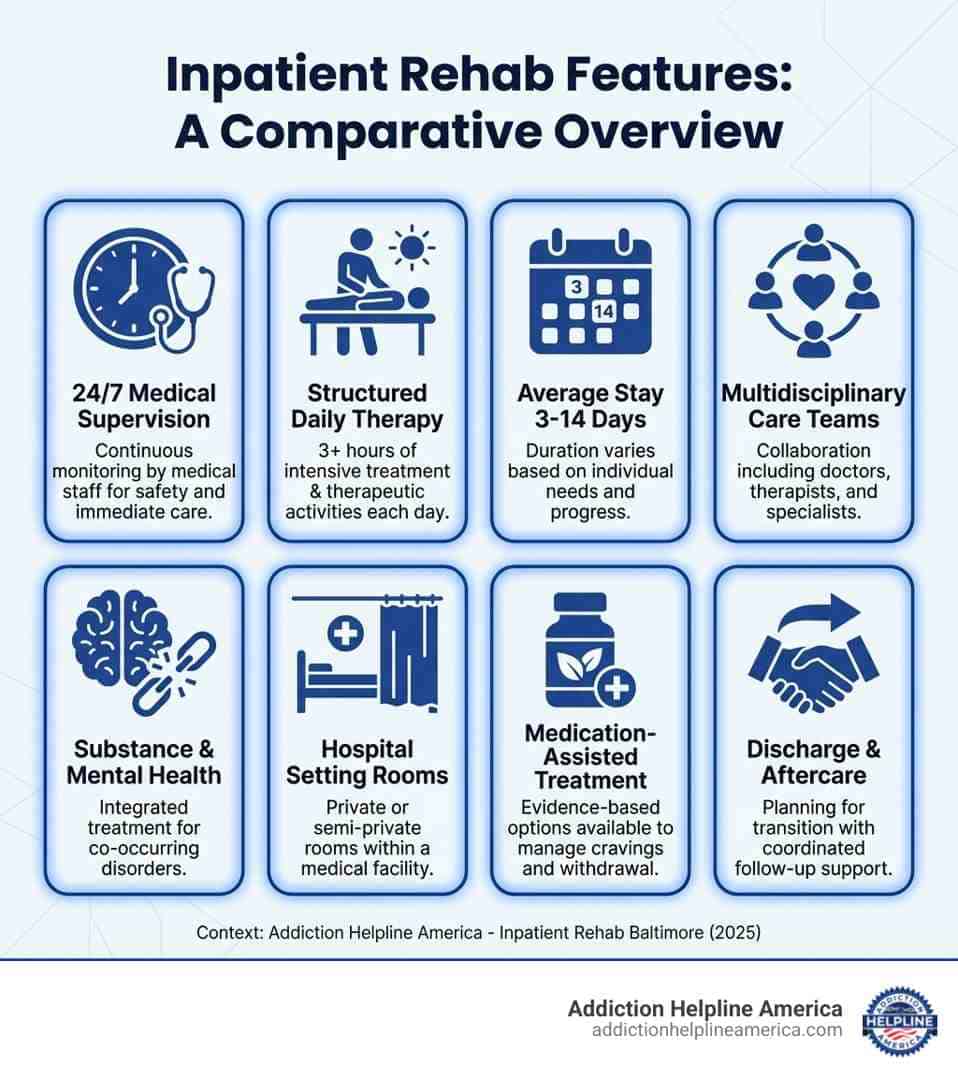
- 24/7 Medical Support – Safely manage withdrawal symptoms with round-the-clock professional care
- Structured, Trigger-Free Environment – Remove yourself from the people, places, and situations that fuel addiction
- Intensive Therapy and Counseling – Address the root causes of addiction through evidence-based treatments
- Peer Support Community – Connect with others who understand your journey and provide accountability
- Individualized Treatment Plans – Receive care custom to your unique needs, including dual diagnosis support
- Life Skills and Relapse Prevention – Learn practical coping strategies for long-term sobriety
- Complete Privacy and Confidentiality – Heal in a safe, protected environment
- Aftercare Planning – Build a roadmap for sustained recovery beyond treatment
The statistics are sobering. In 2021, more than 106,000 people died from drug-involved overdoses in the United States, according to the National Institute on Drug Abuse (NIDA). Furthermore, data from the 2021 National Survey on Drug Use and Health (NSDUH) shows that of the 46.3 million people aged 12 or older with a substance use disorder, only a small fraction received any form of treatment. The gap between need and access to care represents countless lives hanging in the balance.
Inpatient rehab offers hope by providing the most intensive level of care available. Unlike outpatient programs where you return home each day, inpatient treatment means living at a specialized facility where every aspect of your environment supports recovery. You’ll receive constant medical monitoring, participate in daily therapy sessions, and build essential skills—all while surrounded by professionals dedicated to your healing.
Recovery isn’t just about stopping drug use. It’s about rebuilding your life, restoring relationships, and refinding hope for the future.
At Addiction Helpline America, we’ve helped thousands of individuals and families steer the journey from crisis to recovery, providing free, confidential guidance to connect people with effective inpatient treatment options custom to their specific needs. Our team understands the Inpatient Drug Rehab Benefits and can help you determine if this level of care is right for you or your loved one. Whether you’re taking your first step or seeking help after a relapse, we’re here to support you 24/7 with compassionate, expert guidance.
What is Inpatient Rehab and How Does It Work?
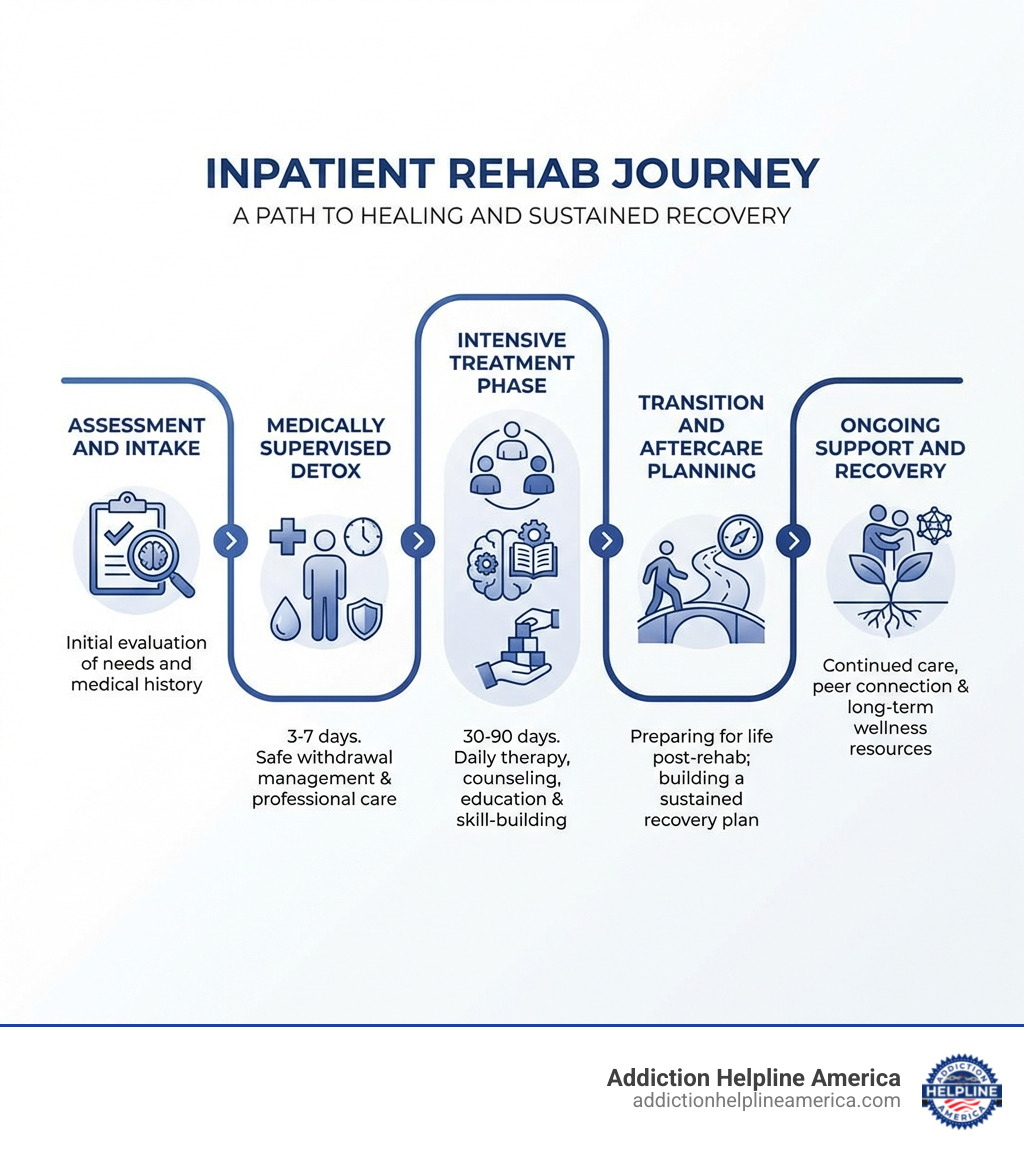
An inpatient drug rehab program, also known as residential treatment, is a comprehensive, live-in program designed for individuals seeking to overcome substance use disorder. In this setting, patients reside at a specialized facility 24/7, immersing themselves fully in the recovery process away from the distractions and triggers of their daily lives. The National Institute on Drug Abuse (NIDA) notes that residential programs can be highly effective, providing 24-hour structured and intensive care, including safe housing and medical attention.
The primary distinction between inpatient and outpatient treatment lies in the living situation and level of care. Outpatient programs allow individuals to attend therapy and counseling sessions at a facility while continuing to live at home. While outpatient care offers flexibility, inpatient rehab provides a more intensive and supervised environment, making it suitable for those with more severe addictions or unstable home environments.
Here’s a quick comparison of inpatient versus outpatient treatment:
| Feature | Inpatient Treatment | Outpatient Treatment |
|---|---|---|
| Structure | Highly structured, 24/7 supervision, fixed daily schedule | Flexible schedule, allows for work/school/home responsibilities |
| Intensity | Intensive, immersive, constant medical and emotional support | Less intensive, varying levels (standard, IOP, PHP), periodic sessions |
| Living Situation | Reside at the facility for the duration of treatment | Live at home, attend sessions at designated times |
| Ideal Candidate | Severe addiction, unstable home, co-occurring disorders, high relapse risk, complex detox | Milder addiction, stable home, strong support system, work/school commitments |
For a deeper dive into what these programs entail, explore our Inpatient Drug Rehab Centers.
The Core Inpatient Drug Rehab Benefits for Lasting Recovery

The multifaceted nature of addiction requires a holistic healing approach that addresses not just the physical dependence, but also the psychological, emotional, and social aspects of an individual’s life. This is where the Inpatient Drug Rehab Benefits truly shine, building a strong foundation for long-term sobriety.
Medical Safety and Clinical Excellence
One of the most critical Inpatient Drug Rehab Benefits is the immediate access to medical safety and clinical excellence. For many, the first step in recovery is detoxification, a process that can be uncomfortable and, as noted by the World Health Organization (WHO), withdrawal from certain substances like alcohol and benzodiazepines can be life-threatening without proper medical management.
In an inpatient setting, medically assisted detox ensures safety and improves the recovery process. Patients receive round-the-clock medical monitoring from licensed healthcare professionals who can manage withdrawal symptoms with appropriate medications and interventions. This prevents dangerous complications and makes the withdrawal process as comfortable as possible. For instance, knowing the risks associated with certain withdrawals, such as those from heroin, highlights the necessity of professional supervision. You can learn more about understanding heroin withdrawal risks and why a medically supervised environment is crucial.
Our Guide to Inpatient Detox Facilities further explains how these specialized centers provide the highest level of care during this vulnerable phase. This constant access to professional medical and psychiatric staff also plays a vital role in preventing relapse during inpatient treatment, as they can quickly address any physical or mental health challenges that arise.
A Structured, Safe, and Focused Environment
Imagine being completely removed from the daily stressors and negative influences that fuel your addiction. This is a core Inpatient Drug Rehab Benefit. Inpatient programs provide a safe, controlled, and substance-free environment, allowing for a complete focus on self-recovery without external distractions.
This distance from environmental triggers, toxic relationships, or unhealthy habits is invaluable. Inpatient facilities are designed to be sanctuaries where healing can occur without the temptations of the outside world. This privacy is also a crucial benefit; facilities maintain strict confidentiality, creating a safe space for vulnerability and healing without fear of public disclosure.
Moreover, well-planned daily routines are a cornerstone of inpatient rehab. These routines bring stability and help patients form positive habits. A typical day is structured with therapy sessions, educational workshops, meals, and recreational activities, which helps individuals improve time management skills and develop a sense of purpose. This structure reduces decision fatigue and provides a predictable, supportive framework that minimizes opportunities for cravings to take hold.
The Power of Community and Peer Support
Addiction often thrives in isolation, but recovery flourishes in connection. Inpatient rehab fosters a powerful sense of community and peer support, which is a significant Inpatient Drug Rehab Benefit. Here, individuals share experiences, challenges, and triumphs with others who truly understand their struggles. This shared understanding reduces feelings of isolation and shame, replacing them with empathy and mutual encouragement.
Patients build a sober support network that can last a lifetime, providing accountability and a sense of belonging that feels more like a family than a hospital. This peer-to-peer interaction is vital for navigating the emotional complexities of recovery. For more information on the importance of such networks, explore our Ultimate Guide to Addiction Support Groups.
The bonds formed in inpatient rehab can be incredibly powerful, offering a continuous source of strength and understanding long after treatment concludes.
Comprehensive Treatment: Therapies, Skills, and Aftercare
Addiction is a complex illness, affecting individuals on multiple levels. Recognizing this, inpatient programs offer a comprehensive array of therapies and services, ensuring that each patient’s unique needs are met. This personalized approach is one of the most impactful Inpatient Drug Rehab Benefits. When choosing a facility, it’s wise to consider what specific therapies and programs they offer; our Tips for Choosing the Right Rehab Facility can help guide you.
Multiple Therapies to Heal Mind and Body
Inpatient rehab addresses the multifaceted nature of addiction through a variety of evidence-based treatments. No single treatment is suitable for everyone; therefore, programs are custom to individual needs. The National Institute on Drug Abuse (NIDA) emphasizes that effective treatment must address multiple needs of the individual, not just drug abuse, including medical, psychological, social, vocational, and legal problems.
Common therapies include:
- Cognitive Behavioral Therapy (CBT): Helps patients identify and change negative thought patterns and behaviors contributing to addiction.
- Dialectical Behavior Therapy (DBT): Focuses on emotional regulation, mindfulness, distress tolerance, and interpersonal effectiveness.
- Motivational Interviewing (MI): Helps individuals explore and resolve ambivalence about behavior change.
- Dual Diagnosis Treatment: According to NIDA, about half of individuals who experience a substance use disorder will also experience a co-occurring mental illness. Integrated treatment for these co-occurring disorders (like anxiety or depression) is crucial, ensuring both conditions are addressed simultaneously for better outcomes.
- Medication-Assisted Treatment (MAT): Combines behavioral therapies with medications to treat substance use disorders, particularly for opioid and alcohol addiction.
- Holistic Therapies: Many programs also incorporate activities like yoga, meditation, art therapy, or equine-assisted therapy to promote overall well-being and provide alternative coping mechanisms.
These diverse approaches, often combined, ensure that treatment plans are custom to meet individual needs, providing a truly personalized path to recovery.
Educational Programs and Essential Life Skills
Beyond therapy, inpatient rehab offers robust educational programs designed to empower patients with knowledge and practical skills for a sober life. This is a crucial Inpatient Drug Rehab Benefit that extends far beyond the treatment period. Patients learn about the science of addiction, understanding how drugs affect the brain and body. This knowledge helps explain addiction and reduces self-blame.
Key components of these programs include:
- Developing Healthy Coping Mechanisms: Learning constructive ways to deal with stress, cravings, and emotional challenges without resorting to substance use.
- Relapse Prevention Strategies: Identifying triggers and developing concrete plans to avoid or manage high-risk situations.
- Stress Management Techniques: Practicing mindfulness, relaxation exercises, and other methods to reduce stress.
- Life Skills Training: Addressing underlying issues that might have contributed to addiction by teaching vocational skills, improving financial literacy, and enhancing communication. This helps patients develop greater independence and stability in their lives.
These programs equip individuals with the tools they need to steer life’s challenges, maintain sobriety, and build a fulfilling future.
Planning for Long-Term Success with Aftercare
Recovery is a lifelong journey, not a destination. A significant Inpatient Drug Rehab Benefit is the emphasis on aftercare services, which are vital for preventing relapse and supporting long-term sobriety. Before leaving the inpatient facility, patients work with counselors to create a comprehensive continuing care plan.
This plan often involves:
- Transitioning to Lower Levels of Care: Moving from inpatient to intensive outpatient programs (IOP), partial hospitalization programs (PHP), or standard outpatient counseling.
- Sober Living Arrangements: For many, transitioning to a sober living environment provides a supportive, drug-free bridge between intensive treatment and full independence. Our Guidance on Choosing Sober Living offers valuable insights.
- Ongoing Counseling and Support Groups: Regular individual and group therapy sessions, as well as participation in 12-Step programs (like AA or NA) or other support groups, provide continued guidance and connection.
- Alumni Programs: Many rehab facilities offer alumni networks, providing a community of support for graduates, fostering continued accountability and connection.
Aftercare services ensure that individuals have a robust support system in place, helping them steer the challenges of reintegrating into daily life while maintaining their commitment to recovery.
Is Inpatient Rehab Right for You? (And How to Pay for It)
Deciding on the right treatment path is a deeply personal choice. We understand that you might be asking, “Is inpatient rehab right for me?” Our goal is to provide you with the information to make an informed decision for yourself or a loved one.
Who Realizes the Full Inpatient Drug Rehab Benefits?
While many individuals can benefit from inpatient treatment, certain signs suggest that it might be the most effective choice:
- Severe Substance Use Disorders: For those with long-standing or severe addictions, the immersive nature of inpatient care provides the intensive support needed to break the cycle of substance abuse.
- Co-occurring Mental Health Disorders: Individuals struggling with conditions like anxiety or depression alongside addiction often find inpatient settings beneficial. Integrated treatment ensures both issues are addressed simultaneously by mental health and addiction specialists.
- Unstable or Triggering Home Environments: If your home, work, or social circle is a source of triggers or lacks supportive elements, inpatient rehab offers a crucial escape, allowing you to focus solely on recovery in a safe space.
- History of Relapse After Other Treatments: If previous attempts at outpatient care or self-directed recovery have been unsuccessful, the structured and supervised environment of inpatient treatment can provide the necessary foundation for lasting change.
- Complex Detoxification Needs: For substances with severe withdrawal symptoms, the 24/7 medical supervision in an inpatient setting is paramount for safety.
The National Institute on Drug Abuse (NIDA) highlights that remaining in treatment for an adequate period is critical, noting that for residential programs, participation for less than 90 days is of limited effectiveness. If you recognize any of these signs, the comprehensive Inpatient Drug Rehab Benefits might be exactly what you need.
Navigating Costs and Insurance Coverage
The cost of inpatient drug rehab can be a concern for many families. However, it’s important to know that most health insurance plans do provide some level of coverage for addiction treatment. As mandated by the Affordable Care Act (ACA), most individual and small group insurance plans must cover mental health and substance use disorder services. You can learn more about these essential health benefits at HealthCare.gov.
Here’s how to steer costs and verify your benefits:
- Contact Your Insurance Provider: The simplest way to understand your coverage is to call the member services number on the back of your insurance card. An insurance representative can explain your plan’s specifics, including deductibles, co-pays, and out-of-pocket maximums for inpatient rehab.
- Use Our Insurance Verification for Rehab Service: We offer a free, confidential service to help you verify your insurance benefits quickly and easily. Our team can work directly with your provider to understand your coverage and find facilities within your network.
- Explore Public Programs: Individuals with Medicare, Medicaid, or VA (Veterans health benefits) often have coverage for addiction treatment. These programs can significantly reduce out-of-pocket costs.
- Consider Free and State-Funded Options: If you don’t have insurance or face financial constraints, there are still options. You can explore Free Inpatient Drug Rehab Programs and state-funded rehabs that offer services based on income or other criteria.
The price difference between inpatient and outpatient treatment should not deter you from seeking the care you need. We are here to help you explore all available options and connect you with treatment that fits your budget and needs.
Frequently Asked Questions about Inpatient Drug Rehab
What is a typical day like in an inpatient rehab program?
Life in an inpatient rehab program is highly structured and purposeful, designed to promote healing and build new, healthy routines. While schedules can vary between facilities, a typical day often includes:
- Morning (6:30 AM – 12:00 PM): Waking up, a nutritious breakfast, followed by morning meditation, individual therapy sessions, or group counseling.
- Afternoon (12:00 PM – 5:00 PM): Lunch, educational workshops on topics like relapse prevention or coping skills, and sometimes recreational or holistic activities like yoga, art therapy, or fitness.
- Evening (5:00 PM – 11:00 PM): Dinner, peer support group meetings (such as 12-Step programs), some personal reflection time, and a wind-down period before lights out.
This well-planned daily routine is a key Inpatient Drug Rehab Benefit, providing stability, fostering positive habit formation, and ensuring that every moment contributes to the patient’s recovery journey.
How long does inpatient rehab usually last?
The duration of inpatient rehab varies significantly based on individual needs, the severity of the addiction, and the specific program. Common program lengths include:
- 30-day programs: Often a starting point, providing an intensive initial phase of treatment. You can explore more about Overcoming Addiction in 30 Days.
- 60-day programs: Offer a more extended period for deeper therapeutic work and skill development.
- 90-day programs: Often recommended for more severe cases, as research from the National Institute on Drug Abuse (NIDA) suggests that treatment lasting at least 90 days is often needed to produce stable change.
- Longer-term options: Some therapeutic community models can last 6 to 12 months or even longer, particularly for individuals with complex needs or a history of chronic relapse.
The ideal length of stay is determined by your progress and the recommendations of your treatment team, ensuring you receive adequate support for lasting recovery.
How is my privacy protected during treatment?
Privacy is a crucial benefit of inpatient drug rehab, and it is maintained through strict adherence to federal and state regulations, as well as professional ethical standards. The Health Insurance Portability and Accountability Act (HIPAA) ensures the confidentiality of your health information, meaning your personal and treatment details are protected by law. You can learn more about your rights under HIPAA from the U.S. Department of Health & Human Services.
Inpatient facilities are designed to be secure environments, and all staff members are bound by confidentiality agreements. This creates a safe space where you can share openly and engage in the healing process without fear of public disclosure or judgment. Your privacy is paramount, allowing you to focus on your recovery with peace of mind.
Conclusion
The Inpatient Drug Rehab Benefits are extensive and transformative, offering a comprehensive pathway to lasting recovery. From medically supervised detox and a safe, structured environment to intensive therapies, peer support, and robust aftercare planning, inpatient treatment provides the tools and support necessary to overcome addiction and rebuild a fulfilling life. We believe that recovery is a journey, not just a destination, and taking that first courageous step is the most crucial part.
Addiction Helpline America is here to guide you through every stage. We provide free, confidential guidance, connecting individuals nationwide to addiction and mental health treatment centers that fit their unique needs. Our vast network ensures you’ll find personalized options, whether you’re looking for a top-rated rehab in Los Angeles or exploring other locations across the US.
Don’t let addiction dictate your future. If you or a loved one is struggling, reach out today. Call our hotline or visit our site to connect with compassionate care and begin your journey to a healthier, happier life. Explore our Addiction and Rehab Hotlines to find immediate support. We are available 24/7, ready to help you find the right path to recovery.