Why Understanding Your Treatment Options Matters
Drug Rehab Programs Los Angeles offer comprehensive treatment options for individuals struggling with substance use disorders, including medical detox, residential treatment, outpatient programs (PHP, IOP, OP), and specialized care for co-occurring mental health conditions. Here’s what you need to know:
Key Types of Treatment Available:
- Medical Detox – Medically supervised withdrawal management (typically 3-10 days)
- Residential/Inpatient Treatment – 24/7 structured care in a safe environment (20-90+ days)
- Partial Hospitalization Program (PHP) – Intensive daytime treatment while living at home
- Intensive Outpatient Program (IOP) – Flexible therapy 3-5 days per week
- Outpatient Treatment – Ongoing support with minimal weekly sessions
- Sober Living – Structured housing with peer support
Most programs treat: Alcohol addiction, opioids (including fentanyl and heroin), methamphetamine, cocaine, prescription drugs, and benzodiazepines.
Insurance & Cost: Most major insurance providers cover rehab services. Free and low-cost options are available through publicly funded programs, sliding scale fees, and nonprofit centers.
Los Angeles County is facing a severe addiction crisis. According to the LA County Department of Public Health, an estimated 2 million residents may have a substance use disorder, yet only a small fraction receive publicly funded treatment. The situation has become even more urgent with fentanyl now involved in the majority of accidental drug overdose deaths in the area, a statistic confirmed in recent county reports.
Despite these alarming statistics, there is hope. Recovery is possible, and Los Angeles offers a wide range of effective treatment programs designed to meet diverse needs—from working professionals who need flexible outpatient care to individuals requiring intensive residential support.
The challenge many people face isn’t a lack of treatment options—it’s understanding which program is right for them or their loved one, and how to get help right now.
We are a 24/7, confidential addiction helpline. When you call, you’ll speak with an admissions specialist who can:
- Verify your insurance benefits in minutes
- Explain your options for drug rehab in Los Angeles, alcohol rehab, detox, and outpatient care
- Connect you directly with trusted, accredited treatment centers near you
If you’re searching for phrases like “drug rehab Los Angeles,” “alcohol rehab Los Angeles,” “inpatient drug rehab near me,” “detox centers in Los Angeles,” or “outpatient rehab in LA,” you’re likely looking for immediate help—not just information. This guide briefly explains your options, but if you’re ready to talk to someone now, you don’t need to read everything first.
Call our 24/7 Helpline now for Drug & Alcohol Rehab in Los Angeles.
This guide walks you through everything you need to know about drug rehab programs in Los Angeles: the types of treatment available, how to recognize when professional help is needed, what to look for in a quality program, and how to steer the financial aspects of care.
At Addiction Helpline America, we’ve helped thousands of individuals and families in Los Angeles and across the U.S. find appropriate treatment programs custom to their unique situations. Our free, confidential service connects you with the resources you need to begin your recovery journey today.
The Scope of Addiction in Los Angeles and Recognizing the Need for Help
The sunny skies of Los Angeles often mask a serious public health crisis. With an estimated 2 million residents struggling with substance use disorders, the challenge is profound. Fentanyl, a dangerous synthetic opioid, is now a factor in a staggering number of overdose deaths in the area, as documented by the Los Angeles County Department of Public Health. Despite the immense need, only a small percentage of individuals with SUD receive publicly funded treatment, highlighting a critical gap in care and the urgency of understanding available Drug Rehab Programs Los Angeles.
Recognizing the need for professional help is the most crucial first step. As defined by the American Society of Addiction Medicine (ASAM), addiction is a treatable, chronic medical disease involving complex interactions among brain circuits, genetics, the environment, and an individual’s life experiences. It is not a moral failing.
Common Signs and Symptoms of Addiction
When casual use becomes a problematic pattern, it’s time for intervention. These signs, adapted from the Diagnostic and Statistical Manual of Mental Disorders (DSM-5), often point to a loss of control and growing dependence:
- Inability to stop or control use: Cannot reduce or cease substance use despite wanting to.
- Withdrawal symptoms: Experiencing physical or psychological distress (nausea, anxiety, tremors) when not using.
- Loss of interest: Neglecting hobbies, social activities, and work in favor of substance use.
- Neglecting responsibilities: Declining performance at work or school and ignoring family obligations.
- Increased risk-taking: Engaging in dangerous activities like driving under the influence.
- Secrecy and dishonesty: Hiding or lying about the extent of substance use.
- Continued use despite negative consequences: Using even when it causes problems with health, relationships, or the law.
- Preoccupation with the substance: Spending excessive time thinking about, obtaining, and using the substance.
Recognizing these signs is a clear signal that it’s time to explore the Drug Rehab Programs Los Angeles has to offer. Early intervention can prevent further harm and increase the likelihood of successful, long-term recovery.
Navigating the Different Types of Drug Rehab Programs in Los Angeles
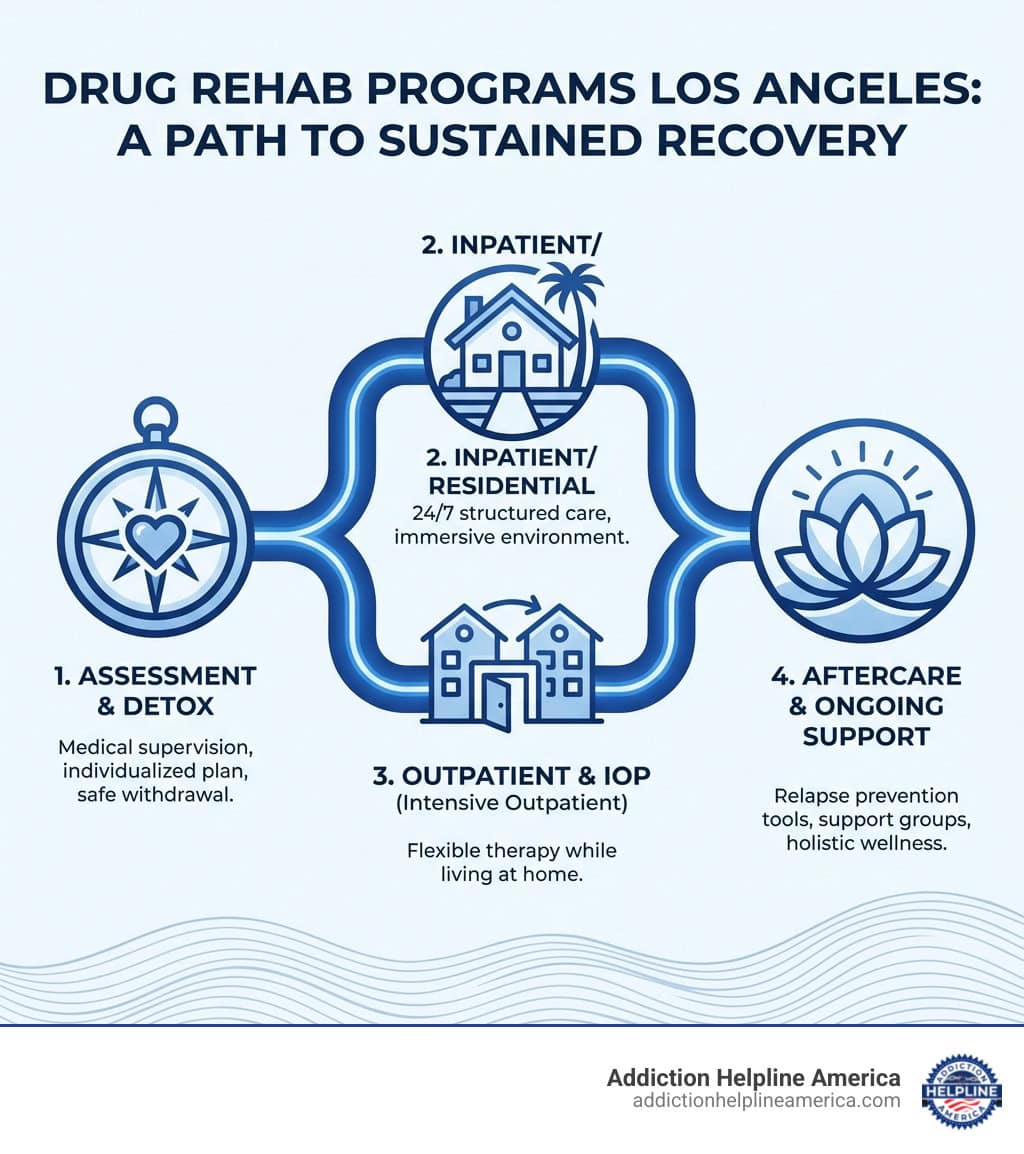
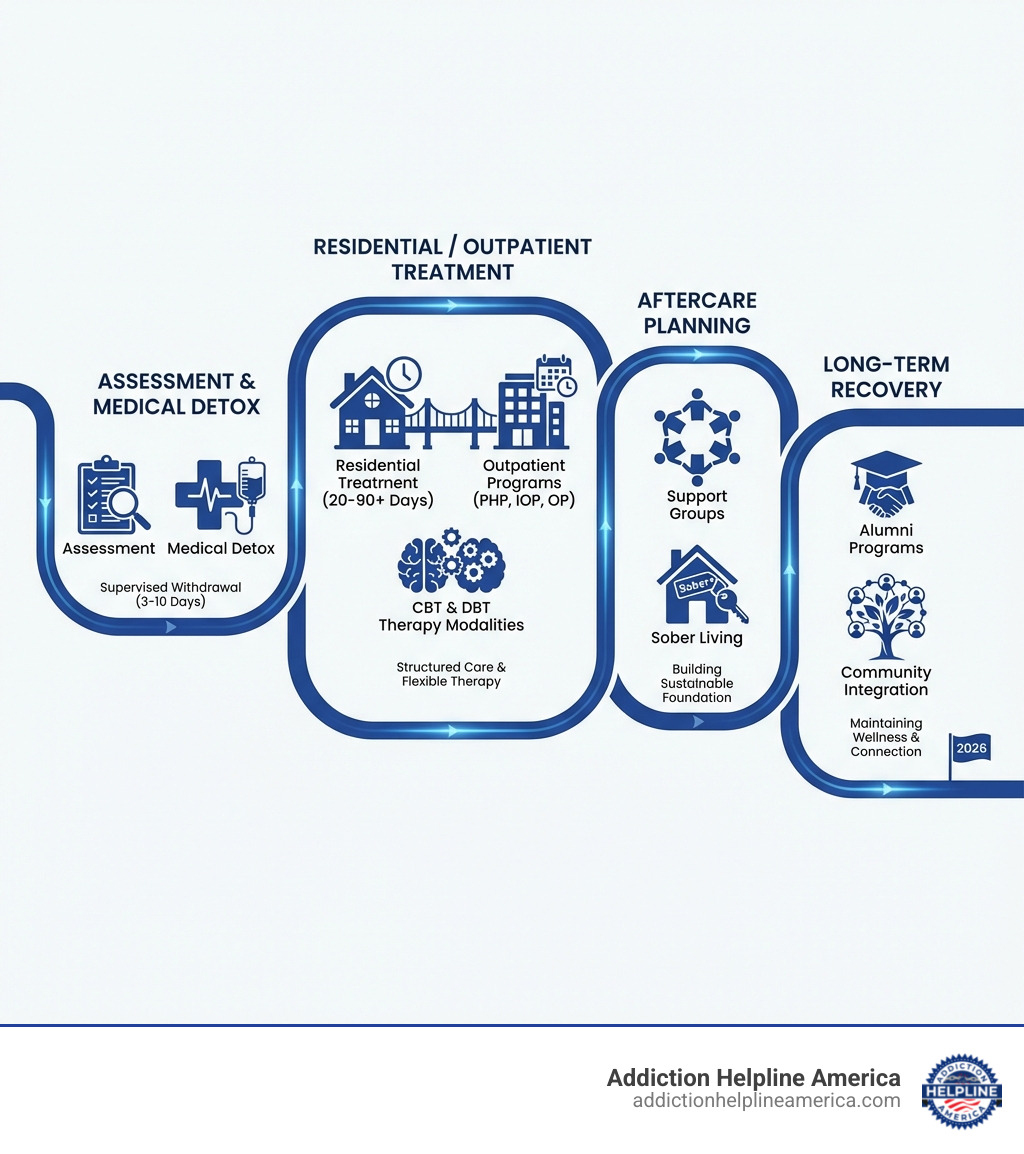
When considering Drug Rehab Programs Los Angeles, it’s helpful to understand that addiction treatment is a “continuum of care.” This model, supported by the Substance Abuse and Mental Health Services Administration (SAMHSA), means various levels of support are available to match an individual’s specific needs at different stages of their recovery.
Here are the primary types of drug and alcohol rehab programs available in Los Angeles:
- Medical Detoxification (Detox): The first step, focusing on safely managing physical withdrawal symptoms.
- Residential Treatment (Inpatient Rehab): Provides 24/7 structured care in a live-in facility for intensive therapy and support.
- Partial Hospitalization Programs (PHP): A high level of structured daytime therapy, allowing patients to return home at night.
- Intensive Outpatient Programs (IOP): A step down from PHP, with several hours of therapy a few days a week, allowing for work or school commitments.
- Outpatient Treatment (OP): The most flexible option, with fewer hours of therapy per week, ideal for those with strong support systems.
- Sober Living Homes: A structured, substance-free living environment that offers accountability and peer support during the transition to independent living.
Finding the right fit within this continuum is crucial for effective recovery. We can help you steer these options to find a California treatment program that aligns with your unique circumstances.
The Critical Role of Medical Detoxification
The journey to recovery often begins with medical detoxification. This is a critical first step for those dependent on substances with severe withdrawal symptoms, such as alcohol, opioids, or benzodiazepines. As SAMHSA warns in its Treatment Improvement Protocol (TIP) 45, attempting to detox alone can be incredibly risky and, in some cases, life-threatening.
Medical detox provides a safe, supervised environment where clinical staff monitor an individual’s health 24/7. The primary goals are to:
- Manage withdrawal symptoms: Medications are used to ease the discomfort of withdrawal, making the process more tolerable and reducing the risk of relapse.
- Ensure safety: Medical professionals are on hand to address any complications that arise, ensuring physical and psychological well-being.
- Prepare for therapy: Once physically stable, the individual is better able to engage in the therapeutic work necessary for long-term recovery.
Typically lasting from 3 to 10 days, medical detox is not a standalone treatment. It is a vital bridge that prepares an individual for the deeper therapeutic work that follows in residential or outpatient programs.
Residential vs. Outpatient Treatment: Which Is Right for You?
Choosing between residential (inpatient) and outpatient treatment is a significant decision when considering Drug Rehab Programs Los Angeles. Each option offers distinct benefits and caters to different needs. The best program is one that fits your life and provides a supportive environment for your recovery.
| Feature | Residential Treatment | Outpatient Treatment (PHP, IOP, OP) – Environment | 24/7 supervised care in a dedicated, trigger-free facility. | Live at home and attend scheduled treatment sessions. |
| Intensity & Structure | Highly structured days with intensive, round-the-clock support. | Flexible schedules (from several hours daily to a few hours weekly). |
| Best Suited For | Severe SUDs, co-occurring disorders, or those needing a supportive environment away from triggers. | Milder SUDs, strong home support, or those needing to maintain work/school commitments. |
| Duration | Typically 30-90 days, sometimes longer. | Varies from a few weeks to several months, based on progress. |
| Focus | Immersive healing, free from outside distractions. | Applying recovery skills to real-world situations. |
| Cost | Higher cost due to housing, meals, and 24/7 staffing. | More affordable as it excludes room and board. |
Key Treatment Modalities and Specialized Programs
Effective addiction treatment goes beyond just stopping substance use; it involves addressing underlying issues, developing healthy coping mechanisms, and building a sustainable recovery lifestyle. Drug Rehab Programs Los Angeles incorporate a variety of evidence-based therapies and specialized approaches to achieve these goals.

Evidence-Based Therapies:
These therapies are backed by scientific research and are cornerstones of effective treatment, as outlined by the National Institute on Drug Abuse (NIDA).
- Cognitive Behavioral Therapy (CBT): Helps individuals identify and change negative thought patterns and behaviors linked to substance use, teaching skills to manage triggers.
- Dialectical Behavior Therapy (DBT): Often used for co-occurring conditions, DBT teaches skills in mindfulness, emotional regulation, and distress tolerance.
- Motivational Interviewing (MI): A client-centered approach that helps resolve ambivalence about change and fosters intrinsic motivation for recovery.
Trauma-Informed Care:
Since trauma often underlies addiction, this approach creates a safe and compassionate environment. It follows guidance from SAMHSA to tailor treatment to individual emotional needs, helping clients process painful experiences and develop healthier coping strategies to build resilience.
Holistic Therapies:
Many programs integrate holistic approaches to support overall well-being, including:
- Yoga and Meditation: To promote mindfulness and reduce stress.
- Sound and Art Therapy: To provide creative outlets for emotional expression.
- Nutritional Support: To restore physical health compromised by addiction.
Family Involvement:
Addiction affects the entire family. Many programs offer family therapy to heal relationships, improve communication, and build a strong support network for long-term recovery.
Real Recovery Stories from Los Angeles
Hearing how others have recovered can provide hope and clarity when you’re deciding whether to call for help.
“Maria, 34, Los Angeles – Alcohol & Prescription Drugs”
“I searched for ‘alcohol rehab Los Angeles’ at 3 a.m., terrified and shaking. I called the helpline and was speaking with someone within minutes. They verified my insurance, admitted me to a dual-diagnosis inpatient program the same day, and helped my family understand the process. I’ve been sober for 18 months, back at work, and finally present for my kids.”“James, 42, Los Angeles – Fentanyl & Methamphetamine”
“After overdosing twice, I Googled ‘drug detox in Los Angeles’ and found this helpline. They walked me through medical detox and then into a residential program that understood trauma and PTSD. I’m a year clean now and living in sober housing with a stable job. The call I made that night saved my life.”
These are typical examples of what callers report; experiences vary, but recovery is possible with the right level of care and support.
Treating the Whole Person: The Importance of Dual Diagnosis
It’s a fact that addiction often doesn’t exist in a vacuum. Approximately 50% of people with substance use disorders have dual diagnoses, meaning they also have a co-occurring mental health disorder like anxiety, depression, or PTSD. You can learn more from the National Institute of Mental Health: 50% of people with SUD have dual diagnoses.
Common co-occurring conditions include:
- Anxiety and Depression
- Post-Traumatic Stress Disorder (PTSD)
- Bipolar Disorder
- ADHD
- Eating Disorders
“Treating a substance use disorder without addressing co-occurring depression or anxiety is like treating only half the patient,” explains Dr. David W. Goodman, a leading expert in adult ADHD and related conditions. “Sustainable recovery depends on an integrated approach that heals the whole person.” Treating one condition without the other often leads to relapse. Integrated dual diagnosis treatment addresses both issues simultaneously, leading to more sustainable recovery. Many Drug Rehab Programs Los Angeles specialize in this approach.
Specialized Rehab for Diverse Populations in Los Angeles
Los Angeles Drug Rehab Programs offer specialized tracks for various populations, as a one-size-fits-all approach is rarely effective.
- Programs for Professionals: Offer discretion and flexible schedules to address career-related pressures.
- Veterans Programs: Provide trauma-informed care and peer support custom to military experiences. The VA Loma Linda Healthcare System Corona CBOC Corona CA is one such example.
- LGBTQ+ Affirming Care: Create a safe, inclusive environment addressing issues of identity and discrimination.
- Gender-Specific Treatment: Offer programs for men or women to foster a more comfortable and open setting for healing.
- Rehab for Seniors: Designed to accommodate the unique medical and social challenges of older adults.
These specialized programs ensure care is relevant to personal experiences, fostering a stronger sense of belonging during recovery.
Call our 24/7 Drug & Alcohol Rehab Helpline for Los Angeles now. We can match you with accredited inpatient, outpatient, and detox programs that fit your clinical, financial, and personal needs.
How to Choose and Pay for a Rehab Program in LA
Navigating the cost of Drug Rehab Programs Los Angeles can feel overwhelming, but financial barriers should not prevent you from getting help. Numerous options exist to make treatment accessible.
Cost of Rehab:
The cost varies based on the program type (detox, residential, outpatient), duration, and amenities. While some luxury programs are expensive, with costs potentially ranging from $35,000 – $60,000 per month, many affordable options are available. You can learn more about how to pay for rehab on our dedicated resource page.
Using Insurance:
Most major insurance providers cover drug and alcohol rehab. It’s crucial to verify your specific coverage. We recommend calling a program’s admissions team to have them verify your insurance benefits and explain what your plan will cover, including deductibles and co-pays.
Affordable and Free Options:
If you have limited financial resources, consider these pathways:
- State-Funded Programs: Los Angeles County offers publicly funded treatment. Explore options through LA County public resources.
- Sliding Scale Fees: Many non-profits adjust costs based on your income.
- Free Rehab Programs: Some organizations, often faith-based, offer free treatment.
- Payment Plans: Many facilities offer manageable payment plans.
Addiction Helpline America is a free, confidential service that can help you find a program that fits your financial situation.
What to Look for in Drug Rehab Programs Los Angeles
Choosing the right rehab is a pivotal decision. Here’s what to prioritize:
- Licensing and Accreditation: Ensure the facility is licensed by California and accredited by organizations like CARF or The Joint Commission. This signifies high standards of care.
- Staff Credentials: Look for licensed and certified professionals, including addiction specialists, therapists, and doctors.
- Treatment Philosophy: The program should offer personalized treatment plans, use evidence-based therapies (CBT, DBT), and take a holistic approach.
- Dual Diagnosis Capability: The program must be equipped to treat co-occurring mental health conditions alongside addiction.
- Success Rates and Outcomes: Ask about their approach to long-term recovery. According to the National Institute on Drug Abuse (NIDA), key indicators of success include reduced substance use and improved personal health and social function.
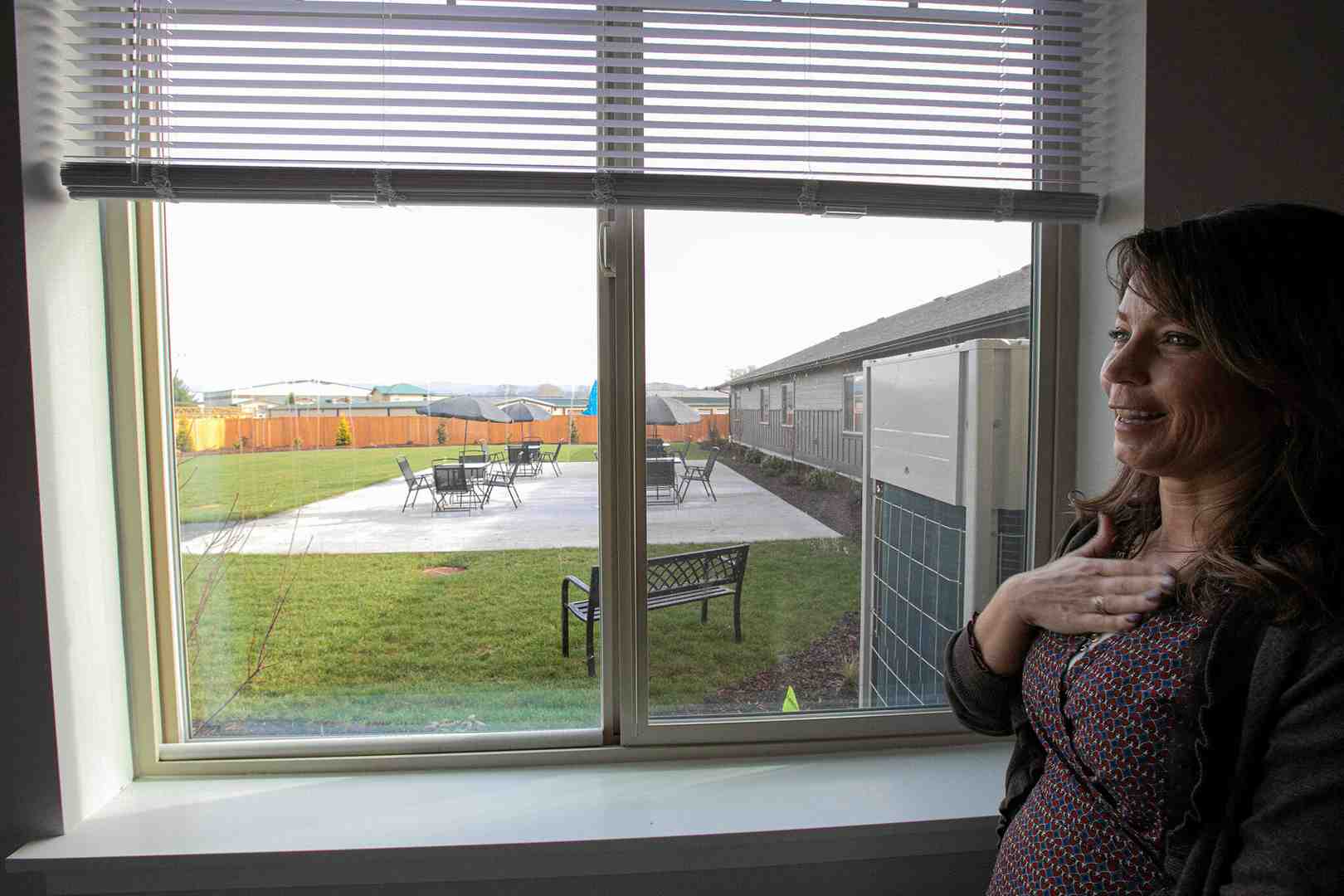
- Location and Environment: The facility should offer a serene, safe, and comfortable setting for healing, like the one found at Peace by Piece Residential Treatment Center Los Angeles CA.
Trust & Professional Credentials
When you call our helpline, you’re not speaking with a random call center. You’ll be connected with trained admissions specialists who work directly with:
- Accredited, licensed treatment centers in Los Angeles and across California
- Clinicians who include MDs, psychiatrists, and licensed therapists (LCSW, LMFT, LPC) at our partner facilities
- Programs that frequently hold Joint Commission or CARF accreditation and follow ASAM criteria for levels of care
Our helpline is:
- Available 24/7/365
- Free and confidential
- Focused on connecting you to appropriate, ethical treatment—not selling unrelated services
Evaluating these factors will help you find a program that offers the best chance for lasting recovery.
Amenities and Levels of Comfort in Rehab Centers
A comfortable environment can significantly aid the healing process. While clinical care is paramount, amenities offered by Drug Rehab Programs Los Angeles can help clients focus on their recovery.
Consider the following:
- Comfortable Accommodations: A clean, safe space to rest is essential.
- Privacy and Discretion: Important for those who need confidentiality.
- Staff-to-Client Ratio: A lower ratio (e.g., 5:1) often means more personalized care.
- Nutritious Meals: Healthy food is fundamental to physical recovery.
- Holistic and Recreational Facilities: Yoga studios, fitness centers, and outdoor lounges support mind-body healing.
- Therapeutic Atmosphere: A calm, healing ambiance is beneficial.
While more amenities can increase cost, it’s crucial to balance comfort with the quality of clinical care. High-comfort facilities like Sunset Malibu Cliffside Malibu Malibu CA exist, but the program’s effectiveness should always be the top priority.
If you’re comparing “inpatient drug rehab in Los Angeles,” “outpatient rehab near me,” “detox center in LA,” or “alcohol treatment in California,” you don’t have to figure it out alone.
Call our 24/7 Los Angeles Drug & Alcohol Rehab Helpline now. We’ll review your situation, location, and insurance and help you choose the most appropriate level of care.
Building a Foundation for Lasting Sobriety
Completing a primary addiction treatment program, whether residential or outpatient, is a monumental achievement. However, it’s not the end of the journey; it’s the beginning of a new chapter: building a foundation for lasting sobriety. Recovery is an ongoing process, and the most successful outcomes stem from continued commitment to growth and self-care.
Key components for maintaining long-term sobriety include:
- Relapse Prevention Planning: Before leaving a program, clients typically work with their therapists to develop a personalized relapse prevention plan. This involves identifying triggers, developing coping strategies, and outlining steps to take if cravings or difficult situations arise.
- Developing Coping Skills: Treatment programs teach a variety of healthy coping mechanisms to manage stress, emotions, and life’s challenges without resorting to substance use. These skills, like mindfulness, communication techniques, and problem-solving, are vital for navigating daily life in recovery.
- Building a Support Network: A strong support system is invaluable. This includes family, friends, peer support groups, and a sponsor. Connecting with others who understand the challenges of recovery creates a sense of community and reduces feelings of isolation.
- Sober Living Arrangements: For many, transitioning from an intensive treatment environment to independent living can be challenging. Sober living homes offer a structured, substance-free environment with peer support and accountability, providing a crucial stepping stone back into the community.
The Importance of Aftercare in Drug Rehab Programs Los Angeles
Aftercare is arguably one of the most critical phases in the recovery journey. It’s the bridge between structured treatment and independent, sober living, providing ongoing support to reinforce the skills learned in rehab and prevent relapse. The National Institute on Drug Abuse (NIDA) emphasizes that long-term or repeated care is often necessary to achieve sustained recovery.
Effective aftercare programs for Drug Rehab Programs Los Angeles often include:
- Ongoing Support Groups: Participation in 12-step programs like Alcoholics Anonymous (AA) and Narcotics Anonymous (NA) is a cornerstone of aftercare for many. These groups provide a community of peers who share experiences and offer mutual support.
- Alumni Programs: Many rehab centers offer alumni programs, which foster a continued connection to the treatment facility and its community. These programs can include regular meetings, social events, and opportunities to mentor newer clients.
- Continued Therapy: Regular individual or group therapy sessions can help individuals continue to process emotions, address new challenges, and refine their coping skills. This is particularly important for those with co-occurring mental health disorders.
- Sober Coaching: Some individuals benefit from working with a sober coach who provides personalized guidance, accountability, and support in navigating the practical aspects of sober living.
- Community Integration: Engaging in healthy activities, volunteering, and building a new social circle that supports sobriety are crucial for feeling connected and fulfilled in recovery.
Programs like Aanaca Program House Structured Sober Living Van Nuys CA exemplify the kind of structured living arrangements that can provide invaluable support during this phase. Aftercare planning is a personalized process, and the best plans are custom to an individual’s specific needs and challenges, ensuring they have the tools and support to maintain sobriety for the long term.
Conclusion: Your Path to Recovery Starts Today
The journey through addiction is arduous, but as we’ve explored, recovery is not only possible but actively supported by a diverse and comprehensive network of Drug Rehab Programs Los Angeles. From the critical first step of medical detox to the nuanced care of dual diagnosis treatment and the ongoing support of aftercare, Los Angeles offers a path forward for anyone ready to accept a life free from substance dependence.
We understand that taking the first step can feel overwhelming, especially when faced with complex decisions about types of treatment, financial considerations, and specialized programs. That’s where we come in.
Addiction Helpline America is a dedicated, 24/7 addiction treatment helpline.
When you contact us, you can expect:
- A live, trained specialist to answer—day or night
- Confidential, judgment-free conversation about what you’re going through
- Rapid insurance verification and explanation of your benefits
- Direct connection to licensed, accredited drug and alcohol rehabs in Los Angeles and across California
- Guidance whether you need detox, inpatient rehab, outpatient treatment, or sober living
Our service is free, confidential, and designed to provide you with personalized guidance. We connect you to a vast network of treatment centers, ensuring you find the right recovery program that aligns with your unique needs and circumstances. Don’t let the challenges of finding help deter you. Your path to recovery starts today, and we are here to support you every step of the way.
If you or a loved one are searching for “drug rehab in Los Angeles,” “alcohol rehab in Los Angeles,” “detox near me,” or “addiction treatment in California,” you are in the right place.
Call our 24/7 Drug & Alcohol Rehab Helpline now.