
Understanding Dual Diagnosis: When Mental Health and Addiction Intersect
Dual Diagnosis Treatment Los Angeles is specialized care for individuals struggling with both a substance use disorder and a mental health condition at the same time. Here’s what you need to know:
Quick Guide to Dual Diagnosis Treatment in Los Angeles:
- What It Treats: Co-occurring conditions like depression + alcoholism, anxiety + drug abuse, PTSD + opioid addiction, bipolar disorder + cocaine use
- Treatment Approach: Integrated care addressing both conditions simultaneously through therapy, medication, and support
- Where to Find Help: Inpatient centers, outpatient programs (PHP/IOP), specialized dual diagnosis facilities across Los Angeles County
- Cost Range: Inpatient: $5,000-$20,000 per month; Outpatient: $1,400-$10,000 per month; insurance often covers treatment
- Success Factor: Treating both disorders together leads to significantly better outcomes than treating either condition alone
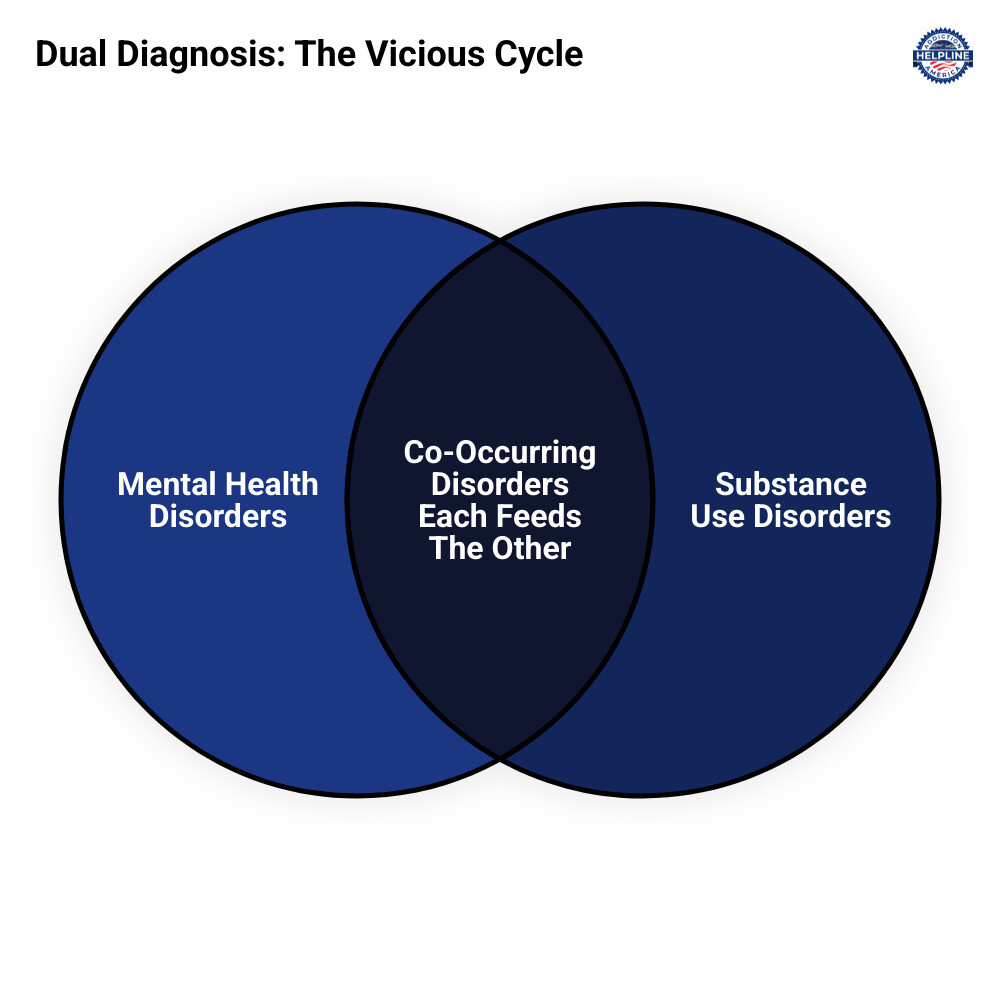
If you’re reading this, you or someone you love may be facing a painful reality. According to the Substance Abuse and Mental Health Services Administration (SAMHSA), nearly 9.2 million adults in the U.S. struggle with both a mental health disorder and substance abuse, a combination called dual diagnosis or co-occurring disorders. This creates a vicious cycle where each condition feeds the other.
For example, someone with depression might use alcohol to numb pain, or a person with anxiety might use drugs to cope. But this relief is temporary and often makes mental health symptoms worse, leading to a spiral of deeper despair and increased substance use.
The challenging truth is that a significant treatment gap exists. The same SAMHSA report reveals that less than 8% of people with co-occurring disorders receive proper care for both conditions. Many programs treat only addiction or only mental health, but this approach rarely works, as the untreated condition sabotages recovery.
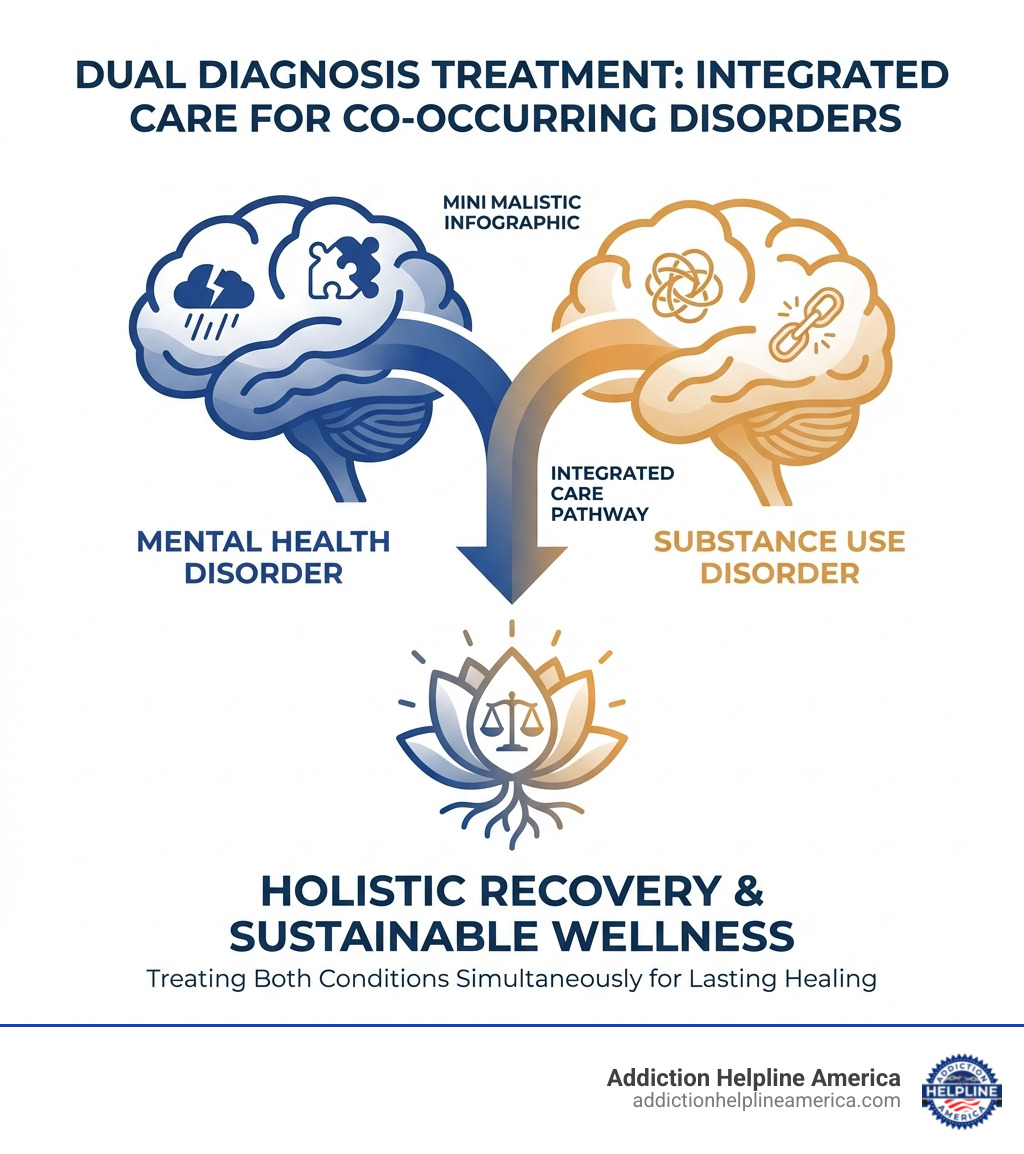
The good news is that integrated dual diagnosis treatment—addressing both conditions together—works. As the National Institute on Drug Abuse (NIDA) confirms, this approach dramatically improves recovery rates, reduces relapse, and helps people reclaim their lives.
At Addiction Helpline America, we’ve spent years connecting individuals and families in Los Angeles to comprehensive Dual Diagnosis Treatment Los Angeles programs that address both addiction and mental health simultaneously, providing free, confidential guidance to help you find the right path forward. Whether you’re seeking help for yourself or a loved one, understanding your options is the first step toward lasting recovery. Explore our Los Angeles Detox options to learn more about the first step.
Why Integrated Care is Crucial for Lasting Recovery
When someone has both a mental health condition and a substance use disorder, it’s called a dual diagnosis or co-occurring disorder. For decades, these issues were treated separately, leading to poor outcomes and high relapse rates. Today, a consensus of experts agrees that addiction and mental health are deeply intertwined and must be treated together.
Integrated care is the gold standard because it addresses the complex relationship between the two conditions. As Dr. Kenneth Minkoff, a leading expert in the field, explains, “The primary principle of dual diagnosis treatment is that people with co-occurring disorders do better when they can get both mental health and substance abuse treatment at the same time in the same place from the same team.” If a person stops drinking but their underlying depression isn’t treated, the emotional pain can easily trigger a relapse. Conversely, substance abuse can alter brain chemistry, making someone more vulnerable to mental illness. Treating only one side of the problem is an incomplete solution.
Effective dual diagnosis programs use a holistic approach to treat the whole person, not just their diagnoses. This involves:
- Comprehensive Assessment: A thorough evaluation to understand the history and severity of both disorders.
- Identifying Triggers: Helping individuals recognize the thoughts, feelings, or situations that lead to substance use or worsen mental health symptoms.
- Building Coping Skills: Teaching healthy ways to manage stress, cravings, and difficult emotions without resorting to substances.
- Integrated Therapies: Using therapies that target both conditions at the same time, often including individual, group, and family counseling.
- Medication Management: Using medication when appropriate to stabilize mental health symptoms and reduce cravings.
By addressing the root causes and the interplay between the disorders, integrated care leads to significantly better outcomes. SAMHSA’s Treatment Improvement Protocol (TIP) 42 confirms that this approach results in higher engagement in recovery and a reduced risk of relapse. At Addiction Helpline America, we provide free, confidential guidance to help you find dual diagnosis services in Los Angeles that offer this comprehensive and life-changing approach.
Navigating Dual Diagnosis Treatment in Los Angeles
Finding the right Dual Diagnosis Treatment Los Angeles program means understanding the different levels of care available. Los Angeles offers a spectrum of options designed to meet varying needs, as defined by the American Society of Addiction Medicine (ASAM).
- Medical Detox: For many, this is the first step. Medically supervised detox provides a safe environment to manage withdrawal symptoms, which can be dangerous without professional help. Find more information at our Los Angeles Detox guide.
- Residential/Inpatient Treatment: This involves living at a facility 24/7 in a highly structured environment free from triggers. Programs typically last 28 to 90 days.
- Partial Hospitalization Programs (PHP): Also called “day treatment,” PHP offers intensive therapy during the day while allowing clients to return home or to a sober living environment at night.
- Intensive Outpatient Programs (IOP): IOPs offer a more flexible schedule, with treatment a few days a week for a few hours per day, allowing individuals to maintain work or school commitments.
- Outpatient Programs: The least intensive level, providing weekly therapy and support, often as a step-down from a higher level of care.
Navigating these options can feel overwhelming. Addiction Helpline America offers free guidance to help you access programs in the Los Angeles area. Our Drug Alcohol Rehabs LA Guide can provide further insights.

What to Expect from a Dual Diagnosis Treatment Program in Los Angeles
When you enter a dual diagnosis program, you can expect a comprehensive and personalized experience.
- Initial Assessment: The journey begins with a thorough evaluation by a team of specialists to understand your medical history, mental health symptoms, and substance use patterns.
- Personalized Treatment Plan: A unique plan is created based on your specific diagnoses and recovery goals.
- Structured Environment: Programs provide a structured routine to help stabilize mood and build healthy habits.
- Integrated Care Team: You’ll work with a consistent team of professionals who coordinate your care for both conditions.
- Medical Supervision: Medical professionals monitor your physical and psychiatric needs, especially during detox and inpatient care.
- Therapeutic Modalities: You will engage in a combination of individual, group, and experiential therapies.
- Aftercare Planning: The program will help you develop a plan for life after treatment, including relapse prevention strategies and ongoing support.
Therapies and Treatments Offered
Effective Dual Diagnosis Treatment Los Angeles programs use a variety of evidence-based and holistic therapies:
- Cognitive Behavioral Therapy (CBT): Helps change unhealthy thought patterns and behaviors linked to addiction and mental health issues. The American Psychological Association recognizes CBT as highly effective for co-occurring conditions.
- Dialectical Behavior Therapy (DBT): Teaches skills in mindfulness, distress tolerance, and emotion regulation, particularly useful for individuals with intense emotions.
- Trauma-Informed Care: Recognizes and addresses the impact of trauma. Eye Movement Desensitization and Reprocessing (EMDR) is a specific therapy that may be used.
- Family Therapy: Involves loved ones to improve communication and heal relationships.
- Group Counseling: Fosters community and peer support, such as in groups like Dual Diagnosis Anonymous (DDA).
- Motivational Interviewing: A client-centered approach to strengthen motivation for recovery.
- Psychoeducation: Empowers individuals by teaching them about their conditions and how to manage them.
- Holistic Therapies: Complements traditional therapy with options like yoga, meditation, art therapy, and nutrition counseling.
You can explore these therapy options through Addiction Helpline America’s network. Find more details in our Drug Rehab Near Los Angeles CA Guide.
The Role of Medication in Treatment
Medication often plays an essential role in Dual Diagnosis Treatment Los Angeles, working alongside therapy to support recovery.
- Medication-Assisted Treatment (MAT): For substance use disorders, SAMHSA defines MAT as the use of FDA-approved medications (like naltrexone or buprenorphine) with counseling. These can reduce cravings and ease withdrawal, making it easier to engage in therapy.
- Psychiatric Medications: For co-occurring mental health disorders, psychiatrists may prescribe medications such as antidepressants, mood stabilizers, or non-addictive anti-anxiety options to manage symptoms.
The goal of medication management is to stabilize mental health, which in turn reduces the urge to self-medicate. A team of board-certified psychiatrists often oversees this crucial component of care, ensuring medications are used safely and effectively.
Recognizing the Need and Finding Support
Recognizing the signs that someone needs Dual Diagnosis Treatment Los Angeles is the first step toward getting help. The symptoms of mental health and substance use disorders, often adapted from the American Psychiatric Association’s DSM-5, frequently overlap, but certain indicators can signal the need for integrated care.
Signs of a Substance Use Disorder
- Needing more of the substance for the same effect (tolerance).
- Physical or psychological distress when stopping (withdrawal).
- Using more than intended or being unable to cut down.
- Neglecting responsibilities at work, school, or home.
- Withdrawing from loved ones and activities.
- Engaging in risky behaviors while under the influence.
Signs of a Mental Health Disorder
- Persistent sadness, hopelessness, or depression.
- Excessive worry, nervousness, or panic attacks.
- Extreme mood swings (e.g., from euphoria to despair).
- Changes in sleep, appetite, or energy levels.
- Social withdrawal and loss of interest in hobbies.
- Suicidal thoughts or self-harm (seek immediate help).
If you observe these signs co-occurring, integrated dual diagnosis treatment is likely needed.
Common Co-Occurring Disorders
Certain mental health conditions frequently appear alongside substance use disorders:
- Depression and Anxiety Disorders: These are the most common. Individuals may use substances to self-medicate feelings of sadness or worry, which worsens the underlying condition.
- Bipolar Disorder: People may use substances to manage extreme mood swings. According to the National Institute of Mental Health (NIMH), about 56% of individuals with bipolar disorder also experience a substance use disorder.
- Post-Traumatic Stress Disorder (PTSD): Trauma survivors often use drugs or alcohol to numb painful memories and flashbacks.
- Attention-Deficit/Hyperactivity Disorder (ADHD): Individuals may misuse stimulants or use depressants to manage symptoms of hyperactivity or inattention.
- Borderline Personality Disorder (BPD): Intense emotions and impulsivity associated with BPD often co-occur with substance use.
- Schizophrenia: This serious mental illness can co-occur with substance abuse, which presents significant challenges for treatment.
How Families Can Support a Loved One
Supporting a loved one with a dual diagnosis requires patience, understanding, and self-care. Your involvement is crucial for healing.
- Educate Yourselves: Learn about dual diagnosis and the specific conditions affecting your loved one. Understanding the diseases reduces stigma and increases empathy. Reputable sources like NAMI (National Alliance on Mental Illness) offer valuable information.
- Encourage Professional Help: Gently but firmly encourage your loved one to seek integrated treatment, emphasizing your support.
- Participate in Family Therapy: This can improve communication, address family dynamics, and help heal relationships.
- Join Support Groups: Groups like Al-Anon or Families Anonymous provide a safe space for you to share experiences and learn from others.
- Set Healthy Boundaries: Support is crucial, but enabling is not. Establish clear boundaries to protect your well-being and encourage accountability.
- Prioritize Your Own Self-Care: Supporting someone in recovery can be draining. Ensure you get adequate rest and seek support for yourself.
- Explore Specialized Options: Depending on your loved one’s needs, specialized programs may be beneficial. Our Women’s Rehab California guide provides more information.
Addiction Helpline America is here to provide confidential guidance and connect you with family-focused Dual Diagnosis Treatment Los Angeles programs.
Understanding the Costs and Payment Options in Los Angeles
The cost of Dual Diagnosis Treatment Los Angeles is a significant concern, but it is an investment in a healthier future. Costs vary widely based on the level of care, duration, and services offered. The National Institute on Drug Abuse (NIDA) notes that successful treatment is far less expensive than its alternatives, such as incarceration or lost productivity.
Here’s a general overview of average costs:
| Program Type | Average Cost (30 days) | Average Cost (60-90 days) |
|---|---|---|
| Inpatient/Residential | $5,000 – $20,000 | $12,000 – $60,000 |
| Intensive Outpatient (IOP) | $1,400 – $10,000 | Varies (avg. $575/day) |
| Partial Hospitalization (PHP) | Varies (avg. $400/day) | Varies (avg. $400/day) |
Payment Options Available:
Fortunately, several options exist to make treatment more accessible:
- Insurance Coverage: Most health insurance plans are required by law to cover mental health and substance use treatment. The Mental Health Parity and Addiction Equity Act (MHPAEA) ensures that coverage for these services is no more restrictive than for medical/surgical services.
- Self-Pay Options: Many facilities offer flexible payment plans for those paying out-of-pocket.
- Crowdfunding: Platforms like GoFundMe can help raise funds from your community.
- Personal Savings/Loans: Using savings or a personal loan can provide immediate funds.
- Grants and Scholarships: Some non-profits and treatment centers offer financial aid for eligible individuals.
- Family Support: Family members often contribute financially to a loved one’s recovery.
- Sliding Scale Programs: Some facilities adjust costs based on an individual’s income.
- Employee Assistance Programs (EAPs): Check if your workplace EAP offers resources or financial assistance for treatment.
Navigating the financial aspects of treatment can be complex. Addiction Helpline America provides free, confidential guidance to help you understand your options, verify insurance, and find programs in Los Angeles that fit your budget. You can also use the Substance Abuse and Mental Health Services Administration (SAMHSA) locator to find facilities that offer integrated treatment.
Frequently Asked Questions about Dual Diagnosis
What is the difference between “dual diagnosis” and “co-occurring disorders”?
The terms “dual diagnosis” and “co-occurring disorders” are used interchangeably. Both refer to having a mental health condition and a substance use disorder at the same time. “Co-occurring disorders” (COD) is the more current clinical term preferred by organizations like SAMHSA, but both mean the same thing: two interconnected conditions that require integrated treatment.
Why is it so common for addiction and mental illness to occur together?
The high co-occurrence of addiction and mental illness is due to a complex, bidirectional relationship. The National Institute on Drug Abuse (NIDA) explains this through several key factors:
- Shared Risk Factors: Genetics, trauma, and chronic stress can be underlying causes for both types of disorders.
- Self-Medication: Many people use drugs or alcohol to cope with untreated mental health symptoms like anxiety or depression, which can lead to addiction.
- Substance-Induced Symptoms: Prolonged substance use can alter brain chemistry, triggering or worsening mental health conditions.
This creates a self-perpetuating cycle where each condition fuels the other, making integrated treatment essential for recovery.
What are the first steps to getting help for dual diagnosis in Los Angeles?
Taking the first step is the most courageous part of the journey. Here’s how to begin finding Dual Diagnosis Treatment Los Angeles:
- Acknowledge the Problem: Recognize that both a substance use disorder and a mental health condition are present and need to be addressed.
- Seek a Professional Assessment: It’s vital to get a comprehensive evaluation from qualified professionals who specialize in dual diagnosis. This assessment will accurately diagnose both conditions and help determine the most appropriate level of care.
- Contact Addiction Helpline America for Confidential Guidance: We are here to provide free, personalized guidance. Our specialists can help you understand your options, answer your questions, and connect you with reputable dual diagnosis treatment centers in our vast network across Los Angeles.
- Verify Insurance and Discuss Payment Options: Before committing to a program, our team can assist you in verifying your insurance coverage and discussing payment options to ensure treatment is affordable.
You don’t have to face this alone. We are ready to help you take that vital first step.
Take the First Step Towards Healing Today
The journey through Dual Diagnosis Treatment Los Angeles can be challenging, but it is also a path filled with hope, healing, and the promise of a brighter future. We understand the courage it takes to confront co-occurring disorders, and we want you to know that recovery is not just a possibilityit’s an achievable reality with the right support.
Integrated treatment, which addresses both your mental health and substance use disorders simultaneously, is the key to open uping lasting recovery. By understanding how these conditions interact, developing healthy coping mechanisms, and building a strong support system, you can break free from the cycle that has held you back.
At Addiction Helpline America, we are dedicated to providing free, confidential guidance to individuals and families in Los Angeles. Our vast network of accredited treatment centers means we can connect you with personalized programs that offer the comprehensive care you deserve. We strive to make it crystal clear that we are here as a helpline, not a treatment center, and that our team is available 24/7 to listen, answer questions, and help you explore your options.
Your journey to a healthier, happier life starts now. Reach out to us today at (844) 561-0606 to find personalized Dual Diagnosis Treatment Los Angeles and begin your path to healing.