
Understanding Your Options for Drug Abuse Treatment
Drug abuse treatment is a proven, evidence-based approach to overcoming substance use disorders (SUDs)—complex medical conditions that affect the brain and behavior. Recovery is possible, and help is available.
Main Treatment Options:
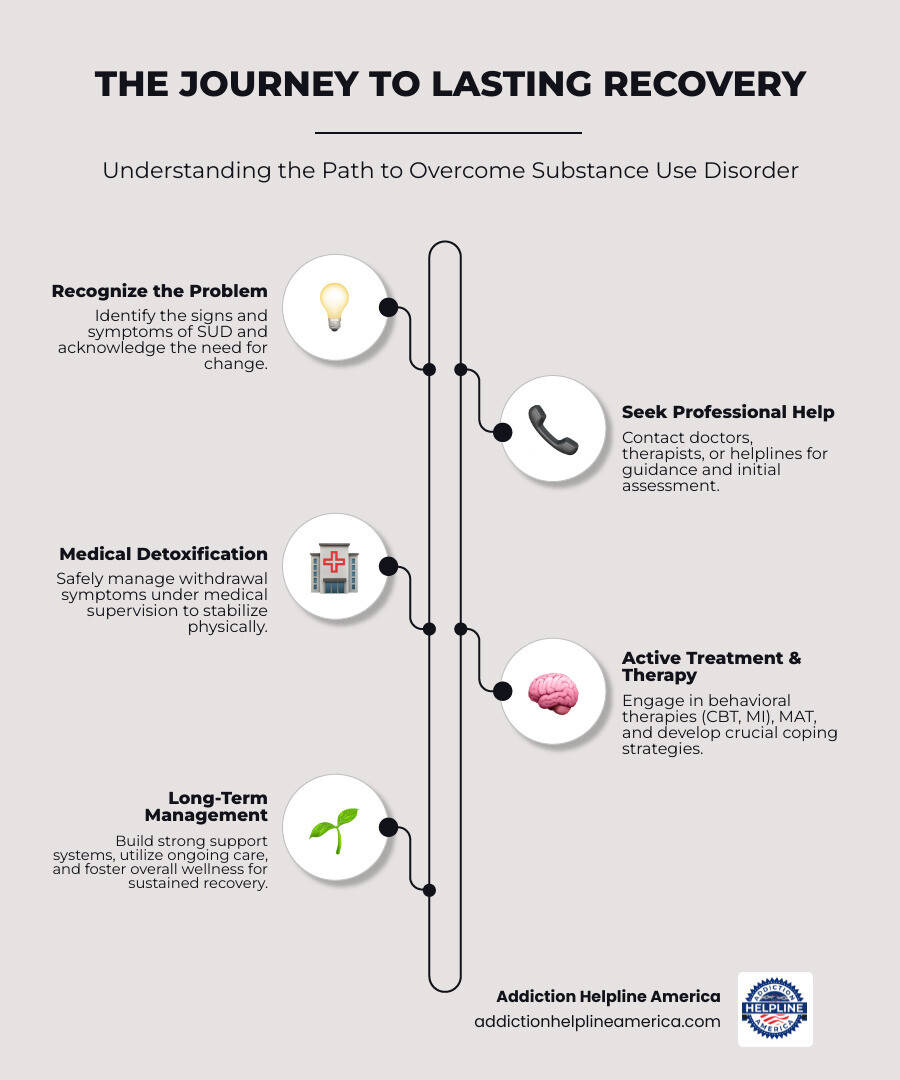
- Medical Detoxification: Safely managing withdrawal under medical supervision.
- Behavioral Therapies: Including Cognitive-Behavioral Therapy (CBT) and Motivational Interviewing.
- Medication-Assisted Treatment (MAT): Using FDA-approved medications for opioid, alcohol, and nicotine addiction.
- Levels of Care: Ranging from inpatient residential to outpatient counseling.
- Holistic Support: Addressing mental, social, and vocational needs.
Key Facts:
- Addiction is a chronic, treatable disease.
- Treatment lasting at least 90 days has the best outcomes.
- Co-occurring mental health disorders are common and treatable.
- Relapse is a part of recovery, not a failure.
If you’re in crisis, call or text 988 for immediate support. For free, confidential treatment guidance, call 844-561-0606.
At Addiction Helpline America, our specialists provide free, confidential support 24/7 to connect you with personalized drug abuse treatment options that fit your unique needs.
Learn more about:
Understanding Substance Use Disorder: Signs, Causes, and Risks

This section explains what a substance use disorder is, why it happens, and the potential consequences if left untreated, helping you or a loved one recognize the need for change.
What Are the Signs and Symptoms?
Recognizing the signs of a substance use disorder (SUD) is the first step toward seeking help. Symptoms can be behavioral, physical, and psychological. According to the DSM-5 criteria for substance use disorders, common indicators include:
- Loss of Control: Using more of a substance or for longer than intended, with unsuccessful attempts to cut down.
- Cravings and Preoccupation: Experiencing intense urges to use and spending significant time obtaining, using, or recovering from the substance’s effects.
- Social and Functional Impairment: Neglecting responsibilities, continuing use despite relationship problems, and giving up important activities.
- Risky Use: Using substances in dangerous situations or despite knowing it’s causing physical or psychological problems.
- Physical Dependence: Developing tolerance (needing more for the same effect) and experiencing withdrawal symptoms (like nausea, sweating, and mood changes) when not using.
If these signs are familiar, professional help is needed. We can help you understand these signs and connect you to support.
What Causes Addiction and Who Is at Risk?
Addiction is a complex disease, not a moral failing, with causes rooted in a combination of factors that change the brain’s reward system.
Key risk factors include:
- Genetics: A family history of addiction significantly increases risk.
- Brain Chemistry: Repeated substance use can alter brain pathways, creating a powerful drive to continue using.
- Environmental Factors: Social pressure, easy access to substances, and exposure to use within family or peer groups.
- Trauma and Adverse Childhood Experiences (ACEs): Many turn to substances to cope with the pain of past trauma, abuse, or neglect.
- Early Use: Starting substance use during adolescence, when the brain is still developing, increases the likelihood of developing an SUD.
- Co-occurring Mental Health Conditions: Conditions like depression, anxiety, or ADHD are common alongside SUDs. Many use substances to self-medicate, creating a cycle that worsens both conditions.
Understanding these causes is vital for effective drug abuse treatment.
What Are the Potential Complications of Untreated Addiction?
Untreated addiction can have devastating consequences, highlighting the urgent need for drug abuse treatment.
Potential complications include:
- Overdose Risk: The risk is critically high, especially with illicit drugs often contaminated with fentanyl or xylazine.
- Chronic Health Issues: Long-term use can lead to organ failure, cardiovascular disease, cancer, and respiratory problems.
- Infectious Diseases: Sharing needles can transmit HIV and Hepatitis C (HCV).
- Mental Health Decline: Addiction can trigger or worsen depression, anxiety, and paranoia.
- Social and Legal Problems: Substance use can lead to job loss, academic failure, financial strain, homelessness, and legal issues.
- Strained Relationships: Addiction damages trust and leads to conflict with family and friends.
The ripple effect of untreated addiction is profound. Early intervention can mitigate these risks. For information on specific substances, see our page on Addiction Treatment: Prescription Drugs Treatment.
Exploring Your Drug Abuse Treatment Options
This section breaks down the different types of evidence-based treatments available, so you can understand what to expect and what might work best for your unique situation.
The Foundation: Medical Detoxification
For many, medical detoxification (“detox”) is the essential first step in drug abuse treatment. It is the process of safely managing withdrawal symptoms under 24/7 medical supervision. Depending on the substance, withdrawal can be uncomfortable and even life-threatening.
The goals of medical detox are to ensure safety, ease discomfort with medication, and achieve physical and mental stability. While detox cleanses the body, it does not address the underlying causes of addiction. It is a crucial preparatory step, not a standalone cure. After detox, a comprehensive treatment program is necessary for long-term recovery. For more details, see our Drug Detox Treatment Centers Guide.
Core Components of Effective Drug Abuse Treatment

Effective drug abuse treatment is a personalized approach that combines behavioral therapies and, when appropriate, medication-assisted treatment (MAT). This combination is considered the gold standard for care, as detailed in NIDA’s Principles of Drug Addiction Treatment.
Behavioral Therapies
These therapies help individuals change their attitudes and behaviors related to drug use and develop healthy coping skills.
- Cognitive-Behavioral Therapy (CBT): Teaches individuals to recognize, avoid, and cope with high-risk situations and triggers.
- Contingency Management (CM): Uses tangible rewards to reinforce positive behaviors like staying drug-free.
- Motivational Interviewing (MI): Helps individuals resolve ambivalence and increase their motivation to change.
- Family Therapy: Involves family members to improve communication and address dynamics that may contribute to substance use.
Medication-Assisted Treatment (MAT)
MAT uses FDA-approved medications, combined with therapy, to treat certain substance use disorders.
- For Opioid Addiction: Medications like methadone, buprenorphine, and naltrexone are the first line of treatment. They reduce cravings and overdose risk, allowing individuals to focus on therapy.
- For Alcohol Addiction: Naltrexone, acamprosate, and disulfiram can help reduce drinking or maintain abstinence.
- For Nicotine Addiction: Nicotine replacement therapies and medications like bupropion are effective for quitting smoking.
- For Stimulant and Cannabis Addiction: Currently, no FDA-approved medications exist, so treatment relies primarily on behavioral therapies.
Levels of Care: Finding the Right Intensity
Drug abuse treatment is offered at different levels of intensity to meet individual needs. The right level of care is crucial for success. Research shows that treatment lasting less than 90 days is often of limited effectiveness, with longer durations recommended for sustained recovery.
Here’s a breakdown of common levels of care:
| Level of Care | Structure | Intensity | Living Situation | Best For |
|---|---|---|---|---|
| Inpatient/Residential | 24/7 structured environment | Highest level of clinical care | Live at the facility | Individuals with severe SUDs, co-occurring conditions, or unstable home environments. Provides intensive, 24/7 medical supervision and a supportive, trigger-free setting. |
| Partial Hospitalization (PHP) | Structured day treatment, return home at night | High intensity, step down from inpatient | Live at home, attend treatment daily | Those needing a high level of support but have a stable home environment. Offers a comprehensive schedule similar to inpatient care but with more flexibility. |
| Intensive Outpatient (IOP) | Group/individual therapy several times a week | Moderate intensity, more flexible than PHP | Live at home, attend treatment regularly | Those transitioning from higher levels of care or with less severe SUDs who need to maintain work or family duties. Focuses on relapse prevention and coping skills. |
| Outpatient Programs (OP) | Weekly or bi-weekly therapy sessions | Lowest intensity, most flexible | Live at home, attend treatment periodically | Individuals with mild SUDs, strong support systems, or those in long-term recovery needing ongoing maintenance. Focuses on continued growth and relapse prevention. |
Choosing the right level of care can be daunting. Our specialists can help you steer these options. To learn more about intensive programs, visit our guide on Alcohol and Drug Rehab Inpatient Program.
The Holistic Approach to Lasting Recovery
Effective treatment goes beyond just stopping drug use. It involves healing the whole person—mind, body, and spirit—and building a strong foundation for a substance-free future.
Treating the Whole Person: Dual Diagnosis
Many people seeking drug abuse treatment also have a co-occurring mental health condition, known as a “dual diagnosis.” About 8 million Americans with an SUD also have a condition like depression, anxiety, PTSD, or ADHD. These conditions often interact, with substance use worsening mental health symptoms and vice versa.
The most effective approach is integrated treatment, where both the SUD and the mental health condition are treated at the same time by the same team. This holistic strategy addresses the root causes of substance use, reduces the risk of relapse, and improves overall well-being.
We understand the complexities of dual diagnosis and can connect you with specialized programs offering integrated care. Explore options for Dual Diagnosis Arizona (note: services are available nationwide).
The Role of Harm Reduction in Saving Lives
Harm reduction is a compassionate, evidence-based approach that aims to reduce the negative consequences of drug use, rather than focusing solely on abstinence. It acknowledges that not everyone is ready to stop using immediately and prioritizes keeping people alive and safe.
Key harm reduction strategies include:
- Naloxone Distribution: A life-saving medication that reverses opioid overdoses.
- Sterile Syringe Programs (SSPs): Provide sterile supplies to prevent the spread of HIV and Hepatitis C. According to NYC Health, these programs have helped reduce new HIV cases among people who inject drugs by 95% in the last 20 years.
- Fentanyl Test Strips: Allow individuals to check drugs for the presence of deadly fentanyl.
- Overdose Prevention Centers (OPCs): Supervised, hygienic sites where people can use pre-obtained drugs and receive immediate help in case of an overdose. They also serve as a bridge to drug abuse treatment.
Harm reduction saves lives and provides a pathway to recovery.
Building a Support System for the Future
Lasting recovery depends on a strong, ongoing support system that addresses an individual’s social, vocational, and legal needs.
Key elements of a robust support system include:
- Family Therapy: Heals relationships, improves communication, and creates a supportive home environment.
- Vocational and Educational Support: Helps individuals find employment or continue their education, providing stability and purpose.
- Legal Assistance: Addresses legal issues from past substance use that can be barriers to housing and employment.
- Social Skills Training: Helps individuals build positive relationships and steer social situations without substances.
- Mutual Support Groups: Groups like Alcoholics Anonymous (AA), Narcotics Anonymous (NA), and SMART Recovery offer invaluable peer support and a sense of community.
- Peer Support Specialists: Individuals with lived recovery experience who offer guidance, empathy, and hope.
By addressing these broader life needs, drug abuse treatment programs equip individuals with the tools to not just stop using drugs, but to thrive.
How to Find and Access Help Today
Taking the step to find help can feel overwhelming, but you are not alone. Here are clear, actionable steps and resources to connect you with the care you deserve.
Navigating Your Search for Help
When you’re ready to seek drug abuse treatment, knowing where to start makes all the difference. We’re here to guide you through the process with free, confidential support.
Here are the best ways to find help:
- Talk to a Healthcare Professional: Your primary care doctor can be a great first step for assessment and referrals.
- Use Online Treatment Locators: Confidential resources like the SAMHSA Behavioral Health Treatment Services Locator help you find facilities by location and service type.
- Call a Helpline: For immediate support, you have options:
- In a crisis, call or text 988: The 988 Suicide & Crisis Lifeline offers 24/7 free, confidential support.
- Veterans Crisis Line: Call 988 and press 1, or text 838255.
- Contact Addiction Helpline America: Call us at 844-561-0606. Our specialists offer free, personalized guidance to connect you with our nationwide network of treatment centers. For a curated list, see our guide to the Top 10 USA Drug Rehab Centers.
Can I Find Affordable Drug Rehab?
Cost should never be a barrier to seeking drug abuse treatment. Various options exist to make care accessible.
- Health Insurance: The Mental Health Parity and Addiction Equity Act (MHPAEA) requires most plans (including private, Medicare, and Medicaid) to cover SUD treatment. Contact your provider to understand your benefits.
- State-Funded Programs: Many states offer publicly funded treatment for individuals who meet certain income requirements.
- Sliding Scale Fees: Some centers adjust costs based on your income and ability to pay.
- Financing Options: Payment plans or healthcare loans may be available.
- Free Resources: Our helpline (844-561-0606) is free and confidential. We can help you find a program that fits your budget. Learn more about Affordable Drug Rehab.
What About Staging an Intervention?
When a loved one is unwilling to seek help, an intervention can be a powerful tool to encourage them to enter drug abuse treatment. It is a structured, compassionate conversation where family and friends express their concern, present a pre-arranged treatment plan, and set clear boundaries if the person refuses help.
The goal is to lovingly motivate change, not to shame or blame.
Why a Professional is Recommended:
Involving a professional interventionist is highly advised. They are trained to plan the process, guide the conversation, manage high emotions, and ensure the meeting is safe and productive. An intervention can be a critical turning point. If you are considering this step, we can connect you with experienced professionals. Learn more about Drug Intervention Services.
Frequently Asked Questions about Drug Abuse Treatment
Can addiction be cured, or is it a manageable chronic condition?
Addiction is a chronic, treatable disease, not a curable one. Much like diabetes or heart disease, it requires ongoing management rather than a one-time fix. The brain changes from long-term substance use can persist, but drug abuse treatment helps people counteract these effects, manage the condition, and regain control of their lives. The goal is long-term recovery and a return to a functional, fulfilling life.
Does relapse mean treatment has failed?
Absolutely not. Relapse is a common part of recovery from a chronic illness and does not mean drug abuse treatment has failed. Relapse rates for addiction are similar to those for other chronic conditions like asthma or hypertension (40-60%). A relapse is a sign that the treatment plan needs to be reviewed and adjusted. It’s an opportunity to identify new triggers and strengthen coping strategies. Re-engaging with treatment immediately is vital, as tolerance is lower after abstinence, increasing overdose risk.
Are there specific treatments for adolescents?
Yes, adolescents require drug abuse treatment programs custom to their unique developmental needs. The adolescent brain is still developing, making it particularly vulnerable to the effects of drugs. Effective treatment for teens must be age-appropriate and comprehensive.
Key aspects of adolescent treatment include:
- Custom Programs: Addressing issues like peer pressure, family problems, and school difficulties.
- Family Involvement: Family therapy is often a crucial component to improve communication and support.
- Behavioral Therapies: Approaches like CBT are adapted for a younger audience.
- Medication-Assisted Treatment (MAT): Buprenorphine is an FDA-approved medication for treating opioid use disorder in adolescents aged 16 and older.
- Co-occurring Conditions: Integrated treatment for SUDs and co-occurring mental health issues like ADHD or depression is essential for the best outcomes.
Our specialists can connect you with drug abuse treatment programs specifically designed for young people.
Your Path to a New Beginning Starts Today
Making the decision to seek help is the most courageous step you can take. Addiction is a treatable disease, and a fulfilling life in recovery is entirely possible with the right support. You don’t have to figure this out on your own. The team at Addiction Helpline America is here to provide free, confidential guidance to help you find a personalized drug abuse treatment program that fits your needs. Call 844-561-0606 to speak with a caring specialist and start your journey today. Your new beginning is just a phone call away. Find the best mental health and addiction treatment near you.