

Why Choosing the Right Rehab in Los Angeles Matters for Your Recovery
Rehab near Los Angeles CA offers a wide range of treatment options for individuals and families affected by substance use disorder. Here’s what you need to know before making this critical decision:
Quick Guide to Choosing Rehab in Los Angeles:
- Treatment Levels – Options include medical detox (3-7 days), residential treatment (28-90 days), and outpatient programs
- Dual Diagnosis Care – Approximately 50% of people with substance use disorders also have mental health conditions requiring integrated treatment
- Facility Credentials – Verify licensing through the California Department of Health Care Services and look for accreditation like The Joint Commission’s Gold Seal
- Cost and Insurance – Treatment typically costs $35,000-$60,000/month, but insurance may cover 100% of your care
- Aftercare Planning – Long-term recovery support including sober living, therapy, and support groups is essential for lasting sobriety
Millions of people worldwide struggle with substance use disorder, but recovery is possible. Los Angeles and the surrounding areas are home to some of the nation’s most comprehensive addiction treatment facilities, from luxury centers in Malibu to community-based programs across L.A. County. The region’s established treatment infrastructure, experienced professionals, and diverse program options make it a leading destination for recovery.
Yet with 34 facilities across L.A. County and hundreds more in the greater Los Angeles area, knowing where to start can feel overwhelming. The right choice depends on your unique situation—the substances involved, any co-occurring mental health conditions, your insurance coverage, and the level of care you need.
At Addiction Helpline America, we’ve helped thousands of individuals and families steer the complex landscape of addiction treatment in Los Angeles and across California. We provide free, confidential guidance to connect you with licensed, accredited facilities that match your specific needs and circumstances.
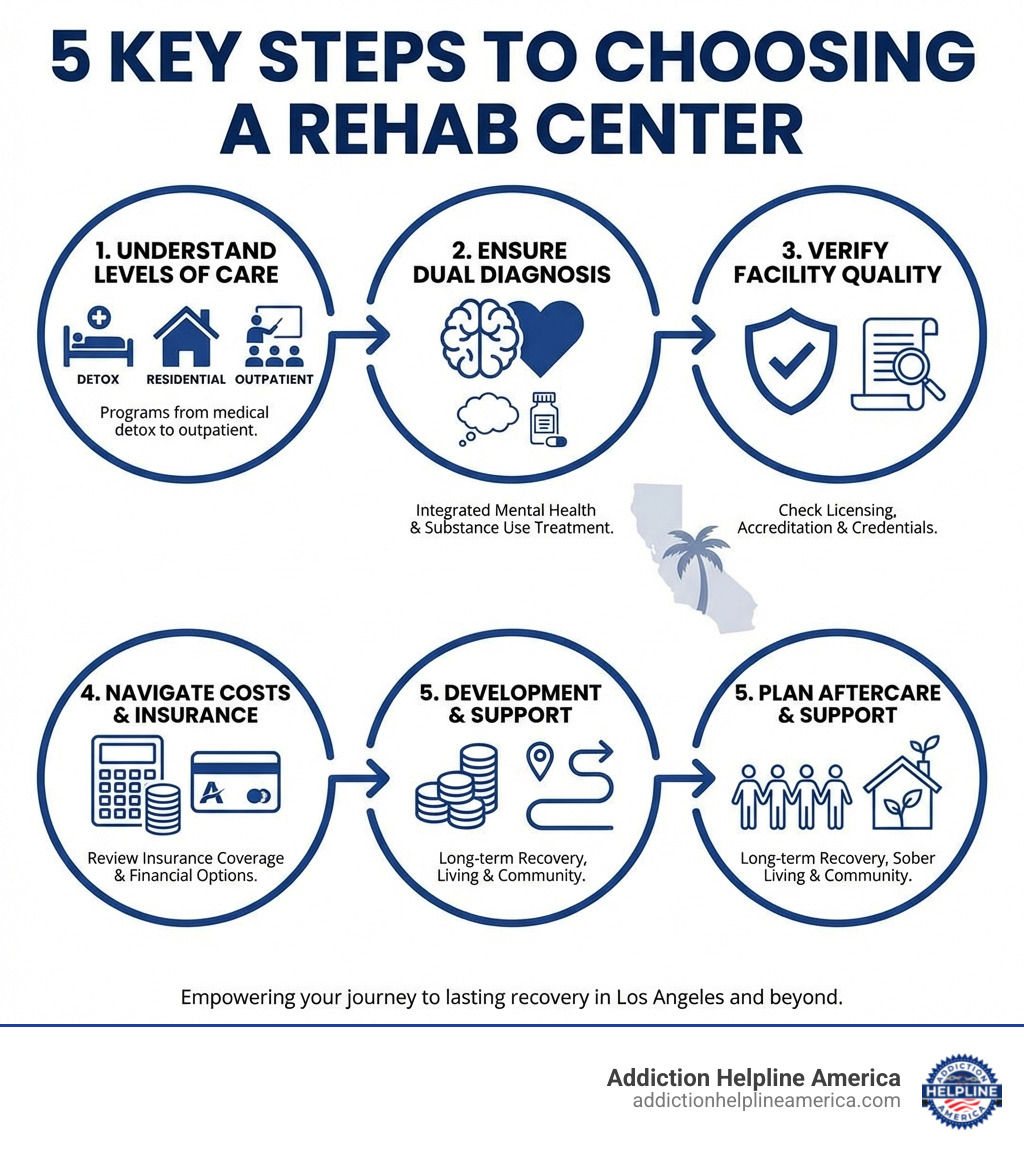
This guide breaks down the five most important factors to consider when choosing a rehab facility in the Los Angeles area, empowering you to make an informed decision that sets the foundation for lasting recovery.
1. Understand the Different Levels of Care and Treatment Programs
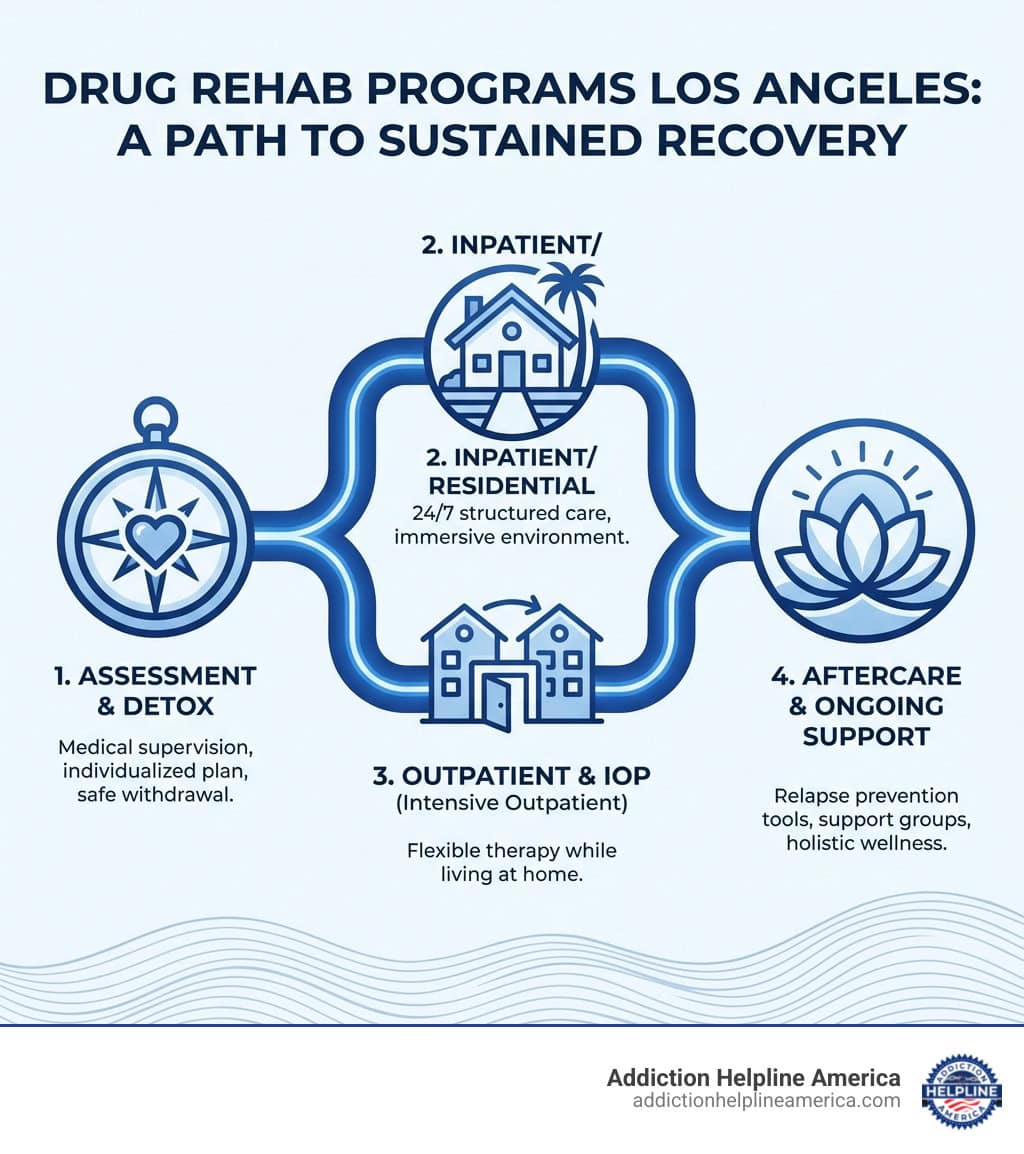
Starting on the journey to recovery begins with understanding the various levels of care available. Addiction treatment is not a one-size-fits-all solution; it’s a continuum of care designed to meet individual needs at different stages of recovery. Matching the intensity of the program to your specific situation is crucial for effective and lasting healing.
How do you know if you or a loved one might need to seek addiction treatment? The signs can vary, but generally, if a person experiences an inability to stop using a substance despite negative consequences, constantly worries about obtaining or using it, experiences withdrawal symptoms when trying to quit, or begins neglecting responsibilities at home, work, or school, it’s a strong indicator that professional help is needed. Dishonesty about substance use, finding more pleasure in using than in previously enjoyed activities, or facing legal/financial issues due to use are also significant red flags.
The Core Levels of Addiction Treatment
When exploring rehab near Los Angeles CA, you’ll encounter several core levels of care:
- Medical Detox: This is often the first step, especially for severe substance use disorders. Detoxification is a medically supervised process to safely manage withdrawal symptoms, which can be uncomfortable or even dangerous if not handled professionally. Many comprehensive treatment centers in the Los Angeles area offer detox services. The typical length of treatment for detox is 3 to 7 days, ensuring physical stabilization before deeper therapeutic work begins.
- Residential/Inpatient Treatment: For those requiring a structured, immersive environment, residential rehab provides 24/7 support. Patients live at the facility, engaging in intensive therapy, counseling, and activities designed to address the root causes of addiction. This level of care is ideal for individuals who need to remove themselves from their usual environment and triggers. Residential programs often last 28 to 90 days or more, with some facilities offering flexible treatment lengths from 7 to 45 days, depending on individual progress and needs.
- Outpatient Programs: These offer flexibility for individuals who do not require 24/7 supervision but still need consistent support.
- Partial Hospitalization Programs (PHP): Often called “day treatment,” PHP provides intensive therapy for several hours a day, multiple days a week, while allowing patients to return home in the evenings.
- Intensive Outpatient Programs (IOP): IOPs offer a slightly less intensive schedule than PHP, typically involving fewer hours per week. They are suitable for those transitioning from residential care or who have strong support systems at home. IOPs typically last 3 to 6 months.
- Outpatient Treatment: This is the least intensive level, involving regular therapy sessions while allowing individuals to live at home and maintain daily responsibilities. It focuses on relapse prevention and ongoing support.
The choice between 24/7 support and more flexible outpatient options depends on the severity of the addiction, co-occurring mental health issues, and the stability of one’s home environment. Our team at Addiction Helpline America can help you assess which level of care is best suited for your unique circumstances.
Finding the Right Type of Rehab near Los Angeles CA
Beyond the level of care, the type of therapeutic approach is equally important. Many reputable rehab centers in Los Angeles use a combination of evidence-based practices and holistic approaches:
- Cognitive Behavioral Therapy (CBT): Helps individuals identify and change negative thought patterns and behaviors contributing to substance use.
- Dialectical Behavior Therapy (DBT): Focuses on emotional regulation, mindfulness, distress tolerance, and interpersonal effectiveness.
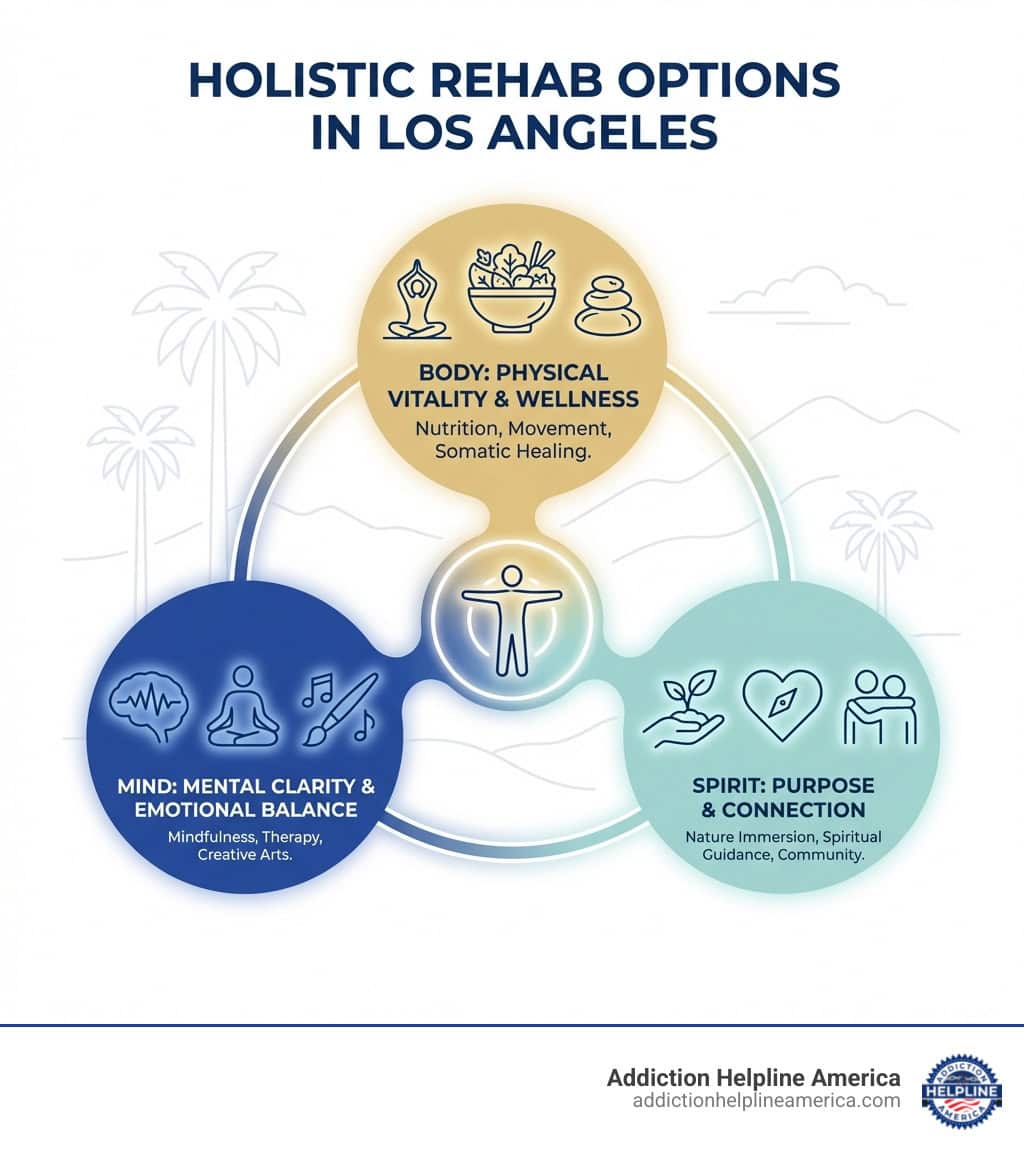
- Holistic Therapies: These may include yoga, meditation, art therapy, acupuncture, and nutritional support, aiming to heal the mind, body, and spirit. Many leading facilities integrate wellness therapies and health and fitness programs into their clinical models.
- 12-Step Facilitation: Many programs incorporate the principles of 12-Step programs, encouraging participation in groups that provide peer support and a structured path to recovery.
- Group Therapy: Offers a supportive environment for individuals to share experiences, learn from others, and develop coping skills.
- Evidence-based practices: These are treatments that have been scientifically proven to be effective. When choosing a rehab near Los Angeles CA, inquire about the specific therapies offered and ensure they align with your needs and are backed by research.
2. The Critical Role of Dual Diagnosis Treatment

Addiction rarely exists in isolation. For many, substance use is intertwined with underlying mental health conditions, a phenomenon known as dual diagnosis or co-occurring disorders. This means an individual is struggling with both a substance use disorder (SUD) and a mental health disorder simultaneously. Research indicates that approximately 50% of people with substance use disorders have dual diagnoses Source. This staggering statistic highlights the critical need for integrated treatment that addresses both conditions concurrently.
Common mental health conditions that frequently co-occur with addiction include:
- Anxiety disorders
- Depression
- Post-Traumatic Stress Disorder (PTSD)
- Bipolar disorder
- Personality disorders
- Eating disorders
- ADHD
- Chronic pain
- Sleep disorders
When only one condition is treated, the untreated condition often sabotages recovery from the other. For example, someone might use substances to self-medicate anxiety or depression. If only the substance use is addressed, the underlying anxiety or depression can lead to relapse.
Integrated treatment means that mental health and substance use disorders are treated together, often by the same clinical team and within the same program. This ensures that therapists understand how these conditions interact and can develop a comprehensive treatment plan that targets both. Quality facilities emphasize integrated treatment for dual diagnosis, acknowledging the relationship and core causes of both disorders. This holistic approach is crucial for achieving long-term stability and well-being.
At Addiction Helpline America, we understand the complexities of dual diagnosis. We specialize in connecting individuals with rehab near Los Angeles CA that offer robust dual diagnosis programs, ensuring you or your loved one receives the comprehensive, integrated care necessary for true healing. Our confidential guidance helps you find programs with experienced psychiatrists, therapists, and medical staff equipped to handle both aspects of co-occurring disorders.
3. How to Verify Facility Quality, Licensing, and Amenities
Choosing a rehab center is a deeply personal decision, and ensuring the quality of care is paramount. Several factors should influence your choice, including the facility’s location, the credentials and experience of its staff, its treatment philosophy, and the patient-to-staff ratio. Beyond these, accreditation plays a vital role in guaranteeing a high standard of care.
Licensing and Accreditation: Your Assurance of Quality
When researching rehab near Los Angeles CA, verifying a facility’s licensing and accreditation is a non-negotiable step. These certifications indicate that a center meets stringent quality and safety standards.
- California Department of Health Care Services (DHCS): All substance use disorder recovery treatment facilities in California must be licensed by the DHCS. This state license ensures that facilities adhere to legal and operational requirements. You can verify a facility’s licensing information directly on the DHCS website.
- The Joint Commission’s Gold Seal of Approval: This is a highly respected national accreditation that recognizes a healthcare provider’s commitment to safety and quality of care. The Joint Commission ensures healthcare providers meet the highest standards, signifying excellence in patient care and organizational performance. Many top-tier facilities in the Los Angeles area proudly display this “Gold Seal.”
- SAMHSA’s Opioid Treatment Programs (OTPs) Accreditation: For facilities specializing in opioid addiction, SAMHSA accreditation signifies adherence to rigorous standards for high-quality care, including evidence-based practices and qualified staff.
What does licensing and accreditation mean for patient safety? It ensures that the facility operates ethically, employs qualified professionals, maintains a safe environment, and provides treatments that meet established medical and therapeutic guidelines. This oversight protects patients and gives families peace of mind. At Addiction Helpline America, we exclusively connect you with licensed and accredited facilities, taking the guesswork out of verifying these crucial credentials.
What to Expect from a Quality Rehab near Los Angeles CA

A high-quality rehab near Los Angeles CA goes beyond basic treatment, offering an environment conducive to healing and personal growth. The benefits often include:
- Privacy and Comfort: Many facilities, especially those in the luxury category, prioritize a discreet and serene setting, sometimes offering smaller patient capacities and private rooms to ensure a tranquil environment. Top-tier facilities often aim to create a “boutique hotel” feel, providing luxury accommodations designed for relaxation.
- Individualized Attention: Smaller patient-to-staff ratios ensure that each individual receives personalized care and a treatment plan custom to their unique needs. This can include one-on-one counseling, specialized therapies, and customized recovery goals.
- Amenities and Therapeutic Services: Beyond clinical care, quality rehabs offer a range of amenities that support holistic healing:
- Nutritious Meals: Often prepared by onsite chefs, catering to dietary needs and preferences, recognizing the link between physical health and recovery.
- Wellness Activities: Yoga, meditation, fitness programs, and other wellness activities support mind-body healing and are common offerings at quality centers.
- Therapeutic Services: Massage, acupuncture, and other complementary therapies can reduce stress and promote overall well-being.
- Comfortable Living Spaces: Private or semi-private rooms with amenities that promote a sense of calm and respect.
To assess if a facility meets your needs, consider scheduling a tour, asking about their daily schedule, and inquiring about the specific qualifications of their clinical team. Don’t hesitate to ask about their approach to individualized care and how they integrate various therapies to support comprehensive recovery.
4. Navigating Costs and Insurance for Rehab near Los Angeles CA
The cost of addiction treatment is a significant concern for many individuals and families, but it shouldn’t be a barrier to seeking help. Understanding how to steer financial aspects and insurance coverage is a crucial step in finding the right rehab near Los Angeles CA.
The typical cost of addiction treatment in Los Angeles can range significantly, often falling between $35,000 – $60,000 per month. This cost can vary based on several factors:
- Program Type: Residential programs are generally more expensive than outpatient options due to the 24/7 care, accommodations, and amenities.
- Length of Stay: Longer programs naturally incur higher costs.
- Amenities and Services: Luxury facilities with extensive amenities (e.g., gourmet meals, private rooms, specialized holistic therapies) will have higher price points. This price range is typical for many private residential programs in the area.
Verifying Your Insurance Coverage
The good news is that insurance often covers a substantial portion, if not all, of addiction treatment costs. The Mental Health Parity and Addiction Equity Act (MHPAEA) requires most health plans to cover mental health and substance use disorder services at the same level as medical and surgical benefits.
To verify your insurance coverage, we recommend contacting your insurance provider directly or utilizing a facility’s insurance verification service. At Addiction Helpline America, we can help you with this process through our Verify your insurance coverage service, which is free and confidential. You’ll typically need your insurance card handy to provide details about your policy.
Key terms to understand when discussing insurance:
- PPO (Preferred Provider Organization) vs. HMO (Health Maintenance Organization): PPO plans generally offer more flexibility in choosing providers, including out-of-network options, often with higher out-of-pocket costs. HMO plans usually require you to stay within a network of providers and get referrals for specialists.
- In-network vs. Out-of-network: In-network providers have agreements with your insurance company, leading to lower costs. Out-of-network providers do not, resulting in higher costs or less coverage.
Options for Those with Financial Concerns
For individuals facing financial concerns, there are still viable options for accessing quality rehab near Los Angeles CA:
- Payment Plans: Many facilities offer flexible payment plans to help manage costs.
- State-funded Programs: California offers state-funded treatment options for eligible individuals with limited financial resources. Los Angeles County provides a network of programs and resources for addiction treatment, including outpatient, residential, and crisis services for those who qualify. These resources are dedicated to helping residents dealing with addiction and behavioral health issues.
Don’t let cost deter you from seeking help. Our team at Addiction Helpline America can guide you through these options, helping you understand your benefits and connect with programs that fit your budget and insurance plan.
5. The Importance of Aftercare and Long-Term Support
Completing a rehab program is a monumental achievement, but it’s just the beginning of a lifelong journey. Recovery is an ongoing process, and the period immediately following formal treatment is critical for solidifying new habits and preventing relapse. This is where comprehensive aftercare planning and long-term support come into play.
Effective aftercare focuses on equipping individuals with the tools and resources needed to steer life outside of treatment. It addresses relapse prevention strategies, helps build a strong sober support network, and provides continued therapeutic guidance.
Sober Living and Continuing Care in the Los Angeles Area
The Los Angeles area offers a robust network of aftercare and continuing care options designed to support individuals in their long-term recovery:
- Sober Living Homes: These provide a safe, structured, and substance-free environment for individuals transitioning from residential treatment back into independent living. They offer accountability, peer support, and a sense of community. Some organizations in Los Angeles operate Recovery Bridge Housing facilities, which serve a similar purpose, offering a supportive step-down environment.
- Community Reentry Programs: These programs help individuals reintegrate into society, addressing employment, education, and housing needs.
- Continued Therapy: Regular individual and group therapy sessions help individuals process emotions, develop coping skills, and address any emerging challenges in recovery.
- Support Groups: Participation in local support groups provides ongoing peer support, shared experiences, and a framework for maintaining sobriety. These groups foster connection and a sense of belonging, which are vital for long-term recovery.
- Alumni Programs: Many rehab centers offer alumni programs that help former residents stay connected with the facility and each other, providing an extended support network. Some facilities, for example, may match alumni with sober companions or operate their own sober living homes as part of their aftercare services.
The transition from a highly structured treatment environment to daily life can be challenging. Aftercare planning ensures that individuals have a clear roadmap and a safety net of support as they build a new, sober life. Addiction Helpline America can assist you in finding reputable sober living options, continued therapy resources, and support groups in the Los Angeles area, helping you build a strong foundation for lasting recovery.
Frequently Asked Questions about Rehab in Los Angeles
How long does rehab typically last in Los Angeles?
The duration of rehab in Los Angeles varies significantly based on individual needs and the level of care. Medical detox typically lasts 3 to 7 days. Residential or inpatient treatment programs can range from 28 to 90 days, with some facilities offering flexible lengths between 7 to 45 days. Outpatient programs, including Intensive Outpatient Programs (IOPs), usually span several months, often 3 to 6 months, as they focus on sustained recovery while living at home. The goal is always to provide adequate time for healing, skill-building, and relapse prevention, tailoring the length to maximize effectiveness for each person.
What are the first steps if I or a loved one needs help?
Recognizing the signs that help is needed is the crucial first step. If you or someone you know is struggling with substance use, we recommend reaching out for a confidential assessment to determine the appropriate level of care. In an immediate emergency, always call 911 or the National Suicide Prevention Lifeline at 988. Our team at Addiction Helpline America is available to provide free, confidential, and personalized guidance to help you steer these initial steps and connect you with suitable rehab near Los Angeles CA.
Are there different types of rehab facilities in Los Angeles?
Yes, Los Angeles offers a diverse array of rehab facilities to meet various needs and preferences. These include:
| Facility Type | Description |
|---|---|
| Private Centers | Often provide a higher staff-to-patient ratio, luxurious amenities, and individualized treatment plans. They may specialize in specific therapies or offer a more exclusive experience, like many of the high-end rehab near Los Angeles CA facilities. |
| State-Funded Facilities | These are supported by government funding and typically offer more affordable or free services for individuals who meet specific eligibility criteria, often based on income or lack of insurance. Los Angeles County offers many such options. |
| Non-Profit Organizations | Operate with a mission to provide care, often relying on donations and grants. They may offer a range of services, sometimes at reduced costs or on a sliding scale. |
| Specialized Centers | Focus on particular demographics (e.g., LGBTQ+, veterans, women, young adults) or specific addictions (e.g., opioid-specific programs) or co-occurring disorders. Some centers offer specialized programs for clients with HIV or AIDS, pregnant/postpartum women, active duty military, and those with eating disorders or trauma. |
Addiction Helpline America can help you compare these diverse options, ensuring you find a facility that aligns with your specific needs, values, and financial situation.
Conclusion: Take the First Step Towards a New Life
Choosing the right rehab near Los Angeles CA is one of the most significant decisions you can make for yourself or a loved one. We’ve explored five critical factors: understanding the different levels of care, recognizing the vital role of dual diagnosis treatment, verifying facility quality and licensing, navigating costs and insurance, and planning for comprehensive aftercare.
Los Angeles, with its extensive network of treatment centers, experienced professionals, and diverse therapeutic offerings, stands as a guide of hope for those seeking recovery. While the journey may seem daunting, you don’t have to face it alone. Recovery is achievable with the right support, the right program, and a commitment to healing.
At Addiction Helpline America, we are dedicated to providing free, confidential, and personalized guidance to help you find the right recovery program. Our expertise in the landscape of addiction treatment, combined with our compassionate approach, ensures you’re connected with licensed, accredited facilities that meet your unique needs.
Take the first courageous step towards a new life. Let us help you Find the right Southern California treatment center for you.