
Finding Hope: Your Path to Bipolar Treatment in Los Angeles
Bipolar treatment Los Angeles offers a wide range of evidence-based programs designed to help you or your loved one manage this challenging condition and reclaim a fulfilling life. From outpatient therapy and medication management to intensive programs and advanced treatments like TMS and Ketamine therapy, Los Angeles provides comprehensive care across all levels of need.
Quick Guide to Bipolar Treatment Options in Los Angeles:
- Outpatient Programs – Individual therapy, medication management, and group sessions while living at home
- Intensive Outpatient (IOP) – More structured care with multiple sessions per week
- Partial Hospitalization (PHP) – Full-day treatment (about 40 hours/week) while living at home
- Residential Treatment – 24/7 care in a therapeutic environment
- Specialized Services – TMS, Ketamine therapy, ECT, and dual diagnosis treatment
More than 10 million Americans live with bipolar disorder, and the journey to proper treatment can feel overwhelming. Many people live an average of 10 years with the disorder before receiving an accurate diagnosis. But here’s the hopeful truth: with the right care, managing bipolar disorder is entirely achievable. Los Angeles offers some of the nation’s most advanced treatment centers, from university-affiliated clinics to specialized residential programs.
The consequences of untreated bipolar disorder are serious. Suicide remains the leading cause of premature death among individuals with this condition, affecting 15% to 17% of those who don’t receive proper treatment. Early intervention matters deeply – more than half of all bipolar cases occur between ages 15 and 25, making timely diagnosis and treatment critical.
Whether you’re experiencing dramatic mood swings, struggling with manic episodes that leave you sleepless and racing with thoughts, or sinking into depressive valleys that make daily life feel impossible, effective treatment exists. Los Angeles providers offer personalized approaches combining medication, evidence-based therapies like CBT and DBT, and holistic support systems designed for your unique needs.
At Addiction Helpline America, we’ve spent years connecting individuals and families with the right mental health resources, including specialized bipolar treatment Los Angeles programs that address both mental health conditions and co-occurring substance use disorders. Our free, confidential service helps you steer the complex treatment landscape to find care that truly fits. Call our 24/7 helpline at 844-561-0606 for immediate support.
Find more about bipolar treatment Los Angeles:
- bipolar disorder psychotherapy
- bipolar disorder doctors near me
- substance abuse and bipolar disorder
Understanding Bipolar Disorder: Symptoms, Types, and Risks
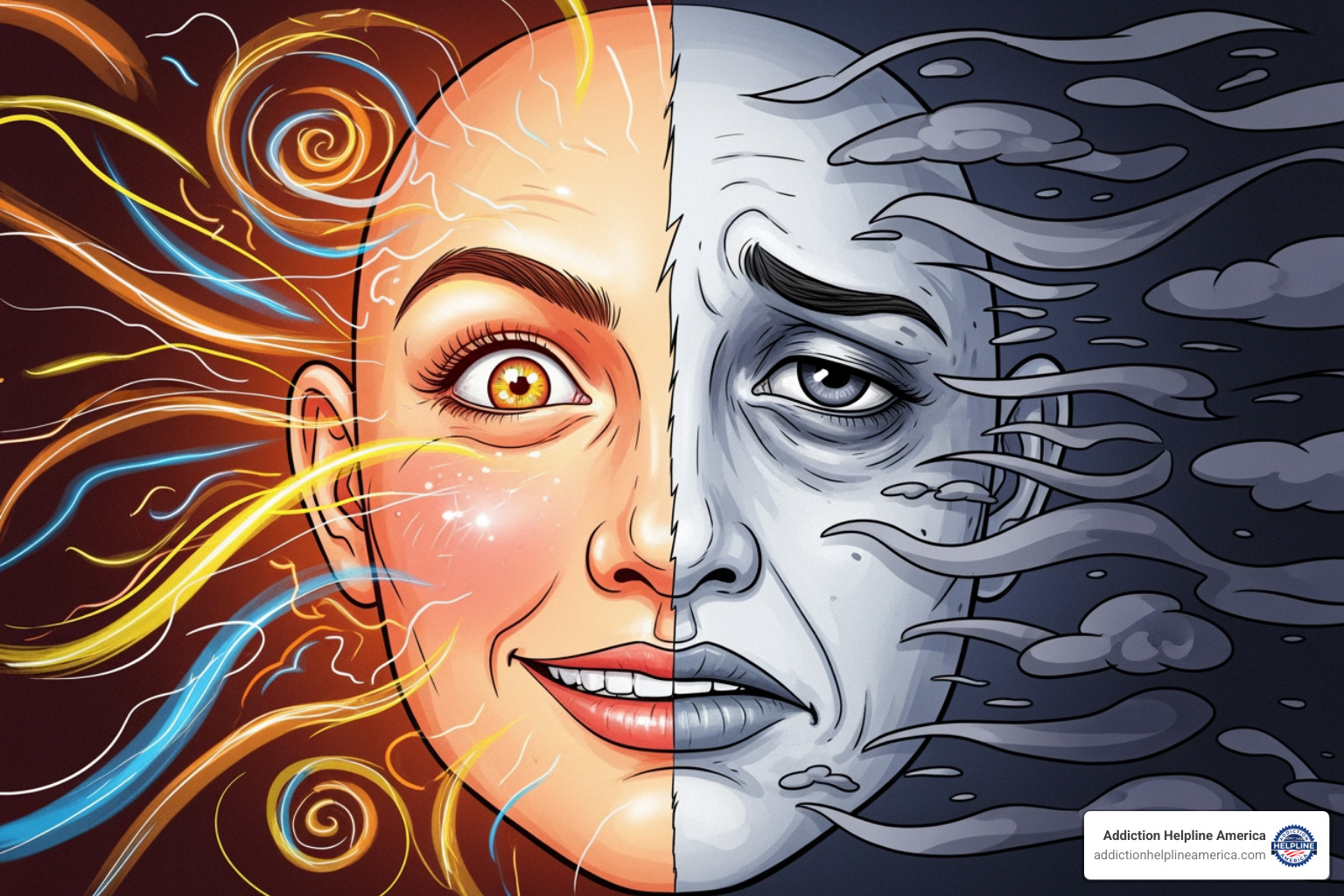
Bipolar disorder, also known as Manic-Depressive illness, is a psychiatric disorder characterized by significant shifts in mood, energy levels, activity, and the ability to carry out daily tasks. These emotional fluctuations go far beyond typical mood swings, ranging from euphoric peaks of joy or pleasure to devastatingly dark valleys of depression. It’s a complex condition that can significantly impact one’s life if left unmanaged.
The condition can manifest in several ways, and understanding the different types is crucial for accurate diagnosis and effective bipolar treatment Los Angeles:
- Bipolar I Disorder: This type is defined by manic episodes lasting at least seven days, or by manic symptoms that are so severe they require immediate hospitalization. Depressive episodes, typically lasting at least two weeks, are also common.
- Bipolar II Disorder: Individuals with Bipolar II experience depressive episodes and hypomanic episodes. Hypomania is a less severe form of mania, not usually requiring hospitalization, but still involves noticeable changes in mood and behavior.
- Cyclothymic Disorder: This involves recurrent hypomanic and depressive episodes that are milder and shorter than those seen in Bipolar I or II. However, these mood swings can still significantly disrupt daily life.
Early diagnosis and intervention are incredibly important. Unfortunately, many people live an average of 10 years with bipolar disorder without it being properly diagnosed or treated. This delay can lead to more frequent and severe mood episodes, and it’s a critical factor given that more than half of all cases occur between the ages of 15 and 25. The risks of untreated bipolar disorder are severe, with suicide being the number one cause of premature death among individuals with the condition. A staggering 15% to 17% of those with untreated illness take their own lives due to its harmful symptoms.
For more in-depth information, you can refer to the National Institute of Mental Health’s patient information guide to Bipolar Disorder.
Common Symptoms of a Manic Episode
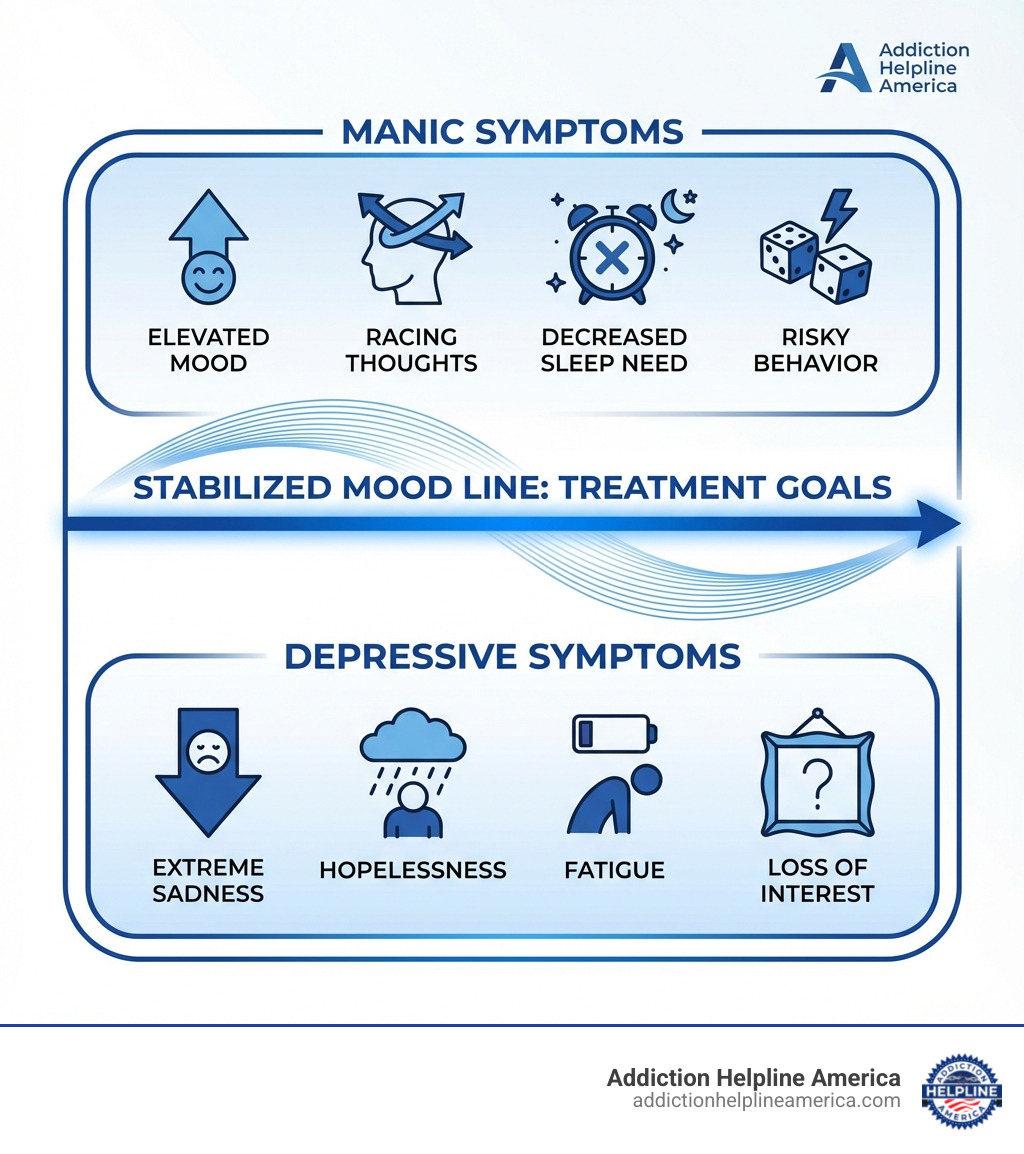
During a manic episode, individuals often experience a dramatic surge in energy and mood. These symptoms can include:
- Liftd or expansive mood: Feeling unusually high, euphoric, or overly happy.
- Increased energy and activity: Feeling restless, agitated, or having an abundance of energy.
- Racing thoughts: Thoughts moving very quickly, making it hard to focus on one idea.
- Decreased need for sleep: Feeling rested after only a few hours of sleep, or not sleeping at all for days.
- Impulsivity and risky behavior: Engaging in activities like reckless spending, substance abuse, or promiscuity without considering the consequences.
- Irritability: Becoming easily annoyed, agitated, or quick to anger.
- Pressured speech: Talking rapidly, loudly, and often without interruption.
Common Symptoms of a Depressive Episode
In contrast, a depressive episode brings about profound feelings of sadness and hopelessness:
- Extreme sadness: Persistent feelings of despair, emptiness, or worthlessness.
- Hopelessness: A pervasive sense that things will never get better.
- Loss of interest or pleasure: No longer enjoying activities that were once pleasurable.
- Fatigue and lack of energy: Feeling constantly tired, even after rest.
- Changes in sleep patterns: Sleeping too much or experiencing insomnia.
- Changes in appetite or weight: Significant weight loss or gain.
- Chronic pain or physical complaints: Unexplained aches and pains.
- Difficulty concentrating: Trouble focusing, remembering, or making decisions.
- Thoughts of death or suicide: These are serious and require immediate attention.
Comprehensive Bipolar Treatment in Los Angeles
Effective bipolar treatment Los Angeles is typically a highly personalized process, combining various therapeutic approaches custom to an individual’s unique symptoms and circumstances. The best treatment plans integrate evidence-based methods, focusing on both immediate symptom management and long-term stability. This often involves a combination of medication and psychotherapy, supported by holistic strategies and crucial family involvement. Los Angeles is home to numerous facilities, including leading university medical centers, that offer these comprehensive services.

Key Therapeutic Modalities
Psychotherapy is a cornerstone of bipolar treatment Los Angeles, helping individuals develop coping mechanisms and manage their condition effectively. Some of the most effective types include:
- Cognitive Behavioral Therapy (CBT): This therapy helps individuals identify and change harmful or negative thought patterns and behaviors that contribute to mood swings. CBT teaches skills like recognizing early signs of mood episodes, improving communication, and developing problem-solving techniques. It’s often most effective when combined with medication.
- Dialectical Behavior Therapy (DBT): DBT focuses on emotional regulation, distress tolerance, mindfulness, and interpersonal effectiveness. It’s particularly useful for individuals who struggle with intense emotions and impulsive behaviors.
- Family-Focused Therapy (FFT): Especially beneficial for adolescents and young adults, FFT involves family members in the treatment process. It aims to improve family communication, reduce conflict, and educate the family about bipolar disorder, helping to minimize mood cycling.
- Interpersonal Therapy (IPT): This therapy focuses on improving interpersonal relationships and social functioning, as difficulties in these areas can often trigger or worsen mood episodes.
- Group Therapy: Provides a supportive environment where individuals can share experiences, learn from others, and practice new coping skills.
- Social Skills Training: Helps individuals develop and refine the social skills needed to steer relationships and daily interactions more effectively, which can be challenging during mood episodes.
The Role of Medication in Treatment
Medication plays a vital role in stabilizing mood and preventing future episodes in bipolar disorder. It’s often considered the first line of defense, especially for managing acute manic or depressive episodes. An experienced psychiatrist will conduct a thorough psychopharmacological evaluation to determine the most appropriate medication regimen.
Common types of medications used include:
- Mood Stabilizers: Such as lithium, valproate, or lamotrigine, which help to even out mood swings.
- Antipsychotics: Used to manage manic or mixed episodes, and sometimes as mood stabilizers.
- Antidepressants: Often used cautiously and in conjunction with a mood stabilizer to prevent triggering a manic episode.
Effective medication management involves regular monitoring by a psychiatrist to adjust dosages, manage side effects, and ensure adherence. Adherence to medication is critical, as discontinuing treatment can significantly increase the risk of relapse. Many programs specialize in psychopharmacological management, ensuring patients receive expert care in this area.
Advanced and Specialized Bipolar Treatment Los Angeles
Beyond traditional medication and psychotherapy, Los Angeles offers access to several advanced and specialized treatments for bipolar disorder, particularly for individuals who may not respond to conventional approaches:
- Transcranial Magnetic Stimulation (TMS): This non-invasive procedure uses magnetic fields to stimulate nerve cells in the brain, improving symptoms of depression and other mental health conditions. It’s an FDA-approved treatment available at several facilities in Los Angeles.
- Ketamine Therapy (Spravato): Ketamine, particularly esketamine nasal spray (Spravato), is gaining recognition for its rapid antidepressant effects in treatment-resistant depression and suicidal ideation, which can be a critical concern in bipolar depression. Specialized clinics in Los Angeles offer this innovative therapy.
- Electroconvulsive Therapy (ECT): While often misunderstood, ECT is a highly effective treatment for severe, treatment-resistant depression and mania, especially when rapid response is needed. It’s available at comprehensive medical centers.
- Mindfulness Techniques: Many treatment centers incorporate mindfulness into their programs, helping individuals stay present and develop a greater awareness of their thoughts and emotions, which can aid in early detection of mood shifts.
- Yoga and Movement Therapy: Physical activity and mind-body practices like yoga can significantly contribute to overall well-being, stress reduction, and mood regulation, complementing other treatments.
- Art Therapy: Engaging in creative expression can be a powerful tool for processing emotions, reducing stress, and fostering self-findy, particularly for those who find it challenging to articulate their feelings verbally. Many leading centers, for instance, integrate a variety of experiential therapies.
Navigating Levels of Care and Specialized Programs
Finding the right level of care is paramount for effective bipolar treatment Los Angeles. Treatment centers offer a spectrum of services, ranging from intensive, round-the-clock support to flexible outpatient options. The goal is to match the intensity of care with your individual needs, ensuring you receive adequate support while promoting independence and integration back into daily life. This often involves a “step up” or “step down” approach, transitioning between different levels as your condition stabilizes or requires more support.
Levels of Bipolar Disorder Care in Los Angeles
Los Angeles provides a comprehensive continuum of care for bipolar disorder:
- Inpatient Hospitalization: This is the highest level of care, providing 24/7 medical and psychiatric supervision in a hospital setting. It’s typically reserved for acute episodes of mania or depression, especially when there’s a risk of harm to oneself or others, or severe functional impairment. Major medical centers, for example, offer inpatient services for adults.
- Residential Treatment: Offering a structured, therapeutic environment away from home, residential programs provide 24/7 care but in a less restrictive setting than a hospital. Some centers offer intimate, small-group residential settings with comprehensive treatment.
- Crisis Stabilization: Designed for short-term support during a mental health crisis, these units provide immediate assessment and intervention to stabilize individuals and prevent hospitalization or facilitate a safe transition to another level of care.
- Partial Hospitalization Program (PHP): Often called “day treatment,” PHP provides intensive therapy for several hours a day, multiple days a week, allowing individuals to return home in the evenings. Many local centers offer PHP options.
- Intensive Outpatient Program (IOP): IOPs offer structured therapeutic services for fewer hours per day and fewer days per week than PHP, providing significant support while allowing individuals to maintain work or school commitments. Many providers in the area offer IOPs.
- General Outpatient Services: This level involves regular appointments with psychiatrists for medication management and therapists for individual or group psychotherapy, allowing maximum flexibility for those with stable symptoms.
- Virtual Therapy: With advancements in technology, many centers now offer online treatment options, including intensive outpatient programs, making care accessible to a wider range of individuals across California.
Programs for Co-Occurring Disorders and Unique Needs
It’s common for bipolar disorder to co-occur with other mental health conditions or substance use disorders. In fact, co-occurring addiction can significantly complicate bipolar treatment Los Angeles, making integrated treatment essential.
- Dual Diagnosis Treatment: Many facilities in Los Angeles specialize in treating co-occurring mental health and substance use disorders simultaneously. This integrated approach ensures that both conditions are addressed in a cohesive manner, leading to better long-term outcomes. Leading centers emphasize dual diagnosis treatment, recognizing that a substance use disorder (SUD) and a mental health disorder often interact and exacerbate each other.
- Substance Use Disorders: Programs specifically designed for individuals struggling with addiction alongside bipolar disorder are crucial. These programs provide specialized therapies and support to manage both conditions effectively.
- Adolescent and Young Adult Programs: Given that bipolar disorder often emerges in late adolescence or early adulthood, specialized programs cater to the unique developmental needs of these age groups. Some programs in Los Angeles, for example, focus on young adults and teens, respectively, emphasizing family work and life skills.
- Programs for Professionals: Some centers offer discreet, high-end care custom to the needs of working professionals who require flexibility and privacy during treatment.
If you or a loved one are struggling with co-occurring disorders, we can help you find professional help for co-occurring disorders.
How to Find and Afford Bipolar Treatment in Los Angeles
Finding the right bipolar treatment Los Angeles can feel like a daunting task, but with the right guidance, it’s entirely achievable. A successful long-term outlook for individuals with bipolar disorder is highly dependent on finding qualified professionals and a treatment center that aligns with their needs. With proper care, individuals can lead fulfilling and productive lives.
Finding a Qualified Bipolar Treatment Los Angeles Provider
When seeking a mental health professional or treatment center in Los Angeles, consider the following:
- Psychiatrists: These medical doctors specialize in diagnosing and treating mental health conditions, including prescribing and managing medications. Leading medical institutions and university-affiliated clinics are excellent examples of places with highly qualified psychiatrists.
- Therapists: Licensed therapists (psychologists, social workers, counselors) provide psychotherapy. Look for those specializing in evidence-based therapies like CBT, DBT, or FFT.
- The Joint Commission Accreditation: This voluntary accreditation signifies that a healthcare organization meets rigorous national standards for quality and safety. Many reputable centers in Los Angeles hold this accreditation.
- Reading Reviews and Verifying Credentials: Research online reviews and always verify the credentials and licenses of any professional or facility you consider.
Here are some key questions to ask a potential treatment center:
- What types of bipolar disorder do you treat (e.g., Bipolar I, Bipolar II, Cyclothymic)?
- What therapeutic modalities do you primarily use (e.g., CBT, DBT, FFT)?
- Do you offer medication management with a psychiatrist on staff?
- What levels of care are available (e.g., outpatient, IOP, PHP, residential)?
- Do you treat co-occurring disorders like substance abuse?
- What is the staff-to-patient ratio?
- Are you accredited by The Joint Commission or other reputable bodies?
- What is the typical length of stay or program duration?
- How do you involve family in the treatment process?
- What aftercare and relapse prevention planning do you provide?
Understanding Costs and Insurance Coverage
The cost of bipolar treatment Los Angeles can vary significantly depending on the level of care, the facility, and the specific services provided.
- PPO Insurance Plans: Many private treatment centers in Los Angeles often work with PPO (Preferred Provider Organization) plans. It’s crucial to contact your insurance provider directly to understand your benefits, deductibles, and out-of-pocket maximums. Many private treatment centers in Los Angeles accept a range of PPO plans.
- In-network vs. Out-of-network: Treatment costs will differ based on whether a provider is in-network or out-of-network with your insurance plan.
- Private Pay Options: For those without insurance or who prefer not to use it, private pay (cash pay) options are available. Many centers can provide estimated rates upon inquiry.
- Verifying Benefits: Most treatment centers will help you verify your insurance benefits. You can also call your insurance company directly to inquire about coverage for mental health services.
- Free Resources: Addiction Helpline America is a free and confidential service designed to help you steer these options and find affordable care.
For additional resources and information on mental health services in California, you can visit the California Department of Health Care Services.
Long-Term Management and Success
Bipolar disorder is a chronic condition that requires ongoing management, but with consistent treatment, individuals can achieve long-term stability and lead a fulfilling life.
- Aftercare Planning: A comprehensive treatment plan doesn’t end when a program concludes. Effective aftercare planning, including continued therapy, support groups, and medication management, is vital for sustained recovery. Some centers, for instance, offer dedicated aftercare coaching programs.
- Building a Support System: Connecting with family, friends, and peer support groups provides essential emotional support and reduces feelings of isolation.
- Mood Tracking: Regularly monitoring moods, sleep patterns, and daily activities can help individuals and their treatment teams identify triggers and recognize early signs of mood shifts, allowing for timely intervention.
- Lifestyle Adjustments: Incorporating healthy lifestyle habits such as regular exercise, a balanced diet, and consistent sleep hygiene can significantly contribute to mood stability.
- Relapse Prevention Strategies: Learning and implementing strategies to cope with stress, manage triggers, and respond effectively to early warning signs are critical for preventing relapse.
Frequently Asked Questions about Bipolar Treatment
What is the most successful approach to treating bipolar disorder?
The most successful approach to bipolar treatment Los Angeles involves a personalized combination of medication and psychotherapy. Research consistently shows that this integrated method offers far more benefits than medication alone. Medications, such as mood stabilizers, antipsychotics, and sometimes antidepressants, help to regulate brain chemistry and stabilize mood swings. Concurrently, therapies like Cognitive Behavioral Therapy (CBT) and Dialectical Behavior Therapy (DBT) equip individuals with essential coping skills, emotional regulation techniques, and strategies to manage stress and triggers. Personalized treatment plans, custom to each patient’s unique symptoms and circumstances, are crucial for effective management and long-term stability.
How can family help in bipolar disorder treatment?
Family involvement is a powerful component of successful bipolar treatment Los Angeles. Family-Focused Therapy (FFT) is particularly effective, especially for children and teens, as it helps to minimize mood cycling by improving family communication and reducing conflict. Families can provide a stable support system by educating themselves about the disorder, understanding its symptoms, and learning how to respond constructively during mood episodes. Creating a supportive and understanding home environment, advocating for treatment adherence, and participating in therapy sessions can significantly improve treatment outcomes and foster a sense of shared responsibility in the recovery journey.
How does dual diagnosis impact bipolar treatment?
Dual diagnosis refers to the presence of both bipolar disorder and a co-occurring substance use disorder. This is a common and complex challenge, as substance use can significantly worsen mood episodes, complicate treatment, and increase the risk of relapse. For instance, alcohol or drug use can trigger manic or depressive episodes, interfere with medication effectiveness, and mask underlying symptoms. Therefore, integrated treatment that addresses both conditions simultaneously is essential for effective bipolar treatment Los Angeles. Programs specializing in dual diagnosis ensure that individuals receive comprehensive care that targets both their mental health and substance use needs in a coordinated and holistic manner, leading to better overall recovery outcomes.
Your Path to Stability and Wellness Starts Today
We understand that navigating the complexities of bipolar disorder and finding the right bipolar treatment Los Angeles can feel overwhelming. But we want you to know that treatment is effective, and a fulfilling, stable life is absolutely possible. You are not alone on this journey.
At Addiction Helpline America, we are dedicated to connecting individuals nationwide with the best possible addiction and mental health treatment centers. Our free, confidential service provides personalized guidance, helping you find the right recovery program from our vast network of trusted providers in Los Angeles and beyond.
Don’t let another day pass struggling in silence. Take the first step towards stability and wellness. For a free, confidential assessment and to find a treatment center in Los Angeles that fits your needs, call our 24/7 helpline at 844-561-0606. We are here to help you find hope and healing.