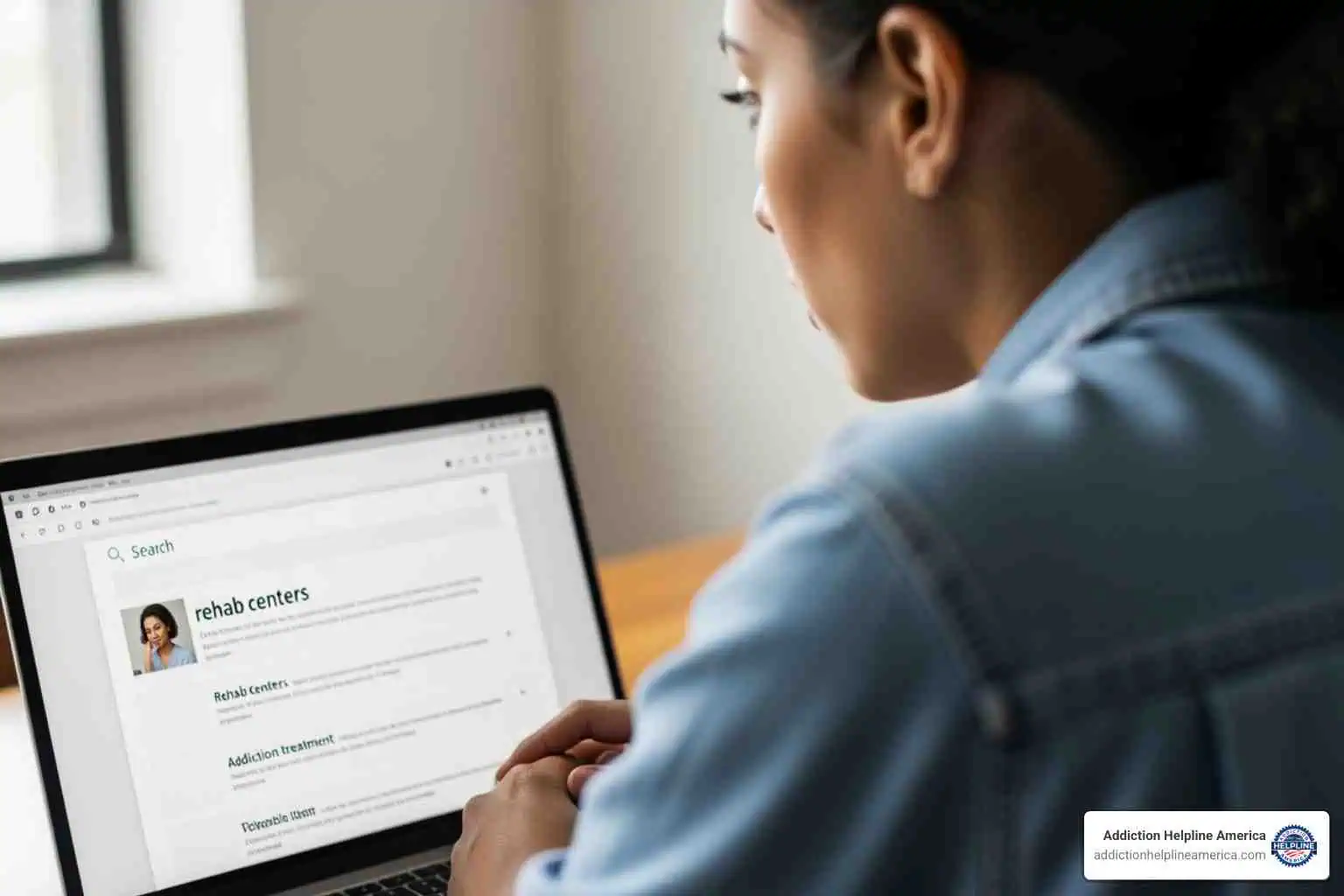
Ever found yourself scrolling late at night, wondering if there’s any place that actually offers treatment without a price tag?
You’re not alone. The anxiety of needing help but seeing a $10,000 bill staring back can freeze even the most determined person.
What if I told you that across the United States there are dozens of facilities that welcome you with open doors and zero cost?
We see it every day at Addiction Helpline America: people call, terrified, and we point them to resources that lift that financial weight.
Free rehab centers aren’t a myth—they’re funded by state grants, federal programs, and charitable foundations that aim to make recovery accessible.
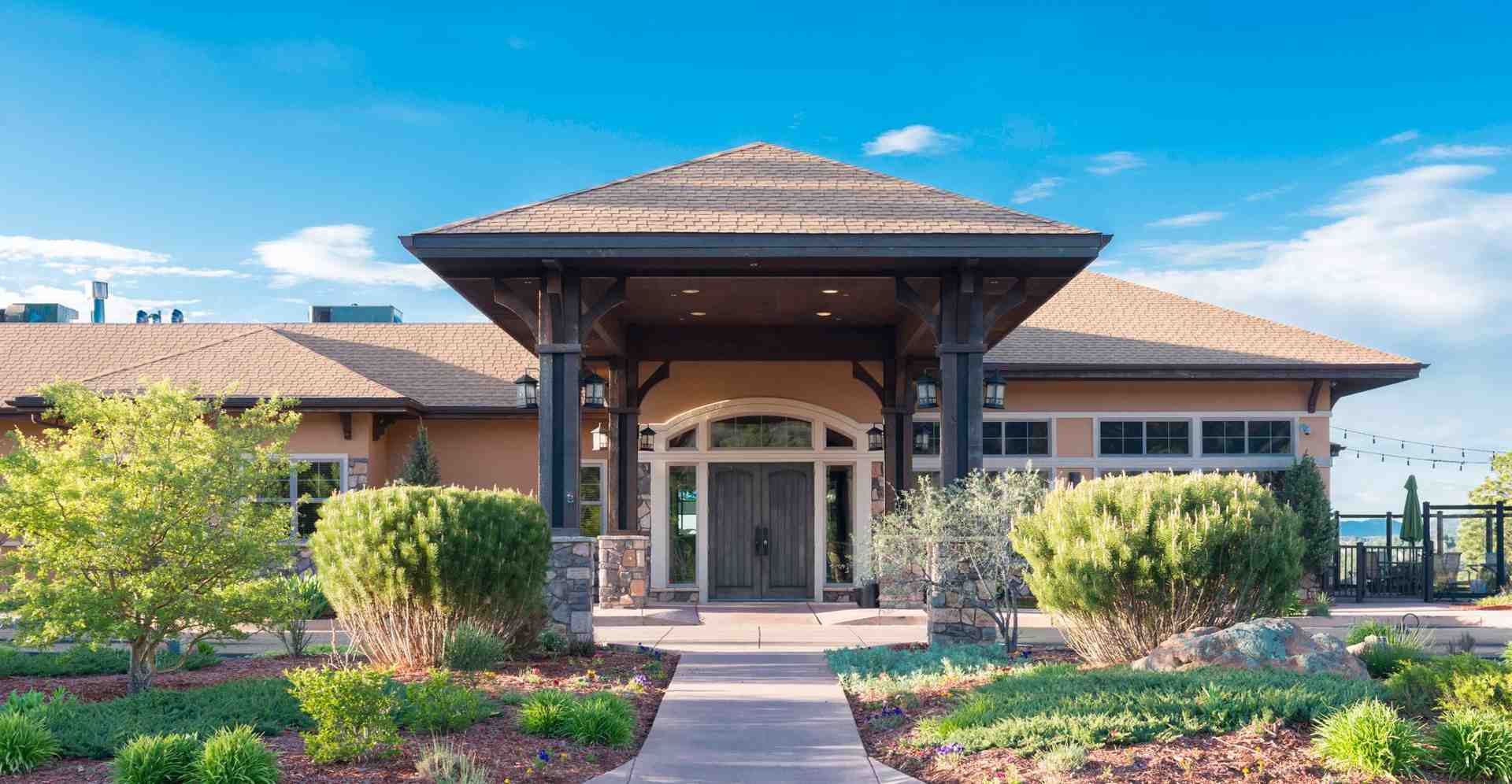
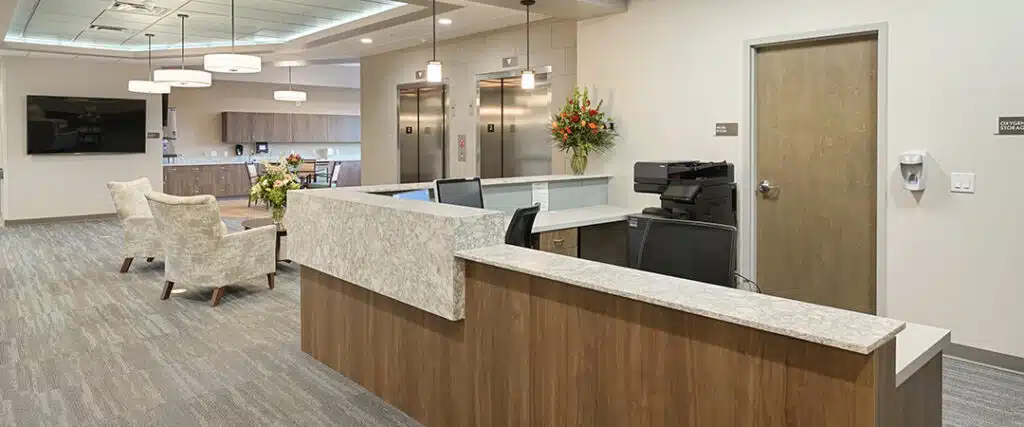
Imagine walking into a clean, supportive environment where the only thing you have to worry about is your next step toward healing, not your bank account.
One of the quickest ways to locate these options is by using a trusted directory. For example, our guide to 5 Free Rehab Centers Near Me: No‑Cost Addiction Treatment breaks down locations, services, and eligibility in plain language.
Most of these centers require a simple intake interview, proof of income, or residency in the state, but the process is usually straightforward.
Tip: keep a copy of recent pay stubs or a Medicaid card handy; it speeds up the referral and gets you into a program faster.
Another hidden gem is the network of community health clinics that partner with rehab programs—sometimes you can walk in, get a quick assessment, and be transferred to a free residential unit.
Remember, “free” doesn’t mean low quality. Many of these facilities are accredited, offer medically supervised detox, individual counseling, and after‑care support.
Finally, don’t let stigma stop you. Reaching out is a sign of strength, and the right help is just a phone call or a few clicks away.
Ready to take the first step? Explore the resources, call the helpline, and let us help you find a free rehab center near you.
TL;DR
If you’re looking for free rehab centers near me, you’ve got options—state‑funded programs, community clinics, and charitable facilities that cover every step from detox to after‑care, all without a price tag. Use our directory to quickly pinpoint nearby locations, gather eligibility info, and confidently start the intake process immediately today.
Understanding Free Rehab Services
When you stare at the list of “free rehab centers near me,” the first feeling is often relief mixed with a pinch of doubt. You wonder, “Is this really free? Will the care be good enough?” That hesitation is normal—money worries can make any decision feel high‑stakes.
Let’s break it down together. Free rehab isn’t a one‑size‑fits‑all label; it’s a collection of funding streams that make treatment accessible. State‑run programs, federal grants, Medicaid, and charitable foundations all pool resources so the bill you receive is $0.
How the funding puzzle fits together
Most states operate a public behavioral health agency that allocates money to community clinics. Those clinics then partner with residential facilities to cover detox, counseling, and after‑care. For example, a client in Ohio might be referred from a local health department to a state‑funded sober living house that offers a 30‑day inpatient stay at no charge.
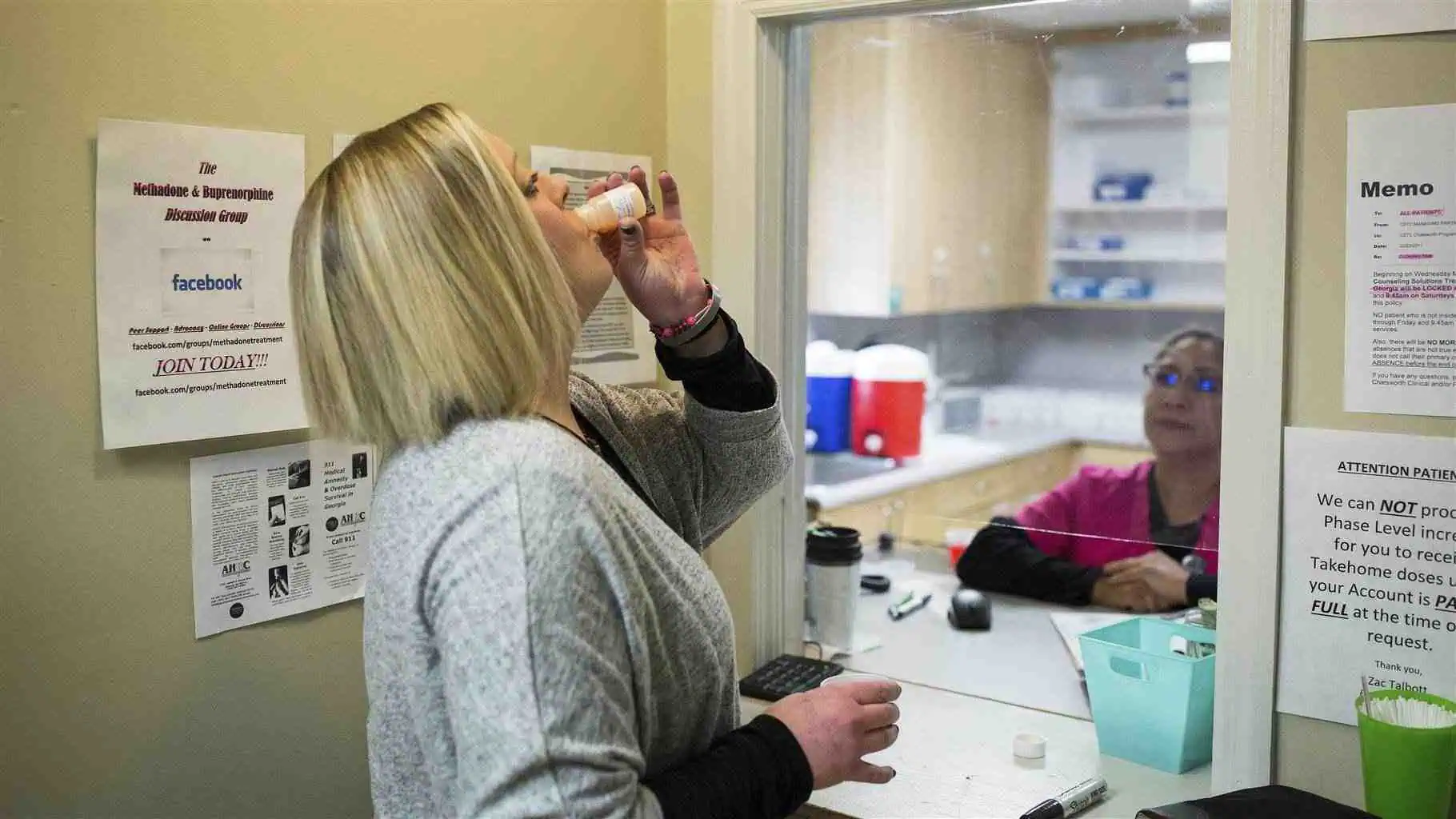
On the federal side, the Substance Abuse Prevention and Treatment (SAPT) block grant funds dozens of programs across the country. Those grants often cover medication‑assisted treatment (MAT) like methadone or buprenorphine, which is critical for opioid recovery.
Real‑world snapshots
Take Maria in Massachusetts. She walked into a community health center with a tentative diagnosis of opioid use disorder. After a brief intake, the center verified her Medicaid eligibility and placed her in a free inpatient program that included medical detox, cognitive‑behavioral therapy, and a two‑month after‑care plan. Within three weeks, Maria reported a drop in cravings and felt confident to transition to outpatient support.
Or consider Jake from rural Texas. He didn’t qualify for Medicaid but qualified for a state scholarship that covers up to 60 days of residential care. The scholarship came through a partnership between the Texas Department of State Health Services and a nonprofit that runs a free rehab campus. Jake completed the program, then joined a peer‑support group that meets weekly at his local church.
What to expect during the intake
Step 1: Gather basic documents—pay stubs, a Medicaid card, or proof of residency. Step 2: Call the state behavioral health agency or a local community clinic. Step 3: Complete a short health questionnaire; many places use a 5‑minute self‑assessment to gauge severity. Step 4: If you meet criteria, you’ll be placed on a waiting list or, if slots are open, admitted within days.
Tip: Keep a folder with your documents handy. The faster you can hand them over, the quicker the referral moves forward.
Choosing the right free program
Not all free rehabs are identical. Some focus on intensive inpatient care, while others provide outpatient services with flexible hours—perfect if you’re juggling work or school. Look for accreditation (CARF or Joint Commission) and ask about after‑care options. A solid after‑care plan can cut relapse rates, which hover around 40‑60 % for many chronic conditions according to the WHO.
Want a quick way to compare options? Check out our Local Drug Rehab guide for state‑specific resources and contact numbers.
Remember, “free” doesn’t mean “low‑quality.” Many free centers employ board‑certified physicians, licensed counselors, and evidence‑based therapies like CBT and DBT. The key is to verify the staff’s credentials and the program’s track record.
Just as an artist selects the right sketchbook to bring a vision to life, picking a rehab program that matches your needs sets the stage for lasting recovery. If you’re curious about how tools matter in other creative pursuits, you might enjoy reading about the best sketchbook for colored pencils—the same principle of fit applies.
And while you’re exploring options, consider the importance of a solid support system. Family, friends, and peer groups can make the difference between a short stint and sustained sobriety. Many free programs automatically enroll graduates in alumni networks, offering weekly check‑ins and community events.
Finally, don’t let paperwork or waiting lists stall you. If you hit a snag, reach back out to the intake coordinator—sometimes a gentle nudge can move you up the list. Persistence pays off, especially when the payoff is a clean slate.
Bottom line: free rehab services are a patchwork of public funding, nonprofit generosity, and community partnerships. By understanding the pieces—state grants, Medicaid, scholarships, and after‑care—you can navigate the system with confidence. Take the first step today, gather your documents, and let the right program meet you where you are.
How to Locate Free Rehab Centers Near You
Ever stared at a map and felt that knot in your stomach, wondering if there’s even a free rehab center within driving distance? You’re not alone. The first step is to turn that vague anxiety into a concrete plan, and the good news is the resources are right at your fingertips.
Start with the big picture: state and county directories
Most states maintain a public behavioral health portal that lists all funded treatment programs. A quick Google search for “[Your State] free rehab directory” usually lands you on a .gov or .org page that’s updated monthly. Those lists include everything from detox beds to after‑care counseling, and they often let you filter by zip code, age group, or insurance status.
Tip: Write down the exact name of the portal (for example, “California Department of Health Care Services – Substance Abuse Treatment Locator”) so you can come back later without hunting through search results again.
Leverage community health clinics
Community health centers act as the bridge between you and residential programs. Walk into a local clinic, ask for a substance‑use assessment, and the clinician can immediately submit a referral to the nearest free rehab unit. In many rural areas, the clinic itself houses a short‑term residential floor, meaning you could be admitted the same day.
We’ve seen a mom in Ohio who walked into a federally qualified health center with a shaky insurance card. Within an hour, the intake nurse entered her details into the state’s referral system and she was on a waiting list for a 30‑day inpatient program that turned out to have a two‑day opening. That kind of rapid connection is why keeping a folder of your ID, recent pay stubs, and Medicaid card is a lifesaver.
Tap the power of searchable directories
Our own directory, 8 Free Drug Rehab Centers In Massachusetts: Unlock Hope, is built on the same data that state agencies publish, but it adds filters for transportation options, pet‑friendly policies, and language services. When you type your city or zip code, the tool instantly shows you which centers have openings, what services they provide (detox, medication‑assisted treatment, dual‑diagnosis care), and the exact documents you’ll need.
Even if you live outside Massachusetts, the layout of that page gives you a template for what to look for in your own state’s listings.
Phone a helpline – it’s not just a script
A 24/7 helpline can do more than read you a list of numbers. Trained counselors will ask you about your location, substance‑use pattern, and insurance status, then pull the most up‑to‑date slot for you. Because they have direct relationships with intake coordinators, they can sometimes fast‑track you when a bed opens unexpectedly.
When you call, have your documents handy and be ready to answer a few quick questions: “Do you have a Medicaid card? Are you willing to travel up to 50 miles?” The faster you can give them the info, the quicker they can match you.
Don’t overlook faith‑based and nonprofit programs
Many churches, synagogues, and nonprofits run sober living homes that are fully funded by charitable grants. These programs often require a letter of recommendation from a pastor or community leader, but they provide a warm, supportive environment that can feel less clinical.
For example, in rural Texas, a local nonprofit partnered with the state health department to run a free residential campus. The only hurdle was a short application confirming residency and income – no insurance needed.
Action checklist: your 5‑step sprint to a free spot
- Gather paperwork: ID, recent pay stub, Medicaid card, proof of residence.
- Search your state’s official directory and note the top three facilities.
- Visit your nearest community health clinic for a quick intake assessment.
- Enter your zip code into our online tool and note the first‑come‑first‑served openings.
- Call the helpline (844‑561‑0606) with your documents ready and ask for the earliest admission date.
Remember, the system is designed to help you – it just needs a clear signal that you’re ready to move. Each step you take narrows the gap between “maybe” and “I’m in.”
And if you hit a snag—say a waiting list that looks endless—don’t give up. A polite follow‑up call or a quick email reminding the intake coordinator of your documents can move you up the queue. Persistence is often the hidden ingredient that turns a free slot from a rumor into a reality.
Eligibility Criteria for Free Rehab Programs
When you stare at the phrase “free rehab centers near me,” the first question that pops up is usually, “Will I actually qualify?” It’s natural to feel a mix of hope and doubt. The good news is that most programs are designed to be as inclusive as possible – they just need a few pieces of information to make sure the right resources go to the right people.
Basic residency and citizenship requirements
Almost every state‑funded or nonprofit rehab program requires you to be a legal resident of the state where the facility is located. That means a driver’s license, state ID, or a recent utility bill is usually enough to prove you live in the zip code you’re applying for. If you’re a student on a temporary campus, many programs will still accept a university address as long as you can show a lease or school enrollment letter.
Does this rule exclude anyone? Not really. A lot of facilities make an exception for undocumented individuals who can provide a consistent address and proof of income. In practice, you’ll often hear staff say, “We’ll work with whatever paperwork you can get.”
Income thresholds and financial need
Free rehab isn’t a charity handed out to anyone with a phone; it’s funded by limited state and federal dollars. Most programs set an income ceiling – typically somewhere between 150% and 300% of the federal poverty level. For a single adult in 2024, that translates to roughly $22,000‑$45,000 annual income. Couples and families have higher thresholds.
Here’s a quick tip: pull your most recent pay stub or a recent tax return. If you’re on Medicaid, you’re automatically in the qualifying range for many state‑run centers.
Insurance status and Medicaid eligibility
Even though the treatment is “free,” many programs still ask about your insurance because they need to know whether you can be billed for any ancillary services. If you have Medicaid, you’ll often be placed at the top of the waiting list. In states that have expanded Medicaid under the ACA, eligibility is broader, covering many low‑income adults who previously fell through the cracks.
According to the state‑funded rehab guide, about one‑in‑five people who need treatment actually receive it, underscoring how vital it is to confirm your Medicaid status early.
Clinical diagnosis requirements
Free programs generally require a documented substance‑use disorder diagnosis. This can come from a primary care doctor, a psychiatrist, or an intake assessment at a community health clinic. The assessment is usually brief – a five‑minute questionnaire covering substance use patterns, medical history, and any co‑occurring mental health concerns.
If you haven’t seen a clinician yet, many community health centers will conduct that intake on the spot and forward the paperwork directly to the rehab facility.
Special populations that get priority
Some groups receive expedited placement because they’re considered high‑risk: pregnant women, parents with custody concerns, veterans, and people involved in the criminal justice system. If any of these apply to you, mention it during the intake – it can shave weeks off a waiting list.
For instance, Jake from rural Texas qualified for a state scholarship that covered his entire stay because he was a veteran. The scholarship came from a partnership between the Texas Department of State Health Services and a nonprofit, showing how eligibility can hinge on both status and available state funds.
Documentation checklist (actionable)
- Photo ID (driver’s license or state ID)
- Proof of residence (utility bill, lease, or school enrollment letter)
- Recent pay stub or tax return (to verify income)
- Medicaid card or proof of insurance (if applicable)
- Any existing diagnosis paperwork (doctor’s note, clinic intake form)
Gather these items into a folder – physical or digital – before you call any intake coordinator. When you have everything ready, the conversation moves from “let me check” to “you’re eligible, here’s the next step.”
Tips from the front‑line
1. Call the state behavioral health agency first; they can confirm the exact income cutoff for your county.
2. Ask the intake specialist whether they accept a “letter of recommendation” from a pastor or community leader – many faith‑based programs do, and it can smooth the process.
3. If you’re hit with a waiting list, request to be placed on a “stand‑by” list. A quick follow‑up call every few days often moves you up.
And remember, the internal resource Free Methadone Clinics Near Me: Find Hope 2025 can help you locate medication‑assisted treatment that’s also free, giving you another pathway into a full rehab program.
Comparing Free Rehab Options – Table of Services
When you start scrolling through lists of “free rehab centers near me,” the biggest question is usually: what actually differs between them? It’s easy to assume they’re all the same because the price tag is $0, but the services, eligibility rules, and length of stay can vary wildly. Below we break down the most common free‑rehab models you’ll encounter, sprinkle in a few real‑world snapshots, and give you concrete steps to decide which one fits your situation best.
Three core service tiers
Free programs generally fall into one of three buckets: basic detox only, full residential treatment, or outpatient/after‑care support. Each tier has its own set of eligibility checkpoints, typical duration, and what you can expect on a day‑to‑day basis.
| Service Tier | Eligibility Triggers | Typical Length | Key Features (Free) |
|---|---|---|---|
| Medical Detox | Verified Medicaid or state‑funded low‑income status; sometimes open to uninsured residents | 3‑7 days (may extend to 10‑14 with complications) | 24‑hour nursing care, withdrawal monitoring, referral to next level of care |
| Full Residential Rehab | Income below 150‑300 % of federal poverty line; state scholarship or grant eligibility | 30‑90 days (some programs offer up to 120 days) | Individual & group therapy, evidence‑based modalities (CBT, DBT), medication‑assisted treatment, after‑care planning |
| Outpatient / After‑Care | Completed residential stay or direct Medicaid eligibility for outpatient services | Weekly sessions for 3‑6 months; flexible scheduling | Tele‑therapy, peer‑support groups, relapse‑prevention workshops, sober‑living referrals |
That table gives you a quick visual, but let’s dig into the nuances with some concrete examples.
Real‑world snapshots
Imagine Maria in Massachusetts. She qualified for Medicaid, so she entered a state‑funded residential program that offered a 45‑day stay. She got daily CBT, a weekend family therapy session, and a medication‑assisted detox for opioid dependence. After discharge, she automatically enrolled in the outpatient arm, which gave her weekly group meetings and a sober‑living placement.
Now picture Jake from rural Texas, who didn’t have Medicaid but received a state scholarship through a partnership with a nonprofit. His free rehab was a 30‑day residential stint focused on intensive counseling and a short‑term medication‑assisted detox. Because the scholarship covered only the inpatient phase, he was handed a list of local outpatient providers (including a community health clinic) to continue care.
Both stories illustrate a pattern: the eligibility gate often hinges on income documentation, but the “free” label can hide extra steps, like applying for a scholarship or confirming Medicaid status.
Actionable checklist for comparing options
- Identify your eligibility tier – do you need detox only, full residential care, or outpatient support?
- Pull your documents (ID, recent pay stub, Medicaid card) and keep them in a digital folder.
- Visit your state’s behavioral health portal or call the agency to confirm income cutoffs for each tier.
- Use the table above to match your needs with the service tier that offers the right mix of medical supervision and therapy.
- Ask each program about after‑care guarantees – a solid after‑care plan can cut relapse rates dramatically.
If you’re unsure whether a program’s detox is truly free, the American Addiction Centers free detox options page lists state‑funded detox sites and the typical eligibility requirements. It’s a good sanity‑check before you commit time to an intake interview.
For a broader view of how free mental‑health services intersect with addiction treatment, our Free Mental Health guide walks you through complementary resources that can bolster your recovery journey without adding cost.
Bottom line: not all free rehab is created equal. Use the table to compare tiers, verify eligibility with your state agency, and lean on the checklists we’ve shared. A little homework now means you spend less time waiting and more time healing.
Financing and Additional Support Resources
When you finally locate a free rehab center near me, the next thing that pops into your head is usually, “How am I going to cover the hidden costs?” You’re not alone—most people discover that even a $0‑price tag can come with ancillary fees, transportation expenses, or medication costs. The good news? There’s a whole ecosystem of financing options that most folks never hear about until they ask the right questions.
First, let’s talk about the big players: Medicaid and state‑funded block grants. In 2023, Medicaid covered roughly 63 % of all publicly funded substance‑use treatment episodes, according to the National Survey of Substance Abuse Treatment Services. If you qualify for Medicaid, you’re automatically at the top of the waiting list for most free residential programs because the state can bill Medicaid for any medically necessary services, including medication‑assisted treatment (MAT).
State scholarships and grant‑based beds
Many states run their own scholarship programs that sit beside Medicaid. For example, Arizona’s “Recovery Scholarship” allocates up to 45 days of residential care for low‑income residents who don’t meet Medicaid criteria but demonstrate financial need. In practice, a client named Luis applied, submitted a simple income verification form, and was admitted within two weeks. The scholarship covered his detox, therapy, and even a modest transportation stipend.
Texas does something similar with its “Health and Human Services Residential Grant,” which partners with nonprofit campuses. Jake’s story from our earlier section is a perfect illustration: he didn’t have Medicaid, but a local nonprofit’s grant covered his entire stay because the state earmarked funds for rural residents.
Veteran and military benefits
If you’ve served, the Department of Veterans Affairs (VA) offers two crucial avenues: the VA Health Care System and the Vet Centers network. Both can fund inpatient rehab, outpatient counseling, and MAT at no out‑of‑pocket cost. Maria, a veteran from Ohio, used her VA benefits to secure a 60‑day residential slot and received follow‑up tele‑therapy through the VA’s “Vet Telehealth” program.
Employer assistance and employee assistance programs (EAPs)
Don’t underestimate what your workplace might already provide. Many large employers have EAPs that cover short‑term counseling and can even front the cost of a free rehab bed, with the employer billing the state or a private insurer later. A friend of mine, working at a regional hospital in Pennsylvania, tapped into his EAP, got a referral, and the hospital’s partnership with a state‑funded center waived all fees.
Charitable foundations and community fundraisers
Nonprofits like the Robert Wood Johnson Foundation and local United Way chapters frequently award micro‑grants to individuals who need a “gap” payment—think bus tickets, childcare during therapy, or a week‑long respite stay. Ana in Brooklyn qualified for a United Way “Recovery Relief” grant after showing she had a child in daycare. The grant covered her childcare costs, letting her focus on therapy without juggling schedules.
Even grassroots efforts can work. Crowdfunding platforms, when used responsibly, have helped people raise a few hundred dollars for transportation or prescription co‑pays. The key is to be transparent about where the money goes and to keep receipts for any reimbursements you might need later.
Actionable checklist: financing your free rehab journey
- Confirm Medicaid eligibility: log into your state’s Medicaid portal or call the helpline. Have your ID and recent pay stub ready.
- Search for state‑specific scholarships: type “your state addiction treatment scholarship” into your search engine and note application deadlines.
- If you’re a veteran, contact your local VA Benefits Office; ask specifically about inpatient rehab coverage.
- Ask your employer about an Employee Assistance Program and whether they can pre‑pay for a bed or transportation.
- Reach out to community nonprofits, United Way, or local churches for micro‑grants or “gap‑fund” assistance.
- Document every expense: keep receipts for bus tickets, gas, childcare, and prescription costs. Some programs will reimburse you later.
Does any of this feel overwhelming? Take a breath. You don’t have to do it all at once. Pick the first step that feels most doable—maybe it’s a quick call to your state Medicaid office. Then move to the next item on the list. Each small win builds momentum, and before you know it, the financial side of recovery is no longer a mystery.
One final tip from our intake coordinators: always ask for a written “financial guarantee” before you sign any paperwork. That document should spell out exactly what’s covered, any potential co‑pays, and the process for handling unexpected expenses. It’s your safety net, and it can prevent surprise bills down the road.
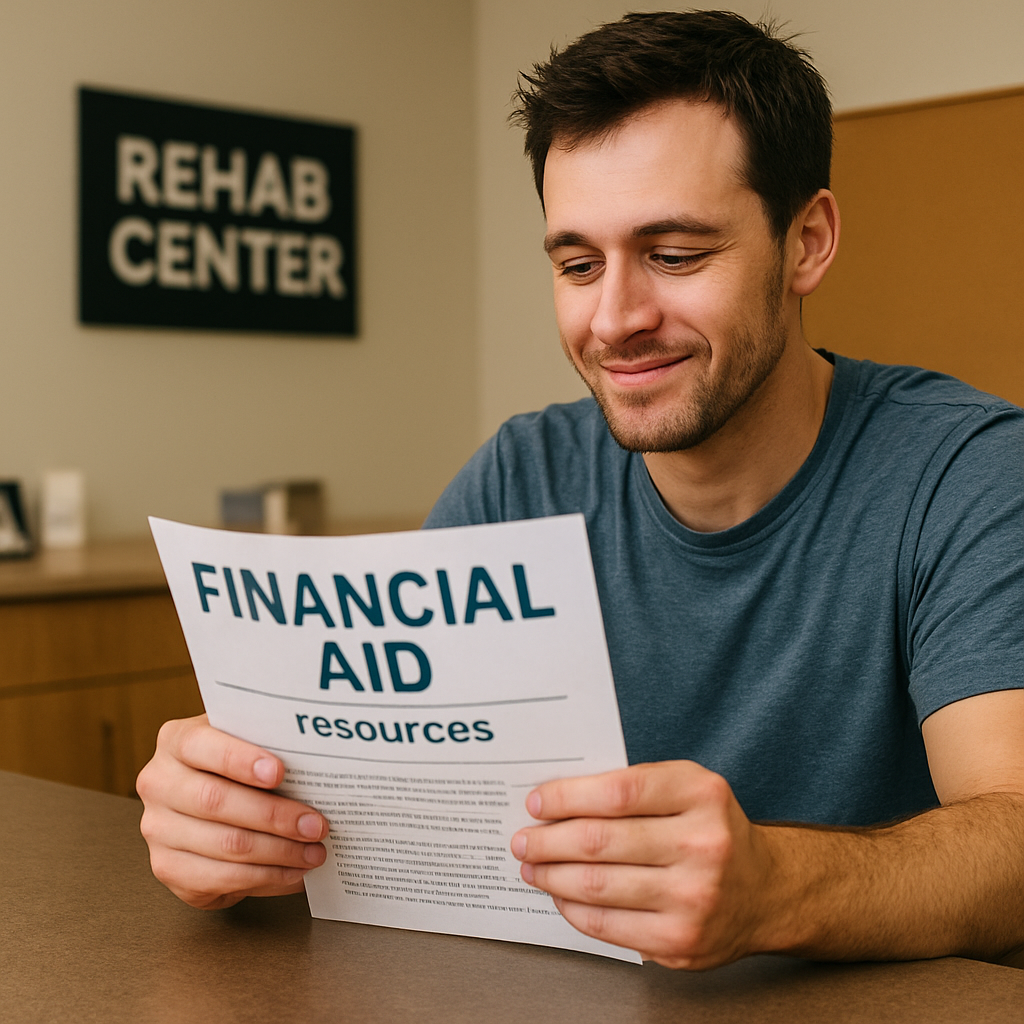
Bottom line: free rehab doesn’t mean you have to navigate the system blind. Between Medicaid, state scholarships, veteran benefits, employer programs, and community grants, there are dozens of financing routes waiting to be explored. Grab a folder, line up these resources, and let the money side of your recovery become as clear as the path ahead.
Steps to Enroll in a Free Rehab Center
Feeling overwhelmed by paperwork? Trust me, you’re not the first person who’s stared at a stack of forms and thought, “Where do I even start?” The good news is that enrolling in a free rehab center is a series of bite‑size actions, not a marathon you have to run all at once.
1. Gather Your Core Documents
Before you pick up the phone, pull together the basics: a photo ID, recent pay stub or tax return, proof of residence (utility bill or lease), and any Medicaid or insurance card you have. If you’re eligible for a state scholarship, you’ll likely need a short income verification form – keep that handy, too.
Tip: Create a physical folder or a secure digital zip file named “Free Rehab Docs.” When you have everything in one place, the intake coordinator can move from “let me check” to “you’re in” in minutes.
2. Identify the Program That Fits Your Needs
Free rehab isn’t one‑size‑fits‑all. Some centers focus on medical detox, others provide 30‑day residential care, and a few offer outpatient follow‑up only. Think about where you are right now: Do you need a supervised detox bed tonight, or can you wait for a residential slot that opens next week?
In our experience, the quickest wins come from starting with your local community health clinic. They’ll run a brief intake assessment, match you to the nearest free residential bed, and often can schedule you on the same day if there’s an opening.
3. Call the Intake Coordinator
Dial the number listed on the program’s website or on the state behavioral health portal. When the person answers, introduce yourself, mention that you’re looking for a free rehab slot, and have your documents ready to reference.
Don’t be shy about asking two crucial questions: “What paperwork do you need right now?” and “When is the earliest admission date you have?” Clear answers will help you prioritize the next step.
Sometimes you’ll hear, “We have a waiting list.” That’s okay – ask to be placed on a “stand‑by” list and request a follow‑up call every few days. A polite nudge can move you up the queue faster than you think.
4. Complete the Intake Form
Most free programs use a short online questionnaire or a paper form you can fill out on the spot. It usually covers substance‑use history, medical conditions, and any co‑occurring mental‑health concerns. Be honest; the more accurate the info, the better the treatment plan they can craft for you.
If you’re nervous about sharing details, remember that intake staff are trained to protect your privacy and to use the data solely for placement purposes.
5. Verify Your Eligibility and Funding Source
After you submit the intake, the center will verify your income, residency, and Medicaid status (if applicable). If you qualify for a state scholarship or a veteran benefit, they’ll flag it and apply the funding automatically.
Ask for a written “financial guarantee” that outlines exactly what’s covered – no hidden co‑pays, no surprise fees. Having that document in hand gives you peace of mind before you sign anything.
Once everything checks out, you’ll receive an admission date, a list of items to bring (like any current medications), and a brief orientation schedule.
Here’s a quick visual of the whole process:
- Gather documents (ID, pay stub, residency proof, Medicaid card)
- Search state directory or community clinic for free program options
- Call intake coordinator – ask about paperwork and earliest slot
- Complete intake questionnaire honestly
- Confirm eligibility, request written financial guarantee
- Show up on admission day with required items
That checklist may look long, but you can tackle one bullet each day. Small, consistent actions build the momentum you need to get into treatment.
And if you ever feel stuck, remember you’re not alone – a quick call back to the intake coordinator or a follow‑up with your local health department can clear up most hiccups.
Now, let’s watch a short video that walks you through a typical intake call. It shows exactly what questions to expect and how to keep the conversation smooth.
After watching, take a minute to jot down any questions that pop up. Then, pick the first item on the checklist above and start gathering those documents. The sooner you have that folder ready, the faster you’ll move from “maybe” to “I’m in.”
Remember, the enrollment process is designed to be a safety net, not a barrier. Each step is a rung on the ladder toward a free, quality rehab experience. You’ve already taken the hardest part – acknowledging you need help. The rest is just paperwork, and you’ve got this.
FAQ
What exactly counts as a “free rehab center near me”?
In most states a “free rehab center near me” is a publicly funded or nonprofit facility that doesn’t charge the client for core treatment services. That usually means the state, Medicaid, or charitable grants cover medical detox, residential therapy, and basic after‑care. You still might need to cover transport, personal items, or optional extras, but the clinical program itself is billed to government or donor funds, not your pocket.
How can I confirm that a center is truly free before I enroll?
The safest way is to ask the intake coordinator to provide a written “financial guarantee” that lists what’s covered at $0. Request confirmation that Medicaid, a state scholarship, or a grant will pay for the stay. Check that the facility is accredited (CARF or Joint Commission) and that its funding source is listed on a .gov or .org directory. If anything feels vague, ask for clarification before signing any paperwork.
Do I need Medicaid to access free rehab, or are there other options?
Medicaid is the most common pathway, but it’s not the only one. Many states run separate scholarship programs for low‑income residents who don’t qualify for Medicaid. Veterans can tap VA benefits, and some nonprofit charities fund “gap” beds for people without insurance. Your local health department can point you to the specific programs that operate in your county, so start there if you’re unsure about Medicaid eligibility.
What paperwork should I have ready to speed up the enrollment?
Gather a photo ID, a recent pay stub or tax return, proof of residence (utility bill or lease), and any insurance or Medicaid card you have. If you’re applying for a state scholarship, bring a short income verification form. Having these documents in a folder—physical or digital—lets the intake team move from “let me check” to “you’re eligible, here’s the next step” in minutes instead of days.
Can I get a free spot if I have a co‑occurring mental‑health diagnosis?
Absolutely. Most free programs require a documented substance‑use disorder, but they also screen for co‑occurring conditions like depression or anxiety. If you have a recent diagnosis from a primary‑care doctor or a clinic intake, bring that paperwork. Facilities that offer integrated care will use your mental‑health information to match you with a program that includes therapy and, when appropriate, medication‑assisted treatment—all covered by the same funding source.
What if the center I want is full—are there standby options?
Yes, many free rehabs maintain a “stand‑by” or waiting‑list roster. Ask the coordinator to place you on that list and request a follow‑up call every few days. A polite reminder often moves you up, especially if someone cancels or a new grant bed opens. Keeping your documents ready and staying in touch shows you’re serious and can shave weeks off the wait.
How long does it typically take to get admitted after I’ve submitted everything?
Timeframes vary by state and program type. Detox beds can open within a few days if you have Medicaid or a scholarship, while a full residential slot might take two to four weeks, especially in high‑demand areas. If you’re placed on a standby list, you could be admitted as soon as a bed frees up—sometimes within 24‑48 hours. Staying proactive, confirming eligibility, and checking in regularly are the best ways to shorten that timeline.
Conclusion & Call to Action
Let’s take a breath together. You’ve just waded through the maze of paperwork, eligibility rules, and standby lists, and you’ve seen how a few focused actions can turn “maybe” into a concrete slot at a free rehab center near me. It isn’t magic—it’s a system you can navigate when you know what to ask for and what to bring.
In our experience, the most reliable shortcut is a ready‑made folder of ID, pay stub, proof of residence, and any Medicaid or diagnosis paperwork. Grab that folder, fire up the state directory, and call the intake coordinator with those documents in hand. Ask for the earliest admission date and request a standby spot if the bed is full – a polite follow‑up every few days often moves you up.
So, what’s the next move? It could be as simple as pulling out that folder tonight, or sending a quick text to the helpline you’ve bookmarked. The sooner you signal you’re ready, the faster the system can match you with a free rehab center near me.
Ready to put the plan into action? Head over to Addiction Helpline America’s searchable directory, type your zip code, and watch the list of open beds appear. If you hit a roadblock, give us a call at 844‑561‑0606 – we’ll walk you through the next step and help you stay on track.
You’ve already taken the hardest part – admitting you need help. The rest is a series of small, doable steps, and every one brings you closer to lasting recovery. Let’s turn that hope into a real appointment today.