
Finding Hope and Healing in the Bluegrass State
Drug rehab facilities in Kentucky offer a lifeline to individuals and families struggling with addiction. If you’re searching for immediate help, here’s what you need to know:
Quick Guide to Kentucky Rehab Facilities:
- Over 530 treatment facilities operate across Kentucky
- 382 facilities accept Medicaid, 357 accept private insurance, and 190 offer free or low-cost treatment
- Treatment types available: Medical detox, inpatient/residential, outpatient (PHP/IOP), and sober living
- Specialized programs target opioid addiction, co-occurring mental health disorders, and specific populations (men, women, veterans)
- Average costs: Detox ($4,607), Inpatient ($50,328), Outpatient ($8,363) – insurance may cover 100%
- 24/7 Support: Call 844-561-0606 for free, confidential help finding treatment
Kentucky faces an ongoing challenge with substance use disorders, particularly opioid addiction and methamphetamine use. The statistics are sobering—6.4% of adolescents aged 12-17 reported using illicit drugs monthly, and over 28,370 school incidents involved drugs, alcohol, or tobacco during the 2022-2023 school year.
But these numbers don’t tell the whole story. Behind each statistic is a person who deserves compassion, support, and a real chance at recovery.
The courage it takes to seek help cannot be overstated. Whether you’re struggling yourself or watching a loved one battle addiction, acknowledging the problem and searching for solutions is a powerful first step. Recovery is not only possible—it’s happening every day across Kentucky, from Louisville to Lexington, from Bowling Green to Ashland.
This comprehensive guide will walk you through the types of treatment available, how to find specialized care for your unique situation, and how to steer the financial aspects of rehab. You’ll learn about Kentucky’s state resources, explore different facilities by city, and find what to look for in a quality treatment center.
Addiction Helpline America is a free and confidential resource with extensive experience connecting individuals to drug rehab facilities in Kentucky that match their specific needs and circumstances. We understand the local landscape of treatment options and can guide you toward the right path for lasting recovery.
Understanding the Types of Drug Rehab Programs in Kentucky
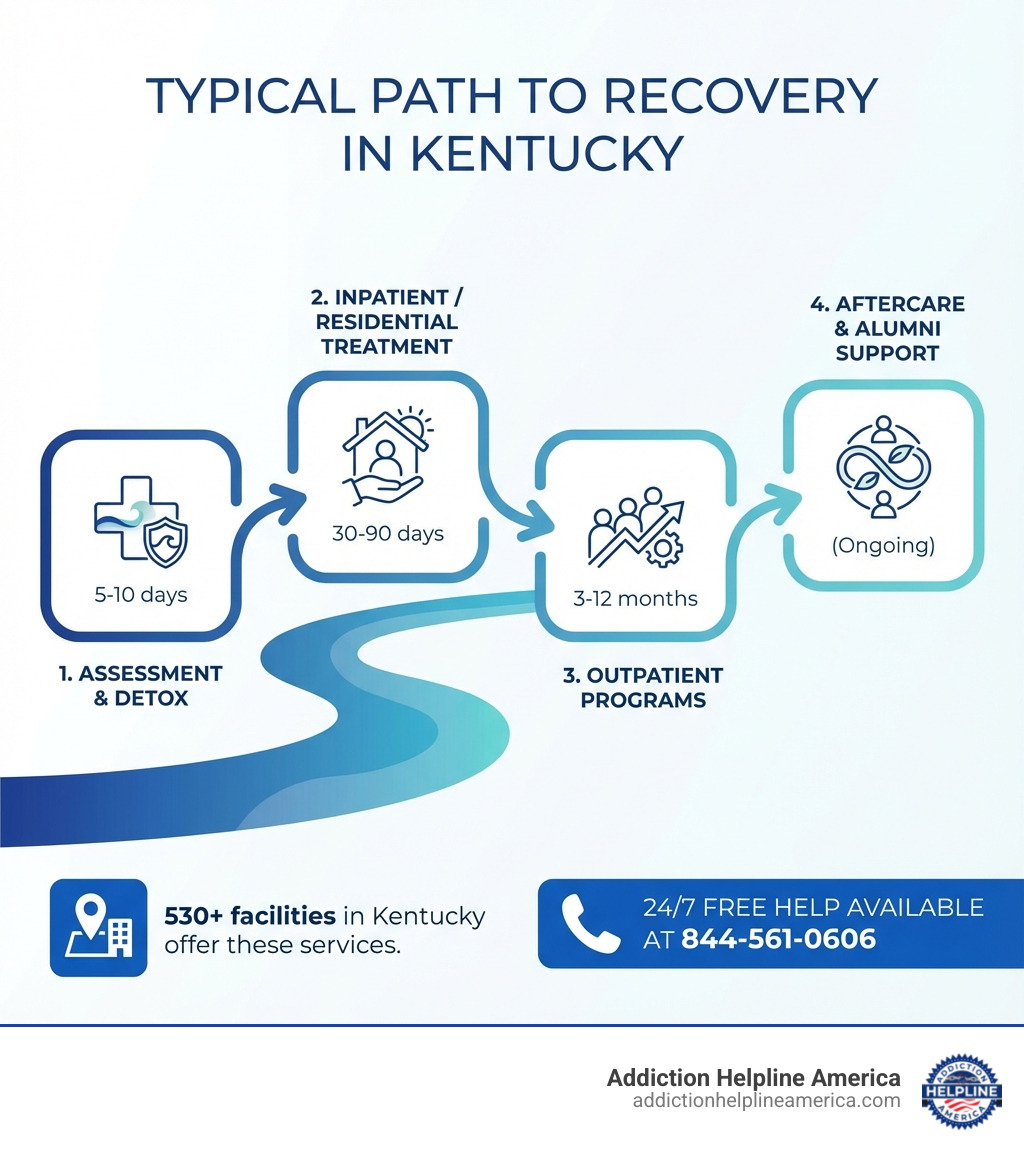
When we talk about addiction treatment, we’re really talking about a “continuum of care.” This means there’s a range of services designed to meet individuals at different stages of their recovery journey, providing personalized treatment paths. Finding the right level of support is crucial for effective healing.
If you’re unsure where to start, our goal at Addiction Helpline America is to provide free, confidential, and personalized guidance. Call us at 844-561-0606 for a free, confidential assessment. We’re here to help you steer these options.
Medical Detoxification: The First Safe Step
For many, the first safe step in overcoming addiction is medical detoxification, often simply called detox. The primary purpose of detox is to safely manage withdrawal symptoms that occur when a person stops using substances. Depending on the substance and the severity of dependence, withdrawal can be uncomfortable and, in some cases, dangerous.
In a medical detox setting, individuals receive 24/7 medical supervision. This ensures their safety and comfort, with medical professionals monitoring vital signs and administering medications to ease withdrawal symptoms. This crucial phase prepares the body and mind for the therapeutic work that follows. Typical length for medical detox can range from 5 to 10 days, though the research indicates it can be 5+ days depending on individual needs. It’s also the most expensive phase of treatment, averaging $140,607 in Kentucky without insurance.
For more detailed information on detox, especially concerning alcohol, you can learn more about Kentucky alcohol rehab.
Inpatient and Residential Treatment
Once detox is complete, or if detox isn’t medically necessary, many individuals transition into inpatient or residential treatment. This offers an immersive therapeutic environment where individuals live at the facility, removed from the triggers and stressors of their daily lives. This 24/7 structured support allows for focused healing and recovery.
During residential treatment, individuals participate in a variety of therapies, including individual and group counseling, educational sessions, and skill-building workshops. The goal is to build a strong foundation for sobriety, understanding the root causes of addiction, and developing healthy coping mechanisms. The typical length of stay for residential programs can range from 30 to 90 days or even longer for extended care. While some residential programs are up to 30 days, long-term inpatient care in Kentucky averages $50,328 without insurance. An example of a residential center is Spring Meadow Center Mount Washington KY.
Outpatient Treatment: Flexibility in Recovery
Outpatient treatment programs offer a more flexible approach to recovery, allowing individuals to live at home or in sober living environments while attending therapy sessions. These programs are a vital part of the continuum of care and can serve as a primary treatment option or a step-down from inpatient care.
There are different levels of outpatient care:
- Partial Hospitalization Programs (PHP): Often referred to as “day treatment,” PHP provides intensive therapy for several hours a day, multiple days a week, similar to residential care but without the overnight stay.
- Intensive Outpatient Programs (IOP): IOP offers a structured treatment schedule that is less intensive than PHP, typically involving fewer hours per week. Many IOPs, like those at Louisville Recovery Center, offer day, night, and even adolescent-specific sessions.
- General Outpatient (OP): This is the least intensive level of outpatient care, involving weekly or bi-weekly therapy sessions.
Outpatient programs are ideal for those who need to balance treatment with work, school, or family responsibilities. They provide ongoing support and accountability as individuals integrate recovery into their daily lives. The average cost for outpatient addiction treatment in Kentucky is $8,363, with outpatient methadone treatment being even more affordable at an average of $7,430. To find an outpatient clinic near you, consider options like Greater Cincinnati Behavioral Health Services Covington KY.
Finding Specialized Drug Rehab Facilities in Kentucky

Every individual’s journey with addiction is unique, which is why specialized treatment programs are so important. We understand that a one-size-fits-all approach simply doesn’t work. Drug rehab facilities in Kentucky offer custom treatment options that address specific substance dependencies, co-occurring mental health challenges, and custom therapeutic approaches. This ensures that care goes beyond surface-level issues, delving into the core of an individual’s needs for lasting healing.
Treating Specific Substances: Opioids, Fentanyl, and Methamphetamine
Kentucky has been significantly impacted by the national opioid crisis, with the rise of potent substances like Fentanyl presenting severe dangers. Additionally, methamphetamine use continues to be a serious concern across the state. Recognizing these specific challenges, many drug rehab facilities in Kentucky offer specialized programs designed to address the unique complexities of these addictions.
A key component of treating opioid and fentanyl addiction is Medication-Assisted Treatment (MAT). This approach combines FDA-approved medications like Buprenorphine and Naltrexone with counseling and behavioral therapies. MAT has proven highly effective in reducing cravings, preventing relapse, and supporting long-term recovery. For stimulant addictions like methamphetamine, specialized protocols focus on behavioral therapies, contingency management, and cognitive restructuring to help individuals manage cravings and develop healthier coping strategies. For individuals seeking a hospital-based recovery center, Bellefonte Hospital and Recovery Center Ashland KY offers support.
Dual Diagnosis: Healing Mind and Body Together
It’s very common for individuals struggling with addiction to also experience co-occurring mental health disorders, such as anxiety, depression, PTSD, or bipolar disorder. This is known as a dual diagnosis. When both conditions are present, they often exacerbate each other, making effective treatment crucial.
Kentucky’s drug rehab facilities are increasingly equipped to provide integrated treatment plans that address both the addiction and the mental health disorder simultaneously. This holistic approach recognizes that true healing involves treating the whole person—mind, body, and spirit. By addressing underlying mental health issues, facilities help individuals understand the connection between their emotional well-being and substance use, leading to more sustainable recovery. An example of a center focusing on integrated care is Seven Counties Addiction Recovery Center Louisville KY.
Evidence-Based and Holistic Therapies
The most effective drug rehab facilities in Kentucky integrate a blend of evidence-based practices with holistic therapies. Evidence-based practices are treatment modalities supported by scientific research, demonstrating their effectiveness in treating addiction and mental health disorders. These often include:
- Cognitive Behavioral Therapy (CBT): Helps individuals identify and change negative thought patterns and behaviors contributing to substance use.
- Dialectical Behavior Therapy (DBT): Focuses on emotional regulation, mindfulness, distress tolerance, and interpersonal effectiveness.
- Trauma-Informed Care: Recognizes the prevalence of trauma in individuals with addiction and provides a safe, supportive environment to process and heal from past experiences.
Alongside these, holistic therapies are incorporated to treat the whole person, promoting overall well-being and life balance. These may include:
- Yoga and Meditation: To reduce stress, improve mindfulness, and foster a mind-body connection.
- Art Therapy: Provides a creative outlet for emotional expression and self-findy.
- Nutritional Counseling: Addresses the physical impact of substance abuse and promotes healthy eating habits for improved physical and mental health.
By combining these approaches, drug rehab facilities in Kentucky strive to equip individuals with a comprehensive toolkit for long-term recovery.
The Cost of Rehab in Kentucky and How to Pay for It
Concerns about the cost of treatment can often be a barrier to seeking help, but we want to assure you: recovery is possible on any budget. Investing in your future by seeking treatment is one of the most important decisions you can make. Many options exist to make treatment affordable, and our team at Addiction Helpline America can help you steer them.

Average Costs and What Influences Them
Kentucky is ranked 34th nationwide in terms of addiction treatment affordability. While this might sound daunting, it’s important to understand the various factors that influence pricing. The average cost of drug and alcohol rehab in Kentucky without insurance is $57,033. However, this figure is a broad average and varies significantly by the type and intensity of the program:
- Medical detox: This is typically the most expensive phase due to 24/7 medical supervision, averaging $140,607.
- Long-term inpatient drug rehab: Costs average around $50,328.
- Outpatient addiction treatment: This is considerably more affordable, with an average cost of $8,363.
- Outpatient methadone treatment: The most affordable option, averaging $7,430.
Factors influencing the price include the program type (detox, inpatient, outpatient), the amenities offered (luxury facilities will cost more), the location (urban vs. rural), and the duration of the treatment.
Using Insurance, Medicaid, and Other Payment Options
Thankfully, many resources are available to help cover the cost of drug rehab facilities in Kentucky. Verifying your health insurance is a critical first step.
- Private Health Insurance: Many facilities, 357 across Kentucky, accept private health insurance from major carriers. Your policy may cover a significant portion, if not all, of your treatment costs.
- Medicaid: Kentucky Medicaid is accepted by a substantial number of facilities, with 382 accepting this coverage. This is a vital resource for low-income individuals.
- State-Funded Insurance: Beyond Medicaid, 225 facilities accept state-funded insurance coverage, indicating state commitment to addressing addiction.
- Sliding-Scale Fees: For those without insurance or with limited financial means, 264 facilities offer sliding-scale fees, adjusting costs based on your income.
- Free or Low-Cost Treatment: There are 190 facilities that offer free or low-cost treatment, and 8 facilities even offer free treatment for all clients.
- Tribal Funding: 14 facilities accept tribal funding, supporting culturally appropriate care.
To find out what your insurance plan covers, including deductibles, co-pays, and in-network providers, we offer a free, confidential insurance benefits check. Call us at 844-561-0606, and our team can help verify your coverage quickly and efficiently.
A Guide to Kentucky’s Recovery Resources and Facilities
Navigating the landscape of recovery options can feel overwhelming, but finding help is the most important step. Kentucky has developed a robust network of resources and drug rehab facilities to support its residents. We’re here to help you understand what’s available and connect you to the right place.
State-Sponsored Programs and Hotlines
Kentucky has several state-level initiatives and hotlines dedicated to assisting individuals with substance use disorders:
- KY HELP Statewide Call Center: You can call 1-877-318-1871 for screening and referral services. This center operates Monday through Friday from 7:00 am to 10:00 pm and Saturday and Sunday from 8:30 am to 5:30 pm EST/EDT.
- Kentucky Opioid Assistance and Resource Hotline (KY-OAR): For after-hours assistance, call 1-800-854-6813.
- Find Help Now KY: This online resource helps you find facilities and providers actively taking new clients.
- Operation UNITE: This organization provides a toll-free Treatment Referral & Help Line at 1-866-90-UNITE (1-866-908-6483). It’s answered by a UNITE treatment team member during normal business hours (8 a.m. to 5 p.m., Monday through Friday) for anyone seeking assistance or inquiring about a UNITE Treatment Voucher for low-income individuals. You can learn more about their vouchers here.
- KSP Angel Initiative: “Walk in. Ask for help. It’s that easy!” Just show up at any of the 16 Kentucky State Police Posts across the Commonwealth, and an “Angel” will connect you with treatment centers. Learn more about the KSP Angel Initiative and Kentucky State Police Angel Initiative.
- Kentucky Opioid Response Effort (KORE): This initiative focuses on expanding access to a full continuum of evidence-based opioid prevention, treatment, recovery, and harm reduction services. You can find more detailed information on the KORE initiative.
- Recovery Kentucky: Created to help Kentuckians recover from substance abuse, which often leads to chronic homelessness. There are 13 Recovery Kentucky centers that can house up to 2,000 Kentuckians, providing peer support, daily living skills classes, and job responsibilities. More information is available from Kentucky Housing Corporation and the Department of Corrections.
- SAMHSA National Helpline: For a national perspective, the Substance Abuse and Mental Health Services Administration (SAMHSA) offers a confidential and anonymous treatment services locator and a national helpline at 1-800-662-HELP (4357). All these resources are USA-based.
Finding Local Drug Rehab Facilities in Kentucky by City
Across the state, many cities host various drug rehab facilities in Kentucky, each offering unique programs and services. We can help you narrow down the options based on your location and specific needs.
Here’s a glimpse at some notable centers and resources in major Kentucky cities:
- Louisville: As Kentucky’s largest city, Louisville hosts a variety of treatment options. You can explore our guide to Drug Rehab Louisville KY. Specific facilities include Saint Jude Womens Recovery Center Louisville KY and Seven Counties Addiction Recovery Center Louisville KY. For resources specific to Lexington, you can visit gethelplex.org.
- Elizabethtown: In Elizabethtown, you’ll find resources like Communicare Clinic Elizabethtown KY.
- Liberty: For those in the central Kentucky region, The Adanta Group Casey County Liberty KY offers local support.
- Covington: In Northern Kentucky, Greater Cincinnati Behavioral Health Services Covington KY provides outpatient services.
For a personalized list of options custom to your needs, don’t hesitate to call our 24/7 helpline at 844-561-0606. We’re here to connect you to the right support.
Frequently Asked Questions about Kentucky Rehab
We understand you likely have many questions when considering treatment options for addiction. Here, we address some of the most common inquiries about drug rehab facilities in Kentucky.
How long does rehab in Kentucky typically last?
The typical length of stay for rehab programs in Kentucky varies significantly based on individual needs, the severity of the addiction, and the type of program.
- Detox: As discussed, medical detox usually lasts between 5 to 10 days.
- Inpatient/Residential Treatment: These programs can range from 30 days to 60 days, 90 days, or even longer for extended care. While research often cites “up to 30 days” for some residential programs, long-term inpatient care often extends beyond this for more comprehensive recovery.
- Outpatient Programs (PHP, IOP, OP): These are more flexible and can last anywhere from 3 months to over a year, depending on the intensity and the individual’s progress. For example, some Intensive Outpatient Programs (IOP) can be 60+ days.
It’s crucial to remember that recovery is a lifelong journey, not a destination. The initial treatment program is a foundational step, with ongoing support and aftercare playing a vital role in sustained sobriety.
What should I look for in a quality rehab facility?
Choosing the right rehab facility is a critical decision. When evaluating drug rehab facilities in Kentucky, we recommend looking for several key indicators of quality and effectiveness:
- Accreditation and Licensing: Look for facilities with proper accreditation and licensing. These signify adherence to high standards of care. State licenses are also essential for legal and ethical operation.
- Qualified, Compassionate Staff: Ensure the facility employs licensed and experienced professionals, including medical doctors, nurses, therapists, and counselors who are compassionate and dedicated.
- Individualized Treatment Plans: A quality facility will assess your unique needs and develop a personalized treatment plan rather than using a one-size-fits-all approach.
- Evidence-Based Practices: The facility should primarily use therapies and interventions that are scientifically proven to be effective in treating addiction and co-occurring disorders (e.g., CBT, DBT, MAT).
- A Full Continuum of Care: A comprehensive facility can offer a full continuum of care (detox, residential, outpatient) and provide seamless transitions between them.
- Aftercare and Alumni Support: Long-term recovery is bolstered by robust aftercare planning, including sober living arrangements, support groups, and alumni programs to maintain connection and accountability.
What are the success rates for rehab in Kentucky?
Defining “success” in addiction recovery can be complex, as it’s a deeply personal journey. While facilities may not always publish specific “success rates” in a standardized way, recovery outcomes are often measured by long-term indicators such as:
- Sustained Sobriety: The length of time an individual remains abstinent from substances.
- Improved Health: Better physical and mental well-being.
- Stable Employment: Gaining or maintaining a job, contributing to financial stability.
- Restored Relationships: Healing and rebuilding connections with family and friends.
- Increased Quality of Life: Overall happiness, purpose, and engagement in healthy activities.
Many facilities, like Addiction Recovery Care (ARC), focus on a “Crisis to Career™” model, which emphasizes life after treatment, including vocational and educational opportunities, as a measure of successful reintegration and long-term well-being. It’s important to understand that relapse can be a part of the recovery journey for some, but it is not a failure. It can be an opportunity to learn, adjust treatment, and reaffirm commitment to sobriety. The goal is progress, not perfection.
Your Path to Recovery Starts Today
Taking the first step toward recovery is a monumental act of courage and self-love. We want you to know that you are not alone in this fight, and a fulfilling life free from addiction is genuinely within your reach. The journey may have its challenges, but with the right support, healing is absolutely possible.
At Addiction Helpline America, we believe in the power of connection and personalized care. Our mission is to ease the burden of finding help by providing free, confidential guidance to individuals seeking drug rehab facilities in Kentucky. We leverage our vast network of trusted treatment centers to help you find a program that perfectly matches your unique needs, preferences, and financial situation.
Don’t let uncertainty or fear hold you back from the life you deserve. If you or a loved one is struggling with addiction, reach out today. Call us 24/7 at 844-561-0606. Our compassionate team is ready to listen, offer support, and connect you to the resources you need. You can also explore our comprehensive list of Kentucky rehab options now to begin your journey toward lasting recovery.