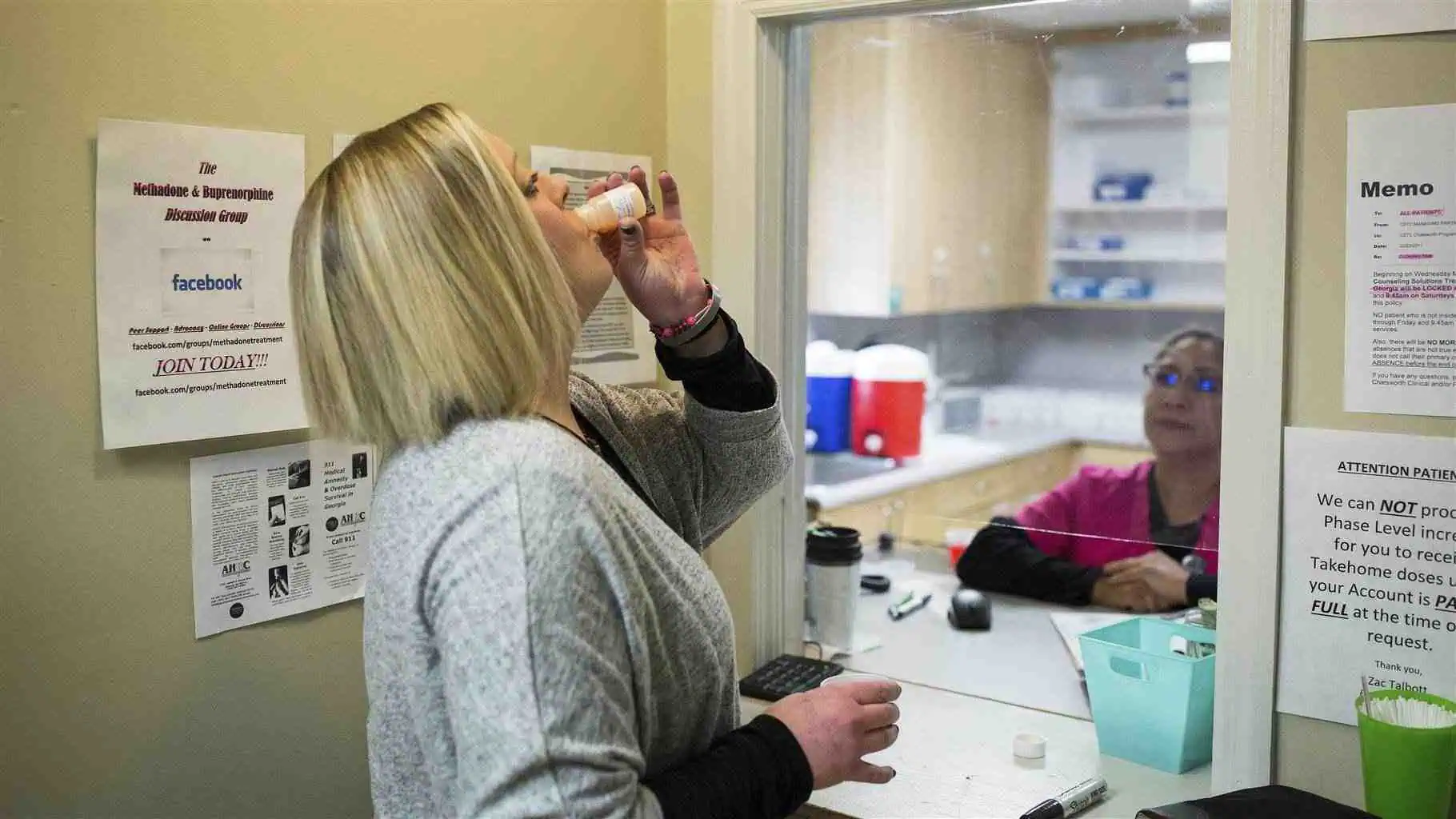

Your Journey to Healing Starts Here
Finding a substance abuse treatment facility San Antonio Texas doesn’t have to be overwhelming. Here’s what you need to know right now:
Quick Guide to San Antonio Treatment Options:
- Medical Detox – Supervised withdrawal management (typically 3-7 days)
- Residential/Inpatient – 24/7 care in a structured environment (30-90 days)
- Partial Hospitalization (PHP) – Daily treatment while living off-site (5-6 hours/day)
- Intensive Outpatient (IOP) – Flexible treatment around work/family (3-5 days/week)
- Standard Outpatient – Ongoing support and therapy (1-2 sessions/week)
- Sober Living – Transitional housing with peer support
Free Resources Available: State-funded programs, OSAR providers, and Local Mental Health Authorities can help regardless of ability to pay.
If you’re reading this, you or someone you love is facing one of life’s most difficult challenges. Substance use disorders affect people from all backgrounds and all age groups – and in San Antonio, you’re far from alone. The city’s diverse recovery community offers comprehensive treatment options, from medical detox to long-term aftercare, designed to meet you wherever you are in your journey.
The statistics tell an important story: about 52% of San Antonio residents reported alcohol use in the past month, while nearly 27% engaged in binge drinking. Close to 10% reported illicit drug use. These numbers aren’t meant to discourage you – they’re meant to show you that recovery is possible, and thousands of people in San Antonio are walking this path right now.
Taking the first step toward healing requires courage. It means acknowledging the problem, reaching out for help, and believing that life can be different. Whether you’re struggling with alcohol, opioids, prescription medications, or other substances, San Antonio offers a full continuum of evidence-based treatment delivered by compassionate professionals who understand addiction as a treatable medical condition, not a moral failure.
At Addiction Helpline America, we’ve connected thousands of individuals and families with quality substance abuse treatment facilities throughout Texas, including comprehensive programs in San Antonio. Our team understands the unique challenges of finding the right substance abuse treatment facility San Antonio Texas that fits your specific needs, insurance coverage, and personal circumstances, and we’re here to guide you through every step of the process.
Call our free, confidential helpline at 844-561-0606 to speak with a compassionate specialist who can help you find the right treatment program today.
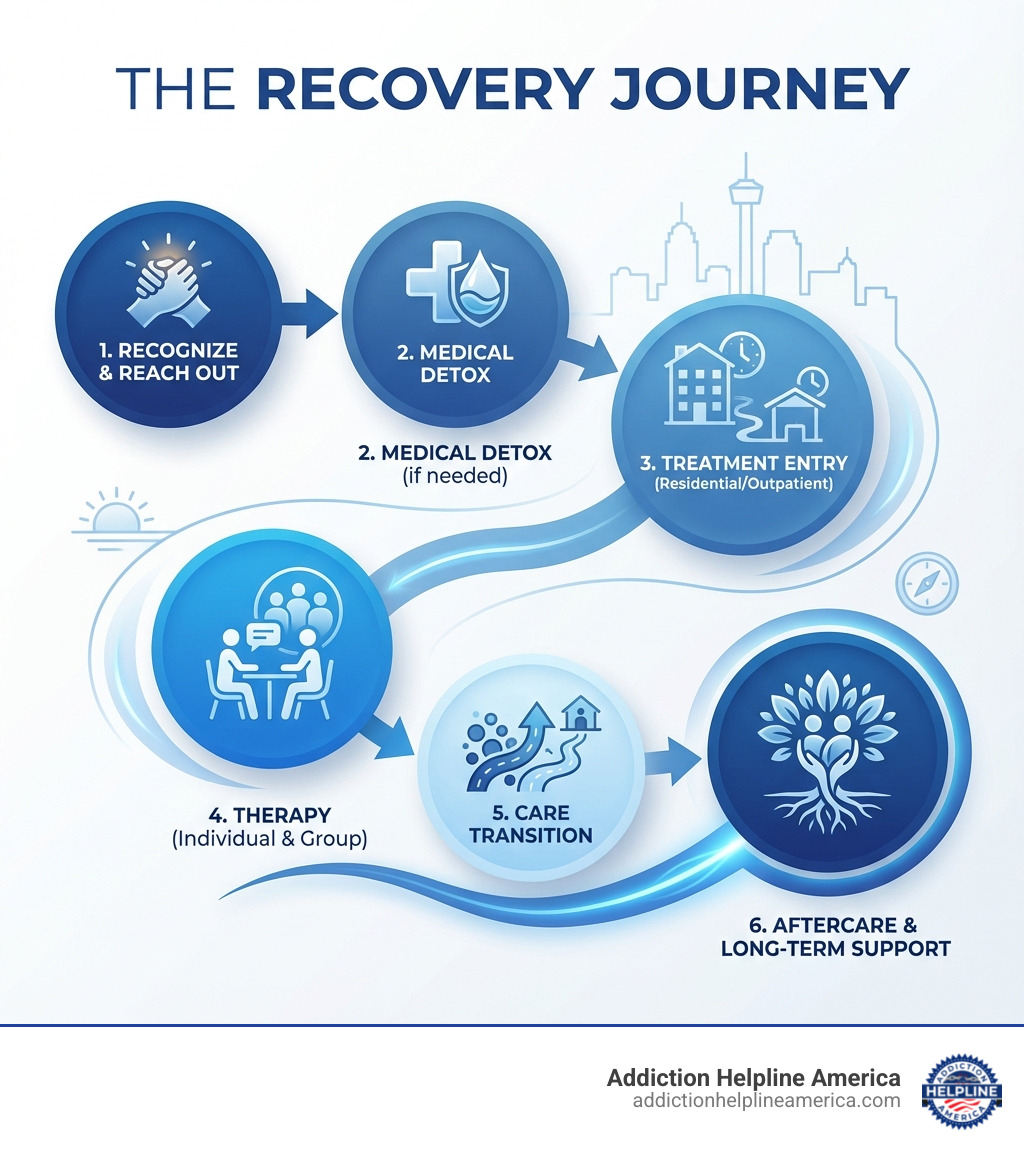
Quick substance abuse treatment facility San Antonio Texas definitions:
The Reality of Substance Use in San Antonio: You Are Not Alone
It’s easy to feel isolated when facing a substance use disorder, but the truth is, you are far from alone. San Antonio, like many vibrant cities, experiences its share of challenges related to drug and alcohol use. Understanding these statistics isn’t about judgment; it’s about recognizing the widespread need for support and treatment, and knowing that help is readily available within our community.

The journey to recovery often begins with acknowledging the problem and seeking help, a step that can be made easier when we understand that many others are on a similar path. Overcoming the stigma associated with addiction is crucial, and we believe that open discussions about mental health and substance use are vital for fostering a supportive environment. You can learn more about this by watching Stigma and Mental Health.
Understanding the Numbers
Let’s look at the most recent available data for San Antonio residents (ages 18 and older, 2018-2020) to understand the landscape of substance use in the city:
- Alcohol Use: Approximately 52% of San Antonio residents reported alcohol use in the past month.
- Binge Drinking: Nearly 27% reported binge alcohol use in the past month, indicating a significant pattern of heavy drinking.
- Illicit Drug Use: Close to 10% of residents reported illicit drug use in the past month.
- Marijuana Use: Almost 13% of San Antonio residents reported marijuana use in the past year.
- Prescription Pain Reliever Misuse: About 3% reported misusing prescription pain relievers in the past year.
- Cocaine Use: Approximately 1% of residents reported cocaine use in the past year.
- Methamphetamine Use: Less than 1% reported methamphetamine use in the past year.
- Heroin Use: National data showed that less than 1% of people between 15 and 25 in the San Antonio region reported heroin use in the past year.
These numbers provide a snapshot of the prevalence of substance use in our city. While some percentages may seem small, they represent thousands of individuals and families directly impacted, highlighting the ongoing need for accessible and effective treatment options.
Why These Statistics Matter for Your Recovery
These statistics matter because they underscore a fundamental truth: addiction doesn’t discriminate. It affects people from all walks of life, across all demographics. If you’re struggling, these numbers should offer a sense of validation, not shame. They show that your struggle is shared, and that the resources available in San Antonio are there because there’s a collective need.
Recognizing the widespread nature of substance use can help normalize the need for professional help. It removes the isolation and encourages individuals to take that crucial first step towards recovery. We understand the profound impact substance use has on individuals, their families, and the broader community. But we also know that with effective treatment, support, and dedication, a better future is not just a possibility—it’s a reality many San Antonians are achieving every day.
Navigating Your Path to Recovery: Levels of Care and Specialized Programs
When seeking a substance abuse treatment facility San Antonio Texas, it’s important to understand that treatment isn’t one-size-fits-all. A comprehensive approach involves a “continuum of care,” offering various levels of intensity to match individual needs. This ensures that as you progress in your recovery, the support adapts to you.

San Antonio’s treatment centers are dedicated to providing personalized treatment plans, utilizing evidence-based therapies to address the root causes of addiction. Our goal at Addiction Helpline America is to help you find a program that aligns with your unique situation and sets you on the most effective path to healing. Learn more about addiction treatment options.
The Core Levels of Addiction Treatment
Here are the different levels of care you might encounter in a substance abuse treatment facility San Antonio Texas:
-
Medical Detox: This is often the first step, providing medically supervised withdrawal management. During detox, medical professionals ensure your safety and comfort as your body rids itself of substances. This process typically lasts 3-7 days. Facilities like Infinite Recovery in San Antonio offer detox services. For more information, explore Detox Centers in Texas.
-
Inpatient/Residential Treatment: After detox, many individuals transition to residential treatment. This involves living at the facility 24/7 in a structured, supportive environment. Programs like those at San Antonio Recovery Center (SARC), Cenikor San Antonio (for women), Laurel Ridge Treatment Center, and SOBA Texas offer comprehensive residential care. Lengths can vary from 30 to 90 days, with Lifetime Recovery Residential offering 45-90 day programs for men. This immersive setting allows for intensive therapy and a focus solely on recovery.
-
Partial Hospitalization Programs (PHP): Often referred to as “Day Treatment,” PHP offers a high level of care without requiring overnight stays. Clients typically attend treatment for 5-6 hours a day, several days a week, and return home (or to a sober living environment) in the evenings. SARC and Infinite Recovery both provide PHP options.
-
Intensive Outpatient Programs (IOP): IOPs provide structured therapy sessions for a few hours a day, 3-5 days a week. This level of care offers more flexibility, allowing individuals to maintain work, school, or family responsibilities while receiving significant support. SARC is notable for offering a full Spanish-speaking IOP Program.
-
Standard Outpatient & Aftercare: This is a less intensive level of care, providing ongoing therapy and support as individuals reintegrate into daily life. It’s crucial for long-term sobriety. Many centers, including Cenikor and SARC, emphasize aftercare services and alumni programs to provide continued support. For a deeper dive into flexible treatment, see Outpatient Rehab in Texas.
-
Sober Living Support: Sober living homes offer a safe, structured, and substance-free environment for individuals transitioning from higher levels of care. They provide accountability and peer support, helping residents practice newly learned coping skills in a real-world setting. SARC offers sober living facilities, described by clients as “beautiful and centrally located.”
These different levels ensure that treatment is adapted to your specific needs, providing the right amount of support at each stage of your recovery journey. We can help you steer these options through our Addiction Treatment Programs.
Specialized Programs for Unique Needs in San Antonio
San Antonio’s treatment landscape also includes specialized programs designed to address the diverse needs of individuals seeking help:
-
Dual Diagnosis Treatment: Many individuals struggling with substance use also have co-occurring mental health disorders like anxiety, depression, or PTSD. Facilities like Laurel Ridge Treatment Center, Infinite Recovery, and SOBA Texas offer integrated dual diagnosis treatment, addressing both conditions simultaneously for more effective and sustainable recovery. Learn more about Dual Diagnosis Treatment.
-
Support for Veterans and First Responders: Military members and veterans often face unique challenges, including trauma, that can contribute to substance use. Laurel Ridge Treatment Center and SOBA Texas offer specialized programs custom to their experiences, providing a supportive environment for healing. The Bexar County Substance Abuse Treatment Program also refers veteran defendants to the VA Hospital for treatment.
-
Trauma-Informed Care: Recognizing the link between past trauma and substance use, many San Antonio facilities, including SARC and Lifetime Recovery, incorporate trauma-informed approaches into their therapy. This ensures that treatment is delivered in a way that avoids re-traumatization and promotes healing.
-
Gender-Specific Programs: Some facilities offer programs exclusively for men or women, recognizing that gender can influence the addiction experience and recovery process. Cenikor San Antonio, for instance, provides comprehensive residential care exclusively for women, while Lifetime Recovery Residential is the largest gender-specific residential program for men in South Texas. SARC also has women’s sober homes.
-
Family-Focused Treatment: Addiction impacts the entire family. Programs at centers like SARC and Infinite Recovery involve family therapy and education, helping loved ones understand addiction, heal relationships, and build a stronger support system for recovery.
-
LGBTQ+ Affirming Environments: Creating an inclusive and affirming environment is crucial for recovery. SARC, for example, highlights its LGBTQ+ friendly approach, ensuring that all individuals feel safe and respected during their treatment.
-
Culturally Competent Care: With San Antonio’s rich cultural diversity, some facilities offer culturally competent care, such as SARC’s full Spanish-speaking IOP Program, to ensure treatment is accessible and effective for all.
How to Access a Substance Abuse Treatment Facility in San Antonio, Texas
Accessing treatment can feel like a maze, especially when concerns about cost, insurance, and legal implications arise. We want to assure you that help is available, and we are here to guide you through these practical considerations.
Understanding the Cost of Rehab and Payment Options
The cost of addiction treatment can vary widely based on the level of care, duration, and facility. This is often a significant concern for individuals and families, but there are numerous payment options available to make treatment accessible:
-
Private Pay Options: For those without insurance or who prefer to pay out-of-pocket, facilities often offer accessible cash pay rates. Infinite Recovery, for example, estimates a cash pay rate of $17,000 – $22,500 per month for a 30-day stay.
-
Using Health Insurance: Most major health insurance providers are accepted by treatment centers. Facilities like San Antonio Recovery Center, Laurel Ridge Treatment Center, SOBA Texas, and Stone River Recovery Center work with a variety of plans, including Cigna, Guide, BCBS, Aetna, Anthem, Magellan Health, Humana, Optum, and Tricare (for veterans). Our team at Addiction Helpline America can assist you with Insurance Verification to understand your coverage.
-
Medicaid and Medicare: These government programs can cover a significant portion of addiction treatment costs. It’s important to inquire with specific facilities about their acceptance of these plans.
-
Sliding Scale Fees: Some centers offer fees based on an individual’s income and financial situation, making treatment more affordable.
-
Financing Options: Many treatment centers or third-party providers offer financing plans to help spread the cost of treatment over time.
-
Alternative Funding Sources: Lifetime Recovery Residential, for instance, does not accept private insurance but encourages contacting their admissions staff to ascertain eligibility through alternative funding sources, demonstrating a commitment to helping individuals regardless of financial ability.
Don’t let perceived costs deter you from seeking help. Our confidential helpline can help you explore all available payment solutions.
Finding Affordable Substance Abuse Treatment Options in San Antonio
Finding free or low-cost substance abuse treatment facility San Antonio Texas options is possible through various local and state resources:
-
State-Funded Programs: Texas offers state-funded substance use programs that provide services to residents with substance use disorders, often for free or at a reduced cost based on need. You can find these programs and local providers through the Texas Health and Human Services.
-
Outreach, Screening, Assessment, and Referral (OSAR): OSAR providers are designated entities that help individuals access state-funded services. They can conduct assessments and refer you to appropriate treatment options in your area, including San Antonio. This is a critical resource for those seeking assistance.
-
Local Mental Health Authorities (LMHAs) or Local Behavioral Health Authorities (LBHAs): These authorities are responsible for delivering mental health and substance use services in local communities. They can provide recommendations and connect you to services.
-
Non-Profit Organizations: Many non-profit organizations and community-based programs in San Antonio offer free or low-cost services, including counseling, support groups, and referrals.
To find these state-funded programs and local OSAR providers, you can use the official Texas resources: Find State Funded Substance Use Programs in Texas Find State Funded Substance Use Programs in TexasFind your local OSAR providerFind your Local Mental Health Authority or Local Behavioral Health Authority. For more localized information, visit our San Antonio Treatment Resources.
Your Legal Rights and Protections in Texas
Understanding your legal rights can provide peace of mind and protection when seeking addiction treatment in Texas:
-
Texas Good Samaritan Overdose Prevention Statute: This law encourages seeking emergency medical attention during an overdose by providing protection from prosecution for certain drug possession charges for the person who calls for help and the person experiencing the overdose. This is a critical protection that can save lives.
-
Sandra Bland Act: This act mandates that Texas criminal justice officials identify individuals with suspected substance use concerns and direct them to appropriate treatment facilities instead of jail for non-violent crimes. This aims to divert individuals towards treatment rather than incarceration. The Bexar County Substance Abuse Treatment Program is an example of such a program, working with defendants to achieve sobriety while their cases are adjudicated.
-
Family and Medical Leave Act (FMLA): Federal law allows eligible employees to take unpaid, job-protected leave for certain family and medical reasons, including seeking treatment for a serious health condition like addiction. This means you may be able to take time off work for treatment without losing your job.
-
Americans with Disabilities Act (ADA): The ADA protects individuals with disabilities, including those recovering from addiction, from discrimination in employment, public services, and other areas. This can provide protections for individuals seeking or undergoing treatment.
-
Confidentiality in Treatment: Your medical information, including your participation in substance abuse treatment, is protected by federal laws like HIPAA and 42 CFR Part 2, ensuring your privacy and confidentiality.
These protections are in place to support your journey to recovery and ensure you can seek help without undue fear.
What to Look For in a Quality San Antonio Treatment Program
Choosing the right substance abuse treatment facility San Antonio Texas is a critical decision. Not all programs are created equal, and understanding what distinguishes a high-quality center can significantly impact your recovery outcomes. We recommend looking for specific features that indicate a commitment to excellence and effective, person-centered care.
Essential Features of an Effective Substance Abuse Treatment Facility in San Antonio, Texas
When evaluating potential treatment centers, keep these key indicators of quality in mind:
-
Accreditations: Look for facilities accredited by reputable organizations like the Joint Commission or the Commission on Accreditation of Rehabilitation Facilities (CARF). Accreditation signifies that a facility meets rigorous national standards for quality, safety, and patient care. San Antonio Recovery Center, Infinite Recovery, and SOBA Texas are Joint Commission accredited, while Lifetime Recovery and Stone River Recovery Center hold CARF accreditation.
-
Low Client-to-Therapist Ratio: A lower ratio means more personalized attention and individualized care. San Antonio Recovery Center, for example, highlights its low therapist-to-patient ratio, ensuring that clients receive the focused support they need.
-
Individualized Treatment Planning: Effective treatment is never generic. A quality program will develop a customized treatment plan based on your unique history, substance use patterns, co-occurring disorders, and personal goals.
-
Use of Evidence-Based Therapies: Ensure the facility uses therapies proven to be effective through scientific research. These include:
- Cognitive Behavioral Therapy (CBT): Helps identify and change negative thought patterns and behaviors.
- Dialectical Behavior Therapy (DBT): Focuses on emotional regulation, distress tolerance, and interpersonal effectiveness.
- Eye Movement Desensitization and Reprocessing (EMDR): Especially effective for trauma-related issues.
- Motivational Interviewing: Helps individuals resolve ambivalence about change.
- Trauma-Informed Approaches: Recognizes and addresses the role of trauma in addiction.
- Many San Antonio facilities, including SARC, Infinite Recovery, Lifetime Recovery, and Stone River, incorporate these and other evidence-based modalities.
-
A Full Continuum of Care: As discussed earlier, a facility that offers a range of services from detox through aftercare (or has strong referral networks) can provide seamless transitions and consistent support throughout your recovery journey. SARC, SOBA Texas, and Infinite Recovery are examples of centers offering a full continuum of care.
-
Qualified and Compassionate Staff: Look for facilities with licensed, experienced professionals who demonstrate empathy and understanding. Many centers, like Cenikor San Antonio, pride themselves on having staff members who are themselves in recovery, offering invaluable peer support and understanding.
The Role of Family and Alumni in Lasting Recovery
Recovery is not just an individual journey; it’s often a family affair and a community effort. The involvement of loved ones and continued connection with a supportive network are crucial for long-term sobriety.
-
Family Therapy Programs: Quality programs recognize the importance of healing family dynamics. Centers like SARC offer family therapy and education, helping loved ones understand addiction, learn healthy communication skills, and rebuild trust. This creates a stronger support system once the individual returns home.
-
Education for Loved Ones: Understanding addiction as a disease, not a moral failing, is vital for family members. Many programs provide educational resources to help families steer the complexities of recovery and offer effective support.
-
Building a Support System: Connection is the opposite of addiction. Treatment centers often emphasize the importance of building a strong support network, including participation in 12-step programs (like NA/AA) or other peer support groups. You can find more information on Behavioral Health Support in the Community Behavioral Health Support in the Community.
-
Strong Alumni Programs: After formal treatment ends, the recovery journey continues. Robust alumni programs, like the one at SARC with over 80 active members, provide ongoing support, events, and a sense of community. This peer connection can be a powerful tool for preventing relapse.
-
Peer Support: The concept of peer recovery support, where individuals with lived experience guide others, is gaining significant traction. Studies, including those funded by grants to the University of Texas Health Science Center at San Antonio, are exploring how peer support systems can increase treatment effectiveness and support long-term recovery. This is a best practice that many facilities integrate into their programs. We believe in providing Support for Families and Loved Ones.
Measuring Success at a Substance Abuse Treatment Facility in San Antonio, Texas
When considering a substance abuse treatment facility San Antonio Texas, you might naturally wonder about “success rates.” While these can be complex to define and measure, a quality program will focus on outcomes that extend beyond initial program completion.
-
Defining Success Rates: True success in recovery goes beyond simply abstaining from substances during treatment. It encompasses long-term sobriety, improved quality of life, better physical and mental health, stable employment, positive relationships, and overall well-being. SOBA Texas, for example, measures success by the number of clients who stay clean and sober, not just initial treatment completion.
-
Long-Term Sobriety Focus: An effective program equips individuals with the tools, coping skills, and support networks necessary to maintain sobriety for years to come. This includes robust aftercare planning and alumni engagement.
-
Improved Quality of Life: Success should also be measured by how individuals regain control over their lives, pursue their passions, and contribute positively to their communities. Testimonials from former SARC clients, for instance, speak to lives being “saved” and finding “new beginnings.”
-
Employment and Relationship Stability: Rebuilding a stable life often involves securing employment and mending strained relationships. Programs that offer life skills training, vocational support, and family therapy contribute significantly to these outcomes.
-
Looking Beyond Initial Program Completion: While completing a program is a significant achievement, the real work of recovery continues indefinitely. A good facility will instill the principles and practices for lifelong recovery, emphasizing that it’s a journey, not a destination. As one SARC client put it, “It works only if you want it to work… It’s not necessarily working the steps that helps it’s learning to live by them.”
Your New Beginning is Just a Phone Call Away
The journey to healing from substance abuse is deeply personal, yet you don’t have to walk it alone. San Antonio offers a wealth of resources and compassionate professionals ready to support you or your loved one every step of the way. From diverse treatment options and specialized programs to flexible payment solutions and legal protections, the path to recovery in the Heart of Texas is clearer than you might think.
We understand that taking the first step can be daunting, but recovery is not just possible—it’s happening every day for countless individuals in San Antonio. Our city’s supportive community, combined with accredited and effective treatment facilities, provides a strong foundation for a new, healthier life.
If you or a loved one is struggling, please don’t hesitate. Your new beginning is just a phone call away.
Call our free, confidential helpline at 844-561-0606 to speak with a compassionate specialist. We provide free, confidential, personalized guidance to help you find the right substance abuse treatment facility San Antonio Texas that fits your unique needs. Recovery starts with one call.