
Your First Step Towards a Brighter Future in Richmond
Struggling with addiction in Richmond, VA? Outpatient rehab offers a path to healing while you maintain your daily life. Here’s what you need to know about your options:
Key Outpatient Rehab Options in Richmond, VA:
- Richmond Behavioral Health Authority (RBHA) – Comprehensive services including medication-assisted treatment, intensive outpatient programs, and peer support
- The Coleman Institute – Specialized outpatient detox with 98% completion rate for opioid treatment
- The Master Center – Integrated care combining medication-assisted treatment, therapy, and psychiatry
- CleanSlate Centers – Medication-assisted treatment in a primary care setting
- The McShin Foundation – Peer-led recovery community Organization with 28-day programs
- Iron Bridge Recovery Center – Holistic approach combining clinical and medical treatment
| Inpatient Rehab | Outpatient Rehab |
|---|---|
| Live at facility 24/7 | Return home daily |
| Highly structured schedule | Flexible scheduling |
| Intensive medical supervision | Regular check-ins and therapy sessions |
| Higher cost (residential) | Lower cost (no housing) |
| Complete separation from triggers | Learn to manage real-world triggers |
| Limited family contact | Continue family and work responsibilities |
Outpatient rehab allows you to live at home and attend regular treatment sessions. This flexibility means you can continue working, attending school, or caring for your family, making recovery accessible without pausing your life.
Everyone’s path is unique. Some start with outpatient care, while others transition from a residential program. Richmond has a strong recovery community with diverse options, from medication-assisted treatment to holistic therapies and peer support, ensuring you find the right fit.
At Addiction Helpline America, we connect people with quality outpatient rehab Richmond VA programs that fit their needs. We know this first step takes courage, and we offer free, confidential guidance 24/7. Call us at 844-561-0606.
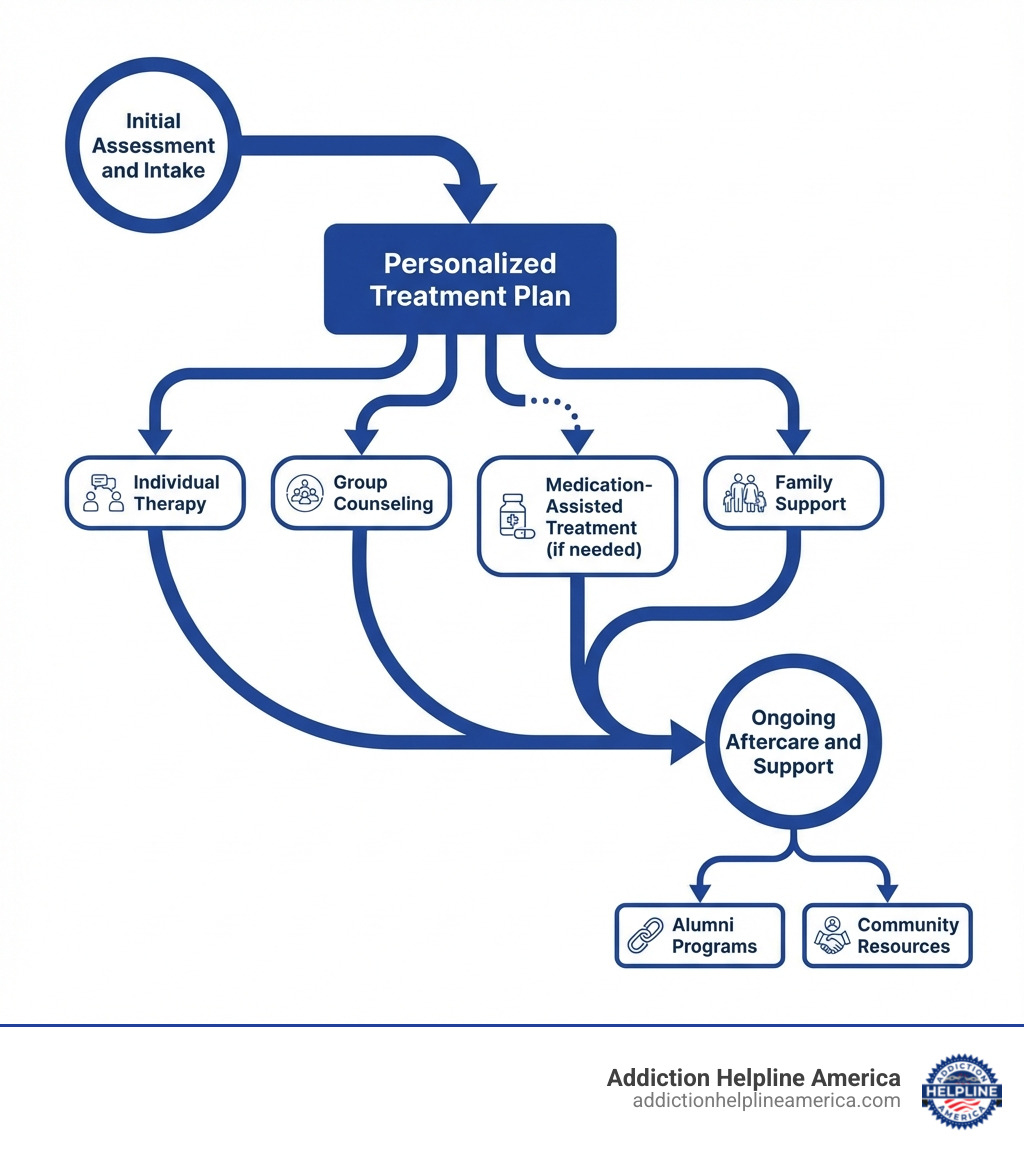
Basic outpatient rehab Richmond VA terms:
Understanding the Need and Benefits of Outpatient Care
Recognizing the signs of addiction is the first step toward recovery. As a chronic brain disease, it requires professional care. Choosing outpatient rehab Richmond VA provides unique advantages for lasting healing.

Signs That Someone Might Need Outpatient Addiction Treatment
It can be challenging to admit that a problem exists, but recognizing the signs of a substance use disorder (SUD) is vital. Here are some common indicators:
- Increased Tolerance: Needing more of the substance to get the same effect.
- Withdrawal Symptoms: Feeling physically or mentally unwell when trying to cut back or stop.
- Neglecting Responsibilities: Failing to manage work, school, or home responsibilities because of substance use.
- Failed Attempts to Quit: Wanting to stop using but being unable to, despite trying.
- Continued Use Despite Consequences: Using despite negative consequences like health, legal, or relationship problems.
- Loss of Interest in Hobbies: Losing interest in hobbies and activities that were once enjoyable.
- Behavioral Changes: Secretiveness, mood swings, or defensiveness about substance use.
- Physical Symptoms: Changes in appearance like weight fluctuations, poor hygiene, or other physical signs.
If these signs are familiar, help is available. Many Richmond organizations, like RBHA and The McShin Foundation, offer support. We can help you explore options for Outpatient Rehab in Virginia that align with your specific situation. Call our 24/7 helpline at 844-561-0606 for a confidential assessment.
The Unique Advantages of Choosing a Richmond, VA Program
Opting for an outpatient rehab Richmond VA program comes with distinct benefits that can significantly support long-term recovery.
- Access to Local Support Systems: Lean on your local network of family and friends for crucial emotional support and accountability.
- Familiar Environment: Recovering in a familiar setting reduces stress and anxiety, allowing you to feel more comfortable during treatment.
- Ability to Continue Work or School: The flexibility of outpatient care allows you to continue working or attending school, preventing major disruptions to your life and finances.
- Building a Sober Network in Your Home City: Connect with local peers in recovery to build a sober network that provides invaluable, long-term support.
- Local Community Resources and Support Groups: Tap into Richmond’s rich network of community resources and support groups like Alcoholics Anonymous (AA) and Narcotics Anonymous (NA), which complement formal treatment and foster a sense of belonging.
A local outpatient rehab Richmond VA program helps you apply new coping skills to your daily life, creating a smoother path to sustainable sobriety.
What to Expect from Outpatient Rehab Richmond VA
Starting an outpatient rehab Richmond VA program can feel overwhelming, but knowing what to expect helps. These programs offer personalized, non-judgmental care using evidence-based therapies to help you build a foundation for lasting recovery.

Types of Services and Therapies Offered
Outpatient rehab Richmond VA centers offer a diverse range of services custom to individual needs, focusing on holistic healing and skill-building for a sober life.
- Individual Therapy: Work one-on-one with a therapist in a safe space to address personal triggers, trauma, and co-occurring mental health conditions using methods like Cognitive Behavioral Therapy (CBT).
- Group Counseling: Connect with peers in group sessions to share experiences, practice communication, and learn coping strategies in a supportive environment.
- Family Therapy: Involve loved ones in the healing process to improve communication, rebuild trust, and create a supportive home environment.
- Holistic Therapies: Engage in activities like yoga, meditation, and art therapy to support the healing of your mind, body, and spirit.
- Peer Support Specialists: Receive guidance and encouragement from trained specialists who have their own lived experience with recovery.
- Intensive Outpatient Programs (IOP): IOPs offer a higher level of care with more weekly hours of therapy (typically 9+), providing structured support while you live at home.
- Life Skills Training: Learn practical skills for daily life, such as stress management, financial literacy, and vocational training.
For more information on the comprehensive services available, you can explore our resources on More info about our services. To understand the profound impact of peer support in recovery, refer to the Peer support information from SAMHSA.
Medication-Assisted Treatment (MAT) in Richmond
Medication-Assisted Treatment (MAT) is an evidence-based approach that combines FDA-approved medications with counseling and behavioral therapies. It is a highly effective way to treat substance use disorders and is widely available in outpatient rehab Richmond VA programs.
- What is MAT? MAT combines FDA-approved medications with therapy to manage withdrawal, reduce cravings, and help you focus on recovery.
- Managing Withdrawal Symptoms and Reducing Cravings: Medications stabilize brain chemistry to ease withdrawal symptoms and reduce cravings, which are often major barriers to recovery.
- Common MAT Medications:
- Buprenorphine (Suboxone): Reduces opioid cravings and withdrawal without the euphoric effects.
- Naltrexone (Vivitrol): Blocks the effects of opioids and can reduce alcohol cravings. The Coleman Institute has a 98% success rate helping patients transition to Naltrexone, as supported by research in The Lancet.
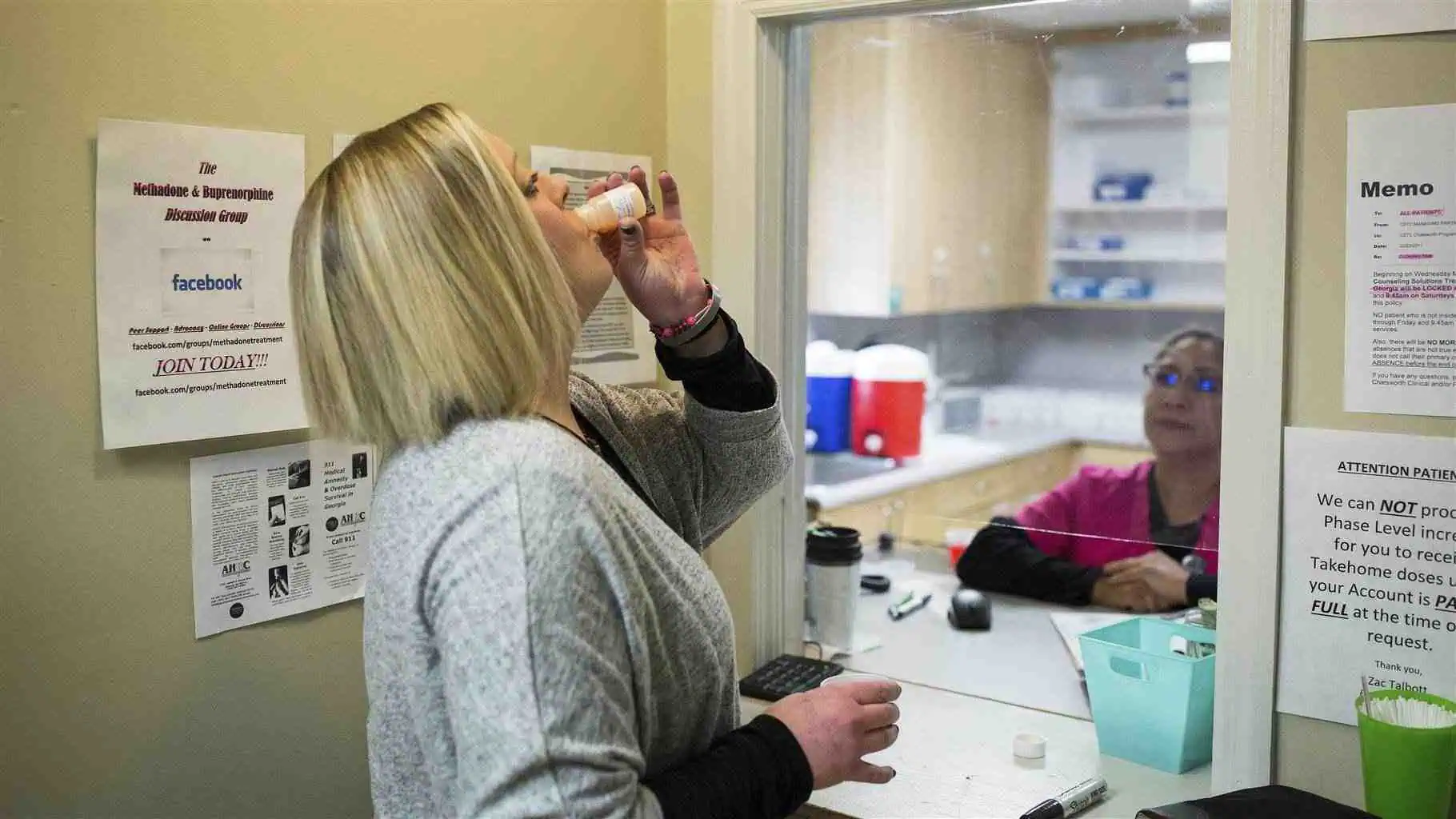
- Methadone: Treats opioid dependence by reducing withdrawal and cravings, offered in licensed clinics.
- Comprehensive Treatment Plan: MAT is most effective when combined with counseling and behavioral therapies to address both the physical and psychological aspects of addiction.
The success of MAT is exemplified by centers like The Coleman Institute, which offers an innovative outpatient detox that can be completed in as little as three days, allowing patients to recover comfortably while living at home.
The Intake Process and Program Duration
Starting an outpatient rehab Richmond VA program involves a structured intake process designed to ensure you receive the most appropriate and personalized care.
- Initial Phone Call: The first step is a confidential phone call to a helpline or center to ask questions and discuss your situation.
- Confidential Assessment: A clinician will conduct a comprehensive assessment of your substance use history, health, and personal goals to determine the best course of action.
- Creating a Personalized Treatment Plan: Based on your assessment, a personalized treatment plan is created, outlining the therapies and services that will best support your recovery.
- What to Expect on Your First Day: Your first day will likely involve orientation, meeting your therapist, and attending your first session in a supportive, non-judgmental environment.
- Program Length Variability: Program length varies based on individual needs. IOPs often last several weeks or months, while standard outpatient care can be longer-term. Some programs, like detox, may be much shorter.
- Preparing for Your First Session: To prepare, gather your paperwork, plan your transport, and arrive with an open mind. Don’t hesitate to ask questions.
Finding and Affording Quality Care in Richmond
Finding a quality, affordable outpatient rehab Richmond VA can feel overwhelming, but it is achievable with the right guidance. We’re here to help you explore your options and access the life-saving treatment you deserve.
How to Find a Reputable Outpatient Rehab Center in Richmond, VA
Choosing the right outpatient rehab Richmond VA center is a critical decision. It’s important to ensure a program aligns with your or your loved one’s needs.
- Look for Accreditation: Accreditation from bodies like CARF, The Joint Commission, or CAPRSS (for peer support) indicates a commitment to high standards of quality and safety. The McShin Foundation, for example, is the only CAPRSS-accredited Recovery Community Organization in Virginia.
- Check Staff Credentials: Ensure therapists and medical staff are licensed and experienced in addiction treatment.
- Read Reviews and Testimonials: Online reviews can offer valuable insight into the patient experience and the center’s environment.
- Ask About Treatment Philosophy: Understand their approach to recovery (e.g., evidence-based, 12-Step, holistic) to see if it’s a good fit for you.
- Here are some key questions to ask a potential rehab center:
- What types of outpatient programs do you offer (e.g., IOP, standard outpatient)?
- What is your treatment philosophy and what therapeutic modalities do you use?
- Are you accredited by CARF, The Joint Commission, or other relevant bodies?
- What are the credentials and experience of your clinical staff?
- Do you offer Medication-Assisted Treatment (MAT)? If so, which medications?
- How do you address co-occurring mental health disorders?
- What is your intake and assessment process like, and how long does it take?
- What is the typical duration of your programs?
- What is the cost of treatment, and what insurance plans do you accept?
- What kind of aftercare and relapse prevention planning do you provide?
- Do you offer family therapy or support for loved ones?
- Are there any specialized programs for specific populations (e.g., women, specific substances)?
By thoroughly researching, you can make an informed decision. We are here to help you steer this process and Find help in Richmond, VA today.
Costs, Insurance, and Payment Options
The cost of treatment can be a concern, but various options exist to make outpatient rehab Richmond VA accessible.
- Average Cost of Treatment: Outpatient rehab is generally more affordable than inpatient care because it doesn’t include housing costs. Costs vary based on program intensity and duration.
- Accepted Insurance: Most Richmond centers accept a wide range of insurance plans.
- Medicaid and Medicare: These government-funded plans are widely accepted, making treatment accessible.
- Private Health Insurance: Plans from providers like Aetna, Anthem, and Cigna typically offer coverage for substance abuse treatment.
- TRICARE: This military healthcare program is accepted by some Richmond facilities.
- Self-Pay Options: Many centers offer sliding scale fees, payment plans, or other financial assistance for those paying out-of-pocket.
- Verifying Your Benefits: Always verify your insurance coverage with your provider or the treatment center to understand your costs, such as deductibles and co-pays.
We offer a free, confidential insurance verification. Call 844-561-0606, and we’ll help you find an outpatient rehab Richmond VA program that fits your financial situation.
Are There Specialized Outpatient Programs in Richmond, VA?
Richmond’s recovery community offers a variety of specialized programs to meet diverse needs.
- Programs for Women: Some programs address the unique challenges women face, offering services like trauma-informed care and parenting support. The MOTIVATE Clinic, for example, supports women during and after pregnancy.
- Programs for Specific Substances: Many centers specialize in treating certain addictions. The Coleman Institute focuses on outpatient detox for opioids and alcohol, while The Master Center treats a wide range of substance use disorders.
- Co-occurring Disorder Support: Integrated treatment is available for individuals with both a substance use disorder and a mental health condition like depression or anxiety.
- Family Support Programs: Many centers, including The Master Center, offer family therapy and support groups to help heal relationships.
- LGBTQ+ Affirming Care: Some facilities provide a safe, inclusive, and culturally competent environment for members of the LGBTQ+ community.
The Journey to Lifelong Recovery
Completing an outpatient rehab Richmond VA program is a huge achievement, but recovery is an ongoing journey. It requires continued support and commitment to building a fulfilling, sober life. We’re here to help you along the way.
How to Support a Loved One in Treatment
Supporting a loved one through their recovery is one of the most powerful gifts you can give.
- Educate Yourself About Addiction: Learning about addiction as a disease fosters empathy and reduces stigma.
- Offer Encouragement, Not Judgment: Focus on their progress and efforts with compassion.
- Participate in Family Therapy: Engage in family sessions to improve communication and heal relationships.
- Set Healthy Boundaries: Protect your own well-being and encourage accountability by setting clear boundaries.
- Celebrate Milestones: Acknowledge their achievements to reinforce progress and motivation.
- Use Family Support Resources: Find your own support through groups like Al-Anon or Nar-Anon.
While recovery is their journey, your support is invaluable. Call our 24/7 helpline at 844-561-0606 to learn more about resources for families.
Long-Term Recovery Prospects and Aftercare
The goal of outpatient rehab Richmond VA is to build a foundation for long-term recovery. Aftercare is an essential component of this lifelong journey.
- Building Relapse Prevention Skills: Treatment focuses on teaching you to identify triggers and manage high-risk situations using healthy coping strategies.
- Importance of Support Groups: Groups like Alcoholics Anonymous (AA), Narcotics Anonymous (NA), and SMART Recovery provide vital peer support and a safe space to share experiences.
- Alumni Programs: Many centers offer alumni programs to provide an ongoing support network after treatment.
- Continued Therapy: Continuing with individual or group therapy can help you steer new challenges and reinforce coping skills.
- Creating a Healthy Lifestyle: Long-term recovery involves building a balanced life with healthy habits, physical activity, and fulfilling relationships.
- The Role of Peer Recovery Coaches: Peer coaches with lived experience offer non-clinical guidance, hope, and practical support, which is a cornerstone of organizations like The McShin Foundation.
Long-term recovery prospects are strong when you engage in aftercare. With commitment and support, a fulfilling, sober life is entirely possible.
Take the First Step Towards Healing Today
Recovery is not just a possibility—it can be your reality. You are not alone. The supportive community in Richmond, VA, has resources and professionals ready to help you begin a new chapter.
Choosing an outpatient rehab Richmond VA program allows you to get the care you need while maintaining your daily life. With options ranging from personalized therapy to peer support, you can find a path that fits your unique journey.
At Addiction Helpline America, we are your guide to recovery. We offer free, confidential help finding the right program from our vast network. Don’t let uncertainty hold you back from the future you deserve.
Take control of your future and reach out today. Find a rehab center in Richmond, VA to start your journey.