
Understanding the Need and Your Treatment Options
If you or a loved one is searching for an alcohol treatment center near me, know that finding the right support is possible. It can feel overwhelming, but many resources are ready to help. Taking this first step is brave and opens the door to a healthier future. Recovery is a journey you don’t have to walk alone.
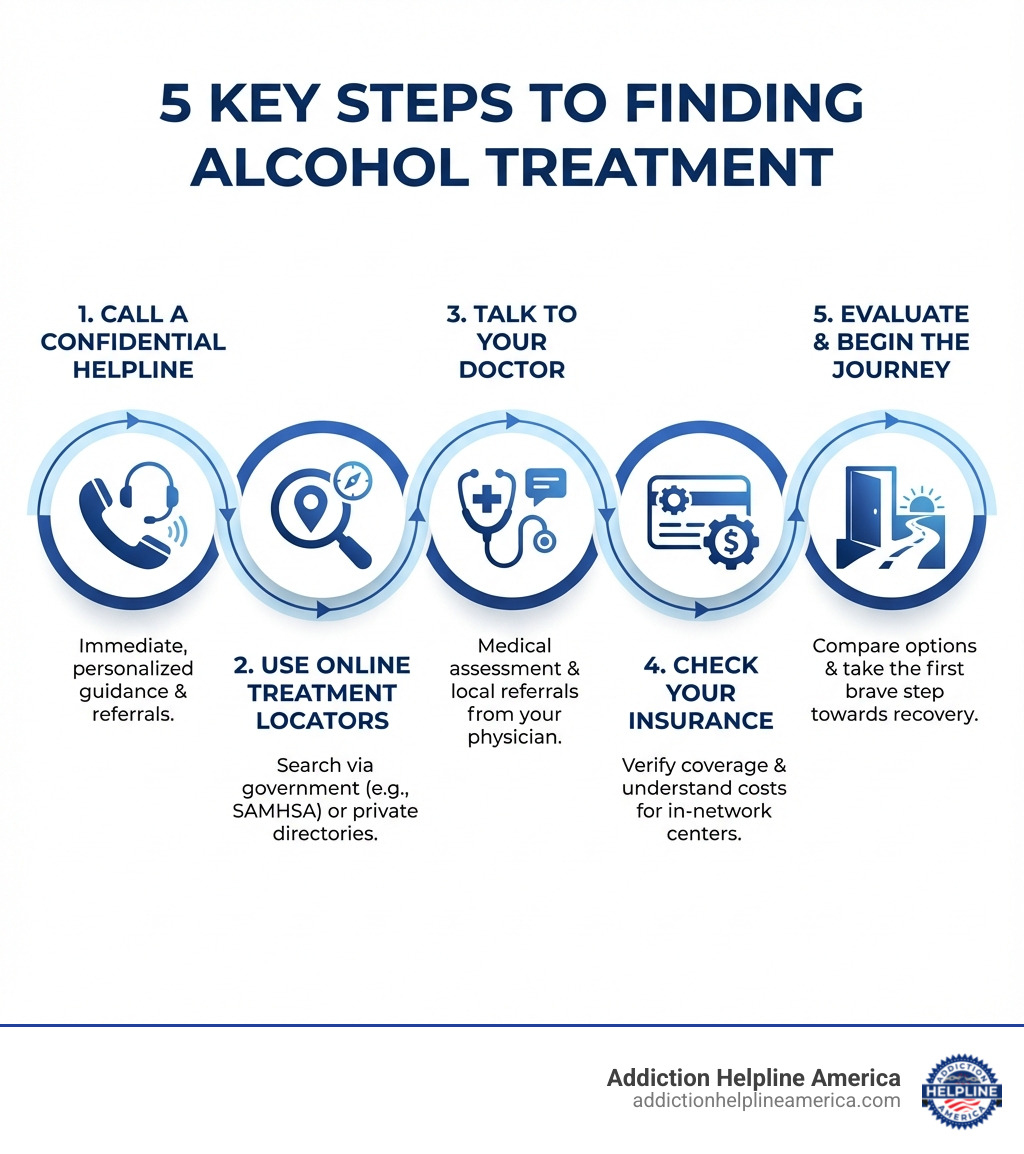
Here’s how to quickly find an alcohol treatment center near you:
- Call a confidential helpline: Services like Addiction Helpline America can offer immediate, personalized guidance and referrals.
- Use online treatment locators: Websites from government agencies (like SAMHSA in the US) or private directories list facilities by location.
- Talk to your doctor: Your family doctor can assess your needs and provide local referrals.
- Check your insurance: Contact your insurance provider to understand coverage for treatment centers in your area.
Recovery from alcohol addiction is within reach. This guide will help you understand your options and connect with the care you need.
Addiction Helpline America is dedicated to helping individuals and families find healing. Our experienced team has guided countless people to the right alcohol treatment center near me, providing compassionate and confidential support every step of the way. We understand the challenges and are here to help you steer them.
Recognizing that there’s a problem is often the hardest, yet most courageous, first step. You are absolutely not alone in this. Millions of people across the United States experience challenges with addiction or mental health at some point in their lives. The good news is that effective help is available, and a life of recovery is entirely possible. If you’re ready to explore options, our guide on Help for Alcoholics offers further insights into available support.
Recognizing the Signs It’s Time for Help
Sometimes, it’s difficult to tell if alcohol use has crossed the line into a problem that requires professional intervention. Here are some common signs that indicate it might be time to seek help from an alcohol treatment center near me:
- Behavioral signs: You find yourself drinking more than intended, or for longer periods. You continue to drink despite negative consequences, or you’ve tried to cut down or stop but haven’t been able to. You spend a lot of time obtaining, using, or recovering from alcohol.
- Physical symptoms: You experience withdrawal symptoms when you stop drinking, such as tremors, nausea, sweating, or anxiety. You might develop a tolerance, needing more alcohol to feel the same effects.
- Social and relationship problems: Alcohol use causes issues with family, friends, or romantic partners. You might withdraw from social activities you once enjoyed, preferring to drink alone or with others who enable your drinking.
- Neglecting responsibilities: Your alcohol use interferes with your work, school, or home responsibilities. Missed deadlines, poor performance, or legal issues related to drinking become more frequent.
- Failed attempts to quit on your own: You’ve made sincere efforts to reduce or stop drinking but haven’t been successful. This often indicates a deeper physical and psychological dependence that benefits from professional support.
If any of these signs resonate with you or a loved one, it’s a strong indicator that professional help from an alcohol treatment center near me could be beneficial.
Types of Alcohol Treatment Programs
When you’re ready to seek help, you’ll find a variety of alcohol treatment programs designed to meet different needs and severity levels. These programs often combine various therapies and support systems to foster lasting recovery.
- Medical Detox: This is often the first step, especially for individuals with significant physical dependence on alcohol. Medical detox provides a safe, supervised environment where withdrawal symptoms are managed with medication and medical care. This is crucial because alcohol withdrawal can be dangerous, even life-threatening, if not properly monitored.
- Inpatient/Residential Treatment: In these programs, individuals live at the treatment facility for a period, typically ranging from 30 to 90 days or more. It offers an immersive, structured environment away from triggers and distractions. Therapy, counseling, educational sessions, and support groups are integral parts of inpatient care.
- Outpatient Programs: These programs allow individuals to live at home while attending treatment sessions at a facility. They vary in intensity:
- Partial Hospitalization Programs (PHPs): Offer a high level of care, similar to inpatient treatment, but without an overnight stay. Patients attend treatment for several hours a day, multiple days a week.
- Intensive Outpatient Programs (IOPs): Provide a step down in intensity from PHPs, with fewer hours per week. These are ideal for those who need significant support but also have work, school, or family responsibilities. Hazelden Betty Ford, for instance, highlights how virtual IOPs can improve participation rates due to their convenience, making treatment accessible even for those with mobility challenges or living far from a physical clinic.
- Standard Outpatient Programs: Offer the least intensive level of care, typically one or two sessions per week, suitable for individuals with milder substance use disorders or as a step-down from more intensive programs.
- Medication-Assisted Treatment (MAT): This approach combines FDA-approved medications with counseling and behavioral therapies. Medications like Naltrexone, Acamprosate, and Disulfiram can help reduce cravings, manage withdrawal symptoms, and prevent relapse. As one testimonial noted, MAT is not “trading one addiction for another,” but rather a distinct treatment approach addressing medical dependence.
- Integrated Care for Co-Occurring Mental Health Concerns: Many people struggling with alcohol addiction also face co-occurring mental health disorders like anxiety, depression, or PTSD. Effective treatment often involves an integrated approach, where both conditions are addressed simultaneously by a multidisciplinary team. Centers like UF Health Florida Recovery Center and Ogden Regional ACT emphasize treating co-occurring mental health disorders alongside substance use disorders for more effective, long-term sobriety.
Inpatient vs. Outpatient: What’s the Difference?
Choosing between inpatient and outpatient care is a significant decision. Both have their advantages, and the best choice depends on your individual needs, the severity of your addiction, your support system, and other life circumstances.
| Feature | Inpatient Treatment | Outpatient Treatment |
|---|---|---|
| Environment | Live at the treatment facility, 24/7 supervision. | Live at home, attend sessions at a facility. |
| Intensity | Highly structured, immersive, daily therapeutic activities. | Structured sessions, but more flexibility, fewer hours. |
| Flexibility | Limited flexibility, full commitment to the program. | High flexibility, allows for work, school, family duties. |
| Ideal Candidate | Severe addiction, unstable home, co-occurring disorders, risk of severe withdrawal. | Milder addiction, stable home, strong support system, need to maintain responsibilities. |
Inpatient treatment provides a complete immersion into recovery, removing you from daily triggers and temptations. It offers a safe, controlled environment with constant medical and therapeutic support. This level of structure is particularly beneficial for those with severe alcohol use disorder, a history of dangerous withdrawal symptoms, or an unstable home environment.
Outpatient programs, on the other hand, offer flexibility. They allow you to continue living at home, working, attending school, and caring for your family while receiving treatment. This can be ideal if you have a strong support system, a less severe addiction, or if you’re transitioning from an inpatient program. Virtual IOPs, as highlighted by Hazelden Betty Ford, further improve this flexibility, making treatment accessible regardless of geographical barriers.
The goal is to find the level of care that provides the best opportunity for lasting recovery. We can help you explore these options and determine which path is right for you.
A Step-by-Step Guide to Finding an Alcohol Treatment Center Near Me

Finding the right alcohol treatment center near me can feel like a daunting task, but it doesn’t have to be. With a methodical approach, you can reduce stress and confidently choose a facility that meets your unique needs. There are many paths to finding help, and we’re here to guide you through them.
1. Start with a Professional Consultation
Your journey to recovery can often begin with a trusted medical professional. Talking to your family doctor, a primary care physician, or a therapist is an excellent first step. They can:
- Assess your medical needs: They can evaluate the severity of your alcohol use disorder, identify any co-occurring physical or mental health conditions, and determine if medical detox is necessary.
- Provide referrals: Your doctor can offer recommendations for reputable alcohol treatment center near me or specialists in your area. They often have networks of trusted providers.
- Offer initial support: They can discuss immediate steps you can take, provide resources, and help you understand the various treatment options available.
A professional evaluation ensures that any underlying health issues are identified and addressed, setting a strong foundation for your recovery.
2. Use Trusted Online Resources and Helplines
The internet offers a wealth of information, but it’s important to use trusted sources to find an alcohol treatment center near me.
- Addiction Helpline America: Our website provides resources and treatment locator tools to help you steer your options. We connect individuals nationwide to addiction and mental health treatment centers, offering personalized guidance.
- SAMHSA National Helpline & FindTreatment.gov: The Substance Abuse and Mental Health Services Administration (SAMHSA) offers a national helpline and an online locator tool at FindTreatment.gov. This is an official U.S. government resource that can help you locate substance use treatment facilities.
- 988 Suicide & Crisis Lifeline: In a crisis, if you or someone you know is in immediate danger or thinking of suicide, please call or text 988 Suicide & Crisis Lifeline immediately. This national network provides free, confidential support 24/7.
- State or Local Health Department Websites: Many state and local government health department websites (such as those in Alaska like health.alaska.gov) offer directories or links to local treatment providers and support services. These can be valuable for finding an alcohol treatment center near me within your specific state or city.
Our service at Addiction Helpline America is free and confidential, designed to make your search easier.
3. Contact Your Insurance Provider
Understanding how your insurance covers addiction treatment is a crucial step in finding an alcohol treatment center near me. Don’t let potential costs deter you; many facilities accept major insurance plans, which can significantly reduce or eliminate out-of-pocket expenses.
- Request a list of in-network facilities: Contact your insurance provider directly (the phone number is usually on your insurance card) and ask for a list of alcohol treatment centers that are in their network.
- Understand your benefits and coverage: Inquire about what types of addiction treatment are covered (e.g., detox, inpatient, outpatient, MAT), the duration of coverage, and any limitations.
- Clarify co-pays and deductibles: Understand what your financial responsibility will be, including co-payments, deductibles, and out-of-pocket maximums.
- Free Insurance Verification: Many treatment centers, including those we work with like Oxford Treatment Center and UF Health Florida Recovery Center, offer free insurance verification services. This can help you quickly understand your benefits without obligation.
4. Call a Confidential Helpline for Personalized Guidance
When the search feels overwhelming, a confidential helpline can be your most valuable resource. At Addiction Helpline America, we offer free, personalized guidance to help you find the right alcohol treatment center near me.
- Speak with a specialist: Our compassionate and knowledgeable specialists are available to listen to your needs, answer your questions, and understand your unique situation.
- Get personalized, no-obligation recommendations: Based on your specific requirements (location, type of program, insurance, budget, and personal preferences), we can provide custom recommendations from our vast network of trusted treatment centers across the country, including those in Alabama, Alaska, Arizona, California, Florida, Missouri, New York, Texas, Utah, and many more of our service locations.
- For immediate assistance, call our team at 844-561-0606. We are here to simplify the process and connect you with the support you need, often with just one phone call.
Vetting Your Choices: What Makes a Great Treatment Center?
Once you have a list of potential facilities, it’s time to vet your choices. Not all centers are created equal, and asking the right questions ensures you find quality care that aligns with your needs and values. This step is critical to finding an alcohol treatment center near me that will genuinely support your recovery journey.
Key Questions to Ask an Alcohol Treatment Center Near Me
When evaluating an alcohol treatment center near me, consider asking the following questions:
- Accreditation and Licensing: Is the facility fully licensed by the state? Is it accredited by recognized national bodies? Look for accreditation from trusted bodies like The Joint Commission. The Joint Commission Gold Seal of Approval is a visible demonstration of a commitment to safe, high-quality care. Other accreditations like CARF (Commission on Accreditation of Rehabilitation Facilities) also indicate adherence to quality standards. Centers like UF Health Florida Recovery Center and Oxford Treatment Center highlight their Joint Commission accreditation.
- Evidence-Based Therapies: Does the center use therapies proven to be effective in treating alcohol addiction? These often include Cognitive Behavioral Therapy (CBT), Dialectical Behavior Therapy (DBT), motivational interviewing, and other behavioral therapies. Ogden Regional ACT, for example, emphasizes evidence-based programming.
- Staff Qualifications: What are the qualifications and experience levels of the clinical staff (doctors, nurses, therapists, counselors)? A multidisciplinary team, including addictionologists, nurses, and licensed therapists, is a positive sign, as seen at Ogden Regional ACT, UF Health Florida Recovery Center, and Oxford Treatment Center.
- Personalized Treatment Plans: Will they create an individualized treatment plan custom to your specific needs, history, and co-occurring conditions? A one-size-fits-all approach is rarely effective for addiction.
- Family Involvement: Does the center offer programs or resources for family involvement? Addiction impacts the entire family, and family therapy or support programs can be vital for healing and building a strong support system. Oxford Treatment Center, for instance, emphasizes structured family programming.
Navigating Cost, Insurance, and Program Duration
Understanding the financial aspects and time commitment is a practical consideration when choosing an alcohol treatment center near me.
- Publicly Funded and Private Treatment Options: In the US, while there isn’t a national Medicare system like in Canada, some publicly funded programs exist, particularly through state and local government initiatives, often for low-income individuals or specific populations. However, many individuals use private treatment centers, which may offer more immediate access and specialized services.
- Using Insurance to Cover Costs: As mentioned, most major health insurance providers (e.g., Aetna, Blue Cross Blue Shield, Cigna, Humana) are accepted by many facilities, significantly reducing or eliminating costs. Always verify your specific coverage.
- Payment Plans and Financing Options: If you have limited or no insurance coverage, many centers offer flexible payment plans, sliding scale fees, or can help you explore financing options. Don’t let cost be a barrier to seeking help; discuss all possibilities with the admissions team.
- Internal Resources: For more specific information about program lengths and what might be covered, you can also explore our 30 Day Rehab Near Me Guide.
What is the Typical Duration of an Alcohol Treatment Center Near Me?
The duration of an alcohol treatment program can vary widely depending on individual needs, the severity of the addiction, and the type of program.
- Short-term (30 days): Many inpatient programs offer a 30-day option, which can be a good starting point for stabilization and initial therapy.
- Long-term (60-90+ days): Research consistently shows that longer stays often lead to better outcomes. Studies, such as those cited by American Addiction Centers, support that three or more months of treatment significantly improve the chances of long-term sobriety. This extended time allows for deeper therapeutic work, skill-building, and integration of recovery principles. Our How Long Inpatient Alcohol Rehab Guide provides more detailed insights into program lengths.
Treatment is not a race; it’s a marathon. The goal is to provide enough time and support to build a solid foundation for lasting recovery.
The Journey to Lifelong Recovery
Entering an alcohol treatment center near me is a monumental step, but it’s just the beginning of a lifelong journey. Treatment provides the tools and foundation, but sustained recovery requires ongoing commitment, preparation, and continuous support. A new beginning is within reach, and we are here to support you every step of the way.
Preparing for Your Stay
Once you’ve chosen an alcohol treatment center near me and secured your spot, preparing for your stay can ease the transition.
- What to pack: Most centers will provide a list of approved items. Generally, comfortable clothing, basic toiletries (alcohol-free), books, a journal, and any prescribed medications (in their original containers) are acceptable.
- What to leave behind: Facilities often have strict rules about prohibited items, such as alcohol-based products (mouthwash, hand sanitizer), aerosols, homemade food, weapons, and certain electronics. As noted by the Betty Ford Center, even items like kombucha or energy drinks might be restricted. Always check the specific facility’s guidelines.
- Arranging work and family responsibilities: Before entering treatment, make arrangements for work leave, childcare, pet care, and any other essential responsibilities. Communicating with your employer about medical leave can often be done confidentially.
- Setting a positive mindset for recovery: Prepare yourself mentally for the immersive experience. Be open to learning, willing to engage in therapy, and ready to accept the changes necessary for a healthier life.
The Importance of Family and Aftercare
Recovery is rarely a solitary endeavor. The involvement of family and a robust aftercare plan are crucial for long-term success.
- Family therapy programs: Many treatment centers, including UF Health Florida Recovery Center and Ogden Regional ACT, recognize the profound impact addiction has on families. They offer family therapy, educational sessions, and support groups to help loved ones understand addiction, heal from its effects, and learn how to best support the recovering individual.
- Building a sober support network: Connecting with others in recovery through 12-step programs (like AA) or other peer support groups is invaluable. These networks provide understanding, accountability, and encouragement.
- Aftercare planning before you leave treatment: A comprehensive aftercare plan is developed before you complete your primary treatment program. This plan outlines strategies for maintaining sobriety and addressing potential challenges post-rehab. American Addiction Centers emphasizes that aftercare is essential for sustained recovery.
- Sober living homes: For some, transitioning from residential treatment to a sober living environment provides a structured, supportive bridge back to independent living. These homes offer a safe, drug-free environment with peer support.
- Alumni programs: Many treatment centers have active alumni programs that offer ongoing connection, events, and support, fostering a sense of community and continued growth. UF Health Florida Recovery Center, for example, highlights its alumni network.
- Ongoing support groups: Regular attendance at support group meetings (such as AA or SMART Recovery) is a cornerstone of long-term recovery, providing continued guidance and a sense of belonging.
Conclusion: Your Hopeful Future Starts Today
Recovery is a journey, not a destination. It’s a continuous process of growth, learning, and self-findy. Taking action and reaching out for help is the most powerful step you can take towards reclaiming your life and building a hopeful future. You possess the inherent strength and resilience to overcome alcohol addiction and create a new, fulfilling life.
We understand the courage it takes to seek help, and we are here to support you. For free, confidential help finding the right program for your unique situation, call Addiction Helpline America at 844-561-0606 or explore our network of alcohol addiction rehab centers. Your hopeful future starts today.