Understanding Your Options for Drug Treatment Centers in Alabama
Drug treatment centers in Alabama offer comprehensive care for individuals and families affected by substance use disorders. If you’re seeking immediate help, here’s what you need to know:
Quick Facts About Alabama Treatment Centers:
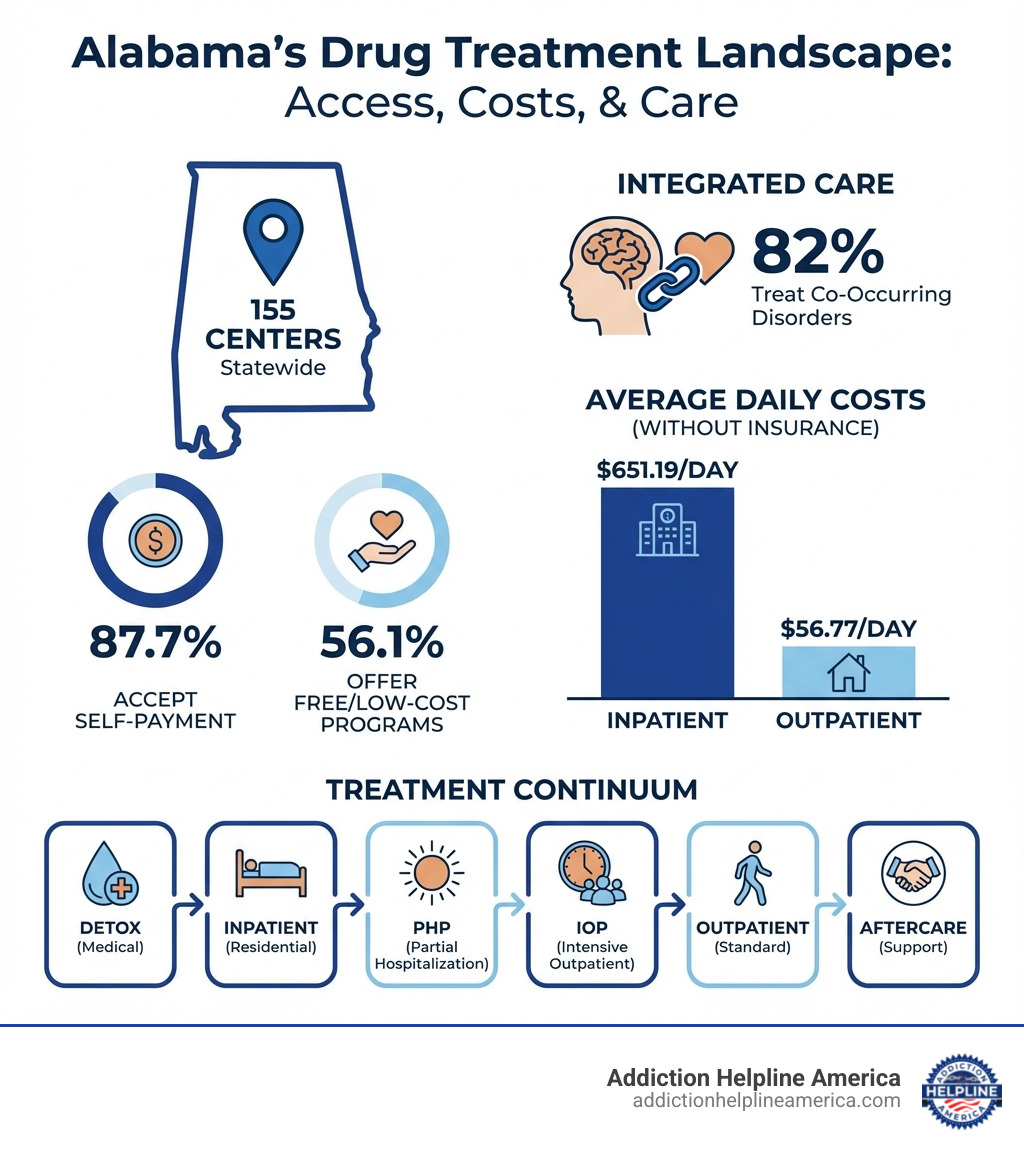
- 155 treatment centers operate across Alabama, with most located in Jefferson, Mobile, and Madison counties
- 87.7% accept cash or self-payment for those without insurance
- 56.1% offer low-cost or free programs based on income
- 82% treat co-occurring mental health disorders alongside addiction
- Average costs: $651.19/day for inpatient care, $56.77/day for outpatient care (without insurance)
- Insurance widely accepted: 69% accept Medicaid, 63.2% accept private insurance, 39.4% accept Medicare
Treatment levels available: Medical detox, inpatient residential, partial hospitalization (PHP), intensive outpatient (IOP), standard outpatient, and aftercare support.
Finding the right treatment can feel overwhelming when you or someone you love is struggling with addiction. You may be unsure where to start, worried about costs, or simply desperate for answers. The good news is that Alabama offers a wide range of accessible treatment options, from state-funded programs to specialized care for specific populations like veterans, women, and young adults.
At Addiction Helpline America, we’ve helped thousands of individuals and families steer their recovery journey by connecting them with the right drug treatment centers in Alabama that match their unique needs and circumstances. Our free, confidential service at 844-561-0606 is available 24/7 to guide you through every step of finding effective treatment.
Drug treatment centers in alabama definitions:
Resource #1: A Spectrum of Care – Understanding Treatment Program Types
When facing addiction, understanding the different types of care available is the first step toward healing. Think of it like building a house: you need a strong foundation, then the walls, the roof, and finally, the finishing touches. Addiction treatment follows a similar continuum, offering various levels of support designed to meet you where you are and guide you toward lasting recovery. Our goal at Addiction Helpline America is to help you find the individualized treatment plan that’s the perfect fit for your unique needs.

Types of Substance Abuse Programs in Alabama
Drug treatment centers in Alabama offer a comprehensive array of programs, each custom to different stages and severities of addiction. These programs are designed to provide a continuum of care, ensuring that individuals receive the appropriate level of support as they progress in their recovery journey.
- Medical Detoxification: This is often the critical first step for many individuals. Medical detox provides a safe, supervised environment where the body can cleanse itself of substances. Withdrawal symptoms can be severe and even life-threatening, so having medical professionals on hand to manage these symptoms with medication and support is crucial. Facilities like Bradford Health Services offer on-site medical detox services, providing a secure and supportive start to recovery.
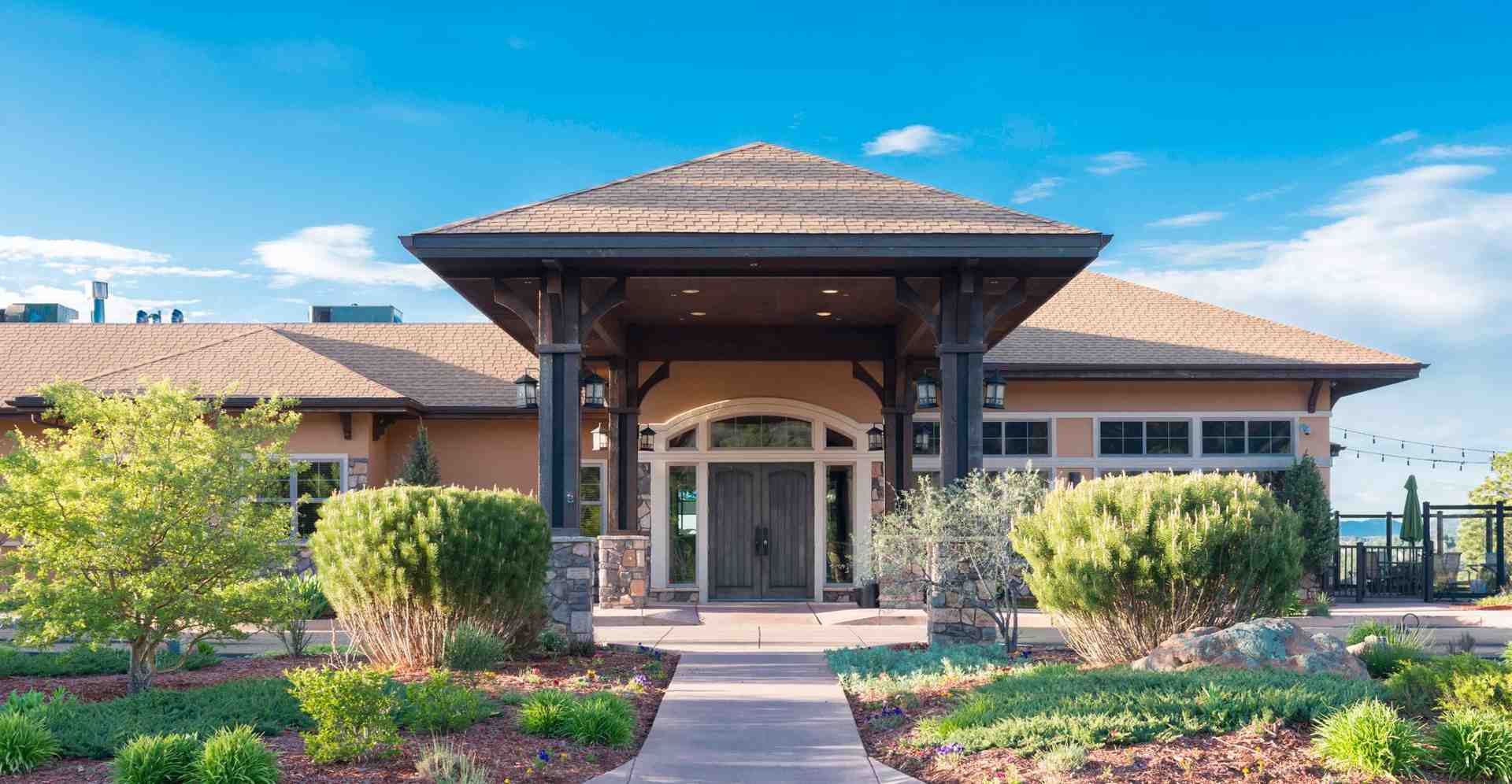
- Inpatient Residential Rehab: For those requiring a highly structured and immersive environment, inpatient residential programs offer 24/7 care. Patients live at the facility, removing themselves from triggers and daily stressors to focus entirely on their recovery. This level of care provides intensive therapy, counseling, and medical supervision. Facilities like Bradford Health Services Warrior Campus provide a tranquil setting with a focus on community and holistic healing.
- Partial Hospitalization Programs (PHP): Often considered a step down from inpatient care, PHP offers intensive treatment during the day, typically five days a week, while allowing patients to return home or to a sober living environment at night. This provides a balance of structured therapy and the ability to begin reintegrating into daily life.
- Intensive Outpatient Programs (IOP): IOPs provide a more flexible schedule than PHP, with treatment sessions held a few times a week for several hours. This allows individuals to maintain work, school, or family commitments while still receiving significant therapeutic support.
- Outpatient Programs (OP): Standard outpatient programs offer the least intensive level of care, typically consisting of weekly therapy sessions and support groups. This is often suitable for individuals with mild addiction, a strong support system, or as a long-term aftercare component. Many state-funded providers contract with community-based entities to offer these services across Alabama.
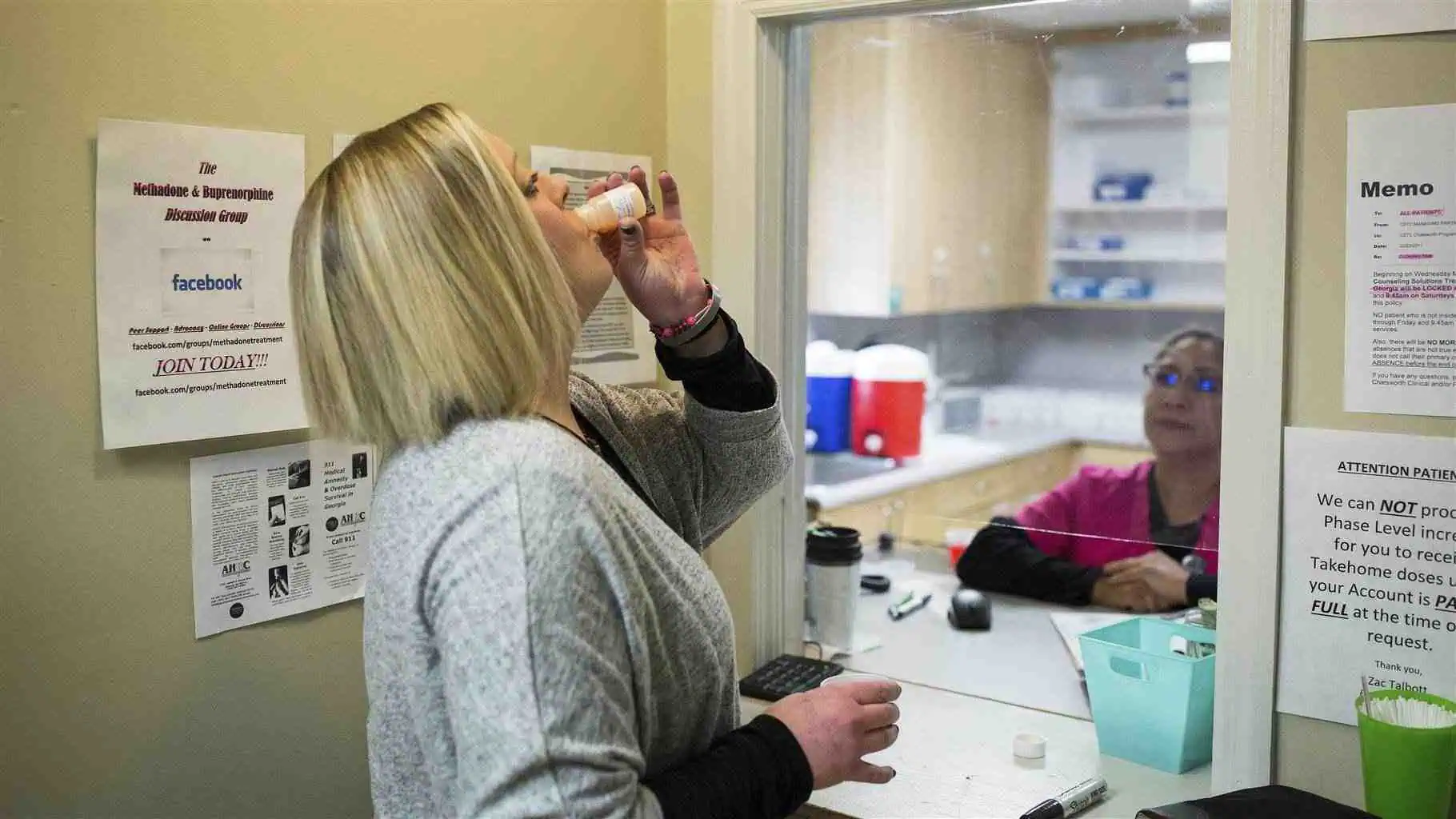
- Medication-Assisted Treatment (MAT): MAT combines behavioral therapy with FDA-approved medications to treat substance use disorders, particularly opioid addiction. Medications like buprenorphine, methadone, and naltrexone help manage cravings and withdrawal symptoms, improving treatment outcomes. The Alabama Department of Mental Health (ADMH) oversees 21 certified Opioid Treatment Programs (OTPs) in the state, and centers like BHG Tuscaloosa Treatment Center integrate MAT into their comprehensive recovery plans. MAT is a powerful tool in conjunction with counseling.
These various program types ensure that whether you need intensive, round-the-clock care or a more flexible approach, there’s a treatment option for you. For more information on the wide range of treatment services available, please visit our dedicated page: More info about treatment services.
Typical Duration of Treatment
The length of addiction treatment is not a one-size-fits-all answer; it’s a deeply personal journey. While some programs are structured around common durations like 30, 60, or 90 days, the most effective approach is always individualized. The “right” duration depends on a comprehensive assessment of your specific needs, the severity of your addiction, any co-occurring mental health conditions, and your response to treatment.
For example, a 30-day program might be an excellent starting point for stabilization and initial therapy, providing a strong foundation. However, many individuals benefit significantly from longer stays, such as 60 or 90 days, which allow for deeper therapeutic work, skill-building, and relapse prevention strategies. Some facilities, like Bradford Health Services, offer extended care and long-term rehab options, understanding that chronic diseases like addiction often require sustained support.
After completing a primary treatment program, aftercare planning becomes crucial. This can include continued outpatient therapy, participation in support groups, sober living arrangements, and ongoing case management. The goal is to equip you with the tools and support system needed for long-term recovery, recognizing that recovery is a marathon, not a sprint. We are here to help you understand these options and determine the path that offers you the best chance for lasting change.
Resource #2: Financial Pathways to Recovery – Costs, Insurance, and Free Options
One of the most significant concerns for individuals and families seeking help is often the cost of treatment. It’s a natural worry, but we want to assure you that financial barriers should never prevent someone from accessing life-saving care. In Alabama, there are numerous options to make treatment affordable, from utilizing insurance to accessing free or low-cost programs. Investing in your health, or the health of a loved one, is one of the most crucial decisions you can make.

The Average Cost of Rehab in Alabama
The cost of addiction treatment in Alabama can vary widely based on the type of program, its duration, the specific services offered, and the amenities provided. However, we have some clear statistics to help you understand what to expect:
- Average Inpatient Cost: For Alabama residents without insurance coverage, a 30-day inpatient stay averages around $651.19 per day.
- Average Outpatient Cost: For a 30-day outpatient program without insurance, the average cost for Alabama residents is approximately $56.77 per day.
These figures highlight that residential care, due to its immersive nature, medical supervision, and comprehensive services, naturally carries a higher price tag than outpatient options. Factors influencing the total price include specialized therapies, luxury amenities, individual vs. group counseling ratios, and the facility’s location.
To give you a clearer picture, here’s a table comparing estimated 30-day costs:
| Program Type | Cost per Day (No Insurance) | Total 30-Day Cost (No Insurance) | Total 30-Day Cost (60% Insurance Coverage) | Total 30-Day Cost (80% Insurance Coverage) |
|---|---|---|---|---|
| Inpatient | $651.19 | $19,535.70 | $7,814.28 | $3,907.14 |
| Outpatient | $56.77 | $1,703.10 | $681.24 | $340.62 |
Note: These are average estimates, and actual costs will vary by facility and individual treatment plan.
Using Insurance for Addiction Treatment
The good news is that many drug treatment centers in Alabama accept health insurance, significantly reducing out-of-pocket expenses. Thanks to the Mental Health Parity and Addiction Equity Act, most insurance plans are required to cover mental health and substance use disorder treatment services at the same level as medical and surgical benefits.
Here’s a breakdown of insurance acceptance rates in Alabama:
- Private Health Insurance: Accepted at 63.2% of treatment centers. Many facilities, including Bradford Health Services and Longleaf Recovery & Wellness, work with major private insurers like Blue Cross Blue Shield, United Healthcare, Humana, Aetna, and Cigna.
- Medicaid: Accepted by 69% of Alabama rehab facilities, making it a crucial resource for low-income individuals.
- Medicare: Accepted at 39.4% of Alabama rehabs, providing coverage for eligible seniors and individuals with disabilities.
- Other State-Financed Health Plans: Accepted at 29% of Alabama centers.
- Federal Military Insurance (TRICARE): Accepted by 38.1% of facilities, offering support for service members, veterans, and their families.
Verifying your insurance benefits is a vital step. Coverage can vary widely based on your specific plan, deductible, and out-of-pocket maximums. We can help you steer this process. For a free and confidential insurance verification, call us at 844-561-0606. We’ll help you understand your coverage and connect you with drug treatment centers in Alabama that accept your plan.
Finding Drug Treatment Centers in Alabama Without Insurance
If you don’t have insurance, please know that recovery is still absolutely within reach. Alabama has made significant efforts to ensure that financial limitations do not become a barrier to treatment.
- Cash or Self-Payment: A remarkable 87.7% of treatment facilities in Alabama accept cash or self-payment. This means you can often work directly with centers to discuss payment plans or financing options.
- Sliding-Scale Fees: Over half (55.5%) of Alabama treatment centers offer sliding-scale fees. This means the cost of treatment is adjusted based on your income and ability to pay, making care much more accessible.
- Low-Cost or Free Programs: Perhaps most importantly, 56.1% of treatment centers in the state offer low-cost or free rehab programs. These are often supported by state funding or grants.
- State-Funded Resources: The Alabama Department of Mental Health (ADMH) plays a pivotal role in regulating Alabama’s public substance use services delivery system. While ADMH doesn’t operate programs directly, they contract with community-based entities across 59 of Alabama’s 67 counties. These state-funded providers offer services on a sliding fee scale, often resulting in low or no-cost services for individuals with low income. Pregnant women, for instance, have priority admission to all certified treatment providers and face no admission fees. You can find more information on these vital state services at the Alabama Department of Mental Health website.
We understand that seeking help can feel daunting, especially when thinking about costs. But with so many options available, including free and confidential guidance from Addiction Helpline America, you don’t have to face this alone.
Resource #3: Specialized Programs for Unique Needs
Addiction doesn’t discriminate, but the path to recovery often benefits from customization. Just as each person’s journey into addiction is unique, so too should their journey out of it be. Many drug treatment centers in Alabama recognize this and offer specialized programs custom to specific demographics or professional groups. These programs create a more understanding and supportive environment, fostering a sense of community among peers who share similar life experiences or challenges.
Treatment for Specific Demographics
Finding a program that understands your unique life circumstances can significantly improve your chances of long-term recovery. Alabama offers a variety of specialized treatment options:
- Women-Only Programs: These programs provide a safe and supportive space for women to address addiction, often focusing on issues specific to women, such as trauma, domestic violence, parenting, and co-occurring mental health conditions. Examples in Alabama include A Woman’s Place (an Indian Rivers affiliate), NewLife for Women in Gadsden, The Lovelady Center, Olivia’s House, and A Reprieve for Women in Tuscaloosa. These centers often allow children to accompany mothers to treatment, removing a significant barrier for many women.
- Veterans Programs: Our military veterans often face unique challenges, including PTSD, military sexual trauma, and chronic pain, which can contribute to substance use. Specialized programs, such as the Veterans Recovery Program offered by Bradford Health Services, provide care that understands these specific experiences and offers custom therapeutic approaches.
- Young Adult Programs: Addiction can manifest differently in young adults (ages 18-25), who are often navigating critical developmental stages. Programs designed for this age group, like those at Bradford Health Services, focus on age-appropriate therapies, life skills development, and peer support to help young individuals build a foundation for a healthy future.
- Faith-Based Recovery: For many, spirituality is a cornerstone of healing. Faith-based programs integrate spiritual principles and practices into the recovery process. The Foundry Ministries and Bradford’s “Steps of Faith” program are examples of centers in Alabama that offer this type of support, combining clinical treatment with a spiritual awakening.
- LGBTQ+ Affirming Care: Creating an inclusive and affirming environment is crucial for individuals from the LGBTQ+ community, who may face unique stressors and discrimination that impact their mental health and lead to substance use. While not explicitly listed for specific centers in the provided research, many progressive treatment centers strive to offer culturally competent and affirming care for LGBTQ+ individuals.
- Programs for Families and Loved Ones: Addiction impacts the entire family system. Many treatment centers offer family therapy, educational programs, and support groups to help families heal, learn about addiction, and develop healthy coping mechanisms. Bradford Health Services, for example, emphasizes family programs as part of its continuum of care.
Court-Ordered Rehab and Professional Programs
Sometimes, the journey to treatment begins through external mandates, such as court orders or professional licensing requirements. Drug treatment centers in Alabama are equipped to meet these needs, offering structured programs that satisfy legal or professional obligations while providing genuine paths to recovery.
- Court-Ordered Rehab: Individuals involved with the legal system may be mandated to attend addiction treatment. Facilities can provide the necessary documentation and structured environment to fulfill these requirements, often integrating treatment with re-entry programs to support successful reintegration into society.
- Programs for Healthcare Professionals and Business Executives: Professionals in demanding fields, such as healthcare or business, face unique pressures and potential risks for addiction. Specialized programs, like those offered by Bradford Health Services, provide confidential and discreet treatment that addresses professional stressors, burnout, and career-specific challenges, often with an emphasis on maintaining licensure or professional standing.
- Re-entry Programs: For individuals transitioning from incarceration or other structured environments, re-entry programs help bridge the gap between treatment and independent living. These programs often focus on skill-building, employment counseling, housing assistance, and developing a supportive network to prevent relapse.
These specialized programs underscore the understanding that effective recovery often means addressing the individual within their broader life context. We can help you explore these options and connect you with a program that truly aligns with your background and needs.
Resource #4: Pillars of Support – Co-Occurring Disorders and Peer Groups
Addiction is rarely a solitary battle. Often, it walks hand-in-hand with other mental health challenges, and true healing requires addressing both simultaneously. Furthermore, the power of shared experience and community support cannot be overstated. In Alabama, treatment centers and community resources are committed to holistic healing, treating the whole person, and building strong, sober networks for long-term recovery.
Addressing Co-Occurring Mental Health Disorders
It’s a common misconception that addiction exists in a vacuum. In reality, substance use disorders frequently co-occur with mental health conditions like anxiety, depression, PTSD, and bipolar disorder. This is known as a “dual diagnosis,” and addressing both conditions concurrently is crucial for effective and lasting recovery.
We are encouraged to see that 82% of Alabama rehab programs treat co-occurring mental health disorders. This high percentage indicates a strong commitment within the state’s treatment community to an integrated treatment approach. This means that when you enter a program, you won’t just receive therapy for your substance use; you’ll also be screened, assessed, and provided with services for any underlying or co-existing mental health issues. For example, centers like Longleaf Recovery & Wellness offer integrated treatment for substance misuse and mental health conditions, including trauma, anxiety, depression, and PTSD, understanding that these are intertwined. BHG Treatment Centers also highlight their commitment to diagnosing and treating co-occurring issues like depression alongside addiction.
This integrated care leads to better outcomes because it addresses the root causes and triggers that often fuel addiction. For additional support and resources related to mental health, we highly recommend reaching out to NAMI Alabama, the National Alliance on Mental Illness. They offer valuable groups and resources for individuals and families struggling with mental health issues.
The Role of 12-Step and Peer Support Groups
Community and connection are powerful forces in recovery. Peer support groups, especially those built on the 12-step philosophy, form a vital pillar of long-term sobriety. These programs provide a framework for personal growth, self-reflection, and mutual support.
- 12-Step Facilitation: Many drug treatment centers in Alabama integrate 12-step principles into their therapeutic models. Impact Recovery Center, for instance, is highly praised for its immersive 12-step education, emphasizing a spiritual awakening and connecting with a higher power as core components of recovery. Bradford Health Services also combines 12-step principles with innovative clinical methods. These programs provide a structured path for individuals to confront their addiction, make amends, and develop a new way of life.
- Peer Support Groups: Beyond formalized 12-step programs, various peer support groups offer ongoing fellowship, accountability, and a safe space to share experiences. These groups foster a sense of belonging and remind individuals that they are not alone in their struggles. They are crucial for maintaining sobriety after formal treatment concludes, providing a continuous network of support.
- Alcoholics Anonymous (AA): A 12-step support group focused on helping people recover from alcohol issues.
- Narcotics Anonymous (NA): A 12-step support group for individuals with a variety of drug addictions.
- SMART Recovery (Self-Management and Recovery Training): This program offers a science-based approach to recovery, focusing on self-empowerment and cognitive behavioral techniques.
- Dual Diagnosis Anonymous (DDA): Specifically designed for individuals managing both substance use and mental health disorders.
These groups are widely available across Alabama and are an invaluable part of aftercare planning. They offer a living, breathing community that understands your journey, celebrates your successes, and supports you through challenges. This blend of professional treatment and peer support is what often makes long-term recovery not just possible, but sustainable and fulfilling.
Resource #5: Your Personal Roadmap – How to Find the Right Drug Treatment Centers in Alabama
Making the decision to seek help is monumental. It’s a courageous step towards reclaiming your life. Now comes the practical part: navigating the landscape of drug treatment centers in Alabama to find the one that’s truly right for you. This isn’t just about finding any center; it’s about finding the best center for your specific needs, preferences, and circumstances. Your path to recovery starts now, and we’re here to help you draw that roadmap. Call us at 844-561-0606 to speak with a treatment specialist who can provide personalized guidance.
Steps to Finding the Best Drug Treatment Centers in Alabama
Finding the perfect fit can seem overwhelming, but by breaking it down into manageable steps, you can confidently choose a program that sets you up for success.
- Initial Assessment: The first and most crucial step is to undergo a comprehensive assessment. This evaluation will help determine the severity of your substance use disorder, identify any co-occurring mental health conditions, and assess your physical health. This information is vital for recommending the most appropriate level of care.
- Determining the Right Level of Care: Based on your assessment, you’ll need to decide whether medical detox, inpatient, PHP, IOP, or outpatient treatment is best for your current situation. The goal is to find the least restrictive environment that can still provide effective care.
- Researching Facility Credentials: Look for centers with strong accreditations. These signify adherence to high standards of care and ethical practices. Key accreditations include:
- The Joint Commission: A national healthcare accrediting body (e.g., Bradford Health Services).
- CARF (Commission on Accreditation of Rehabilitation Facilities): Ensures excellence in rehabilitation programs.
- SAMHSA (Substance Abuse and Mental Health Services Administration): Especially for Opioid Treatment Programs (OTPs).
- LegitScript: Verifies that online healthcare providers comply with regulations.
State licensing from the Alabama Department of Mental Health is also a must-have.
- Verifying Insurance and Costs: As discussed, costs vary, but many options exist. Contact facilities to confirm they accept your insurance (if applicable) or inquire about sliding-scale fees, payment plans, or state-funded options. Our free insurance verification service at Addiction Helpline America can streamline this for you.
- Asking About Therapy Models: Inquire about the types of therapies offered. Do they use evidence-based practices like Cognitive Behavioral Therapy (CBT) or Dialectical Behavior Therapy (DBT)? Do they integrate 12-step principles or offer alternative approaches like SMART Recovery? Do they provide specialized trauma therapy like EMDR or Brainspotting? A good center will offer a range of modalities to suit individual needs.
- Planning for Aftercare: Recovery is a lifelong journey. A reputable center will emphasize the importance of aftercare planning from day one. Ask about their alumni programs, relapse prevention strategies, and connections to local support groups.
We are here to simplify this process for you. For personalized guidance to find the right program, visit our website: Get personalized guidance to find the right program.
Where to Find Help in Alabama
Alabama is home to 155 treatment centers spread across the state, ensuring that help is often closer than you think. While most of these facilities are clustered in the three most populous counties—Jefferson (home to Birmingham), Mobile, and Madison (near Huntsville)—you can also find options in smaller communities.
For example, Tuscaloosa hosts facilities like Bryce Hospital, Indian Rivers, and Phoenix House, while Gadsden has The Bridge, Inc. and NewLife for Women. Bessemer is home to The Foundry Ministries and Northwest Alabama Treatment Center. Even smaller towns like Newton (Houston Treatment Center) and Guntersville (Cedar Lodge) have dedicated centers.
To help you locate a center in your specific area, we provide comprehensive resources:
- You can explore centers directly via our directory: Find a center in your area
- For immediate assistance and a list of free helplines in Alabama, check out our guide: Addiction Helplines in Alabama: Free Drug Abuse Help in AL
You don’t have to steer this journey alone. We are dedicated to connecting you with the support you need.
Frequently Asked Questions about Alabama Drug and Alcohol Rehab
How long are most rehab programs in Alabama?
Program duration varies based on individual needs, typically ranging from 30, 60, to 90 days for residential treatment. A clinical assessment determines the recommended length of stay for the best outcome. Some individuals may benefit from extended care or long-term programs, which can last for several months or even longer, especially if they have chronic relapse issues or co-occurring disorders. Outpatient programs, by nature, are often longer in duration but less intensive per week.
Can I get free drug treatment in Alabama?
Yes, it is possible. Over half of Alabama’s treatment centers (56.1%) offer low-cost or free programs. Many state-funded facilities, overseen by the Alabama Department of Mental Health, also use a sliding-fee scale based on income, making treatment highly affordable or free for those who qualify. Additionally, some centers may have grant spots available for individuals who meet specific criteria. We can help you explore these options.
What is the first step to getting into rehab?
The first step is reaching out for help. This can be a confidential call to a helpline at 844-561-0606 or contacting a treatment center directly. You will undergo a screening and assessment to determine your needs and find the most appropriate program for you. This initial contact is a brave and crucial step towards recovery, and our team at Addiction Helpline America is ready to guide you through it with compassion and expertise.
Conclusion
Your journey to a new life, free from the grip of addiction, is not just a dream—it’s a tangible reality waiting for you. Recovery is within reach, and we want you to know that you are not alone in this fight. Hope and healing are abundantly available through the dedicated drug treatment centers in Alabama.
At Addiction Helpline America, we believe in your strength and your potential for a brighter future. We are here to confidentially guide you through every step, connecting you to the right drug treatment centers in Alabama that can meet your unique needs—all completely free of charge.
Don’t let another day pass in the shadows of addiction. Take the most important step today by calling 844-561-0606. Your new beginning starts now.