
Your Path to Effective Addiction Treatment
Millions of Americans face substance use disorder (SUD), but the good news is that effective addiction treatment makes recovery possible for everyone. Addiction is a complex brain disease, not a moral failing. Like other chronic illnesses, it can be managed successfully with the right care.
Finding the right treatment can feel overwhelming, but this guide will help you understand the core components of effective care and find a path to lasting recovery. There is strength in seeking help, and hope is closer than you think.
What makes addiction treatment effective?
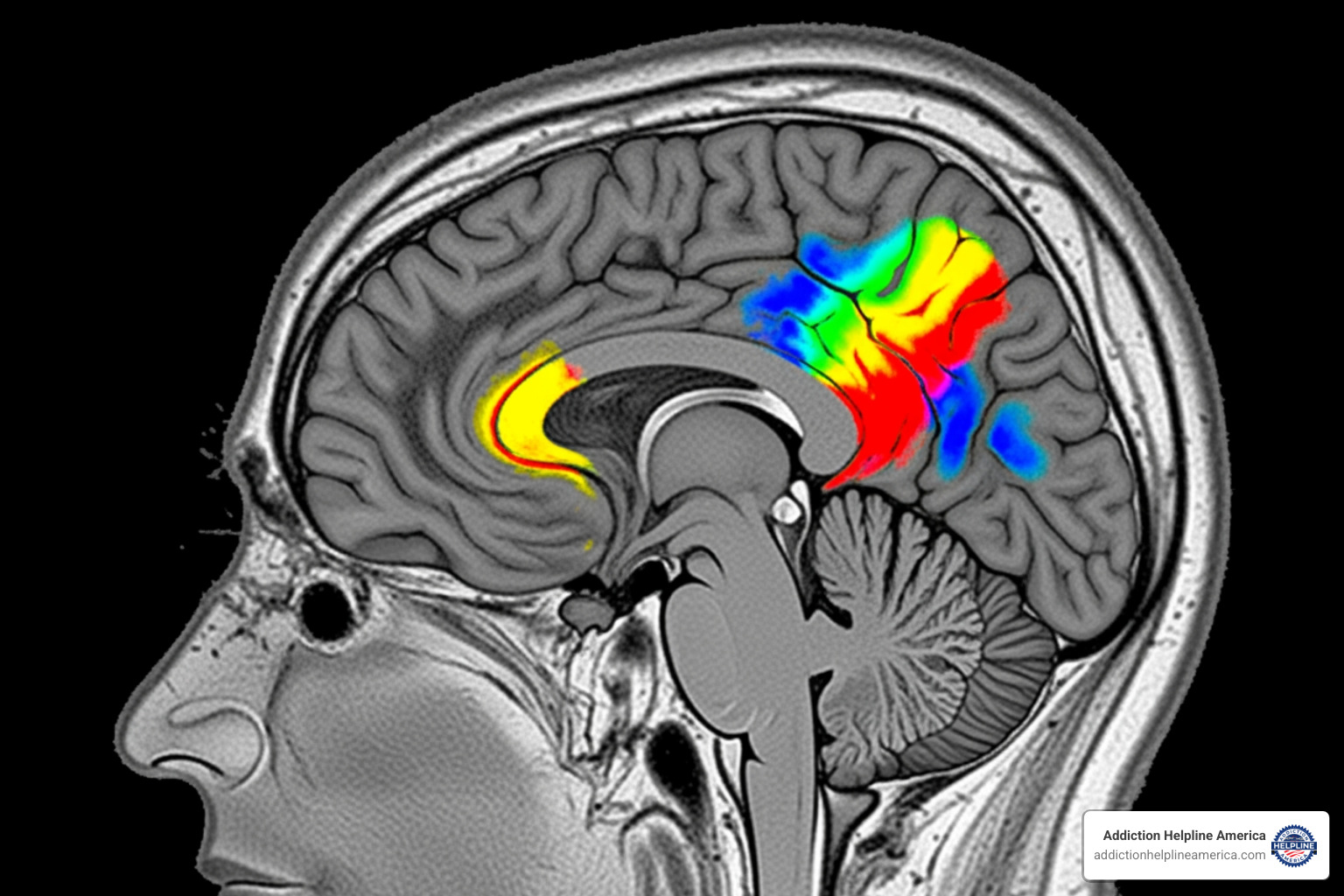
- Individualized Care: Treatment plans are custom to your specific needs.
- Behavioral Therapies: Counseling helps you develop coping skills and prevent relapse.
- Medication-Assisted Treatment (MAT): Medications can reduce cravings and withdrawal, especially for opioid and alcohol use disorders.
- Adequate Duration: Treatment periods of at least 3 months are linked to better outcomes.
- Ongoing Support: Continued support systems are crucial for a lifelong journey.
- Treating Co-Occurring Disorders: Addressing mental health issues alongside addiction.
At Addiction Helpline America, we’re dedicated to guiding individuals and families toward effective addiction treatment solutions. Our team provides compassionate support, connecting you with resources for lasting recovery.
Understanding Addiction: A Treatable Brain Disease
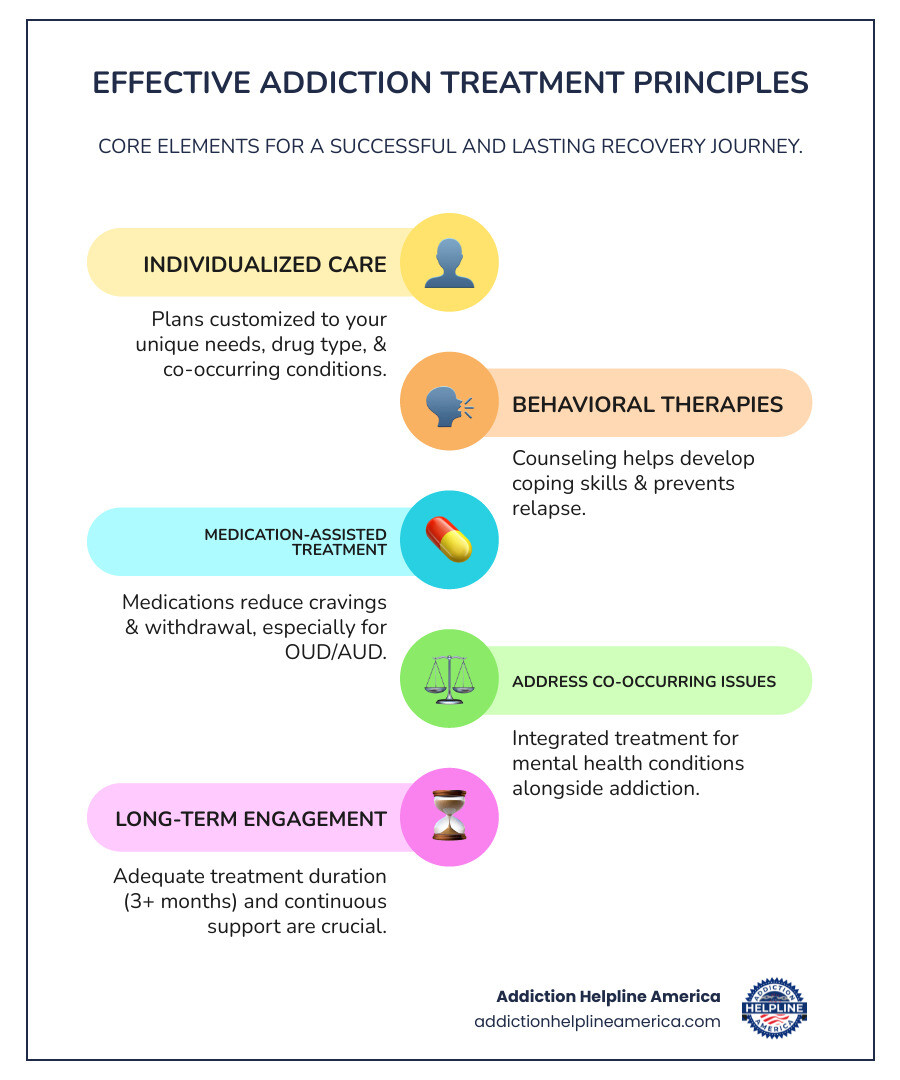
Addiction is not a character flaw or a lack of willpower. It is a substance use disorder (SUD)—a treatable, chronic disease that physically changes the brain. An SUD occurs when a person continues using drugs or alcohol despite negative consequences. The severity can range from mild to severe, and it affects people from all backgrounds, regardless of race, income, or education.
Modern science shows that long-term substance use alters brain structure and function, particularly in areas controlling reward, motivation, and self-control. These changes make it extremely difficult to resist cravings. What may start as a choice becomes compulsive. The National Institute on Drug Abuse details this in their scientific research on the science of addiction.
In 2022, over one in six Americans aged 12 or older experienced an SUD. These numbers highlight why finding effective addiction treatment is so vital. Despite its prevalence, stigma remains a major barrier to getting help. When society views addiction as a personal failure, people feel ashamed and hide their struggles. Addiction is a disease that can affect anyone, and seeking help is an act of courage. Our guide on how to help a loved one offers practical ways to provide support.
Common Substances Leading to SUD
SUDs can develop from many substances, each with unique challenges. Opioids (heroin, fentanyl, prescription painkillers) carry high risks of overdose. Alcohol remains one of the most common SUDs. Stimulants like cocaine and methamphetamine can cause intense cravings. Benzodiazepines (Xanax, Klonopin) are highly addictive, and stopping use without medical supervision can be dangerous. Our resources on Xanax treatment can guide you. Other substances like cannabis, hallucinogens, and inhalants can also lead to addiction.
Why Addiction is a Chronic, Treatable Condition
Addiction is similar to other chronic diseases like diabetes, hypertension, or asthma. These conditions aren’t “cured” with a single treatment but require ongoing management. Research shows that relapse rates for SUDs (40-60%) are similar to those for these other chronic illnesses. This doesn’t mean treatment fails; it means the plan may need adjustment.
When someone in recovery relapses, they may need to re-engage with therapy or try a different approach. Relapse is not failure—it’s a signal that the treatment plan needs to be modified. This perspective shifts the focus from blame to long-term management and support, making a fulfilling, substance-free life achievable.
Core Components of Effective Addiction Treatment
Effective addiction treatment is not a one-size-fits-all formula. It’s an individualized plan built on evidence-based practices that fit your unique situation—the substance used, addiction severity, co-occurring mental health conditions, and personal circumstances.
Recovery is a journey through a continuum of care, where you might start with intensive support and gradually move to less structured care as you build skills. Getting the right level of support at each stage is key. Our complete guide to addiction treatment walks through these principles in detail.
Levels of Care: Finding the Right Setting
Choosing the right treatment setting is a critical decision. It provides the necessary structure and support for your circumstances.
| Feature | Inpatient Rehabilitation | Outpatient Counseling |
|---|---|---|
| Environment | 24/7 supervised, structured, therapeutic community | Flexible, allows individuals to live at home |
| Intensity | High, intensive daily therapy and activities | Varies, from intensive outpatient programs (IOP) to weekly sessions |
| Support | Constant medical and clinical support, peer community | Scheduled therapy sessions, self-help groups, family support |
| Focus | Stabilization, intensive therapy, removal from triggers | Skill-building, relapse prevention, maintaining daily responsibilities |
| Duration | Typically 30-90 days, sometimes longer | Weeks to months, depending on individual needs and program structure |
| Ideal for… | Severe SUDs, co-occurring disorders, unstable home life | Mild to moderate SUDs, strong support system, work/school commitments |
Inpatient rehabilitation (residential treatment) involves living at a facility for 30-90 days or more. It offers 24/7 medical and therapeutic support in an environment free from triggers. This level of care is ideal for severe SUDs, co-occurring disorders, or those without a stable home environment. It allows you to focus entirely on healing. Our guide on what to expect in rehab explains this experience.
Outpatient counseling allows you to live at home and maintain daily responsibilities while attending scheduled therapy sessions. Programs vary in intensity, from intensive outpatient programs (IOPs) with several sessions per week to standard weekly counseling. This approach is effective for mild to moderate SUDs or as a step-down from inpatient care. Explore local rehab centers in your area.
The Role of Behavioral Therapies
Behavioral therapies are the core of effective addiction treatment. They help you understand the root causes of substance use and teach you new ways to cope with life’s challenges.
- Cognitive-Behavioral Therapy (CBT) helps you identify triggers and develop healthier coping mechanisms to prevent relapse.
- Motivational Interviewing (MI) is a collaborative approach where a therapist helps you find your own motivation to change, without judgment.
- Contingency Management (CM) uses positive reinforcement, such as vouchers or prizes, to reward clean drug tests and treatment milestones.

These therapies address not only substance use but also related issues like job troubles, legal problems, and mental health concerns. Combining behavioral therapy with mental health support creates a strong foundation for recovery. Our guide on mental health rehab explores this integrated approach.
Medication-Assisted Treatment (MAT) for Opioid and Alcohol Use Disorders
Using medication to treat addiction is not “replacing one drug with another.” Medication-Assisted Treatment (MAT) is a science-backed approach combining FDA-approved medications with counseling to treat SUDs. It addresses the physical side of addiction (cravings, withdrawal) while therapy addresses the psychological side.
For Opioid Use Disorder (OUD), Medications for Opioid Use Disorder (MOUD) are lifesaving, reducing addiction-related deaths by 50% or more. They help people stay in treatment and dramatically lower the risk of fatal overdose. The three FDA-approved medications are:
- Methadone: A long-acting medication that stabilizes brain chemistry and prevents withdrawal. It is dispensed at specialized clinics.
- Buprenorphine: Works similarly to methadone but can be prescribed in an outpatient setting.
- Naltrexone: Blocks the effects of opioids, preventing the user from feeling a high. It is available as a pill or monthly injection.
These medications normalize brain function without producing a “high,” allowing you to focus on recovery. For more, see our guides on Percocet addiction treatment and Medications for Opioid Use Disorder.
Alcohol Use Disorder (AUD) can also be treated with Medications for Alcohol Use Disorder (MAUD) to reduce heavy drinking and prevent relapse. Naltrexone reduces cravings, Acamprosate eases withdrawal-related anxiety, and Disulfiram acts as a deterrent by causing unpleasant symptoms if alcohol is consumed.
By combining medication with therapy, MAT offers a comprehensive path to effective addiction treatment and gives you the best chance at lasting recovery.
The Journey to Recovery: Support and Long-Term Success
Recovery is a long-term journey, not an overnight fix. Relapse is not failure; it’s a sign that a treatment plan may need adjustment, similar to managing other chronic conditions like diabetes or asthma. The goal of effective addiction treatment is to build a life where substances no longer have control, and you don’t have to do it alone.
Key Principles for an Effective Addiction Treatment Plan
For treatment to lead to long-term recovery, it should follow several key principles.
- Detox is only the first step. Medically supervised detox safely manages withdrawal but doesn’t address the underlying causes of addiction. It must be followed by comprehensive treatment. Our guide on withdrawal symptoms explains this phase.
- Adequate time in treatment is crucial. Research shows that programs lasting at least 90 days lead to significantly better outcomes. Real change takes time to develop new skills and build confidence.
- Treatment must be holistic. Effective plans address all aspects of your life, including physical and mental health, relationships, and employment or legal issues.
- Plans must be flexible. Your treatment plan should be regularly reviewed and adjusted to meet your changing needs as you progress in recovery.
Building a Strong Support System
Connection is one of the most powerful tools in recovery. A strong support system makes staying on track much easier.
- Family Therapy: Addiction affects the whole family. Therapy can help heal relationships, improve communication, and teach loved ones how to provide healthy support.
- Peer Support Groups: Groups like Alcoholics Anonymous (AA) and Narcotics Anonymous (NA) offer a community of people who understand the journey. While best combined with professional treatment, the sense of belonging they provide is a powerful tool against the isolation of addiction.
- Community Resources: Sober living homes, recovery coaches, and local organizations can provide practical support as you rebuild your life.
Having people who care and who you can turn to for support is a protective factor against relapse. Learn more in our guide on the importance of support systems.
Finding Effective Addiction Treatment for Co-Occurring Disorders
Many people with an SUD also have a mental health condition like anxiety, depression, or PTSD. This is known as a dual diagnosis or co-occurring disorders. Treating only the addiction or only the mental health issue is like solving half the problem, as each can worsen the other.
Integrated treatment is the most effective approach. It addresses both the SUD and mental health condition at the same time, with a coordinated team. This holistic method treats the whole person, leading to better, more lasting recovery outcomes. Our guide on mental breakdown treatment offers more information on getting comprehensive support.
Finding Help: Your First Step Towards Recovery
Taking the first step toward recovery is a brave decision. Finding effective addiction treatment is within reach, and it’s the most important step toward a healthier future.
Addiction Helpline America offers free, confidential, and personalized guidance. We connect individuals nationwide to the right addiction and mental health treatment centers. Whether you’re in Alabama, Arizona, California, Florida, or any other state, our team is ready to help you steer your options.
Many health insurance plans, including private insurance, Medicare, and Medicaid, often cover addiction treatment services. To understand what your policy covers, our guide on more info about insurance rehab coverage offers valuable insights.
National Resources and Helplines
In addition to our support, many national resources can help you find treatment and information.
- SAMHSA’s National Helpline: A free, 24/7 confidential helpline (in English and Spanish) for referrals to local treatment, support groups, and community organizations.
- 988 Suicide & Crisis Lifeline: For immediate emotional distress or suicidal crisis support, call or text 988 anytime. Learn more at 988 Suicide & Crisis Lifeline.
- Behavioral Health Treatment Services Locator (SAMHSA): An online tool to find mental health and substance use treatment facilities in your area. Access it at Behavioral Health Treatment Services (SAMHSA).
- Health Center Locator (HRSA): Find federally funded health centers that provide care, including substance use services, regardless of ability to pay: Health Center Locator (HRSA).
- Opioid Treatment Program Directory by State (SAMHSA): A directory of SAMHSA-certified Opioid Treatment Programs (OTPs) for finding MOUD services: Opioid Treatment Program Directory by State (SAMHSA).
- Buprenorphine Providers Locator (SAMHSA): Find authorized providers who can prescribe buprenorphine for OUD: Buprenorphine Providers Locator (SAMHSA).
- Medication-Assisted Treatment (MAT) | SAMHSA: Comprehensive information on MAT and the medications used: Medication-Assisted Treatment (MAT) | SAMHSA.
- Mental Health and Addiction Insurance Help (HHS): Guidance on insurance coverage for mental health and addiction services: Mental Health and Addiction Insurance Help (HHS).
- Veterans Crisis Line: Confidential support for veterans. Call 988 and press 1, text 838255, or chat online: Veterans Crisis Line.
- Addiction Treatment Locator, Assessment, and Standards (ATLAS) Platform: A Shatterproof tool to find high-quality addiction treatment facilities: Addiction Treatment Locator, Assessment, and Standards (ATLAS) Platform.
For more on helplines, see our guide on more info about substance abuse treatment helplines.
Frequently Asked Questions about Addiction Treatment
How long does addiction treatment last?
There is no single timeline for treatment, but research is clear: duration matters. Programs lasting less than 90 days have limited effectiveness. Since addiction is a chronic disease requiring long-term management, longer treatment periods are often better.
The right length of treatment depends on your individual needs, the substance involved, the severity of the SUD, and any co-occurring mental health conditions. The goal is to find a duration that works for you.
Can treatment be effective if it’s not voluntary?
Yes, treatment can be effective even if it isn’t voluntary at first. Pressure from family, employers, or the legal system can be a powerful motivator to start. Often, initial reluctance fades as a person begins to experience the benefits of a structured, supportive program.
Research shows that individuals who enter treatment due to external mandates can achieve outcomes just as good as those who enter voluntarily. What matters most is not how someone enters treatment, but their engagement in the process once they are there.
What is the success rate of addiction treatment?
While “success” can be defined in many ways, the statistics are encouraging. A joint study by the CDC and NIDA found that 75% of people who receive treatment for addiction eventually recover.
Relapse is a common concern, affecting 40-60% of people in early recovery. This rate is similar to other chronic diseases like diabetes or hypertension. A relapse does not mean treatment has failed; it signals that the plan may need adjustment. With effective addiction treatment and continuous support, sustained recovery is absolutely achievable.
Conclusion: Your Path to a Healthier Future
If you’ve read this guide, you’ve already taken a vital step by seeking answers and opening the door to hope.
We’ve seen that addiction is a treatable chronic disease, not a moral failing. Effective addiction treatment is individualized, often combining behavioral therapies, medication-assisted treatment, and a strong support system. Recovery is achievable for everyone, and relapse is not a failure but a part of the management process. 75% of people who get treatment eventually recover.
Your journey to a healthier future doesn’t have to be steerd alone. At Addiction Helpline America, we provide free, confidential, and personalized guidance, connecting you to our network of treatment centers across the U.S. We are here to make finding the right help simpler for you or your loved one.
Hope is a decision to take action. Today can be the day everything changes. Find a rehab center near you and start your path to lasting recovery. You don’t have to wait another day.