
Your Lifeline: Essential Substance Abuse Helpline Numbers
When you or a loved one needs immediate support, knowing the right substance abuse helpline number can make all the difference. These helplines offer a direct connection to help. They provide information, support, and referrals. Here are some key national helplines:
- Addiction Helpline America: Call 844-561-0606 – Provides free, confidential support for people in distress, 24/7.
- 988 Suicide & Crisis Lifeline: Call or Text 988 – Provides free, confidential support for people in distress, 24/7.
- Crisis Text Line: Text HOME to 741741 – For immediate crisis support via text.
- 211: Dial 211 – Connects to local human and social services, including addiction programs.
Facing addiction can feel overwhelming and isolating. You might be scared, unsure where to turn, or worried about a loved one. But you are not alone. These helplines are a vital first step on the path to recovery. They offer a safe space to explore options and get the help you deserve.
Addiction Helpline America is a dedicated resource committed to helping individuals and families affected by substance abuse. Our experienced team provides compassionate, confidential support, guiding you through every substance abuse helpline number call to vital treatment and recovery resources.
Key terms for substance abuse helpline number:
What Is a Substance Abuse Helpline and Who Should Call?
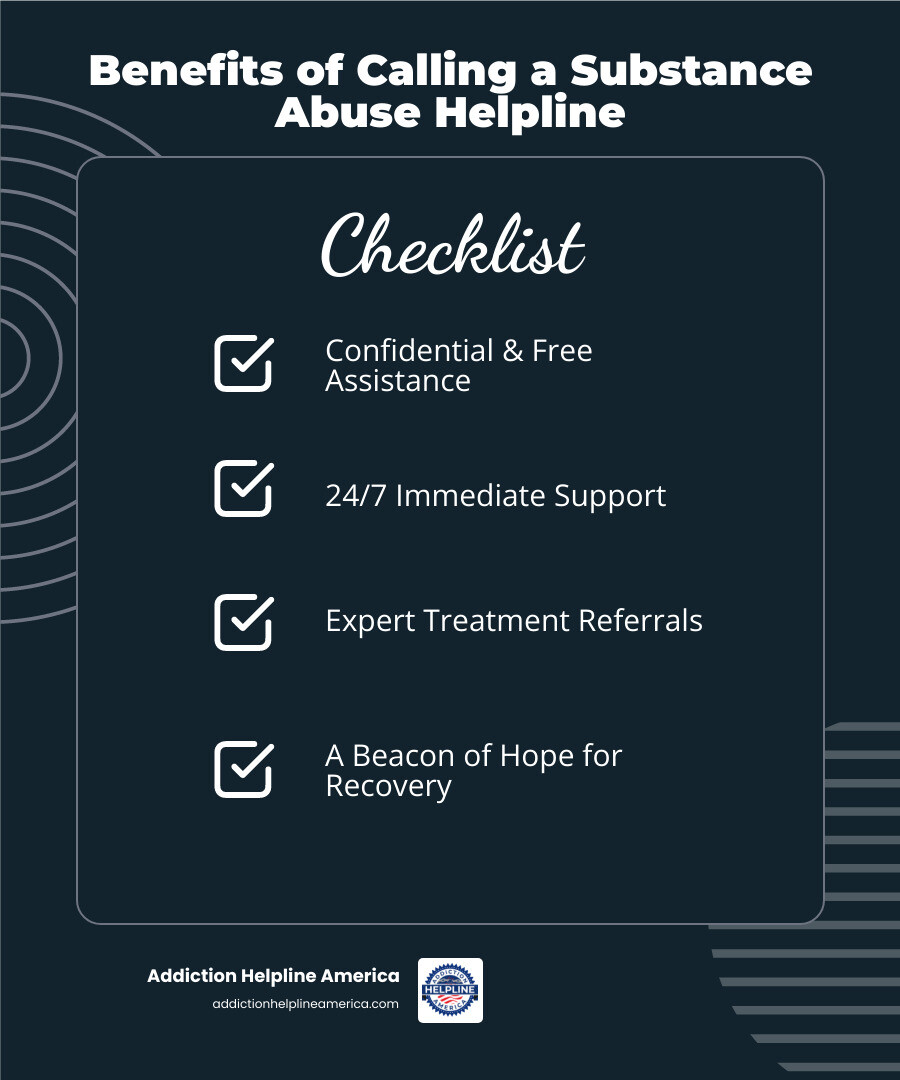
Imagine a friendly voice ready to listen, offer guidance, and connect you with the help you need, all without judgment. That’s exactly what a substance abuse helpline number offers. It’s a special, toll-free phone service created to give immediate, private support to anyone touched by substance use disorders. These lines are usually staffed by kind, trained advisors or counselors who truly understand the challenges of addiction. They’re there to offer a compassionate ear and clear steps forward.
These helplines provide a wide range of services that can make a huge difference:
- Emotional Support: Sometimes, just sharing what’s on your mind with someone who understands is the best first step. Helplines offer a safe space to talk about your fears, worries, and hopes.
- Treatment Information: Advisors can explain the different ways to treat addiction, from detox to various types of therapy. They help you figure out what might be the best fit for your unique situation.
- Referral Services: This is a big one! Helplines connect you to a vast network of treatment centers, support groups, and local community services. They can help you find resources right in your area that match your specific needs.
- Crisis Guidance: While not every helpline is an emergency crisis line, many are ready to help in urgent situations. They can offer immediate advice or connect you to emergency services if needed.
- Insurance & Payment Help: Some helplines, like ours at Addiction Helpline America, can even help you understand your insurance coverage for treatment and explore other ways to pay.
Who Should Call?
The simple, heartfelt answer is: anyone who needs help or is worried about someone else’s struggle with substance use. Addiction doesn’t just affect one person; it touches families, friends, and entire communities.
- If you’re struggling yourself: Maybe you’re finding it hard to stop using alcohol or drugs, dealing with tough withdrawal symptoms, or you simply want to get sober but don’t know where to begin. Calling a substance abuse helpline number is a brave and crucial first step. It’s free, private, and there’s no pressure to commit to anything right away. You can also learn more about common Signs and Symptoms of addiction.
- If you’re a friend or family member: Are you concerned about a loved one’s substance use? Do you need advice on how to talk to them, or are you looking for ways to support yourself through their journey? These helplines are a wonderful resource for you too.
- If you’re a caregiver: Caring for someone with a substance use disorder can be tough. Helplines offer support, information, and resources to help you cope and gently guide your loved one toward recovery.

Why Calling is the First Step to Recovery
Picking up the phone and dialing a substance abuse helpline number is often the very first, incredibly brave step on the path to healing. It means you’re ready to face the powerful stigma that often comes with addiction. It’s a huge step to simply acknowledge that a problem exists. Because society can sometimes judge those with substance use disorders, reaching out for help takes true courage. This call is a big act of self-love and hope.
The numbers really highlight how much we need easy access to help: nearly 49 million people in the United States met the criteria for a substance use disorder in 2022. That’s a lot of folks who could benefit from treatment! But here’s the tough part: only about 1 in 4 of those people (just 24%) actually received the specialized help they needed. This big “treatment gap” shows just how important resources like helplines are. They help bridge this gap by giving immediate access to information and referrals, gently guiding people onto the road to recovery.
Calling on Behalf of a Loved One
It’s absolutely okay, and even encouraged, to call a substance abuse helpline number if you’re worried about a friend or family member. Many people reach out seeking information and guidance for others. You’re not alone in wanting to help!
- How to help: Helpline advisors can offer great advice on how to approach your loved one. They can guide you on discussing their addiction and encouraging them to seek help. They also have resources to help you better understand the disease of addiction and how it impacts families.
- Gathering information: You can learn about different treatment options and local resources that you can then share with your loved one.
- Preparing for the conversation: Advisors can help you get ready for a difficult talk. They’ll share strategies and tips to make it as helpful and positive as possible. This might even include guidance on planning an intervention, for which we have specific resources on Family Drug Intervention.
- Supporting a friend or family member: You don’t have to steer this journey by yourself. Helplines are also there to support you, the caring individual, every step of the way.
Your National Substance Abuse Helpline Number Directory
Finding your way through the maze of addiction treatment options can feel like a lot. But here’s some good news: there are many national helplines ready to offer a helping hand. These wonderful resources are here to give you support, information, and referrals. They are designed to be easy to reach, keep your calls private, and are often completely free. Think of them as your friendly guides on this important journey.
General Substance Abuse and Mental Health Support
When you’re looking for a general starting point for substance use and mental health concerns, these helplines are fantastic. They offer a broad range of information and can point you toward various treatment and support services.
First up is Addiction Helpline America. We’re proud to be a leading resource, connecting people across the nation to the right addiction and mental health treatment centers. Our service is all about offering you free, confidential, and personalized guidance to find the perfect recovery program from our huge network. We can help you find treatment options in almost every state you can think of – from Alabama all the way to Wyoming, and the District of Columbia too! Our 24/7 confidential support and treatment referral service is here to be your very first, crucial step. You can always find substance abuse help through Addiction Helpline America whenever you need us.
And don’t forget 211 National Hotline. Just Dial 211! This incredible service links you to local human and social services, including programs for addiction prevention and recovery, mental health support, and other vital community resources. It’s available across all 50 states, D.C., and Puerto Rico, and can even help in many different languages.
Immediate Crisis and Emotional Support
Sometimes, you need help right away. When things feel overwhelming, or you’re facing a mental health crisis, these helplines are absolutely vital. They’re especially important because substance use issues often go hand-in-hand with emotional distress.
If you’re in immediate distress, the 988 Suicide & Crisis Lifeline is a compassionate ear, 24/7. Just Call or Text 988. This lifeline offers free and confidential support for anyone in crisis. It’s a critical resource if you’re having suicidal thoughts or experiencing strong emotional distress. And for specific support, you can Press 1 for Veterans, 2 for Spanish speakers, and 3 for the LGBTQ+ community.
If talking on the phone feels too much, the Crisis Text Line is there for you. Just Text HOME to 741741. This service provides free, 24/7, confidential crisis support through text message. It’s a great choice if you’re not quite ready to talk out loud.
For those facing emotional distress after a natural or man-made disaster, the Disaster Distress Helpline at 1-800-985-5990 offers immediate crisis counseling. Veterans and their families can find specialized support through the Veterans Crisis Line by Dialing 988 then Pressing 1. Younger individuals and families in crisis can turn to the Boys Town National Hotline at 1-800-448-3000, which also offers support in over 140 languages. And for specific support for the LGBTQ+ community, the LGBTQ+ National Hotline at 1-888-843-4564 connects you with trained volunteers who offer confidential help and resources. Addiction Helpline America can also guide you to crisis resources, helping you get help in a crisis with Addiction Helpline America.
Peer and Family Support Resources
Addiction isn’t just about the person struggling; it touches everyone around them. These resources offer specialized support for friends, family members, and anyone looking for peer-led recovery groups. You don’t have to walk this path alone.
The National Alliance on Mental Illness (NAMI) HelpLine is a wonderful source of peer support. You can Call 1-800-950-NAMI (6264) or Text “Helpline” to 62640. NAMI provides answers, practical resources, and next steps for individuals living with mental health conditions, their loved ones, and caregivers.
For those affected by someone else’s drinking, Al-Anon and Alateen offer incredible understanding and support. Al-Anon helps family members and friends of people with alcohol problems, while Alateen is specifically for teens. You can find local meetings or call their general information line at 800-356-9996. You can also find an Al-Anon meeting in your area and specific help for teens affected by someone else’s alcoholism. Similarly, Nar-Anon supports those affected by someone using drugs; you can search for a Nar-Anon meeting in your area.
If you’re looking for peer support for yourself, Alcoholics Anonymous (A.A.) has been helping people with drinking problems for decades. You can find a local meeting center or an online support group. And for those wanting to stop abusing prescription or illegal drugs, Narcotics Anonymous (NA) offers a similar supportive community. You can find an NA meeting center, helpline, or online support group.
Another excellent option is SMART Recovery, which helps both young people and adults with various addictions through group therapy, focusing on self-empowerment and practical techniques. You can find SMART Recovery meetings in person or online. Addiction Helpline America also provides peer and family support resources, and we can help you find support resources that fit your needs.
Preparing for Your Call: What to Expect
Making the call to a substance abuse helpline number is a truly significant step. It’s a moment when hope starts to bloom, and you reach out for the hand that can guide you forward. It’s completely normal to feel a bit nervous or unsure about what will happen. But rest assured, these services are built to be supportive, caring, and entirely focused on helping you find the right path.

When you connect with a kind advisor, their main goal is to listen. They’ll want to understand your unique situation better, and they might ask a few questions to help them do that. This isn’t an interrogation; it’s simply a way for them to make sure they give you the most helpful and relevant information possible. You don’t need to “prepare” a big speech, but thinking about what you’d like to ask or share beforehand can sometimes make you feel more at ease. You’re not obligated to commit to anything during the call. The whole point is to give you options and empower you to make informed decisions for yourself or your loved one.
Are Calls to a Substance Abuse Hotline Confidential?
Yes, absolutely! One of the biggest worries people have is about privacy, and it’s a very valid concern. When you reach out to a substance abuse helpline number, your call is almost always confidential and often completely anonymous. This is a core part of their service. They want to create a truly safe space where you can speak openly without any fear of judgment or exposure.
You typically don’t need to share your name or any identifying information. You get to choose how much or how little personal detail you want to share. Your privacy is protected, and for many helplines connected to healthcare organizations or government agencies, they follow strict privacy laws like HIPAA compliance. This ensures your health information is safe. It truly is a safe and non-judgmental space where you can talk freely about sensitive topics. Even if any records are kept, perhaps for quality improvement, they are usually de-identified to protect your privacy. There are very rare exceptions to this confidentiality, mainly if you express an immediate plan to harm yourself or others, or if there’s a child or elderly person at risk of abuse. In such serious cases, the advisor might be legally required to report this to protect everyone involved, but it’s always done with your well-being as the top priority.
What Information Should I Share?
While you’re never pressured to share anything you’re uncomfortable with, providing a few key details can really help the substance abuse helpline number advisor give you the most personalized and effective assistance. Think of it as giving them the pieces of a puzzle so they can help you put it together.
It’s helpful to be ready to talk about:
- What substances are being used, whether it’s alcohol, opioids, stimulants, or something else.
- The duration and severity of use – how long has this been an issue, and how much is it affecting daily life?
- Your location or zip code is super important! This allows them to find local treatment facilities and support groups right in your area, whether you’re in Louisiana, Indiana, Texas, or any other state we serve.
- If you have insurance information, having your policy details handy can help advisors check your coverage for treatment. We can even help you understand specific plans like your Blue Cross Blue Shield Mental Health Coverage and other providers.
- Don’t forget to mention if you or your loved one also struggles with co-occurring disorders like depression, anxiety, or bipolar disorder. Many people with substance use disorder also experience mental health conditions, and addressing both at the same time is key to lasting recovery, often through a Dual Diagnosis Treatment Facility.
- Any relevant personal history, such as past medical issues or previous treatment attempts, can give the advisor a clearer picture and help them guide you better.
The more comfortable you are sharing, the better the advisor can tailor their help to your specific needs.
Understanding the Different Types of Helplines
It’s good to know that while many terms like “helpline” and “crisis line” might sound similar, they often have different main focuses. Understanding these differences can help you pick the best resource for your current situation.
A Helpline is a general term for a phone service that offers support and information. A substance abuse helpline number usually falls into this category, providing a wide range of services from a listening ear to connecting you with treatment. A Crisis Line, on the other hand, is specifically for urgent, immediate situations where someone is in extreme emotional distress or at risk of harming themselves or others. The 988 Suicide & Crisis Lifeline is a perfect example, designed for quick help to stabilize a crisis. A Treatment Referral Service is all about connecting you directly with the right treatment facilities and programs. While many general helplines offer referrals, a dedicated service like Addiction Helpline America specializes in matching you with the best level of care and facility based on your unique needs and location. There are also Informational Hotlines that mainly provide facts about substance use, prevention, and health effects, without necessarily offering direct referrals or crisis intervention. And finally, Emotional Support Lines are primarily focused on offering a compassionate listening ear and empathetic support, often for non-crisis situations, to help individuals cope with daily stresses or feelings of loneliness. It’s important to know that all reputable helplines have immediate danger protocols in place. This means if a caller is in immediate danger, they may contact emergency services (like 911) to ensure safety.
From Helpline to Healing: Finding the Right Treatment
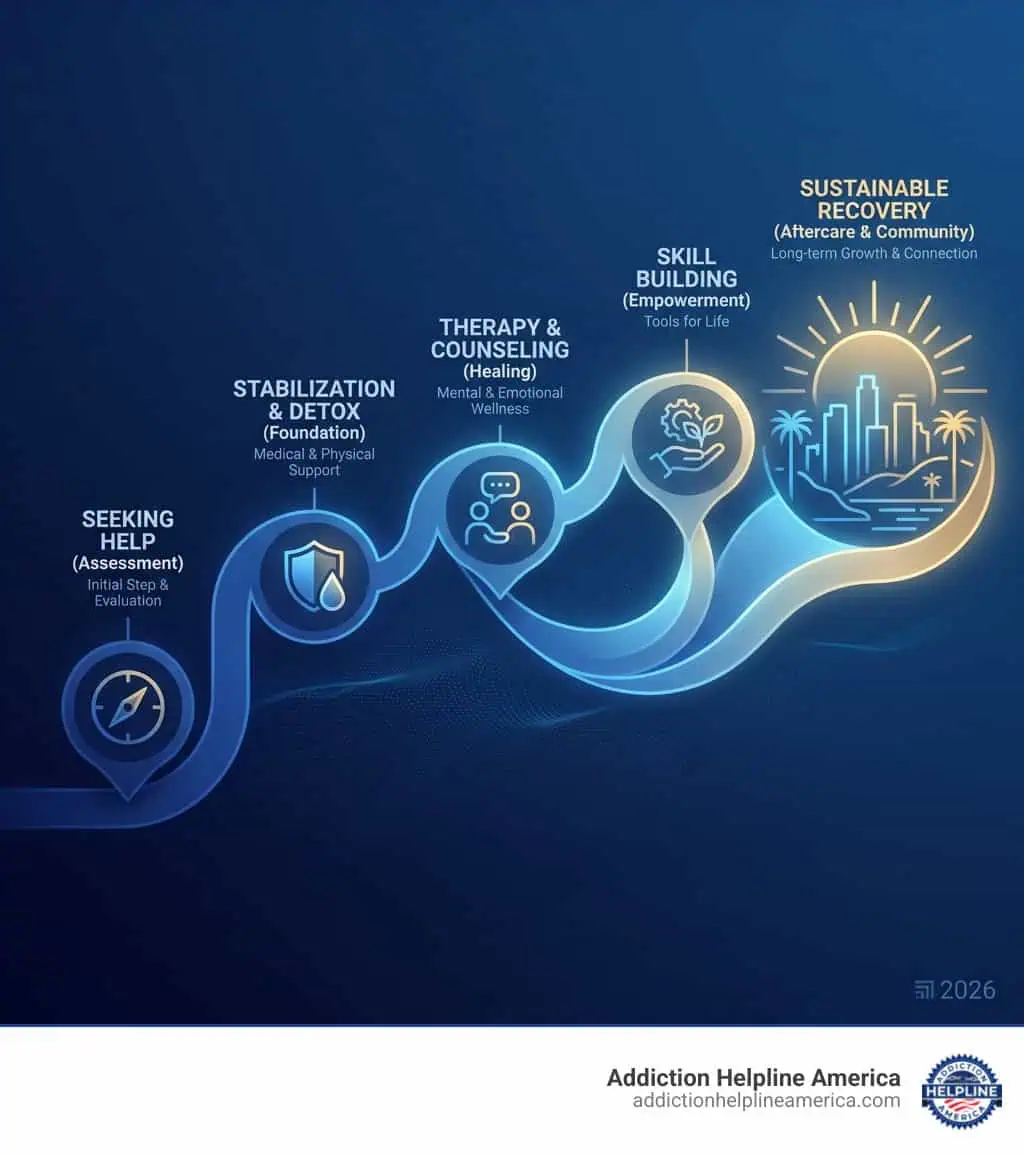
Calling a substance abuse helpline number is a truly brave first step, a moment where hope begins to bloom. But that call isn’t the finish line; it’s the start of your unique journey toward lasting healing and recovery. Just like every person is different, so too is their path to wellness. Finding the right treatment means understanding all your options and building a personalized plan that fits you.
Types of Addiction Treatment Available
Addiction treatment isn’t a one-size-fits-all solution. Think of it as a spectrum of care, with different approaches designed to meet various needs. Your recovery plan might involve one or several of these options, all working together to support your healing.
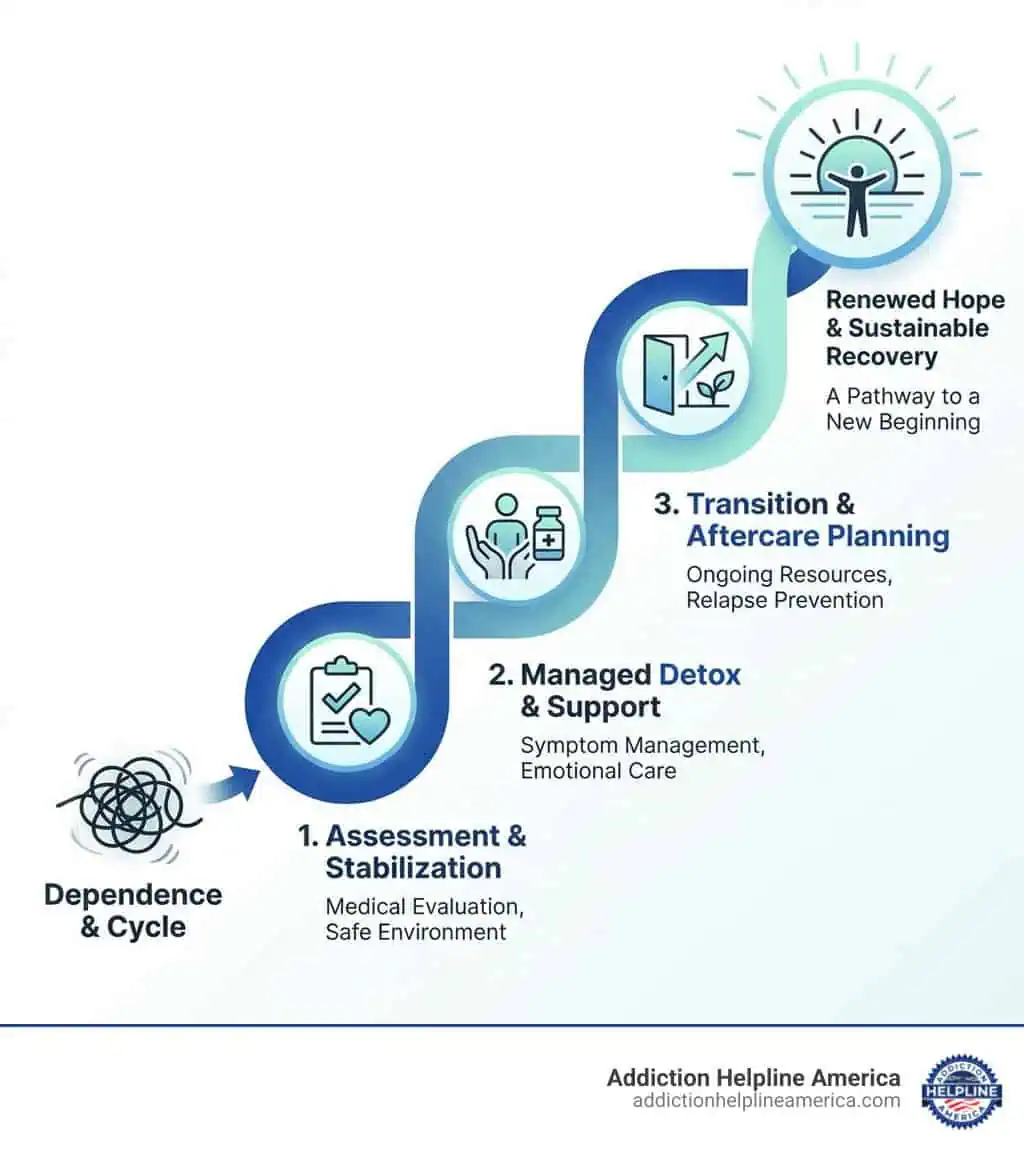
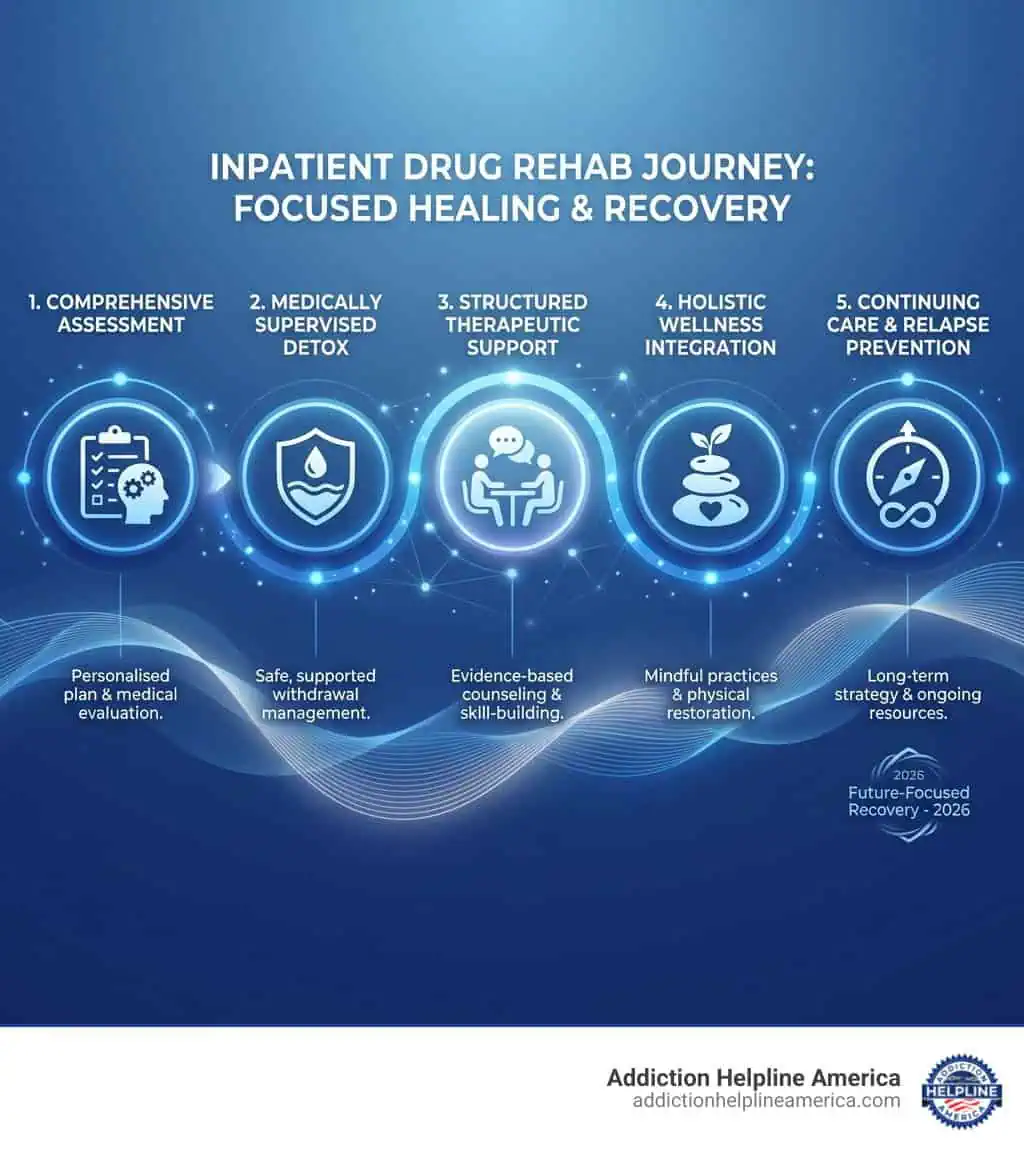
Often, the very first step, especially for substances with tough physical withdrawal symptoms, is Medical Detox. This is where you safely manage withdrawal under the careful eye of medical professionals, often with medications to make the process more comfortable and prevent any complications. Our Detox Clinic Near Me Guide can help you explore local options. For those who need a complete change of scenery and intensive support, Inpatient Rehab, or residential treatment, means living at a facility 24/7. Here, you’ll dive deep into therapy, counseling, and a structured, supportive environment. Learn more in our Inpatient Rehabilitation Centers Near Me Guide.
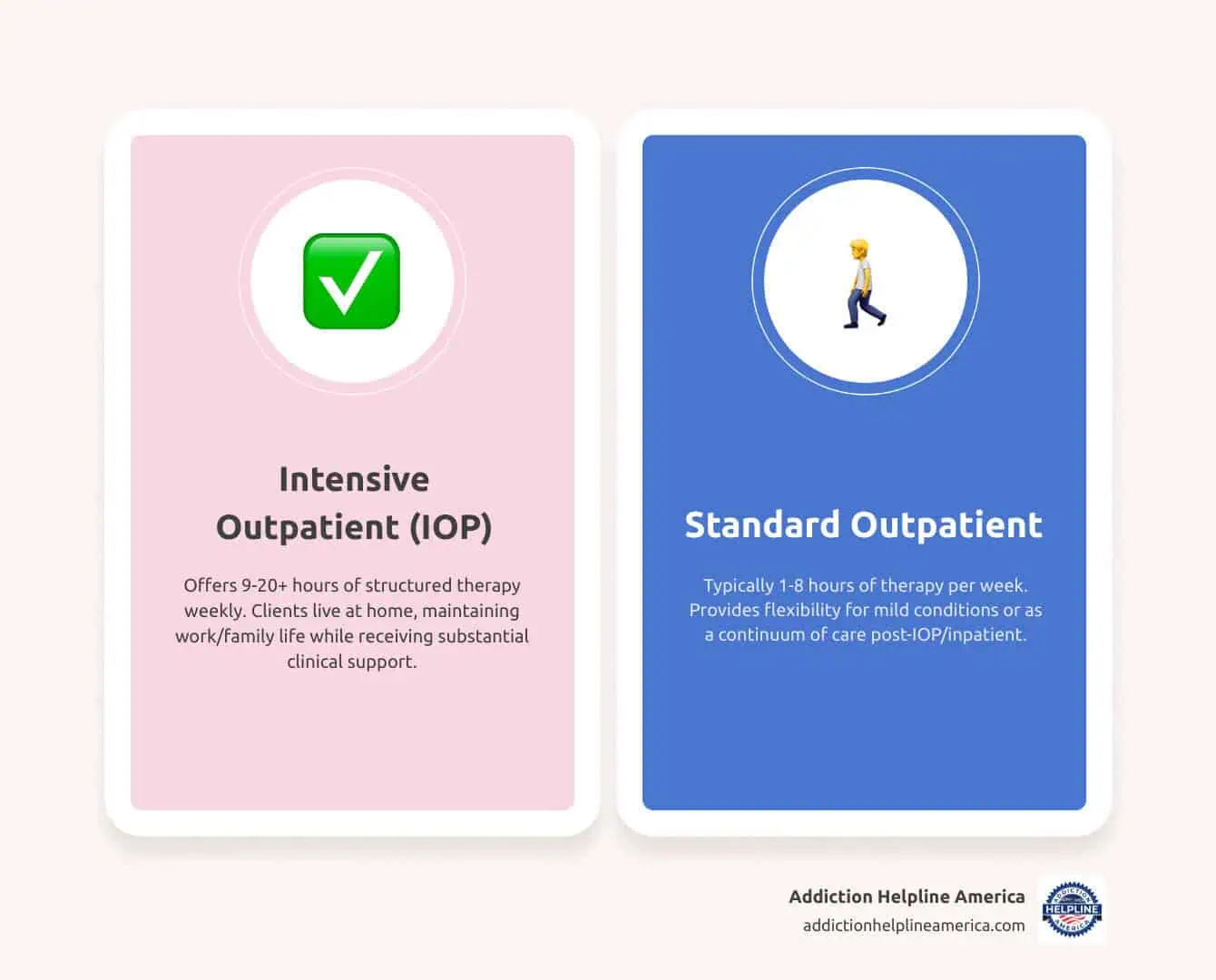
If you need more flexibility, Outpatient Counseling Services allow you to live at home while attending therapy sessions and group meetings regularly. These programs can vary in how many hours a week they require, from a few to several (known as Intensive Outpatient Programs, or IOPs). Our Outpatient Counseling Services Complete Guide has all the details. Many people also benefit from Medication-Assisted Treatment (MAT), which thoughtfully combines FDA-approved medications (like buprenorphine or naltrexone) with counseling and behavioral therapies. MAT is especially powerful for opioid and alcohol use disorders, helping to reduce cravings and prevent relapse. Finally, the heart of most treatment plans lies in Behavioral Therapies. These therapies teach you vital skills like identifying your triggers, developing healthy coping mechanisms, and changing old, unhelpful behaviors. Think of approaches like Cognitive Behavioral Therapy (CBT), Dialectical Behavior Therapy (DBT), and motivational interviewing.
How to Find Treatment if You Can’t Afford It
It’s completely normal to worry about the cost of treatment, but please know that financial concerns should never stop you from seeking help. There are many ways to make recovery accessible, no matter your financial situation.
You can explore state-funded programs, which are often available to residents who meet certain criteria. A substance abuse helpline number is an excellent place to start to find these resources in your area. Many non-profit organizations and treatment centers also offer grants and scholarships to help cover treatment costs. Some facilities operate on sliding scale fees, meaning the cost of services adjusts based on your income, making treatment more affordable. Don’t forget about non-profit options like The Salvation Army and other community-based groups, which often provide low-cost or even free addiction services. Our Free Addiction Treatment guide is packed with more information on these avenues. And even if you think you can’t afford it, always ask for insurance verification help. You might be pleasantly surprised by what your plan covers!
What Are the Costs Associated with Addiction Treatment?
Understanding the costs of addiction treatment can feel a bit like looking at a complex puzzle, as prices can vary greatly. The type of program, how long it lasts, where it’s located, and the specific services offered all play a significant role.
For instance, Medical Detox can range from $250 to $800 per day. If you’re considering Intensive Outpatient Treatment, it typically costs between $3,000 and $10,000, while general Outpatient Rehab usually falls between $1,400 and $10,000. If you’re looking at Residential (Inpatient) Treatment, costs can vary widely, from $5,000 to $80,000 or even more, depending on the amenities, luxury level, staff-to-patient ratio, specialized therapies (like dual diagnosis or holistic approaches), and the length of the program.
The good news is that using insurance for rehab can make a huge difference! Thanks to the Affordable Care Act (ACA), most insurance plans, including those with Blue Cross Blue Shield Mental Health Coverage, are required to cover mental health and substance use disorder services as essential health benefits. This means your insurance can significantly reduce your out-of-pocket costs. A substance abuse helpline number can often help you verify your benefits and connect you with facilities that accept your specific insurance plan, helping you steer these costs with much more clarity and confidence.
Conclusion
Taking that first step, making that initial call – it’s a sign of incredible strength, not weakness. We understand that facing addiction, either for yourself or a loved one, can feel incredibly heavy. But here’s the good news: recovery isn’t just a dream, it’s a very real possibility.
Knowing where to find a substance abuse helpline number and having the courage to dial it is often the most important first move. It’s how you start reclaiming your life or helping someone you care about find their way back to a healthier path.
You are absolutely not alone in this journey. Millions of people in America have faced similar struggles, and countless others have finded lasting recovery. These helplines are here for you, 24/7, providing confidential support whenever you need it most. Whether you’re just looking for information, a comforting ear, or direct connections to treatment, they’re ready to listen and guide.
Please, don’t let fear or uncertainty hold you back another day. Take that brave first step. Addiction Helpline America is wholeheartedly dedicated to supporting you through this process. We offer personalized guidance and connect you with the right resources for a brighter, healthier future. Find a confidential addiction and rehab hotline now – help is truly just one call away.