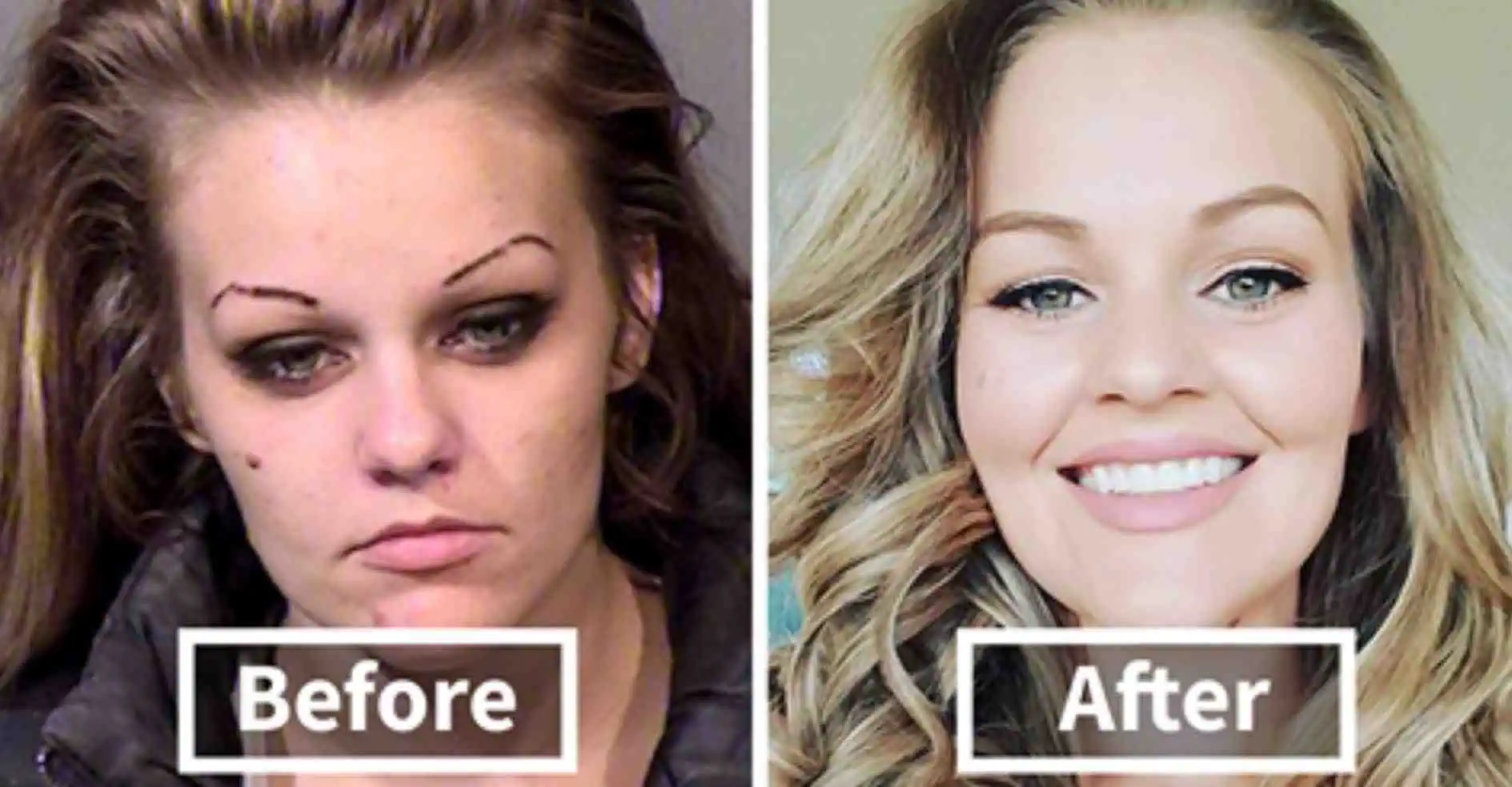
Understanding the Reality of People on Drugs
People on drugs can be anyone—a family member, a coworker, or a friend. Understanding why substance use happens and how to help is crucial.
Quick Answer: What You Need to Know
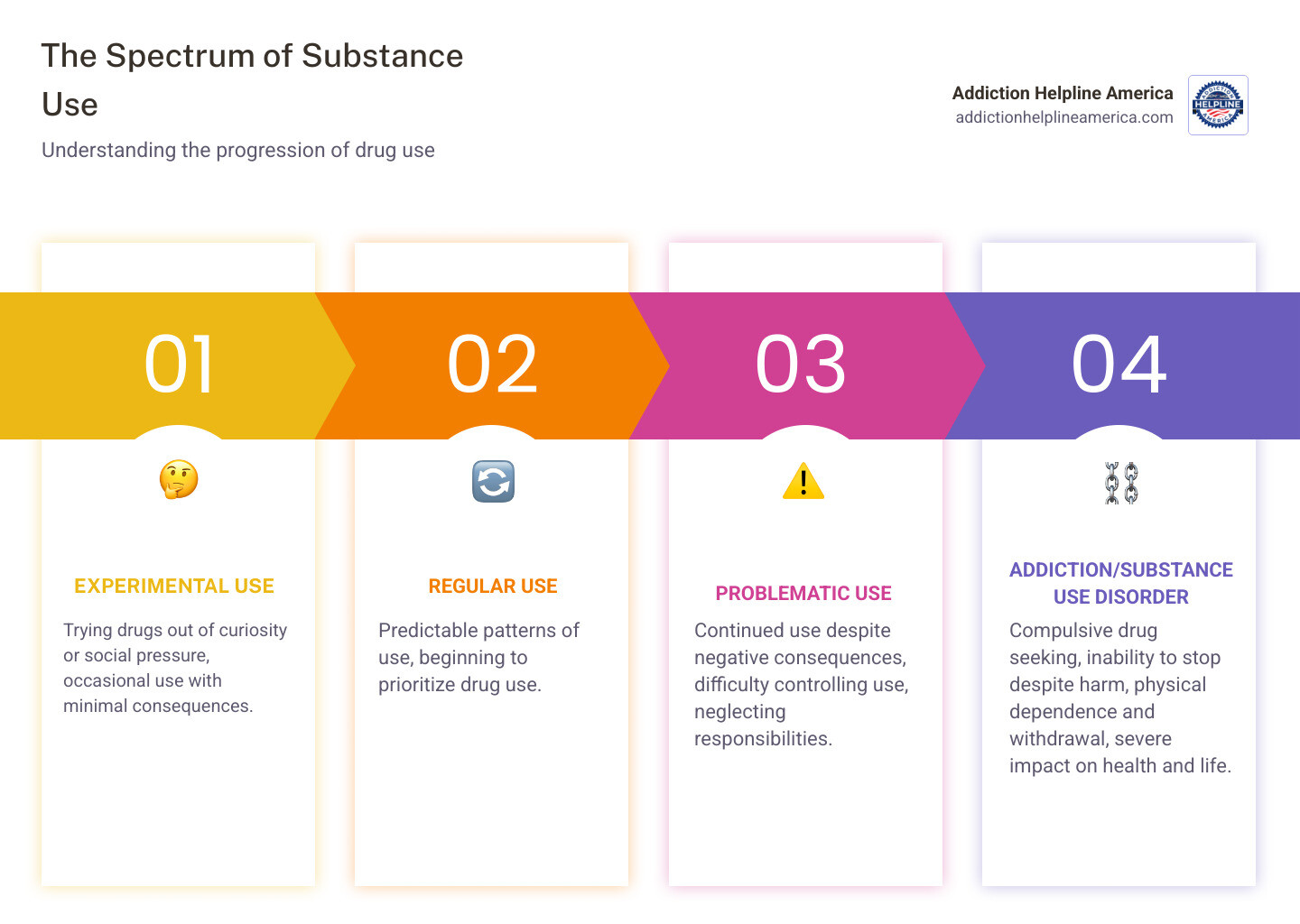
- Substance use is a spectrum: It ranges from experimental use to addiction.
- Addiction is a brain disease: It is not a moral failing or lack of willpower.
- Reasons for use vary: People may use drugs to feel good, feel better, perform better, or out of curiosity.
- Warning signs exist: Look for sudden changes in mood or behavior, secrecy, and neglected responsibilities.
- Recovery is possible: Effective treatment includes detox, therapy, and ongoing support.
- Help is available 24/7: Confidential helplines and treatment centers are ready to assist.
The statistics are sobering. In the United States, approximately 105,000 people died from a drug overdose in 2023 alone. Behind every number is a human being, as addiction affects people from all walks of life.
It’s vital to use respectful, person-first language. We say “a person with a substance use disorder” instead of “addict.” This language reduces stigma and encourages people to seek help.
Understanding the signs of drug use and the available treatment options can save a life. Whether someone is experimenting or has a long-term dependency, help is available and recovery is possible.
At Addiction Helpline America, we provide compassionate, confidential support to individuals and families affected by substance use. Our team works 24/7 to connect people on drugs and their loved ones with the resources they need to start their recovery journey.
People on drugs terms made easy:
Understanding Why People Use Drugs and Develop Addiction
Many people wonder why someone starts using drugs. The reasons are complex and often begin with relatable motivations.
Most people on drugs don’t intend to become addicted. The journey often starts with a desire to feel good (euphoria), to feel better by escaping emotional pain like anxiety or depression, or to do better by using stimulants for performance. Curiosity and peer pressure, especially among young people, are also common starting points. For more on this, see our guide on Drug For Anxiety and Depression.


The Brain’s Reward System and Why Willpower Isn’t Enough
While the first use may be a choice, addiction is a chronic brain disease. This is a scientific fact, not an opinion, backed by research like The Science of Addiction.
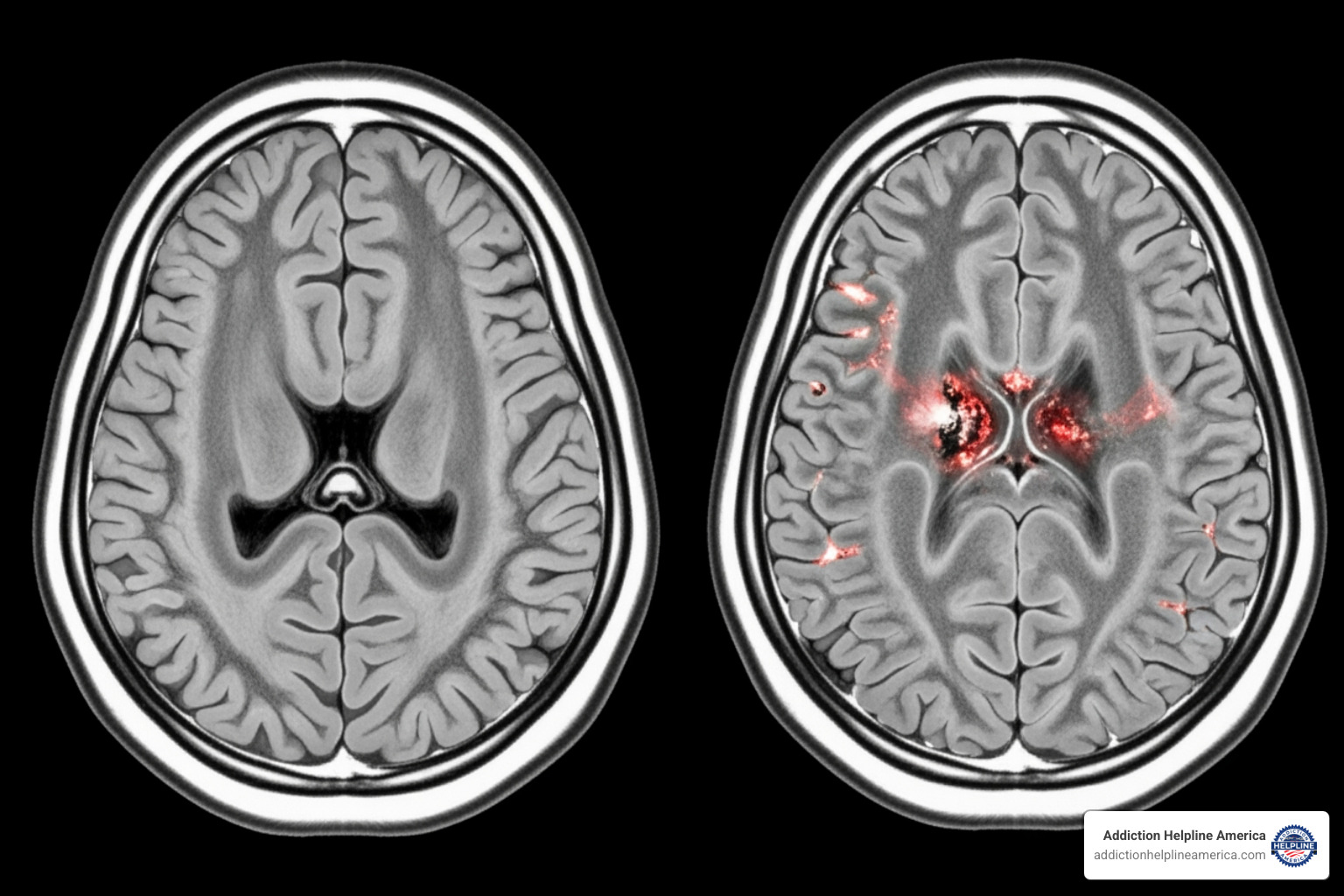
Drugs hijack the brain’s reward system, flooding it with dopamine at levels far beyond natural pleasures. The brain is tricked into prioritizing the drug above all else for survival. Over time, the brain adapts by becoming less sensitive to dopamine. Natural joys no longer feel rewarding, and the person needs the drug just to feel normal. This is why people on drugs often lose interest in activities they once loved.
Addiction also weakens the prefrontal cortex, the brain’s center for judgment and self-control. The brain is rewired to crave the drug while the ability to resist that craving is damaged. This is why telling someone to “just stop” is ineffective; it ignores the profound neurological changes that have occurred.
Factors Increasing the Likelihood of Addiction
Certain factors can make some individuals more vulnerable to addiction:
- Genetics: Family history accounts for about 40-60% of a person’s risk for addiction.
- Environment: Factors like trauma, abuse, poverty, peer pressure, and easy access to drugs increase risk.
- Age of First Use: The adolescent brain is still developing, particularly the prefrontal cortex. Starting drug use as a teen significantly increases the likelihood of developing an addiction.
- Co-occurring Mental Health Disorders: People with depression, anxiety, ADHD, or PTSD may use drugs to self-medicate, creating a cycle of co-occurring disorders that requires integrated treatment.
Understanding these factors helps foster compassion and highlights the need for comprehensive, effective treatment.
How to Recognize the Signs of People on Drugs
Spotting the signs of drug use early can help you intervene and potentially save a life. The signs are often subtle at first but build into a noticeable pattern over time.

General Behavioral and Physical Signs
People on drugs often display a combination of the following signs:
- Behavioral Changes: Sudden mood swings, increased secrecy, neglecting work or family responsibilities, and unexplained financial problems.
- Physical Changes: Altered sleep patterns (too much or too little), dramatic shifts in appetite and weight, declining personal hygiene, and bloodshot or glazed eyes with unusually large or small pupils.
While these signs can indicate other issues, a combination of them warrants a caring conversation. For a deeper look, see our Signs of Addiction: Complete Guide.
Specific Signs by Substance Type
Different drugs produce distinct signs. Knowing them can help identify the substance being used.
| Signs of Stimulant Use | Signs of Opioid Use |
|---|---|
| Hyperactivity, restlessness | Drowsiness, sedation |
| Dilated pupils | Constricted pupils (pinpoint) |
| Weight loss, decreased appetite | Slurred speech, slow movements |
| Talkativeness, rapid speech | Itchiness, flushed skin |
| Euphoria, increased confidence | Nausea, vomiting |
| Paranoia, anxiety, agitation | Constipation |
| Insomnia | Slowed breathing |
| Repetitive behaviors | Nodding off (on the verge of sleep) |
- Alcohol: Signs include secretive drinking, frequent blackouts, morning tremors, and flushed skin. Learn more about Alcohol Abuse Treatment.
- Marijuana: Look for red eyes, increased appetite, slowed reaction time, and sometimes paranoia.
- Stimulants (Cocaine, Meth): Users often show high energy, dilated pupils, rapid speech, and weight loss. Meth use can cause severe dental problems and skin sores. Our Meth Addiction Support page has more info.
- Opioids (Heroin, Fentanyl, Percocet): Key signs are drowsiness, pinpoint pupils, slurred speech, and slowed breathing. Users may “nod off” during conversations. See our page on Percocet.
- Hallucinogens (LSD, Mushrooms): These cause distorted perceptions, irrational behavior, and dilated pupils.
- Prescription Depressants (Xanax, Valium): Signs mimic intoxication and include drowsiness, confusion, dizziness, and memory problems. NIDA offers a CNS depressants overview.
Drug Use in Adolescents vs. Adults
- Adolescents: Red flags include a sudden change in friend groups, a sharp decline in grades, loss of interest in hobbies, and increased hostility beyond typical teen moodiness. NIDA provides a guide on signs of drug use in teens.
- Adults: Signs often manifest as poor work performance, strained relationships, neglect of family duties, and legal issues like DUIs.
Trust your instincts. If something feels wrong, it’s worth addressing.
The Widespread Risks and Consequences of Drug Use
For people on drugs, the risks are not abstract warnings but real threats that can alter or end their lives. The consequences ripple outward, affecting health, relationships, and society.
Health, Social, and Legal Consequences
The damage from drug use accumulates over time, leading to severe consequences:
- Health Risks: The most immediate danger is overdose, which killed approximately 105,000 people in the U.S. in 2023. Long-term use damages vital organs like the liver, heart, and brain. Injecting drugs carries a high risk of infectious diseases like HIV and Hepatitis C. Substance use can also trigger or worsen mental health conditions, and the withdrawal process can be brutal. Learn more in our Drug Withdrawal: Complete Guide.
- Accidents and Injuries: Impaired judgment leads to accidents, including car crashes, falls, and workplace injuries.
- Legal and Financial Ruin: Arrests for possession or drug-related crimes can lead to a criminal record, hindering future opportunities. The cost of drugs, combined with lost employment and legal fees, often leads to financial devastation.
- Damaged Relationships: Trust erodes as addiction takes hold, leading to isolation and broken relationships with family, friends, and partners.
The Global and National Impact of People on Drugs
Drug use is a public health crisis with a massive scope. Globally, about 296 million people used psychoactive drugs in 2021, according to the WHO. You can read about WHO’s response to the global drug problem.
In the United States, the overdose crisis is driven by the opioid epidemic, which has evolved over three waves: prescription painkillers, then heroin, and now synthetic opioids like fentanyl.
Fentanyl has changed everything. It is 50 times more potent than heroin, and a lethal dose is minuscule. It is often mixed into other drugs without the user’s knowledge, making every use a gamble. In 2023, synthetic opioids were involved in the vast majority of opioid-related deaths.
This crisis affects every community. But behind each statistic is a person who deserves compassion and a chance at recovery. With the right support, a life can be saved and a family restored.
The Path to Recovery: Treatment and Support
For people on drugs, the journey to recovery is challenging but incredibly rewarding. With support and the right treatment, sustained recovery is within reach for anyone.
At Addiction Helpline America, we’ve seen thousands of people reclaim their lives. We know recovery is real and are here to help you find the right path.
Key Components of Effective Treatment
Effective treatment is personalized and comprehensive. The earlier someone seeks help, the better the outcome. Key components include:
- Medical Detoxification: A supervised process to safely manage withdrawal symptoms, which can be dangerous for substances like alcohol, benzodiazepines, and opioids. Find a safe facility with our Ultimate Detox Facility Near Me Guide.
- Inpatient Programs: A structured, 24/7 environment where individuals live at a facility for intensive therapy. This is ideal for severe addictions or co-occurring disorders. Explore options on our Drug Program Inpatient page.
- Outpatient Programs: A flexible option allowing individuals to live at home while attending regular therapy. It works well for those with strong support systems or as a step-down from inpatient care.
- Therapy: The core of treatment, helping individuals understand the root causes of their addiction and learn healthy coping skills. Cognitive Behavioral Therapy (CBT) and Dialectical Behavior Therapy (DBT) are common, evidence-based approaches. Learn more about Therapy.
- Medication-Assisted Treatment (MAT): For opioid or alcohol addiction, MAT combines therapy with FDA-approved medications to reduce cravings and prevent relapse.
- Dual Diagnosis Treatment: This integrated approach addresses both addiction and co-occurring mental health disorders like depression or anxiety simultaneously, which is crucial for lasting recovery. Our Dual Diagnosis Treatment Costa Mesa Guide explains more.
Overcoming Challenges in Recovery
Recovery is an ongoing process with challenges. Understanding them helps in navigating the journey.
- Triggers: People, places, and emotions can create an urge to use. Identifying and managing personal triggers is a key skill for maintaining sobriety.
- Relapse: Relapse can happen; the rate is 40-60%, similar to other chronic diseases. It’s not a failure but a sign that the treatment plan needs adjustment. However, relapse is dangerous due to reduced tolerance, which can easily lead to a fatal overdose.
- Support Network: A strong network of supportive family, friends, and peers is vital. Recovery is hard to do alone.
- Aftercare Planning: Long-term success depends on continued support after formal treatment, such as ongoing therapy, support groups, or sober living environments. Our New Orleans Sober Living Complete Guide offers insight into this transition.
Every step forward on the path to recovery is a victory.
How to Help Someone You Suspect is Using Drugs
Suspecting a loved one is using drugs is frightening and confusing. Your concern is valid, and there are compassionate, effective ways to help.
Communicating with People on Drugs: What to Say and Do
How you approach the conversation is critical. Follow these steps to create an opening for healing:
- Choose a private, calm time: Talk when they are sober and you won’t be interrupted.
- Use “I” statements: Say, “I’m worried about you,” instead of, “You have a problem.” This avoids blame.
- Express concern and love: Lead with compassion, not judgment. Let them know you’re there to support them.
- Listen with empathy: Give them space to share their struggles without interruption.
- Offer help, not ultimatums: Have resources ready, like helpline numbers or treatment information. Offer to explore options together. Our Helping Family with Addiction guide has more tips.
Taking Action and Finding Support
Supporting your loved one also means supporting yourself. Take these steps:
- Set healthy boundaries: Clearly communicate what you will and will not do. For example, refuse to give them money for drugs or lie for them. Boundaries are about self-preservation, not punishment.
- Avoid enabling: Enabling behaviors, like paying their bills or making excuses for them, prevent them from facing the consequences that might motivate change.
- Consider a professional intervention: If they refuse help, a trained interventionist can facilitate a structured conversation to break through denial. Learn more on our Family Drug Intervention page.
- Prioritize self-care: You cannot pour from an empty cup. The stress of loving someone with an addiction is immense. Take care of your own physical and mental health.
- Find support for yourself: Groups like Al-Anon and Nar-Anon connect you with others who understand. You are not alone. Find more resources on our Help for Loved Ones page.
Helping someone with addiction is a marathon. Your support makes a difference, even when it doesn’t feel like it.
Frequently Asked Questions about Drug Use and Addiction
We hear these questions often from families and individuals trying to understand addiction. Here are clear, compassionate answers.
What are the first signs of drug use?
The earliest signs are often patterns of change. Look for a combination of indicators rather than a single event. Key signs include sudden shifts in behavior (like increased secrecy), changes in appearance (poor hygiene, weight loss/gain), a new social circle, and extreme mood swings that seem out of character.
Why can’t someone with an addiction just stop on their own?
Addiction is a complex brain disease, not a lack of willpower. As detailed in The Science of Addiction, drugs physically alter brain circuits responsible for reward, stress, and self-control. This creates an overwhelming compulsion to use that can override a person’s desire to stop. Professional treatment is necessary to address these neurological changes and develop new coping skills.
Is recovery from drug addiction really possible?
Yes, absolutely. Recovery is possible for everyone. Millions of people on drugs have achieved long-term sobriety and now live fulfilling lives. Like other chronic diseases, addiction is treatable and manageable. The process involves detox, therapy, and ongoing support to build a healthy life in recovery. Relapse can be part of the journey, but it is not a failure. Hope and healing are always within reach. Explore options on our addiction recovery support groups page.
Addiction Is Treatable: Compassionate Paths to Recovery
People on drugs are not statistics; they are human beings facing a treatable medical condition. Addiction is not a moral failing, and it does not discriminate. The most important takeaway is that addiction is treatable, and recovery is real.
The path isn’t always easy, but with evidence-based treatment, compassion, and ongoing support, a full and meaningful life is possible for anyone. It is never too early or too late to seek help.
At Addiction Helpline America, we are dedicated to providing free, confidential, and personalized guidance. Our experienced team is available 24/7 to connect you or your loved one with the right treatment program from our extensive network, which serves communities nationwide.
You don’t have to do this alone. Take the first step today by reaching out to us or exploring resources like addiction recovery support groups. We are here to help you find the path to a healthier, happier future.