Understanding the Devastating Reality Behind a Sibling’s Suicide
32 pills my sister’s suicide refers to the 2017 HBO documentary by filmmaker Hope Litoff, who explores her journey to understand her sister Ruth’s death by suicide. The title comes from a note Ruth left referencing the many medications she tried during her battle with mental illness. This personal documentary is an important case study for families struggling with suicide loss, mental health, and the complex grief that follows.
Quick Facts About “32 Pills: My Sister’s Suicide”:
- What it is: An 89-minute documentary on artist Ruth Litoff’s life and suicide
- Director: Hope Litoff (Ruth’s sister)
- Release: November 29, 2017 (HBO)
- Rating: 6.4/10 on IMDb, Metascore of 71
- Where to watch: Peacock, Tubi, HBO platforms
- Key themes: Mental illness, family secrets, survivor’s guilt, addiction, grief
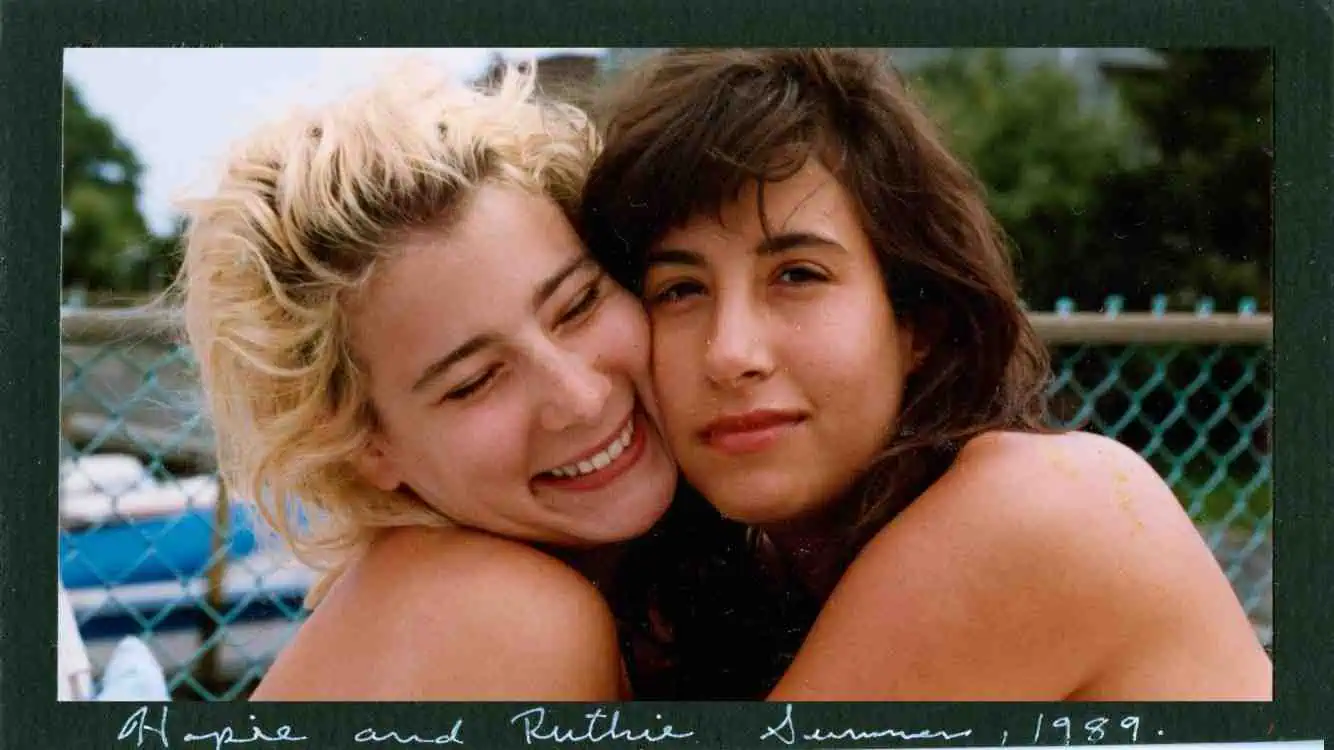
Ruth was a talented New York artist who struggled with depression and bipolar disorder. Her death was a carefully arranged scene—a final art piece forcing her family to confront painful truths. After finding Ruth’s journals and artwork, Hope began an investigation that threatened her own 16 years of sobriety, resulting in a film that is both a tribute and a raw exploration of how suicide devastates those left behind.
At Addiction Helpline America, we support families facing the intersection of suicide, mental illness, and substance abuse. Our 24/7 crisis support team understands that grief after a sibling’s suicide is uniquely painful, complicated by unanswered questions and the survivor’s own mental health struggles.
Unpacking the Tragedy: A Look Inside “32 Pills: My Sister’s Suicide”
When Hope Litoff opened a storage unit full of her sister’s belongings, she began a journey that would challenge everything she thought she knew about Ruth. The documentary “32 Pills: My Sister’s Suicide” isn’t just about why someone dies by suicide—it’s about finding the person you loved might have been someone you never truly knew.
Ruth Litoff was a talented New York artist whose life looked successful, but she was fighting a private battle with depression and bipolar disorder. The title 32 pills my sister’s suicide comes from her final act: a staged scene with a note referencing the thirty-two different medications she had tried. Hope’s raw and honest film shows that grief after suicide is messy, complicated, and often leaves no satisfying answers. The documentary raises uncomfortable questions about mental illness, family secrets, and how well we can ever really know another person.
For families dealing with similar struggles, understanding these complexities is crucial. That’s why Mental Health Awareness is so important.


The Central Narrative and Hope’s Personal Journey
Hope’s journey begins with boxes of Ruth’s life—journals, photographs, and artwork revealing a creative mind in turmoil. What started as curiosity became an obsessive quest to understand why Ruth made her choice. As Hope reconstructed Ruth’s life, she was forced to confront her own demons, including her struggles with addiction. The investigation became a mirror, reflecting her own pain. The documentary unflinchingly shows Hope’s relapse into drinking after sixteen years of sobriety, her anger, and her survivor’s guilt. It’s an uncomfortable but honest depiction of what grief actually looks like. You can see a glimpse of this emotional journey in the official trailer on YouTube.
The Story of Ruth Litoff and the “32 pills my sister’s suicide” Note
Ruth was a creative, successful, and loved photographer and artist in New York. Underneath, she was battling severe depression and bipolar disorder. Hope also describes her as a compulsive liar, making it even harder to understand who she really was. The phrase “32 pills my sister’s suicide” represents Ruth’s desperate, years-long search for relief through thirty-two different medications. Each pill represented a cycle of hope and disappointment. Her final act was staged like an art installation, with a note referencing those medications. This act left Hope haunted by questions: Was it a message? A statement? A final expression of control? Understanding Ruth’s story highlights why comprehensive Mental Health Awareness and accessible treatment are so desperately needed.
Critical Reception and How to Watch
“32 Pills: My Sister’s Suicide” earned a Metascore of 71, with critics praising it as an “unvarnished and sometimes brutal soul-baring process.” While some found it “gripping and discomfiting,” others felt it was “muddled and difficult.” These mixed reactions reflect the documentary’s uncomfortable and divisive subject matter. The film’s honesty is what makes it important, showing the good, the bad, and the heartbreaking. For those who want to watch, the documentary is available on streaming platforms like Peacock and Tubi, as well as on HBO. You can find more information on the official film website. The film opens an important conversation about mental illness, suicide, and the complicated grief that follows.
The Ripple Effect: A Survivor’s Journey Through Grief and Addiction

When someone dies by suicide, the pain spreads outward, touching everyone who knew them. For Hope Litoff, losing her sister Ruth became a journey that threatened her own sobriety. The story of 32 pills my sister’s suicide reveals how one person’s mental health crisis can shake an entire family’s wellbeing. Ruth’s death exposed family secrets, triggered survivor’s guilt, and forced everyone to confront uncomfortable truths. The documentary shows that complicated grief after suicide isn’t something you “get over”; it’s a weight that reshapes your life.
Hope’s Own Struggles with Mental Health and Sobriety
Hope had been sober for 16 years when she began investigating her sister’s past. As she sorted through Ruth’s journals and the staged scene of her death, the emotional weight became too much, and Hope started drinking again. She is remarkably honest about this in the film, asking, “Must I admit that my sister and I are not so different?” Both sisters battled their own demons—Ruth with depression and bipolar disorder, Hope with alcoholism. Both conditions are diseases, not choices, and can be worsened by trauma. Hope’s relapse during filming shows that grief and recovery are not separate paths. The act of investigating Ruth’s death put her sobriety at risk, yet she kept searching for answers. If you’re facing similar struggles, our Mental Health Rehab Complete Guide offers resources for managing co-occurring conditions.
The Aftermath of “32 pills my sister’s suicide” on the Family
Ruth’s suicide sent shockwaves through the Litoff family, leaving each member with their own guilt and questions. The journals she left behind revealed a person many didn’t fully know, creating a double grief for the sister they lost and the one they never truly understood. Family secrets emerged, and Hope’s investigation forced everyone to confront the reality of Ruth’s mental illness and the limits of their ability to help. The process was messy and raw, with no neat answers or closure. Instead, the family had to learn to live with uncertainty. Making sense of Ruth’s death meant confronting generational patterns of mental health struggles and addiction. Many families in this situation find that Family Therapy in Addiction Recovery provides the support needed to steer these difficult conversations and begin healing together.
Asking the Hard Questions About Mental Health and Loss

“32 Pills: My Sister’s Suicide” confronts questions that touch every family affected by mental illness and suicide. It challenges the stigma around mental illness, showing it as a relentless medical condition. Ruth’s “32 pills” represented years of desperately seeking relief. The film also addresses the limits of understanding, showing that even the closest relationships can’t always penetrate the isolation of severe depression. This realization can be heartbreaking but also liberating for survivors—sometimes there are no clear answers, and that is not your fault. The film highlights the dangerous intersection of mental health struggles and substance abuse. At Addiction Helpline America, we work to break the silence around these issues. If you’re struggling, learn more about suicide prevention resources in your area.
Key Themes Viewers Can Learn From
32 pills my sister’s suicide offers profound lessons that extend beyond one family’s experience.
- The complexity of mental illness: The film shows conditions like bipolar disorder are medical issues, not character flaws, and that finding effective treatment can be a frustrating process.
- The enduring bond between siblings: Hope’s quest to understand Ruth demonstrates how love persists through confusion and grief, even when a relationship was complicated by issues like pathological lying.
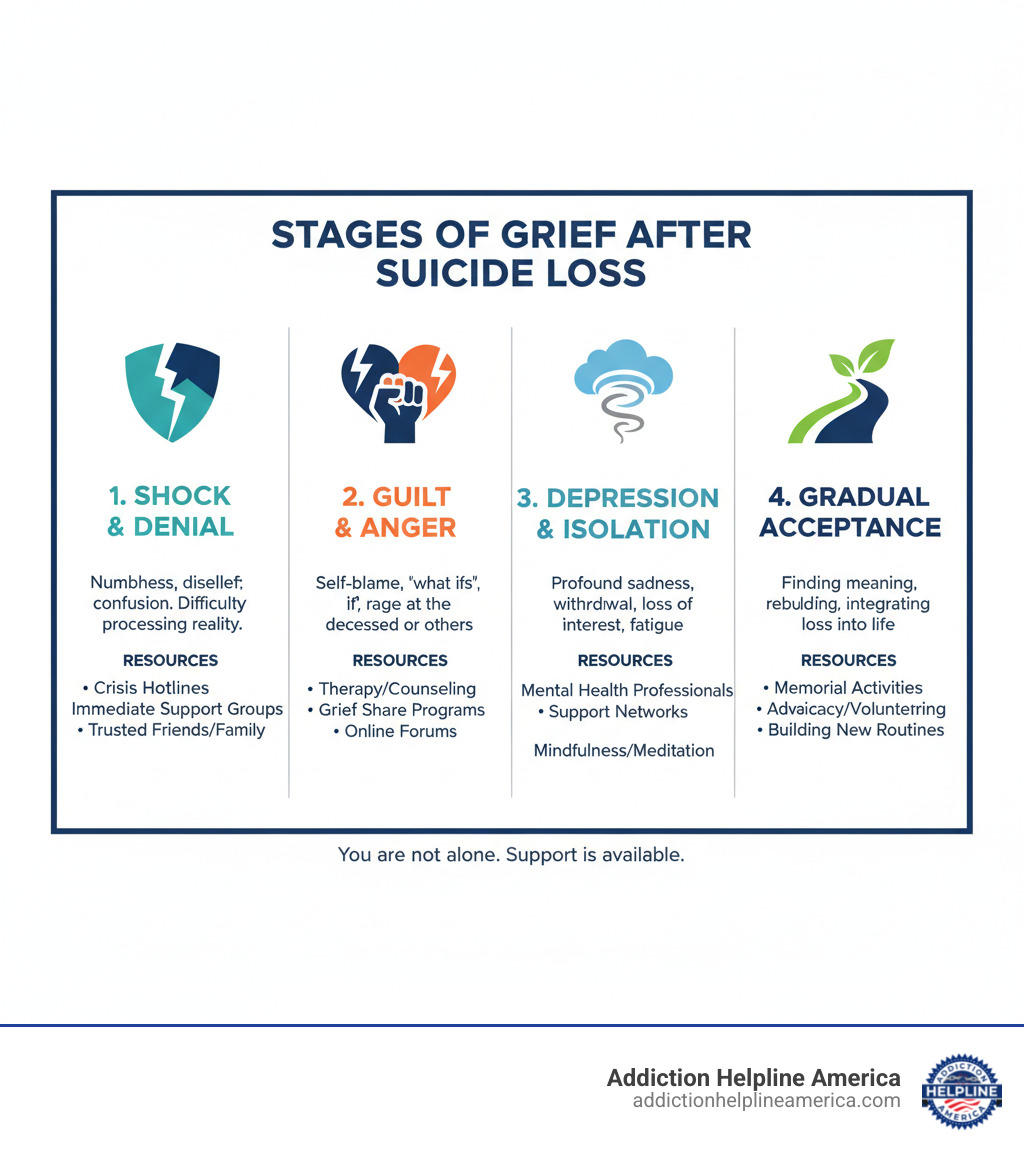
- The non-linear path of grief: Hope’s relapse proves that healing isn’t a straight line. Grief can circle back, and there’s no “right” way or timeline to grieve.
- The importance of asking for help: The film implicitly emphasizes that reaching out for support—for mental illness, addiction, or grief—is a sign of strength. Our Drug Addiction Help Guide can help you find support.
- The limits of understanding: Hope never gets complete answers. Learning to find peace without closure is one of the hardest lessons for suicide survivors.
Balancing a Loved One’s Memory with Painful Truths
One of the film’s most delicate acts is honoring Ruth while confronting uncomfortable realities. Ruth was a brilliant artist and a beloved sister, but she also lied compulsively and battled severe mental illness. The documentary shows that genuine remembrance doesn’t require airbrushing the difficult parts. Acknowledging her struggles is essential to honoring her real experience. This process allows survivors to see their loved ones as complete, complex human beings. For families where prescription medication abuse plays a role, understanding this complexity without judgment is crucial. Our Prescription Drug Abuse Helpline offers compassionate guidance. Hope’s journey teaches that peace comes from accepting that a loved one was complicated and that you can hold space for conflicting feelings like love and anger, grief and frustration.
Finding Your Path to Healing After a Sibling’s Suicide
Losing a sibling to suicide leaves a complicated wound, often mixed with confusion, guilt, and anger. As seen in 32 pills my sister’s suicide, this pain can trigger or worsen one’s own mental health or addiction issues. You don’t have to walk this path alone. Acknowledging your pain and seeking help is a brave first step. At Addiction Helpline America, we know healing isn’t linear and are here to help you find the support that fits your unique situation.
Types of Support for Suicide Survivors
Different types of support can help at different times on your grief journey.
- Individual counseling provides a private space to work through tangled emotions with a therapist specializing in grief or trauma.
- Grief support groups, especially for suicide survivors, offer the powerful knowledge that you’re not alone. Sharing your story can reduce the profound sense of isolation.
- Family therapy addresses the reality that suicide impacts an entire family system. A therapist can help improve communication and support each person’s unique grieving process.
- Crisis hotlines provide immediate, confidential support when the pain feels overwhelming. Our Addiction and Rehab Hotlines can guide you to immediate assistance.
You can also find ongoing community and connection through our Addiction Recovery Support Groups.
When Grief and Addiction Intersect
Intense grief can lead to substance use or cause a relapse, as it did for Hope Litoff. This isn’t a failure—it’s a stark reminder of how vulnerable we are when facing unbearable pain. The risk of substance abuse after a suicide loss is real, as some turn to alcohol or drugs to numb their feelings. This can create a dual diagnosis or co-occurring disorder, where mental health issues and substance use problems exist at the same time. If you’re dealing with both, you need integrated treatment that addresses both issues together. Treating one while ignoring the other rarely works. Specialized programs exist that understand this connection and can provide comprehensive care. Our guide on What Types of Addiction Treatment Programs Are Available? can help you understand your options. Healing from a sibling’s suicide while maintaining sobriety is possible with the right support.
Frequently Asked Questions about “32 Pills” and Suicide Grief
Viewers of “32 Pills: My Sister’s Suicide” often have difficult questions about the film, grief, and how to find help. Here are answers to the most common ones.
What are the key messages of “32 Pills: My Sister’s Suicide”?
The film delivers several profound truths. It shows that mental illness is devastating for both the individual and their loved ones, as symbolized by the 32 pills my sister’s suicide note. It reveals the complexity of family relationships and the painful reality that you can never fully know another’s inner world. Most importantly, the film underscores that grief isn’t a straight line and highlights the importance of open conversation about mental health and suicide. It shows that asking for help is a sign of wisdom, not weakness.
How does the film balance exploring Ruth’s life with Hope’s own struggles?
The documentary masterfully balances these two narratives. It begins with Hope as an investigator, piecing together her sister’s story from journals and art. As she digs into Ruth’s darkness, she is forced to confront her own. Her relapse into alcoholism after 16 years of sobriety becomes a central part of the story, not a side note. This parallel structure reveals the ripple effect of suicide within families, showing how trauma and vulnerability can be shared. The film ultimately portrays both sisters as complex individuals fighting intertwined battles.
What resources are available for someone grieving a suicide?
If you are grieving a suicide, you do not have to go through it alone. Resources are available to help you steer this difficult time.
- Therapy with a grief counselor provides a safe space to process complex emotions like guilt, anger, and sadness.
- Support groups for suicide survivors connect you with others who truly understand what you’re experiencing.
- Crisis hotlines offer immediate, 24/7 help when the pain feels overwhelming. You can find local crisis centres here.
At Addiction Helpline America, we specialize in connecting people with the right resources. Whether you’re dealing with grief, mental health challenges, or addiction, we offer free, confidential guidance to find a suitable program. We understand the intersection of grief and addiction and can help you find integrated treatment. You can also explore our Addiction Recovery Support Groups for community support.
Conclusion: Turning a Story of Loss into a Guide of Hope
The heartbreaking journey in 32 pills my sister’s suicide reminds us that mental illness and suicide leave deep wounds. Hope Litoff’s courageous decision to share her grief and her own relapse shows an important truth: healing is not a neat or linear process.
Instead of letting her sister’s story remain locked away, Hope transformed her pain into a film that offers raw honesty. It doesn’t provide easy answers, but its truth helps others feel less alone in their darkest moments. Grief is a journey, not a destination, and it’s okay for the path to be messy.
You are not alone. Whether you’re struggling with loss, your own mental health, or substance use triggered by grief, help is available. At Addiction Helpline America, we understand that grief and addiction often walk hand in hand. We provide free, confidential support custom to your specific situation.
Our nationwide network connects you with treatment centers and support groups that understand your unique challenges. Whether you need counseling, dual diagnosis treatment, or someone to talk to in a crisis, we can help you find the right resources. Healing is possible. With the right support, you can learn to carry your grief and move forward. If you or someone you love is struggling, please reach out. There is hope on the other side of this darkness.
Find Addiction Recovery Support Groups