24/7 Free & Confidential Addiction Helpline – Reach Out Now
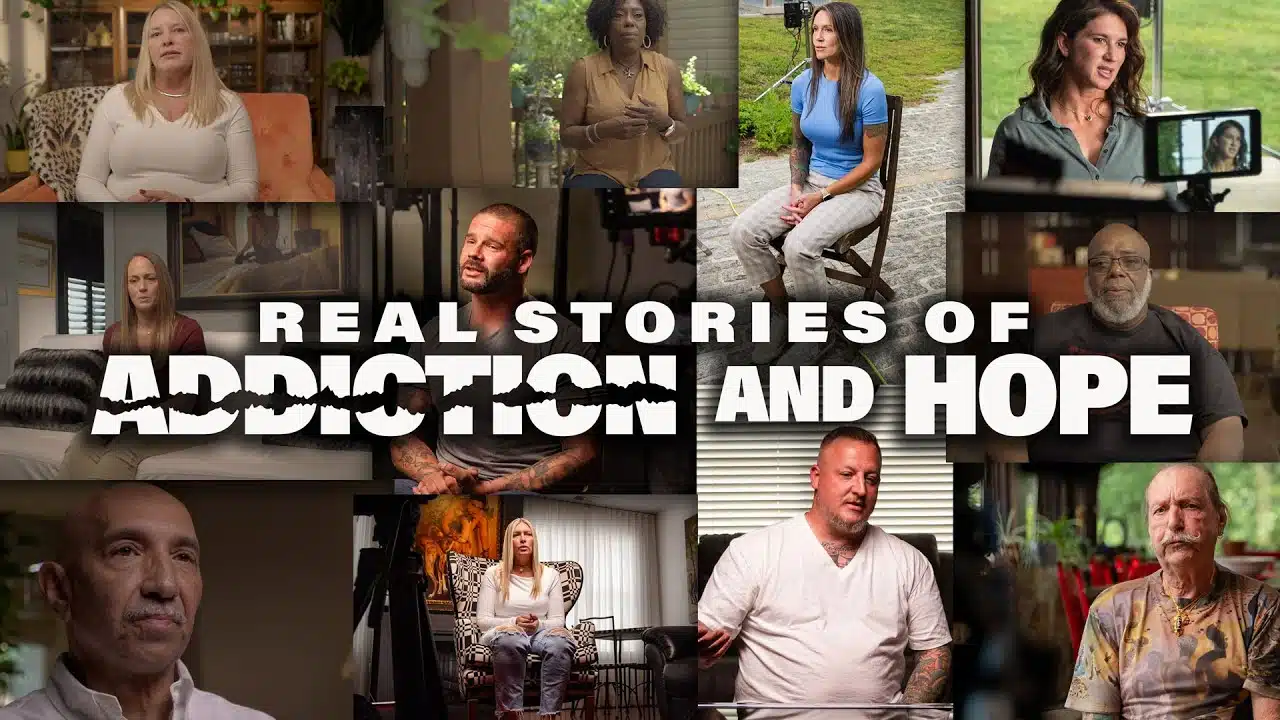
Addiction stories reveal the deeply human experiences behind substance use disorder—from the initial struggles to the triumphs of recovery. Here’s what these powerful narratives can teach us:
- Hope and possibility: Recovery is achievable, even after years of struggle
- Reduced stigma: Addiction affects people from all backgrounds, not just stereotypes
- Diverse paths: There’s no single “right” way to recover
- Family impact: Addiction creates a ripple effect that touches parents, siblings, and children
- Early intervention: Understanding how addiction starts can help prevent it
- Community support: No one has to face recovery alone
Behind every statistic about substance use disorder is a real person with a real story. As one physician in recovery shared, “I cannot tell you my name, or where I live, or even the specialty within which I practice medicine. I cannot do so for I have been shamed, embarrassed, and at times stigmatized.” This raw honesty captures what many people feel—that addiction carries a burden of shame that prevents them from seeking help.
But these stories also reveal something else: change is possible.
From teenagers who started experimenting with drugs to fit in, to professionals who became dependent on prescription medications for chronic pain, to parents watching their children struggle—each story offers a window into the complex reality of addiction. They show us that addiction doesn’t discriminate. It affects honor roll students, doctors, veterans, parents, and siblings. It begins with prescription pain medication, peer pressure at school, or coping with trauma.
More importantly, these stories show us that recovery happens every day. People rebuild their lives. Families heal. Individuals find purpose in helping others who are struggling.
At Addiction Helpline America, we’ve connected thousands of individuals and families with the resources they need to begin their recovery journey, and we understand the power of sharing addiction stories to inspire hope and reduce the isolation that so many feel. Through our 24/7 helpline and comprehensive support services, we’ve witnessed how hearing someone else’s experience can be the catalyst that finally moves someone toward seeking help.
1. The Professional’s Story: Addiction in Unexpected Places
When we think about addiction, it’s easy to fall back on old ideas or stereotypes. But the truth is, addiction doesn’t pick and choose. It can touch anyone, no matter their job, education, or how they live. This becomes incredibly clear in the addiction stories we hear from professionals, especially doctors. These are individuals who often carry huge responsibilities and face intense pressure.
Imagine a doctor, someone dedicated to helping others, secretly battling addiction. One anonymous physician shared their journey, which began quite innocently. They used stimulants given by a friend just to get through demanding organic chemistry exams. What seemed like a small help quickly spiraled. The long hours and high-stakes nature of a medical career can, sadly, create a perfect storm for high-functioning addiction. People can maintain their professional lives while struggling with a hidden dependence.
As the addiction grew, this physician felt forced to write fraudulent prescriptions using family members’ names for made-up illnesses. This was a desperate attempt to feed their growing need. The fallout was severe: a visit from the DEA, investigations by licensing boards, and the threat of legal action. The professional consequences were vast, impacting their ability to practice medicine and casting a long shadow over their reputation. Even years later, the shame and stigma of potential legal issues and public judgment remained a heavy burden.


For professionals, the journey to recovery often involves specialized support systems like Physician Health Services (PHS). These programs truly understand the unique challenges doctors face. They offer confidential guidance, medical detox, therapy, support groups, and long-term monitoring. Returning to practice after addiction treatment is a brave and often difficult path. It can involve restrictions and the humbling need to share their “probationary status” with colleagues and credentialing agencies. The public disclosure of professional discipline, even after much progress in recovery, can cause deep personal pain, as this physician’s daughter experienced when others learned of it at a soccer game.
Yet, this physician’s addiction story ultimately transformed into one of powerful growth. They found that their struggle, though painful, made them a more empathetic and effective healer. It taught them about the human side of illness and the profound importance of compassion. This story highlights a crucial understanding: addiction is a disease, not a moral failing. With the right help and resources, even those in the most demanding jobs can find lasting recovery and continue to contribute positively to society. At Addiction Helpline America, we believe all professions should build a culture of support, not shame, to help their members thrive.
2. The Patient’s Story: From a Prescription Pad to Opioid Addiction
Not all addiction stories begin in dark alleys or at wild parties. Sometimes they start in the most ordinary way possible—in a doctor’s office, with a prescription meant to help.
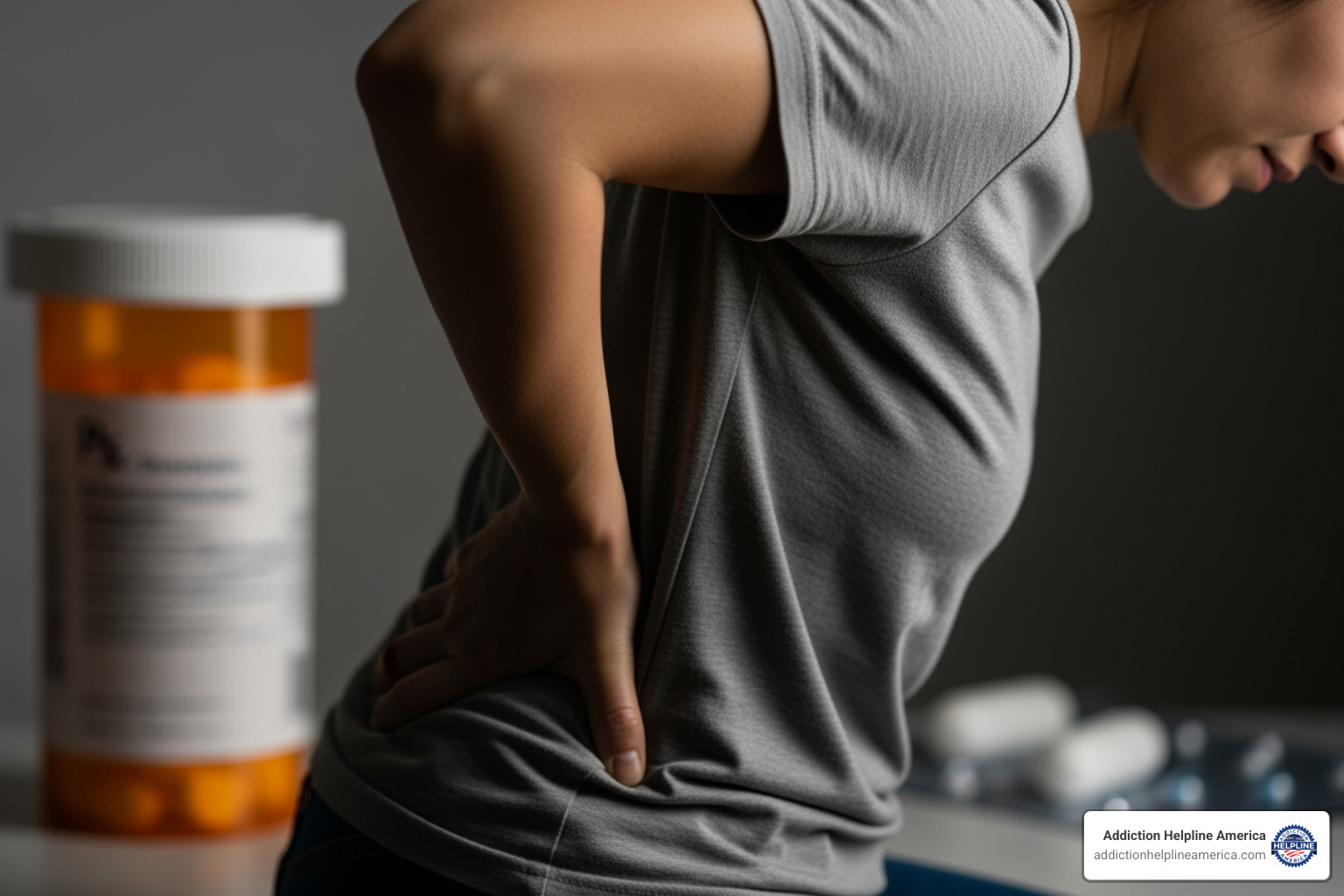
Picture this: You injure your back lifting boxes at work. The pain is unbearable, shooting down your leg with every movement. Your doctor prescribes opioid pain medication, and within hours, the relief is incredible. You can finally sleep, move, and get back to your life. The prescription seems like a blessing.
But weeks turn into months. You notice that the medication doesn’t work as well anymore. You need it just to feel normal. Between doses, you start experiencing symptoms you don’t recognize—sweating, restlessness, muscle aches. Your body has quietly become dependent on the medication that was supposed to heal you.
This is how many addiction stories involving opioids actually unfold. The 2017 Canadian Guideline for Opioid Therapy and Chronic Non-Cancer Pain found that prescription opioids carry a 5.5% risk of addiction—a number that might sound small until it happens to you or someone you love. What starts as legitimate chronic pain management can spiral into unintentional dependence before you even realize what’s happening.
The withdrawal symptoms alone can trap people in a cycle they never intended to enter. Your body begins to crave the medication not for pain relief, but simply to avoid feeling sick. It’s a terrifying realization—that the medicine meant to help has taken control of your life.
And then there’s the judgment. People who develop prescription opioid addiction often face harsh societal stigma, even though their journey began with a doctor’s recommendation. One person shared feeling like their entire identity had been reduced to a label: “All they see is that I’m on disability and that I’m a drug addict.” Years of accomplishments, relationships, and hard work suddenly don’t matter anymore. This shame can become a barrier to seeking the compassionate healthcare and support that could change everything.
The CDC’s Rx Awareness: Real Stories campaign shares powerful addiction stories from people across America whose lives were forever changed by prescription opioids. Britton, a veteran, found his way back from opioid use disorder. JJ and Mike both received opioid prescriptions after injuries—one ended a promising college sports career, while the other led to heroin addiction. Ann Marie and Judy share the heartbreaking loss of their sons to overdoses involving prescription opioids, reminding us that this crisis touches entire families. Jeni and Stevi Rae finded that recovery involved reconnecting with their cultural roots and finding new purpose.
These stories reveal an important truth: addiction doesn’t discriminate. It affects students and veterans, parents and professionals, people who did everything “right” but still found themselves struggling.
But here’s the hopeful part of these addiction stories—recovery is absolutely possible. Medication-assisted treatment (MAT) has transformed countless lives by combining behavioral therapy with medications like Suboxone. Suboxone works by decreasing withdrawal symptoms and reducing long-term dependence, giving people the stability they need to rebuild their lives. It’s not replacing one addiction with another, as some mistakenly believe—it’s providing a medical solution to a medical problem.
The journey from a prescription pad to opioid addiction can happen to anyone. But with compassionate healthcare providers, evidence-based treatment options, and the courage to ask for help, that same journey can lead to recovery. At Addiction Helpline America, we’ve seen it happen thousands of times, and we’re here to help it happen for you or your loved one too.
3. The Young Person’s Story: How Addiction Can Start Early
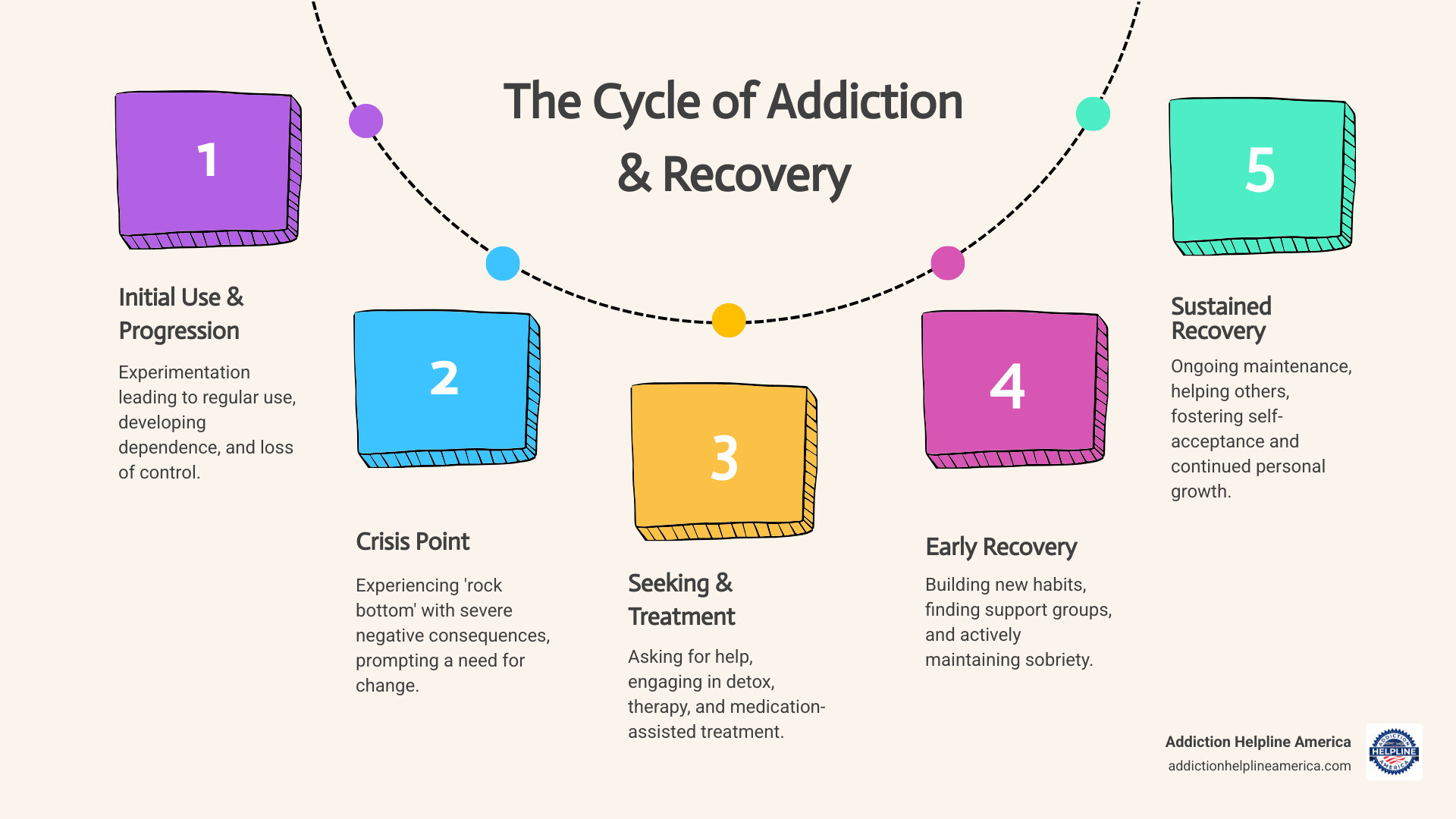
If you think addiction only affects adults, think again. Too many addiction stories begin in middle school hallways, at high school parties, or in the quiet desperation of a young person trying to fit in. What starts as a single choice—often driven by peer pressure or simple curiosity—can quickly spiral into something far more serious.
Tyler Lybert was in sixth grade when he first started using drugs. His reason? He just wanted to fit in with his peers. It’s a story we hear far too often. At that age, when acceptance feels like everything, saying “no” can seem impossible. The True Stories from Just Think Twice campaign shares dozens of similar accounts from young people across the country, and their experiences reveal a troubling pattern.
Early experimentation rarely stays contained. Jeremy B’s journey illustrates the dangerous progression many young people face—he started with marijuana and eventually moved to heroin. John Paul Herrera followed a similar path, beginning with marijuana at just 11 years old and trying heroin by 16. These aren’t isolated cases. They represent a common trajectory where teenage addiction escalates from what seems “harmless” to substances that carry devastating risks.
The physical consequences can be swift and severe. Chelsea Marie Heptig was only 17 when ecstasy use left her unconscious and seizing. Cassie Haydal seemed to have everything going for her—she was on the honor roll, active in sports, a typical successful teenager. Then meth use caused a heart attack at 18. Perhaps most heartbreaking is Jordan Cole Lunsford’s story. He died after using heroin just once. One time. That’s all it took.
The impact on families is immeasurable. The Savage brothers from Indiana lost their lives to oxycodone and alcohol, leaving their parents and siblings to grieve an unimaginable loss. Matthew McKinney’s family watched as addiction stole the adventurous, vibrant young man they knew, replacing him with someone they barely recognized.
But here’s what gives us hope: many of these addiction stories don’t end in tragedy. They end in change.
Gabi survived multiple overdoses and now dedicates her life to raising awareness about underage drug use, turning her pain into purpose. Leigh Jones not only got into recovery but achieved impressive academic success, proving that past struggles don’t have to define your future. Honesty L started using drugs at just 12 years old, but today she’s the CEO of a non-profit recovery resource foundation, helping others find the path she finded. Bertrand B, who began misusing substances at 9, became a passionate advocate for young people facing similar battles.
Victoria’s story particularly resonates with us. She helped start a recovery community at Emory University, recognizing that young people in recovery need supportive environments where they can pursue their education without compromising their sobriety. Collegiate recovery programs like these provide crucial support systems, proving that education and recovery can go hand in hand.
These young people demonstrate something powerful: early intervention matters. The sooner someone gets help, the better their chances of building a healthy, fulfilling life. Whether it’s through family support, school counselors, treatment programs, or collegiate recovery communities, there are people ready to help young people break free from addiction before it claims years—or lives.
If you’re a young person struggling, or if you’re worried about someone you love, know this: asking for help isn’t weakness. It’s the bravest thing you can do. At Addiction Helpline America, we understand how scary that first step can feel, and we’re here to help you find the right support, no matter your age or situation.
4. The Family’s Story: The Ripple Effect of a Loved One’s Addiction
Addiction is never just one person’s fight. It sends ripples through entire families, touching parents, siblings, children, and partners deeply. These addiction stories from family members reveal immense pain, tireless efforts, and often, a powerful, deep love. We see families wrestling with grief, fear, and the tough balance of offering support without enabling.
Many parents share heartbreaking journeys. They might have spent all their energy and money trying to keep a child alive. After an overdose, these parents often face “what if” questions, haunted by whether they could have done more. The danger of fentanyl is a huge part of these stories. Many parents tell of losing children to overdoses where fentanyl was involved, sometimes just from a tiny amount. These stories show how quickly a single moment can turn deadly, especially for young people.
Brothers and sisters carry a special weight too. We hear addiction stories where siblings watched their loved ones struggle, often feeling helpless or misunderstood. Losing a brother or sister to an overdose, like a 22-year-old, leaves a lasting hole and deep sadness. These experiences remind us that addiction’s impact is shared by everyone, and the emptiness it leaves behind is truly felt.
A common thread in these family stories is the strong desire to break generational cycles of addiction. Take Jason Brown, for example. He shared his recovery journey because he wanted to give his son the tools to avoid the same struggles. This shows how powerful a parent’s love can be in pushing for personal change.
Understanding the family’s role in addiction stories
When a loved one is fighting addiction, love and support are incredibly important. As someone in recovery once said, simply knowing you are loved makes a huge difference. But families often face a challenge: how to support someone without accidentally enabling their harmful behaviors. This is where setting healthy boundaries comes in. It’s tough, but it’s vital for both the person struggling and the family’s own well-being.
Many families find comfort and guidance through family therapy or support groups like Al-Anon. These groups offer a safe place to share experiences and learn ways to cope. They help families realize they are not alone and that they can heal, even if their loved one is still using.
The pain of losing someone to an overdose is a deep and often lonely grief. Families who experience this loss sometimes feel their grief isn’t understood or accepted by society. This can lead to feeling very alone. We believe it’s so important to recognize this unique sadness and offer gentle, caring support.
Family addiction stories show us that even with all the difficulties, finding hope together is possible. This means open communication, getting professional guidance, and building a supportive home where everyone’s health and recovery are priorities. At Addiction Helpline America, we are here to help families steer these complex journeys, connecting them to resources that bring healing and understanding.
5. The Survivor’s Story: How Addiction Stories Show a Path Forward
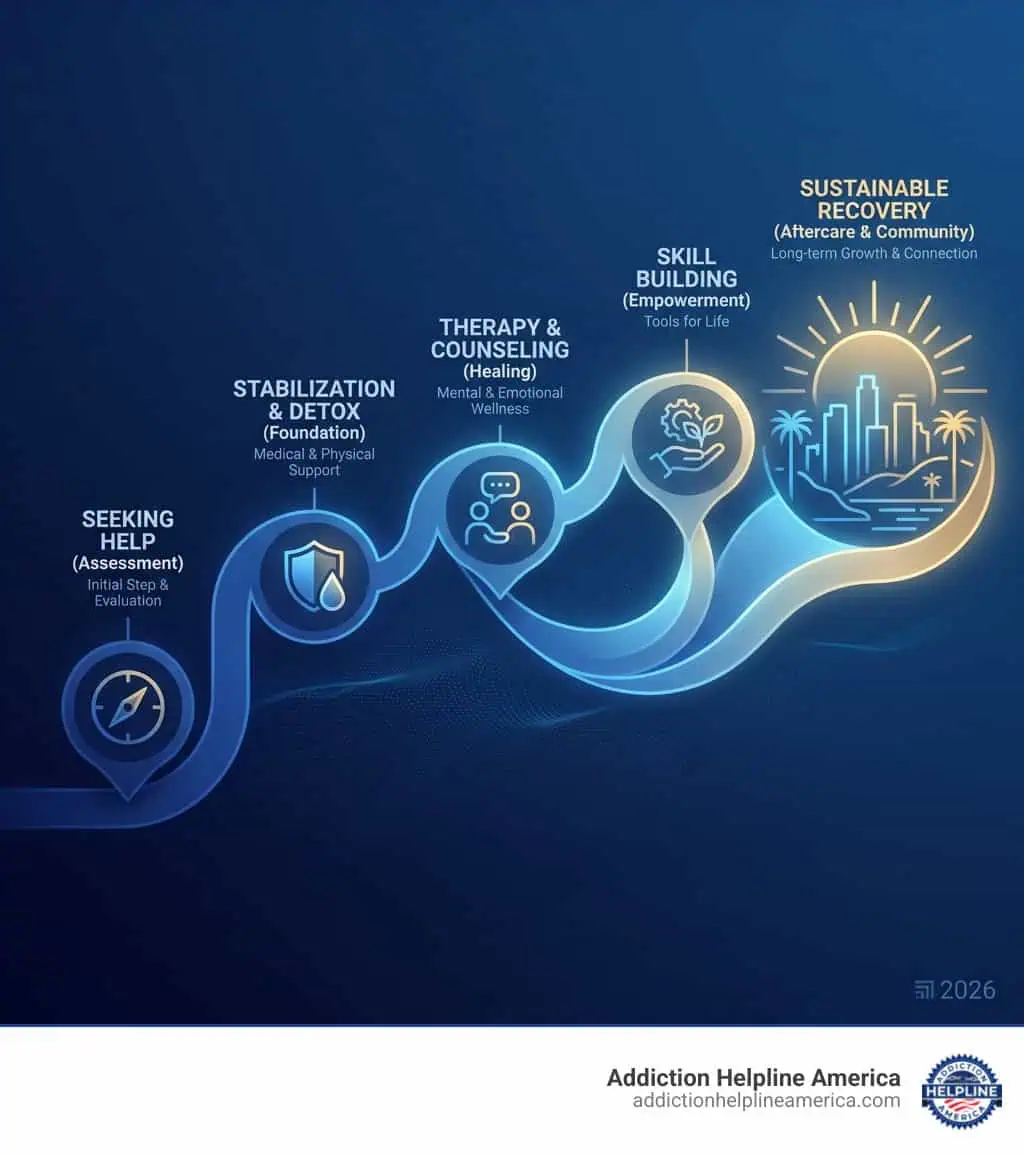
The most powerful addiction stories come from those who’ve lived through addiction and made it to the other side. These aren’t fairy tales with easy endings—they’re real accounts of struggle, surrender, and ultimately, change. They show us that no matter how dark things get, there’s always a way forward.
Most survivors can point to a specific moment when something shifted. Gina had been to 11 different rehabs before she found herself in Kensington one day and suddenly thought, “What are you doing? This isn’t good.” That moment of clarity—that instant when the fog lifts just enough to see the truth—can change everything. It’s often described as a “moment of sanity” that breaks through years of denial.
But clarity alone isn’t enough. What comes next is surrender. Not giving up, but rather letting go of the exhausting pretense that you can handle this alone. It’s the moment you finally ask for help, and that act of vulnerability opens doors you didn’t even know existed.
For many, those doors lead to 12-step programs and the wider recovery community. These spaces offer something that can’t be found anywhere else: people who truly understand because they’ve been there too. Finding a sponsor—someone who’s walked this path before you and can guide you through it—becomes a lifeline. Patrick spent years struggling and relapsing before he found lasting sobriety through a spiritual program. Now he dedicates his time to helping people who are incarcerated, turning his past pain into present purpose.
Recovery isn’t just about stopping substance use. It’s about rebuilding an entire life from the ground up. Jules faced both an eating disorder and alcoholism before finding self-acceptance through therapy and a 12-step program. Katie finded that even after 18 years sober, she needed to recommit to the fundamentals—the Big Book and helping others—when she relapsed. Her story reminds us that recovery is something we practice daily, not a finish line we cross once.
The act of helping others becomes crucial for many people in recovery. Honesty L started using drugs at age 12, but today she’s the CEO of a non-profit recovery resource foundation. Bertrand B, who began misusing substances at just 9 years old, now advocates for young people facing similar struggles. This isn’t coincidence—giving back keeps you connected to your purpose and reminds you why staying sober matters.
Key themes of hope in these addiction stories
When you read enough survivor addiction stories, certain truths emerge again and again. The resilience of the human spirit shows up in unexpected ways—in the person who gets back up after their fifth relapse, in the parent who rebuilds trust with their children, in the professional who reclaims their career.
The power of connection runs through every recovery story. As one person put it simply, “We don’t have to do this alone. We do this together.” Whether it’s a sponsor, a support group, a treatment center, or a helpline—reaching out and letting others in transforms isolation into community.
Perhaps most importantly, these stories teach us that recovery is not linear. There are setbacks. There are days that feel impossible. There are relapses that feel like failure but can become opportunities to strengthen your foundation and try again. It’s about progress, not perfection.
Many survivors describe finding new purpose in recovery. The very experiences that once brought shame become sources of insight and empathy. Former addictions counselors, recovery advocates, nonprofit leaders—many found their calling through their struggle.
Above all, survivors speak of sobriety as a gift—one that allows them to show up for their families, pursue their dreams, and live authentically. They describe gratitude not just for what they’ve gained, but for who they’ve become through the process.
These survivor addiction stories prove that recovery is possible for everyone when they receive the right support. At Addiction Helpline America, we’ve seen countless individuals take that first brave step toward help, and we’ve watched them transform their lives in ways they never thought possible. Your story doesn’t have to end in addiction—it can be the beginning of something entirely new.
Frequently Asked Questions about Addiction and Recovery
When facing addiction, or supporting someone who is, many questions come to mind. These are some of the most common ones we hear, and the answers are often echoed in countless addiction stories of strength and resilience.
What is the first step to recovery?
The very first step on the path to recovery is often the hardest, but also the most powerful: acknowledging the problem and asking for help. This isn’t just about admitting something; it’s an act of profound courage and surrender. As we’ve seen in so many addiction stories, like Gina’s, this can come as a “moment of sanity” – a sudden, clear realization that change is necessary.
Addiction can be a cunning disease that whispers to you that you don’t have a problem at all. Because of this, reaching out and seeking support from family, friends, or professionals is a vital, brave move. It opens the door to a whole new world of possibilities and the support you truly deserve.
Is relapse a part of recovery?
For many people, the journey to lasting recovery isn’t a straight line. Relapse can, at times, be a part of the recovery journey. A relapse does not mean you’ve failed, nor does it erase all the progress you’ve made. Instead, as Katie’s powerful addiction story shows—where she relapsed after 18 years of sobriety—it can be an opportunity.
It’s a chance to reassess what’s working and what isn’t, to strengthen your support systems, and to recommit to your sobriety with renewed determination. Relapse is a common challenge, but it highlights that recovery is a continuous process of growth, learning, and self-compassion.
How can I help a loved one with an addiction?
It’s natural to want to help someone you care about who is struggling with addiction. The most effective approach involves a delicate balance: offer support and love without enabling the behavior. This means encouraging them to seek professional help, but also setting healthy boundaries to protect your own well-being.
Many family addiction stories highlight the importance of open communication, educating yourself about addiction, and focusing on solutions rather than dwelling on the problem. Resources like family support groups, such as Al-Anon, can provide invaluable guidance and a sense of community. While you can’t force someone into recovery, you can create a loving, supportive environment that encourages them to take that crucial first step when they are ready. Your well-being matters too, and caring for yourself allows you to be a stronger support for your loved one.
Your Recovery Story Can Start Today
Every addiction story we’ve shared—the physician who found compassion through struggle, the patient who finded hope through medication-assisted treatment, the young person who rebuilt their life, the family that learned to heal together, and the survivor who now helps others—carries the same essential message: change is possible.
Your story doesn’t have to mirror anyone else’s. There’s no single “right” way to begin recovery. Some people find their path through 12-step programs, while others connect with therapy, medication-assisted treatment, or faith-based approaches. What matters most is taking that first step, however small it might feel.
We know that first step can seem impossible. You might be wondering if treatment will work for you, or feeling ashamed about asking for help, or unsure where to even begin. These feelings are completely normal. As we’ve seen in the addiction stories throughout this article, nearly everyone who found recovery felt exactly the same way before they reached out.
That’s where Addiction Helpline America comes in. We provide free, confidential, and personalized guidance to help you find the right recovery program—whether you’re in Alabama, California, New York, or Wyoming. We’re not here to judge or pressure you. We’re here to listen, understand your unique situation, and connect you with treatment options that make sense for your life.
You don’t have to steer this alone. Professional guidance is available right now, and it’s easier to access than you might think. Our team understands what you’re going through because we’ve helped thousands of people take this same brave step. We can answer your questions, explain your options, and connect you with treatment centers in your area that specialize in your specific needs.
Your recovery story is waiting to be written, and it can start today. Whether you’re seeking help for yourself or a loved one, we’re here 24/7 to guide you toward the support you deserve. Find the right recovery program for you and find that you are not alone in this journey.