

Understanding MSG Sensitivity: What You Need to Know
MSG addiction symptoms is a common search term, but it’s often a misunderstanding. While a true addiction to MSG doesn’t exist, some people report physical reactions to this food additive. Here’s a quick breakdown:
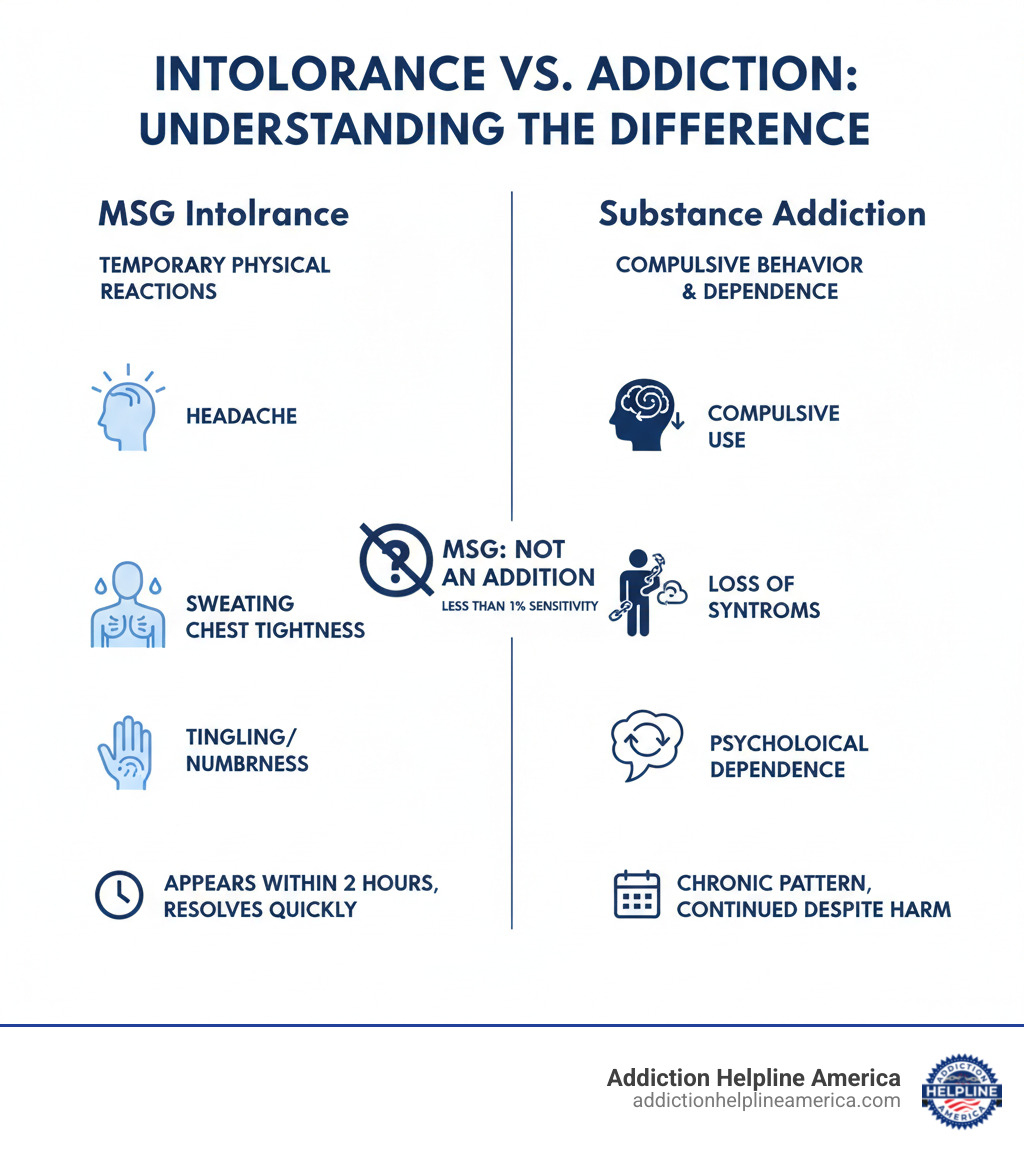
- Sensitivity, Not Addiction: MSG doesn’t cause the compulsive use or psychological dependence that defines addiction. Instead, a small percentage of people (<1%) may have a sensitivity.
- Reported Symptoms: These can include headaches, flushing, sweating, nausea, and heart palpitations.
- Temporary Reactions: Symptoms usually appear within two hours of consumption and resolve quickly.
- Scientific Consensus: Most studies have not found a conclusive link between MSG and these symptoms, and the FDA considers it “Generally Recognized as Safe” (GRAS).
The confusion dates back to 1968 with reports of “Chinese Restaurant Syndrome.” While many people attribute symptoms to MSG, researchers have struggled to replicate these reactions in controlled studies.
The key takeaway is that what’s often called “MSG addiction” is actually a report of sensitivity or intolerance—a temporary physical reaction, not a clinical addiction involving compulsive behavior and loss of control.
At Addiction Helpline America, we help people understand the difference between true substance use disorders and other health concerns like food sensitivities. While MSG sensitivity isn’t an addiction, we’re here to provide accurate information and resources for any health concerns you face.
What is Monosodium Glutamate (MSG)?

Monosodium glutamate (MSG) is a flavor improver that provides a savory or “umami” taste. It’s the sodium salt of glutamic acid, an amino acid naturally present in our bodies and in foods like tomatoes, cheese, and mushrooms. Your body produces and uses glutamic acid, so it’s a familiar compound.
MSG’s primary role is to amplify the umami flavor, the fifth basic taste finded in 1908. Today, MSG is produced through the fermentation of starch, sugar beets, or molasses, resulting in a white crystalline powder. Adding it to food provides more free glutamate, enhancing its natural savory qualities.
Interestingly, MSG can help reduce sodium intake. It contains about a third of the sodium of table salt, allowing for up to a 37% reduction in a recipe’s overall sodium content without sacrificing flavor.
Regarding safety, the FDA classifies MSG as “Generally Recognized as Safe” (GRAS), a conclusion shared by Health Canada. Both agencies agree it poses no significant health risk for the general population in typical amounts. When added to packaged food, it must be listed on the label, helping consumers make informed choices. For more details, see the FDA’s Questions and answers on monosodium glutamate (MSG).
How to Identify MSG on Food Labels
Reading food labels is key if you suspect an MSG sensitivity. While manufacturers must list “monosodium glutamate” when it’s added directly, free glutamate can also be present in other ingredients. Be aware of terms like:
- Hydrolyzed vegetable protein (or hydrolyzed plant protein)
- Autolyzed yeast and yeast extract
- Glutamic acid
- Other glutamate salts (e.g., monopotassium glutamate)
- Protein isolate
Even the term “natural flavors” can sometimes include glutamate-containing ingredients. Be cautious of “no added MSG” claims on packaging. While technically true, these products can still contain ingredients with naturally occurring free glutamate, such as soy sauce or yeast extract. Your body processes this glutamate identically, so it may still trigger a reaction if you are sensitive.
Understanding these labels is similar to understanding the complexities of Substance Use Disorders; it requires looking beyond the surface to make informed health choices.
The “MSG Symptom Complex”: Reported Reactions and Sensitivities
The term “Chinese Restaurant Syndrome” originated in 1968 from a doctor’s letter describing symptoms after dining out. This sparked decades of debate, positioning MSG as a culinary villain. However, despite numerous anecdotal reports, double-blind, placebo-controlled studies have failed to consistently link MSG to these symptoms.
The FDA investigated these claims and concluded that while most people have no reaction, a small subset might experience temporary symptoms after consuming 3 grams or more of MSG on an empty stomach. This is a much larger dose than the typical amount found in a serving of food (usually less than 0.5 grams) and is consumed under different circumstances.
What is now called the “MSG symptom complex” is estimated to affect less than 1% of the population. These reactions are mild, temporary sensitivities or intolerances, not an allergy or addiction. The confusion between a temporary physical reaction and the chronic, compulsive nature of addiction is a key point of misunderstanding when people search for msg addiction symptoms.

Commonly Reported Symptoms of MSG Sensitivity
For the small number of people who report sensitivity to MSG, the symptoms are temporary and usually mild, though they can be uncomfortable. They typically resolve on their own within a few hours. Common complaints include:
- Headache
- Flushing and sweating
- Numbness or tingling, particularly around the mouth
- Heart palpitations or chest tightness
- Nausea
- Weakness or drowsiness
Less common symptoms can include hives, nasal congestion, or muscle aches. It’s important to reiterate that scientific studies have struggled to consistently reproduce these symptoms in controlled settings, highlighting a gap between anecdotal reports and clinical evidence.
Understanding Reported MSG Addiction Symptoms and Sensitivities
The term msg addiction symptoms is a misnomer. Medically, MSG does not cause addiction. The confusion arises from misunderstanding its role in the body and brain.
Glutamate, the core component of MSG, is the most abundant excitatory neurotransmitter in the brain, essential for learning and memory. Some theories, like the “excitotoxicity theory,” suggest excessive glutamate can damage nerve cells. However, this concept is more relevant to conditions like stroke, not dietary MSG intake.
Animal studies have linked extremely high doses of MSG to issues like oxidative stress and neurotoxicity. It’s crucial to note these doses are far beyond what any human would consume. The human body is well-equipped to handle dietary glutamate; most is metabolized in the gut, and the blood-brain barrier tightly regulates levels in the brain.
There is no conclusive human evidence that dietary MSG causes the compulsive, brain-altering behaviors that define addiction. The scientific discussion is complex, as detailed in reviews like this one on Extensive use of monosodium glutamate: A threat to public health?.
Can MSG Cause Addictive Behavior or Cravings?
At the heart of the msg addiction symptoms myth is the question of cravings. MSG improves umami flavor, making food more palatable. This increased deliciousness can trigger dopamine release in the brain’s reward centers, making you want to eat more. This is a normal response to tasty food.
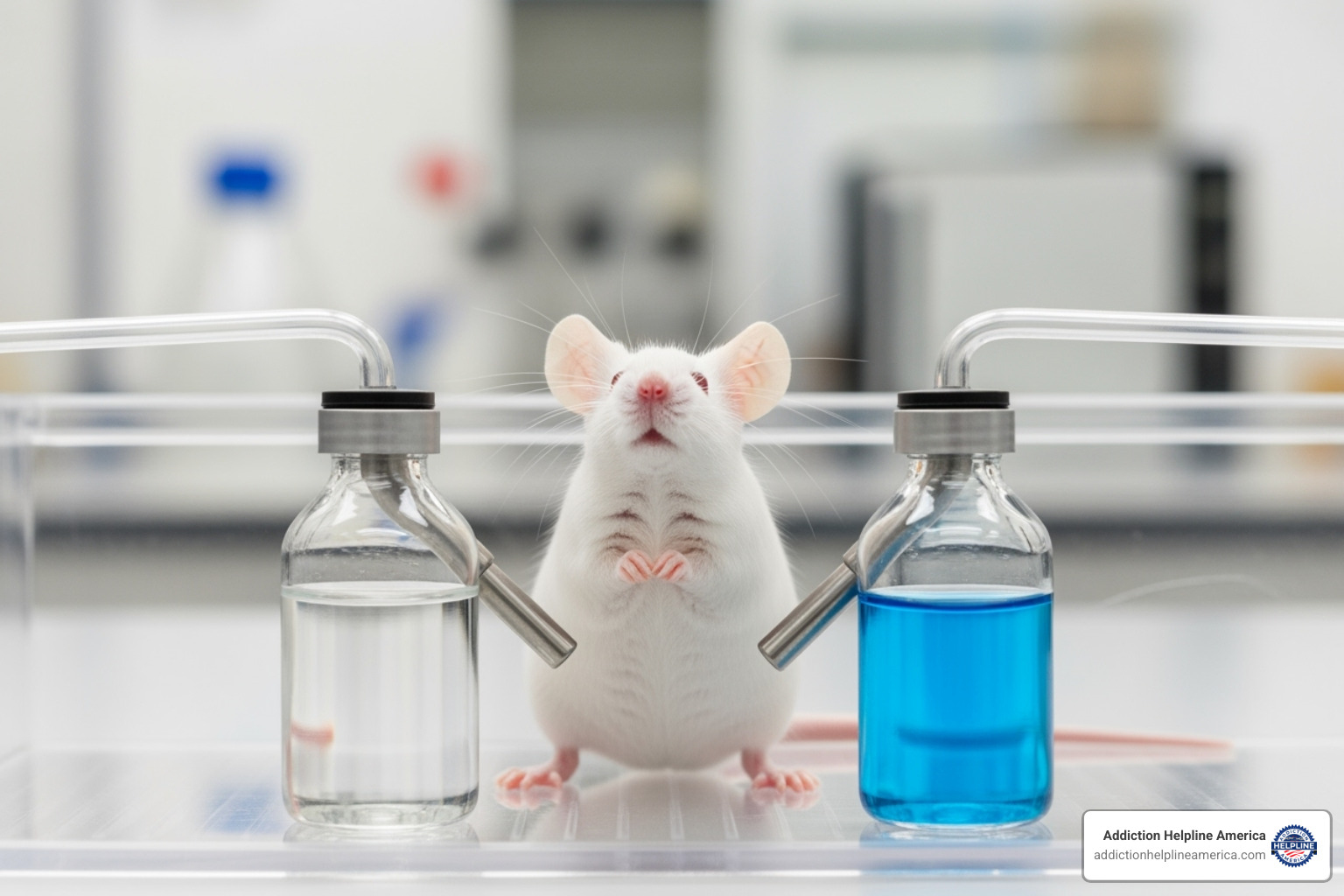
Some animal studies have shown that mice prefer MSG-laced water, suggesting a preference. However, enjoying flavorful food and wanting more of it is not addiction. True addiction, as defined in Substance Use Disorders, involves compulsive use, loss of control, and continued use despite negative consequences. Craving a savory meal does not meet this clinical standard.
There is no robust human evidence that MSG at normal dietary levels causes the neurological changes associated with addiction. The cravings are for the overall flavor experience, not a specific addictive property of MSG. While some people struggle with eating patterns that feel out of control, this is a broader issue of our relationship with food, not an MSG-specific addiction. For those with true substance use disorders, understanding the Role of Medication in treatment is a crucial part of recovery.
Distinguishing Sensitivity from True MSG Addiction Symptoms
It is critical to distinguish between MSG sensitivity and addiction. The term msg addiction symptoms is misleading because the two are fundamentally different.
-
MSG Sensitivity (MSG Symptom Complex): This involves temporary, physical reactions like headaches or flushing. It does not involve compulsive behavior, psychological dependence, or withdrawal. People with sensitivity typically avoid MSG.
-
True Addiction (Substance Use Disorder): This is a chronic brain disease characterized by compulsive substance use despite harmful consequences, intense cravings, and withdrawal symptoms. It fundamentally alters a person’s life and brain chemistry.
Experiencing a headache after a meal is a sign of possible sensitivity, not addiction. At Addiction Helpline America, we help people steer the challenges of true addiction. If you are struggling with compulsive substance use, exploring Types of Addiction Therapy can be a life-changing step.
How to Manage a Suspected MSG Sensitivity
If you suspect you have an MSG sensitivity, you can take practical steps to manage it. This involves identifying triggers and learning to avoid them.
- Consult a Healthcare Professional: This is the most important first step. A doctor or registered dietitian can help rule out other conditions and guide you safely.
- Keep a Food Diary: Track what you eat and any symptoms that follow. This can help you identify patterns and potential trigger foods.
- Try a Supervised Elimination Diet: Under medical guidance, you can temporarily remove suspected foods and then reintroduce them one by one to pinpoint the cause of your reactions.
- Read Food Labels Carefully: Look for “monosodium glutamate” and other sources of free glutamate like hydrolyzed vegetable protein and yeast extract. Be aware that “no added MSG” doesn’t mean a product is free of naturally occurring glutamates.
- Ask at Restaurants: Don’t hesitate to ask your server if dishes contain MSG. Many kitchens can accommodate your request.
Managing a sensitivity becomes easier with practice as you learn to listen to your body. This is about managing a food intolerance, not battling an addiction.

What to Do If You Have a Reaction
If you have a mild reaction, simple self-care can help. Drink plenty of water, rest, and consider an over-the-counter pain reliever for a headache if it’s safe for you. Symptoms usually fade within a few hours.
However, some symptoms require immediate medical attention as they are not typical of MSG sensitivity and could indicate a severe allergy or other medical emergency. Call 911 or go to an emergency room if you experience:
- Chest pain or pressure
- Difficulty breathing or shortness of breath
- Severe or irregular heartbeat
- Swelling of the lips, tongue, or throat
- Signs of anaphylaxis (e.g., widespread hives, severe dizziness)
Distinguishing between a food sensitivity and a medical emergency is vital. Similarly, it’s important to recognize the signs of a true substance use disorder. For those facing addiction, professional help like Drug Detox is a critical first step on a very different path to recovery.
Frequently Asked Questions about MSG
Is MSG bad for everyone?
No. Major health organizations like the FDA classify MSG as “Generally Recognized as Safe” (GRAS). The vast majority of people experience no adverse effects. A small subset of the population (less than 1%) may be sensitive and experience mild, temporary symptoms. These reactions are typically dose-dependent, occurring after consuming large amounts (3 grams or more) on an empty stomach, which is not a typical way to eat MSG. For most people, it is a safe flavor improver.
Are there long-term health effects of eating MSG?
The research on long-term effects is conflicting. Some animal studies, using extremely high doses, have suggested links to obesity, neurotoxicity, and oxidative stress. However, these findings are difficult to translate to humans consuming normal dietary amounts.
Human studies have produced inconsistent results, particularly regarding weight gain. Currently, there is no strong, consistent evidence from human studies to suggest long-term health risks from typical MSG consumption. Regulatory bodies like the FDA maintain that it is safe, as the body metabolizes glutamate from MSG just as it does from natural food sources.
Can you test for MSG sensitivity?
There is no specific diagnostic test for MSG sensitivity. Unlike allergies, it doesn’t trigger a measurable immune response. Diagnosis is typically made through a process of elimination and observation, guided by a healthcare professional.
Your doctor will first rule out other conditions that could cause similar symptoms. The most definitive method is a medically supervised double-blind, placebo-controlled food challenge, where you consume MSG or a placebo without knowing which is which to see if symptoms occur. This helps confirm sensitivity while accounting for the placebo effect. Self-diagnosing based on searches for “msg addiction symptoms” is not recommended; professional guidance is key.
Conclusion
The term msg addiction symptoms is a misnomer. What people often describe is an MSG sensitivity or intolerance, which involves temporary physical reactions in a small percentage of the population. This is fundamentally different from true addiction, which is a chronic brain disease characterized by compulsive use and psychological dependence.
MSG is a well-studied flavor improver deemed safe by the FDA and other health organizations. Understanding the distinction between a food sensitivity and a substance use disorder is crucial. If you suspect an MSG sensitivity, consulting a doctor and managing your diet are effective steps.
However, if you or a loved one are struggling with the actual signs of addiction—loss of control, compulsive behavior, and negative consequences from substance use—that requires professional help. That is an entirely different challenge, and it’s one you don’t have to face alone.
Addiction Helpline America provides free, confidential guidance to connect you with the right treatment for a substance use disorder. We help individuals and families find support from our nationwide network of treatment centers. For concerns about food, talk to your doctor. For concerns about addiction, talk to us.