Understanding When It’s Time for Help
If you or someone you love is struggling with alcohol, you’re not alone. Alcohol Use Disorder (AUD) is a chronic but treatable illness. Professional alcohol rehab provides the medical care, therapy, and support needed to stop drinking safely and build a life in recovery. It’s not about willpower; it’s about getting the right help.
Alcohol rehab is a structured program designed to help you heal physically and mentally. It’s more than just stopping drinking—it’s about understanding the root causes of your alcohol use, developing healthy coping skills, and creating a support system for lasting sobriety.
At Addiction Helpline America, we offer 24/7 confidential support to connect you with the right program. Our specialists have helped thousands find their path to recovery.
Essential alcohol rehab terms:
Signs You or a Loved One May Need Help
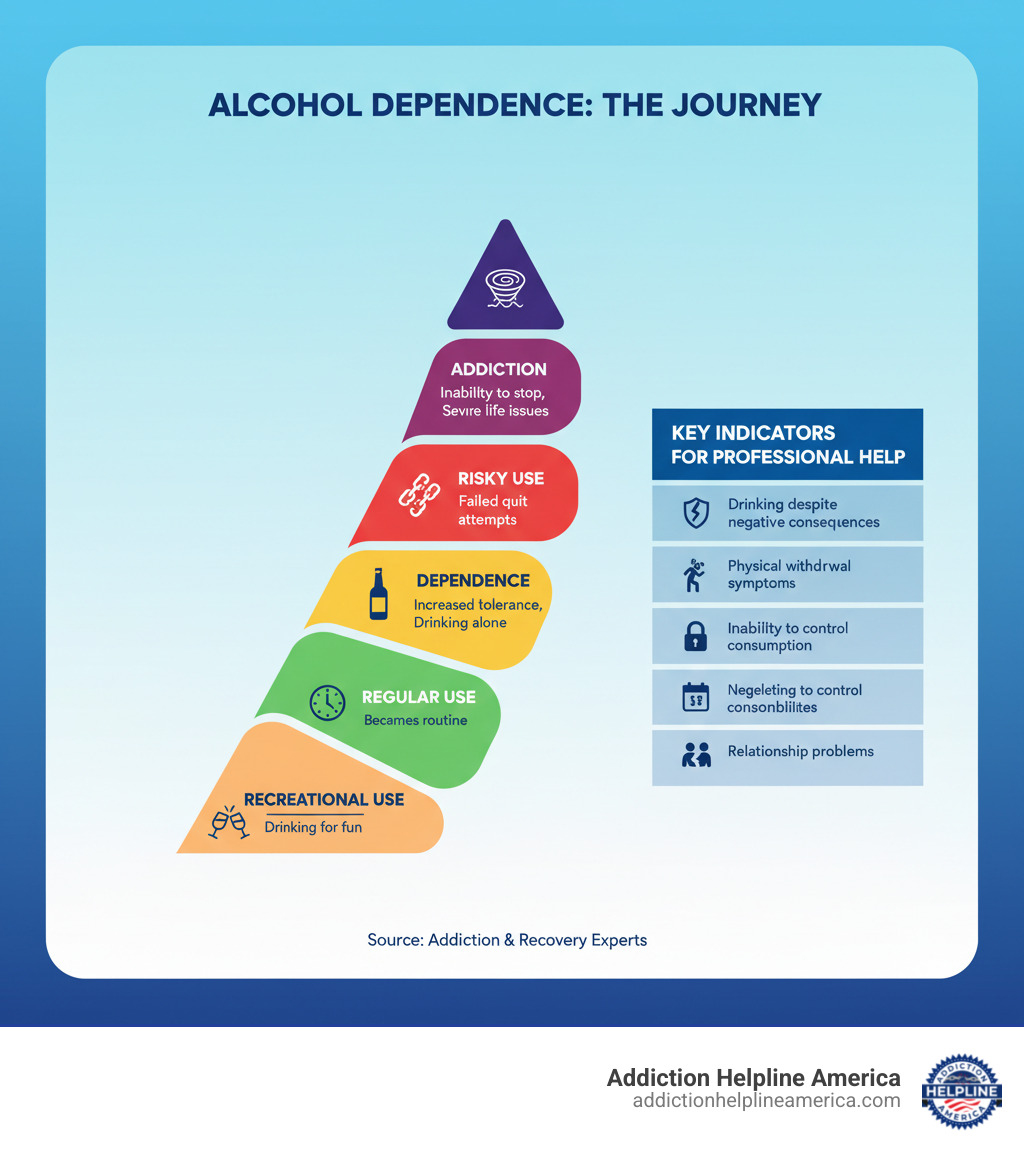
Recognizing the need for help is the first step. Here are common signs that professional intervention may be necessary:
- Neglecting Responsibilities: Missing work, school, or family obligations due to drinking.
- Relationship Problems: Alcohol causing frequent arguments, trust issues, or isolation.
- Failed Attempts to Quit: Trying to stop or cut back on drinking without success.
- Increased Tolerance: Needing more alcohol to achieve the same effect.
- Withdrawal Symptoms: Experiencing tremors, sweating, nausea, or anxiety when not drinking. This can be dangerous and requires medical supervision.
- Risky Behaviors: Engaging in dangerous activities while drinking, like driving under the influence.
- Legal Issues: Getting into legal trouble, such as DUIs, due to alcohol.
- Continued Use Despite Consequences: Drinking even when it harms your health, relationships, or career.
- Loss of Interest: Giving up hobbies or activities in favor of drinking.
If these signs are familiar, it’s time to explore professional help. You don’t have to face this alone.
The Core Components of Professional Alcohol Rehab
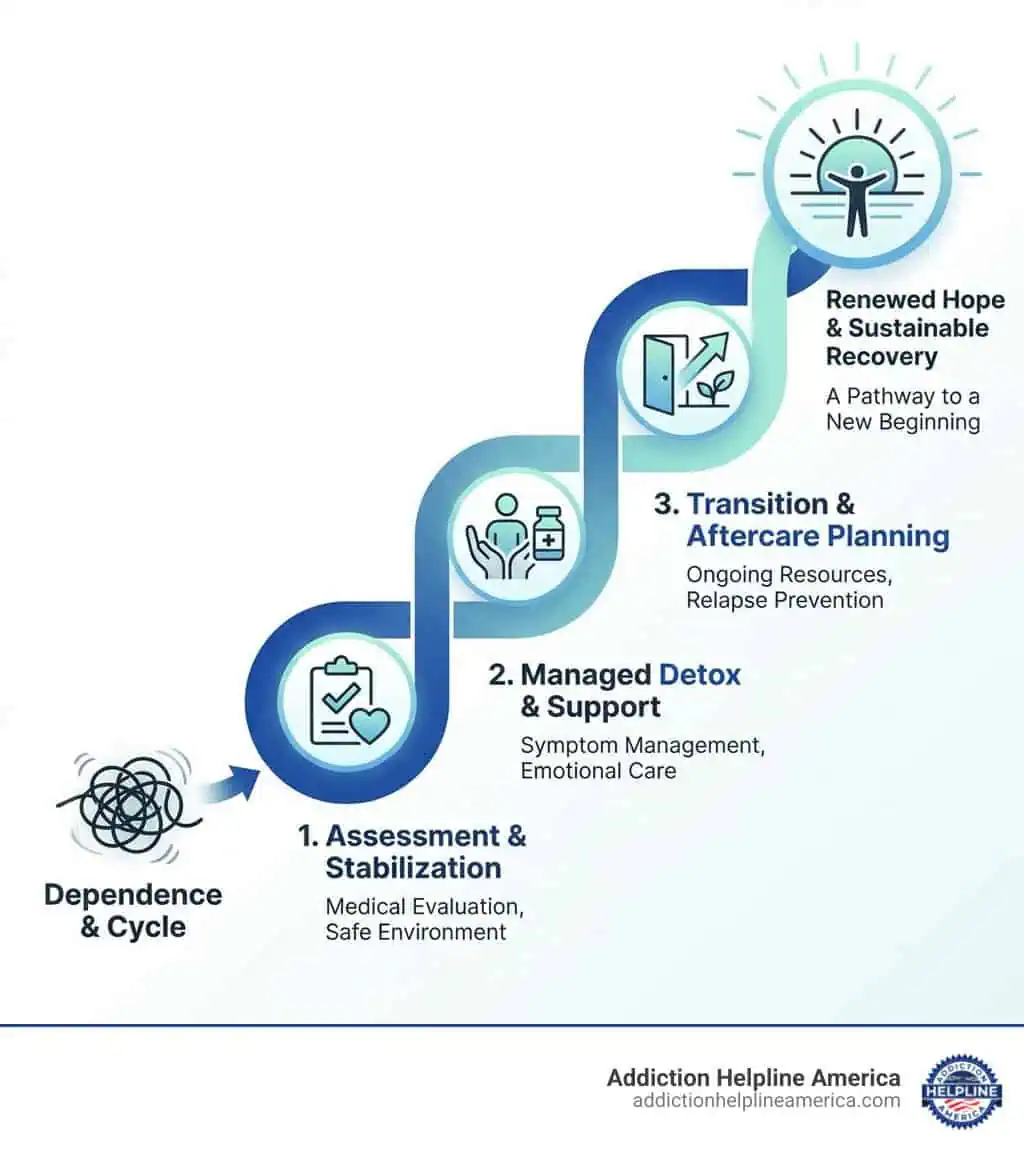
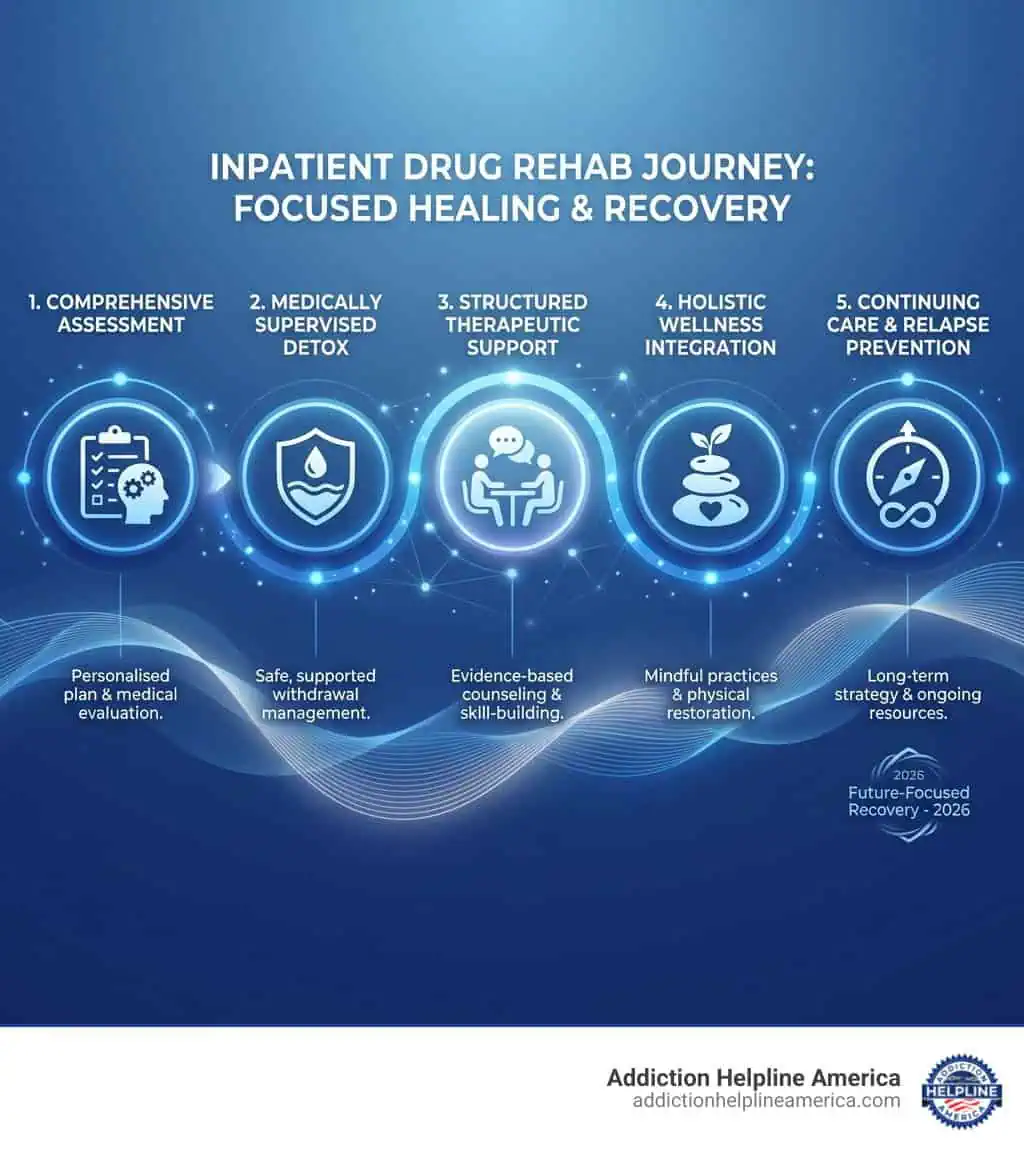
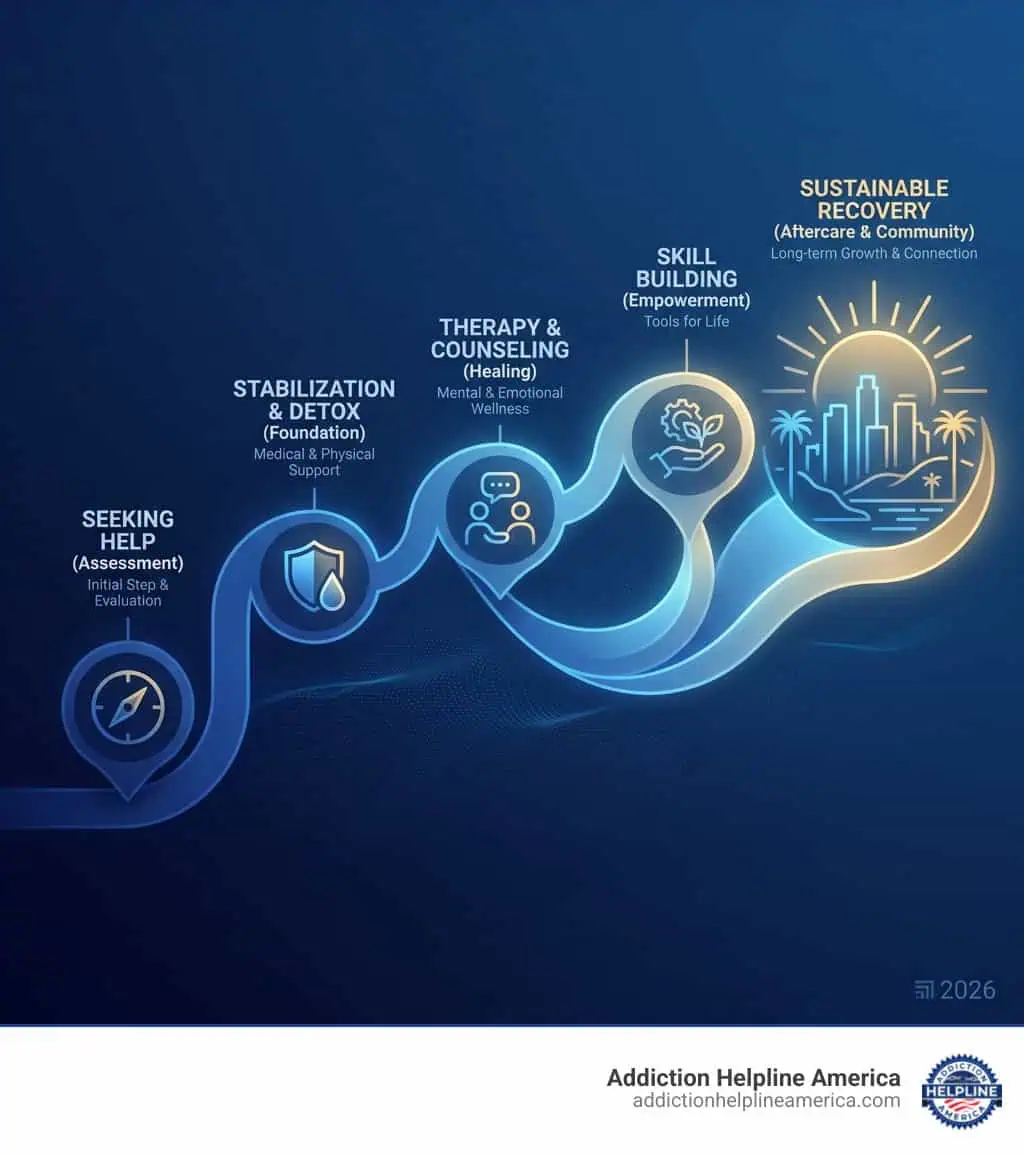
Professional alcohol rehab is a structured journey designed to help you heal. It begins with a thorough assessment to create an individualized treatment plan based on your unique history and needs. The core components include detoxification, therapy, and aftercare planning.

Step 1: Medically Supervised Detoxification
Detox is the first step, where your body becomes physically stable. Suddenly stopping alcohol can cause dangerous withdrawal symptoms, including seizures or delirium tremens (DTs). Medically supervised detox is crucial for safety. A medical team monitors you 24/7, providing medications like benzodiazepines to manage symptoms and prevent complications. This ensures you are safe and comfortable enough to begin the psychological work of recovery.
For those who need a comprehensive evaluation before beginning treatment, Alcohol and Drug Evaluations can provide clarity on the level of care needed.
Step 2: Evidence-Based Therapies and Counseling
Once you are physically stable, the heart of alcohol rehab begins: therapy. This is where you learn why you drink and develop skills to live without alcohol. Treatment centers use proven, evidence-based therapies:
- Cognitive Behavioral Therapy (CBT): Helps you identify and change negative thought patterns and behaviors related to drinking.
- Dialectical Behavior Therapy (DBT): Teaches skills for managing intense emotions, tolerating distress, and improving relationships.
- Motivational Interviewing: A collaborative approach that helps you find your own internal motivation to change.
- Group Therapy: Provides a supportive environment to share experiences, learn from peers, and realize you are not alone.
- Individual Counseling: Offers one-on-one time with a therapist to address personal issues, trauma, and specific triggers.
- Family Therapy: Helps heal relationships, improve communication, and teaches loved ones how to support your recovery.
The National Institute on Alcohol Abuse and Alcoholism provides extensive scientific research on evidence-based treatments for AUD, confirming their effectiveness.
Step 3: Comprehensive Aftercare Planning
Finishing a rehab program is a major achievement, but recovery is a lifelong journey. Aftercare planning creates a roadmap for continued sobriety.
Your aftercare plan will include relapse prevention strategies, helping you identify triggers and develop coping mechanisms. It also establishes ongoing support, which may involve continued therapy, support groups, or transitioning to a sober living environment for added structure. Many centers offer alumni programs to keep you connected to a supportive community. Aftercare is about more than just avoiding alcohol; it’s about building a fulfilling new life.
Finding Your Fit: Types of Alcohol Rehab Programs
There is no single path to recovery that works for everyone. The right alcohol rehab program must match your specific needs, including the severity of your drinking, your home environment, and your daily responsibilities. Choosing the right fit is key to lasting sobriety.

Inpatient vs. Outpatient Programs
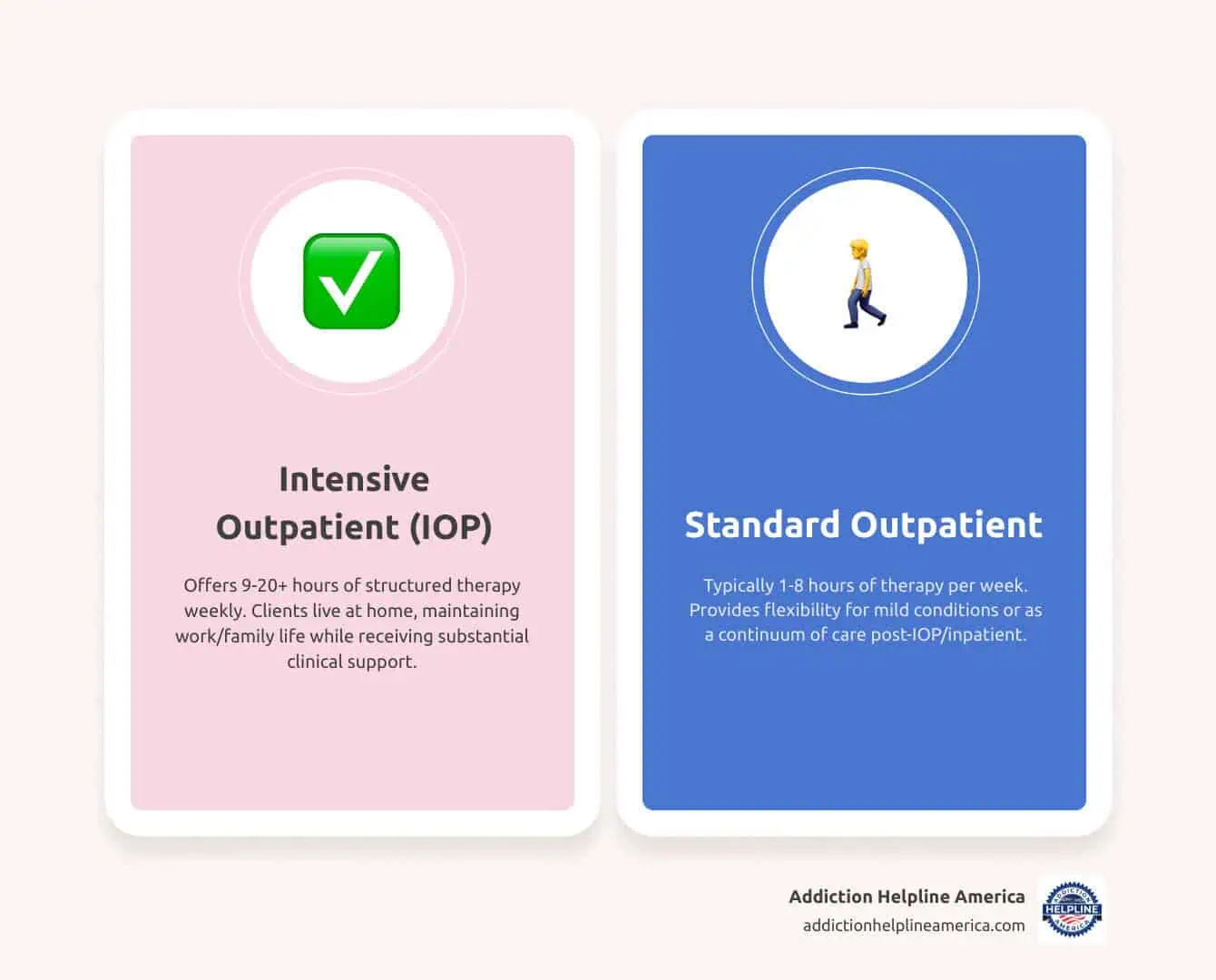
The two main categories of alcohol rehab are inpatient (residential) and outpatient. Inpatient rehab requires you to live at the facility 24/7, providing an immersive, structured, and trigger-free environment. It is ideal for those with severe AUD, co-occurring mental health issues, or an unsupportive home life. Outpatient rehab allows you to live at home and attend treatment sessions several times a week, offering the flexibility to maintain work or family duties. It works best for those with mild to moderate AUD and a strong support system.
| Feature | Inpatient (Residential) Alcohol Rehab | Outpatient Alcohol Rehab |
|---|---|---|
| Environment | Live at the facility 24/7, fully immersive, structured, and alcohol-free. | Live at home, attend scheduled therapy sessions/groups at a facility during the day or evening. |
| Intensity of Care | High. Constant medical supervision, intensive therapy schedule, removal from triggers. | Varies from moderate to high. Allows for continued work/school/family responsibilities. |
| Structure | Highly structured daily schedule including therapy, activities, meals, and free time. | Flexible schedule, typically a few hours per day, several days a week. Requires self-discipline and a supportive home environment. |
| Ideal For | Severe AUD, co-occurring mental health issues, unstable home environment, history of relapse. | Mild to moderate AUD, strong support system at home, stable living situation, need to maintain daily responsibilities. |
| Medical Supervision | Round-the-clock medical staff available, especially crucial during detox and early recovery. | Medical support available during program hours; less intensive medical oversight than inpatient. |
| Cost | Generally higher due to accommodation, meals, and 24/7 care. | Generally lower, as it doesn’t include residential costs. |
| Flexibility | Low. Requires full commitment to living at the facility. | High. Allows you to continue with work, school, and family obligations while receiving treatment. |
| Community Exposure | Limited exposure to external triggers during treatment. | Regular exposure to external environment and potential triggers, requiring immediate application of coping skills. |
Other options include Partial Hospitalization Programs (PHP), which offer intensive day treatment, and Intensive Outpatient Programs (IOP), which provide a step-down level of care. For more details, explore our guide on Outpatient Addiction Treatment Programs.
How Long Does Treatment Last?
Program length depends on individual needs. While 30-day programs can provide a solid foundation, research from the National Institute on Drug Abuse (NIDA) shows that longer treatment leads to better outcomes. Sixty-day and ninety-day (or longer) programs allow more time to address underlying issues and practice new skills. The severity of the AUD, co-occurring mental health conditions, and previous relapse history all influence the recommended duration. Recovery is a marathon, not a sprint, and adequate time in treatment is crucial for building a new way of life.
Specialized Alcohol Rehab Programs
Many centers offer specialized programs to address the unique needs of different populations, which can improve engagement and success rates.
- Veterans Programs: Address combat trauma, PTSD, and other military-specific issues. The VA offers Information on Alcohol & Drug Addiction Treatment for Veterans.
- LGBTQ+ Affirming Programs: Provide a safe, non-judgmental space to heal from minority stress and identity-related trauma.
- Gender-Specific Programs: Offer all-male or all-female environments where individuals may feel more comfortable discussing sensitive topics.
- Executive Rehab Programs: Cater to professionals with private accommodations and the flexibility to stay connected to work.
- Faith-Based Programs: Integrate spiritual principles and practices into the recovery process.
We can help you find a specialized program that feels right for you.
Navigating the Logistics: Cost, Insurance, and Finding a Center
Concerns about cost and finding the right facility shouldn’t prevent you from seeking help. The practical side of entering alcohol rehab can feel overwhelming, but treatment is more accessible than you might think. We can help you steer these logistics.

How Much Does Alcohol Rehab Cost?
The cost of alcohol rehab varies based on the type of care, location, and program length. However, cost should not be a barrier to recovery. Many options are available to make treatment affordable:
- Insurance Coverage: Thanks to the ACA and MHPAEA, most health insurance plans cover addiction treatment. We can help you verify your benefits and understand your coverage in any state we serve.
- Self-Pay and Financing: Many centers offer flexible payment plans or work with healthcare lending companies.
- State-Funded Programs: Publicly funded services are available for residents who meet certain eligibility requirements.
- Sliding Scale Fees: Some facilities adjust costs based on your income.
Don’t let financial worries stop you. Call us to explore solutions that fit your circumstances.
Finding a Quality Treatment Center
Choosing the right alcohol rehab center is a critical decision. Addiction Helpline America can help you find a quality facility that’s right for you. Look for these key indicators of quality:
- Licensing and Accreditation: State licensing and accreditation from bodies like The Joint Commission or CARF ensure high standards of care and safety.
- Evidence-Based Methods: Quality centers use scientifically proven therapies like CBT and DBT.
- Qualified Staff: Look for licensed doctors, certified counselors, and experienced therapists.
- Individualized Treatment Plans: Your plan should be custom to your unique history, goals, and needs.
- Comprehensive Aftercare Support: A good program prepares you for long-term success with a solid aftercare plan.
The NIAAA Alcohol Treatment Navigator® to find quality care is a helpful resource. We can also leverage our network of trusted centers to find your match.
The Role of Medication in Treatment
Medication-Assisted Treatment (MAT) combines FDA-approved medications with therapy to treat alcohol use disorder. MAT is not about replacing one addiction with another; it’s a medical approach to reduce cravings and prevent relapse so you can focus on recovery.
- Naltrexone (Vivitrol): Blocks the pleasurable effects of alcohol, reducing the urge to drink.
- Acamprosate (Campral): Helps restore brain chemistry balance, easing post-acute withdrawal symptoms like anxiety and insomnia.
- Disulfiram (Antabuse): Causes unpleasant physical reactions if alcohol is consumed, acting as a strong deterrent.
These medications are used alongside counseling and are a powerful tool for many in their recovery plan.
Life in Recovery: Support Systems and Aftercare
Completing alcohol rehab is the beginning of your recovery story. Long-term success depends on building a strong support system and continuing to use the tools you’ve learned. This involves addressing co-occurring disorders, healing family relationships, and connecting with a supportive community.

The Importance of Treating Co-Occurring Disorders
Alcohol use disorder often co-occurs with mental health conditions like depression, anxiety, or PTSD. This is known as a dual diagnosis. For recovery to be successful, it is critical to treat both conditions at the same time. Quality alcohol rehab programs provide integrated treatment, where a coordinated team addresses both your substance use and mental health. This comprehensive approach leads to more stable, long-term recovery.
Support for Family and Friends
Addiction affects the entire family. Healing these relationships is a key part of recovery. Family therapy can help rebuild trust and improve communication. Support groups like Al-Anon and Nar-Anon are also invaluable resources for loved ones, helping them understand addiction and learn to stop enabling behaviors while supporting recovery in a healthy way. The VA also offers Support for families of Veterans. A supported family creates a stronger foundation for your loved one’s sobriety.
Mutual Support Groups and Continued Care
Connection with peers is a powerful tool for maintaining sobriety. Mutual support groups offer a community of people who share the common goal of recovery.
- Alcoholics Anonymous (AA): The most well-known 12-step program, offering peer support and sponsorship. You can learn More about Alcoholics Anonymous.
- SMART Recovery: A science-based alternative that teaches self-empowerment and practical skills to manage cravings.
- LifeRing Secular Recovery: A non-religious option focused on personal responsibility and peer support.
These groups provide a judgment-free space and living proof that recovery is possible. Continued care may also include ongoing therapy, alumni programs, or recovery coaching to help you steer life’s challenges and build a fulfilling, sober life.
Frequently Asked Questions about Alcohol Rehab
Considering alcohol rehab can bring up many questions. Here are answers to some of the most common ones.
What is the difference between alcohol detox and alcohol rehab?
Detox and rehab are two distinct, essential steps. Detox is the medically supervised process of managing physical withdrawal symptoms to get your body stable and alcohol-free. Rehab is the comprehensive psychological treatment that follows, where you address the root causes of addiction and learn the skills for long-term sobriety. In short, detox addresses the body, while rehab addresses the mind and behaviors.
What happens if I relapse after completing a program?
Relapse is a common part of the recovery process for many; it is not a sign of failure. Addiction is a chronic illness, and sometimes symptoms can return. If you relapse, the most important step is to reach out for help immediately. Connect with your support system (therapist, sponsor, or group) and consider returning to treatment to adjust your recovery plan. A relapse is an opportunity to learn and strengthen your commitment to sobriety.
Is alcohol rehab confidential?
Yes, absolutely. Your privacy is protected by federal laws like HIPAA and 42 CFR Part 2. Reputable alcohol rehab centers are legally bound to keep your treatment and personal information confidential. Your information cannot be shared with employers, family, or anyone else without your explicit written consent, except in rare cases like a medical emergency. You can seek help with the assurance that your privacy is a top priority.
Begin Your New Chapter Today
Taking the first step toward recovery is a brave decision. A healthier, more fulfilling future is possible, and you don’t have to find it alone.
At Addiction Helpline America, our compassionate specialists are available 24/7 to provide free, confidential, and personalized guidance. We’ll answer your questions, verify your insurance, and connect you with a trusted alcohol rehab program from our nationwide network that fits your unique needs—whether you’re in California, Florida, Texas, or any other state.
The journey to recovery is worth it. It leads to a future where you are in control, relationships can heal, and you can build the life you want to live. The courage to change is already inside you.
Don’t wait to start your new chapter. Reach out to us now to find the support and treatment you deserve. We’re here to help you recover.
Find help for alcoholics in Colorado and start your recovery