Understanding the Critical First Step in Recovery
Detox for alcohol is the medically supervised process of clearing alcohol from your body while managing the often dangerous withdrawal symptoms that occur when you stop drinking. For anyone with alcohol dependence, this is the essential first step toward recovery—but it’s also one of the most misunderstood and potentially life-threatening phases.
Here’s what you need to know about detox for alcohol:
- What it is: A medical process to safely manage withdrawal symptoms when stopping alcohol use.
- How long it takes: Typically 5-7 days for acute symptoms, though some effects can last for months.
- Why it matters: Alcohol withdrawal can be life-threatening without proper medical supervision.
- Where to get help: Professional detox programs offer 24/7 monitoring, medications, and support.
- What comes next: Detox alone isn’t treatment—it must be followed by therapy and ongoing support.
The reality is stark: roughly 10% of people undergoing detox experience severe withdrawal symptoms, and about 5% to 10% of those with delirium tremens die from it. These aren’t just statistics—they represent a medical emergency that requires immediate professional intervention.
Withdrawal symptoms typically begin within 6 to 24 hours of your last drink and peak between 24 to 72 hours. During this time, your central nervous system, suppressed by alcohol, becomes overactive. This rebound leads to symptoms ranging from anxiety and tremors to seizures and hallucinations.
Many people underestimate the severity of withdrawal and try to quit “cold turkey” at home. This approach is not only ineffective but potentially fatal, especially for those with a history of heavy, long-term drinking.
The good news is that with proper medical supervision, detox for alcohol is safe. Professional programs provide medications like benzodiazepines to prevent seizures, IV fluids for hydration, nutritional support including thiamine (vitamin B1), and around-the-clock monitoring to manage complications.
At Addiction Helpline America, we’ve guided thousands of individuals through the critical process of detox for alcohol, connecting them with medically supervised programs that provide safe, compassionate care. We’re here to help you steer every step of the journey ahead.
Detox for alcohol terminology:
Understanding Alcohol Detoxification and Withdrawal
When you drink heavily for an extended period, your body develops a physical dependence on alcohol. This is a key feature of Alcohol Use Disorder (AUD), a medical condition affecting 28.8 million adults in the U.S. It’s not a moral failing but a result of fundamental changes in your brain chemistry.
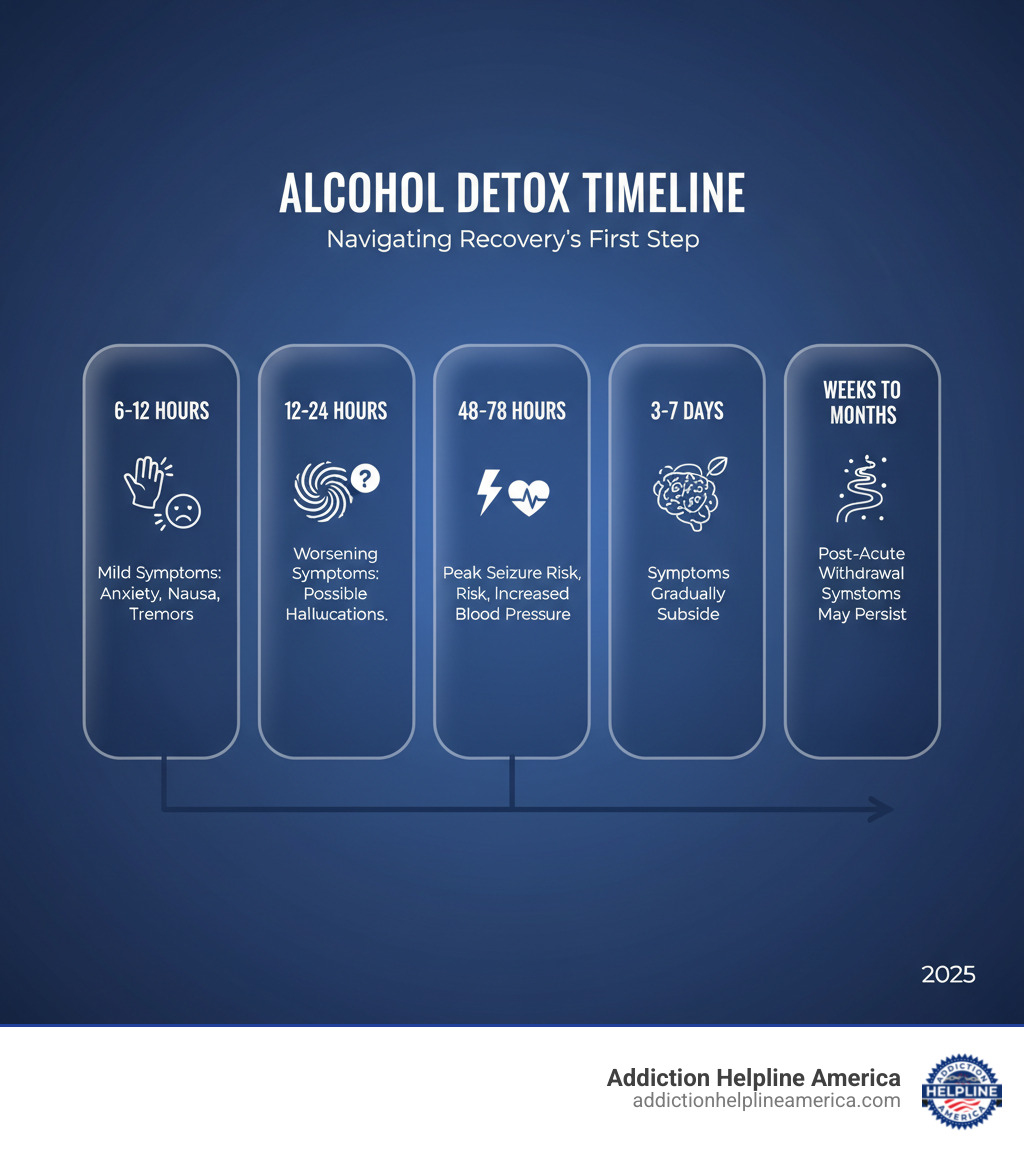
Alcohol is a Central Nervous System (CNS) depressant, slowing down brain activity. To compensate, your brain increases its own excitatory chemicals. When you suddenly stop drinking, your brain is left in a state of overdrive. This surge of activity, or “rebound hyperactivity,” causes the dangerous symptoms of alcohol withdrawal.
This is why detox for alcohol is the essential first step in recovery. It’s a medical process designed to safely manage these acute symptoms while your body and brain restabilize. Without it, this hyperactivity can lead to seizures, hallucinations, and in severe cases, death.
Detox is not a cure for addiction; it addresses the physical dependence, creating a stable foundation for the psychological and behavioral therapies that follow. A study in Future Healthcare Journal confirmed the efficacy of inpatient detox services, highlighting the value of structured programs.
The Alcohol Withdrawal Timeline and Stages
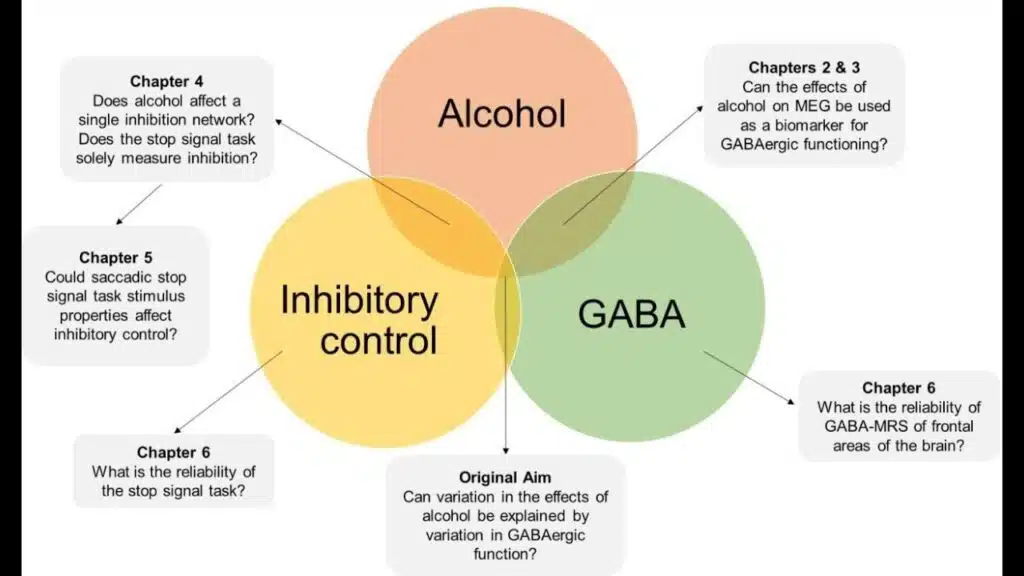
The intensity and duration of withdrawal vary based on factors like your age, overall health, genetics, and drinking patterns. The longer and heavier your drinking history, the more severe withdrawal is likely to be. A history of previous detoxes can also increase the risk of severe symptoms in a phenomenon known as “kindling.”
Withdrawal generally follows a predictable pattern:
6-12 Hours After Last Drink: Mild symptoms emerge, including anxiety, headaches, insomnia, nausea, and tremors.
12-24 Hours: Symptoms intensify. Blood pressure and heart rate may increase, and some people experience hallucinations.
24-72 Hours (Peak Risk): This is the most dangerous phase. The risk of seizures is highest, and the life-threatening condition Delirium Tremens (DTs) can develop. Symptoms like severe confusion, agitation, and fever peak during this window.
3-7 Days: For most, acute symptoms begin to subside as your body starts to stabilize.
Weeks to Months: Lingering psychological and emotional symptoms, known as Post-Acute Withdrawal Syndrome (PAWS), may persist. These can include mood swings, anxiety, sleep issues, and cravings. PAWS is a normal part of recovery and requires ongoing support to manage.
How to Safely Detox for Alcohol: Comparing Your Options
When you’re ready to stop drinking, safety is everything. Detox for alcohol can be life-threatening without proper medical care. Unlike withdrawal from other substances, alcohol withdrawal can cause a rapid and unpredictable neurological crisis.
When you stop drinking, your brain’s compensatory hyperactivity can trigger seizures and Delirium Tremens (DTs), a condition that is fatal for 5% to 10% of those who experience it. Attempting to detox at home if you have been drinking heavily is a dangerous gamble.

At-Home Methods: ‘Cold Turkey’ and Tapering
Quitting “cold turkey” at home is incredibly dangerous for anyone with significant alcohol dependence. The abrupt stop can trigger severe, unpredictable withdrawal symptoms, including seizures and DTs, without warning.
While tapering—gradually reducing alcohol intake—sounds safer, it requires immense self-control and medical knowledge that is difficult to manage while battling addiction. Misjudging the taper can quickly lead to a medical emergency.
You should never attempt at-home detox for alcohol if you: have a history of severe withdrawal (seizures or DTs), drink heavily, have co-occurring medical or mental health conditions, or lack a stable, supportive home environment with access to emergency care. For severe dependence, a medical facility is the only safe option.
Medically Supervised Detox for Alcohol
For most people, medically supervised detox for alcohol is the safest path forward. These programs provide 24/7 monitoring and medications to prevent complications and keep you stable.
Inpatient detox offers the highest level of care in a hospital or specialized clinic. With 24/7 access to addiction medicine specialists, it is essential for those with a history of heavy drinking, complicated withdrawals, or other medical conditions. The structured, alcohol-free environment removes temptation during the most vulnerable period.
Outpatient detox is an option for those with milder dependence and a stable, supportive home environment. You live at home but attend daily medical appointments for monitoring and medication management. This offers more flexibility but requires strong discipline. If symptoms escalate, a transition to inpatient care is necessary.
Here’s how inpatient and outpatient medical detox compare:
| Feature | Inpatient Medical Detox | Outpatient Medical Detox |
|---|---|---|
| Level of Care | 24/7 medical supervision and support | Regular medical check-ups, but home-based living |
| Severity Suited For | Severe dependence, history of severe withdrawal, co-occurring conditions | Mild to moderate dependence, good general health |
| Environment | Structured, alcohol-free facility | Home environment, requires strong self-discipline |
| Safety | Highest, immediate response to complications | High, but requires patient compliance and stable home |
| Cost | Generally higher due to 24/7 care | Generally lower, more accessible for some |
| Flexibility | Limited, focus on stabilization | Higher, allows continuation of work/family responsibilities |
| Support | Built-in medical team, counselors, peer support | Requires external support system, self-motivation |
Find a local detox program tailored to your needs.
The Primary Goals of a Professional Detox for Alcohol Program
A professional detox for alcohol program is a structured medical process designed to launch your recovery journey safely.
Evaluation: The process begins with a comprehensive assessment of your medical history, physical and mental health, and alcohol use patterns. Tools like the CIWA-Ar scale help doctors measure the severity of your withdrawal and create a personalized care plan.
Stabilization: This is the core of detox. Medical staff actively manage your withdrawal symptoms with medications to prevent seizures, IV fluids for hydration, and nutritional support (especially Thiamine/Vitamin B1) to guide your body back to a stable baseline.
Fostering Entry into Ongoing Treatment: Detox addresses physical dependence, but not the root causes of addiction. A quality program builds your motivation for continued treatment and facilitates a smooth transition to the next level of care, such as residential rehab or outpatient therapy, which is critical for preventing relapse.
Medical Treatments and Support During Detox
When you enter detox for alcohol, you receive comprehensive care to manage the physical, emotional, and psychological aspects of withdrawal. The goal is to keep you safe, comfortable, and prepared for the next phase of your recovery.

Medications Used to Manage Withdrawal
Medications are essential for a safe and effective detox for alcohol, especially for moderate to severe withdrawal.
Benzodiazepines like Diazepam (Valium) and Lorazepam (Ativan) are the first-line treatment. They calm the overactive central nervous system, effectively preventing life-threatening seizures and reducing anxiety, agitation, and tremors.
Other Medications may be used as needed. Anticonvulsants offer additional seizure protection, antipsychotics can manage severe hallucinations, and beta-blockers can control a rapid heart rate or high blood pressure.
Nutritional Therapy is just as critical. Heavy alcohol use depletes the body of essential nutrients. Thiamine (Vitamin B1) is given to prevent Wernicke-Korsakoff syndrome, a serious neurological disorder. IV fluids correct dehydration and electrolyte imbalances, while folate and other vitamins help the body heal.
How to Prepare for a Successful Detox
Taking practical steps before you begin can make the process safer and more successful.
- Consult a Doctor: This is non-negotiable. A healthcare professional can assess your risks and help you create a safe detox plan, determining whether an inpatient or outpatient setting is appropriate.
- Remove All Alcohol: Clear your home of all alcoholic beverages and any products containing alcohol, such as certain mouthwashes or cooking extracts.
- Create a Calm Environment: Prepare a peaceful, restful space to minimize anxiety and sensory overload.
- Focus on Self-Care: Stay hydrated with water and electrolyte-rich drinks. Eat nutritious meals rich in B vitamins, even if your appetite is low. Prioritize rest and sleep to help your body heal.
- Arrange for Support: Ask a trusted friend or family member to stay with you, especially during the first few days, for emotional support and to watch for any worsening symptoms.
- Have Emergency Contacts Ready: Keep a list of your doctor, the nearest hospital, and trusted contacts easily accessible.
The Role of a Strong Support System
A strong support system is an essential component of successful detox and long-term recovery.
Family and Friends can provide encouragement, practical help, and maintain a safe, alcohol-free environment. Their support can remind you of your reasons for starting this journey.
Peer Support Groups connect you with people who understand what you’re going through. Alcoholics Anonymous (AA) offers a 12-step program focused on abstinence, while SMART Recovery provides science-based tools for self-management. Finding the right fit is what matters.
Family Support: Addiction impacts the entire family. Al-Anon offers resources for relatives and friends of people with alcohol problems, helping them cope and support their loved one’s recovery.
A support network combats the isolation and loneliness that often trigger relapse. Recovery happens in a community, with people who believe in your ability to build a better life.
Life After Detox: The Path to Long-Term Recovery
Completing detox for alcohol is a courageous and critical first step. It clears alcohol from your body and stabilizes you through acute withdrawal, but it is not a cure for addiction.
Detox addresses physical dependence, but addiction is also deeply psychological and behavioral. The real journey to long-term recovery begins after detox, where you learn to address the triggers, thought patterns, and coping mechanisms that drove your drinking. Without continued treatment, the risk of relapse is high.
At Addiction Helpline America, we connect you with the right treatment programs and ongoing support to fit your unique needs. You don’t have to figure this out alone.
Find the best treatment center for you.
The Critical Importance of Follow-Up Care
Follow-up care after detox for alcohol is essential for maintaining sobriety. This involves transitioning into a comprehensive program that addresses the psychological roots of addiction.
- Inpatient residential treatment provides an immersive, structured environment for several weeks or months, ideal for those with severe AUD or co-occurring conditions.
- Outpatient programs (like PHPs and IOPs) offer flexibility, allowing you to live at home while attending regular therapy sessions.
Behavioral therapies are the core of addiction treatment. Cognitive Behavioral Therapy (CBT) helps you identify triggers and develop healthier coping skills, while Motivational Interviewing helps you strengthen your personal motivation to stay sober.
Continued engagement with peer support groups like Alcoholics Anonymous or SMART Recovery provides invaluable community and accountability. Research consistently shows that follow-up care for at least a year post-detox significantly improves long-term abstinence rates.
Medications to Support Long-Term Sobriety
Several FDA-approved medications can help prevent relapse when used as part of a comprehensive treatment plan.
- Acamprosate (Campral) helps restore brain chemistry and reduces the psychological discomfort of prolonged abstinence.
- Naltrexone (oral pill or injectable Vivitrol) blocks the pleasurable effects of alcohol, reducing the motivation to drink.
- Disulfiram (Antabuse) acts as a deterrent, causing unpleasant physical reactions (like nausea and headache) if alcohol is consumed.
- Nalmefene may be used to help reduce alcohol consumption for those not yet ready for complete abstinence.
These medications are not a magic cure but are effective tools that provide an extra layer of support for lasting recovery when combined with therapy and lifestyle changes.
Frequently Asked Questions about Alcohol Detox
Deciding to seek help for alcohol dependence brings up many questions. Understanding what to expect can help ease anxiety. Here are answers to some of the most common questions about detox for alcohol.
How long does alcohol detox typically last?
The acute phase of detox for alcohol, where physical symptoms are most intense, typically lasts 5 to 7 days. However, the exact timeline varies based on factors like the duration and severity of alcohol dependence, age, and overall health.
After the acute phase, some people experience Post-Acute Withdrawal Syndrome (PAWS), which involves lingering symptoms like mood swings, sleep disturbances, and cravings. These symptoms can persist for weeks or months but are manageable with ongoing support and will improve over time.
Is it ever safe to detox from alcohol at home?
For anyone with moderate to severe alcohol dependence, detoxing at home is extremely dangerous and strongly advised against. Alcohol withdrawal is one of the few types of withdrawal that can be fatal.
Suddenly stopping drinking can cause the central nervous system to become dangerously overactive, leading to life-threatening complications like seizures and Delirium Tremens (DTs), which can appear without warning. This is not a matter of willpower; it’s a medical crisis that requires professional supervision.
If you have been drinking heavily, have experienced severe withdrawal symptoms in the past, or have other health conditions, attempting a home detox can be fatal. Medical supervision during detox for alcohol is not optional—it is essential for your safety.
What is Delirium Tremens (DTs)?
Delirium Tremens (DTs) is the most severe and dangerous form of alcohol withdrawal. It is a medical emergency that requires immediate hospitalization.
DTs is characterized by severe confusion, extreme agitation, fever, hallucinations, and seizures. It typically occurs 48 to 72 hours after the last drink, when withdrawal symptoms are at their peak. While it only affects about 3-5% of people in alcohol withdrawal, it is extremely serious.
Without proper medical treatment, DTs has a mortality rate of up to 10%. The risk is highest for those with a long history of heavy drinking or previous episodes of severe withdrawal. This is precisely why detox for alcohol must be done under medical supervision, where professionals can intervene before the condition becomes life-threatening. If you suspect someone is experiencing DTs, call 911 immediately.
Your Journey to Recovery Starts Here
Taking the first step toward recovery from alcohol dependence requires immense courage. Detox for alcohol is where that journey begins—a critical phase that, with the right medical care, is both manageable and safe.
Detoxification addresses the physical dependence on alcohol, but it is not a cure for addiction. The psychological and emotional aspects of alcohol use disorder require continued treatment. Detox gets you stable, but recovery is the long-term process of building a new, sober life.
This is where Addiction Helpline America comes in. We provide free, confidential, personalized guidance to help you find a treatment program that fits your unique needs from our vast network of centers nationwide. We’re not here to judge—we’re here to connect you with the right resources.
You don’t have to figure this out alone. Whether you’re seeking information for yourself or a loved one, our team is committed to matching you with programs that can help you achieve lasting sobriety.
Your recovery matters. The decision you’re making today to seek help is one of the bravest things you’ll ever do.
Begin your treatment journey by learning more about detox programs that can help you build the sober, healthy life you deserve. We’re here whenever you’re ready.