Why Finding the Right Care Matters Now
Effective mental health and substance abuse treatment is available to help you or your loved one recover. If you’re seeking help, you have immediate options:
- For Crisis Support, call or text 988 (Suicide & Crisis Lifeline) for 24/7 help.
- To Find Services, use online locators like FindTreatment.gov.
- Treatment Types include outpatient counseling, intensive programs, residential care, and medication-assisted treatment.
- Integrated Care programs treat both mental health and substance use together for the best outcomes.
This year, one in five British Columbians will face a mental health or substance use problem. You are not alone. Many people struggling with substance use also experience conditions like depression, anxiety, or bipolar disorder. The connection works both ways: mental health issues can increase the risk of substance use, and substance use can trigger or worsen mental health symptoms.
Recovery is possible, and treatment works. At Addiction Helpline America, we connect individuals and families with compassionate, confidential treatment services. Our 24/7 helpline helps you steer the path from crisis to recovery with personalized support.
Mental health and substance abuse treatment terms at a glance:
Understanding the Link: Why Mental Health and Substance Use Disorders Co-Occur
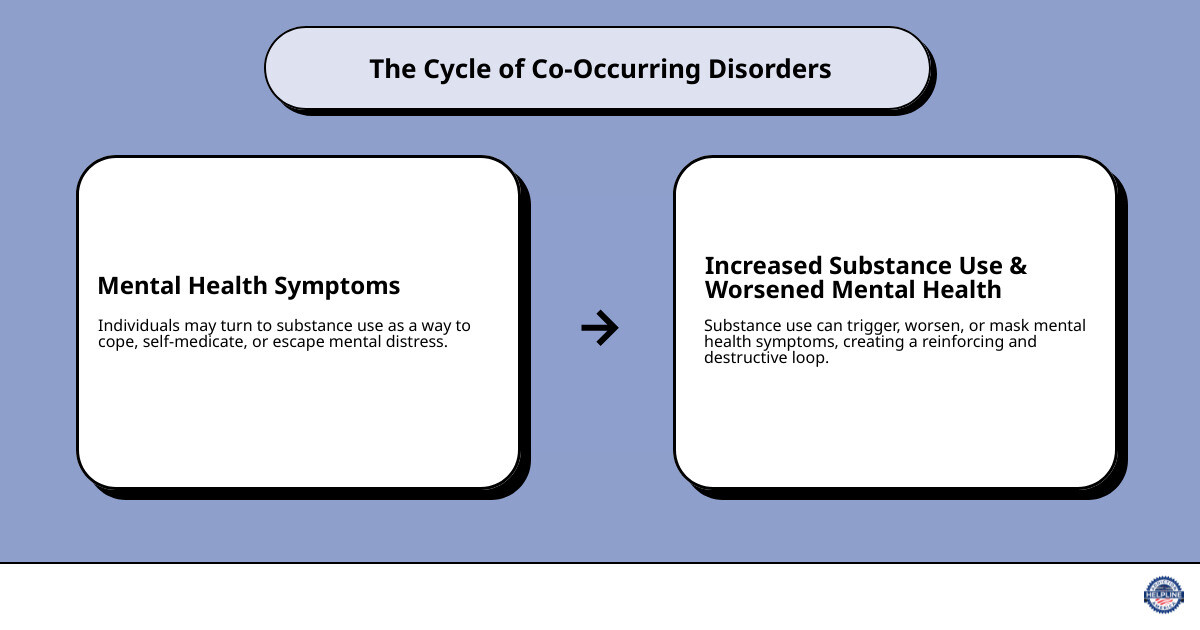
When someone struggles with both a mental health condition and substance use, it’s known as a “dual diagnosis” or “co-occurring disorders.” These conditions are deeply connected, often creating a cycle that’s hard to break without the right mental health and substance abuse treatment.
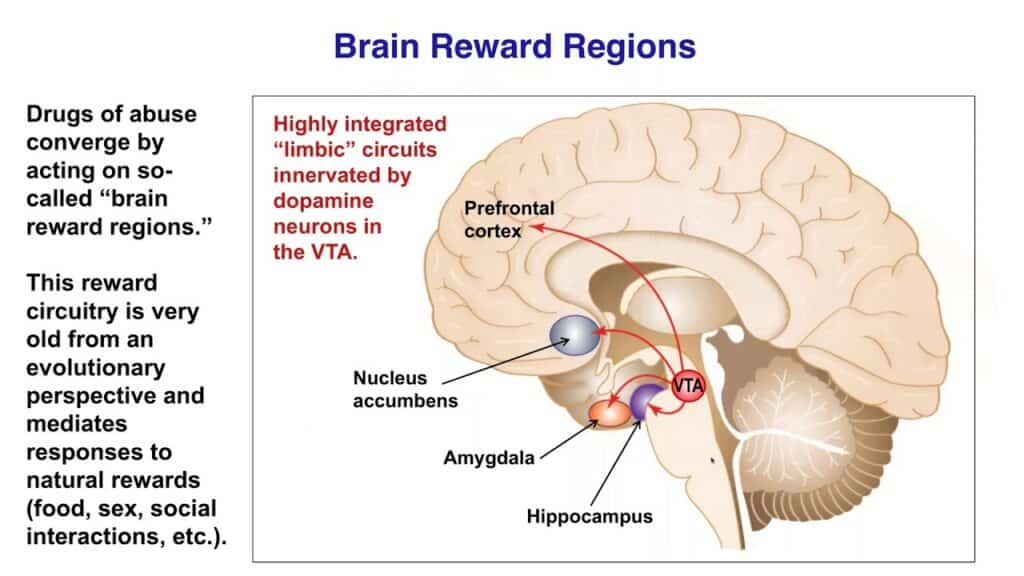
Many people use substances to cope with mental health symptoms—a pattern called “self-medication.” For example, someone with anxiety might drink to feel calm, or someone with depression might use stimulants to feel energized. While it may seem to help temporarily, it ultimately worsens both the mental health symptoms and the substance use.
Conversely, substance use can trigger or intensify mental health problems. Heavy drinking can cause depression, and certain drugs can induce psychosis. This is because prolonged substance use alters brain chemistry, affecting the same pathways and neurotransmitters involved in mental health.
Three major factors contribute to co-occurring disorders: genetics, environmental stress, and trauma. A family history of addiction or mental illness can increase risk. Chronic stress from poverty or violence can also be a trigger. Trauma is one of the strongest predictors, as many use substances to numb painful memories and emotions. For more guidance, see our resources on treatment for depression and anxiety.
Common Co-Occurring Disorders
Certain conditions frequently appear alongside substance use disorders. These include:
- Depression: Persistent sadness and hopelessness can drive people to seek relief in alcohol or drugs.
- Anxiety Disorders: Overwhelming fear and worry may lead to substance use to quiet these feelings.
- Bipolar Disorder: Individuals may use substances to try and manage extreme mood swings.
- Post-Traumatic Stress Disorder (PTSD): Substance use is common as a way to numb intrusive thoughts and flashbacks.
- Schizophrenia: This severe mental illness often co-occurs with substance use, sometimes as an attempt at self-medication.
Understanding these patterns is key to finding the right treatment. Our guide on why people become addicted to drugs explores these reasons further.
How One Disorder Influences the Other
Mental health disorders can impair judgment and alter brain chemistry, increasing vulnerability to substance use. At the same time, substances hijack the brain’s reward system, which can create new mental health symptoms or worsen existing ones. This creates a vicious cycle: mental distress leads to substance use, which worsens mental health, driving more substance use. Breaking this loop requires integrated mental health and substance abuse treatment that addresses both issues simultaneously. For a deeper dive, explore the scientific research on co-occurring disorders.
Recognizing the Need for Help: Signs and Symptoms
Recognizing the need for help is the first step. The signs of mental health and substance use problems can start small and build into life-altering patterns. You might notice changes in yourself or a loved one that signal something deeper needs attention.
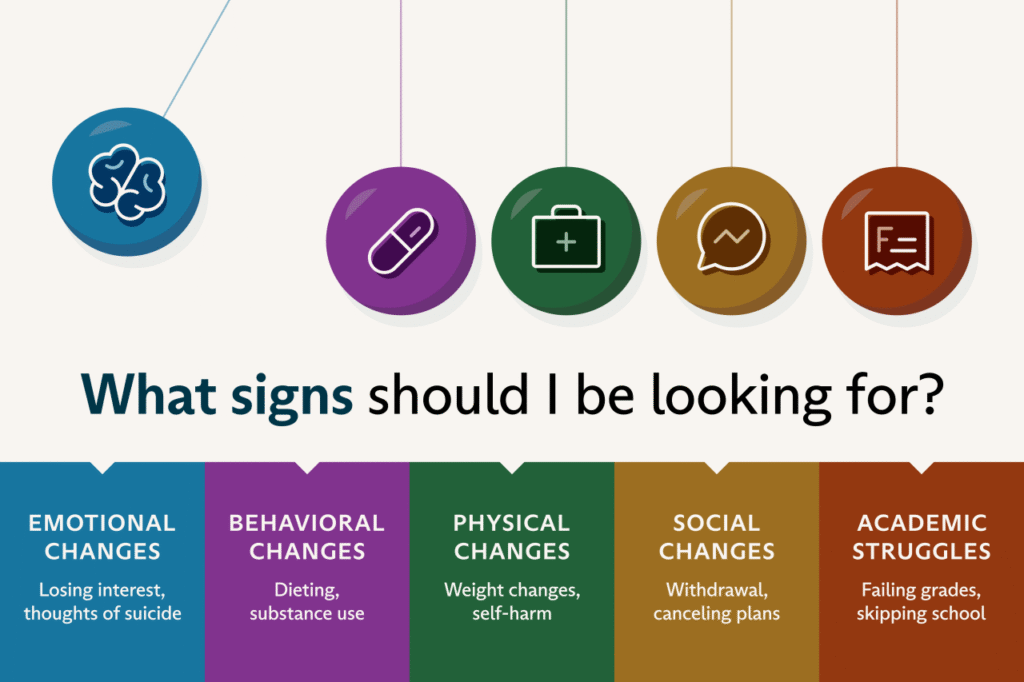
Key warning signs often include:
- Behavioral Changes: Difficulty meeting work or school deadlines, neglecting household tasks, and withdrawing from hobbies or social activities.
- Relationship Problems: Frequent arguments, eroded trust, and growing distance from family and friends.
- Physical Symptoms: Neglected hygiene, significant weight changes, unusual pupil size, exhaustion, insomnia, or unexplained aches and pains.
- Psychological Shifts: Persistent sadness, overwhelming anxiety, irritability, secretiveness, or a preoccupation with obtaining and using substances.
Two critical signs of a substance use problem are tolerance (needing more of a substance for the same effect) and withdrawal (experiencing physical and psychological distress when stopping). You can learn more from our Addiction Information resource.
Key Signs of a Substance Use Disorder (SUD)
A Substance Use Disorder is a medical condition diagnosed based on specific criteria. Experiencing two or more of these signs within a year indicates a problem that needs mental health and substance abuse treatment:
- Loss of control: Using more of a substance or for longer than intended.
- Inability to quit: Wanting to cut back or stop but being unable to.
- Cravings: Intense urges to use the substance.
- Time consumed: Spending significant time obtaining, using, or recovering from the substance.
- Neglecting responsibilities: Failing to manage duties at work, school, or home.
- Continued use despite consequences: Using even when it causes relationship, health, or legal problems.
- Physical dependence: Developing tolerance and experiencing withdrawal symptoms.
Potential Complications of Untreated Conditions
Delaying treatment allows problems to deepen, leading to severe consequences. The risks of untreated mental health and substance abuse treatment needs include:
- Health Crises: The most immediate danger is overdose. Long-term physical health deteriorates, leading to liver damage, heart disease, and increased cancer risk. Mental health conditions like depression and anxiety also worsen.
- Social and Legal Problems: Substance use can lead to arrests, DUIs, and other legal troubles. Jobs are lost, debt accumulates, and housing can become unstable.
- Damaged Relationships: Trust erodes with family and friends, leading to isolation at a time when support is needed most.
These complications highlight why seeking help now is so important. Treatment is effective, and it’s never too late to start. Whether you’re concerned about heroin withdrawal (as discussed in How Long Does It Take to Detox from Heroin?) or another issue, help is available.
Comprehensive Mental Health and Substance Abuse Treatment Approaches
For co-occurring disorders, treating one issue while ignoring the other is rarely effective. The best mental health and substance abuse treatment uses integrated care, where both conditions are addressed simultaneously by a coordinated team.

This approach relies on an individualized treatment plan that considers your specific diagnoses, life circumstances, and goals. The journey often follows a continuum of care—from detoxification to manage withdrawal safely, through rehabilitation to build coping skills, and into aftercare for long-term support and relapse prevention. This comprehensive structure provides a safety net at every stage of recovery. Learn more about Evidence-Based Rehab.
The Role of Behavioral Therapies and Counseling
Therapy provides practical tools to manage thoughts, cravings, and emotions without turning to substances. Key behavioral therapies include:
- Cognitive Behavioral Therapy (CBT): Helps you identify and change negative thought patterns that fuel both substance use and mental health symptoms.
- Dialectical Behavior Therapy (DBT): Teaches skills in mindfulness, distress tolerance, and emotional regulation, which is especially helpful for intense emotional swings.
- Motivational Interviewing (MI): A collaborative approach that helps you explore your own reasons for change and strengthen your commitment to recovery.
- Family Therapy: Involves loved ones in the treatment process to improve communication and build a supportive home environment.
Therapy can be conducted in individual or group settings, both of which offer unique benefits. Our Inpatient Mental Health: Complete Guide explores these therapies in residential settings.
Medications in Treatment
When combined with therapy, medication can be a powerful tool. This approach, known as Medication-Assisted Treatment (MAT), is proven to improve outcomes and reduce relapse risk.
- For opioid use disorder, medications like methadone, buprenorphine (Suboxone), and naltrexone reduce cravings and withdrawal symptoms.
- For alcohol use disorder, naltrexone, acamprosate, and disulfiram can help reduce cravings and support abstinence.
- For mental health conditions, antidepressants, mood stabilizers, and antipsychotic medications help manage symptoms of depression, bipolar disorder, and schizophrenia.
A healthcare provider specializing in mental health and substance abuse treatment will find the right medication and dosage for you. For more details, see our resource on Information about Medications for Opioid Use Disorder.
Levels of Care: Finding the Right Fit
Treatment intensity should match your current needs. A professional assessment will help determine the right level of care:
- Inpatient/Residential Treatment: Provides 24/7 care and supervision in a safe, substance-free facility. Best for severe conditions or unstable home environments.
- Partial Hospitalization Programs (PHP): Intensive daytime treatment (5-7 days/week) while you live at home or in sober living.
- Intensive Outpatient Programs (IOP): Structured therapy for several hours, multiple times a week, allowing you to maintain work or school.
- Outpatient Counseling: The most flexible option, with regular therapy sessions (typically weekly) for ongoing support.
Your care level can change as you progress in recovery. Our guide on Drug Rehab: Inpatient vs. Outpatient offers more details on these options.
How to Find Help: A Guide to National and Local Resources
When you’re ready to seek mental health and substance abuse treatment, knowing where to turn is crucial. A network of confidential resources exists to connect you with crisis hotlines, treatment locators, and peer support groups.

Immediate Crisis and Information Lines
If you are in crisis, immediate help is available 24/7. Do not wait.
- The 988 Suicide & Crisis Lifeline is for anyone having thoughts of suicide or experiencing severe emotional distress. Dial or text 988 or visit 988lifeline.org to chat online. If a life is in immediate danger, always call 911 first.
- Addiction Helpline America is our free, confidential, 24/7 service. We listen to your situation and connect you with treatment centers from our nationwide network that match your specific needs. We are here to help you take the first step.
- Kids Help Phone offers 24/7 professional counseling for people under 20 in Canada. Call 1-800-668-6868 or text 686868.
For a complete directory, visit our guide on Addiction and Rehab Hotlines.
Finding the Right Mental Health and Substance Abuse Treatment Program
Finding a program that fits your unique needs is the key to success. This is where Addiction Helpline America can be your partner. We take the time to understand your story and use our knowledge of hundreds of treatment centers to find options that make sense for you—whether you need integrated care for co-occurring disorders or flexible outpatient treatment. Our service is free and personalized to set you up for lasting recovery.
You can also use FindTreatment.gov, a directory from the Substance Abuse and Mental Health Services Administration (SAMHSA), to search for providers by location, services, and payment options. Your primary care provider is another excellent starting point for referrals and guidance.
Our Find Good Rehab Facility Guide offers tips on what to look for in a quality program.
Provincial and Territorial Resources in Canada
While Addiction Helpline America primarily serves the United States, we want to ensure our Canadian visitors can find help. Canada has a robust network of provincial and territorial resources for mental health and substance abuse treatment. For immediate health advice, you can call 8-1-1 in most provinces to speak with a health services navigator. The Government of Canada provides a comprehensive portal to help you find services in your specific region, including information on helplines, treatment centers, and harm reduction programs like Take Home Naloxone kits. For a complete overview and links to local support, please visit the official guide at Get help with substance use.
Specialized and Culturally-Specific Support
Effective treatment respects your background and life experiences. Specialized services are available to ensure everyone can access care that honors who they are.
- For Indigenous Peoples, culturally safe care is essential. The Hope for Wellness Help Line (1-855-242-3310) offers immediate counseling and crisis intervention 24/7 to all Indigenous people across Canada, with support in multiple Indigenous languages. The Thunderbird Wellness App also provides resources from an Indigenous perspective.
- For Families, support is crucial. Moms Stop the Harm and Families for Addiction Recovery (FAR) offer free, peer-led support groups where families can share experiences and learn coping strategies in a safe environment.
These services recognize that your culture and family are strengths in the recovery process. For more, see our guide on Resources for Families Coping with Mental and Substance Use Disorders.
Conclusion: Your First Step Towards a Healthier Future
Seeking information about mental health and substance abuse treatment is a courageous first step. It shows a willingness to change, which is the foundation of recovery.
This guide has shown that the link between mental health and substance use is complex, but effective, integrated treatment is available. From behavioral therapies and medication to different levels of care, there is a path forward.
What we want you to remember is this: treatment is effective, and recovery is possible. People who felt just as stuck as you might feel now are rebuilding their lives every day. Your story can be one of them.
The hardest part is often taking that first step—making one call or sending one message. At Addiction Helpline America, we’re here to make that step easier. Our free, confidential, and personalized guidance connects you with the right program from our nationwide network of treatment centers. You do not have to do this alone.
Your healthier future is waiting. It starts with one conversation. We’re ready to help whenever you are.
Find professional help for addiction and mental health