Understanding Mental Health Crises: What You Need to Know
Mental breakdown treatment combines professional support, therapy, and lifestyle changes to help someone recover from a mental health crisis. While “mental breakdown” isn’t a medical term, it describes a serious situation where stress becomes unmanageable, making it impossible to function normally. You might feel overwhelmed, unable to get out of bed, or like you’re losing control. The good news is that treatment works, and recovery is absolutely possible.
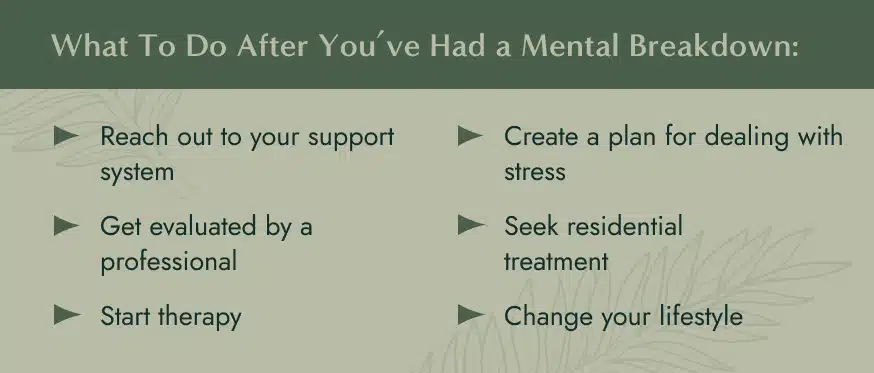
Doctors don’t diagnose a “mental breakdown.” Instead, they identify and treat underlying conditions like depression, anxiety disorders, or PTSD. Effective treatment addresses these root causes while building healthier coping skills. Core components include:
- Crisis Support: Immediate safety assessment and helplines.
- Professional Care: Therapy (like CBT), medical evaluation, and medication management.
- Lifestyle & Social Support: Changes in sleep, nutrition, and exercise, plus family and community involvement.
This guide covers warning signs, causes, treatment options, and long-term recovery. We’ll also outline immediate steps for anyone currently in crisis.
At Addiction Helpline America, we provide confidential guidance to connect people with effective mental breakdown treatment options. We understand that seeking help takes courage, and we’re here to make the process as simple as possible.
Understanding What a “Mental Breakdown” Really Is
While people often say they’re having a “mental breakdown,” it’s not an official medical diagnosis found in the Diagnostic and Statistical Manual of Mental Disorders (DSM-5-TR). It’s a colloquial term for a mental health crisis where stress, anxiety, or emotional pain become so intense that you can no longer function normally. It’s your mind and body signaling that you’ve reached an absolute limit.
What people call a “breakdown” is almost always a sign of an underlying, treatable condition that needs attention. The most common culprits include depression, anxiety disorders, and post-traumatic stress disorder (PTSD). The American Psychiatric Association offers helpful information on What is posttraumatic stress disorder?. Focusing on these root causes, rather than a scary label, is the first step toward healing.

Signs and Symptoms
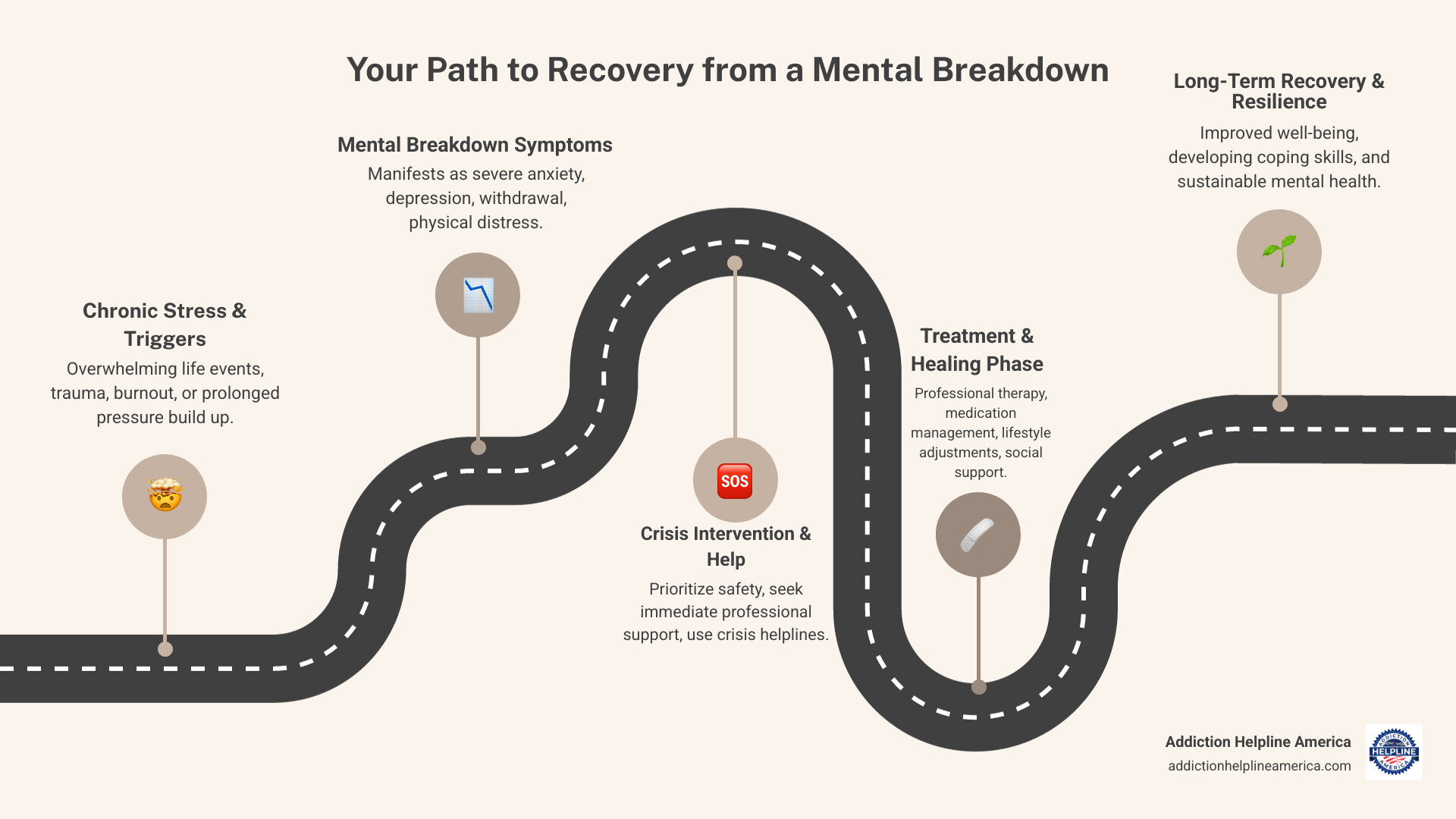
A mental health crisis affects your mind, body, and behavior in ways that can make daily life feel impossible.
- Psychological Symptoms: Intense and uncontrollable sadness, guilt, or anger; frequent crying spells; panic attacks; paranoia; and a crushing sense of hopelessness. Concentration and memory may also be severely impaired, as stress can cause changes to the function and structure of the brain.
- Behavioral Changes: Withdrawing from friends, family, and hobbies; neglecting self-care like eating or showering; and missing work, school, or other responsibilities.
- Physical Symptoms: Extreme fatigue, insomnia or sleeping too much (hypersomnia), and significant appetite changes. The link between sleep and mental health is strong, as sleep disorders often occur alongside mental health conditions. You might also experience stress-related symptoms like a dry mouth, sweating, heart palpitations, headaches, and stomach issues.
Common Causes and Triggers
A mental health crisis is often the result of stress accumulating over time. Key triggers include:
- Prolonged Stress and Burnout: Constant pressure from work, school, or personal life can lead to complete physical, emotional, and mental exhaustion.
- Major Life Events: The death of a loved one, divorce, job loss, financial problems, or experiencing trauma can overwhelm your ability to cope.
- Lack of Sleep: Chronic sleep deprivation impairs judgment, emotional regulation, and your ability to handle stress.
- Chronic Medical Conditions: Living with ongoing pain or illness adds a significant layer of stress.
- Isolation: A lack of social support makes it harder to manage burdens, causing stress to accumulate.
- Underlying Mental Health Conditions: Unmanaged depression or anxiety can make you more vulnerable to a crisis, even from moderate stress.
A “mental breakdown” is a sign that life’s demands have exceeded your coping abilities. It’s a signal that you need support, which is what mental breakdown treatment provides. At Addiction Helpline America, we connect people with the professional help they need to start healing.
Immediate Steps During a Mental Health Crisis
During a mental health crisis, the top priority is safety—for the person struggling and those around them. The situation is frightening but manageable with the right steps. The first goal is to create a safe physical and emotional space, which might mean stepping away from a stressful environment or simply having someone present so you don’t feel alone.

What to Do for Yourself
If you feel a crisis approaching, know that what you’re feeling is valid. Taking small steps right now can make a big difference.
- Acknowledge What’s Happening: Simply telling yourself, “I’m struggling right now, and that’s okay,” can provide relief.
- Get Immediate Help for Suicidal Thoughts: If you are thinking of hurting yourself, call 988, go to an emergency room, or call 911. Reaching out is an act of courage.
- Remove Yourself from Stressors: If possible, step away from the situation triggering the crisis. Give your nervous system a chance to calm down.
- Practice Deep Breathing: Breathe in for four counts, hold for four, and exhale for six. Repeat several times to calm your body’s stress response.
- Reach Out to Someone You Trust: Talk to a friend, family member, or a crisis line. Voicing your experience can lessen its weight.
- Contact a Professional: Your doctor can be a great first step. They can rule out physical causes and refer you to a mental health specialist. At Addiction Helpline America, we offer immediate, confidential guidance to find the right support.
How to Support a Loved One
Your compassionate presence can make an enormous difference. You don’t need to have all the answers.
- Listen Without Judgment: Let them talk freely without offering unsolicited advice. Your job is to be present and empathetic.
- Express Your Concern: Say something simple like, “I’ve noticed you haven’t seemed like yourself, and I’m worried. I’m here for you.”
- Offer Practical Help: Instead of a vague “Let me know if you need anything,” try a specific offer like, “Can I bring you dinner tonight?”
- Gently Encourage Professional Care: Frame getting help as a sign of strength. Offer to help them find a therapist or make the first call.
- Take Threats of Self-Harm Seriously: If they mention suicide, stay with them until help arrives. Call 911 or a crisis line. Remove any means of harm if it’s safe to do so.
Crisis Helplines and Resources
These resources are available 24/7 for immediate, confidential support.
- 988 Suicide & Crisis Lifeline: Call or text 988 Suicide and Crisis Lifeline at 988, or chat online at 988Lifeline.org. Veterans can press 1 to connect to the Veterans Crisis Line.
- Crisis Text Line: Text HOME to Crisis Text Line at 741741 to connect with a volunteer crisis counselor.
- Addiction Helpline America: We connect people to addiction and mental health treatment centers nationwide. For help finding mental breakdown treatment, visit Addiction Helpline America.
Professional Mental Breakdown Treatment Options
After the immediate crisis, the next step is finding professional mental breakdown treatment to address the root cause. Since a “breakdown” isn’t a diagnosis, treatment focuses on the underlying condition, whether it’s depression, anxiety, trauma, or another factor. With the right support, recovery is well within reach.
At Addiction Helpline America, we help people find personalized treatment plans. We know it’s overwhelming to figure out where to start, and we’re here to guide you to the right fit.
The Role of Psychotherapy
Psychotherapy, or “talk therapy,” is the cornerstone of mental breakdown treatment. It helps you understand your struggles, identify unhelpful patterns, and develop practical coping skills.
Cognitive Behavioral Therapy (CBT) is a highly effective approach. It teaches you to recognize, challenge, and reframe the negative thought patterns that fuel stress and anxiety. CBT has a proven track record for treating anxiety, depression, and other serious mental health conditions. It provides concrete skills you can use right away.
Other helpful therapies include psychodynamic therapy, which explores how past experiences influence your present, and trauma-informed therapies like EMDR, which help process traumatic memories safely. Your therapist will help determine the best approach for you.
Medication for Underlying Conditions
Medication is not a magic cure, but a tool to manage severe symptoms so you can fully engage in therapy. When depression or anxiety make it impossible to function, medication can provide the stability needed to begin the work of recovery.
A psychiatrist can prescribe medications like antidepressants (SSRIs or SNRIs) to regulate mood or anti-anxiety medications to provide relief from panic. It’s crucial to take medication exactly as prescribed and communicate openly with your doctor about side effects or concerns. Never stop taking medication abruptly without medical guidance.
When mental health and substance use issues co-occur, integrated treatment is necessary. You can find more info about managing co-occurring disorders and how to address both conditions at once.
Inpatient vs. Outpatient Mental Breakdown Treatment
Choosing the right level of care depends on symptom severity, your environment, and your support system.
- Outpatient Therapy: You attend regular therapy sessions while living at home. This works well if you are safe, have a stable living situation, and can function in your daily life. Intensive Outpatient Programs (IOPs) offer a higher level of care while still allowing you to live at home.
- Inpatient or Residential Treatment: This provides 24/7 care in a specialized facility. It’s recommended for severe symptoms, if you are at risk of self-harm, or if you need an environment free from triggers to focus entirely on recovery.
Our team at Addiction Helpline America can help you determine the appropriate level of care and find a facility that fits your needs. You can learn more about Inpatient vs Outpatient options to see what might be right for you.
Lifestyle, Social Support, and Long-Term Recovery
Effective mental breakdown treatment extends beyond professional care into your daily life. Long-term recovery involves building a lifestyle that supports your mental well-being and helps prevent future crises. It’s about creating a life worth protecting.
The Impact of Diet, Exercise, and Sleep
Your physical health is directly linked to your mental health. Prioritizing these three areas is crucial for recovery.
- Diet: A balanced diet rich in omega-3s, whole grains, and lean proteins can help stabilize your mood. Limiting sugar, processed foods, and caffeine can prevent energy crashes and mood swings.
- Exercise: Regular physical activity is a powerful tool against anxiety and depression. The CDC recommends getting at least 150 minutes of moderate-intensity exercise per week. Even a brisk 30-minute walk five days a week can make a huge difference.
- Sleep: Quality sleep is essential. A lack of it can intensify emotions and impair your ability to cope with stress. As noted by the American Psychiatric Association, sleep disorders often occur alongside mental health conditions. Aim for 7-9 hours per night and maintain a consistent sleep schedule.
Building a Strong Support System
Isolation worsens a mental health crisis. Connection is a powerful form of medicine.
- Friends and Family: Open up to trusted loved ones. They can provide emotional and practical support, reminding you that you’re not a burden and that you matter.
- Support Groups: Connecting with others who have similar experiences provides a unique sense of validation and community. You can share coping strategies and find hope in others’ stories. Our team can help you Find support and community resources in your area.
The Recovery Process After Mental Breakdown Treatment
Recovery is a process with ups and downs. Patience and consistency are key.
- Identify Early Warning Signs: Learn to recognize your personal signals that stress is building, such as changes in sleep, appetite, or mood. A journal can help you spot these patterns early.
- Practice Stress Management: Incorporate daily practices like meditation, yoga, mindfulness, or deep breathing to calm your nervous system. Even five minutes a day can help.
- Understand the Timeline: Recovery varies for everyone. However, with proper mental breakdown treatment, symptoms often improve significantly within six months. The goal is progress, not perfection.
Frequently Asked Questions about Mental Breakdowns
When navigating a crisis, it’s natural to have questions. Here are answers to some of the most common ones we hear at Addiction Helpline America.
What is the difference between a mental breakdown and a psychotic break?
This is a key distinction. A mental breakdown is an intense stress response where you can no longer function, but your sense of reality remains intact. You know what’s real, even if you can’t cope with it.
A psychotic break is more severe and involves a loss of contact with reality. This can include hallucinations (seeing or hearing things that aren’t there) or delusions (believing things that aren’t true). A psychotic break requires immediate medical intervention.
How long does it take to recover from a mental breakdown?
The recovery timeline is different for everyone and depends on the underlying cause, symptom severity, and your response to treatment. However, there is encouraging news: with proper diagnosis and consistent mental breakdown treatment, most people see significant improvement in their symptoms within six months. Recovery is a journey, not a race, and getting better is absolutely possible.
Can a mental breakdown be prevented?
Yes, in many cases, a crisis can be prevented or its severity lessened through proactive steps. While you can’t eliminate stress from life, you can build resilience against it.
Key prevention strategies include:
- Effective Stress Management: Regularly practice techniques like mindfulness, meditation, or yoga to manage stress before it becomes overwhelming.
- Seeking Help Early: Don’t wait for a crisis. If you notice early warning signs like persistent anxiety or loss of interest in activities, contact a mental health professional.
- Healthy Lifestyle: Prioritize a balanced diet, regular exercise, and consistent, quality sleep.
- Strong Support System: Cultivate relationships with friends, family, and community members you can lean on.
- Consistent Treatment: If you have a diagnosed mental health condition, stick to your treatment plan, including therapy and medication, to prevent symptoms from escalating.
Conclusion
The most important thing to remember is that a “mental breakdown” is a serious crisis, but it is not the end. Recovery is achievable, and with the right support, you can find healing and hope.
As we’ve discussed, the path to recovery involves a combination of professional mental breakdown treatment like therapy and medication, positive lifestyle changes, and a strong support system. These elements work together to address the root causes of the crisis—often depression, anxiety, or PTSD—and build a foundation for lasting well-being.
Don’t wait until things get worse. Recognizing the warning signs and reaching out for help is an act of courage. With proper treatment, many people see significant improvement within six months.
We know taking that first step is hard. At Addiction Helpline America, we provide free, confidential guidance to help you find the right treatment program from our network of quality centers across all fifty states. This is what we’re here for.
Your recovery matters. Take action today. Find professional help for mental health today.