
Navigating Alcohol Rehab Options in Louisiana
Finding the right Louisiana alcohol rehab can feel overwhelming, especially when you or a loved one is struggling. You’re not alone. Every year, over 7,000 Louisiana residents seek help for alcohol addiction. The good news? There are more than 100 dedicated rehab facilities across the state. They offer hope and a path to lasting recovery.
Searching for Louisiana alcohol rehab options? Here are the main types of programs you’ll find:
- Medical Detox: Safely manages withdrawal symptoms under medical supervision.
- Inpatient/Residential Rehab: Patients live at the facility 24/7 for focused treatment.
- Outpatient Rehab: Patients live at home and attend scheduled therapy sessions. This includes Intensive Outpatient Programs (IOP) and Partial Hospitalization Programs (PHP).
- Specialized Programs: Custom for specific groups like veterans, LGBTQ+ individuals, or those with co-occurring mental health disorders.
This guide will help you understand your options and find the best fit. We’ll break down the different types of programs, costs, and how to choose a reputable center. Our goal is to make this journey clearer and less daunting for you.
Addiction Helpline America is committed to helping individuals find the right Louisiana alcohol rehab resources. We provide confidential support and guidance, empowering you to make informed decisions for recovery.
Recognizing the Signs: When to Seek Help for Alcohol Use
It’s never easy to look at ourselves or a loved one and admit that alcohol might be causing real trouble. But recognizing the signs of Alcohol Use Disorder (AUD) is truly the first, brave step on the road to healing. In Louisiana, just like everywhere else, alcohol addiction is a serious matter. While we don’t have exact numbers for alcohol-specific overdose deaths in our state data, we do know that substance overdose deaths are a major concern. For instance, from April 2020 to April 2021, the Centers for Disease Control and Prevention (CDC) reported 2,218 drug overdose deaths in Louisiana. This figure really shows how urgent it is to reach out for help when addiction takes hold.
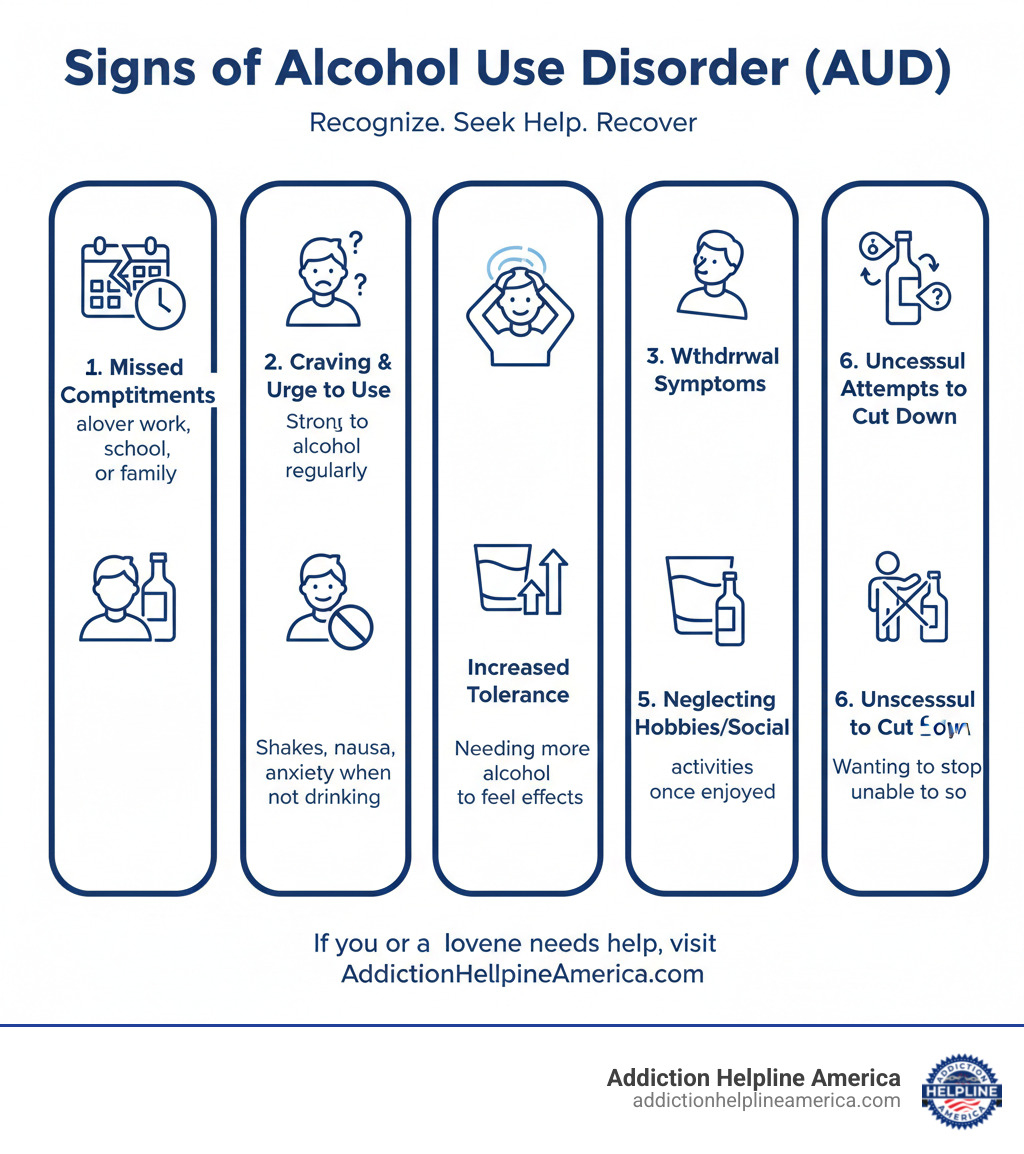
So, how do you know if it’s time to seek support? Often, the first clues appear in our behavior. You might notice yourself or someone you care about drinking more alcohol or for longer than you intended. Maybe there have been repeated, unsuccessful attempts to cut down or control drinking. Alcohol might start to overshadow other parts of life, leading to neglecting important responsibilities at work, school, or home. Even when problems pop up because of drinking – say, arguments with loved ones – the drinking continues. This is often accompanied by risky behaviors like driving under the influence, or a loss of interest in hobbies or activities that once brought joy.
Your body can also send clear signals. One common sign is tolerance, meaning you need more alcohol than before to feel the same effects. If alcohol use stops or is reduced, withdrawal symptoms can emerge. These might include tremors, nausea, sweating, anxiety, or even seizures. Over time, there can be a noticeable decline in physical health, showing up as liver problems, digestive issues, or getting sick more often.
Inside, too, things can shift. A powerful craving or urge to drink is a strong indicator. You might experience intense mood swings, becoming irritable or feeling down more often. Often, alcohol is used to try and cope with or worsen existing anxiety and depression. And sometimes, there’s a strong sense of denial, where it’s hard to see or admit the true extent of the problem.
Alcohol use can also ripple through relationships and daily life. You might see increased strain in relationships with family or friends due to drinking, or difficulty keeping a job or performing well at work. Sadly, legal issues like arrests for public intoxication or DUI can also become a reality. If someone has tried to stop or cut back on drinking multiple times but hasn’t been able to, it’s a very clear sign that professional help is needed.
If any of these signs resonate with what you or a loved one are going through, please know that it’s okay to ask for help. Reaching out for a Louisiana alcohol rehab program isn’t a sign of weakness; it’s a powerful, courageous step toward a healthier, more hopeful future.
5 Proven Ways to Find a Louisiana Alcohol Rehab Program
Finding the right Louisiana alcohol rehab program is a truly personal journey. We understand that there’s no single solution that fits everyone. But don’t worry, there are proven strategies that can help you steer the many options and make an informed decision. Our goal at Addiction Helpline America is to connect you with the personalized care that offers the very best chance for lasting recovery. Taking this first step is a monumental act of courage, and we are genuinely here to guide you through it, every step of the way.

1. Use Trusted Online Resources and Helplines
The digital age has made it easier to access information about alcohol rehab, but it’s super important to use trusted sources. Online directories and state-run search tools can provide comprehensive lists of facilities. Meanwhile, confidential helplines offer immediate, personalized guidance right when you need it.
We recommend starting with reputable online directories. Websites like Addiction Helpline America offer extensive listings of facilities. For instance, you can explore our general Louisiana Rehab Centers page or look for specific locations like Baton Rouge, LA Rehab. These directories often provide valuable details on program types, accepted insurance, and contact information, making your search much simpler.
When you’re feeling overwhelmed, speaking with a compassionate professional can make all the difference. Our confidential helplines are available 24/7, offering free, confidential support and guidance. We can help you understand your options without any obligation, and even assist in vetting sources to ensure you’re getting accurate information. With over 103 rehab facilities spanning the state of Louisiana, it’s crucial to confirm the information you find is reliable. Always look for facilities with accreditations from recognized bodies like CARF or The Joint Commission, as these signify adherence to high standards of care.
2. Understand Costs and Verify Your Insurance
The cost of Louisiana alcohol rehab can definitely be a big concern, but it should never be a barrier to seeking help. We firmly believe that everyone deserves access to quality treatment, and thankfully, there are many financial options available to make that possible.
The average cost in Louisiana for high-quality outpatient or inpatient care is around $56,822. While this figure might seem daunting at first glance, it’s important to break it down and understand what influences it. For example, inpatient rehab for a 30-day stay can average about $631.56 per day without insurance coverage. This comprehensive cost typically covers accommodation, meals, 24/7 medical supervision, therapy sessions, and other essential services. In contrast, a 30-day outpatient program is significantly less, averaging around $59.83 per day without insurance. This option allows you to live at home while attending scheduled treatment sessions, offering more flexibility.
The good news is that insurance coverage often plays a huge role. Many health insurance plans, including those offered in Louisiana, provide coverage for drug and alcohol rehab. The Affordable Care Act (ACA) mandates that most insurance plans offer mental health and substance use disorder services. If you have BlueCross BlueShield of Louisiana (BCBSLA), you might be in luck! BCBSLA may cover all or part of the cost of rehab for drug or alcohol addiction. Coverage depends on your specific plan details and the level of care needed (medical detox, inpatient, outpatient, IOP, PHP). BCBSLA has a long history in Louisiana, starting in 1934, and serves 1.8 million Louisianians. We highly recommend checking your individual plan details directly with BCBSLA through their website (About Blue, Shop Health Plans) or by contacting their customer service. The easiest way to check your coverage is to contact your insurance provider directly or use our convenient insurance verification tool. We’re here to help you understand your co-pays, deductibles, and what types of programs your plan will cover.
Don’t forget about Medicaid options! Many Louisiana alcohol rehab centers accept Medicaid. For example, some facilities accept Medicaid patients with Aetna, Healthy Blue, United Healthcare, Ameritas, and Louisiana Healthcare Connections. Please don’t let financial concerns prevent you from seeking help; exploring Medicaid or other state-funded programs can make quality treatment accessible.
3. Evaluate Different Types of Treatment Programs
Understanding the various types of Louisiana alcohol rehab programs is key to choosing the one that best suits individual needs. Each program offers a different level of intensity and support, designed to meet you where you are on your path to recovery.
Medical detox is often the critical first step in alcohol addiction treatment, especially for individuals with moderate to severe physical dependence. Alcohol withdrawal can be dangerous and even life-threatening without proper medical supervision. Medical detox involves safely ridding the body of alcohol under the careful eye of medical professionals who manage withdrawal symptoms, ensuring your safety and comfort. It’s truly the foundation upon which further therapy can be built. You can learn more about this crucial first step here: Addiction Helpline America Medical Detox.
Inpatient or residential programs require individuals to live at the facility 24/7. These programs provide a structured, safe environment away from triggers and distractions, allowing for deep focus on healing. Residential treatment offers comprehensive care, often combining the 12-Step philosophy with evidence-based methods. Clients benefit from full-time access to providers, a supportive community, and typically receive a minimum of four and a half hours of group therapy daily, along with educational sessions on addiction and relapse prevention.
Outpatient programs allow individuals to live at home while attending scheduled treatment sessions. These include Partial Hospitalization Programs (PHP), which offer a high level of care similar to inpatient programs but clients return home at night, and Intensive Outpatient Programs (IOP), which provide fewer hours of treatment per week than PHP, offering more flexibility for work or school. These options are ideal for those with strong support systems at home or those transitioning from inpatient care. You can find more details on these program types at Addiction Helpline America Program Types.
The typical duration of Louisiana alcohol rehab programs can vary significantly based on individual circumstances, the severity of addiction, and the chosen program. 30-day programs are common entry points, providing an initial period of stabilization and intensive therapy. Many individuals benefit from longer stays, with 60- and 90-day options, which allow for deeper therapeutic work and the development of stronger coping mechanisms. Some facilities also offer extended care options for ongoing support, which can be crucial for long-term sobriety. Most reputable programs integrate a variety of therapeutic approaches, such as Cognitive Behavioral Therapy (CBT), Motivational Interviewing (MI), family therapy, and holistic approaches like yoga or meditation. Many facilities also incorporate the 12-Step philosophy, providing a well-rounded path to healing.
Here’s a quick comparison of residential versus outpatient rehab options to help you see the differences:
| Feature | Residential Rehab in Louisiana | Outpatient Rehab in Louisiana |
|---|---|---|
| Living Situation | Live at the facility 24/7 | Live at home, attend sessions |
| Support Level | High, constant supervision, structured environment | Moderate, flexible, requires strong home support |
| Intensity | Very High (daily therapy, education, community) | High (PHP) to Moderate (IOP) |
| Cost | Generally higher | Generally lower |
| Ideal For | Severe addiction, unstable home environment, need for complete immersion | Moderate addiction, strong home support, work/school commitments, step-down from inpatient |
4. Look for Quality, Accreditation, and Success
When searching for Louisiana alcohol rehab, focusing on quality and accreditation is absolutely essential. These factors help ensure you receive the best possible care. Accreditation matters deeply; look for centers accredited by organizations like CARF (Commission on Accreditation of Rehabilitation Facilities) or The Joint Commission. These accreditations signify that a facility adheres to rigorous standards for patient care, safety, and ethical practices.
A high-quality rehab will also emphasize evidence-based therapies. These are treatments backed by scientific research, proven to be effective in treating addiction. Examples include Cognitive Behavioral Therapy (CBT), Dialectical Behavior Therapy (DBT), and Motivational Interviewing. Beyond therapy, consider the staff qualifications. Are the therapists, counselors, and medical professionals licensed and experienced in addiction treatment? A skilled and compassionate team makes a huge difference in your recovery journey.
While defining success rates in addiction treatment can be complex, a reputable facility should be transparent about its approach to long-term recovery and its commitment to aftercare planning. True success extends beyond the initial treatment stay. Effective aftercare—which might include sober living, ongoing therapy, support groups, or alumni programs—is crucial for maintaining sobriety and preventing relapse. When a center openly discusses its aftercare strategies, it shows they are invested in your lasting well-being.
5. Find Specialized Programs for Your Unique Needs
Everyone’s journey to recovery is unique, and sometimes, a general program just isn’t enough. Many Louisiana alcohol rehab centers offer specialized programs designed to address specific needs and demographics. This demographic-specific care can create a more comfortable and effective treatment environment.
For instance, we understand that veterans face unique challenges, which is why some facilities offer dedicated veterans programs. These programs often incorporate therapies custom to address trauma, PTSD, and other issues common among service members. You can find more information about these specialized options at Addiction Helpline America Veterans Programs. Similarly, some centers provide LGBTQ+ affirming care, creating a safe and inclusive space where individuals can feel understood and respected without judgment. There are also gender-specific rehabs that offer separate programs for men and women, allowing participants to focus on recovery in an environment free from gender-related distractions, and to address gender-specific issues. For those seeking a faith-based approach, Christian counseling programs integrate spiritual principles with evidence-based addiction treatment. If this resonates with you, explore options here: Addiction Helpline America Christian Counseling. Finding a program that truly understands and addresses your specific background and needs can significantly improve your chances of lasting recovery.