
Finding Hope: Your Guide to Choosing a 30-Day Inpatient Rehab Program
Searching for a 30 day inpatient rehab near me is a sign of hope and urgency. If you need immediate help, this guide will walk you through the essentials.
Quick Answer: What to Look For
- Accreditation: The Joint Commission or CARF certification
- Medical Support: 24/7 supervision and detox services
- Evidence-Based Treatment: CBT, DBT, and Medication-Assisted Treatment (MAT)
- Qualified Staff: Licensed therapists, doctors, and addiction counselors
- Aftercare Planning: Alumni programs and relapse prevention support
Thirty-day inpatient rehab programs offer 28-30 days of full-time, residential care. You’ll receive round-the-clock medical supervision, therapy, and support in a structured, drug-free environment. This one-month duration is often enough to detox safely, start therapy, and build sober living skills. It’s a manageable commitment for many and is more likely to be covered by insurance than longer programs, making it an accessible first step.
The decision to seek help is the first step on the journey to recovery. It can feel overwhelming, but you don’t have to do it alone.
At Addiction Helpline America, we guide individuals and families in finding the right 30-day inpatient rehab to fit their unique needs. Our team of specialists understands that every path to sobriety is different, and we’re here to help you steer your options with compassion and expertise.
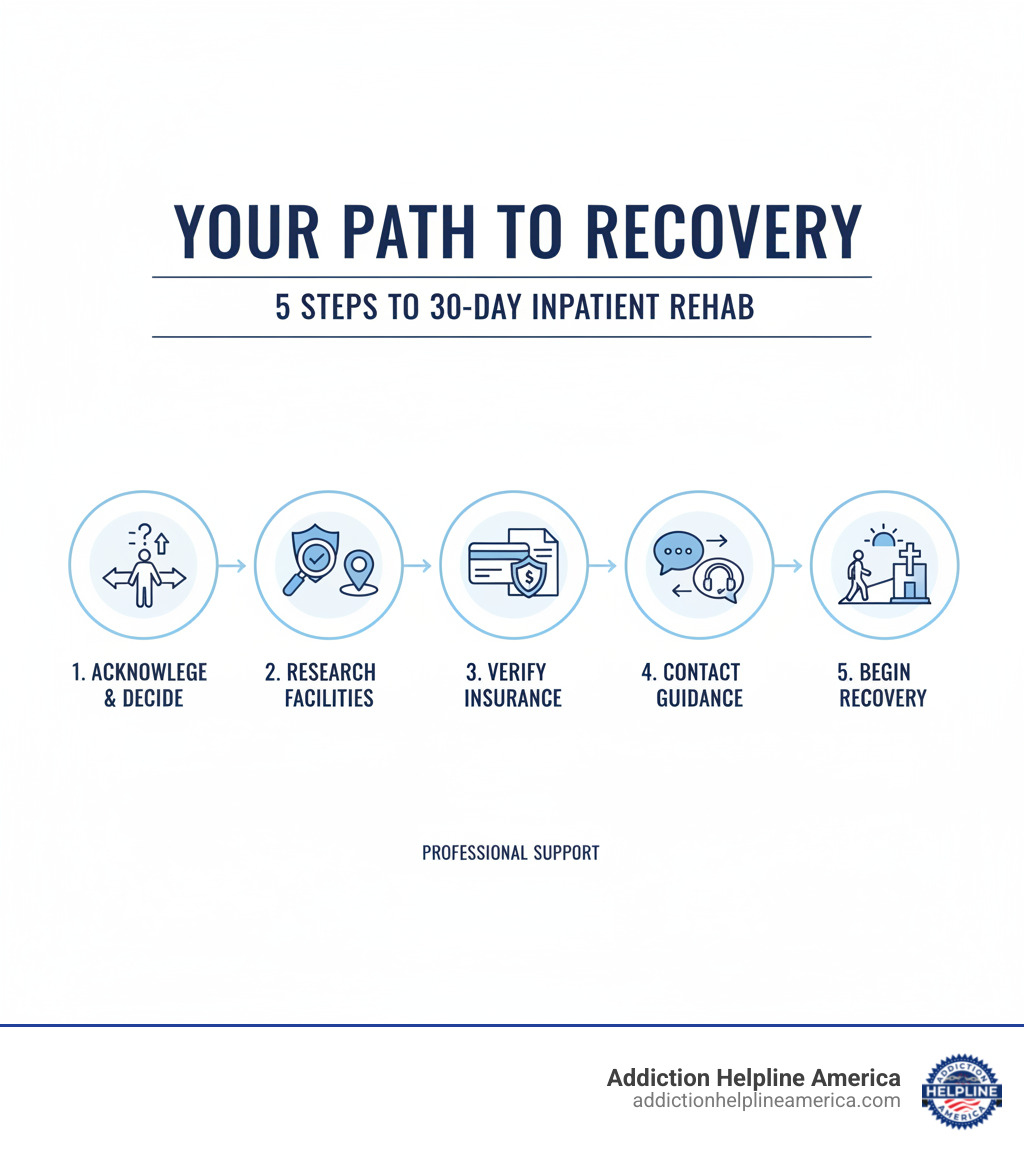
Key 30 day inpatient rehab near me vocabulary:
What is a 30-Day Inpatient Rehab Program?
When you search for 30 day inpatient rehab near me, you’re looking for a residential treatment program. This means you’ll live at the facility for 28 to 30 days, receiving intensive care for substance use disorder. It’s a chance to pause the chaos of addiction and enter a safe space designed for recovery.
You’ll have 24/7 medical support, which is crucial for safely detoxing from drugs or alcohol. By removing exposure to triggers and temptations, this structured environment helps you focus on healing. While not a cure, a 30-day program is a powerful first step. You’ll learn coping skills, identify triggers, and find healthier ways to manage stress, all while surrounded by a peer support network of people who understand your struggle.
For a comprehensive look at what inpatient care involves, check out our Inpatient Rehab Programs: The Complete Guide.
Common Therapies and Treatments
A quality 30-day program uses various therapies to teach you how to live without substances.
- Individual therapy provides one-on-one time with a therapist to address personal issues and triggers.
- Group therapy offers a supportive setting to share experiences with peers, build communication skills, and see recovery in action.
- Cognitive Behavioral Therapy (CBT) helps you change negative thought patterns that fuel addiction, while Dialectical Behavior Therapy (DBT) focuses on emotional regulation and distress tolerance.
- Medication-Assisted Treatment (MAT) uses medications like buprenorphine or naltrexone alongside therapy to manage withdrawal and cravings, particularly for opioid or alcohol addiction.
- Family counseling helps repair relationships and create a supportive home environment for your return.
- Holistic therapies like yoga, meditation, or art therapy support overall well-being by reducing stress and promoting mindfulness.
Want to explore all the treatment options available to you? Visit our Explore Treatment Options page.
Inpatient vs. Outpatient: What’s the Difference?
Choosing between inpatient and outpatient treatment depends on the severity of your addiction, your support system, and your daily responsibilities. Inpatient care is immersive and intensive, while outpatient care offers more flexibility.
Here’s a quick comparison:
| Feature | Inpatient (Residential) Program | Outpatient Program |
|---|---|---|
| Living Situation | Reside at the facility 24/7 | Live at home; attend scheduled therapy sessions |
| Supervision | 24/7 medical and clinical supervision | Attend sessions during the day/evening; no overnight supervision |
| Environment | Structured, drug-free, immersive; removes outside distractions | Maintain daily life (work, school, family); face real-world triggers |
| Intensity | Highly intensive; multiple hours of therapy and activities daily | Less intensive; few hours of therapy per week; greater flexibility |
| Ideal Candidate | Severe addiction, co-occurring mental health issues, unstable home environment, need for medical detox | Mild to moderate addiction, strong home support, stable living situation, ability to manage triggers |
| Cost | Generally higher, but often includes all living expenses and care | Generally lower, as it doesn’t include housing or constant supervision |
Many people start with a 30-day inpatient rehab near me and then transition to outpatient care as a step-down approach. This provides intensive support early on before gradually reintroducing you to daily life with continued therapy.
For more information about less intensive treatment options, visit our page on Intensive Outpatient Treatment.
The Top 5 Features of the Best 30-Day Rehab Programs
When you’re searching for a 30 day inpatient rehab near me, the quality of care you receive can be the most important factor for your entire recovery journey. This isn’t just about finding a place; it’s about finding the right place. The best programs share key qualities that help people build a strong foundation for lasting sobriety.
We’ve seen how these features make a real difference. They guide you toward success and help you stay on track long after you leave. The following sections detail the top five things we recommend you look for when choosing a facility.
To learn more about how co-occurring disorders are treated, check out our guide on finding a Bipolar Treatment Center: Complete Guide.
To learn more about recognizing and preventing setbacks, read our article on Relapse Warning Signs.
1. Accreditation and Licensing
Think of accreditation and licensing as a facility’s report card, proving they meet strict standards for quality and patient safety. When searching for a 30 day inpatient rehab near me, verifying these credentials should be a top priority.
The Joint Commission is considered the “gold standard” in healthcare accreditation. A facility with its Behavioral Health Care accreditation has undergone rigorous evaluation. CARF International is another respected body whose accreditation signals a commitment to quality rehabilitation services.
Beyond national accreditation, every facility must be licensed by its state. For example, Delaware facilities are overseen by the Division of Substance Abuse and Mental Health, while some in California are licensed by the California Department of Public Health. Always verify a facility’s state license. A reputable program will readily provide this information, giving you the trust needed to begin recovery.
2. Evidence-Based, Personalized Treatment
Cookie-cutter treatment plans don’t work because every person’s story is unique. The best 30 day inpatient rehab near me will create an individualized care plan for you, built around scientifically proven, evidence-based therapies.
Upon arrival, a professional team will assess your specific situation, including the substance used, the severity of the addiction, and any co-occurring mental health conditions. This last point is critical. Many people with addiction also struggle with anxiety, depression, or PTSD. Quality programs provide dual diagnosis treatment, addressing both the addiction and mental health condition simultaneously.
Treating both issues together dramatically improves the chances of long-term recovery. Our Bipolar Treatment Center: Complete Guide offers more insight into integrated care. Your custom plan may also include trauma-informed care or other specialized therapies to address the root causes of substance use.

Recovery is a personal process of self-findy. The right therapy gives you the tools to understand why you use substances and how to make lasting change.
3. Qualified, Multidisciplinary Staff
The team guiding your recovery is incredibly important. A top-notch 30 day inpatient rehab near me will have a qualified, compassionate, and multidisciplinary staff working together for your well-being.
Look for facilities that employ a diverse team of experts:
- Medical Doctors and Registered Nurses: They provide 24/7 medical supervision, especially during detox, to manage withdrawal symptoms and ensure your physical safety.
- Licensed Therapists and Certified Addiction Counselors: They lead individual and group therapy, helping you learn coping skills and explore the root causes of addiction.
- Psychiatrists: They are vital for clients with co-occurring mental health conditions, providing medication management and integrated care.
- Support Staff: These individuals help the facility run smoothly and create a positive, welcoming environment that feels like a safe home.
An experienced, diverse team ensures all aspects of your recovery are addressed, setting you up for a successful start to a sober life.
4. Comprehensive Aftercare Planning
Finishing a 30 day inpatient rehab near me is a monumental achievement, but it’s the beginning of your recovery journey, not the end. The best centers understand this and create a robust aftercare plan to support your long-term sobriety.
This personalized roadmap includes relapse prevention strategies, teaching you to identify triggers and develop healthy coping mechanisms. Understanding Relapse Warning Signs is a key part of this. The plan will also connect you with continued support options, such as step-down care like an Intensive Outpatient Program (IOP), individual counseling, or sober living arrangements.
Many facilities also offer alumni programs and recommend support groups like AA, NA, or SMART Recovery. This ongoing connection to a supportive community is a cornerstone of maintaining sobriety.
5. A Safe and Supportive Environment
Your surroundings play a huge role in healing from addiction. The best 30 day inpatient rehab near me facilities create an environment where recovery can flourish.
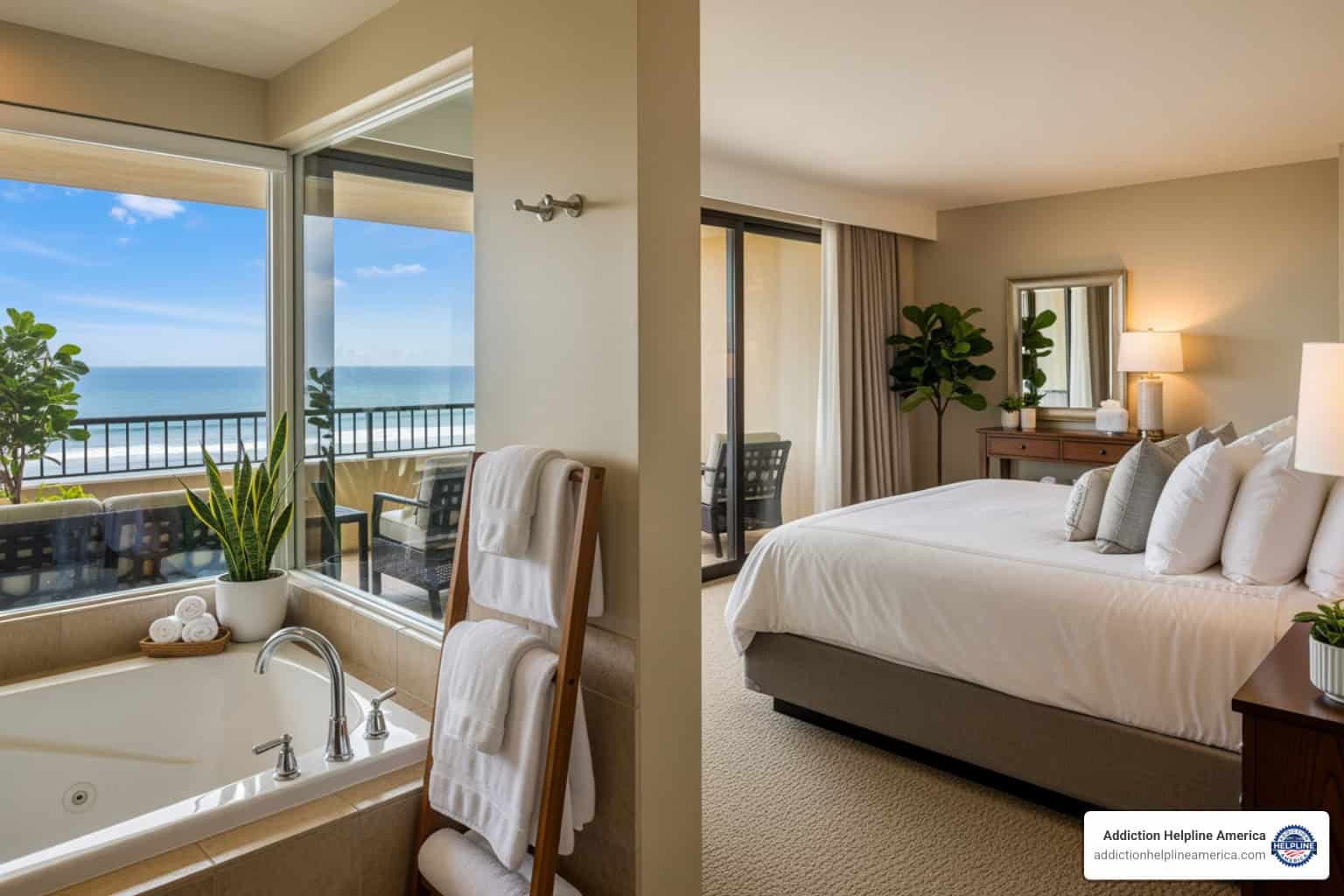
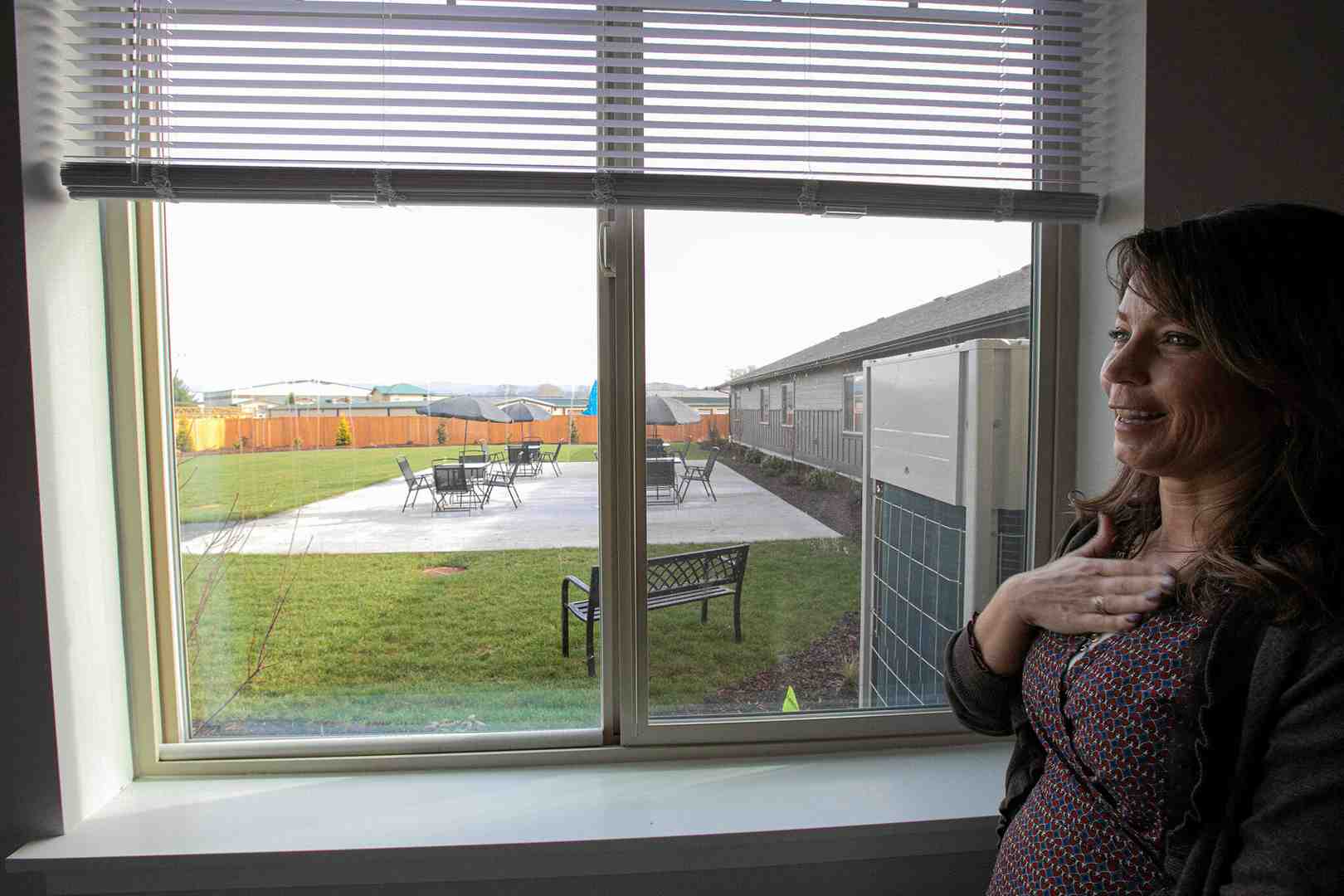
A drug-free setting is the foundation, removing you from triggers and allowing your brain to reset. But a safe environment is more than that. It includes clean, comfortable facilities where you can rest and reflect. Nutritious meals are also crucial, as they refuel your body and can help stabilize your mood and energy levels.
Recreational opportunities, like yoga, art, or sports, help reduce stress and teach you that a sober life can be enjoyable. Perhaps most importantly, you’ll be surrounded by a peer community of people who understand your struggle. Sharing this journey builds powerful connections that often become a vital part of your long-term support network.

In this calm, safe space, away from the chaos of daily life, you can give yourself permission to heal.
How to Choose the Best 30-Day Inpatient Rehab Near Me
Deciding on the right 30 day inpatient rehab near me is a life-changing step. It’s okay to take your time, do your research, and ask plenty of questions to find the best path forward for you or your loved one.
Signs You or a Loved One Might Need a 30-day inpatient rehab program
Recognizing the need for help is often the hardest part. An inpatient program may be necessary if you see signs like:
- Loss of control over substance use.
- Neglecting responsibilities at work, school, or home.
- Relationship problems with family and friends.
- Withdrawal symptoms when trying to stop.
- Increased tolerance, needing more of the substance for the same effect.
- Continued use despite negative consequences (health, legal, financial).
If these signs resonate, it’s time to seek professional help. Our guide on How to Help Someone with Addiction offers more insights for family members.
Using a National Directory to find a 30-day inpatient rehab near me
Finding a reputable facility is easier than you might think. A great starting point is SAMHSA’s National Directory. The Substance Abuse and Mental Health Services Administration (SAMHSA) offers a searchable online directory of treatment facilities. You can also find state-specific resources and hotlines, like those provided by Addiction Helpline America for states like Pennsylvania and Alabama.
Once you have a few options, contact the facility directly to verify their services, accreditation, and policies. Be ready to share information about your situation so their admissions specialists can guide you to the best program.
Understanding the Cost and Insurance Coverage
When searching for a “30 day inpatient rehab near me,” cost is a natural concern. It’s best to view this as a crucial investment in your health and future, as the long-term toll of untreated addiction is far greater.
The cost of a 30-day inpatient program varies, typically ranging from $6,000 to $20,000. This price usually covers food, lodging, and all therapies. The final cost depends on the level of care, facility type, amenities, and location.

Does Insurance Cover a 30-day inpatient rehab program?
The good news is that most health insurance plans, including private insurance, Medicaid, and Medicare, do cover addiction treatment. Federal laws like the Affordable Care Act (ACA) and the Mental Health Parity and Addiction Equity Act require insurers to provide coverage for behavioral health on par with physical health.
Insurers are often more likely to cover a 30-day program than longer-term options, making it an accessible starting point. It’s essential to verify your specific benefits. The team at Addiction Helpline America can help you understand your deductible, co-pays, and what your plan covers. For more details, read our guide: Will My Insurance Cover Drug Rehab?.
Other Ways to Pay for Rehab
If you have limited or no insurance, don’t let cost stop you from seeking help. Many options are available:
- Financing options and payment plans offered by treatment centers.
- Sliding scale fees that adjust the cost based on your income.
- State-funded programs that offer free or low-cost treatment.
- Non-profit facilities (e.g., The Salvation Army) that provide affordable programs.
- Private pay (out-of-pocket), which offers the most flexibility in choosing a program.
We can help you explore all available options. For a full overview, visit How Much Does Rehab Cost?.
Frequently Asked Questions about 30-Day Inpatient Rehab
It’s normal to have questions when considering a 30 day inpatient rehab near me. Understanding what to expect can make the process less overwhelming. Here are answers to some common questions.
What is a typical day like in a 30-day rehab?
A typical day is highly structured to help you focus on recovery. Your schedule will balance therapy, education, and personal well-being. Days usually start with meditation or a quiet activity, followed by breakfast. The core of the day consists of individual and group therapy sessions and educational workshops about addiction and sobriety. You’ll have nutritious meals, recreational time for activities like exercise or art, and evenings may include 12-step meetings or personal reflection time. This routine helps build healthy new habits.
Can my family visit me during a 30-day program?
Family visit policies vary by facility, so it’s important to ask upfront. Some programs have an initial “lockdown” period with no visitors to allow you to stabilize and focus on treatment. After this period, many facilities allow visits during designated hours, often on weekends. Even if physical visits are limited, most programs integrate family therapy sessions (in-person or virtual) to help repair relationships and educate loved ones. Family support is crucial, so clarify the rules with the admissions team.
What happens if I need more than 30 days of treatment?
A 30-day program is an excellent start, but many people need longer-term support. It’s common and often recommended to continue treatment. After 30 days, you can move to step-down care, such as an Intensive Outpatient Program (IOP) or a Partial Hospitalization Program (PHP), where you attend therapy for several hours a day but live at home or in a sober living facility.
Other options include transitioning to a 60-day or 90-day residential program for more in-depth treatment or moving into a sober living home for continued support and accountability. A good program will work with you on aftercare planning to determine the best next step for your journey. If you have a history of relapse, exploring extended treatment is especially important. Learn more in our guide on Rehab for Chronic Relapse.
Find the Right Path to Recovery Today
Searching for a 30 day inpatient rehab near me is a courageous first step toward reclaiming your life. The journey can feel overwhelming, but you don’t have to steer it alone.
Recovery is within your reach. A quality 30-day program provides the foundation you need: 24/7 support, evidence-based therapies, a safe environment, and a clear path forward with comprehensive aftercare. Finding the right personalized fit is crucial, as your story is unique.
That’s where Addiction Helpline America comes in. Our team offers free, confidential, and personalized guidance to connect you with the ideal recovery center from our nationwide network of accredited facilities. We’re here to cut through the confusion and help you make an informed decision.
Imagine a life free from the grip of addiction. Let us help you find the peace and healing you deserve.