
Finding Immediate Support for Addiction and Mental Health
If you need help right now, an addiction and mental health hotline can connect you to support, treatment, and resources—often within minutes. Here are the primary national hotlines available 24/7:
For Immediate Crisis Support:
- 988 Suicide & Crisis Lifeline – Call or text 988 for immediate mental health crisis intervention, suicidal thoughts, or emotional distress
- Available via phone, text, or online chat
For Addiction Treatment Referrals & Information:
- Addiction Helpline America’s National Helpline – 24/7 free and confidential treatment referral service
- Call to connect with appropriate treatment programs and resources
- Services available in English and Spanish
For Specialized Support:
- Veterans Crisis Line – Dial 988, then press 1
- Disaster Distress Helpline – Call or text 1-800-985-5990
- 2-1-1 California – Dial 211 or text your ZIP code to 898211 (for CA residents)
America faces a devastating addiction crisis. In California alone, 15% of residents reported illicit drug use in the last month, according to state-level data from SAMHSA, and 10,901 people died from overdoses in 2021, per the Centers for Disease Control and Prevention (CDC). Nationwide, 48.7 million people aged 12 or older had a substance use disorder in 2022—often co-occurring with other mental health conditions. The good news? Help is available right now, completely free and confidential.
Addiction and mental health hotlines exist to guide you toward treatment and recovery. Whether you’re struggling yourself or worried about a loved one, these services provide immediate connection to specialists who understand what you’re going through. No judgment. No barriers. Just support when you need it most.
Calling a hotline is often the first—and hardest—step toward recovery. But it’s also the most important. As Dr. Nora Volkow, director of the National Institute on Drug Abuse (NIDA), states, “We must meet people where they are to prevent overdoses, reduce harm, and connect people to proven treatments.” These services don’t just offer a listening ear. They connect you to treatment programs, walk you through your options, and help you understand what happens next. Many operate 24/7, meaning help is standing by whenever you’re ready.
At Addiction Helpline America, we’ve connected thousands of individuals and families to life-saving treatment resources for addiction and mental health challenges. Our trained specialists provide free, confidential guidance through our addiction and mental health hotline to help you find the right care for your unique situation.
Understanding the Crisis: Addiction and Mental Health in the U.S.
The United States is struggling with a profound behavioral health crisis, characterized by widespread addiction and significant mental health challenges. These issues often intertwine, creating a complex web that affects individuals, families, and communities nationwide. The Substance Abuse and Mental Health Services Administration (SAMHSA) plays a crucial role in monitoring these trends and providing resources.
According to SAMHSA’s 2022 National Survey on Drug Use and Health, 48.7 million Americans aged 12 or older had a substance use disorder in the past year. These disorders don’t discriminate, affecting people from all walks of life. The impact extends beyond the individual, contributing to societal problems like increased healthcare costs, crime rates, and reduced productivity. As Dr. Nora Volkow, Director of the National Institute on Drug Abuse (NIDA), has emphasized, the crisis requires a comprehensive public health response.
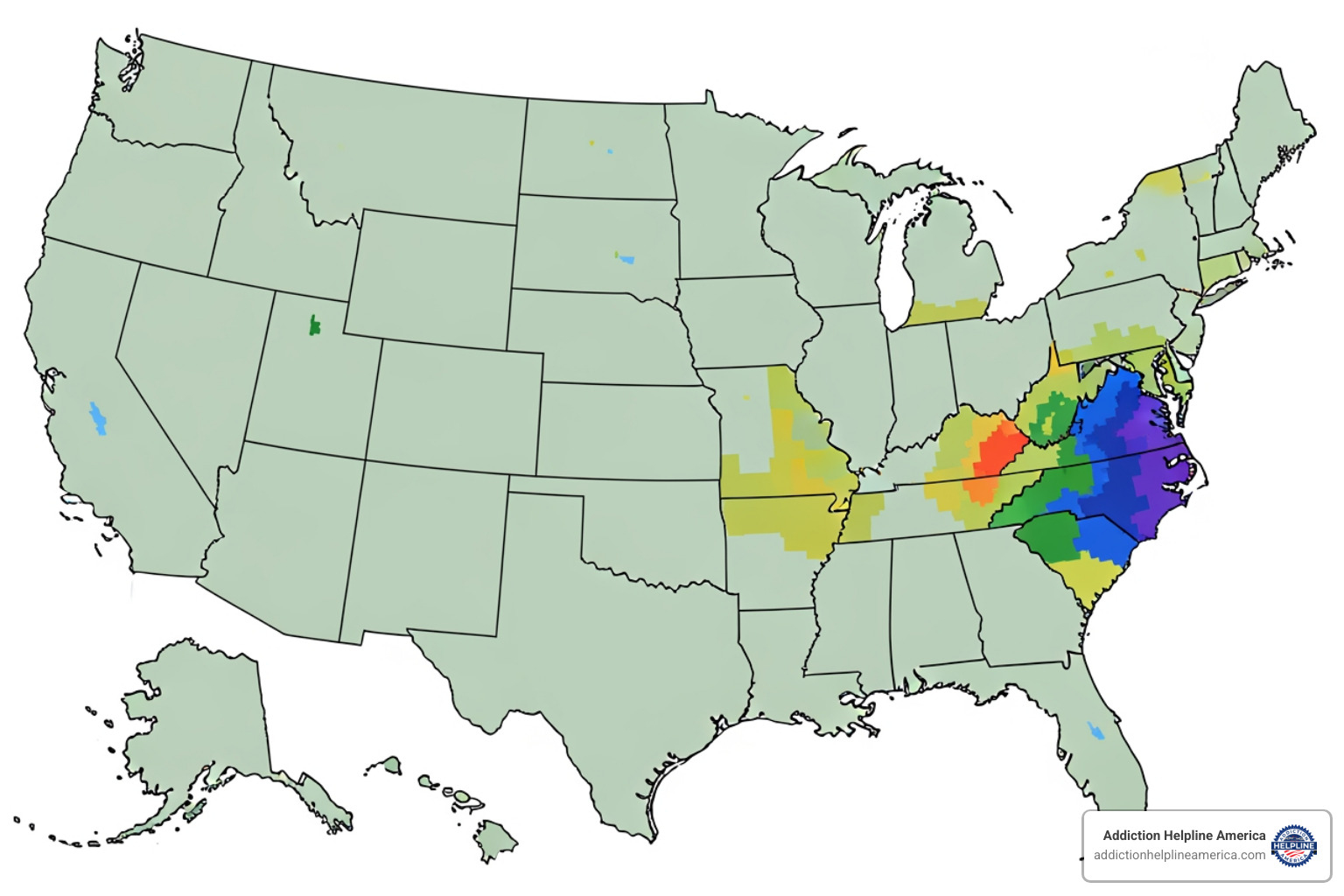
California, a state often at the forefront of national trends, mirrors and sometimes amplifies these challenges. The current state of addiction in California reveals concerning statistics: 15% of residents reported illicit drug use sometime during the last month, according to state-level NSDUH data. This figure highlights the pervasive nature of drug use within the state. Even more tragically, a total of 10,901 California residents died from overdoses in 2021 alone, according to the CDC WONDER database. These numbers are not just statistics; they represent lives lost, families shattered, and communities in distress.
Beyond substance use, mental health conditions are equally prevalent. It’s common for individuals to experience both a substance use disorder and a mental health condition simultaneously, a phenomenon known as co-occurring disorders. For example, someone struggling with anxiety or depression might turn to drugs or alcohol to cope, leading to a dual diagnosis that requires integrated treatment. This makes comprehensive support, like that offered by an addiction and mental health hotline, even more critical.
Recognizing the interconnectedness of these issues, legislation like The Mental Health Parity and Addiction Equity Act (MHPAEA) has been enacted to ensure that insurance coverage for mental health and substance use disorders is comparable to coverage for medical and surgical care. This aims to reduce barriers to treatment and make help more accessible.
Your First Call: National and State-Level Addiction and Mental Health Hotline Options
When you’re facing a crisis related to addiction or mental health, knowing where to turn for immediate assistance can make all the difference. Fortunately, a robust network of national and state-level resources stands ready to offer support. These services are typically free, confidential, and available 24/7, ensuring that help is always just a phone call or text away.
Addiction Helpline America: Your Gateway to Treatment
At Addiction Helpline America, we understand the urgency and sensitivity involved in seeking help for addiction and mental health challenges. Our addiction and mental health hotline serves as a vital gateway, connecting individuals nationwide to the resources they desperately need. We are a free and confidential treatment referral and information service, available 24 hours a day, 7 days a week. Our compassionate specialists are fluent in both English and Spanish, ensuring that language is never a barrier to care.
Our unique selling proposition lies in providing personalized guidance. We don’t just offer a list of facilities; we help you steer the complex landscape of treatment options to find the program that best fits your unique situation and needs. This might include residential treatment, outpatient programs, medication-assisted treatment, or dual diagnosis care for co-occurring disorders. We leverage our vast network of reputable treatment centers to ensure you find the right recovery program. When you call our Addiction Helpline America’s National Helpline, you’re taking a powerful step towards recovery with a trusted partner by your side.
The 988 Suicide & Crisis Lifeline: For Immediate Crisis
For situations demanding immediate crisis intervention, the 988 Suicide & Crisis Lifeline is a critical resource. When should someone use 988? This national helpline is specifically designed for individuals experiencing a mental health crisis, contemplating suicide, or facing severe emotional distress. As U.S. Department of Health and Human Services (HHS) Secretary Xavier Becerra stated, “If you are willing to dial three digits, you will get help. It’s a signal that we’re treating mental health as a priority.” If you or someone you know is struggling or in crisis, help is available by simply calling or texting 988.
The 988 Lifeline is not just a phone service; it also offers a chat option through its website, providing multiple avenues for support. It connects callers to a national network of local crisis centers, staffed by trained counselors who can provide immediate support, de-escalation, and connection to local resources. The 988 Lifeline is a crucial component of the nation’s mental health safety net, offering rapid, life-saving assistance when it’s needed most. It’s a direct line to help for those in the throes of a mental health emergency.
State-Specific Support: California Addiction and Mental Health Hotline Resources
While national hotlines offer broad support, state-specific resources can provide custom assistance, often with a deeper understanding of local treatment options and community programs. Addiction Helpline America extends its comprehensive support to California residents, offering specialized guidance to find local treatment programs.
What are the primary free resources available for substance abuse in California? Beyond our national services, California residents have access to several invaluable state-level resources.
One such critical service is 2-1-1 California. How does the 2-1-1 California service work, and what types of assistance can individuals expect? Residents of California can dial 211 or text their zip code to 898211 to be connected to a live specialist. This service provides free and anonymous help and resources, connecting individuals to a wide range of social services, including those for substance abuse, mental health, housing, food, and more. It’s a fantastic resource for navigating the complexities of local support. For California residents specifically, you can click here for the 211 CA website, which provides additional resources and information.
For a direct connection to Addiction Helpline America’s dedicated California support, you can explore our California addiction hotline page, which lists various resources for residents seeking help within the state.
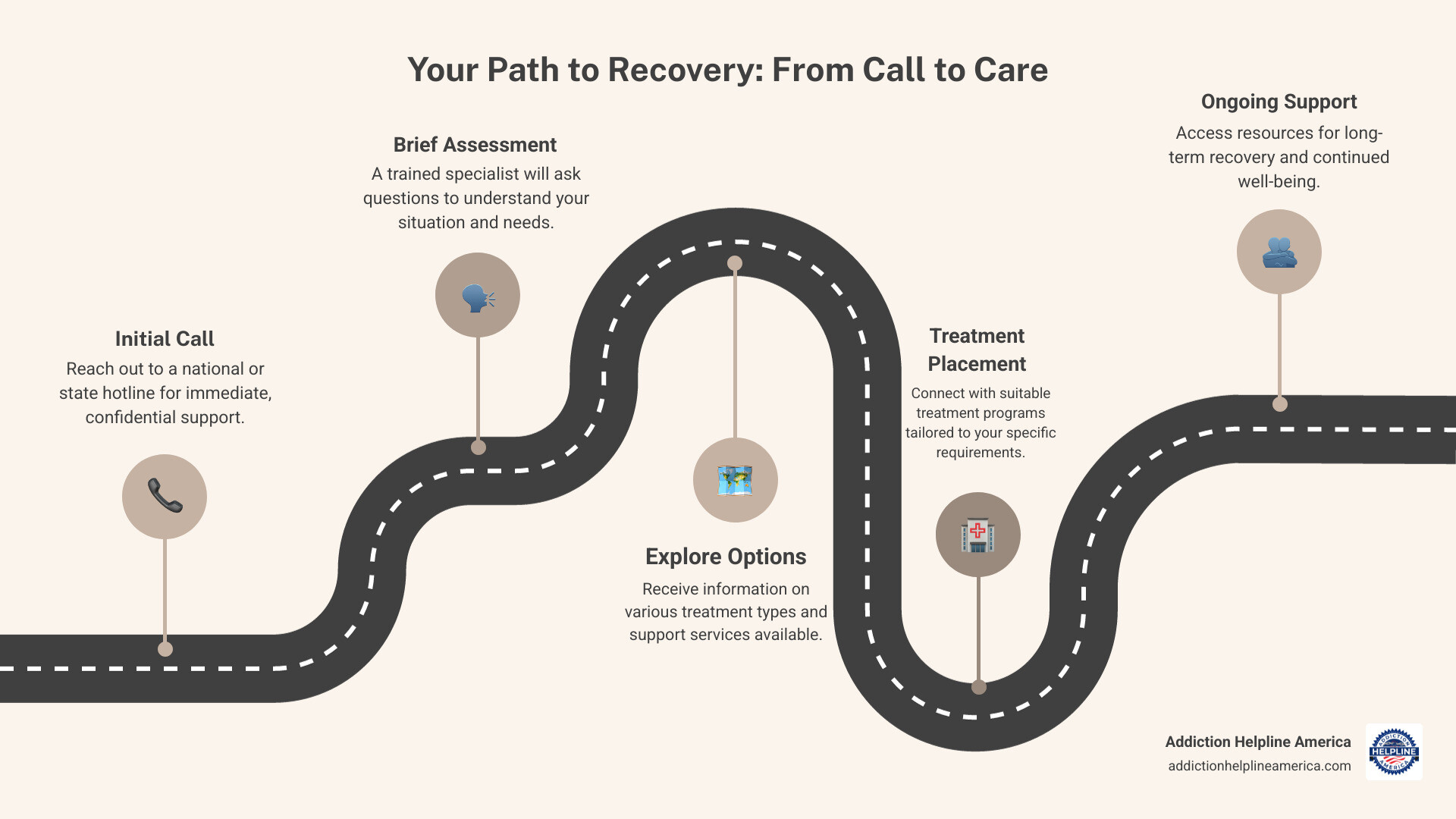
What to Expect When You Call a Helpline
Making that first call to an addiction and mental health hotline can feel daunting. You might wonder who you’ll talk to, what they’ll ask, or if you’ll be judged. Rest assured, these services are designed to be safe, confidential spaces where you can speak openly about your struggles without fear.

When you connect with a specialist through an addiction and mental health hotline, you can expect a non-judgmental and supportive conversation. They are trained professionals who understand the complexities of addiction and mental health. Their primary goal is to listen, assess your situation, and connect you with the most appropriate resources. This might involve asking some assessment questions to understand your needs better, such as the nature of your addiction, any co-occurring mental health conditions, your geographical location, and your insurance status. This information helps them provide personalized guidance and connect you to the right treatment options.
The Difference Between a Hotline and a Helpline
It’s important to understand the distinction between a “hotline” and a “helpline,” as they serve different, though sometimes overlapping, purposes. When should someone use 988 versus another service?
A hotline, particularly a crisis hotline like the 988 Suicide & Crisis Lifeline, is primarily designed for immediate, urgent intervention. Its purpose is to provide rapid support to individuals in acute distress. As Dr. John Draper, former executive director of the 988 Lifeline, explained to The New York Times, “The most important thing for people to know is that they don’t have to be suicidal to call. We’re there for any kind of emotional distress.” The focus is on de-escalation, safety planning, and connecting individuals to emergency services if necessary.
A helpline, on the other hand, often serves a broader informational and referral purpose. It provides support, answers questions, offers resources, and guides individuals toward appropriate services that are not necessarily immediate crisis interventions. For example, Addiction Helpline America operates as a helpline. Our specialists provide free, confidential, personalized guidance to help you find the right recovery program from our vast network of treatment centers. While we understand the urgency of your situation, our primary role is to connect you with long-term treatment and support, rather than providing immediate crisis counseling. We are your gateway to understanding your options and taking the next steps in your recovery journey.
Preparing for the Call
While no formal preparation is needed to call an addiction and mental health hotline—help is available whenever you reach out—a few simple steps can make your call more productive.
First and foremost, be as honest as you can. The specialists are there to help, and the more information they have, the better they can assist you. You don’t need to have all the answers, but being open about your struggles or concerns for a loved one will allow them to provide the most relevant support.
It can also be helpful to have a pen and paper ready. You might receive important phone numbers, website addresses, or specific program names that you’ll want to remember. If you’re calling about a loved one, having their basic information (e.g., age, substance of choice, any known mental health diagnoses) can help the specialist tailor their advice. Don’t hesitate to ask any questions you have, no matter how small they seem. This is your opportunity to gather information and clarity.
Whether you’re calling for yourself or someone else, the conversation is confidential. These services are built on trust and the desire to help. If you’re looking for support beyond California, we also provide resources for other states. You can find other state-specific hotlines through our website.
Finding Treatment and Support Through Addiction Helpline America
Taking that brave first step and calling an addiction and mental health hotline is commendable. But what happens next? At Addiction Helpline America, we believe in guiding you beyond that initial call, connecting you to trusted resources for long-term care and recovery. Our mission is to ensure you don’t just get information, but rather, a clear path forward.
We understand that finding the right treatment program can be overwhelming. That’s why our specialists provide free, confidential, and personalized guidance, acting as your advocates in navigating the vast network of treatment options. We work diligently to match you with facilities that align with your specific needs, whether that’s location, type of therapy, insurance coverage, or specialized care for co-occurring disorders. Our dedication extends to ensuring that families also find the support they need throughout this process.
Using Addiction Helpline America’s Treatment Locators
While Addiction Helpline America provides personalized assistance, we also want to empower you with direct access to treatment locators and other support services. SAMHSA, the Substance Abuse and Mental Health Services Administration, is a key partner in this effort, offering several valuable tools:
- Behavioral Health Treatment Services Locator (FindTreatment.gov): This comprehensive online tool allows you to search for mental health and substance use treatment facilities across the country. By entering your zip code or city, you can find appropriate services conveniently located near you.
- Opioid Treatment Program Directory: For those specifically struggling with opioid addiction, this directory helps locate local treatment programs by state.
- Buprenorphine Practitioner Locator: Buprenorphine is a medication used to treat opioid dependence. This locator helps individuals find authorized practitioners who can prescribe it.
These SAMHSA resources, combined with the personalized guidance from our addiction and mental health hotline, ensure that you have multiple avenues to find the most suitable care. You can always start your search for help and support by visiting SAMHSA’s Find Help page.
Conditions Addressed and Resources for Families
Addiction and mental health hotlines and the treatment centers they refer to address a wide spectrum of substance use disorders and mental health conditions, as defined by the American Psychiatric Association’s Diagnostic and Statistical Manual of Mental Disorders (DSM-5). Here’s a glimpse of the types of issues SAMHSA and its referred services can help with:
| Substance Use Disorders (SUDs) | Mental Health Conditions |
|---|---|
| Alcohol Use Disorder | Depression |
| Opioid Use Disorder | Anxiety Disorders |
| Stimulant Use Disorder | Post-Traumatic Stress Disorder (PTSD) |
| Cannabis Use Disorder | Bipolar Disorder |
| Tobacco Use Disorder | Schizophrenia |
| Prescription Drug Misuse | Eating Disorders |
Beyond direct treatment for individuals, Addiction Helpline America recognizes the profound impact addiction and mental health challenges have on families. As renowned interventionist Dr. Louise Stanger explains, “Addiction is a family disease. The entire family system is impacted. Involving the family in the treatment process significantly increases the chances of long-term, sustainable recovery.” Our specialists can connect you with resources designed to support family members, helping them understand the disease, cope with its effects, and participate in the recovery process.
SAMHSA also provides invaluable resources for families, such as:
- What Is Substance Abuse Treatment? A Booklet for Families: This booklet answers common questions about substance abuse, its symptoms, different types of treatment, and recovery, specifically for family members.
- “It’s Not Your Fault” (NACoA) (PDF): A resource for teens with parents who abuse alcohol or drugs, assuring them they are not alone and encouraging them to seek support.
- “Family Therapy Can Help: For People in Recovery From Mental Illness or Addiction”: This resource explores the role of family therapy in recovery.
Supporting families is crucial because recovery is often a family journey. We are here to ensure that everyone affected finds the healing and understanding they deserve.
Frequently Asked Questions about Addiction and Mental Health Hotlines
We often encounter similar questions from individuals and families seeking help. Here are some of the most common inquiries about addiction and mental health hotlines:
Are addiction hotlines free and confidential?
Yes, absolutely. Reputable national and government-funded hotlines, including Addiction Helpline America’s National Helpline, are designed to be free and confidential. This commitment ensures that individuals can seek help without the added burden of financial cost or the fear that their personal struggles will be disclosed. Confidentiality is paramount, creating a safe and private space for honest conversations about sensitive topics. Our service at Addiction Helpline America is always free and confidential, providing you with peace of mind as you seek guidance.
What is the difference between 988 and a substance abuse helpline?
The primary distinction lies in their immediate focus. The 988 Suicide & Crisis Lifeline is specifically for immediate, life-threatening mental health crises, such including suicidal thoughts or severe emotional distress. If someone is in imminent danger or needs urgent crisis intervention, 988 is the number to call or text.
A substance abuse helpline, like Addiction Helpline America’s National Helpline, serves as a referral and information service. While we understand the urgency of addiction, our role is to connect you to appropriate treatment options and long-term support for substance use disorders and co-occurring mental health conditions. We provide personalized guidance to help you find the right recovery program, which is a different, though equally vital, function than immediate crisis de-escalation.
Can I call a hotline for a friend or family member?
Yes, absolutely. Addiction and mental health hotlines are a resource for anyone affected by addiction or mental illness, including friends and family members. In fact, many calls come from concerned loved ones seeking guidance. As Dr. Robert DuPont, the first director of the National Institute on Drug Abuse (NIDA), has noted, “Family members often feel helpless. Providing them with resources and a plan of action empowers them to become part of the solution.” Our specialists at Addiction Helpline America are trained to provide resources and advice to family members, helping you understand your options and steer the process of getting help for someone you care about. Taking this step for a loved one is a powerful act of support.
Conclusion: Taking the First Step Towards Recovery
The journey to recovery from addiction and mental health challenges can feel overwhelming, but you don’t have to face it alone. As we’ve explored, a robust network of addiction and mental health hotline services is available to offer immediate, free, and confidential support. From the crisis intervention provided by the 988 Suicide & Crisis Lifeline to the personalized treatment referrals offered by Addiction Helpline America, help is truly just a call or text away.
Calling an addiction and mental health hotline is not a sign of weakness; it is a profound act of courage and a vital first step towards reclaiming your life. It means you’re ready to seek solutions, to find healing, and to accept the possibility of a brighter future. Recovery is not only possible, but it is happening every single day. In fact, an estimated 22.4 million adults in the U.S. consider themselves to be in recovery from a substance use problem.
As William C. Moyers, a vice president at the Hazelden Betty Ford Foundation, often says, “Recovery is not a destination, it’s a journey. And it’s a journey that’s best not taken alone.” At Addiction Helpline America, we are committed to being your trusted partner on this journey. We provide free, confidential, personalized guidance from our team of specialists, connecting you to the right recovery program from our vast network of treatment centers. We are here to listen, to understand, and to help you take that crucial first step.
Don’t let fear or uncertainty hold you back any longer. Help is standing by, ready to support you or your loved one. Get help now by calling our mental health helpline and begin your path to healing today.